Texas Launches $13 Million Spay and Neuter Program to Reduce Infectious Diseases From Cats and Dogs
The Department of State Health Services (DSHS) has launched a new sterilization program for dogs and cats to maximize the impact of sterilization across both urban and rural communities in Texas.
DHSH confirmed on March 19, 2026, that the Texas Spay and Neuter Program has received $13 million from the legislature to fund this initiative for two years. Organizations selected for the program must employ or subcontract with a veterinarian who has significant spay-and-neuter experience.
Operating through 2026-2027, this pilot program is designed to protect human health by reducing the number of dogs and cats at risk of unplanned breeding, which can lead to the transmission of infectious diseases such as rabies.
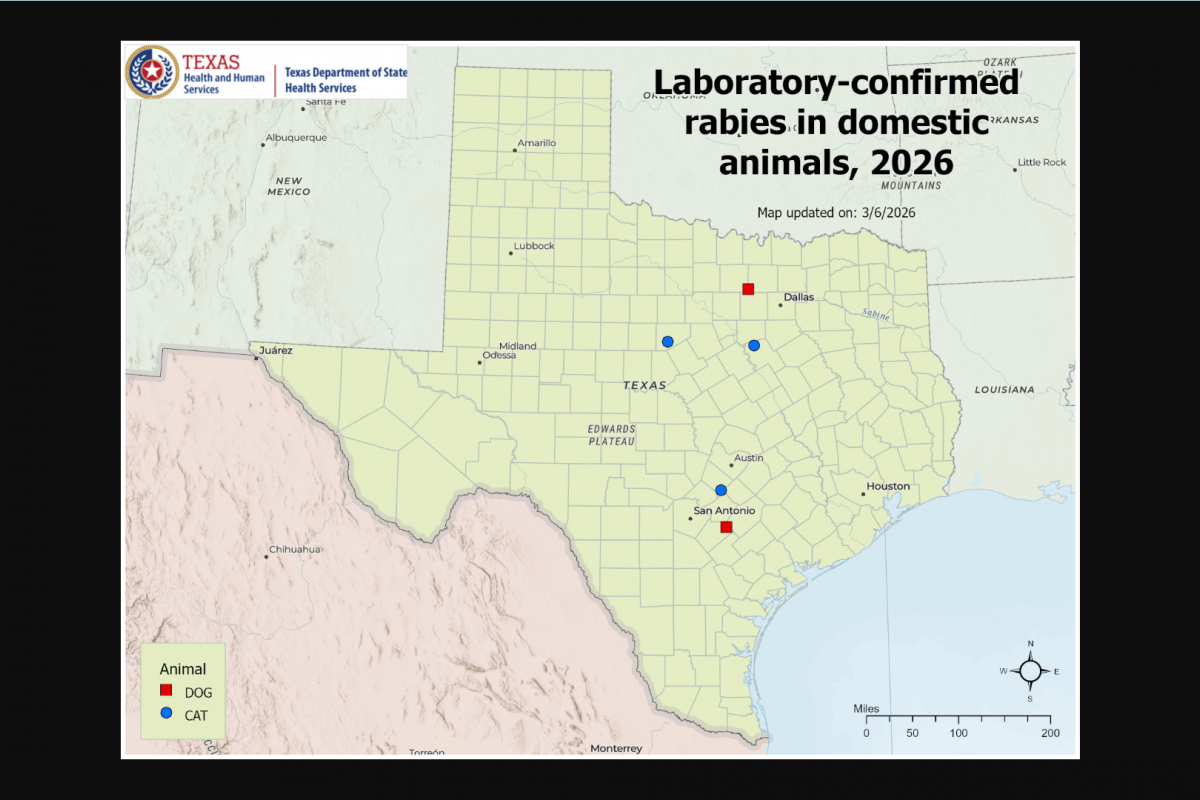
At least 33 confirmed animal rabies cases were reported by mid-March 2026.
From a local perspective, the most affected area in Texas was Travis County (Austin), with 68 cases in 2024, and patterns suggest a similar or higher number of cases in 2025.
From a disease prevention option for people, various clinics and pharmacies in Texas offer rabies vaccination services in 2026.
In addition to mitigating health risks for humans, spaying and neutering can also reduce the risk of cancer and other diseases in these animals. Research indicates that spayed and neutered cats and dogs tend to live longer on average.
For more information about the program, you can visit the Texas Spay and Neuter Program website.
Additionally, DSHS funds the Texas Animal Friendly Program, which assists communities in providing low-cost spay-and-neuter surgeries through the sale of custom Texas license plates that promote animal friendliness.
Our Trust Standards: Medical Advisory Committee