Cholera Outbreaks Continue as Global Health Threats
As we enter 2026, cholera outbreaks continue to be a significant global threat, despite decades of progress in controlling this severe disease.
The World Health Organization (WHO) has recorded seven cholera pandemics in the last two centuries, with the current seventh pandemic beginning in South Asia in 1961 and still ongoing.
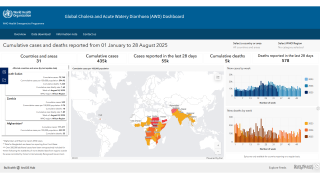
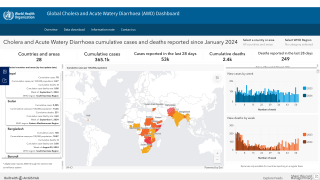
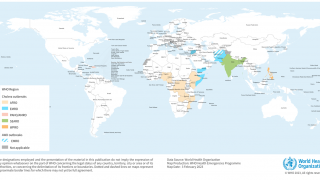
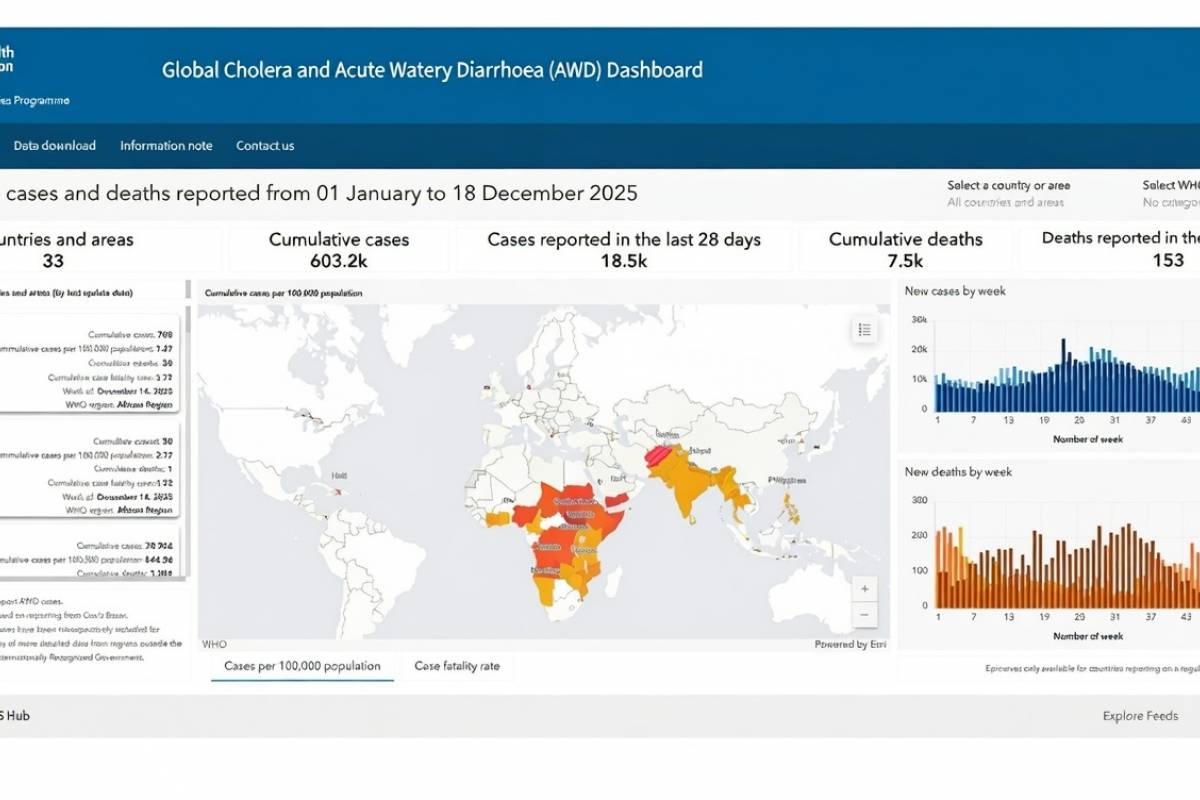
As of December 31, 2025, the WHO has reported a total of 601,845 cholera cases and 7,671 deaths across 31 countries in Africa, Asia, the Middle East, and the Americas.
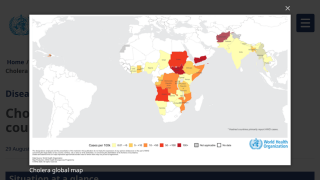
These numbers indicate persistent transmission across various WHO regions, particularly in the Eastern Mediterranean and African regions, which bear the most significant burden.
Preliminary data for 2025 suggest that case numbers and mortality rates are higher than in previous years. In lower-risk areas, such as the EU/EEA, cholera is uncommon and typically linked to travel from endemic regions.
According to the European Centre for Disease Prevention and Control (ECDC) on January 9, 2026, only 12 confirmed cases were reported across five EU/EEA countries in 2023.
This is a slight increase from 29 cases in 2022, two cases in 2021, and none in 2020.
All recent cases involved individuals with a travel history to affected areas. The WHO highlights vaccination as a crucial strategy in controlling cholera, especially for high-risk groups.
Oral cholera vaccines (OCVs), including WHO-prequalified options like Dukoral®, Euvichol-Plus®, and Euvichol-S®, are recommended for travelers at higher risk of exposure. Travelers planning to visit regions with active cholera transmission should consult travel health clinics to evaluate their personal risk factors and determine if an OCV immunization is appropriate in 2026.
When departing from the USA, OCVs are available at travel clinics in most states.
However, the WHO noted that increased OCV production has yet to meet growing global needs.
Our Trust Standards: Medical Advisory Committee