Cape Verde Vacation Includes Shigella Infections Risk
The UK Health Security Agency (UKHSA) has identified an increase in the number of Shigella sonnei cases caused by a particular strain of the gastrointestinal pathogen.
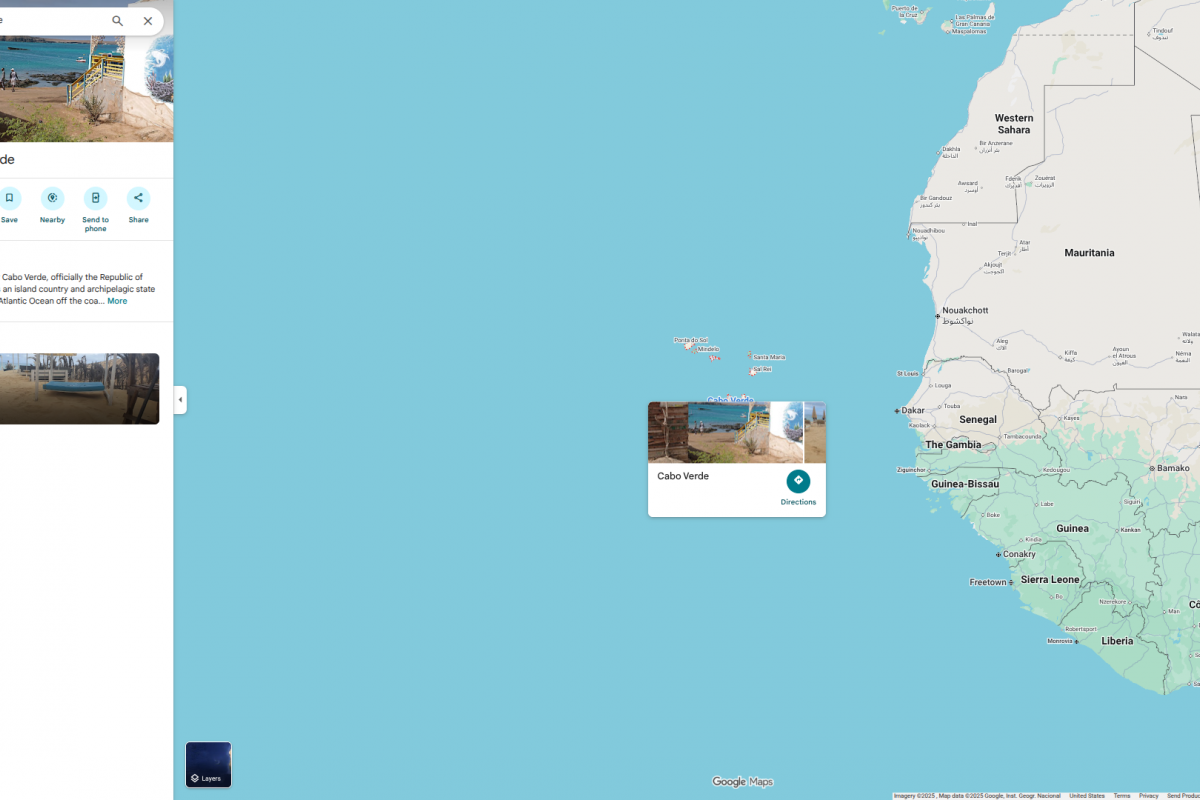
Since October 2025, there has been a rise in Shigella infections in people returning to the UK from the Republic of Cape Verde. Of the 137 confirmed UK cases, most (109) reported recent travel to Cape Verde, an island country in the Atlantic Ocean off the coast of West Africa.
As of December 5, 2025, the UKHSA had initiated an outbreak investigation.
An outbreak of Shigella sonnei was also reported in Cape Verde in 2022, with cases among travellers from several European countries, including the UK.
The UKHSA says Shigella sonnei (S. sonnei) is a species of Shigella, a group of gastrointestinal bacteria that can cause severe diarrhoea, fever, and stomach cramps; rarely, it can cause sepsis in the immunocompromised.
S. sonnei is transmitted via contact with contaminated faeces either directly through person-to-person transmission or indirectly from contaminated food or water, or surfaces – infection is often linked to overseas travel to regions where shigellosis is endemic.
In 2023, there were 117 cases in England belonging to the 10 single-nucleotide polymorphism linkage cluster t10.1814.
Globally, most cases of shigellosis are in children younger than five years of age, but all ages can be affected. There is also a risk of sexual transmission among certain people.
In the United States, as of Week 43, the CDC reported about 14,000 Shigellosis cases, a significant decrease from 2024.
As of December 9, 2025, the CDC states there is no vaccine to prevent Shigella infection.
Our Trust Standards: Medical Advisory Committee