Coconino County Confirms Pneumonic Plague Fatality in Arizona
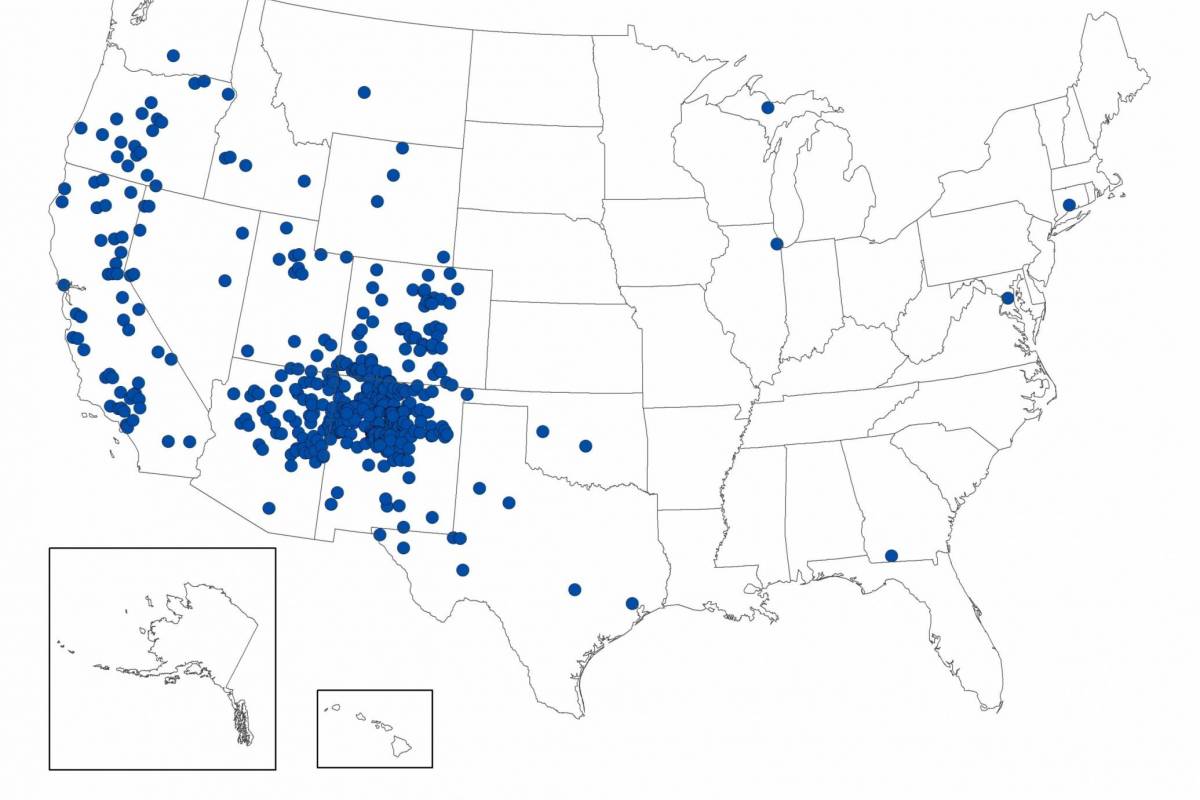
Coconino County Health and Human Services officials recently confirmed a resident died from pneumonic plague, a severe lung infection caused by the Yersinia pestis bacterium.
As of July 11, 2025, this is the first recorded death from Pneumonic plague in Coconino County since 2007, when an individual had an interaction with a dead animal infected with the disease.
The new death is not related to a recent report of a prairie dog die-off in the Townsend Winona area, northeast of Flagstaff, Arizona.
“Our hearts go out to the family and friends of the deceased,” said Coconino County Board of Supervisors Chair Patrice Horstman in a press release.
“Out of respect for the family, no additional information about the death will be released.”
According to the U.S. Centers for Disease Control and Prevention, an average of seven human plague cases are reported each year in the United States. The last urban plague epidemic in the United States occurred in Los Angeles from 1924 through 1925.
The CDC states that the risk to the local public from exposure to plague remains low.
More recent plague epidemics have occurred in Africa, Asia, and South America.
The bacterium that causes plague, Yersinia pestis, can be transmitted to humans from the bite of an infected flea or through contact with an infected animal. According to health officials, the risk of human-to-human transmission is very low. The last reported occurrence of human-to-human transmission in the U.S. was reported in 1924.
Without a vaccine to prevent plauge epidemics, the U.S. Department of Defense (DoD) continues to fund development efforts.
Dynavax Technologies Corporation confirmed in February 2025 that it continues developing a plague vaccine candidate (rF1V) with the CpG 1018® adjuvant in collaboration with, and fully funded by, the DoD.
Dynavax and the DoD executed a new agreement for approximately $30 million through the first half of 2027 to support additional clinical and manufacturing activities, including a Phase 2 clinical trial expected to initiate in the third quarter of 2025.
Our Trust Standards: Medical Advisory Committee