Houston Reduced RSV Hospitalizations With Innovative Immunization Therapies

According to an analysis recently published by the U.S. Centers for Disease Control and Prevention (CDC), fewer infants were admitted to hospitals struggling to breathe from Respiratory Syncytial Virus (RSV) last season.
This positive trend was announced in the MMWR (74(16);273–281) on May 8, 2025, following the approval of RSV vaccines and antibody treatments for the 2024-2025 season.
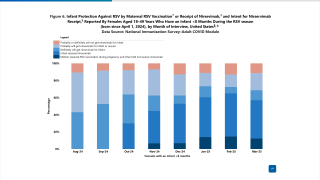
Data from the RSV-Associated Hospitalization Surveillance Network (RSV-NET) and New Vaccine Surveillance Network (NVSN) showed infants aged 0–7 months (eligible for protection with maternal vaccination or nirsevimab), 2024–25 RSV-associated hospitalization rates were lower compared with the 2018–20 pooled rates.
The most significant estimated rate reduction was observed among infants aged 0–2 months (RSV-NET: 52%, 95% CI = 49%–56%; NVSN: 45%, 95% CI = 32%–57%) and during peak hospitalization periods (December–February).
In a sensitivity analysis of the NVSN surveillance site in Houston, Texas, where the RSV season began before vaccine and antibody treatments were available, the effect was even more pronounced, with a 71% drop in infant hospitalizations.
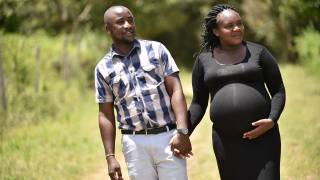
The findings suggest the importance of protecting infants born during the RSV season through either maternal vaccination during pregnancy or nirsevimab (Beyfortus) administration in the first week of life, ideally during the hospitalization for birth.
Our Trust Standards: Medical Advisory Committee