Vaccine News

Vaccine news brought to you by Precision Vaccinations.

May 14, 2024 • 5:52 am CDT
by Pete Linforth

Although several countries have adopted a single-dose human papillomavirus (HPV) vaccination strategy, many other countries, such as the United States, continue to include multiple doses in their vaccination programs.

As of May 2024, six vaccines are authorized globally to protect males and females against cancers caused by HPV.

According to an article published by the Lancet Infectious Diseases on May 8, 2024, there are ethical reasons to transition to a single-dose strategy.

These scientists discuss how a single-dose HPV vaccination strategy advances equity in three dimensions: vaccine equity, health equity, and gender equity.

Adopting a single-dose strategy eases pressure on vaccine supply, lowers program costs, and is easier to distribute.

This change facilitates vaccine procurement and implementation programs (contributing to vaccine equity) and reaching hard-to-reach people or populations (contributing to health equity).

A lower number of cases of HPV-related diseases that stem from greater vaccine distribution reduces the burden on women, who are at a higher risk of HPV-related disease or who act as caregivers, which prevents them from accessing opportunities that contribute to their empowerment (contributing to gender equity).

Thus, these scientists wrote that pursuing the single-dose HPV vaccination program strategy is ethically desirable.

In April 2022, WHO's Strategic Advisory Group of Experts on Immunization concluded that a single-dose HPV vaccine delivers virus protection comparable to 2-dose schedules.

In the U.S., the Centers for Disease Control and Prevention (CDC) HPV vaccination has been recommended for women since 2006 and for men since 2011. Current CDC HPV vaccination schedules were updated in 2023.

May 13, 2024 • 3:44 pm CDT
Gate Foundation 2024

Mark Suzman, the CEO of the Bill & Melinda Gates Foundation, published a change of leadership message today.

On May 13, 2024, Suzman wrote, 'I am writing to share some important news. Melinda French Gates has decided to resign from her role as co-chair of the foundation. Her last day of work at the foundation will be June 7, 2024.

Melinda cares deeply about the foundation and is extremely proud of all of you and the work you do every day to help millions of people live better lives. She made this decision, after considerable reflection, based on how she wants to spend the next chapter of her philanthropy.

Melinda has new ideas about the role she wants to play in improving the lives of women and families in the U.S. and worldwide.'

The entire unedited message is posted at this Gates Foundation link.

And listen to the Gates Foundation's $8.6 billion budget 2024 Annual Letter, read by Suzman.

The Gates Foundation has been a global leader in expanding access to vaccines.

For example, In 1988, when the Global Polio Eradication Initiative (GPEI) was launched, polio was present in more than 125 countries and paralyzed about 1,000 children per day.

Thanks to the Gates immunization efforts, nearly 3 billion children have been immunized, and the incidence of polio has decreased by 99%.

Gate and GPEI have recently successfully deployed the nOPV2 vaccine to over 1 billion people.

May 13, 2024 • 7:40 am CDT
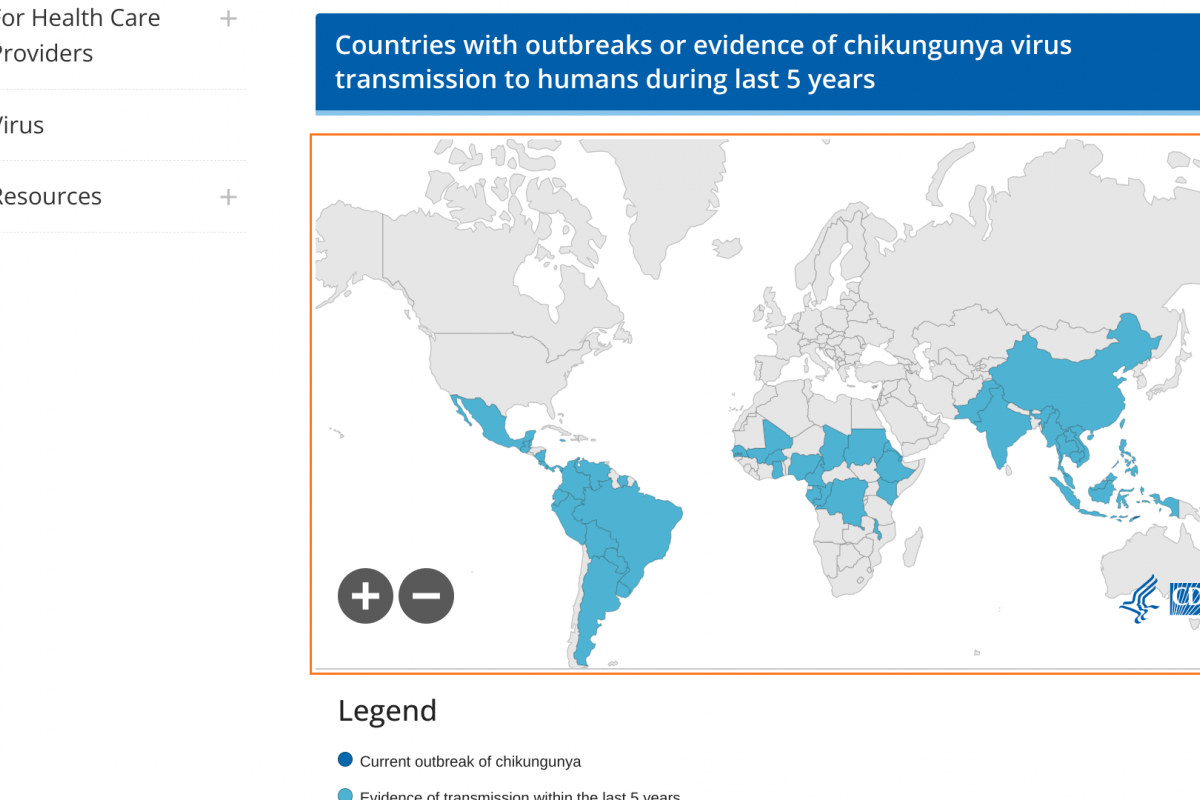
US CDC Chikungunya virus case map May 2024

The world's first and only licensed chikungunya vaccine today presented further positive pivotal Phase 3 data in adolescents.

On May 13, 2024, Valneva SE announced following the initial analysis up to Day 29 post-vaccination, the most recent analysis of study VLA1553-321 evaluated the safety and immunogenicity six months after vaccination with a single dose of the chikungunya virus (CHIKV) vaccine IXCHIQ®.

The Day 180 results confirm the initial positive immunogenicity and safety data Valneva reported previously and are intended to support filing for potential label extension for use in adolescents aged 12 to 17 years.

The data are also expected to support the licensure of IXCHIQ® in Brazil, which would be the first potential approval for use in endemic populations.

The U.S. FDA approved IXCHIQ in November 2023, and the Centers for Disease Control and Prevention (CDC) recently adopted the Advisory Committee on Immunization Practices' recommendations on the use of the vaccine in the U.S.

Juan Carlos Jaramillo, M.D., Chief Medical Officer of Valneva, said in a press release, "We are highly encouraged by these data, as they reinforce the strong immunity and safety observed in adults and the elderly, upon which FDA approval was granted."

"Given the substantial risk that chikungunya presents to individuals residing in or traveling to endemic regions, it's imperative to ensure the vaccine is available to all age groups. This broader accessibility can help provide protection and mitigate the burden of this debilitating illness."

Three marketing applications are under review by the European Medicines Agency, Health Canada, and the Brazilian Health Regulatory Agency, with potential approvals in 2024. 

The CDC recently issued an updated Level 2 Travel Health Advisory confirming chikungunya vaccination is recommended for adults traveling to a destination with a current CHIKV outbreak.

May 12, 2024 • 9:41 am CDT
from Pixabay

Developed by Chengdu Weisjin Biomedical Technology Co., Ltd. (Wesjin Biotech), WGc-043 is an mRNA therapeutic cancer vaccine that recently received IND approval from the U.S. Food and Drug Administration (FDA).

According to public information from the FDA, WGc-043 Injection has been approved for two categories of indications: one is for adult patients with Epstein-Barr virus-positive advanced solid tumors who have undergone second-line systemic treatment.

The second indication is for adult patients with relapsed or refractory virus-positive hematoma.

This achievement, announced on May 9, 2024, marks the world's first approval of an Epstein-Barr virus (EBV)- related mRNA therapeutic cancer vaccine.

Once successfully launched, WGc-043 will provide a new treatment option for patients with advanced EB virus-positive solid tumors and hematologic malignancies.

EB virus is highly correlated with more than ten malignancies, including nasopharyngeal carcinoma, natural killer T-cell lymphoma, gastric cancer, lung cancer, liver cancer, esophageal cancer, breast cancer, cervical cancer, and autoimmune diseases such as multiple sclerosis and systemic lupus erythematosus.

According to a press release on May 10, 2024, WGc-043 shows promising efficacy, low toxicity, broad applicability, efficient scalability, and cost-effectiveness.

The company says that WGc-043 has already completed investigator-initiated trials, demonstrating superior safety and efficacy compared to other publicly available mRNA therapeutic cancer vaccines.

Specifically, the technical features of WGc-043 also include the antigen being the most broad-spectrum and safe protein sequence.

The originally designed immune enhancer (IE) is introduced into the mRNA molecule, and the mRNA delivery carrier is independently developed and obtained

A new type of LNP authorized by US and European patents (the safety of this LNP: has been verified in clinical trials of 3 varieties).

These designs enable WGc-043 to activate the patient's own anti-tumor immunity and generate tumor-killing cytotoxic T cells, antigen-specific antibodies, and memory T cells in the body, which is equivalent to CAR-T. The combined anti-tumor effect of monoclonal antibodies can also prevent tumor recurrence, have more efficient anti-cancer effects, and be superiorly safe.

Weisjin Biotechnology has filed over 60 invention patents, including the patent for ionizable lipids, which has been authorized by China, the United States, Europe, and other countries and regions. 

As of May 12, 2024, no date has been announced regarding WGc-043's availability in the United States.

May 10, 2024 • 2:00 pm CDT
Pixabay 2024

Moderna, Inc., today announced that the U.S. Food and Drug Administration (FDA) has notified it that due to administrative constraints, the agency does not expect to complete its review of the Biologics License Application for mRNA-1345, Moderna's investigational respiratory syncytial virus (RSV) vaccine, by the previously communicated Prescription Drug User Fee Act date of May 12, 2024.

The FDA informed Moderna on May 10, 2024, that it is working to conclude its review of mRNA-1345 by the end of May 2024.

The FDA has not informed Moderna of any issues related to vaccine safety, efficacy, or quality that would prevent the approval of mRNA-1345.

May 10, 2024 • 1:41 pm CDT
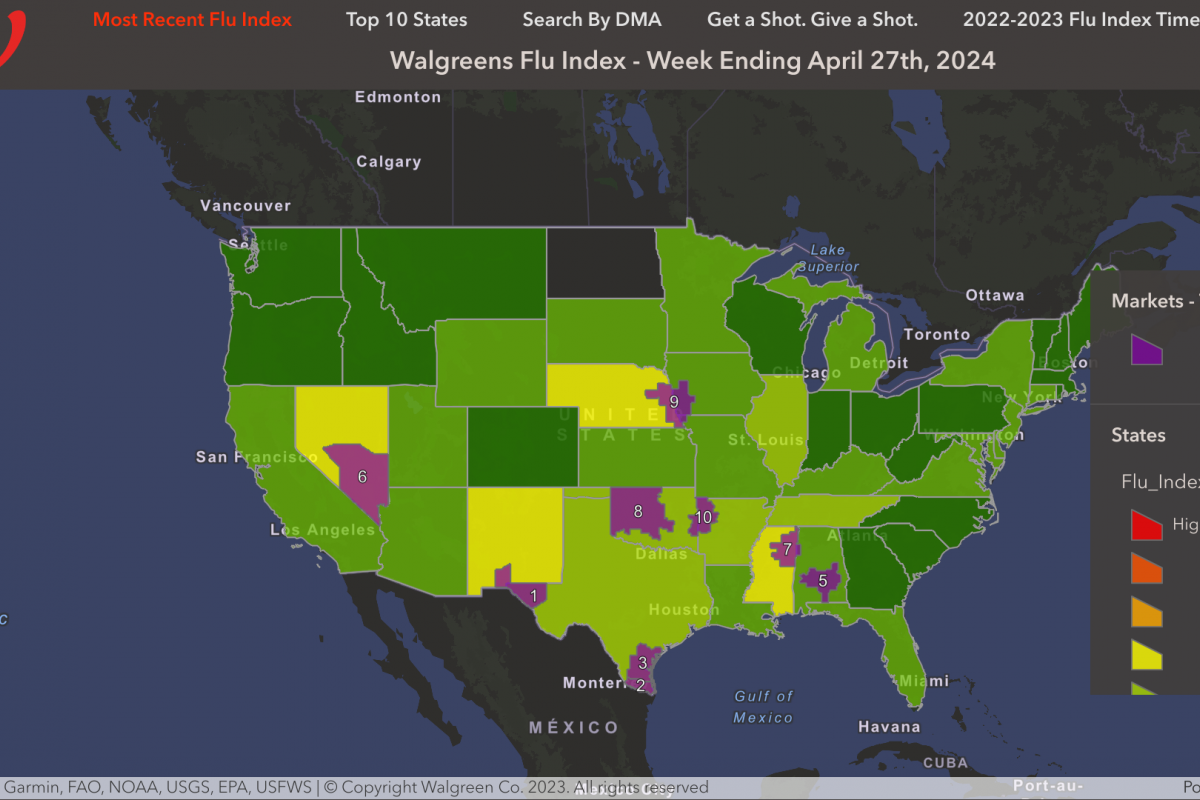
Walgreen Flu Index map April 27, 2024

The U.S. CDC reported today that seasonal influenza activity continues to decline nationally, with outpatient respiratory illness stable and below baseline for the fifth consecutive week.

As of Week #18, the CDC says that flu viruses are among the several contributing factors to respiratory disease activity. To help people understand their health risks, the CDC provides updated, integrated information about influenza, RSV, and other disease activity every week.

From a local perspective, the Walgreens Flu Index recently identified three Texas cities that led the USA with influenza activity in late April 2024.

These cities are:

  1. El Paso, Texas (Las Cruces, N.M.
  2. Harlingen-Weslaco-Brownsville-McAllen, Texas
  3. Corpus Christi, Texas

The CDC also disclosed that about 63 million flu shots have been administered at pharmacies and physician offices this flu season, which indicates about 6% fewer flu shots administered than last season.

These vaccines remain available at most pharmacies in the U.S.

May 10, 2024 • 8:13 am CDT
by Binay Sahoo

The American Academy of Pediatrics journal recently confirmed data from the Vaccine Adverse Event Reporting System (VAERS) revealed over two dozen young children were incorrectly administered an adult RSV vaccine.

As reported in a Research Brief on May 9, 2024, these children were under the age of two between August 2023 and March 2024.

In January 2024, the Centers for Disease Control and Prevention (CDC) announced vaccine administration errors are known to occur.

Since the approval of RSV vaccines and the launch of a second-generation monoclonal antibody, VAERS has received reports of the Pfizer (Abrysvo) or GSK (Arexvy) vaccines being administered in error to children.

Additionally, the CDC and U.S. FDA have received reports of Arexvy being administered in error to pregnant women. 

According to the U.S. CDC, no special monitoring is needed when an adult RSV vaccine is administered to children. However, if eligible, children who receive an RSV vaccine in error should receive Beyfortus™ to prevent severe RSV disease.

Beyfortus (Nirsevimab) is a long-acting monoclonal antibody that prevents severe RSV disease. As of May 10, 2024, Beyfortus is reported to be about 90% (95% CI = 75%–96%) protective against RSV-associated hospitalization in infants in their first RSV season. 

The CDC says that although both monoclonal antibodies and vaccines provide protection, how they deliver protection differs.

May 9, 2024 • 4:30 pm CDT
by Sunè Theron

The World Health Organization (WHO) today announced three human cases, including one death, of Middle East respiratory syndrome coronavirus (MERS-CoV) by the Ministry of Health of the Kingdom of Saudi Arabia (KSA).

According to the WHO's Disease Outbreak News on May 8, 2024, all three cases were middle-aged males with underlying health conditions.

The three cases are epidemiologically linked to exposures in a Riyadh healthcare facility, although investigations are ongoing to verify this and understand the transmission route.

In 2024, a total of four cases and two deaths have been reported from the KSA.

MERS is a viral respiratory infection caused by the MERS-CoV. Humans are infected with MERS-CoV from direct or indirect contact with dromedary camels, the virus's natural host and zoonotic source.

So far, non-sustained human-to-human transmission has occurred among close contacts and in healthcare settings. However, the WHO reports limited human-to-human transmission outside of healthcare settings.

Since 2012, when the first MERS-CoV case was reported in KSA, 2,613 MERS-CoV cases and 941 deaths (36%) have been reported from 27 countries in all six WHO regions.

Fortunately, no MERS-CoV cases have been reported from countries outside the Middle East since 2019.

The notification of the new cases does not change WHO's overall risk assessment, which remains moderate at both the global and regional levels.

As of May 9, 2024, no approved MERS vaccines are available.

However, in late 2023, Barinthus Biotherapeutics plc, the Coalition for Epidemic Preparedness Innovations, and the University of Oxford collaborated on fast-tracking the development of the VTP-500 vaccine candidate.

This $34.8 million project intends to take this MERS vaccine through Phase II clinical trials.

May 9, 2024 • 1:46 pm CDT
by Lynn Greyling

The U.S. Centers for Disease Control and Prevention (CDC) today confirmed that imported malaria in three U.S. southern border jurisdictions increased in 2023, particularly among new arrivals with recent complex transit through at least one country with endemic malaria. 

The median travel duration was 29 days, and 73% reported traversing land borders.

On May 9, 2024, the CDC's Notes from the Field revealed that during 2023, 68 imported malaria cases were identified in Pima, Arizona (18), San Diego, California (27), and El Paso, Texas (23).

According to this Morbidity and Mortality Weekly Report, his data compares with 28 cases in 2022 (three in Pima, 12 in San Diego, and 13 in El Paso).

Overall, 63 (91%) patients with malaria in 2023 were hospitalized; no deaths were reported. Severe malaria was more common among other newly arrived migrants (37%) than among U.S. residents (7%).

These new arrivals were non–U.S.-born persons who had arrived in the United States within the preceding six months.

This CDC report is in addition to May 8, 2024, when the CDC reported ten Plasmodium vivax malaria cases in Los Angeles, California.

Seperately the states of Florida and Texas have reported imported malaria cases in 2024, 2023, and 2022. 

Infected people who meet the criteria for uncomplicated malaria are generally treated with either hydroxychloroquine, chloroquine, or atovaquone/proguanil, followed by anti-relapse treatment with primaquine.

While malaria is now a vaccine-preventable disease, the two approved vaccines (Mosquirix™, R21/Matrix-M™)   are not currently offered in the U.S.

May 9, 2024 • 10:53 am CDT
Medline plus 2024

Dynavax Technologies Corporation today announced that HEPLISAV-B® vaccine net product revenue grew 10% year-over-year to approximately $48 million in the first quarter of 2024.

HEPLISAV-B is the first and only adult hepatitis B vaccine approved in the U.S., the European Union, and Great Britain to enable series completion with only two doses in one month.

In 2024, HEPLISAV-B's total estimated market share in the U.S. increased to approximately 41%, and its estimated market share in the retail pharmacy segment increased to approximately 55%.

"The U.S. adult hepatitis B vaccine opportunity remains significant with over 130 million patients eligible, one of the largest addressable patient populations in the U.S., and the vast majority remaining unvaccinated," said Ryan Spencer, Chief Executive Officer of Dynavax in a press release on May 8, 2024.

Hepatitis B is a viral infection that affects the liver and can cause acute or chronic disease.

Driven by the U.S. CDC's Advisory Committee of Immunization Practices' universal recommendation for adult hepatitis B vaccination, the hepatitis B vaccine market continues to expand in the U.S. Dynavax believes the U.S. market has the potential to grow to over $800 million by 2027, with HEPLISAV-B well-positioned to achieve a majority market share.

A supplemental Biologic License Application for HEPLISAV-B vaccination of adults on hemodialysis is currently under review by the U.S. FDA, with a Prescription Drug User Fee Act action date planned for May 13, 2024.

May 8, 2024 • 2:57 pm CDT
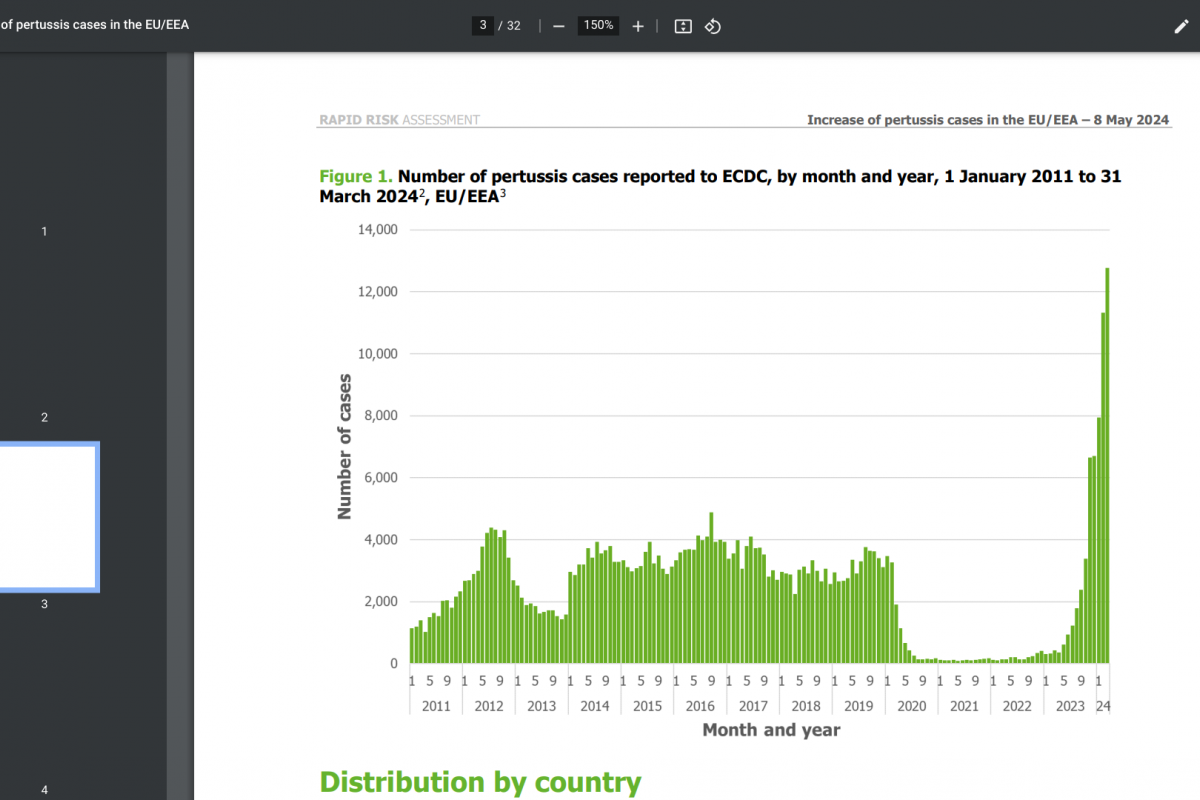
ECDC Pertussis case trends May 8, 2024

According to a new report from the European Centre for Disease Prevention and Control (ECDC), more than 25,000 cases of pertussis and 19 related deaths were reported in 2023, and more than 32,000 between January and March 2024.

The ECDC data announced on May 8, 2024, indicates a nearly 10-fold increase in pertussis (whooping cough) cases compared with 2022.

Historically, infants have had the highest incidence of pertussis reported in European countries. However, in 2023–24, an increase among infants has been observed, along with large increases in 10–14 and 15– 19-year-olds.

According to information from open sources, an increase in pertussis cases has also been reported in many countries in 2024, including Australia, Brazil, Canada, Israel, the United States, and the United Kingdom.

The primary objective of national pertussis immunization programs should be to curb morbidity and mortality in newborn infants. 

To this end, and given the ongoing pertussis outbreaks, the ECDC encourages all public health authorities to focus on achieving and sustaining high vaccination coverage through timely and full completion of pertussis primary immunization series and subsequent boosters recommended nationally.

The World Health Organization and numerous agencies have approved various pertussis vaccines.

May 8, 2024 • 9:22 am CDT
from Pixabay

A recent study aimed to compare the positive benefits between two U.S. FDA-approved influenza antiviral medications.

Published in the journal Influenza and Other Respiratory Viruses on May 6, 2024, this study concluded that Xofluza (baloxavir marboxil, BMX) appears to be more effective than Tamiflu (oseltamivir, OTV) in lowering the secondary attack rate.

The Poisson regression modeling showed that in those cases treated with BXM and OTV, the benefits were 10.8% and 18.5%, respectively; the adjusted relative reduction was 41.8% (95% confidence interval: 1.0%–65.7%, p = 0.0456) greater with BXM than OTV. 

These researchers wrote that one reason for this result may have been the difference in administration: a single dose of BXM versus twice daily for five days for OTV. Thus, BXM is expected to have higher compliance than OTV in children.

In summary, this post hoc analysis found that the secondary influenza illness attack rate was lower in household contacts exposed to BXM-treated than OTV-treated index cases.

May 8, 2024 • 7:56 am CDT
by Leigh P.

According to Reuters reporting, AstraZeneca is voluntarily withdrawing its COVID-19 vaccine Vaxzevria as global demand has declined in 2024.

The University of Oxford, Serum Institute of India Pvt. Ltd., and AstraZeneca co-produced Vaxzevria COVID-19 (AZD1222). The European Medicines Agency initially authorized Vaxzevria in February 2021.

The London-based company indicated that the decision to pull Vaxzevria from the global market was due to the "surplus of available updated vaccines" adapted to newer and emerging variants of COVID-19, Reuters reported on May 6, 2024.

"We are incVaxzevria's role Vaxzevria played in ending the global pandemic. According to independent estimates, over 6.5 million lives were saved in the first year of use alone, and over three billion doses were supplied globally," AstraZeneca told The Telegraph in a statement.

Over the past month, other COVID-19 vaccine producers have reported significant decreases in consumer demand.

In the U.S., the Food and Drug Administration recently announced it intends to issue its recommendations for 2024-2025 COVID-19 vaccines in mid-June 2024.

May 7, 2024 • 2:09 pm CDT
by Gerd Altmann

ImmunityBio, Inc. announced today that the drug substance had been completed and successfully qualified for “fill finish” (filling vials and finishing packaging), sufficient for 170,000 doses of 400mcg ANKTIVA®.

ANKTIVA (nogapendekin alfa inbakicept-pmln) is the first U.S. FDA-approved immunotherapy for non-muscle invasive bladder cancer that activates natural killer cells, T cells and memory T cells for a long-duration response.

Coupled with the recent announcement of a partnership with the Serum Institute of India for enhanced BCG vaccine availability, this provides the Company with a significant initial supply of ANKTIVA for commercial and clinical trial use in advance of the full operation of the Company’s drug substance and fill-finish manufacturing plants in California and New York.

In 2024, Anktiva will be priced at $35,800 per dose. The cost of the BCG vaccine is additional.

Since the Company’s merger with NantKwest in 2021, ImmunityBio has made significant capital investments in personnel, plants, and equipment to ensure the global capacity of the ANKTIVA drug product for both the commercial launch and clinical trials in bladder cancer and other tumor types in its pipeline.

Both drug substance and drug product facilities are nearing completion to ensure sufficient capacity and multiple GMP manufacturing sites for ANKTIVA in its approved indication and for clinical trials and future indications.

“Our belief in the importance of this molecule and its potential to evolve immunotherapy to the next level guided our strategic plan to invest for the future with anticipation of ANKTIVA’s approval,” said Rich Adcock, CEO & President ImmunityBio, in a press release on May 7, 2024.

“I’m grateful for our employees and our investors who have supported and believed in our commitment to invest for our long-term vision and future.”

The Company is applying its science and platforms to treating cancers, including developing potential cancer vaccines, immunotherapies, and cell therapies that we believe will sharply reduce or eliminate the need for standard high-dose chemotherapy.

TCompany says these platforms and their associated product candidates are designed to be more effective, accessible, and easily administered than current standards of care in oncology and infectious diseases.

May 7, 2024 • 1:07 pm CDT
US FDA May 2024

The U.S. Food and Drug Administration (FDA) today announced on X a change of date for its May 16, 2024, Vaccines and Related Biological Products Advisory Committee (VRBPAC) meeting.

The VRBPAC is now scheduled to meet on June 5, 2024, to recommend the inclusion of the SARS-CoV-2 coronavirus strain(s) in the 2024-2025 COVID-19 vaccines.

@FDACBER stated the VRBPAC will have more up-to-date information when discussing and making recommendations.

This advisory committee provides independent expert advice to the FDA on broad scientific topics or certain products to help the agency make sound decisions based on the available science. 

As of 2024, about 50 COVID-19 vaccines have been approved globally since the pandemic began in late 2019. SKYCovione™ became the 12th, and CORBEVAX®  the 13th COVID-19 vaccine granted authorization by the WHO.