Travel Vaccine Breaking News

Travel vaccine breaking news brought to you by Vax Before Travel.

Jul 9, 2024 • 11:22 am CDT
by Renee Gaudet

CSL Seqirus today announced that it has commenced shipping its differentiated portfolio of influenza vaccines. This year, the company's influenza vaccines are being produced as trivalent influenza vaccine formulations, in compliance with the U.S. Food and Drug Administration's directive in 2024 to remove the B/Yamagata strain.

For the 2024-2025 influenza vaccine portfolio, CSL Seqirus is the leading manufacturer offering a differentiated influenza vaccine option approved for use in people six months and older.

For example, FLUCELVAX® is the first and only cell-based influenza vaccine indicated for use in people six months and older.

"Influenza continues to pose a significant threat, as evidenced by recent flu seasons," said Dr. Gregg Sylvester, Chief Health Officer, CSL Seqirus, in a press release on July 9, 2024.

"As we begin distributing influenza vaccines to healthcare providers throughout the U.S., it is imperative that we work to maintain high vaccination rates this season to help reduce the burden of influenza-related illnesses and the risk of severe outcomes."

CSL Seqirus is part of CSL, a global leader in the protection of public health and one of the largest influenza vaccine providers in the world.

 

Jul 9, 2024 • 6:24 am CDT
by Akshaya Patra Foundation

A virus-like particle (VLP) based vaccine candidate in development to prevent moderate-to-severe acute gastroenteritis (AGE) in infants caused by norovirus infection is being discontinued.

This is unfortunate news since the health burden of norovirus falls disproportionately on young children and older adults.

HilleVax, Inc. today announced topline data results from NEST-IN1, a Phase 2b, randomized, double-blind, placebo-controlled clinical trial to evaluate the efficacy, safety, and immunogenicity of the HIL-214 vaccine candidate in infants of approximately five months of age at the time of initial vaccination at sites in the United States and Latin America.

In the NEST-IN1 study, there were 51 primary endpoint events, with 25 in the vaccine arm (n=1,425) and 26 in the placebo arm (n=1,399), resulting in a vaccine efficacy of 5% (95% confidence interval; -64%, 45%). 

The study did not meet its primary efficacy endpoint against moderate or severe AGE events due to GI.1 or GII.4 norovirus genotypes. And no clinical benefit was observed across secondary endpoints. The company plans to discontinue further development of HIL-214 in infants.

HIL-214 did exhibit a safety and immunogenicity profile consistent with what was observed in the prespecified analysis of the first 200 subjects in NEST-IN1 and previously reported studies.

“We are disappointed that the NEST-IN1 study did not meet its primary efficacy endpoint,” said Rob Hershberg, MD, PhD, Chairman and Chief Executive Officer of HilleVax, in a press release on July 8, 2024.

“While HIL-214 previously showed clinical benefit in adults, NEST-IN1 was the first efficacy study conducted in infants for a norovirus vaccine candidate. We believe the efficacy in the infant setting may have been impacted by the appearance of multiple emerging GII.4 strains in this trial.”

The company stated it is exploring the potential for continued development of HIL-214 and HIL-216 in adults, HilleVax’s Phase 1 ready vaccine candidate.

Currently, there are no U.S. FDA-approved norovirus vaccines.

Globally, norovirus is estimated to result in approximately 700 million cases of AGE and 200,000 deaths per year, resulting in over $4 billion in direct health system costs and $60 billion in societal costs per year.

The U.S. CDC publishes information about gastrointestinal illness outbreaks on cruise ships in the Vessel Sanitation Program during 2024, including details and actions taken in response.

Jul 8, 2024 • 4:06 pm CDT
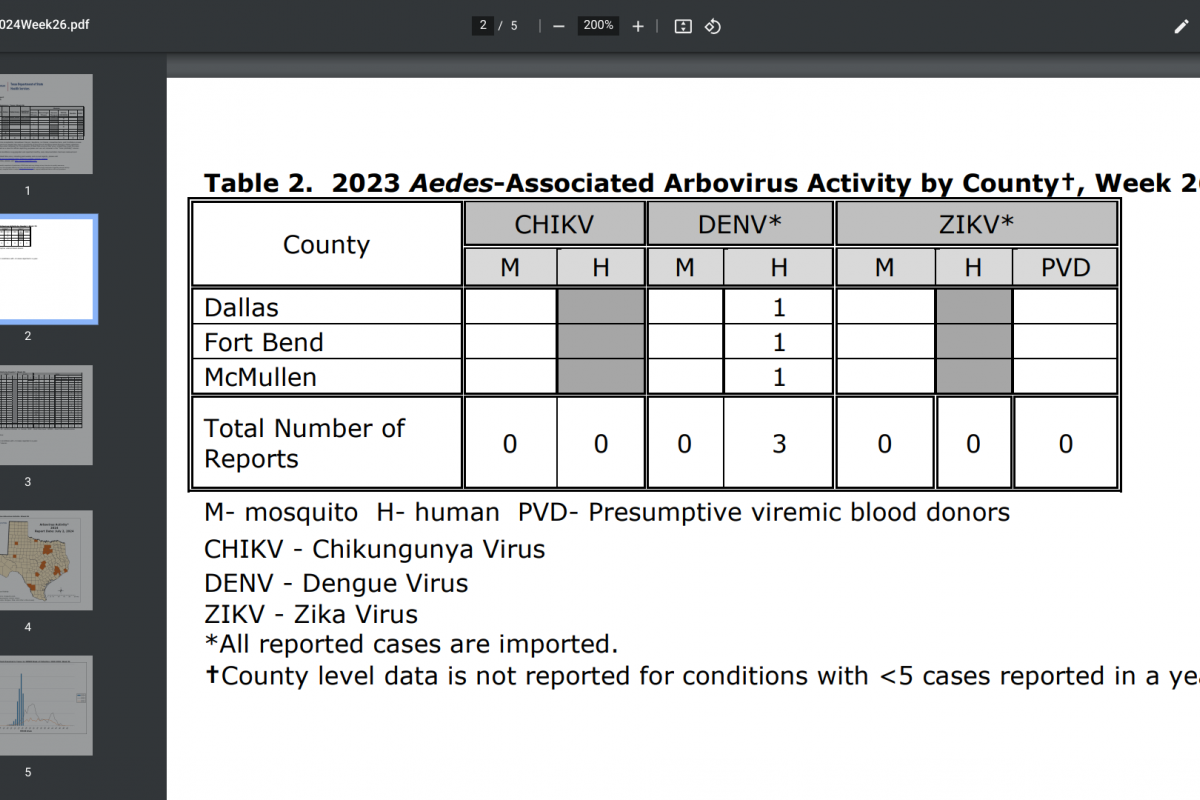
Texas DSHS dengue report June 2024

The dengue outbreak in the Regions of the Americas continues to expand in 2024, now surpassing 10.2 million cases.

This outbreak has recently reached the state of Texas. Located in Austin, the Texas Department of State Health Services (DSHS) says mosquitoes that transmit dengue fever are found in Texas.

As of July 2, 2024, three dengue cases were reported in Dallas, Fort Bend (Houston), and McMullen counties. The DSHS did not disclose if these were travel-related or local cases.

In 2023, 67 dengue cases were reported in Texas.

To the south of Texas, Mexico continues to report record dengue cases this year.

As of the end of June 2024, the PAHO reported that Mexico had 99,660 dengue cases in 2024. In 2023, the PAHO disclosed that Mexico had reported over 277,000 dengue cases.

The AMA's Vice President of Science, Medicine, and Public Health, Andrea Garcia, JD, MPH, commented in an AMA podcast on July 3, 2024...."So most cases aren't serious, but there can be severe cases that lead to internal bleeding, organ failure, or even death."

"Infections usually begin after an incubation period of about five to seven days, starts with a fever, and then it's accompanied by other symptoms, including nausea, vomiting, rash, muscle aches, joint and bone pain, pain behind the eyes, headache, or low white blood cell counts."

"Unlike other diseases, where fever reduction is a sign that someone's getting better, the critical phase of dengue begins at this time and typically lasts 24 to 48 hours."

"Several warning signs indicate progression to severe disease. Those include abdominal pain or tenderness, persistent vomiting, bleeding from the nose or gums, and lethargy or restlessness."

"Severe disease develops in about one out of 20 people with symptomatic dengue. And infants, pregnant people, adults over 65 years of age, and people with certain medical conditions are at an increased risk."

As of July 8, 2024, approved dengue vaccines are generally unavailable in the United States.

Jul 5, 2024 • 10:51 am CDT
Naples, FL government 2024

Dengue poses a year-round risk in many parts of the world, with outbreaks occurring frequently. As of July 2024, the United States has reported travel-related and locally acquired cases of dengue fever. This indicates the U.S. is quietly joining the over 100 countries currently facing outbreaks.

As of July 5, 2024, the U.S. Centers for Disease Control and Prevention (CDC) has reported 2,391 dengue cases in 45 jurisdictions.

The unfortunate leader reporting mosquito-transmitted disease is the state of Florida.

Florida Health's latest weekly vector-borne illness report confirmed that ten locally acquired dengue cases were reported from four counties (Miami-Dade (6), Monroe (2), Pasco, and Tampa) in 2024.

In 2023, 186 humans were reported from five Florida counties to have locally contracted dengue.

Additionally, 244 travel-associated dengue cases were reported, mainly by visitors from Brazil and Cuba. In 2023, Florida Health reported 609 travel-associated dengue cases.

While most disease outbreaks of this nature have a variety of preventive vaccines and treatments available, dengue is an anomaly.

The CDC's Health Advisory, dated June 25, 2024, stated, 'No antiviral medications are approved to treat dengue. Treatment is supportive and requires careful volume management.'

"Maintain a high suspicion for dengue among patients with fever and recent travel (within 14 days before illness onset) to areas with frequent or continuous dengue transmission.'

'Healthcare providers should consider locally acquired dengue among patients with signs and symptoms highly compatible with dengue (e.g., fever, thrombocytopenia, leukopenia, aches, pains, rash) in areas with competent mosquito vectors.'

Also, in late June 2024, the CDC informed its vaccine committee that U.S. residents do not currently have access to a previously approved dengue vaccine.

Furthermore, the CDC did not clarify if the second-generation Qdenga® vaccine would be authorized in 2024.

Jul 5, 2024 • 5:23 am CDT
by Tumisu from Pixabay

GSK plc recently announced a restructuring of its collaboration agreement with CureVac N.V. Under the new agreement, GSK will focus on the development of mRNA vaccines for influenza and COVID-19 while withdrawing from other infectious disease projects.

As part of the revised contract reported on July 3, 2024, GSK will pay CureVac €400 million (approx. $430 million) upfront. Additionally, GSK has committed to providing up to $1.13 billion in development, regulatory, and sales milestone payments and offering tiered royalties.

Tony Wood, GSK's chief scientific officer, said in a press release, “We are excited about our flu/COVID-19 programs and the opportunity to develop best-in-class mRNA vaccines to change the standard of care. With this new agreement, we will apply GSK’s capabilities, partnerships, and intellectual property to CureVac’s technology to deliver these promising vaccines at a pace.”

This new deal will replace all previous financial terms from the original agreement. In exchange for these payments, GSK will secure full global rights to develop and commercialize CureVac’s investigational mRNA vaccines for influenza and COVID-19, including combination formulations.

Currently, the partners have seasonal flu and COVID-19 shots in Phase II development and an avian flu candidate in Phase I. Both companies believe that these candidates have best-in-class potential.

Completion of the new agreement remains subject to certain antitrust and regulatory approvals and customary closing conditions. The original collaboration between CureVac and GSK was initiated in July 2020.

CureVac is a multinational biotech company founded in 2000 to advance the field of messenger RNA (mRNA) technology for application in human medicine.

Jul 3, 2024 • 4:33 am CDT
US NIH 2024

The U.S. National Institutes of Health (NIH) recently announced a Phase 1 trial testing the safety of an experimental nasal vaccine may provide enhanced breadth of protection against emerging variants of the SARS-CoV-2 coronavirus is now enrolling healthy adults at three sites in the United States.

Announced on July 1, 2024, the NIH is sponsoring the first-in-human trial of the investigational vaccine, which was designed and tested in pre-clinical studies by scientists from NIH’s National Institute of Allergy and Infectious Diseases (NIAID) Laboratory of Infectious Diseases.

The investigational vaccine, MPV/S-2P, uses murine pneumonia virus (MPV) as a vector to deliver a version of the SARS-CoV-2 spike protein (S-2P) stabilized in its prefusion conformation. MPV has aan affinity for epithelial cells that line the respiratory tract and may be effective in delivering vaccines to the places where natural coronavirus infections begin.

NIAID Director Jeanne M. Marrazzo, M.D., M.P.H., commented in a press release, “While first-generation COVID-19 vaccines continue to be effective at preventing severe illness, hospitalizations, and death, they are less successful at preventing infection and milder forms of disease."

"With the continual emergence of new virus variants, there is a critical need to develop next-generation COVID-19 vaccines, including nasal vaccines, that could reduce SARS-CoV-2 infections and transmission.”

This is the first NIAID clinical trial to be conducted as part of the U.S. Department of Health and Human Services Project NextGen. More information about the trial is available at clinicaltrials.gov using the identifier NCT06441968.

For the 2024-2025 season, the U.S. CDC has recommended updated COVID-19 vaccines.

Note - Link correction was completed on July 4, 2024.

Jul 3, 2024 • 3:32 am CDT
by Mircea Kancu

The global search for innovative urinary tract infection (UTI) treatments recently received a $10 million boost.

Recce Pharmaceuticals Limited, a leading Australian developer of a new class of Synthetic Anti-Infectives, announced it had received binding commitments to raise about $10 million in new funds.

On July 2, 2024, Recce confirmed that the funds raised from the Placement will be used to advance clinical trials for intravenous use of R327 and topical applications of R327G, including Registrational Phase III clinical activities in Indonesia, Investigational New Drug (IND) enabling activities, working capital, and offer costs.

In a press release, Chief Executive Officer James Graham commented on the capital raising: "We are" delighted with the support of our capital raising from our existing shareholders and welcome new institutional shareholders to our register. We thank NorthStar Impact Fund for taking the time to understand Recce and the positive impact we aim to achieve."

Recce stated the Company will be fully funded through to FY2026 to fund significant IND-enabling clinical trials in Australia, covering intravenous and topical treatments for UTI/Urosepsis and ABSSSI, including Diabetic Foot Infections, as well as U.S. Department of Defence Burn Wound Program, Continued development of a pre-clinical portfolio, manufacturing expansion and provides the necessary capital to see Indonesian clinical trials for topical treatments through to commercialization.

On July 1, 2024, Recce clarified the Phase I/II clinical trial is an Open Label, Adaptive Design Evaluation, Crossover Study of the Safety, Pharmacokinetics and Pharmacodynamics of Various RECCE® 327 (R327) Intravenous Dose and Infusion Rates.

The primary trial outcomes were to evaluate the safety and tolerability of R327 administered at various infusion rates ranging from 15 to 45 minutes in healthy male and female participants, and to assess the plasma pharmacokinetics of R327 using the same infusion rates.

The secondary trial outcomes focused on evaluating the concentration of R327 in urine at various doses and infusion rates and examining the ex vivo pharmacodynamics, specifically the minimum inhibitory concentration, of urine and blood samples from participants. Trial outcomes were successfully achieved.

An independent data review has been conducted, and the positive safety and efficacy conclusions stated in the announcement released on June 28, 2024. A comprehensive data review will be conducted, with results to be made available to the Company, which are expected to align with findings to date.

In the United States, And in the United States, Pivya™ (pivmecillinam) recently gained the Food and Drug Administration (FDA) approval for treating adult women with uncomplicated UTIs. Pivya's availability in the U.S. is forecasted for 2025.

Jul 2, 2024 • 4:24 pm CDT
by Gerd Altmann

Voices of Alzheimer's, a national advocacy organization led by people living with Alzheimer's disease, today announced it celebrates the U.S. Food and Drug Administration's (FDA) decision to grant traditional approval of donanemab (Kisunla) for treating early Alzheimer's disease.

Following last year's first-ever traditional approval of a drug to slow the progression of Alzheimer's, today's decision builds on that progress by providing patients, care partners, and providers with another alternative to care during the early stages of the disease.

While Kisunla is not a cure, new treatment options still bring tremendous hope to affected families and offer priceless additional time for people in the early stages of Alzheimer's disease.

Jim Taylor, President & CEO of Voices of Alzheimer's and husband to Geri, who was diagnosed with Alzheimer's in 2012, said in a press release on July 2, 2024, "Today is a day for celebration in the Alzheimer's community. When doctors diagnosed my wife Geri with Alzheimer's, there was not a single approved treatment to slow the progression of the disease."

"Now, a decade later, we have two traditionally approved disease-modifying treatments and further advancements in the pipeline."

Taylor continued, "I am also encouraged by the evidence supporting stopping treatment with Kisunla when amyloid plaques are removed."

"People living with Alzheimer's and their care partners already face significant costs and burdens in their day-to-day lives. The possibility of stopping treatment could translate to lower costs and a reduced treatment burden."

In light of this news, Voices of Alzheimer's reiterates our call for the Centers for Medicare and Medicaid Services to remove coverage with evidence development requirements for the entire class of monoclonal antibody treatments for Alzheimer's.

The total cost of Kisunla will vary by patient based on when they complete treatment, says Eli Lilly.

Lilly Support Services for Kisunla is a free support program committed to helping patients navigate treatment with Kisunla. The program includes coverage determination assistance, care coordination, nurse navigator support, customized support, and resources. For more information, visit www.Kisunla.Lilly.com or call 1-800-LillyRx (1-800-545-5979).

Alzheimer's disease preventive vaccine candidates continue to be researched in clinical trials.

Jul 2, 2024 • 4:02 pm CDT
from Pixabay

Despite the World Health Organization declaring an end to the recent pandemic about a year ago, COVID-19 remains a significant health risk for immunocompromised patients.

To address this unmet need, AstraZeneca today announced its Marketing Authorisation Application for sipavibart (AZD3152), an investigational long-acting monoclonal antibody, has been accepted under an accelerated assessment procedure by the European Medicines Agency (EMA) for preventing COVID-19 in immunocompromised patients. 

This passive immunization is essential for immunocompromised patients who often do not respond adequately to vaccination alone and remain at high risk of serious outcomes from COVID-19.

Prof. Paul Loubet, M.D., Ph.D., MPH, Professor of infectious diseases, University of Montpellier, head of the Infectious and Tropical Diseases Department, Nîmes University Hospital, France, and SUPERNOVA clinical trial investigator, said in a press release on July 1, 2024, “The disease burden of COVID-19 remains high for immunocompromised patients who are disproportionately impacted compared to the general population, despite vaccination."

"With cases expected to rise in the winter months, adding more pressure to stretched healthcare systems, sipavibart has the potential to be an important option for immunocompromised patients who remain at risk, and it has demonstrated COVID-19 protection in a mixed variant environment.”  

In addition to the EMA, AstraZeneca is in dialogue with other regulatory authorities on potential authorization or approval pathways for sipavibart.

Jul 2, 2024 • 12:35 pm CDT
from Pixabay

In the past two years, H5 influenza virus subtypes have caused severe disease in birds and mammals in the United States. Because of various media reports, there is concern about the risk of these viruses spreading to humans, which could generate another pandemic.

On June 27, 2024, the U.S. Centers for Disease Control and Prevention (CDC) confirmed that the risk to people is very low. However, the U.S. government continues its multi-year effort to prepare for this risk.

Moderna, Inc. today announced a project award of $176 million to accelerate the development of mRNA-based pandemic influenza vaccines. The award program is within the U.S. Department of Health and Human Services (HHS).

The project award will support the late-stage development of an mRNA-based vaccine to enable the licensure of a pre-pandemic vaccine against the H5 influenza virus.

This new HHS agreement also includes additional options to prepare and accelerate responses to future public health threats.

"mRNA vaccine technology offers advantages in efficacy, speed of development, and production scalability and reliability in addressing infectious disease outbreaks, as demonstrated during the COVID-19 pandemic," said Stéphane Bancel, Chief Executive Officer of Moderna, in a press release on July 2, 2024.

In July 2023, Moderna initiated a Phase 1/2 study to generate safety and immunogenicity data for the investigational pandemic influenza vaccine (mRNA-1018) in healthy adults. The study includes vaccine candidates against H5 and H7 avian influenza viruses.

Results from the study are expected in 2024 and will inform Phase 3 development plans.

Currently, there are U.S. FDA-approved pandemic vaccines (Audenz) and various development initiatives underway, funded by the U.S. government. 

Furthermore, the CDC has confirmed annual flu shots may not be effective against these influenza subtypes. 

Jul 1, 2024 • 1:39 pm CDT
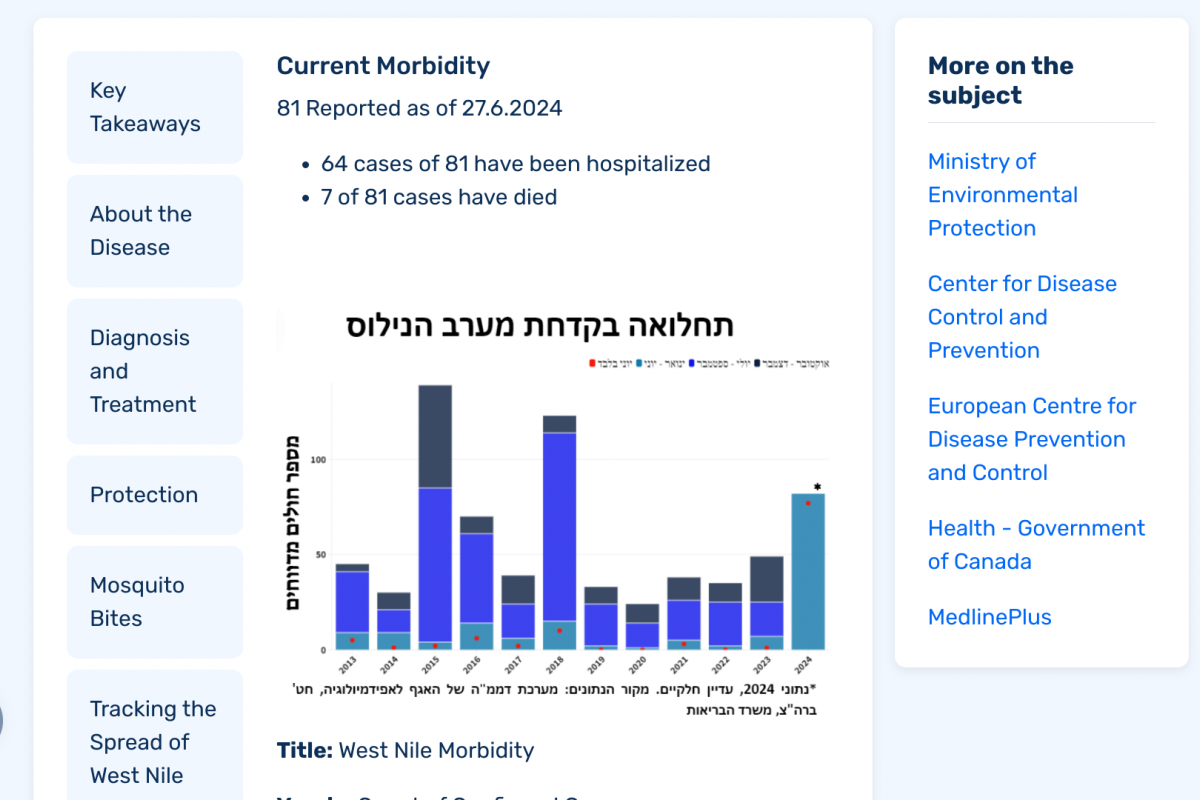
Israel Health Dept. WNV annual trends July 2024

West Nile fever cases have been reported in Israel for many years and generally occur between June and November each year. That annual trend changed in 2024, with fatal cases reported earlier than usual.

The Israeli Ministry of Health (MOH) recently reported that 81 people have been diagnosed with West Nile fever in 2024. Sixty-four people have been hospitalized.

As of July 1, 2024, a total of 7 people who were diagnosed with the virus died.

All of these West Nile cases have been reported in the center of Israel.

The MOH says the risk of significant morbidity is among older adults and people with immunosuppression.

To reduce exposure to mosquitoes, the MOH recommends using mosquito repellents and appropriate measures to keep mosquitoes away in living rooms, as well as turning on fans in the place of residence.

The U.S. CDC says there are no licensed vaccines or medicines to prevent or treat West Nile virus in humans. However, several vaccine candidates have shown safety and immunogenicity in clinical trials.

Jul 1, 2024 • 9:33 am CDT
US CDC dengue cases map July 1, 2024

When the U.S. Centers for Disease Control and Prevention (CDC) published a Health Advisory (CDCHAN-00511) on June 25, 2024, it indicated that dengue fever posed a health risk in southeast Florida, New York, and Puerto Rico.

However, according to new CDC data, Massachusetts has reported 50 dengue cases this year.

While the CDC did not disclose whether these dengue cases were locally acquired, it can be assumed that they are travel-related since the mosquitoes that spread dengue are not found that far north in the United States.

However, countries in the Region of the Americas have reported a record-breaking number of dengue cases, exceeding the highest number ever recorded in a single year. 

From a local guidance perspective, the Massachusetts Health Department (MDH) says there is no vaccine (Dengvaxia is no longer available in the U.S.); the best way to protect yourself is to not get bitten by mosquitoes.

MDH's website states if you have recently traveled to a region where mosquito-borne diseases are common and have any related symptoms, you should call your healthcare provider immediately and explain your travel history and symptoms.

Jul 1, 2024 • 7:15 am CDT
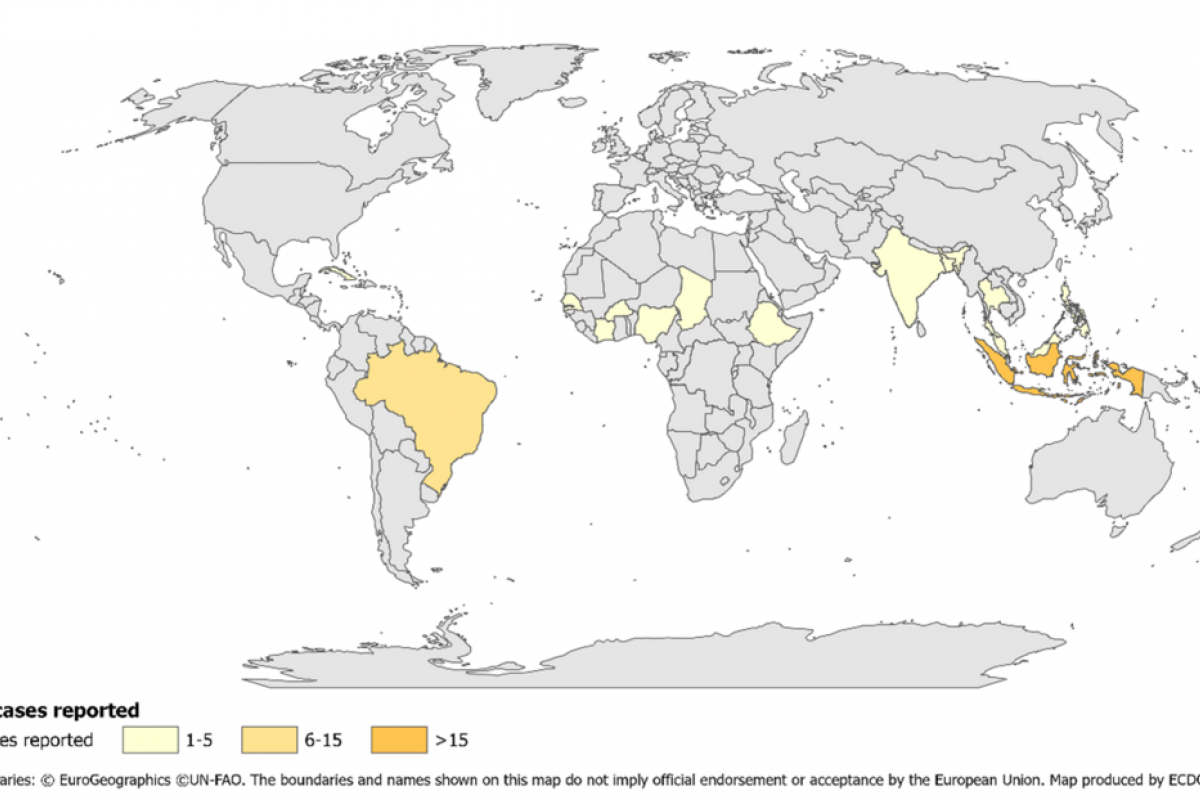
ECDC - Travel-associated chikungunya cases: place of infection for cases import 2022

 Valneva SE announced today that the European Commission (EC) has granted marketing authorization in Europe for the IXCHIQ® vaccine, which is used to prevent diseases caused by the chikungunya virus in adults.

IXCHIQ® is the world’s only licensed chikungunya vaccine.

The EC decision marks the third approval the Company has received for IXCHIQ® following approval from the U.S. FDA in late 2023 and Health Canada last month.

On July 1, 2024, Valneva stated it expects to deliver the first vaccine doses in Europe in the fourth quarter of 2024.

Juan Carlos Jaramillo, M.D., Chief Medical Officer of Valneva, commented in a press release, “The EC approval marks a crucial milestone toward making this vaccine available to as many European citizens as possible .... It is critical to provide a vaccine solution not only to European travelers going to endemic chikungunya areas, such as South America or Africa.

Valneva has also submitted a Marketing Authorization Application to the UK Medicines and Healthcare products Regulatory Agency and the Brazilian Health Regulatory Agency, with potential approval in 2024.

Jun 30, 2024 • 8:04 am CDT
EMA June 30, 2024

Moderna, Inc. today announced that the European Medicines Agency's (EMA) Committee for Medicinal Products for Human Use (CHMP) has adopted a positive opinion recommending the granting of marketing authorization in the European Union (EU) for mRESVIA® (mRNA-1345), an mRNA respiratory syncytial virus (RSV) vaccine, to protect older adults.

Following the CHMP's positive opinion, the European Commission will decide on the authorization of mRESVIA.

In the EU, RSV is estimated to cause approximately 160,000 hospital admissions in adults each year.

"The positive opinion from the EMA CHMP for mRESVIA highlights the innovation and adaptability of our mRNA platform," said Stéphane Bancel, Chief Executive Officer of Moderna, in a press release on June 28, 2024. "mRESVIA safeguards older adults against severe RSV outcomes and is uniquely offered in a pre-filled syringe to enhance ease of administration...."

In May 2024, the U.S. Food and Drug Administration (FDA) approved mRESVIA, which uses the same lipid nanoparticles as the Moderna COVID-19 vaccines.

As of June 30, 2024, the FDA has approved three vaccines and one monoclonal antibody (Beyfortus) to prevent RSV in people.

As of May 22, 2024, the CDC's RSVVaxView reported that the overall RSV vaccination rate among pregnant women was about 17.8%, and an estimated 24.4% of adults 60 years and older reported receiving an RSV vaccine. 

Jun 29, 2024 • 3:43 pm CDT
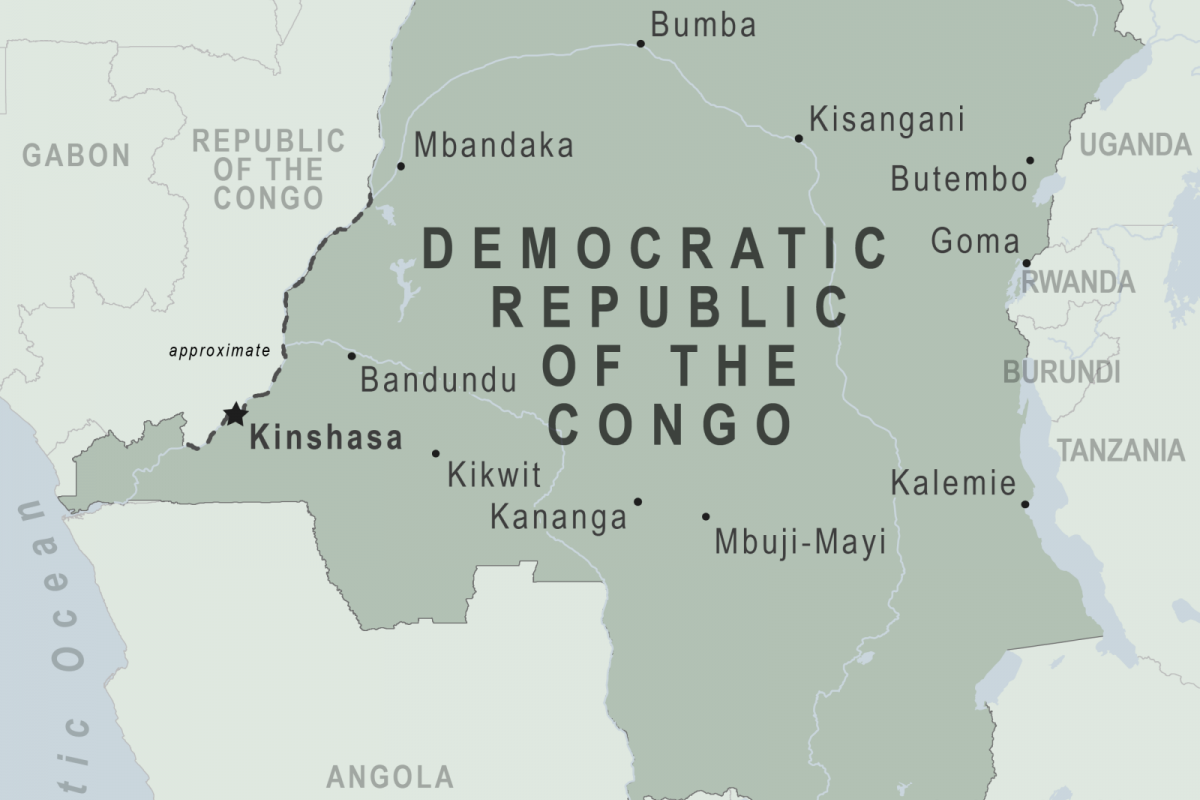
US CDC DRC map 2024

Since the start of 2024, the Democratic Republic of Congo (DRC) has reported over 20,000 mpox cases, with more than 1,000 deaths, primarily affecting children.

In June 2024, the U.S. CDC issued a Level 2 Alert reporting a mpox outbreak in 25 out of 26 DTC provinces, including urban areas.

According to media sources, authorities in the DRC have responded to this outbreak by approving the use of two new vaccines.

AfricaNews.com reported on June 28, 2024, that emergency use authorization had been issued for the Jynneos® vaccine, developed by Bavarian Nordic, and LC16, produced by KM Biologics.

LC16 is a 3rd generation, live attenuated vaccine containing live vaccinia virus (LC16m8 strain) used to prevent smallpox and mpox.

The DRC decision follows rigorous evaluation by relevant authorities and stakeholders involved in the authorization process.

JYNNEOS (MVA-BN®, IMVAMUNE®) is a two-dose vaccine based on a live, attenuated vaccinia virus, Modified Vaccinia Ankara, and has been offered in the United States since May 2022.