Travel Vaccine Breaking News

Travel vaccine breaking news brought to you by Vax Before Travel.

Oct 8, 2024 • 9:10 am CDT
by Claudia Peters

As the 2024-2025 Respiratory Syncytial Virus (RSV) season expands in the United States, one approved vaccine shared some positive news. 

GSK plc today announced new data from a phase 3 clinical trial evaluating the efficacy and safety of a single dose of AREXVY RSV vaccine against lower respiratory tract disease (LRTD) over three full RSV seasons.

Published on October 8, 2024, a single dose of AREXVY's cumulative efficacy over three full RSV seasons was clinically meaningful at 62.9% against RSV-LRTD and 67.4% against severe RSV-LRTD compared to placebo.

In the third season, the vaccine’s efficacy was 48% against RSV-LRTD.

These results include efficacy against different RSV subtypes in older adults (70-79) and those with certain underlying medical conditions.

In a press release, GSK's chief scientific officer, Tony Wood, said, “We are excited by these new data, which show that a single dose of AREXVY could help protect millions of older adults at risk of RSV disease over three seasons to benefit public health."

"This is the only RSV vaccine with efficacy and safety data available through three full seasons."

As of October 2024, the U.S. FDA had approved three RSV vaccines and one monoclonal antibody therapy.

Oct 7, 2024 • 5:03 pm CDT
US CDC Oct. 1, 2024

Recent experiences with the introduction of Chikungunya and Zika viruses to the United States could foretell what might occur with the Oropouche virus because all three arboviruses are maintained in an urban cycle between humans and arthropod vectors.

Both Chikungunya and zika viruses are transmitted by Aedes (Stegomyia) mosquitoes, which oviposit and develop in containers in and around homes. This makes persons more susceptible to mosquito exposure and, ultimately, infection.

In contrast, the primary Oropouche vector, the biting midge, is low-abundance in North America and primarily resides in tree holes in the southeast and midwestern U.S., says the U.S. CDC Emerging Infectious Disease, Volume 30, Number 11—November 2024.

As of October 7, 2024, local transmission of the Oropouche virus had not been reported in the United States, although 92 cases have been reported in travelers, primarily arriving from Cuba.

Cuba is in the midst of its peak rainy season, which is associated with increased vector abundance. This suggests that more travel-associated cases might be expected in the U.S., in particular, Puerto Rico.

The U.S. CDC wrote on October 1, 2024, that various factors are likely to affect the risk of the local spread of the virus, including the rate of introduction from travel-associated cases, the presence and distribution of the vectors and potential host reservoirs, and potential virus adaptation.

Should the virus infect wild bird populations in North America, it is possible that the Oropouche virus could become endemic, similar to the progression of the West Nile virus, says the CDC.

While Chikungunya has one approved vaccine and several Zika vaccine candidates are progressing in clinical research, Oropouche vaccine research is in its early stages in 2024.

Oct 7, 2024 • 1:17 pm CDT
US CDC Oct. 2024

According to the U.S. CDC's Morbidity and Mortality Weekly Report (MMWR), only 21.3% of patients hospitalized for flu during the Southern Hemisphere flu season had received an influenza vaccine in Argentina, Brazil, Chile, Paraguay, and Uruguay.

Published on October 3, 2024, this MMWR reported that the effectiveness of the seasonal flu vaccine was about 35%, which is a decrease from the 50% reported in 2023.

Among 3,848 influenza case patients, 18.3% had received a 2024 seasonal influenza vaccine.

The CDC wrote flu shot effectiveness might be similar in the Northern Hemisphere, including the United States, if similar A(H3N2) viruses predominate during the 2024–25 influenza season.

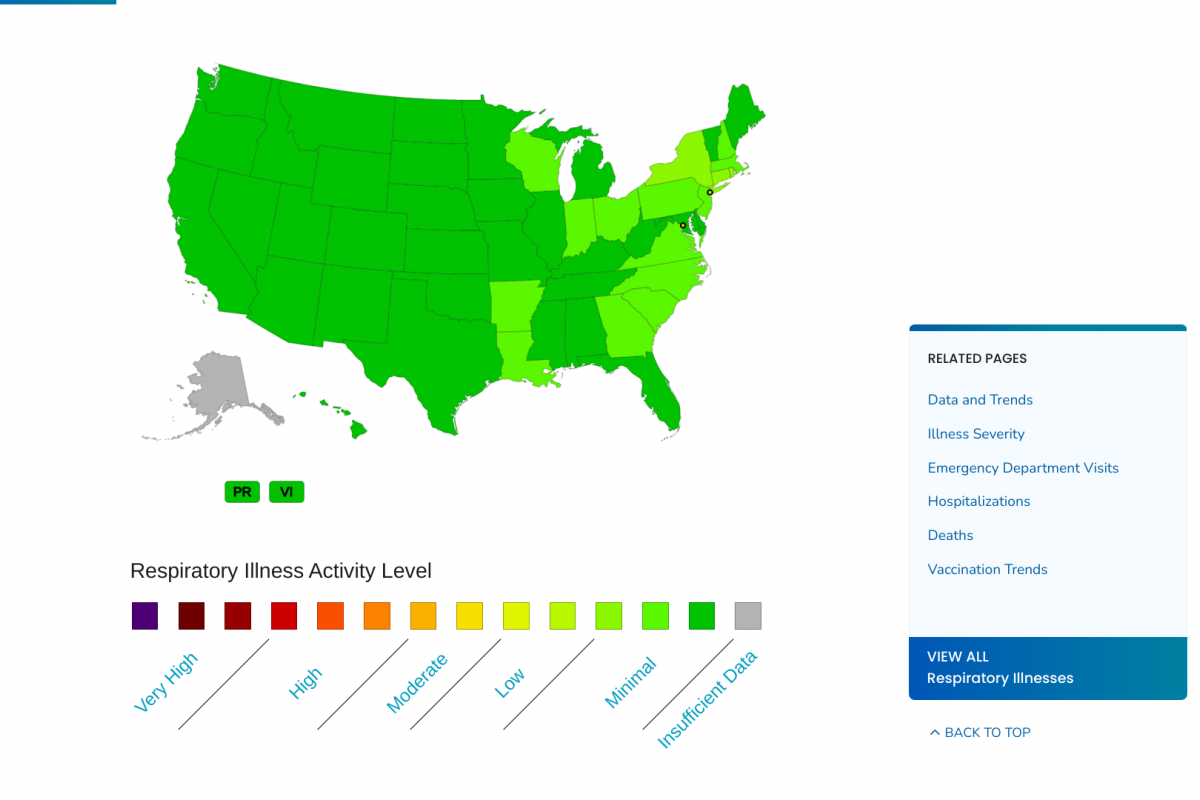
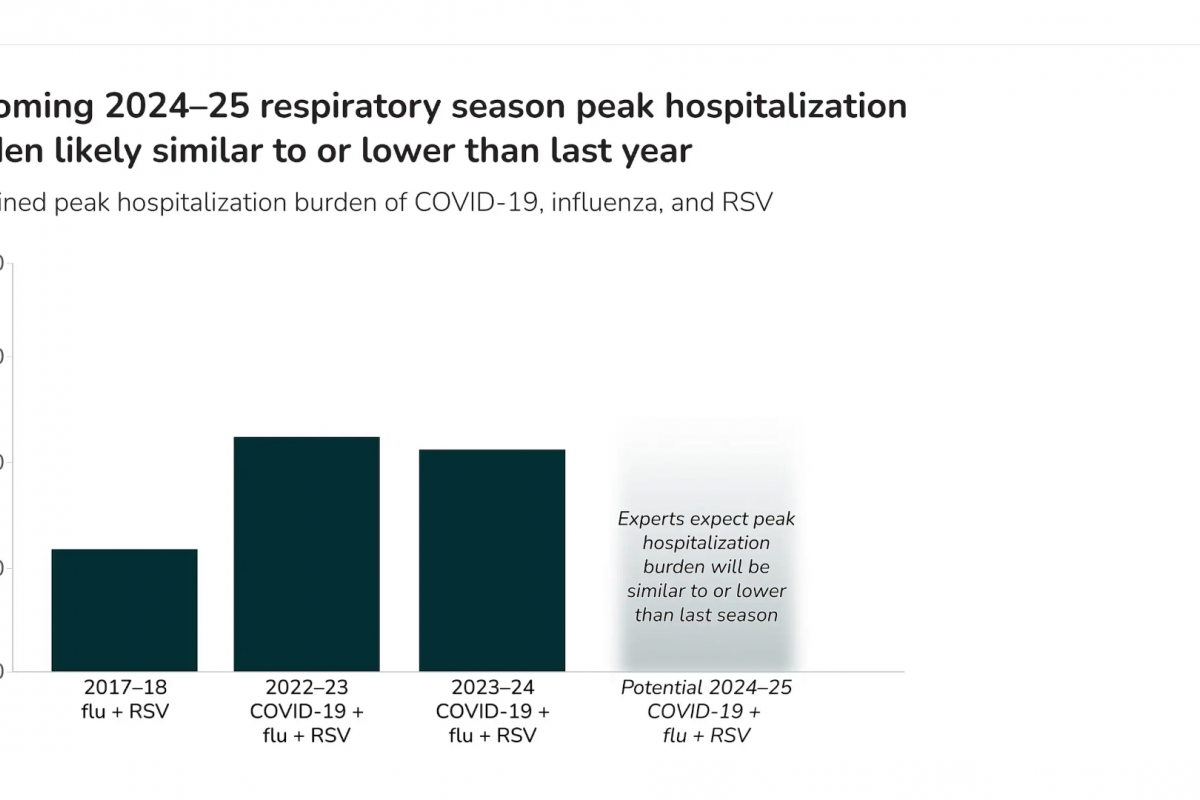
The CDC expects the upcoming fall and winter respiratory disease seasons to have a similar or lower number of combined peak hospitalizations due to COVID-19, influenza, and RSV than last season.

To protect yourself, the CDC recommends that all eligible persons receive seasonal influenza and RSV vaccines, generally available at clinics and pharmacies in the U.S. 

Furthermore, to enhance this year’s modest influenza vaccine protection against hospitalization, providers should treat patients with suspected or confirmed influenza with antivirals as soon as possible.

Oct 7, 2024 • 10:58 am CDT
US CDC Dengue Travel Advisory Map Sept. 2024

Millions of people will be infected with the Dengue virus in the last few months of 2024 without being able to be treated with an approved antiviral.

Johnson & Johnson (J&J) announced on October 4, 2024, that it discontinued the Phase 2 field study evaluating the efficacy of investigational antiviral candidate mosnodenvir (JNJ-1802) for the prevention of dengue virus in adults.

Recent results from the Phase 2a human challenge study found that the compound induced antiviral activity against one of dengue's four viruses (DENV-3) in humans, compared to placebo.

J&J's decision to discontinue this study is part of a strategic reprioritization of the Company’s Communicable Diseases research and development portfolio. However, J&J will continue to support the fight against dengue by sharing study results with the medical community in the future.

Almost 4 billion people will live in areas at risk of dengue in 2024, including 26 countries recently highlighted by the U.S. Centers for Disease Control and Prevention (CDC).

According to the U.S. CDC, dengue symptoms can become severe within a few hours. See a healthcare provider if you develop a fever or have symptoms of dengue. Dengue can be found in the blood during the first week of illness.

Furthermore, time is of the essence as severe dengue is a medical emergency.

Dengue is a vaccine-preventable disease. Various approved vaccines have limited availability, and candidate vaccines are conducting late-stage research in October 2024.

Oct 7, 2024 • 5:14 am CDT
Google Maps October 2024

San Diego County's Communications Office recently announced it is investigating the first-ever case of locally acquired dengue. The Escondido resident did not travel to an area where the mosquito-transmitted illness is common.

"While the risk of widespread transmission of dengue remains low in San Diego County, County Public Health and Vector Control are working closely to respond quickly to prevent mosquitoes from spreading the illness in this area," said Dr. Ankita Kadakia, County interim public health officer, in a press release.

However, the County did not disclose whether this person has visited east Los Angeles, about 120 miles to the north, where several dengue cases have been confirmed over the last month. Five locally acquired dengue cases were reported in the San Gabriel Valley.

Additionally, over 200 travel-related dengue cases have been confirmed in California this year.

Furthermore, to the south of San Diego, Mexico has reported over 339,000 dengue cases and 172 related fatalities in 2024.

On October 6, 2024, the County confirmed that to protect the public's health and keep mosquitoes from potentially spreading the dengue virus, County Vector Control began spraying for mosquitoes at about 170 homes in Escondido and will continue through October 10, 2024. 

Last year, Long Beach and Pasadena reported locally acquired dengue cases.

As of October 7, 2024, dengue vaccines are not offered in California.

Oct 6, 2024 • 7:33 am CDT
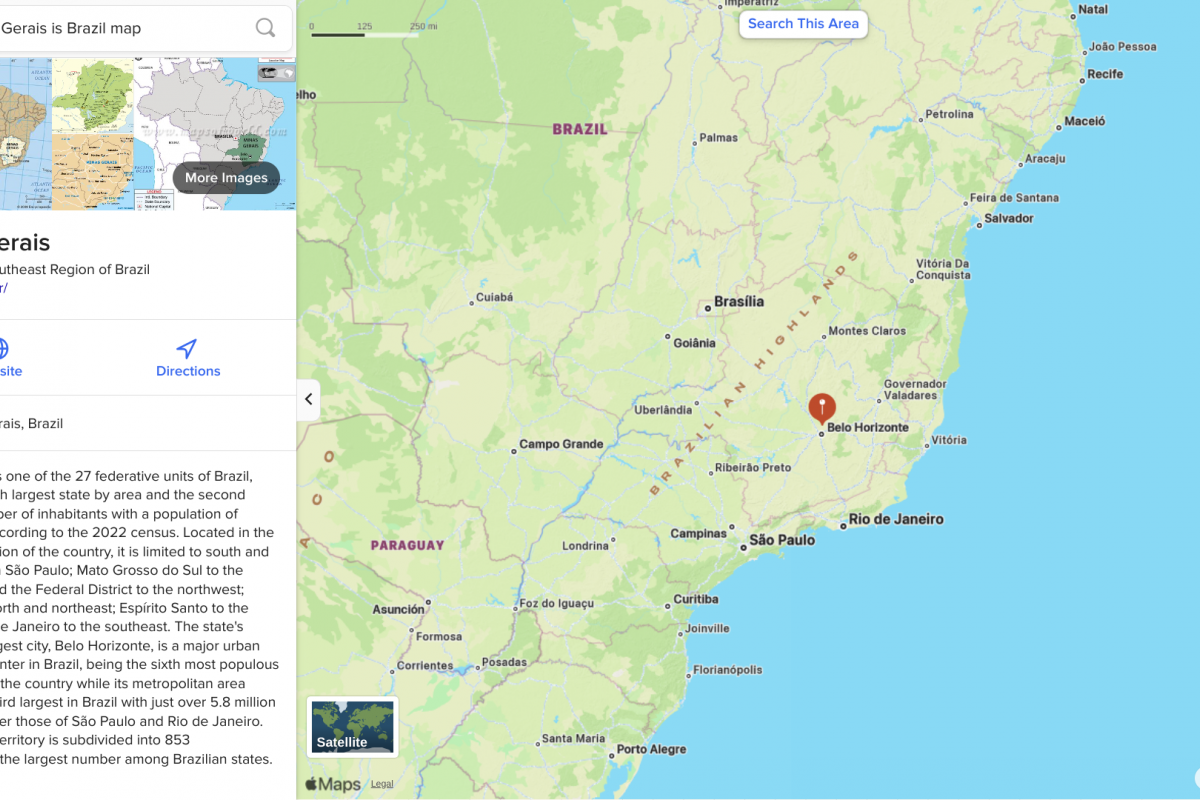
Google Maps Oct. 2024

According to the Pan American Health Organization (PAHO) chikungunya data dashboard, the Federative Republic of Brazil has reported 16 additional fatalities related to chikungunya virus (CHIKV) disease outbreaks in one month.

As of October 6, 2024, Brazil has confirmed 177 fatalities and 394,739 CHIKV cases this year.

Data from Brazil's Ministry of Health indicates that Minas Gerais has reported the most chikungunya cases, over 160,000, followed by Mato Grosso and Bahia.

Minas Gerais is Brazil's fourth-largest state by area, with a population exceeding 20 million.

In 2023, Brazil welcomed about 6 million foreign tourists, many visiting Minas Gerais.

The U.S. CDC confirmed in September 2024 that there has been evidence of chikungunya virus transmission in Brazil within the last five years, and vaccination may be considered for certain visitors.

As of October 6, 2024, Valneva SE's IXCHIQ® chikungunya vaccine has been approved by the U.S. Food and Drug Administration and recommended for travelers to endemic areas by the CDC.

IXCHIQ is commercially available at travel clinics and pharmacies in the U.S.

Oct 6, 2024 • 4:16 am CDT
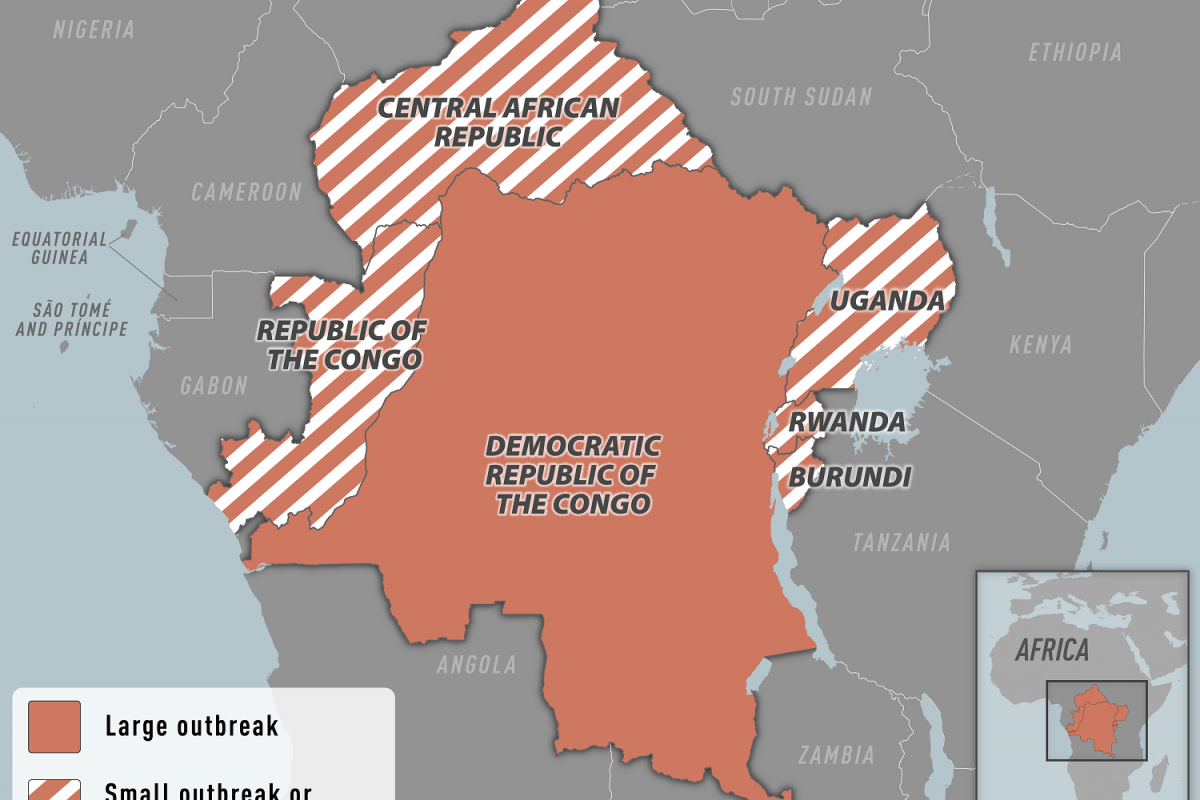
US CDC Mpox Travel Advisory Map Sept. 2024

The European CDC recently reported there have been no significant changes in the global circulation of monkeypox virus (MPXV) clade I and clade II during the past week.

In 2024, over 34,000 confirmed and suspected mpox cases due to MPXV clade I and clade II, including over 850 deaths, have been reported from Africa.

To slow the spreading of clade I, the Democratic Republic of the Congo (DRC) announced today vaccination efforts to halt the spread of mpox disease.

The DRC received 265,000 doses of the MVA-BN (Bavarian Nordic A/S, JYNNEOS®) vaccine donated by the European CCommission'sHealth Emergency Preparedness and Response Authority, Gavi, the Vaccine Alliance, and the United States Government.

Vaccinations will be launched in the eastern North Kivu province on October 5, 2024, and will prioritize health workers and frontline responders, contacts of confirmed cases, contacts of those contacts, and other at-risk groups.

Subsequently, the vaccination will be rolled out in eleven of the most affected health zones in Equateur, North Kivu, Sankuru, South Kivu, Sud-Ubangi, and Tshopo provinces.

With a population of about 100 million and assuming two doses per person, 130,000, or 1% of the people in the DRC, can be better protected from mpox.

"The rollout of the vaccine marks an important step in limiting the spread of the virus and ensuring the safety of families and communities,” said Dr. Matshidiso Moeti, WHO Regional Director for Africa, in a WHO press release.

Person-to-person transmission of the MPXV has occurred during this outbreak, including through sexual contact, day-to-day household contact, and within the healthcare setting.

Mpox vaccination is now recommended for most people visiting outbreak areas, says the ECDC. There are now several Mpox vaccines available worldwide.

Oct 5, 2024 • 1:26 pm CDT
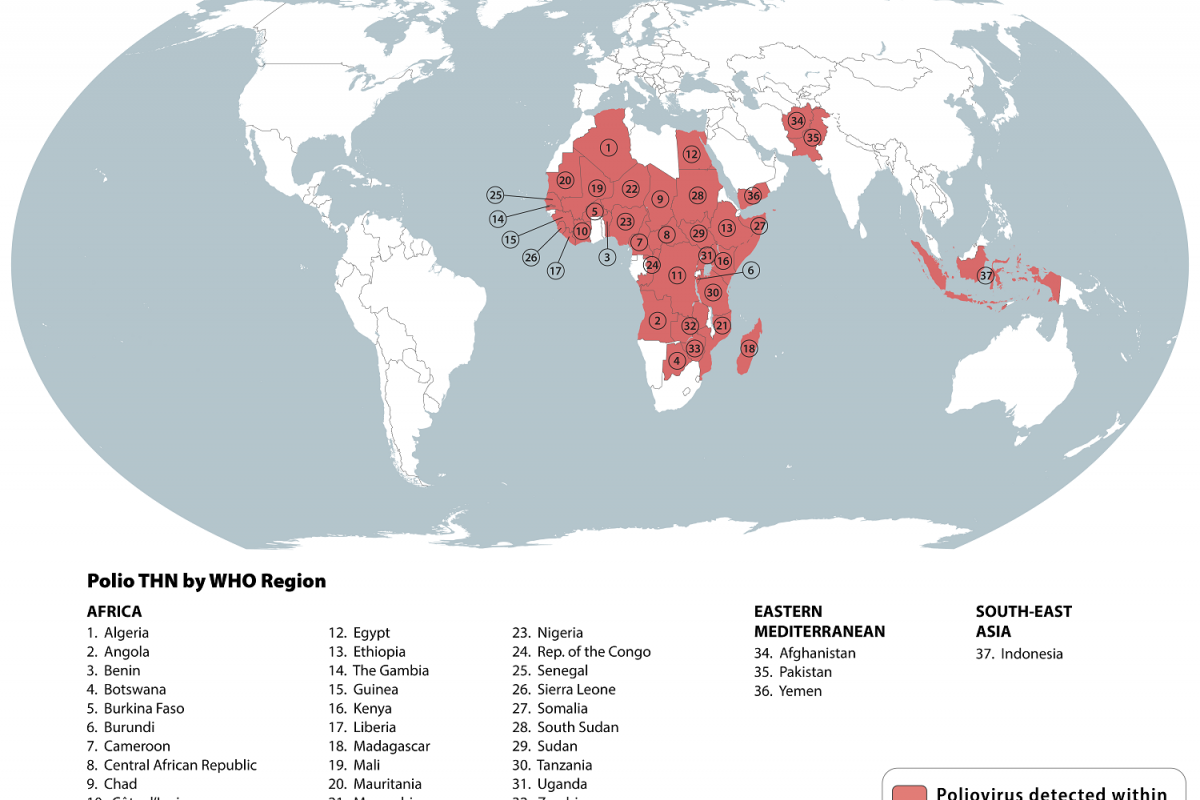
US CDC 2024

While the World Health Organization continues alerting international travelers to ongoing polio risks, two countries are the key focus. As of October 5, 2024, polio remains endemic in Pakistan and Afghanistan.

Unfortunately, two additional children were paralyzed by wild poliovirus type 1 in Pakistan, underscoring the expanding public health threat.

According to the Regional Reference Laboratory at the National Institute of Health, a female child from the Zhob district of Balochistan and a male child from the Tank district of Khyber Pakhtunkhwa have been affected,

This update indicates the total number of polio cases in 2024 is now 28. 

The Coordinator of the National Emergency Operations Center for Polio Eradication, Mr. Muhammad Anwarul Haq, stated that consistent polio campaign implementation in Balochistan and southern KP has been challenging for the Programme since last year due to factors such as lack of access to vulnerable children, security issues, vaccine hesitancy, and community boycotts. 

“Access challenges leave a cohort of unvaccinated children who have low immunity to fight off a polio infection. The Polio Programme is working closely with both provincial governments to increase vaccination coverage rates, build community trust, and provide integrated health service delivery for better health outcomes,” he said in a press release on October 2, 2024.

Polio is a highly infectious disease caused by the poliovirus, mainly affecting children under five. It invades the nervous system and can cause paralysis or even death. While there is no cure for polio, vaccination is the most effective way to protect children from this crippling disease, says the Global Polio Eradication Initiative (GPEI).

The U.S. CDC recently published a Travel Health Advisory that identified 37 destinations that have circulating poliovirus.

Before any international travel, make sure you are up to date on your polio vaccines, says the CDC. Adults who previously completed the routine polio vaccine series may receive a single, lifetime booster dose of the IPV polio vaccine.

Polio vaccination services are offered at travel vaccine clinics and pharmacies in the U.S.

Oct 5, 2024 • 12:16 pm CDT
WHO October 2024

Earlier in 2024, countries and partners committed nearly $600 million in new funding towards elimination of cervical cancer. About 95% of the 660,000 cervical cancer cases occurring globally each year are caused by the human papillomavirus (HPV).

To expand access to HPV vaccines, the World Health Organization (WHO) announced that a fourth WHO-prequalified vaccine, Cecolin®, has been confirmed for use in a single-dose schedule.

A growing number of HPV vaccine products initially prequalified for use in a 2-dose schedule can now be used in a single-dose schedule. 

“Unlike most other cancers, we can eliminate cervical cancer, along with its painful inequities,” said Dr. Tedros Adhanom Ghebreyesus, WHO Director-General, in a press release on October 4, 2024.

“By adding another option for a one-dose HPV vaccination schedule, we have taken another step closer to consigning cervical cancer to history.”

The WHO also confirmed an additional HPV vaccine, Walrinvax®, is now the fifth product available on the global market. Walrinvax® is prequalified with a two-dose schedule. Further data will be needed to assess if this vaccine can be recommended for single-dose schedules in the future, says the WHO.

Oct 4, 2024 • 2:23 pm CDT
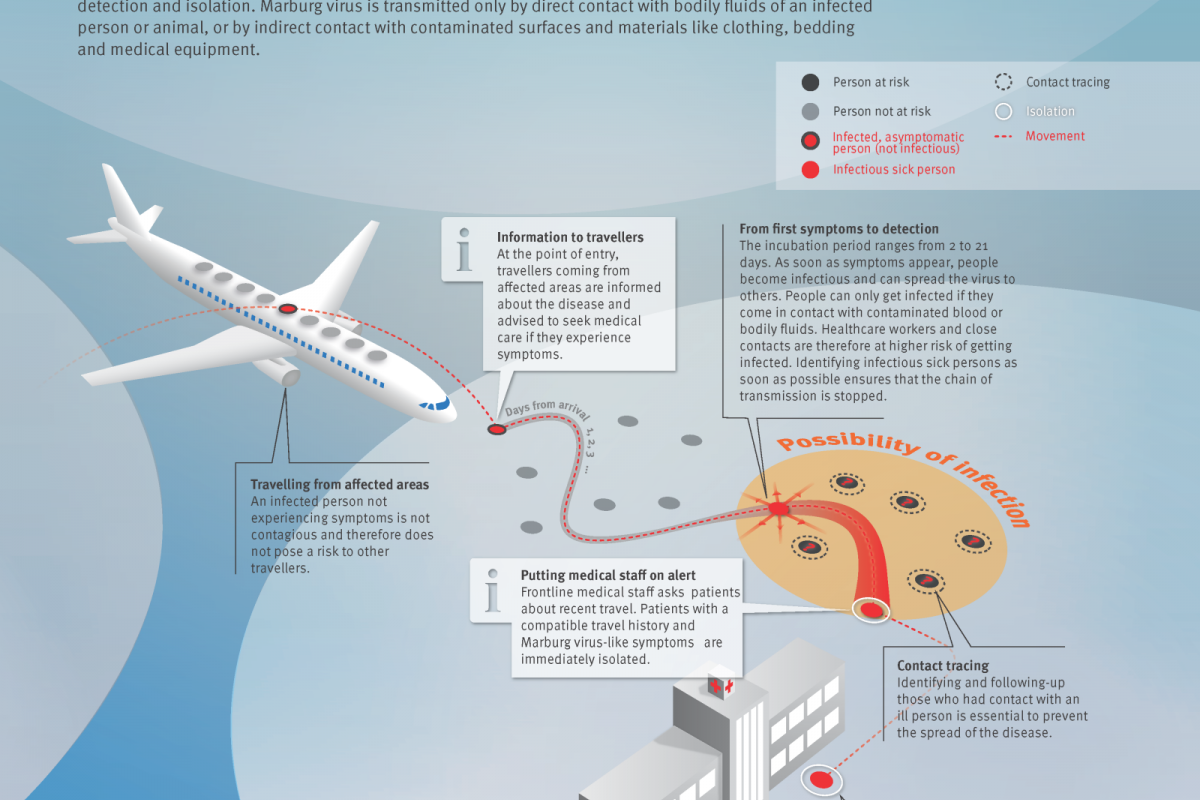
ECDC Marburg Oct. 2024

Based on the Ministry of Health guidelines, the Republic of Rwanda's Development Board provided the following update on Marburg Virus Disease (MVD).

This viral hemorrhagic fever has claimed 12 lives from 41 cases over the past month.

As of October 4, 2024, no travel restrictions are currently in place, and all key tourist destinations, including Volcanoes National Park, Akagera National Park, Gishwati Mukura National Park, and Nyungwe National Park, are fully operational.

However, at points of entry, visitors should expect routine temperature checks and the provision of hand sanitizing stations at airports and other border crossings.

All people exiting Rwanda will undergo an MVD symptom screening questionnaire to ensure their well-being and the safety of others.

And tourists to this African country are advised to remain vigilant and practice good personal hygiene, such as avoiding close contact with individuals displaying symptoms such as high fever or severe headaches.

The U.S. CDC published an updated travel advisory on October 3, 2024, highlighting actions to prevent contracting MVD while visiting Rwanda.

As of today, no approved MVD vaccines are available.

Oct 4, 2024 • 1:34 pm CDT
from Pixabay

According to a research letter published in the Journal of the American Medical Association (JAMA), Bavarian Nordic’s mpox vaccine JYNNEOS® (MVA-BN®) protection appears to weaken within six to 12 months after injection.

Two doses provided 66% effectiveness, and one dose provided 36% effectiveness at peak immunity during the 2022 clade 2 mpox outbreak.

This finding raises questions about whether the two-dose vaccine may been 'booster' shots to confer lasting protection against the mpox virus.

However, the U.S. CDC wrote on September 12, 2024, 'Right now, getting more than two mpox vaccine doses (a "booster") isn't recommended.'

“Our data suggest that protective immunity may be waning in individuals who were vaccinated with this vaccine in 2022,” corresponding author Dan Barouch said in a related statement on October 3, 2024.

On September 26, 2024, Bavarian Nordic announced an agreement with UNICEF to supply 1 million doses of the MVA-BN® mpox / smallpox vaccine for African countries confronting the clade 1 mpox outbreak.

In the United States, JYNNEOS is now commercially available at clinics and pharmacies.

Oct 4, 2024 • 9:31 am CDT
US CDC RSV case map October 2024

The U.S. Centers for Disease Control and Prevention (CDC) confirmed last month that respiratory syncytial virus (RSV) is the most common cause of hospitalization among U.S. infants.

Since last year, when Beyfortus™ became the first U.S. FDA-approved single-dose, extended half-life monoclonal antibody (mAb) offering passive immunization to prevent lower respiratory tract infections caused by RSV, numerous researchers have focused on determining its real-world effectiveness.

The CDC has clarified that mAbs are not vaccines but offer disease protection.

According to a study's results published by The Lance in October 2024 (Volume 8, Issue 10p721-729), Beyfortus's estimated effectiveness against RSV-associated hospitalizations for bronchiolitis was 73% (61–84), corresponding to one hospitalization averted for every 39 (26–54) doses administered.

And in sensitivity analyses, nirsevimab remained effective against RSV-associated hospitalizations for bronchiolitis after emergency department attendance.

As of October 4, 2024, there is ample supply of Beyforus in the U.S., well ahead of the 2024-2025 RSV season's peak, expected in December or January.

Oct 4, 2024 • 5:58 am CDT
Google Maps Oct. 4, 2024


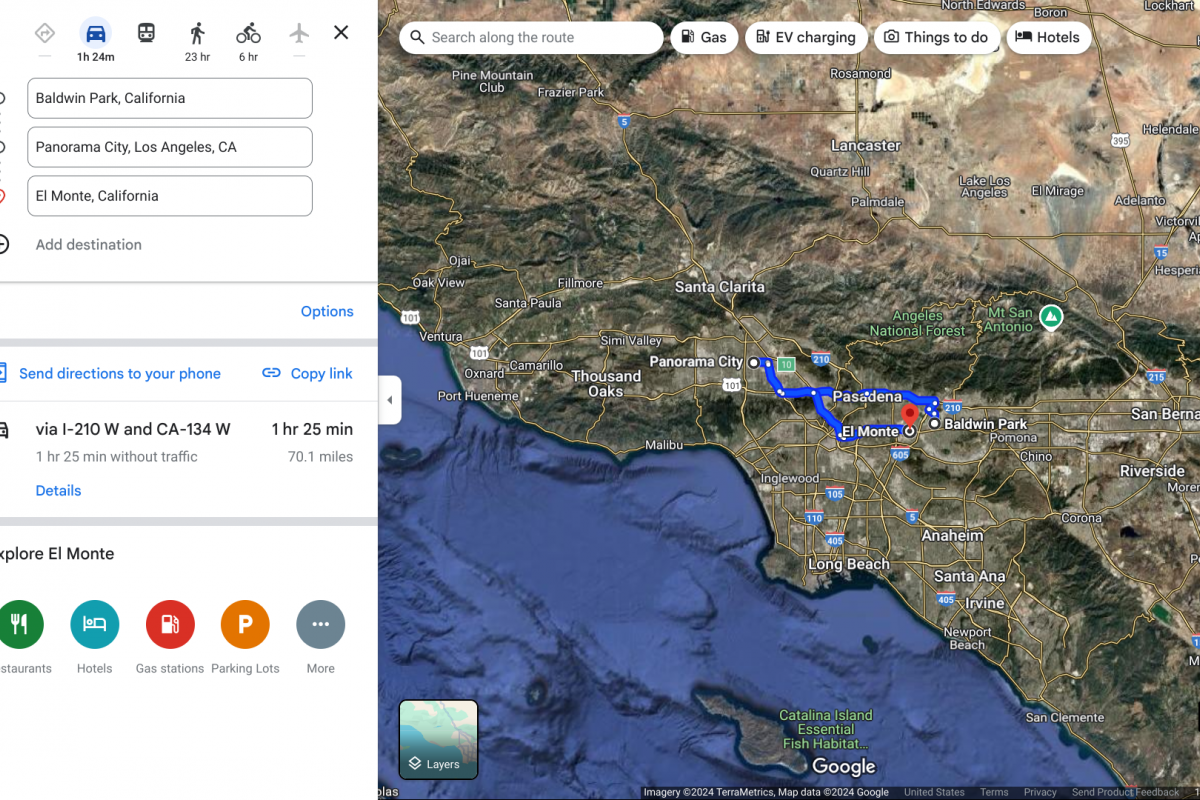
The Los Angeles County Department of Public Health confirmed today that locally acquired Dengue is emerging, which is extremely rare in a region where mosquitoes have not previously transmitted the virus.

LA is investigating a new case of locally acquired Dengue in an El Monte resident.

This case of local transmission is the fifth case of locally acquired Dengue reported in LA County's San Gabriel Valley (2 million population) this year.

Similar to the cases reported in Baldwin Park (3) and Panorama City (1), this person had no history of travel to areas where Dengue is endemic.

“This case further indicates that Dengue can spread in our community. Preventing mosquito bites and breeding is the best way to stop local dengue transmission,” said Muntu Davis, MD, MPH, Los Angeles County Health Officer, in a press release on October 3, 2024.

On the U.S. southeast coast, the state of Florida reported 548 travel-associated and 40 locally acquired dengue cases in 2024.

Throughout the Region of the Americas, over 11 million Dengue cases and 6,700 related fatalities have been confirmed in the Americas this year. 

While Dengue is a vaccine-preventable disease, no vaccine is currently available in the U.S.

Oct 3, 2024 • 2:43 pm CDT
By Gordon Johnson

The World Health Organization (WHO) reported today that West Nile Virus (WNV) had been detected in a child from Bagatelle, a parish in St. Thomas, located in Barbados, an island country in the Caribbean Sea.

On October 3, 2024, the WHO's Disease Outbreak News stated that this was the first human case of WNV detected in Barbados, which has a population of about 280,000.

Additionally, thousands of people visit Barbados yearly as it is a favorite vaccination destination and cruise ship port.

Additionally, no infections have been previously documented in birds or horses in Barbados, making this case both unusual and unexpected, wrote the WHO. Although no cases of WNV have been documented in birds or horses in the country, the virus may be circulating in these populations undetected. 

However, the WNV has previously spread throughout the Caribbean, likely via infected migratory birds.

The WHO's risk of international dissemination of WNV from Barbados is low, as the virus is primarily transmitted through mosquito bites, with birds as the natural hosts.

Based on available information on this event, WHO does not recommend any restrictions on travel and/or trade for Barbados and will continue to evaluate the epidemiological situation in Barbados. 

In the United States, 46 states have reported over 1,400 WNV cases in 2024.

From a prevention perspective, no approved West Nile virus vaccines are available for people in 2024.

Oct 3, 2024 • 1:58 pm CDT
UK-EU

According to Reuters, Gilead Sciences today announced it would donate about 5,000 vials of its antiviral drug remdesivir (Veklury®) for emergency use in response to the ongoing Marburg virus disease (MVD) outbreak in the Republic of Rwanda.

This U.S. FDA-approved antiviral drug is being evaluated since no approved MVD vaccines are available.

However, several Marburg vaccine candidates, utilizing various technologies, are actively conducting clinical trials.

The drugmaker clarified that Remdesivir, originally developed to treat Ebola, is not approved for treating Marburg disease anywhere, and its safety and efficacy against the virus is unknown.

As of October 3, 2024, Rwanad's first MVD outbreak has produced eleven fatalities out of 36 confirmed cases.

The World Helath Organization recently assessed the risk of this MVD outbreak as very high at the national level, high at the regional level, and low at the global level. And the local government anticipates additional MVD cases to be reported this year.