

Search API

Plaquenil Antiviral Medication

Plaquenil (Hydroxychloroquine) 2024

Plaquenil (Hydroxychloroquine) is U.S. FDA-approved to treat certain types of malaria and autoimmune conditions such as chronic discoid lupus erythematosus, systemic lupus erythematosus in adults, and rheumatoid arthritis, says the U.S. Centers for Disease Control and Prevention (CDC). The U.S. HHS Secretary Alex Azar clarified on June 15, 2020, that hydroxychloroquine remains FDA-authorized for various use cases. People with lupus should follow their doctor's guidance and the CDC's safety guidelines for people with compromised immune systems. Plaquenil (Hydroxychloroquine) is in a class of drugs called antimalarials. Hydroxychloroquine sulfate is a colorless crystalline solid, soluble in water to at least 20%; chemically, the drug is 2-[[4-[(7-Chloro-4-quinolyl)amino]pentyl]ethylamino] ethanol sulfate (1:1). Plaquenil (Hydroxychloroquine) is a more soluble and less toxic metabolite of chloroquine, which causes fewer side effects and is, therefore, assumed to be safer.

Plaquenil is a longer-acting medication that can take months to become effective. Conversely, the medicine can take weeks to "leave the body." Although hydroxychloroquine has a longer half-life -- around 40-45 days – than many medications, it is most effective and safe at its prescribed dosage. Therefore, it is essential to continue the prescribed dosage unless your prescribing doctor says otherwise, according to Lupus.org.On April 7, 2020, the U.S. Food and Drug Administration (FDA) approved an Abbreviated New Drug Application (ANDA) for Hydroxychloroquine (Plaquenil) Sulfate Tablets USP, 200 mg treatment uncomplicated malaria due to P. falciparum, P. malariae, P. ovale, and P. vivax. Chronic discoid lupus erythematosus and systemic lupus erythematosus in adults treat acute and chronic rheumatoid arthritis in adults. 

Hydroxychloroquine is registered in approximately 60 countries under different trade names: Plaquenil®, Quensyl®, and Plaquinol®, says Sanofi. Hydroxychloroquine was granted FDA approval in April 1955. Hydroxychloroquine's Accession Number is DB01611.

Plaquenil (Hydroxychloroquine) Indication

Studies indicate chloroquine prevents and treatment for malaria. Hydroxychloroquine is FDA-approved to prevent and treat certain types of malaria. It has a long elimination half-life of 30–45 days, allowing for weekly dosing when used to avoid malaria and a short 48-hour treatment course when used to treat malaria. Chloroquine is a lysosomotropic antimalarial drug that neutralizes lysosomal acidification, thus blocking autophagosomal degradation. Chloroquine use for influenza prevention has been researched for years and can effectively treat rheumatoid disease manifestations, such as joint pain and rashes, reduce thrombotic events, and prolong survival.

Plaquenil (Hydroxychloroquine) COVID-19

The World Health Organization (WHO) does not recommend hydroxychloroquine to prevent COVID-19. This recommendation is based on findings from six clinical trials with over 6,000 participants who did not have COVID-19 and received hydroxychloroquine.

A February 2024 study found HCQ use was associated with an 11% increase in the mortality rate in a meta-analysis of randomized trials. The number of hydroxychloroquine-related deaths in hospitalized patients is estimated at 16,990 in six countries. This study has some limitations, as some of the results should be taken cautiously, particularly those obtained in France, Turkey, and Belgium.

A study published in August 2023 concluded: The present report unveils the ultrastructural proof to complement the paradox regarding the role of prophylactic HCQ in COVID-19 patients. This study highlighted the level of SARS-CoV-2 infection and ultrastructural alteration in the preventive HCQ+ group in comparison to the HCQ group of the ciliated epithelium, type II pneumocytes, alveolar macrophage, neutrophil, and anucleated granulocytes individually. We found the significant antiviral activity of HCQ to have a protective role rather than a degenerating effect on the ciliated epithelium and type II pneumocytes in which low infection levels and relatively intact cellular ultrastructure were observed. The ultrastructure of alveolar macrophages and neutrophils was degenerated in ARDS patients of both the HCQ+ and HCQ− groups. However, enucleated fragments of granulocytes showed a higher tendency of phagocytosis of the mature SARS-COV-2 virus in the HCQ+ group.

A study published by New Microbes and New Infections on October 7, 2023, concluded that treating COVID-19 using a combination of hydroxychloroquine plus azithromycin was safe and was associated with a statistically significant mortality benefit in hospitalized patients - the OR for mortality in the treatment group was 0.635 vs. controls. These researchers analyzed raw data collected from a cohort of 30,423 patients with COVID-19 cared for at IHU Méditerranée Infection in Marseille, France, and extracted from the DRYAD open data platform and performed univariate and multivariable logistic regressions with all-cause mortality within six weeks. Multivariable logistic regressions were adjusted for sex, age group, variants, and type of patient management.

The RECOVERY and SOLIDARITY clinical studies did not demonstrate any benefit of treating COVID-19 with hydroxychloroquine. Both suffer from significant methodological problems, as the HCQ doses during the first 24 ​h (2400 ​mg) were four times higher than the highest recommended dose of 600 ​mg. 

Mayo Clinic's hydroxychloroquine webpage was removed in September 2023. However, that page was republished on September 26, 2023.

Plaquenil (Hydroxychloroquine) Side Effects

Side effects of Plaquenil (hydroxychloroquine) include irreversible retinal damage, cardiac effects (including cardiomyopathy and QT prolongation), worsening of psoriasis and porphyria, proximal myopathy, and neuropathy, neuropsychiatric events, and hypoglycemia. The FDA has published a Frequently Asked Questions document and added clinical trials studying HCQ.

Plaquenil (Hydroxychloroquine) Ingredients

PLAQUENIL (hydroxychloroquine sulfate) tablets contain 200 mg hydroxychloroquine sulfate, equivalent to 155 mg basre for oral administration. Inactive Ingredients: Dibasic calcium phosphate USP, hypromellose USP, magnesium stearate NF, polyethylene glycol 400 NF, polysorbate 80 NF, corn starch, titanium dioxide USP, carnauba wax NF, shellac NF, black iron oxide NF.

Plaquenil (Hydroxychloroquine) News

August 17, 2022 - UCLA Health published: Lupus is an autoimmune disease with several forms.

March 3, 2022 - The WHO reconfirmed its recommendation not to use hydroxychloroquine or chloroquine for COVID-19 treatment.

October 20, 2021 - The European Review published a new study: Safety profile of chloroquine and hydroxychloroquine: a disproportionality analysis of the FDA Adverse Event Reporting System database. Conclusions: Our results confirm previously published evidence and suggest that HCQ has a safer clinical profile than CQ and, thus, could serve as the drug of choice for future therapeutic purposes.

September 24, 2020 - A study found HCQ administration is safe for short-term treatment for patients with COVID-19 infection regardless of the clinical setting of delivery, causing only modest QTc prolongation and no directly attributable arrhythmic deaths.

August 3, 2020 - The Henry Ford Health System issued an open letter about its study, saying, "the political climate that has persisted has made any objective discussion about this drug impossible." The health system said in the letter that it would no longer comment.

July 9, 2020 - A study published in The Lancet stated: Recent randomized clinical trials have confirmed that hydroxychloroquine does not reduce mortality of hospitalized patients with severe cases of COVID-19 disease. And the risk of heart-related events is associated.

June 15, 2020 - The US FDA has concluded that it is no longer reasonable to believe that HCQ and CQ oral formulations may effectively treat COVID-19 disease patients in a hospital setting. Accordingly, the FDA revoked the EUA for emergency use of HCQ and CQ to treat COVID-19.

June 9, 2020 -  Study: Hydroxychloroquine inhibits trained immunity - implications for COVID-19 

June 3, 2020 - The World Health Organization (WHO) leader announced it would resume testing an experimental COVID-19 disease treatment, Plaquenil (Hydroxychloroquine).

May 27, 2020 - European Countries Ban Hydroxychloroquine Treatments for COVID-19 Patients.

May 22, 2020 - The Indian Council of Medical Research, India's apex body in the field, has found that consuming hydroxychloroquine reduces the chances of getting infected with COVID-19.

May 22, 2020 - A study published by The Lancet was retracted because the study authors could not assure the integrity of this observational study's data.

May 20, 2020 - Brazil's Health Ministry issued new guidelines for further use of antimalarial drug hydroxychloroquine in mild coronavirus cases.

On May 14, 2020, the U.S. FDA issued an ANDA for Hydroxychloroquine Sulfate Tablets USP, 200 mg, for the treatment of uncomplicated malaria due to P. falciparum, P. malariae, P. ovale, and P. vivax; chronic discoid lupus erythematosus and systemic lupus erythematosus in adults; and acute and chronic rheumatoid arthritis in adults. The full name of this applicant holder is HAVIX GROUP INC DBA.

May 5, 2020 - Early treatment of COVID-19 patients with hydroxychloroquine and azithromycin: A retrospective analysis of 1061 cases in Marseille, France.

April 17, 2020 - The Indian Council of Medical Research, under the Ministry of Health and Family Welfare, has recommended chemoprophylaxis with hydroxychloroquine (400 mg twice on day 1, then 400 mg once a week thereafter) for asymptomatic healthcare workers treating patients with suspected or confirmed COVID-19 and for asymptomatic household contacts of confirmed cases.

April 11, 2020 - A new study was performed by researchers at IHU Méditerranée Infection, Marseille, France, of the 1,061 coronavirus-infected patients treated entirely with hydroxychloroquine and azithromycin, mortality is around 0.5%, and that the cure rate is extremely high. It avoids worsening and clears virus persistence and contagiously in most cases.

April 9, 2020 - The Outcomes Related to COVID-19 treated with hydroxychloroquine among In-patients with symptomatic Disease study, or ORCHID Study, is being conducted by the Prevention and Early Treatment of Acute Lung Injury (PETAL) Clinical Trials Network of the National Heart, Lung, and Blood Institute (NHLBI), part of the National Institutes of Health.

April 8, 2020 - The ORCHID trial (Outcomes Related to COVID-19 treated with Hydroxychloroquine among In-patients with symptomatic Disease), funded by the National Heart, Lung and Blood Institute of the National Institutes of Health, enrolled its first patient on April 2 and will include hundreds of patients to determine if hydroxychloroquine is an effective treatment against the virus projected to hospitalize thousands of U.S. residents in the coming weeks.

April 7, 2020 - The FDA approved an Abbreviated New Drug Application for Hydroxychloroquine Sulfate Tablets USP, 200 mg.

April 2, 2020 - Henry Ford Health System led a national study to determine the drug's effectiveness in preventing COVID-19 disease.

March 29, 2020: Novartis Chief Executive Vas Narasimhan said his Sandoz generics unit's malaria, lupus, and arthritis drug hydroxychloroquine plans to donate up to 130 million 200 mg doses by the end of May, including its current stock of 50 million 200 mg doses. Narasimhan also said Novartis supports the clinical trials needed before the medicine against the coronavirus can be approved.

March 28, 2020:  The FDA issued an Emergency Use Authorization for the use of oral formulations of chloroquine phosphate and hydroxychloroquine sulfate for the treatment of COVID-19 when administered by a healthcare provider according to a valid prescription of a licensed practitioner as described in the Scope of Authorization (section II) of this letter.

March 25, 2020:  The FDA added hydroxychloroquine sulfate to category one under the Interim Policy on Compounding Using Bulk Drug Substances, Section 503B of the Federal Food, Drug, and Cosmetic Act.

March 25, 2020: The WHO urges countries to ensure the continuity of malaria service during the COVID-19 pandemic.

March 22, 2020: India's Secretary of Health stated that the National Task Force for COVID-19 disease officially recommends prophylactic hydroxychloroquine for healthcare workers and families of laboratory-confirmed positive COVID-19 patients.

January 7, 2019 - Study: Calcium pyrophosphate disease (CPPD) is caused by the deposition of calcium pyrophosphate (CPP) crystals in the joint tissues, particularly fibrocartilage and hyaline cartilage. Several mechanisms of action have been suggested for Hydroxychloroquine (HCQ) in the context of CPPD treatment, all of which signify its capability to immunomodulate and reduce inflammation. HCQ blocks T-cells' activity and reduces the release of various cytokines (interleukin-1, interleukin-6, and tumor necrosis factor-alfa). It has also been demonstrated to inhibit matrix metalloprotease activity in experimental animals. In a double-blinded, prospective six-month trial, HCQ was beneficial specifically for chronic CPPD-related arthropathies.

August 22, 2005: Chloroquine is a potent inhibitor of SARS coronavirus infection and spread.

March 1, 2015 - HCQ triggers the host defense machinery by inducing ROS- and MAVS-mediated innate immune activation against DENV infection and may be a candidate drug for DENV infection.

Plaquenil Antiviral Medication Clinical Trials

Clinical Trial NCT04341441: Will Hydroxychloroquine Impede or Prevent COVID-19 (WHIP COVID-19).

Clinical Trial NCT04332991: Outcomes Related to COVID-19 Treated With Hydroxychloroquine Among In-patients With Symptomatic Disease (ORCHID) (Phase 3).

Clinical Trial NCT04308668: Post-exposure Prophylaxis / Preemptive Therapy for SARS-Coronavirus-2 (COVID-19 PEP) (Phase 3)

Clinical Trial NCT04333654Hydroxychloroquine in Outpatient Adults With COVID-19 (Phase 1).Primary Objective: To assess hydroxychloroquine versus placebo effect on nasopharyngeal SARS-CoV-2 viral load in outpatient adults with COVID-19.

Clinical Trial NCT04321278: Safety and Efficacy of Hydroxychloroquine Associated With Azithromycin in SARS-CoV2 Virus (Phase 3).

Clinical Trials NCT04358068: Evaluating Hydroxychloroquine and Azithromycin's Efficacy to Prevent Hospitalization or Death in Persons With COVID-19.

Note: This content is aggregated from the CDC, WHO, clinical studies, and the Precision Vax news network. This information is fact-checked by healthcare professionals, such as Dr. Robert Carlson.

0 min read
Availability: 
Limited access worldwide
Generic: 
Hydroxychloroquine
Clinical Trial: 
https://www.sanofi.com/en/science-and-innovation/clinical-trials-and-results/our-disclosure-commitments/pharma/letter-h
Drug Class: 
Antiviral
Condition: 
Last Reviewed: 
Friday, January 5, 2024 - 08:50
Brand: 
Plaquenil
Abbreviation: 
HCQ
Status: 
Manufacturer Country ID: 
Kosher: 
Yes
Halal: 
Yes

GEO-ZM02 Zika Vaccine

GEO-ZM02 Zika Vaccine Candidate

The GeoVax Labs GEO-CM02 Zika virus vaccine candidate is based on a novel GV-MVA-VLP platform that integrates recombinant Modified Vaccinia Ankara (MVA) vector technology with advanced antigen design and state-of-the-art manufacturing technologies. GEO-ZM02 is designed to function through the induction of T-cell responses rather than antibodies to eliminate the risk of Antibody-Dependent Enhancement (ADE), a serious side effect observed in flavivirus infections when an individual does not have a fully protective immune response from vaccination or a previous infection which causes a more serious disease if infected.

This Zika vaccine candidate is based on the NS1 protein of Zika, which is not associated with ADE of infection. Moreover, an NS1-based vaccine has the potential advantage of blocking the transmission of Zika from humans to its mosquito vectors. 

The GeoVax MVA platform is a large virus capable of carrying several vaccine antigens express proteins that assemble into VLP immunogens within (in vivo) the vaccine recipient. Vaccines produced on this platform are safe, highly immunogenic, suitable for repeated use, stable at refrigerator temperatures, lyophilized, and amenable to rapid and affordable scale-up for epidemic response and routine vaccination.

The U.S. Patent and Trademark Office issued a Notice of Allowance for Patent Application No. 17/000,768 titled, "Method for Generating a ZIKV Immune Response Utilizing a Recombinant Modified Vaccinia Ankara Vector Encoding the NS1 Protein." The claims to be granted in the patent cover GeoVax's MVA vector comprising a nucleic acid sequence encoding a ZIKV nonstructural (NS1) protein, of which GEO-ZM02 is designed.

GeoVax Labs, Inc. is a clinical-stage biotechnology company located in Atlanta, GA, developing human vaccines and immunotherapies against infectious diseases and cancer using novel proprietary platforms. The company's lead program in oncology is a novel oncolytic solid tumor gene-directed therapy, Gedeptin®, presently in a multicenter Phase 1/2 clinical trial for advanced head and neck cancers. GeoVax's lead infectious disease candidate is GEO-CM04S1, a next-generation COVID-19 vaccine targeting high-risk immunocompromised patient populations.

GEO-ZM02 Indication

A pathogen endemic in parts of the world, Zika virus (ZIKV), is linked to an increase in microcephaly in infants and neurodegenerative disease, Guillain-Barre syndrome, in adults. Zika is a member of the Flaviviridae family, which includes other significant pathogens affecting patients worldwide, such as dengue fever, yellow fever, Japanese encephalitis, tick-borne encephalitis, and West Nile viruses. 

GEO-ZM02 News 2023

January 25, 2023 - "Our novel Zika vaccine candidate, GEO-ZM02, is constructed using our modified vaccinia Ankara (MVA) vector platform. Preclinical studies demonstrated a single dose of GEO-ZM02 provided 100% protection against a lethal dose of Zika virus," stated GeoVax CEO David Dodd in a press release. "Addressing many of the world's most threatening infectious diseases is part of our vision and corporate priorities for MVA's applications, including an MVA-based next-generation COVID-19 vaccine currently in Phase 2 clinical trials."

April 12, 2022 – GeoVax Labs, Inc. announced that on April 21, 2022, its Chief Scientific Officer, Mark J. Newman, Ph.D., will participate in an expert panel discussion on the topic of Pan-Corona and Universal Vaccines during the World Vaccine Congress in Washington, DC.

March 18, 2020 - GeoVax's Chief Scientific Officer, Farshad Guirakhoo, Ph.D., stated, "We are pleased with our three vaccine candidates' rapid progress with design, construction, and in vitro characterizations. From here, we will narrow it down to one vaccine candidate based on the safety, immunogenicity and protective efficacy of our PreMaster Seed Viruses observed in upcoming animal studies. The final candidate will proceed directly to manufacturing and initial human clinical testing for safety and immunogenicity."

GEO-ZM02 Clinical Trial

Completed preclinical evaluation.

0 min read
Availability: 
N/A
Generic: 
GEO-ZM02
Drug Class: 
Vaccine
Condition: 
Last Reviewed: 
Wednesday, January 25, 2023 - 16:20
Status: 
Manufacturer Country ID: 
FDA First In Class: 
Yes

Vax-Before-Travel Vaccines

Vax-Before-Travel Vaccines December 2025

Over the past few decades, viruses transmitted by mosquitoes have spread rapidly worldwide, resulting in significant disease outbreaks in previously unexposed populations. Recent research indicates that millions are not adequately immunized against diseases before visiting endemic countries. The World Health Organization (WHO) states that one infectious person on an airplane can transform a local disease outbreak into a global pandemic. The WHO publishes selected trends in vaccine-preventable diseases and an extensive list of recommended vaccinations.

However, several travel vaccines are available to prevent diseases. As of December 2025, the U.S. Centers for Disease Control and Prevention (CDC) stated that getting vaccinated against infectious diseases is one of the most effective ways to protect your health while traveling abroad. The CDC's Yellow Book: Health Information for International Travel, Edition 2026, recommends administering most travel vaccines at least one month before departure to ensure maximum protection. The CDC lists various vaccine recommendations.

Vaccine appointments are available commercially at certified clinics and travel pharmacies in the U.S. Additionally, pre- and post-travel virus testing services are offered at this link. Additionally, the European Center for Disease Prevention and Control (ECDC) Vaccine Scheduler enables comparisons of vaccination schedules between two European countries, by disease across all countries, or within a selected group of countries.

Travel Vaccine Advisories

The U.S. CDC, the U.K. Travel Health Pro, the Pan American Health Organization (PAHO), and the ECDC publish Travel Health Advisories and Assessments, including guidance for cruise ships, enabling international travelers to confirm vaccine recommendations by country. The U.S. Department of State publishes Travel Advisories, and U.S. embassies issue local travel health security notices. Seperately, Travel vaccine certificates and passport information have also been updated.

Anthrax Vaccines

CYFENDUS ™ (AV7909, BioThrax®), a two-dose anthrax vaccine for Post-Exposure Prophylaxis, was approved on July 20, 2023.

Avian Influenza Vaccines

Audenz™ is a monovalent, adjuvanted, cell-based, inactivated subunit vaccine approved by the U.S. FDA. Various pandemic influenza vaccines have also been approved in Europe and the U.K.

Chikungunya Vaccines

As of 2025, chikungunya is a vaccine-preventable disease. The U.S. FDA-approved chikungunya vaccines include IXCHIQ® and VIMKUNYA®.

Cholera Vaccine

Cholera vaccine availability improved in the U.S. in late 2024 and is expected to be readily available in 2025. WHO-prequalified oral cholera vaccines, including Dukoral®, Shanchol™, and Euvichol®, are available for international travelers. Administration instructions differ for children aged 2–5 years versus people aged 6 years and older. Follow the package insert instructions for additional recommendations.

Vaxchora is an oral cholera vaccine for active immunization against the disease caused by Vibrio cholerae serogroup O1.

DUKORAL® is available in Europe, the U.K., and various other countries. 

Dengue Vaccines

As of 2025, various countries have approved QDENGA®, a tetravalent dengue vaccine, and in December 2025, Brazil approved the single-dose Butantan-DV dengue vaccine. Several dengue vaccine candidates are conducting late-stage studies in 2025. The the first-generation Dengvaxia vaccine remains available in Puerto Rico.

Diphtheria Vaccines

The U.S. CDC advises that travelers 2 months and older traveling to outbreak areas should receive an age-appropriate dose of a diphtheria toxoid-containing vaccine if they are not fully vaccinated or have not received a booster dose within the past 5 years before departure. In 2024, 11 vaccines will be available to help protect against diphtheria.

Ebola Vaccines

Ebola outbreaks in Africa began in 1976 and continued in 2024. Zaire Ebolavirus vaccines are only available in limited supply outside Africa. 

Ervebo (Ebola Zaire Vaccine, Live) is a recombinant, replication-competent vaccine for Ebola Zaire.

Zabdeno (Ad26.ZEBOV) and Mvabea (MVA-BN-Filo) are Ebola vaccine therapies.

Ebanga™ (mAb114, Ansuvimab-zykl) is a human monoclonal antibody approved for the treatment of Zaire ebolavirus infections.

Sudan Ebolavirus vaccines are being developed in clinical trials.

Influenza Vaccines

Flu shots are recommended for international travel in areas where the influenza virus is prevalent.

Japanese Encephalitis Vaccines

JENVAC is a single-dose inactivated Japanese Encephalitis Vaccine. This Vero cell-derived vaccine is prepared from the virus's Indian strain (Kolar- 821564XYs).

Ixiaro is an inactivated, adsorbed vaccine derived from Vero cell culture that targets the Japanese encephalitis virus. It is prepared by propagating the JEV strain SA14-14-2 in Vero cells. For children aged 2 months to 17 years, the primary series consists of two intramuscular doses administered 28 days apart (doses may be given at 7-day intervals in travelers aged 18 years or older). The last dose of IXIARO should be administered at least 1 week before travel. 

Lassa Fever Vaccine

Lassa fever is an acute viral hemorrhagic fever without an approved vaccine in 2025.

Lyme Disease Vaccines

Lyme disease vaccine candidates are conducting late-stage clinical studies. Valneva's VLA15 is a multivalent recombinant protein vaccine candidate.

Malaria Vaccines

Malaria outbreaks continue in 2025, and vaccines are available in Africa but not in the U.S. Monoclonal antibodies (mAb) could prevent malaria.

Mosquirix (RTS,S/AS01e) is a recombinant vaccine that triggers the immune system to defend against the first stages of infections when the Plasmodium falciparum malaria parasite enters the human host's bloodstream through a mosquito bite.

R21/Matrix-M™ Malaria vaccine is produced by the Serum Institute of India and developed by scientists at the University of Oxford in England.

Marburg Disease Vaccines

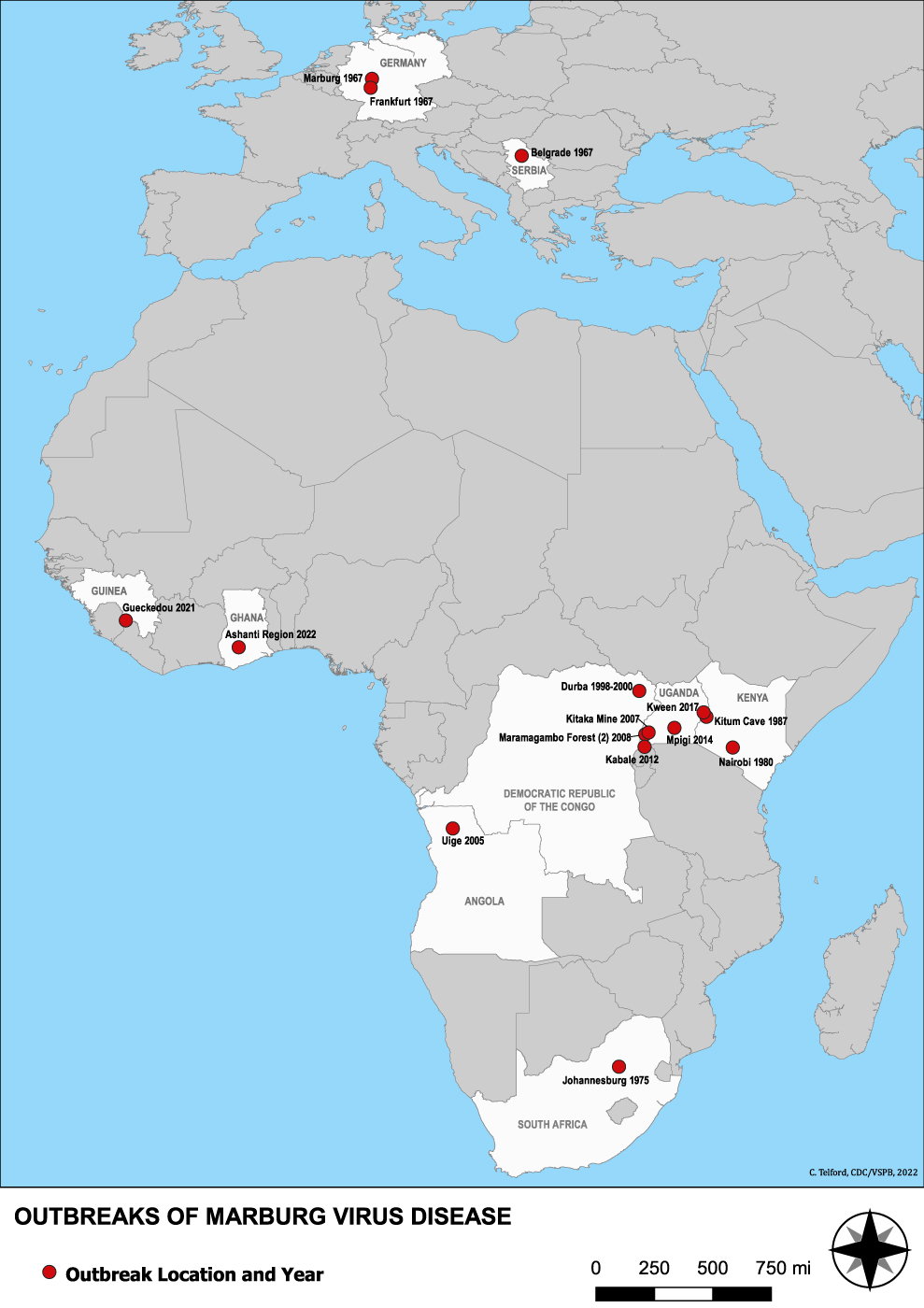
Marburg vaccine candidates are conducting clinical trials, and various Marburg disease outbreaks have been reported in 2025.

Measles Vaccines

Measles outbreaks continue in 2025, including in U.S. cities such as those in Texas. Various measles vaccines are available at pharmacies.

Meningococcal Disease Vaccines

The U.S. CDC lists various Meningococcal Disease vaccines, such as Bexsero® (MenB-4C).

MERS Vaccine

As of 2025, no approved MERS-CoV vaccine exists, but cases continue to be reported in the Middle East. The VTP-500 vaccine candidate completed Phase I clinical trials in the United Kingdom and Saudi Arabia. The University of Oxford conducted a Phase Ib trial in the U.K. to assess the vaccination of older adults.

Norovirus Vaccine

As of 2025, the U.S. FDA has not approved a norovirus vaccine candidate; however, Moderna's vaccine is currently in Phase 3 clinical trials. The Nova 301 Phase 3 study, evaluating the efficacy, safety, and immunogenicity of mRNA-1403 in adults, is expected to be completed in 2027.

Mpox Vaccines

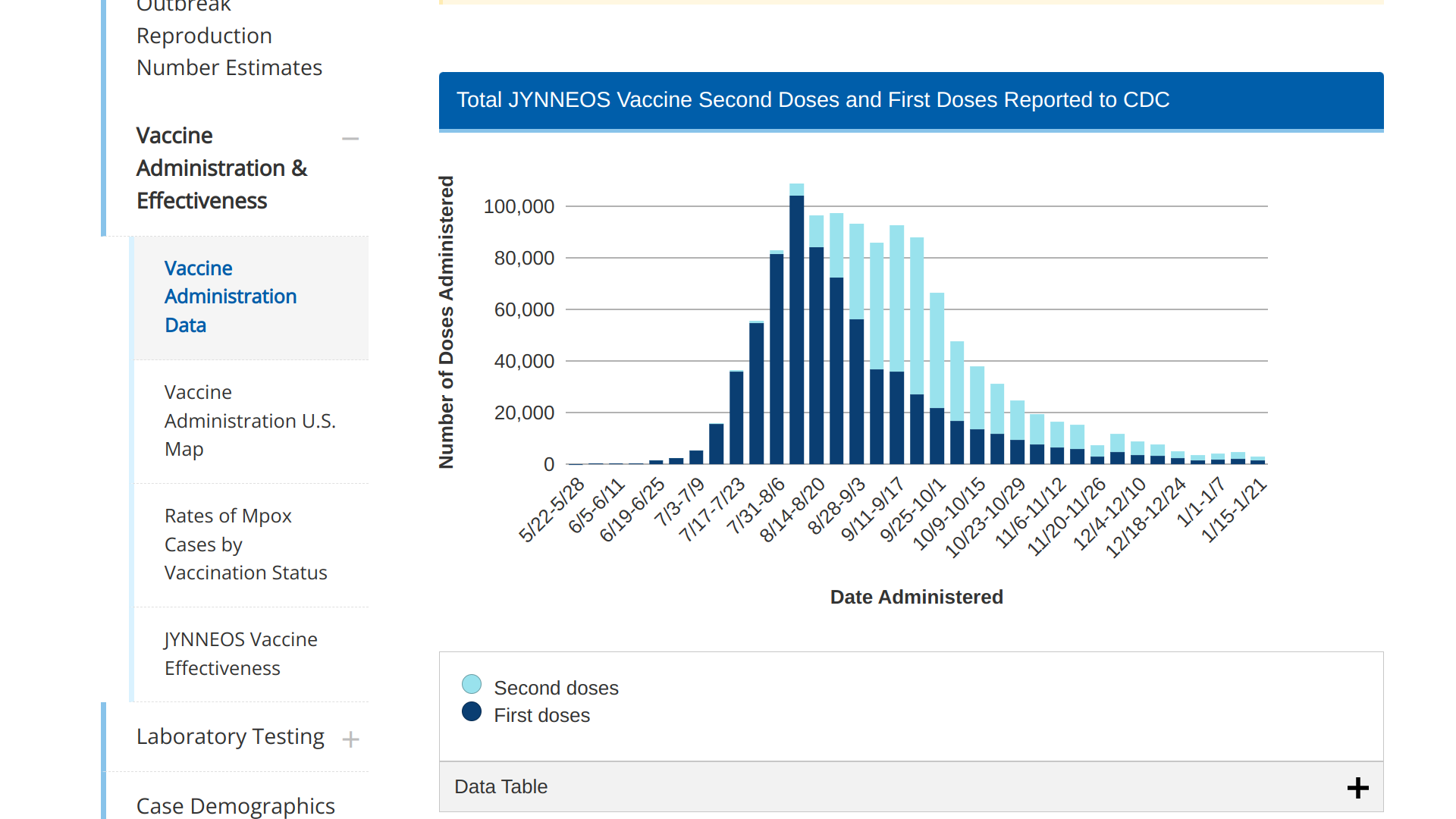
The JYNNEOS smallpox-mpox vaccine is commercially available in the U.S., Africa, and numerous other countries.

Nipah Virus Vaccines

Nipah virus vaccine candidates are continuing in Phase 1 clinical trials in 2023. Since 1999, Nipah outbreaks have occurred in Asia, including Bangladesh and India.

Oropouche Virus Vaccine

As of July 17, 2025, no vaccine is available to prevent Oropouche, and no medicines are available to treat infections. In 2025, commercial testing services will become available in the United States.

Plague Vaccine

The WHO-Plague Vaccines in Preclinical Development and Clinical Trials was published in 2023. The primary outcomes assessed were efficacy, safety, and immunogenicity using the Cochrane Collaboration's tool. The study concluded that a single-dose F1-based mRNA-LNP vaccine is effective in protecting against the lethal plague bacterium.

Polio Vaccines

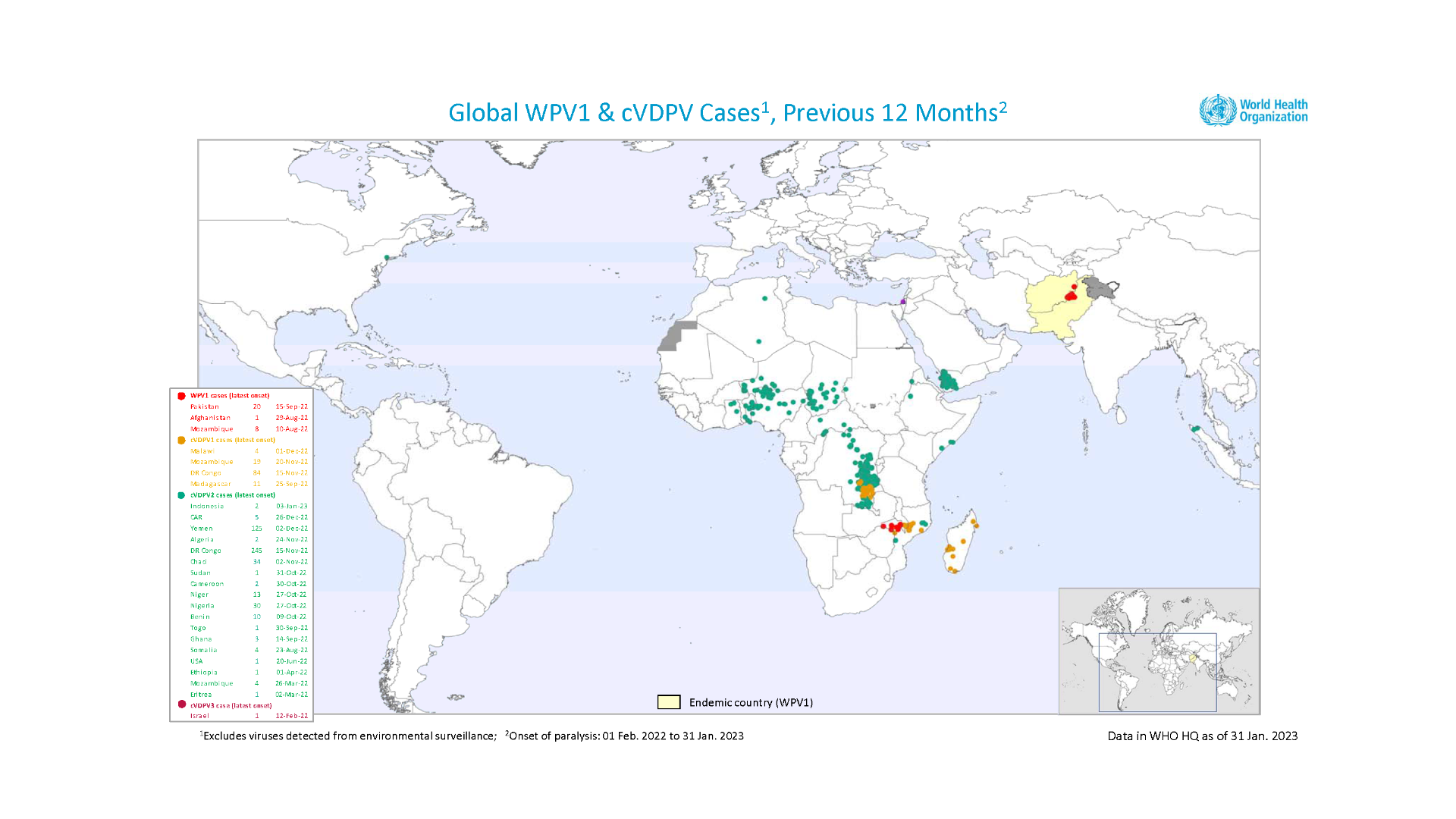
Polio vaccination, including booster shots, is recommended when visiting polio-endemic countries. Infants and children should complete as much of the recommended, age-appropriate polio vaccine series as possible before departure.

IPOL is a sterile suspension of three types of poliovirus: Type 1 (Mahoney), Type 2 (MEF-1), and Type 3 (Saukett). Sanofi Pasteur's single-antigen IPOL vaccine is a highly purified, inactivated poliovirus vaccine with enhanced potency.

Sabin Inactivated Poliovirus Vaccine is a liquid trivalent vaccine produced from Sabin poliovirus type 1, 2, and 3 strains grown on Vero cells.

nOPV2 polio vaccine is derived from the live, infectious virus, but it has been 'triple-locked using genetic engineering to prevent it from becoming harmful. nOPV2 is genetically more stable than existing OPVs.

Rabies Vaccines

Various rabies vaccines and candidates seek to reduce rabies mortality in 2025. The number of recommended pre-exposure prophylaxis doses was decreased in 2021 from 3 to 2, administered with an interval of at least 7 days.

Rocky Mountain Spotted Fever

RMSF is endemic in multiple border states in northern Mexico, including Baja California, Sonora, Chihuahua, Coahuila, and Nuevo León. As of December 2023, no approved vaccine for RMSFine exists. However, the CDC says early treatment with doxycycline saves lives.

Rotavirus Vaccines

Since 2019, the WHO has prequalified four rotavirus vaccines. GSK's Rotarix is a live, attenuated rotavirus vaccine that exposes your child to a small dose of the virus, which causes the body to develop immunity to the disease.

Tickborne Encephalitis Vaccine

TicoVac vaccine is marketed by Pfizer Inc. under the brand names FSME-Immun® in Europe and TICOVAC™ in the U.S. It was developed using a master 'seed' virus similar to the Tickborne encephalitis virus found in nature. The TBE vaccine is approved for individuals aged 1 year and older. It is recommended for use among people traveling to or moving to a TBE-endemic area who will have extensive tick exposure, based on their planned outdoor activities and itinerary.

Tuberculosis Vaccine

The U.S. CDC recommends the BCG vaccine to help prevent tuberculosis and to provide nonspecific protective effects, such as against bladder cancer. Various versions of the BCG vaccine are available globally in 2025.

Typhoid Vaccine

Typhoid vaccines are available in 2023 and are recommended for people traveling to places where typhoid fever is common, such as South Asia (India). Capsules should be swallowed whole and taken ≥2 hours after eating or drinking and 1 hour before subsequent eating or drinking. All four capsules should be taken at least 1 week before potential exposure. A booster dose of Ty21a should be taken every 5 years, if indicated.

Vivotif oral vaccine (capsules) is indicated for the immunization of adults and children over six years of age against the disease caused by Salmonella Typhi. It contains live bacteria called Salmonella typhi strain Ty21a, which does not cause typhoid fever. Bavarian Nordic A/S owns Vivotif Oral and is available in the U.S.

Typbar TCV is a vaccine containing the polysaccharide of Salmonella typhi Ty2 conjugated to Tetanus Toxoid.

Typhim VI is a sterile solution prepared from the purified polysaccharide capsule of Salmonella typhi (Ty 2 strain). 

Urinary Track Infection Vaccine and Treatments

Uromune™, an inactivated oral spray vaccine for Urinary Tract Infection (UTI), was approved in various countries in 2025.

Pivya™ antibacterial tablet is approved for female adults with uncomplicated UTIs in Europe.

Yellow Fever Vaccines

The WHO publishes yellow fever vaccination requirements for entry into certain countries. Outbreaks have been confirmed in 2025. The yellow fever vaccine is contraindicated in infants <6 months of age and should be administered to children 6–8 months of age after careful consideration of risk at destination and the ability of caregivers to prevent mosquito bites. 

YF-VAX® vaccine is licensed in the U.S. and takes about 10 days to achieve maximum immunity.

Stamaril® is distributed in over 70 countries in 2024, but not in the U.S. 

Zika Virus Vaccines

While Zika virus outbreaks continue primarily in India and the Region of the Americas in 2025, no approved Zika vaccine is currently available.

Note: This content is aggregated from various news sources and vaccine research organizations and has been fact-checked by healthcare professionals, including Dr. Robert Carlson.

10 min read
Last Reviewed: 
Friday, December 19, 2025 - 11:40
Description: 
Yellow fever, Zika, polio, malaria, measles, Lyme, cholera, chikungunya, and dengue disease vaccinations in 2025.

Herpes Vaccine Candidates

Herpes Vaccines December 2025

Developing protective vaccines against the herpes simplex virus (HSV) has been a longstanding challenge in clinical trials. Current herpes vaccine candidates are based on DNA, modified mRNA, subunit, killed-virus, and attenuated-live-virus technologies. As of December 11, 2025, the U.S. Food and Drug Administration (FDA), BrazilCanada, Chinathe European UnionIndiaJapan, and the United Kingdom had not authorized preventive or therapeutic vaccines for herpes simplex virus types 1 (HSV-1) or 2 (HSV-2).

The World Health Organization (WHO)  published its preferred product characteristics for Alpha (α)-herpesviruses vaccines and updated its pipeline review in late 2024. In coordination with its Global Health Sector Strategy on HIV, viral hepatitis, and sexually transmitted infections for 2022-2030, the WHO works to increase awareness about genital herpes infections and related symptoms. The WHO, the U.S. National Instuties of Health (NIH), and global partners launched STI Watch, a portal containing updated information on vaccine development status. Both preventive and therapeutic HSV vaccines are being explored.

study published in July 2024 showed that the economic costs of genital herpes infections amount to an estimated $35 billion a year worldwide through healthcare expenditures and productivity loss. To confirm HSV infections, commercial labs offer confidential testing services in 2025.

As of 2025, herpes vaccine candidates conducting clinical trials include:

Assembly Biosciences ABI-5366 is an advanced helicase primase inhibitor targeting Healthy Participants and Participants Seropositive for HSV-2 With Recurrent Genital Herpes. The Phase 1a/1b clinical trial (NCT06385327, ABI-5366-101) found that ABI-5366 was well-tolerated and presented a pharmacological profile supporting potential once-weekly or even once-monthly dosing. 

mRNA-1608 is an mRNA vaccine candidate against HSV-2 disease. The mRNA-1608-P101 Phase 1 study was launched on September 6, 2023, and is expected to be completed on June 4, 2025. With mRNA-1608, Moderna Inc. aims to induce a strong antibody response with neutralizing and effector functionality combined with cell-mediated immunity—Independent Study: An mRNA vaccine to prevent genital herpes.

BNT163 is an mRNA-based HSV vaccine candidate that encodes three HSV-2 glycoproteins. These glycoproteins help prevent HSV from entering and spreading within cells and counteract HSV's immunosuppressive properties.

RatioVaccines' VC2 vaccine candidate is a live-attenuated vaccine targeting facial, ocular, and genital herpes caused by HSV-1 and may also protect against genital herpes caused by HSV-2. On October 13, 2023, Rational Vaccines was awarded $2.8 million by the U.S. National Institutes of Health. In 2018, a study conducted at Louisiana State University, Brent Stanfield and colleagues examined the immune response generated by the intramuscular injection of the VC2 vaccine in guinea pigs.

Delta gD-2 (∆gD-2) is a vaccine candidate based on an HSV-2 virus genetically deleting glycoprotein D (gD-2)

HSV529 (HSV15) is a vaccine candidate classified as replication-defective. This means the virus possesses all components of the wild-type HSV, except for two proteins, UL5 and UL29, which are involved in viral DNA replication. Sanofi Pasteur and the National Institute of Allergy and Infectious Diseases last updated this phase 1/2 study on January 13, 2021.

EXD-12 is a vaccine candidate currently tested for safety and efficacy as a prophylactic and therapeutic vaccine against herpes simplex virus 1 (HSV-1) and herpes simplex virus 2 (HSV-2). 

NanoVax is an adjuvant platform to develop a vaccine candidate to protect against the two viruses that can cause genital herpes.

RVx201 is a live-attenuated HSV-2 vaccine candidate conducting an observational clinical study, RVx-001-PSS, in England. It is designed to achieve a specific degree of attenuation through mutations engineered into the ICP0 protein.

Shanghai BD Gene is conducting a phase 1/2 clinical study in humans. It is the only gene-editing technology for Cas9 mRNA delivery by lentivirus.

Assembly Biosciences, Inc. announced data from development candidate ABI-5366, a long-acting HSV helicase inhibitor targeting high-recurrence genital herpes.

A research study published on May 28, 2024, highlights the potential of an effective combination therapy using the two monoclonal anti-gB IgGs (HDIT101 and HDIT102) for the treatment of HSV-1 and HSV infections.

GSK plc announced on September 11, 2024, that it had completed the primary objective data analysis from the phase II part of the TH HSV REC-003 trial for GSK3943104, a therapeutic HSV vaccine candidate. The results show that GSK3943104 did not meet the study's primary efficacy objective. Therefore, this vaccine candidate will not progress to phase III studies. 

Herpes Vaccine Candidate Clinical Trials

When developing herpes vaccines, participants are selected for clinical trials in phases 1, 2, 3, and 4. Each development phase is essential. Herpes Cure Advocacy launched Herpes Cure Pipeline 2.0 in March 2022, which tracks the timelines and strategies of preclinical and clinical studies. The Vaccine Value Profile (VVP) for HSV aims to provide a comprehensive, high-level assessment of the information and data currently available to inform the potential public health, economic, and societal value of pipeline vaccines and vaccine-like products.

Herpes Vaccine Preclinical Development

Redbiotec is developing an HSV-2 therapeutic vaccine, also known as immunotherapy. Their vaccine program uses T-cell-mediated protection and aims to outperform antivirals. With two injections, patients can remain symptom-free for over 12 months.

Eurocine vaccine candidates against HSV-2—In a non-human study, mRNA vaccination stimulated potent T cell responses that significantly outcompeted those generated by the protein vaccine in performance in several specific areas. Dr. Karl Ljungberg, Director of Preclinical Development at Eurocine Vaccines, stated in December 2022, "The T cell responses that we report here align with those that can be detected after recovery from an infection and are focused on the part of the HSV-2 virus that we believe is important to target to obtain immunologic control of the virus."

Researchers designed and constructed an HSV-1 synthetic platform based on the H129 Strain of G4. This platform could facilitate further manipulation of the HSV-1 genome, the development of neuronal circuit tracers, oncolytic viruses, and vaccines.

A January 2025 study reviewed the development and characterization of the vaccine potential of replication-competent controlled herpesviruses, representing the first examples of regulated microbes used as vaccines.

The journal MDPI published an article on July 18, 2023, that concluded B7 costimulation molecules expressed from a replication-defective vaccine can enhance vaccine efficacy, even in an immunocompetent host.

Herpes Vaccine News

April 2, 2025 - A new study from the University of Pennsylvania School of Dental Medicine found that chewing gum made from beans has been shown to reduce the viral load of some strains of herpes.

December 10, 2024 - Around 846 million people aged between 15 and 49 are living with genital herpes infections.

September 11, 2024: GSK plc provided an update on the terminated phase I/II therapeutic HSV vaccine trial.

July 24, 2024 - An article published in Nature: TMEFF1 is a neuron-specific restriction factor for HSV. 

May 13,  2024 - Fred Hutch virologists Martine Aubert, PhD, and Keith Jerome, MD, PhD, are conducting laboratory experiments to develop a gene therapy for curing herpes.

February 12, 2024 - Researchers at Dartmouth's Geisel School of Medicine and Thayer School of Engineering published a new study in Cell Reports Medicine, offering insights into how antibodies function in combating HSV infections. 

December 14, 2023 - The findings of a new study (October 26, 2023) could inform the design of treatments for various viruses that replicate in the cell nucleus.

November 1, 2023 - The University of Pittsburgh School of Medicine received a grant of $ 504,000 to conduct innovative herpes research.

October 13, 2023 - Rational Vaccines was awarded $2.8 million in U.S. National Institute of Health funding in three separate grants to further its research to diagnose, treat, and prevent the spread of HSV.

September 30, 2023 - A Systematic Review was published: The Association Between Herpes Simplex Virus and Alzheimer's Disease.

May 25, 2023—Akiko Iwasaki, Ph.D., Sterling Professor of Immunobiology and professor of dermatology, molecular, cellular, and developmental biology, and epidemiology (microbial diseases) at Yale School of Medicine, developed a therapeutic vaccine candidate that may reduce the reactivation of genital herpes in guinea pigs. However, a lack of investment has hindered human clinical trials.

April 21, 2023 - The NIAID announced a Request for Information on the U.S. National Institutes of Health's vital strategic approaches to developing an HSV Strategic Plan.

April 5, 2023 - The WHO published updated Herpes Facts, including that an HSV-2 infection increases the risk of acquiring HIV.

March 20, 2023 - Research Article: Construction and characterization of a synthesized herpes simplex virus H129-Syn-G2.

December 21, 2022 - BioNTech announced that the first subject was dosed in a first-in-human Phase 1 clinical study of BNT163, an HSV prevention vaccine candidate.

December 20, 2022—Eurocine Vaccines announced that the mRNA vaccine generates superior T-cell responses. Dr. Karl Ljungberg, Director of Preclinical Development at Eurocine Vaccines, stated, "The T cell responses that we report here are in line with those that can be detected after recovery from an infection and are focused on the part of the HSV-2 virus that we believe is important to target to obtain immunologic control of the virus."

December 15, 2022 - A study published in the peer-reviewed journal PLOS Medicine found that if HSV-2 has indeed contributed to the transmission of HIV, then nearly one-third of antiretroviral costs and HIV-related wage losses add to herpes-related costs. Given the magnitude of the combined losses, a vaccine against HSV-2 must be a global priority.

December 12, 2022 - The Lancet Europe published a systematic review, meta-analyses, and meta-regressions on the epidemiology of HSV-2 in Europe.

December 9, 2022—The journal Nature published an article titled "Urgency and necessity of Epstein-Barr virus (EBV) prophylactic vaccine development." EBV is a γ-herpesvirus with a double-stranded DNA genome and is the first human oncogenic virus identified. EBV is also known as human herpesvirus 4, a member of the herpes virus family.

September 26, 2022—The Fred Hutchinson Cancer Center in Washington announced that researchers.Drs. Keith Jerome and Martine Aubert) found substantial reductions in oral and genital viral shedding in the treated mice, with many of those treated showing no detectable virus shed. A related non-peer-reviewed study was also published: AAV-delivered gene editing for latent genital or orofacial herpes simplex virus infection reduces ganglionic viral load and minimizes subsequent viral shedding. 

September 23, 2022 - Nature - Scientific Reports published: HSV-1 0∆NLS vaccine elicits a robust B lymphocyte response and preserves vision without recognizing HSV-1 glycoprotein M or thymidine kinase. Collectively, the results suggest (1) the live-attenuated HSV-1 mutant 0∆NLS elicits a robust B cell response that drives select B cell responses more significantly than the parental HSV-1 and (2) HSV-1 TK and gM are likely expendable components in the efficacy of a humoral response to ocular HSV-1 infection.

Content sources include the World Health Organization (WHO), the US Centers for Disease Control and Prevention (CDC), the National Institutes of Health (NIH), research papers, ClinicalTrials.gov, and the Precision Vaccinations news network. Healthcare providers, such as Dr. Robert Carlson, fact-check content.

0 min read
Availability: 
Pending
Clinical Trial: 
https://clinicaltrials.gov/ct2/results?cond=&term=NCT05500053&cntry=&state=&city=&dist=
Drug Class: 
Vaccine
Condition: 
Last Reviewed: 
Thursday, December 11, 2025 - 16:40
Status: 

NasoVAX Influenza Vaccine

NasoVAX Influenza Vaccine Description

NasoVAX is a recombinant, monovalent intranasal vaccine RD-Ad5-based and is being developed for both seasonal and pandemic use. NasoVAX can activate the humoral, mucosal, and cellular immune arms in unison for a more comprehensive immune response. The data from the Phase 2a trial indicated that NasoVAX was well-tolerated and achieved 100% seroprotection with serum antibody responses comparable to a licensed injected influenza vaccine. Statistically significant increases in mucosal antibodies were noted, as well as a robust T-cell response directed against influenza.

The safety and immunogenicity of NasoVAX, a monovalent intranasal influenza vaccine based on a replication-deficient adenovirus type 5 platform, were evaluated in a placebo-controlled single ascending-dose phase 2a clinical study (ALT-103-201). Sixty healthy adults (18-49 years) received a single intranasal dose of 1×10⁹ viral particles (vp), 1 × 10¹⁰ vp, or 1 × 10¹¹ vp of NasoVAX or placebo. Approximately half of the subjects from the highest dose were evaluated between 12 and 14 months after initial dosing for additional immunogenicity assessment. The durability data show that the immune response elicited by NasoVAX was stable, with no overall change in the antibody titer or level of seroprotection over an average of 13 months. The combination of serum antibody, mucosal antibody, and T-cell response with the durability data provides the potential for improved protection against influenza and suggests that NasoVAX could have a more significant impact on flu symptoms and shedding of the influenza virus than currently approved influenza vaccines.

NasoVAX Influenza Vaccine Indication

NasoVAX is indicated to prevent influenza, seasonal.

NasoVAX Influenza Vaccine Dosage

NasoVAX is administered by intranasal spray. The dosage is being evaluated in clinical trials.

NasoVAX Influenza Vaccine News

March 5, 2021 - Vaccines published preliminary findings on the phase 2 clinical trial of NasoVAX. NasoVAX appeared safe and elicited a broad immune response, including humoral, cellular, and mucosal immunity, with no impact of baseline anti-adenovirus antibody at the most immunogenic dose.

June 1, 2020 - Altimmune Launches Clinical Trial Of T-COVIDTM, An Investigational Intranasal Immune Modulator For The Treatment Of Patients With Early COVID-19. The FDA has agreed that the Company may use its existing lot of RD-Ad5-based NasoVAX influenza vaccine for the planned T-COVID clinical trial,allowing the Company to initiate the study immediately

NasoVAX Influenza Vaccine Clinical Trials

NasoVAX Influenza vaccine continues to be studied in Clinical Trials.

0 min read
Generic: 
nasal flu vaccine
Drug Class: 
Nasal Flu Vaccine
Condition: 
Last Reviewed: 
Wednesday, September 20, 2023 - 05:50
Brand: 
NasoVAX
Status: 

MVA MERS-S Vaccine

MVA-MERS-S Vaccine 2023

MVA-MERS-S (Modified Vaccinia virus Ankara) is a vaccine candidate that contains the full-length spike gene of MERS-CoV, a betacoronavirus. The vaccine is based on an attenuated virus, MVA, previously used in a smallpox eradication vaccination campaign and has now been altered to contain protein components from the MERS coronavirus. This recombinant, so-called vector-based vaccine, scientifically termed MVA-MERS-S for short, is to boost immunity against MERS coronaviruses. The MVA-MERS vaccines were produced with tPA, but either the mH5 or F11 promoter driving expression of the spike gene.

Scientists at the University Medical Center Hamburg-Eppendorf and the German Center for Infection Research (DZIF) have conducted a first-in-human phase 1 clinical trial with a vaccine against MERS. The MVA-MERS-S vaccine had a favorable safety profile without serious or severe adverse events. Homologous prime-boost immunization induced humoral and cell-mediated responses against MERS-CoV. A dose-effect relationship was demonstrated for reactogenicity but not for vaccine-induced immune responses. The data presented here support further clinical testing of MVA-MERS-S in larger cohorts to advance MERS vaccine development.

In June 2023, the U.S. Centers for Disease Control and Prevention published a study that concluded: an ELISPOT assay for evaluating MERS-CoV-specific T-cell responses in dromedary camels. After a single modified vaccinia virus Ankara-MERS-S vaccination, seropositive camels showed increased levels of MERS-CoV‒specific T cells and antibodies, indicating the suitability of camel vaccinations in disease-endemic areas as a promising approach to control infection.

The German Center for Infection Research (DZIF) jointly develops new approaches to prevent, diagnose, and treat infectious diseases.

MVA-MERS-S Vaccine Indication

MVA-MERS-S is a vaccine candidate to prevent MERS, which causes respiratory disease. MERS is one of the WHO's priority diseases, warranting urgent research and development of countermeasures. Dromedary camels have been identified as natural animal reservoirs, with >90% MERS-CoV seroprevalence reported in Middle East countries, such as the Kingdom of Saudi Arabia.

MVA MERS-S Vaccine Dosage

Participants received doses of 1 × 107 plaque-forming unit (PFU; low-dose group) or 1 × 108 PFU (high-dose group) MVA-MERS-S intramuscularly for the prime immunization. A second identical dose was administered intramuscularly as a booster immunization 28 days after the first injection.

MVA MERS-S Vaccine News

June 2023 - The U.S. CDC published Volume 29, Number 6 - MERS-CoV‒Specific T-Cell Responses in Camels after Single MVA-MERS-S Vaccination.

April 21, 2020 - Promising MERS coronavirus vaccine trial on humans – useful insights for vaccine development against SARS-CoV-2. "The results of this vaccine trial are also important and promising about the development of a vaccine against SARS-CoV-2, the new coronavirus," explains Prof. Marylyn Addo, Head of the Division of Infectious Diseases at the UKE and scientist at the DZIF. "The development of the MERS vaccine provides a basis upon which we at the DZIF can rapidly develop a vaccine against the new coronavirus."

April 20, 2020 - The Lancet published a study that found vaccination with MVA-MERS-S had a favorable safety profile without serious or severe adverse events. Vaccination with MVA-MERS-S had a favorable safety profile without serious or severe adverse events. Homologous prime-boost immunization induced humoral and cell-mediated responses against MERS-CoV. A dose–effect relationship was demonstrated for reactogenicity but not vaccine-induced immune responses. 

October 3, 2013 - MERS Coronavirus Spike Protein Delivered by Modified Vaccinia Virus Ankara Efficiently Induces Virus-Neutralizing Antibodies.

MVA MERS-S Vaccine Clinical Trials

Clinical Trial NCT04119440: Randomized, Double-blind, Placebo-controlled, Phase Ib Study to Assess the Safety and Immunogenicity of MVA-MERS-S_DF-1.

0 min read
Drug Class: 
Attenuated Vaccine
Condition: 
Last Reviewed: 
Wednesday, June 21, 2023 - 06:45
Status: 

MERS Vaccines

Middle East Respiratory Syndrome (MERS) Vaccine Candidates 2025

The U.S. Food and Drug Administration (FDA), the European Medicines Agency (EMA), the World Health Organization (WHO), and the Kingdom of Saudi Arabia have not approved a Middle East Respiratory Syndrome Coronavirus (MERS-CoV) vaccine candidate as of 2025. The WHO says several vaccine candidates are being tested in human clinical trials in 2025. Efforts to develop an effective and safe human MERS-CoV vaccine have advanced, with a few vaccine candidates entering human studies; these vaccines are based on DNA plasmid vectors and modified vaccinia Ankara. 

On April 10, 2023, the U.S. government announced Project-NextGen, which aims to empower companies to accelerate the development of vaccines and therapies for human coronaviruses, such as MERS.

MERS-COV Vaccine Candidates

Oxford University's Pandemic Sciences Institute and Barinthus Biotherapeutics Inc. developed the ChAdOx1 MERS vaccine and announced on September 15, 2023, that 84 people aged 50 to 70 would participate in a phase 1 study in Liverpool. This study builds upon two previous Phase I clinical trials conducted in the UK in 2018 and Saudi Arabia in 2019. VTP-500 (ChAdOx1) MERS-CoV is a vaccine candidate from the University of Oxford. It consists of the replication-deficient simian adenovirus vector ChAdOx1 ME, expressing the RS Spike protein antigen. The VTP-500 vaccine is administered as a single dose in a homologous prime-boost regimen. C regimenEPI is funding up to $34.8 million to develop and stockpile VTP-500 vaccines. Due to VTP-500's potential to significantly address the unmet need for MERS, the EMA has confirmed support for the program through the PRIME designation. 

The Universitätsklinikum Hamburg-Eppendorf MVA MERS-S (Modified Vaccinia virus Ankara) vaccine candidate contains the full-length spike (S) gene of SARS-CoV-2. Vaccination with MVA-MERS-CoV had a favorable safety profile, with no severe adverse events reported. A Phase 1b study, concluded in October 2024, found that MVA-MERS-S was safe and immunogenic in individuals with previous and concurrent SARS-CoV-2 exposure. 

BVRS-GamVac-Combi is conducting Phase 1/2 clinical studies, sponsored by the Gamaleya Research Institute of Epidemiology and Microbiology, which is part of the Russian Federation's Ministry of Health.

The inactivated rabies-vectored RS-CoV-2 S1 vaccine, CORAVAX, is adjuvanted with MPLA-AddaVax, a TLR4 agonist, and induces high levels of neutralizing antibodies, thereby generating a strong Th1-biased immune response. The Avaccc 101 vaccine candidate is designed to provide broad protection against SARS-CoV-1, SARS-CoV-2, and MERS-CoV. 

Novavax's MERS investigational vaccine was paused at the preclinical stage.

Ralph Baric's lab at the University of North Carolina at Chapel Hill, in collaboration with the U.S. NIAID, negotiated an agreement to develop an MERS mRNA vaccine candidate.

CEPI provided $2.6 million in March 2025 to advance Uvax BioBio's RS vaccine candidate into preclinical trials.

MERS Outbreaks

The U.S. Centers for Disease Control and Prevention (CDC) describes MERS-CoV as a viral respiratory infection. The zoonotic source of this virus remains unknown. Since April 2012, when a patient with pneumonia died in a Jeddah hospital in Saudi Arabia, health authorities from 27 countries in six World Health Organization regions have reported 2,627 cases of MERS, including 946 deaths.

The U.S. CDC recommends MERS-CoV testing for persons within the United States who meet the MERS-CoV person-under-investigation criteria. In the United States, MERS-CoV testing declined from 2017 to 2023, and the clinical and epidemiologic criteria to guide U.S. testing were updated in 2024.

A study published in The Lancet in July 2024 highlighted the potential threat posed by RS-CoV, a member of the genus Merbecovirus, to global health. MERS-CoV circulates in dromedary camels in the Arabian Peninsula and occasionally causes human spillover infections. The emergence of MERS-CoV in camels and humans was preceded by a critical recombination event in which the ancestral receptor-binding module was replaced with a different merbecovirus lineage, thereby altering receptor usage. A key concern is the virus's ability to utilize diverse cell entry receptors, including ACE2. 

The U.S. CDC's Emerging Infectious Diseases published a study (Volume 30, Number 3) in March 2024 that identified more than three clusters among animals from different areas of Nairobi, Kenya, and a 15% infection rate among slaughterhouse workers.

4 min read
Last Reviewed: 
Tuesday, July 8, 2025 - 13:20
Description: 
MERS vaccine candidates protect people from severe infections related to interactions with camels and llamas.
Condition: 

INO-4700 MERS-CoV Vaccine

INO-4700 Vaccine Description 2022

The INO-4700 MERS-CoV product is a DNA vaccine candidate, allowing rapid design and production in response to emerging infectious diseases. Underscoring the potential for rapid deployment of DNA vaccines, On November 17, 2022, the company discontinued the development following analyses of data from studies conducted by INOVIO and funded by CEPI.

INO-4700 (GLS-5300) is a DNA plasmid vaccine that expresses the MERS-CoV spike (S) glycoprotein and was co-developed by GeneOne Life Science Inc. and Inovio Pharmaceuticals.

The completed Phase 1 study, the INO-4700 vaccine candidate, was found well-tolerated and induced high antibody responses in 95% of subjects while generating broad-based T cell responses in nearly 90% of study participants. In addition, durable antibody responses to INO-4700 used in that trial were maintained through 60 weeks following dosing.

INOVIO confirmed on March 1, 2022, it had dosed and completed enrollment for the first part (dose-finding stage) of the Phase 2 trial (192 participants) of INO-4700. The trial is sponsored by INOVIO and fully funded by the CEPI and was being conducted at sites in Jordan, Lebanon, and Kenya, where MERS cases have been reported.

Pennslyvania-based INOVIO is a biotechnology company focused on rapidly bringing to market precisely designed DNA medicines to treat and protect people from infectious diseases, cancer, and diseases associated with HPV. INOVIO is the first and only company to have clinically demonstrated that a DNA medicine can be delivered directly into cells in the body via a proprietary smart device to produce a robust and tolerable immune response. 

INO-4700 Vaccine Indication

Human beta coronaviruses such as MERS were first identified in the mid-1960s. The best-known coronaviruses are MERS-CoV and Severe Acute Respiratory Syndrome (SARS-CoV) and the 2019 Novel Coronavirus (SARS-CoV-2). From 2012 until July 2, 2021, the ECDC reported 2,591 MERS-CoV cases and 940 associated fatalities.

The INO-4700 vaccine is indicated to prevent MERS, a deadly viral respiratory disease caused by MERS-CoV infection. To date, there is no specific treatment proven effective against this viral disease. Also, no vaccine has been licensed to prevent MERS-CoV infection thus far. Overall, vaccine candidates against MERS-CoV are mainly based upon the viral spike (S) protein due to its vital role in the viral infectivity, although several studies focused on other viral proteins such as the nucleocapsid (N) protein, envelope (E) protein, and non-structural protein 16 (NSP16) have also been reported.

The majority of the identified MERS-CoV cases are nosocomially acquired via direct close contact with infected patients (Chowell et al., 2015; Cauchemez et al., 2016), whereas cases of zoonotic transmission from dromedary camels to humans were reported primarily in Saudi Arabia, where human-camel interaction is more frequent.

INO-4700 Vaccine Dosage

INOVIO's DNA medicines deliver optimized plasmids directly into cells intramuscularly or intradermally using INOVIO's proprietary hand-held smart device called CELLECTRA®. 

A July 24, 2019, Phase 1 first-in-human clinical trial. Initial findings from the trial were published in The Lancet Infectious Diseases. The study, conducted at the Walter Reed Army Institute of Research (WRAIR) Clinical Trials Center, evaluated a candidate DNA vaccine INO-4700.

Overall, for those receiving 0.6 mg of INO-4700, 88% demonstrated seroconversion after a 2 dose regimen at 0 and 8 weeks, while for those receiving a 3 dose regimen given at 0, 4, and 12 weeks, 84% seroconverted after 2 doses and 100% after 3 doses, as measured by a binding antibody assay against the full-length S protein (ELISA). Additionally, 92% of the vaccine recipients in both groups displayed the ability to neutralize the virus using a neutralization assay (EMC2012-Vero neutralization). Furthermore, robust T cell responses were observed in 60% of vaccine recipients after the 2 dose regimen and 84% in the 3 dose group (ELISpot assay). Interestingly, a single dose of 0.6 mg of INO-4700 intradermal vaccination resulted in a 74% binding antibody response rate and a 48% neutralization antibody response rate.

INO-4700 Vaccine News

August 4, 2021 - INOVIO announced that the company had dosed the initial Phase 2 trial subject in its quest to develop the first vaccine against the Middle East Respiratory Syndrome (MERS). INOVIO's Phase 2 trial is designed to evaluate INO-4700, its DNA vaccine candidate for the prevention of MERS, a disease in the coronavirus family for which there are no approved vaccines.

March 22, 2021 - This Phase 2a, randomized, blinded, placebo-controlled, multi-center study is to evaluate the safety, tolerability, and immunogenicity of INO-4700 administered by intradermal (ID) injection followed by electroporation using the CELLECTRA™ 2000 device in healthy adult volunteers for the Middle East Respiratory Syndrome Coronavirus infection. This study is divided into 2 parts: Part 1- dose-finding stage and Part 2- dose expansion stage.

April 28, 2020 - INOVIO and GeneOne Life Science announced interim data through week 16 from a Phase 1/2a trial of DNA vaccine INO-4700 (also called GLS-5300) for MERS-CoV. Vaccine recipients demonstrated strong antibody and T cell immune responses after 2 or 3 doses with 0.6 mg of INO-4700. The vaccination regimen was well-tolerated with no vaccine-associated severe adverse events.

July 25, 2019 - Inovio Pharmaceuticals, Inc. announced positive results from the first-in-human trial of its vaccine against the MERS were published in The Lancet Infectious Diseases. This peer-reviewed article entitled, "Safety and immunogenicity of an anti-Middle East respiratory syndrome coronavirus DNA vaccine: A phase 1, open-label, single-arm, dose-escalation trial," highlights clinical results of Inovio's collaborative vaccine study of INO-4700 (also called GLS-5300) against MERS delivered with the CELLECTRA® efficacy-enhancing device.

INO-4700 Vaccine Clinical Trials

Clinical Trial NCT04588428: Phase 2a Safety, Tolerability, and Immunogenicity of INO-4700 for MERS-CoV in 542 Healthy Volunteers. The purpose of this Phase 2a, randomized, blinded, placebo-controlled, multi-center study is to evaluate the safety, tolerability, and immunogenicity of INO-4700 administered by intradermal (ID) injection followed by electroporation (EP) using the CELLECTRA™ 2000 device in healthy adult volunteers for the Middle East Respiratory Syndrome Coronavirus (MERS-CoV) infection. This study is divided into 2 parts: Part 1- dose-finding stage and Part 2- dose expansion stage. The multi-center Phase 2 trial is a randomized, double-blinded, placebo-controlled study designed to evaluate the safety, tolerability, and immunogenicity of INO-4700 administered with INOVIO's smart device, the CELLECTRA® 2000, in approximately 500 healthy adult volunteers. The study, which is sponsored by INOVIO and fully funded by the Coalition for Epidemic Preparedness Innovations, is being conducted at sites in Jordan and Lebanon where MERS cases have been reported.

Clinical Trial NCT03721718: Evaluate the Safety, Tolerability and Immunogenicity Study of GLS-5300 in Healthy Volunteers. This Phase I/IIa study will evaluate the safety, tolerability, and immunogenicity of GLS-5300 administered intradermally (ID) followed by electroporation at 0.3 and 0.6 mg/dose assessing 2 and 3-dose regimens. 

Clinical Trial NCT02670187: Phase I, Open-Label Dose-Ranging Safety Study of GLS-5300 in 60 Healthy Volunteers. The Middle East Respiratory Syndrome Coronavirus (MERS CoV), a virus related to Severe Acute respiratory syndrome coronavirus (SARS CoV), was first recognized as a cause of severe pulmonary infection in 2012.

0 min read
Generic: 
INO-4700
Clinical Trial: 
https://clinicaltrials.gov/ct2/history/NCT04588428?V_4=View
Drug Class: 
DNA Vaccine
Condition: 
Last Reviewed: 
Friday, November 18, 2022 - 06:10
Status: 
Manufacturer Country ID: 

Jenvac Japanese Encephalitis Vaccine

JENVAC® Vaccine

JENVAC® is a single-dose inactivated Japanese Encephalitis (JE) Vaccine. This Vero cell-derived vaccine is prepared from an Indian strain (Kolar- 821564XY) of the JE virus. JENVAC has been developed in collaboration with India's National Institute of Virology. It is a safe and highly effective vaccine that protects against all known strains of Japanese Encephalitis.

JENVAC® is a safe and highly effective vaccine that protects against all the known strains of JE. World Health Organization showed that 6,383 cases of JE were reported in India between 2018 and 2022.

Bharat Biotech is a pioneering biotechnology company based in India known for its world-class R&D and manufacturing capabilities. 

JENVAC Indication

Japanese Encephalitis is the most common cause of viral Encephalitis in Asia. JE is a mosquito-borne flavivirus and belongs to the same genus as dengue, yellow fever, and West Nile viruses. JE is transmitted to humans through bites from infected mosquitoes of the Culex species. Most JE infections are mild (fever and headache) or without apparent symptoms, but approximately 1 in 250 infections result in severe clinical illness. Severe disease is characterized by rapid onset of high fever, headache, neck stiffness, disorientation, coma, seizures, paralysis, and ultimately death.

JE's case-fatality rate can be as high as 30% among those with disease symptoms. Of those who survive, 20%–30% suffer permanent intellectual, behavioral, or neurological sequelae such as paralysis, recurrent seizures, or the inability to speak. There is no antiviral treatment for patients with JE. Treatment is supportive to relieve symptoms and stabilize the patient.

JENVAC Dosage

Data from a 2-dose study shows that a single dose of JENVAC is sufficient to elicit the immune response as the subjects who received a single dose were 98.67% sero-protected, and the 4-fold sero-conversion was at 93.14% for the ≥1 year to ≤50 years age group. JENVAC vaccine is administered intramuscularly into the deltoid region of the upper arm for adults and the anterolateral regarea of the thigh for children. As per the Recommended immunization schedule (2018-19), the JE vaccine should be administered at 12 months and 13 months. Infants younger than two months should not be administered JE the vaccine; People who have had a life-threatening allergic reaction to the JE vaccine or any ingredient in the vaccine.

JENVAC Adverse Events

The most common adverse events noted were pain, swelling, or redness where the shot was given, headache and muscle aches (mostly in adults), and low fever (mainly in children). Serious side effects from the JE vaccine are very infrequent.

JENVAC Vaccine News

February 2024 - India's government will vaccinate over 25 lakh children in four districts, including Indore, Bhopal, Narmadapuram, and Sagar, beginning February 27, 2024. 

August 1, 2022 - Japanese Encephalitis has claimed four more lives in Assam, India, taking the death toll to 52.

0 min read
Availability: 
Not licensed for use in the US
Generic: 
JE Vaccine
Drug Class: 
Vaccine
Last Reviewed: 
Saturday, February 24, 2024 - 05:50
Brand: 
JENVAC
Status: 
Manufacturer Country ID: 
Kosher: 
Yes
Halal: 
Yes
Rate Vaccine: 
EH65UOFx

Japanese Encephalitis Vaccines

Japanese Encephalitis Vaccines 2025

Japanese encephalitis virus (JEV) protective vaccines have been found safe and effective. They are approved for use in the United States as of March 14, 2025, according to the U.S. Centers for Disease Control and Prevention (CDC). The CDC's Advisory Committee on Immunization Practices (ACIP) recommends the JE vaccine for people traveling to a JE-endemic country. The CDC says to consider the JE vaccine (IXIARO) for shorter-term (<1 month) travelers based on planned travel duration, season, location, activities, and accommodation. In addition, vaccination should be considered for travelers going to JE-endemic areas who are uncertain of specific destinations, activities, or travel duration.

As of 2025, the World Health Organization (WHO) data represent Japanese Encephalitis vaccination coverage reported by countries through the WHO/UNICEF.

Japanese Encephalitis Vaccines Authorized

A JE vaccine was first licensed in the United States at the end of 1999. There are three types of JEV vaccines: inactivated Vero cell-derived, live attenuated, and live recombinant (chimeric) vaccines. In June 2009, the CDC's ACIP approved recommendations for the use of JE-VC in adults and for an adult booster dose. In May 2013, the U.S. FDA approved JE-VC for children aged two months through 16 years. In April 2018, FDA approval for a booster dose was expanded to include the pediatric age group.

Valneva SE IXIARO is an inactivated, adsorbed vaccine derived from Vero cell culture. It is available at travel clinics and pharmacies in the U.S. and is recommended by the CDC.

JENVAC is an inactivated vero cell-derived vaccine prepared from an Indian Kolar strain of the Japanese encephalitis virus. Other JE vaccines are manufactured and used in different countries, but are not licensed in the U.S.

IMOJEV® (JE-CV, ChimeriVax™-JE) is a recombinant chimeric virus vaccine developed using the Yellow fever virus (YFV) vaccine vector YFV17. It replaces the cDNA encoding the envelope proteins of YFV with that of an attenuated JEV strain SA14-14-. Waning immunity in a small proportion of individuals suggests that booster doses may benefit high-risk travelers vaccinated more than 5 years ago.

Japanese Encephalitis Vaccine Candidates

A study suggests that CD.JEVAX® can be a viable option for booster vaccination in JE prevention programs. (TCTR ID: TCTR20221102003). 

SK bioscience announced in February 2025 the commencement of global Phase 1/2 clinical trials for its mRNA-based Japanese encephalitis vaccine candidate, GBP56. This project is based on a CEPI agreement, under which CEPI committed $40 million in initial funding. An additional $100 million in funding could be available later to support late-stage trials/licensure.

Japanese Encephalitis Outbreaks

Japanese Encephalitis outbreaks continue in March 2025.

3 min read
Last Reviewed: 
Thursday, December 18, 2025 - 10:05
Description: 
Japanese Encephalitis vaccine is U.S. FDA authorized