Oropouche Virus Infections Can Be Detected
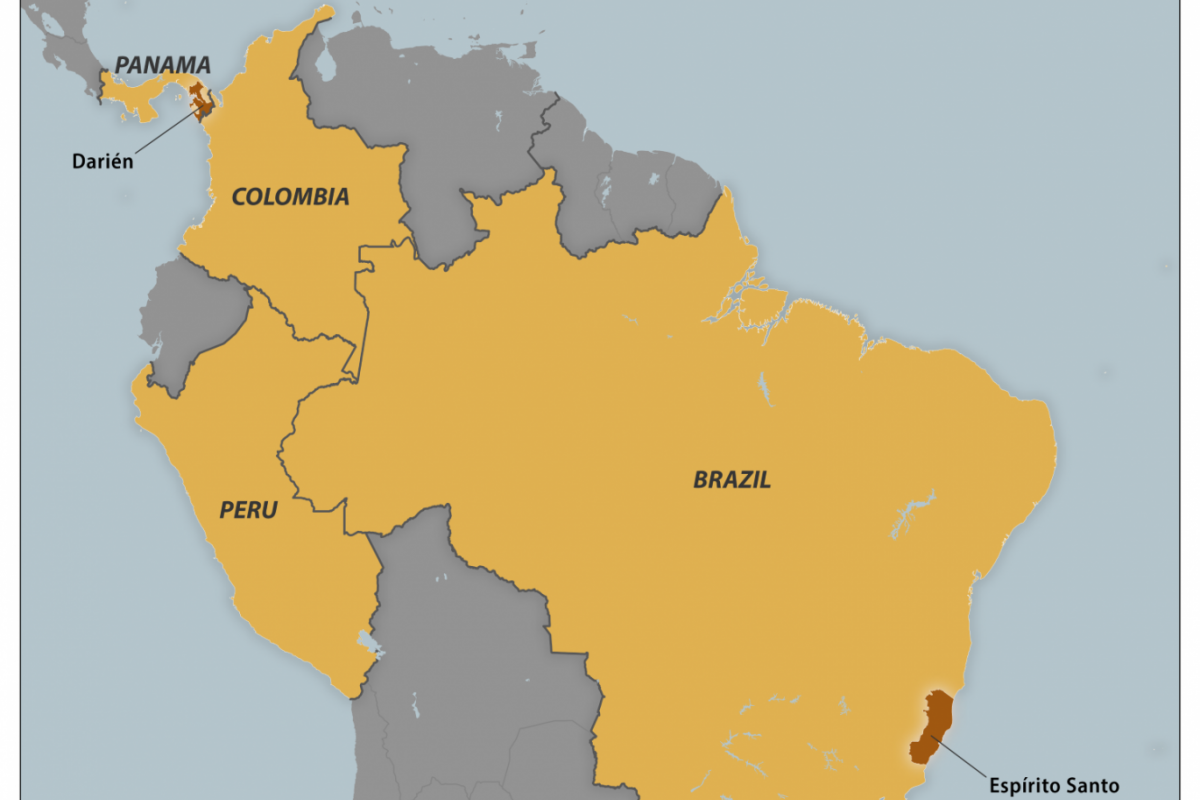
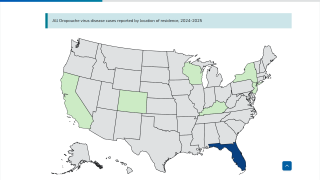
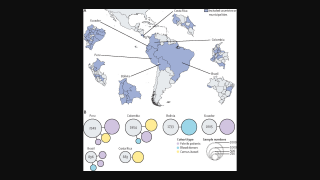
Over the past two years, the Oropouche virus has been reported in regions of South America, Central America, and the Caribbean, raising substantial concerns among international travelers and healthcare providers attempting to diagnose the disease.
Oropouche viral disease presents clinically with symptoms that overlap with those of other mosquito-transmitted diseases such as Chikungunya, Dengue, Malaria, and Zika.
To address this need, Quest Diagnostics, based in New Jersey, announced the launch of a new diagnostic laboratory test for the Oropouche virus.
Beginning later this summer, Quest's advanced laboratory in San Juan Capistrano, California, will perform the test using polymerase chain reaction (PCR) technology, with serology testing to follow later this quarter.
Reverse transcription PCR testing can identify the RNA of the virus during the early stages of infection to aid diagnosis.
Serology testing, which identifies antibodies produced by the immune system in response to the virus, can aid in diagnosing the virus in later stages of infection.
"As one of the leading providers of laboratory testing, Quest plays an essential role in ensuring the U.S. is prepared to respond to potentially dangerous emerging diseases, such as Oropouche virus," said Yuri Fesko, MD, Senior Vice President and Chief Medical Officer at Quest Diagnostics, in a press release on July 15, 2025.
"By developing this test, we are prepared to act quickly to offer scalable testing to complement public health labs should this virus become a public health threat."
Oropouche and other virus testing are commercially offered by Ulta Labs Tests.
From a prevention perspective, the U.S. CDC recommends avoiding outbreaks, such as those in Brazil, Cuba, and Panama, and taking steps to limit mosquito bites.
Brazil has reported cases of Oropouche virus being passed from a pregnant woman to their fetus. These cases are currently under investigation.
The CDC says pregnant travelers should talk to their healthcare provider about travel plans, why they're traveling, steps to prevent insect bites,
As of July 17, 2025, no vaccine is available to prevent this disease, nor are there any medicines to treat Oropouche infections.
Our Trust Standards: Medical Advisory Committee