Moderna, Inc. and Merck recently announced that mRNA-4157/V940, an investigational personalized mRNA cancer vaccine, in combination with KEYTRUDA, has been granted Breakthrough Therapy Designation by the U.S. Food and Drug Administration (FDA) for the adjuvant treatment of patients with high-risk melanoma following complete resection.
Personalized cancer vaccines are designed to prime the immune system so that a patient can generate a tailored antitumor response specific to their tumor mutation signature.
The FDA granted Breakthrough Therapy Designation based on positive data from the Phase 2b KEYNOTE-942/mRNA-4157-P201 trial.
"The FDA's Breakthrough Designation for mRNA-4157/V940 in combination with KEYTRUDA reflects the excitement that we have for the potential promise of individualized cancer treatments," said Stephen Hoge, M.D., Moderna's President, in a press release on February 22, 2023.
"mRNA-4157/V940 in combination with KEYTRUDA provided the first demonstration of efficacy for an investigational mRNA cancer treatment in a randomized clinical trial and potentially represents a new frontier in treating melanoma and other cancers."
"We look forward to publishing the full data set and sharing the results at an upcoming oncology medical conference, as well as continuing discussions with health authorities."
mRNA-4157/V940 is a novel investigational mRNA-based personalized cancer vaccine consisting of a single synthetic mRNA coding for up to 34 neoantigens that is designed and produced based on the unique mutational signature of the patient's tumor. Upon administration into the body, the algorithmically derived and mRNA-encoded neoantigen sequences are endogenously translated and undergo natural cellular antigen processing and presentation, a key step in adaptive immunity.
KEYTRUDA is an anti-programmed death receptor-1 (PD-1) therapy that works by increasing the ability of the body's immune system to help detect and fight tumor cells. KEYTRUDA is a humanized monoclonal antibody that blocks the interaction between PD-1 and its ligands, PD-L1 and PD-L2, thereby activating T lymphocytes which may affect both tumor cells and healthy cells.
The FDA's Breakthrough Therapy Designation is granted to expedite the development and review of drugs that are intended to treat a serious condition, and when preliminary clinical evidence indicates that the product may demonstrate substantial improvement over available therapies on at least one clinically significant endpoint.
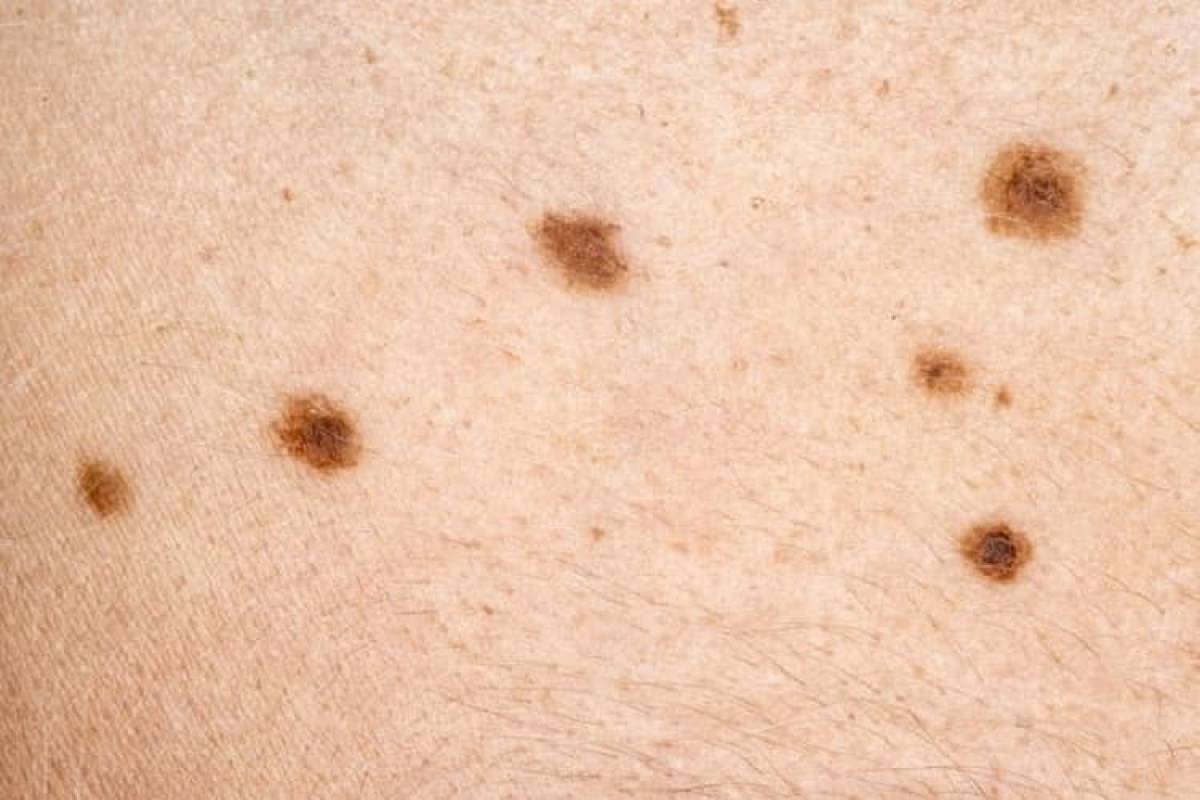
This news is essential since the rates of melanoma have been rising over the past few decades, with nearly 325,000 new cases diagnosed worldwide in 2020.
In the U.S., skin cancer is one of the most common types of cancer diagnosed, and melanoma accounts for a large majority of skin cancer deaths.