Coronavirus Breaking News

The coronavirus disease COVID-19 is currently reaching pandemic levels in various countries.

May 22, 2024 • 10:45 am CDT
CREDIT: ATS

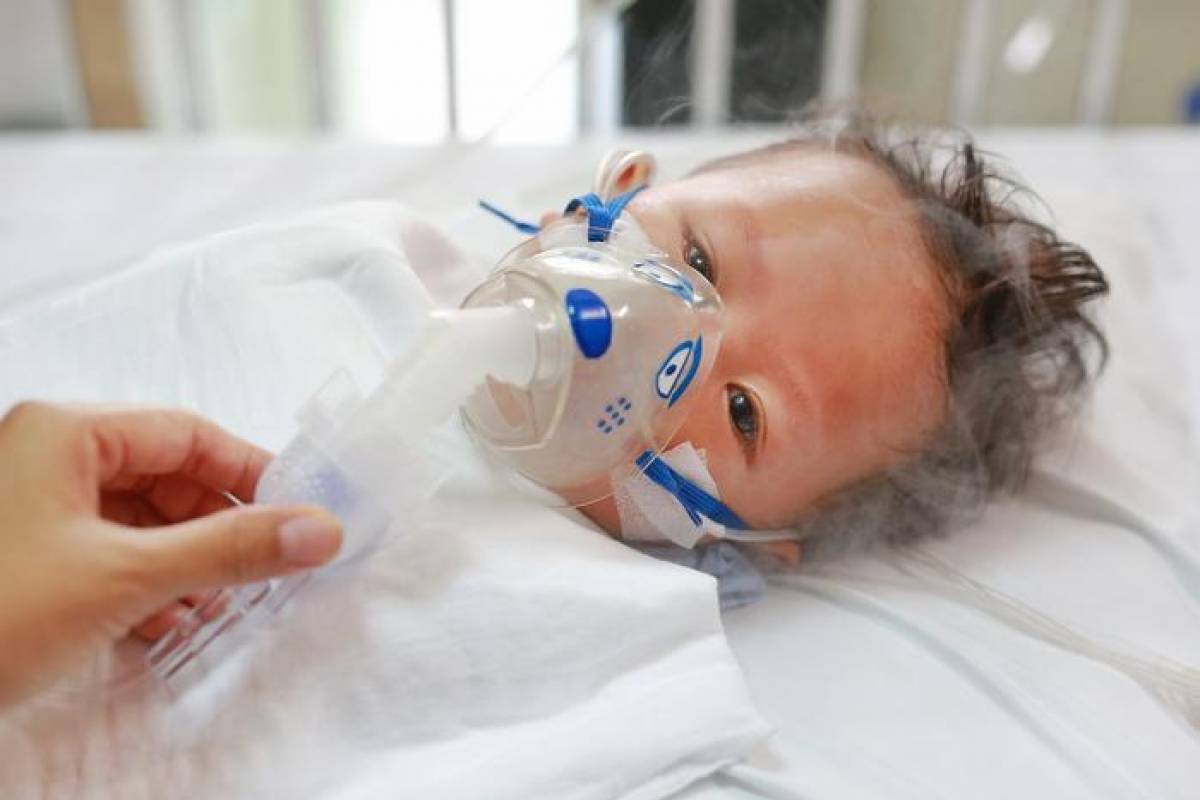
Following the initial shortage of the newly approved long-acting, monoclonal antibody Beyfortus™ (nirsevimab) for preventing infant respiratory syncytial virus (RSV) lower respiratory tract infection (LRTI), a new digital app may help identify newborns at the highest risk for developing serious RSV LRTI, according to research published at the ATS 2024 International Conference.

 These researchers wrote, 'To predict whether these infants developed severe RSV LRTI requiring ICU admission during the first year of life, we developed a multivariable logistic regression model. The model includes demographic and clinical variables collected at or shortly after birth–19 variables, such as prenatal smoking, delivery method, maternal age, and assisted breathing (ventilation) during birth hospitalization.'

"Timely identification of infants at highest risk of RSV-related morbidity is key to prevention," said lead author Brittney M. Snyder, PhD, assistant professor, Division of Allergy, Pulmonary and Critical Care Medicine, Vanderbilt University Medical Center, in a press release on May 21, 2024.

"Our personalized risk prediction tool may have applications in allocating expensive and/or limited immunoprophylaxis (immunization with nirsevimab or palivizumab) to achieve the greatest benefit and promote RSV prevention among families with high-risk infants."

During the 2023-2024 RSV peak season in the U.S., Beyfortus reduced RSV hospitalizations by about 82% in infants compared to infants who received no passive immunization against RSV.

As of March 2024, among females with an infant <8 months, 41.3% reported that their infant received Beyfortus.

As of May 2024, access to Beyfortus is not constrained in the U.S.

May 22, 2024 • 9:44 am CDT
Pixabay 2024

The Montgomery County Department of Health and Human Services Office of Public Health recently reported one measles case in Philadelphia and potential virus exposures in Montgomery County, PA.

On May 20, 2024, the Philadelphia Department of Public Health (PDPH) reported one confirmed case of measles, which includes exposures at CVS Pharmacy, 10901C Bustleton Ave, Philadelphia, PA 19116, and Holy Redeemer Hospital Emergency Department, 1648 Huntingdon Pike, Strauss Emergency Pavilion, Meadowbrook, PA 19046.

Currently, there are no confirmed cases in Montgomery County.

"We believe there is no threat to the general public associated with this case of measles," said Pennsylvania Department of Health Acting Secretary Dr. Debra Bogen in a press release.

"Many countries, including travel destinations, are experiencing measles outbreaks, so the potential for travel-related measles cases and subsequent outbreaks in the United States has increased."

"We strongly encourage parents to follow the CDC's immunization schedule and get their children fully vaccinated as soon as they are able."

Previously, the PDPH declared the December 2023 - January 2024 measles outbreak to be over in February. Eight Philadelphians and one person outside Philadelphia tested positive for measles during this outbreak.

The outbreak did not spread further because 93% of Philadelphians are up-to-date on their MMR vaccine.

As of May 16, 2024, 21 U.S. jurisdictions had reported 139 measles cases. Throughout 2024, the City of Chicago confirmed the most measles cases (66) in the U.S.

May 21, 2024 • 1:36 pm CDT
by Aayansh Pandey

Combating Antibiotic-Resistant Bacteria Biopharmaceutical Accelerator (CARB-X) today announced it would award $3.96 million to the Center for Vaccine Development and Global Health (CVD) at the University of Maryland School of Medicine to develop a maternal vaccine that prevents sepsis caused by Klebsiella pneumoniae in newborns and infants.

The CVD vaccine candidate, which targets the surface sugars of K. pneumoniae, is expected to be given to pregnant women, thereby protecting their babies from this deadly infection.

If successful, researchers expect the vaccine will prevent 80-90% of K. pneumoniae neonatal sepsis infections.

“With this award, the CVD team has even greater potential to bring a maternal vaccine for neonatal sepsis to market and save the lives of millions of infants worldwide, especially in low-and-middle income countries through its global partnership with Auro Vaccines of India,” said Erin Duffy, PhD, R&D Chief of CARB-X, in a press release on May 21, 2024.

“By vaccinating expectant mothers, the risk of neonatal sepsis might be reduced substantially as babies who are too young to be vaccinated would receive antibodies from their mothers in utero as well as through breastfeeding after birth.”

The CARB-X award supports examining the feasibility of this project to maximize its potential impact on the vulnerable patient population.

The CVD team aims to develop and evaluate their vaccine further in partnership with Auro Vaccines Private Limited, a step-down subsidiary of Aurobindo Pharma Limited, India.

Neonatal sepsis is a life-threatening response to bloodstream infections that occur in newborns fewer than 28 days old. Due to their immature immune systems, newborns are particularly susceptible to infections.

The BARNARDS study estimated that 2.5 million neonates or infants in the first month of life die annually of sepsis, with the most significant burden in low- and middle-income countries.

Since neonatal sepsis progresses rapidly, it requires immediate treatment with IV fluids and antibiotics. The risk of death from neonatal sepsis increases by 7.6% every hour a treatment is delayed.

Federal funds from the U.S. Department of Health and Human Services, the Administration for Strategic Preparedness and Response, and others support CARB-X funding for this research.

May 21, 2024 • 10:24 am CDT
US CDC dengue Cases May 2024

The Centers for Disease Control and Prevention (CDC) recently reported a significant increase in dengue disease cases in the U.S. Almost half of the world's population, about 4 billion people, live in areas at risk for dengue outbreaks in 2024.

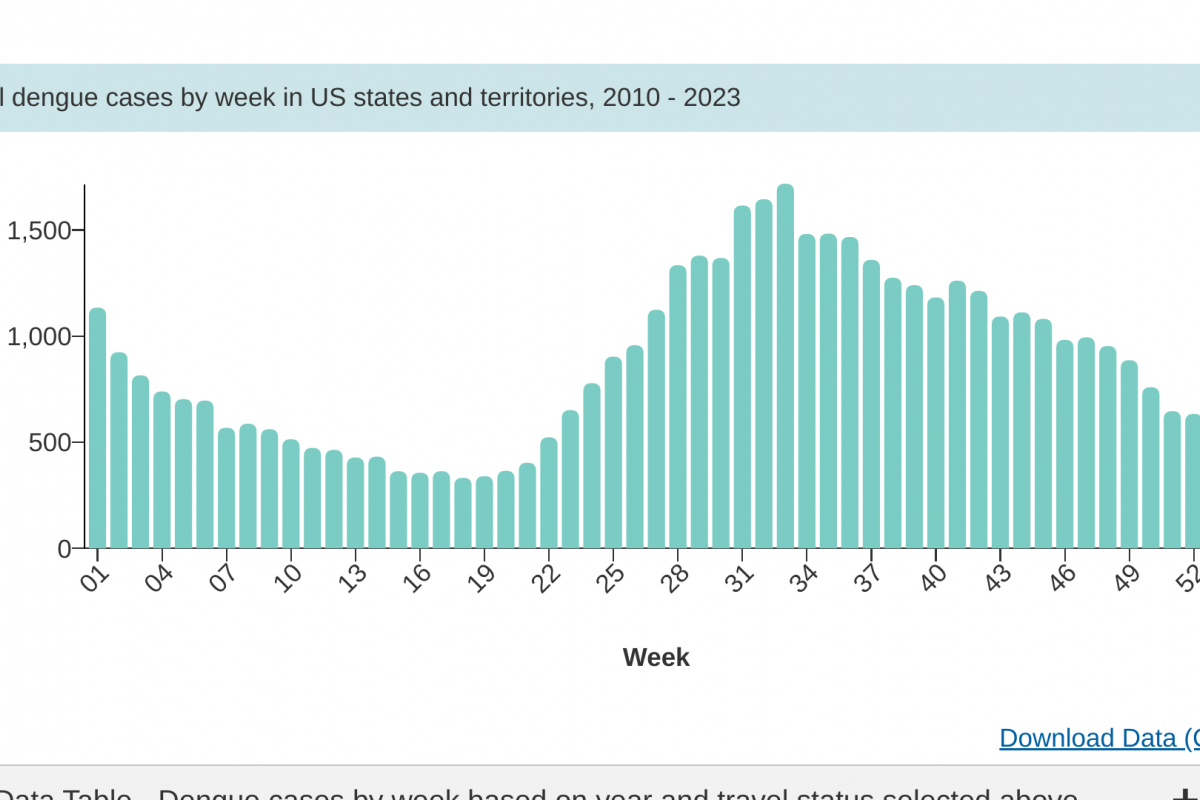
On May 13, 2024, the CDC confirmed 1,495 dengue cases reported from 39 U.S. jurisdictions. Last year, 2,932 dengue cases were confirmed in the U.S.

Over the past 13 years, most dengue cases have been reported during week #33, which is in August.

While the Dengvaxia® vaccine is U.S. FDA-approved, the CDC says it is not approved for use in U.S. travelers who are visiting but not living in an area where dengue is common.

Globally, dengue vaccines are available under specific criteria. 

May 20, 2024 • 2:26 pm CDT
US CDC Influenza Report May 17, 2024

The U.S. Centers for Disease Control and Prevention (CDC) recently reported a decrease in pediatric deaths related to influenza infections.

As of May 17, 2024, the CDC reported three additional influenza-associated pediatric deaths during Week #19, bringing the total number of pediatric deaths for this season to 167.

Two deaths were associated with influenza A viruses, and one was associated with an influenza B/Victoria virus. One of the influenza A viruses had subtyping performed and was an A(H3N2) virus.

Last flu season, the CDC reported 187 pediatric deaths related to influenza.

The CDC recommends that everyone six months and older get an annual flu vaccine as long as flu activity continues in their area.

May 20, 2024 • 1:45 pm CDT
Nature Comm 2024

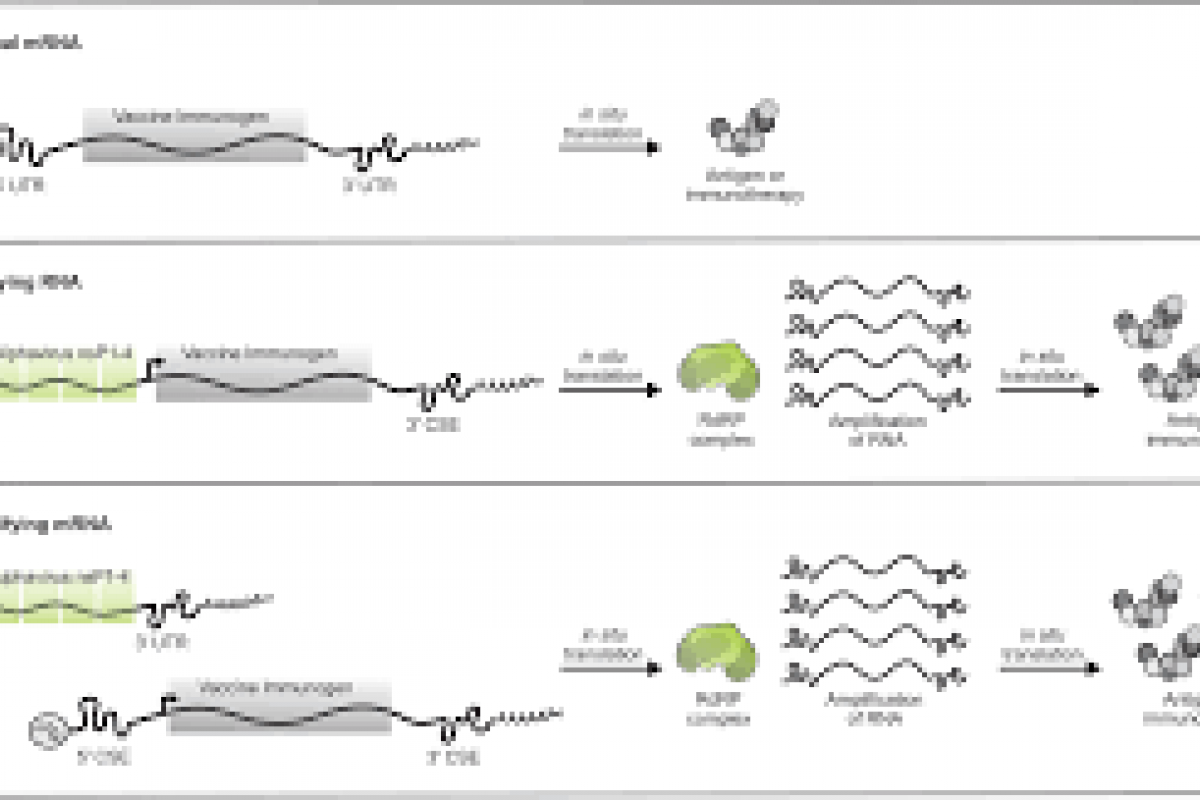
CSL and Arcturus Therapeutics today announce the journal Nature Communications has published results from an integrated phase 1/2/3a/3b study evaluating the safety, immunogenicity, and efficacy of ARCT-154, a novel self-amplifying (sa-mRNA) COVID-19 vaccine.

ARCT-154 is the world's first approved sa-mRNA COVID-19 vaccine for use in Japan.

The joint study's results demonstrate that two 5 μg doses of ARCT-154, sa-mRNA vaccine, were well-tolerated, immunogenic, and provided significant protection against multiple strains of COVID-19.

The efficacy of ARCT-154 against severe COVID-19 was 100% in healthy persons aged 18-59 and more than 90% in persons at risk of severe consequences of the disease due to co-morbidities or older age.

"The results published in Nature Communications demonstrate the efficacy and tolerability of ARCT-154 and add to a growing body of evidence that our sa-mRNA vaccine has the potential to provide significant protection against the pervasive virus, reinforcing our promise to protect public health," said Jon Edelman, M.D., Senior Vice President, Vaccines Innovation Unit, CSL, in a press release on May 20, 2024.

Unlike standard mRNA vaccines, sa-mRNA vaccines instruct the body to make more mRNA and protein to boost the immune response.

CSL is a global biotechnology company with a portfolio of medicines and vaccines.

May 20, 2024 • 5:22 am CDT
US CDC respiratory data map May 2024

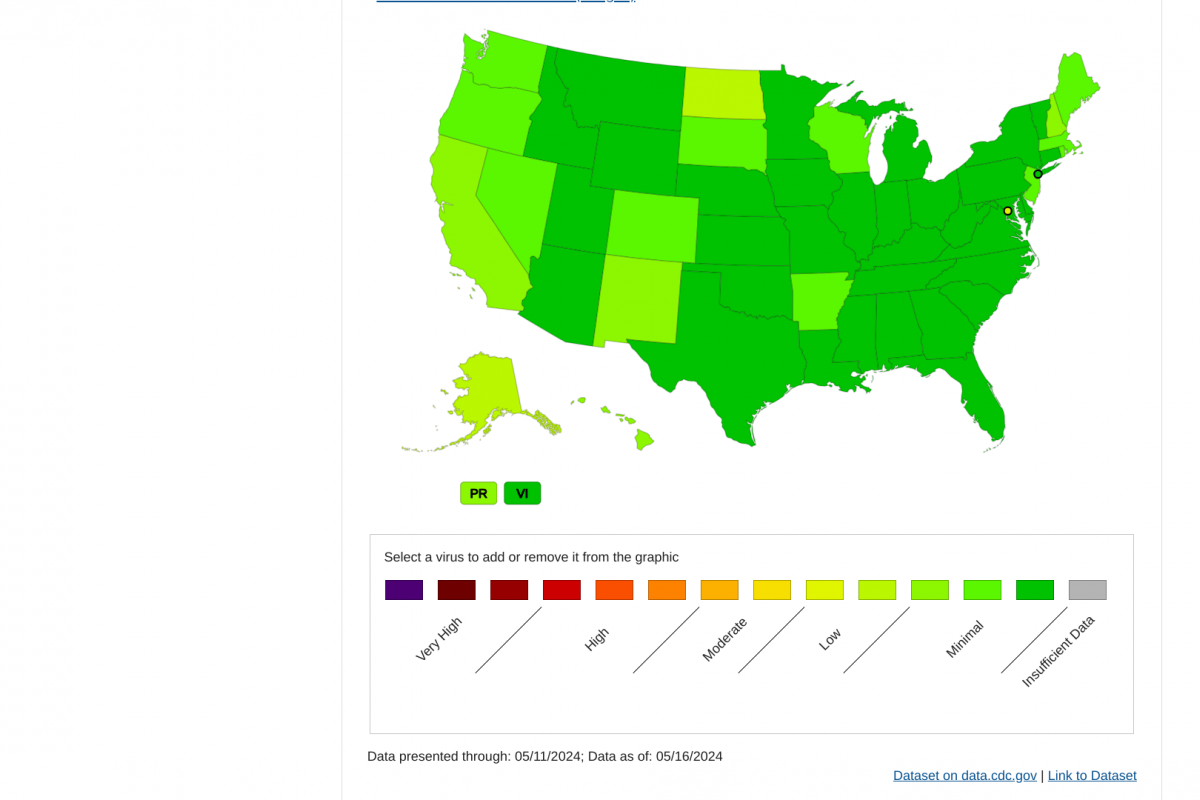
According to the U.S. Centers for Disease Control and Prevention (CDC), the amount of respiratory illness (fever plus cough or sore throat) causing people to seek healthcare is low nationally.

As of May 17, 2024, the CDC says no jurisdictions experienced moderate, high, or very high activity last week.

Furthermore, nationally, emergency department visits with diagnosed COVID-19, influenza, and RSV are at low levels.

While there are approved vaccines that help prevent these diseases, the CDC suggests speaking with a healthcare professional about the best time to be immunized. 

May 19, 2024 • 5:11 am CDT
ECDC cholera outbreak map 2024

The World Health Organization (WHO) has reported a critical shortage of Oral Cholera Vaccines (OCV), which is affecting cholera outbreak responses.

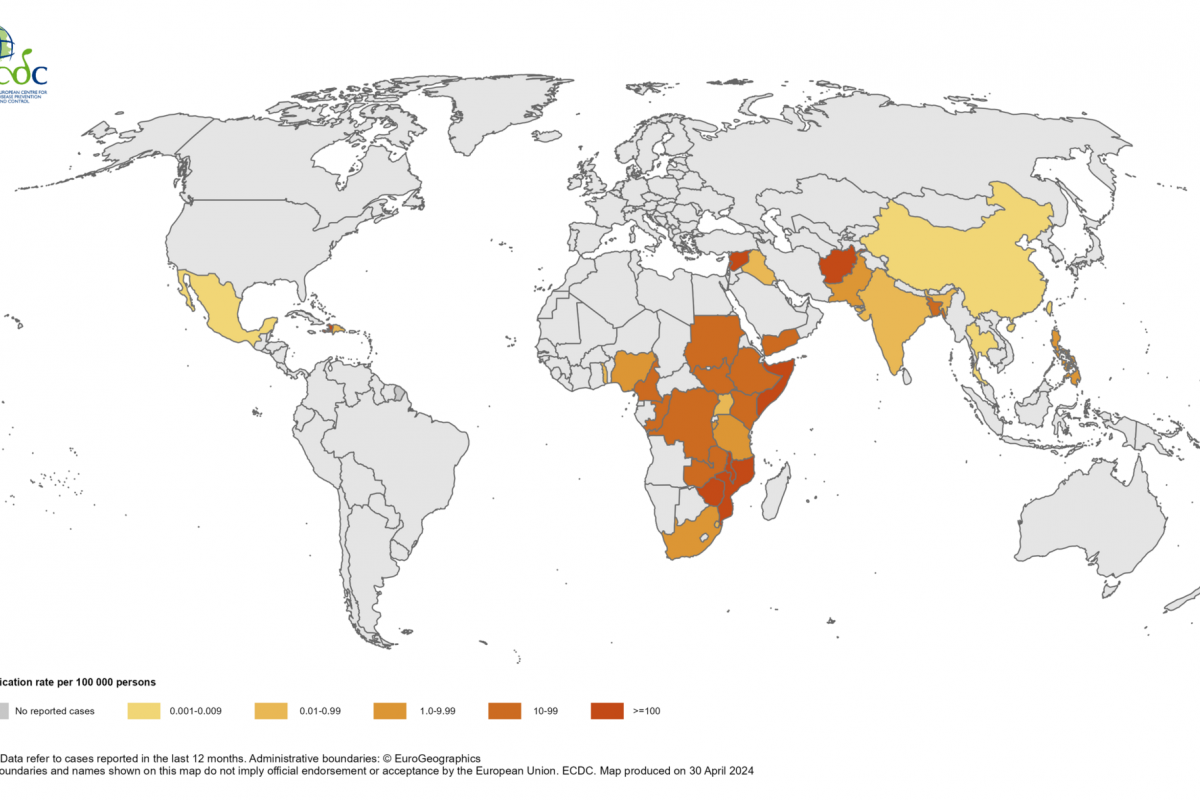
As of May 16, 2024, the WHO's External Situation Report #14 classified the global resurgence of Cholera as a grade 3 emergency, its highest internal level for emergencies, due to the increasing number of outbreaks and their geographic spread, as well as the shortage of vaccines and other resources, 

Since January 2023, OCV requests have surged, with 15 countries requesting 82 million doses, nearly double the 46 million doses produced during this period.

As of early May 2024, the OCV vaccine stockpile had 3.2 million doses, below the global target of five million.   

From January 2024 to April 2024, a cumulative total of 145,900 cholera cases and 1,766 deaths were reported from 24 countries across five WHO regions.

No cholera outbreaks were reported in the United States.

The U.S. CDC says Cholera is an infection of the intestines caused by the bacterium Vibrio cholerae. You can get Cholera from drinking water or eating food containing cholera bacteria.

Most people who get Cholera don't get sick. However, Cholera can cause life-threatening watery diarrhea and vomiting.

As of May 2024, there are various OCVs available.

Two doses of OCV protect against Cholera for at least three years. Since October 2022, only one dose of vaccine has been used in outbreak response, offering protection for about a year.

In the U.S., cholera vaccines are generally available at travel clinics and certified pharmacies.

May 18, 2024 • 1:41 pm CDT
by Leopold Böttcher

During the early stages of the recent pandemic, AstraZeneca's Evusheld antibody was an effective therapeutic option. However, as the SARS-CoV coronavirus evolved, the U.S. FDA withdrew Evusheld's authorization in early 2023.

According to the company's press release on May 16, 2024, positive high-level results from the SUPERNOVA Phase III COVID-19 pre-exposure prophylaxis (prevention) trial showed sipavibart (AZD3152), an investigational long-acting antibody (LAAB), demonstrated a statistically significant reduction in the incidence of symptomatic COVID‑19 compared to control in an immunocompromised patient population.

SUPERNOVA is a large Phase III global trial providing the only efficacy data in immunocompromised patients, demonstrating the potential benefit of a COVID-19 antibody against recent SARS-CoV-2 variants.

Sipavibart was well tolerated in the trial, and preliminary analyses showed that adverse events were balanced between the control and sipavibart arms.

Iskra Reic, Executive Vice President, Vaccines and Immune Therapies, AstraZeneca, commented, "Immunocompromised patients currently have limited or no options for COVID-19 protection and continue to face a significant burden of disease, despite often being fully vaccinated."

"Sipavibart has the potential to prevent COVID-19 in the immunocompromised, and we will now work with regulatory authorities globally to bring sipavibart to these vulnerable patients."

Sipavibart is not a preventive vaccine.

It was engineered using the same antibody scaffold as Evusheld and optimized with the same half-life extension, reduced Fc effector function, and complemented the C1q binding platform.

The reduced Fc effector function aims to minimize the risk of antibody-dependent disease enhancement - a phenomenon in which virus-specific antibodies promote, rather than inhibit, infection and/or disease.

According to the press release, AstraZeneca is in dialogue with regulatory authorities on potential authorization or approval pathways.

May 16, 2024 • 3:03 pm CDT
by Marzena P.

Eisai Co., Ltd. and Biogen Inc. recently announced the initiation of a rolling submission of a Biologics License Application (BLA) to the U.S. Food and Drug Administration (FDA) for LEQEMBI® subcutaneous autoinjector for weekly maintenance dosing. 

According to the company's press release on May 14, 2024, the injection process requires less time than the intravenous (IV) formulation.

If approved by the FDA, the LEQEMBI autoinjector could be used to administer LEQEMBI at home or medical facilities.

LEQEMBI (lecanemab-irmb) is a humanized immunoglobulin gamma 1 monoclonal antibody. It is indicated for the treatment of Alzheimer's disease (AD) in patients with Mild Cognitive Impairment or mild dementia stage of disease.

LEQEMBI is now approved in the U.S., Japan, and China, and applications have been submitted for review in the European Union, Australia, Brazil, Canada, Hong Kong, Great Britain, India, Israel, Russia, Saudi Arabia, South Korea, Taiwan, Singapore and Switzerland.

Previously, Eisai submitted a Supplemental BLA for monthly LEQEMBI IV maintenance dosing to the FDA in March 2024.

According to the Alzheimer's Association's Alzheimer's Disease Facts and Figures, an estimated 6.5 million Americans aged 65 and older live with dementia due to AD.

As of May 16, 2024, the FDA has not approved a vaccine that prevents AD.

May 16, 2024 • 1:45 pm CDT
by Stefan Schweihofer

VBI Vaccines Inc. today announced a business update and financial results for the March 31, 2024 quarter. The Company's innovative Hepatitis B vaccine (PreHevbrio®, PreHevbri®) has quickly gained global market access and produced measurable revenues.

PreHevbrio is the only 3-antigen hepatitis B vaccine, comprised of the three surface antigens of the hepatitis B virus.

"To date in 2024, our focus has centered around pipeline execution, expanding access and increased uptake of PreHevbrio in targeted market segments, and execution of strategic partnerships to drive opportunity for our portfolio assets, create shareholder value, and strengthen our balance sheet," said Jeff Baxter, VBI's President and CEO, in a press release on May 16, 2024.

PreHevbrio product revenue net increased 105% from Q1 2023, with $1.0 million earned in Q1 2024. During early 2024, PreHevbrio U.S. sales continue to demonstrate substantial growth over 2023, with over 80% of the 2023 full-year volume being sold in the first five months of 2024.

Furthermore, VBI partners with Valneva SE to make PreHevbri available in certain European countries. PreHevbri was launched in the UK, Sweden, Netherlands, and Belgium in 2023, and in early 2024, PreHevbri also became available in Denmark and Norway.

May 15, 2024 • 4:36 pm CDT
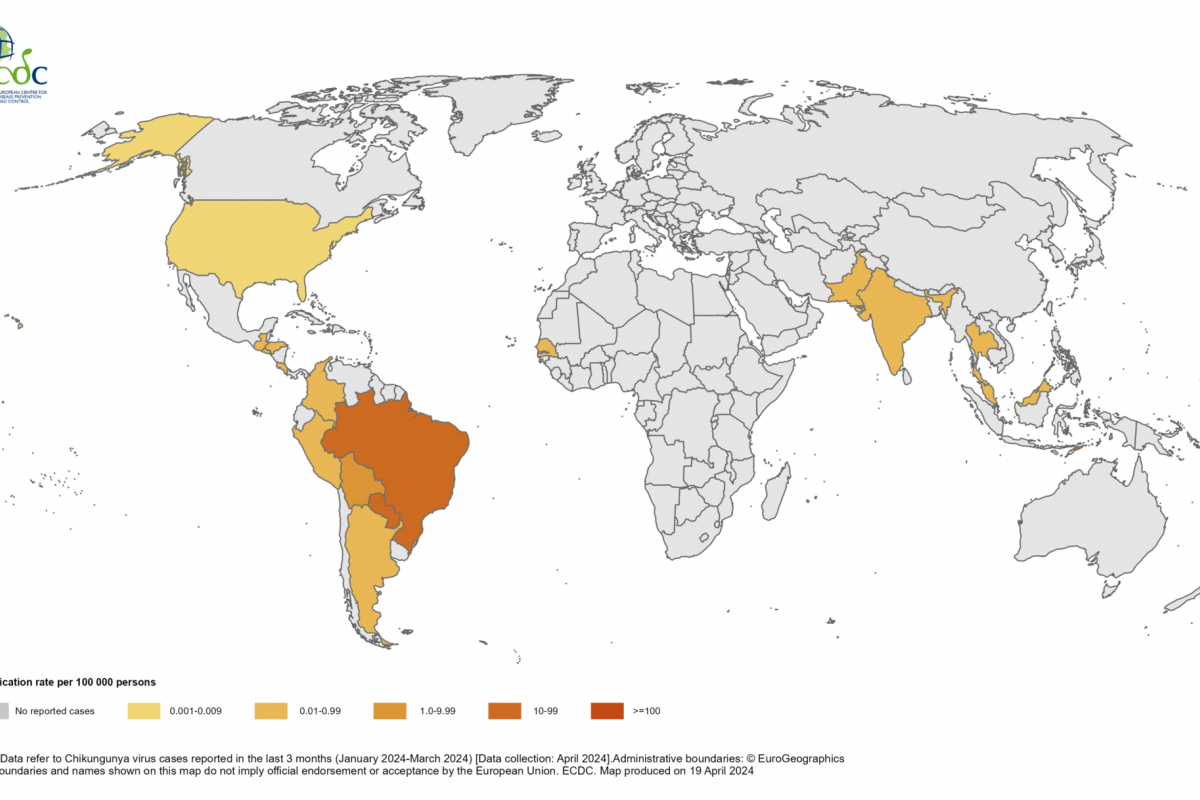
ECDC: Chikungunya virus cases January—March 2024

An analysis published in the journal Travel Medicine and Infectious Disease revealed that 86% of travelers diagnosed with chikungunya virus (CHIKV) infection over two years experienced joint pain, significantly impacting their quality of life.

Furthermore, 42.6% of patients with chronic arthralgia reported a recurrence of symptoms once they felt they had disappeared. 

Published on May 15, 2024, this study underscores the need for comprehensive pre-travel advice and the effective management of patients enhancing outcomes.

Additionally, an in-depth knowledge of this disease is essential for early identification, particularly in non-endemic areas with competent mosquito vectors for virus transmission. 

The World Health Organization says CHIKV was identified in nearly 115 countries in 2024, primarily in the Region of the Americas. In 2024, over 160,000 CHIKV cases and 50 deaths have been reported worldwide.

In the United States, the U.S. FDA-approved IXCHIQ® single-dose chikungunya vaccine is awaiting a commercial release in 2024.

May 15, 2024 • 2:38 pm CDT
Statista May 2024

The U.S. Food and Drug Administration Current and Resolved Drug Shortages and Discontinuations Report says as of May 14, 2024, Teva Pharmaceuticals USA, Inc. mefloquine hydrochloride tablet medication (Tablet, 250 mg, NDC 0555-0171-78) is in limited supply through August 2024.

The company's contact number is 800-545-8800.

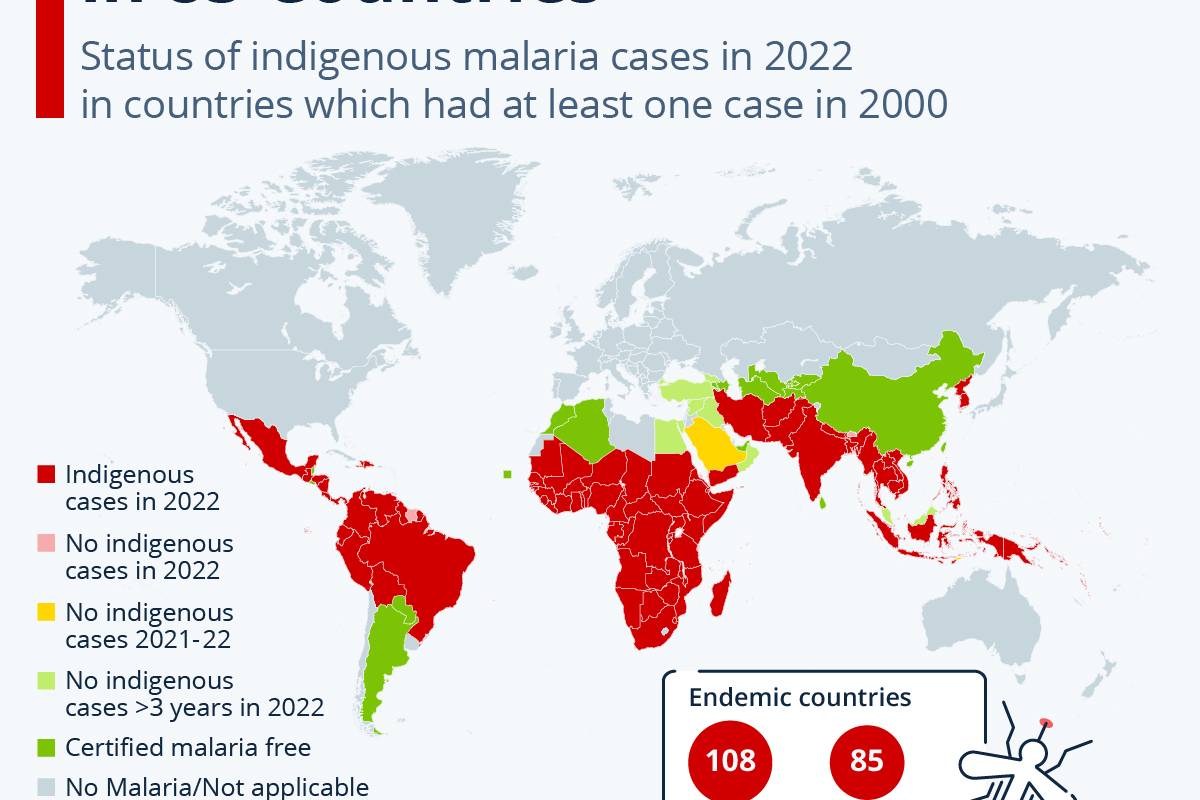
In 2024, the Pan American Health Organization estimated that approximately 41 million people are living in areas where the risk of infection by mosquito-carrying Malaria is considered moderate to high. Most malaria infections in the United States and its territories occur among persons who have traveled to regions with ongoing malaria transmission.

While Teva's product shortage may disrupt summer vacation plans, pharmacists and travel clinics may offer alternative products.

As of May 15, 2024, numerous malaria cases have been reported in the United States in 2024.

While two malaria vaccines are available in Africa, neither are offered in the United States.

May 15, 2024 • 2:14 pm CDT
Uniquity Bio May 2024

Blackstone today announced the launch of the Blackstone Life Sciences portfolio company Uniquity Bio, a clinical-stage drug development company focused on immunology and inflammation.

Uniquity Bio launches with the U.S. FDA's acceptance of its Phase 2 investigational new drug application for solrikitug, a monoclonal antibody targeting TSLP.

Solrikitug is a highly potent anti-TSLP monoclonal antibody that prevents the binding of TSLP to its receptors. Given TSLP's position as the "master switch" cytokine at the top of the inflammatory cascade, solrikitug could have potential utility in various immunology and inflammation programs.

Solrikitug was in-licensed from Merck & Co., Inc.

Up to $300 million in capital from Blackstone will advance Solrikitug in multiple indications.

"Our investment in Uniquity Bio illustrates Blackstone Life Sciences' commitment to finding, developing, and delivering potentially transformative medicines to patients around the world," said Nicholas Galakatos, Ph.D., Global Head of Blackstone Life Sciences, in a press release on May 15, 2024.

"We are proud to partner with Uniquity's team of veteran industry leaders as they advance solrikitug and expand their immunology and inflammation pipeline with additional programs in the near future."

The company aims to deliver best-in-class efficacy with solrikitug across several critical respiratory and GI indications with significant unmet needs. In the next month, Uniquity Bio will launch Phase 2 clinical trials in chronic obstructive pulmonary disease — the third leading cause of death worldwide, according to the World Health Organization — and asthma, which the WHO estimates affects more than 260 million people across the globe.

May 15, 2024 • 7:25 am CDT
WHO 2024

An innovative, second-generation vaccine for dengue prevention recently received prequalification from the World Health Organization (WHO).

Developed by Takeda GmbH, QDENGA® (TAK-003) (Dengue Tetravalent Vaccine [Live, Attenuated]) is an approved two-dose vaccine containing weakened versions of the four dengue serotypes that cause disease in people.

As of May 2024, QDENGA was launched in 21 countries and is available in 17 European countries but not the United States.

“The prequalification of TAK-003 is an important step in the expansion of global access to dengue vaccines, as it is now eligible for procurement by UN agencies, including UNICEF and PAHO,” said Dr. Rogerio Gaspar, WHO Director for Regulation and Prequalification, in a press release on May 15, 2024.

The WHO prequalification list also includes the Dengvaxia (CYD-TDV) vaccine developed by Sanofi Pasteur. 

According to the WHO, the most significant number of dengue outbreaks reported was in 2023 with the WHO Region of the Americas reporting about 4.5 million cases and 2,300 deaths.