Cancer Vaccine Breaking News

Cancer vaccine breaking news brought to you by Vax Before Cancer.

Sep 13, 2024 • 1:52 am CDT
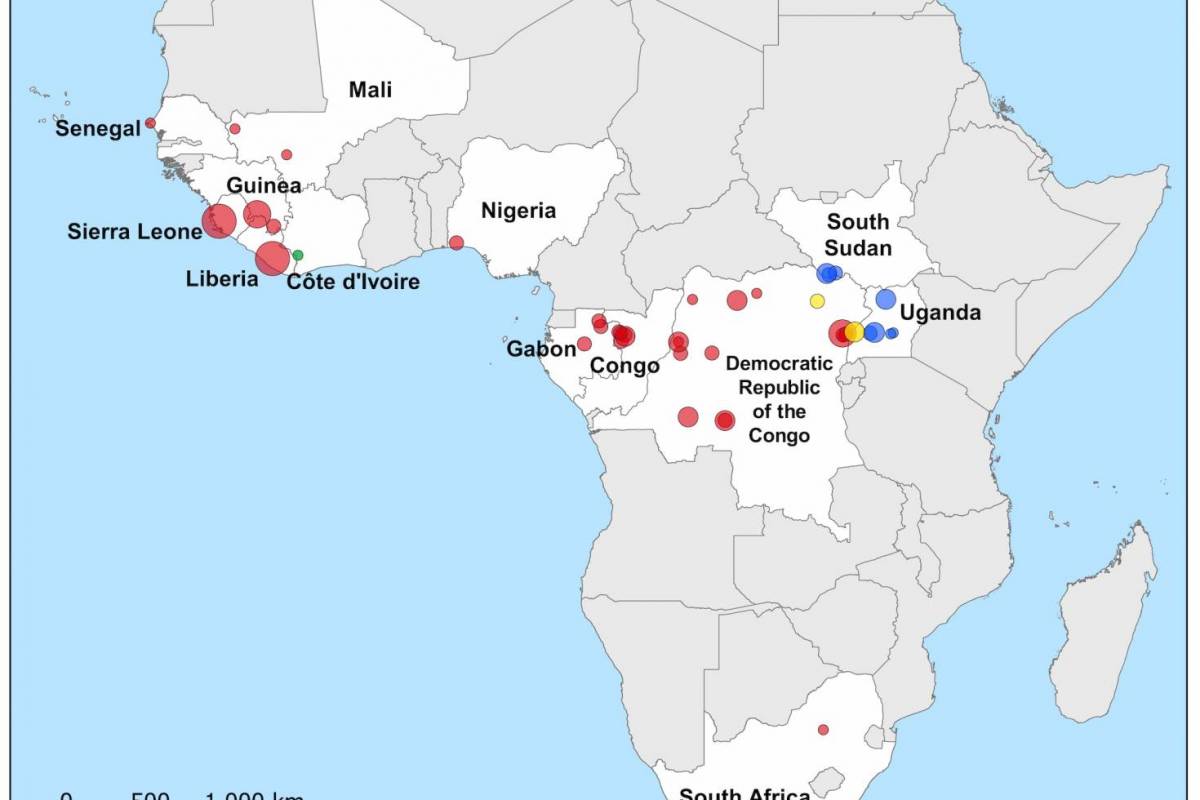
US CDC Ebola outbreak map

While there is an approved Ebola virus disease (EVD) vaccine, the U.S. government continues to invest in human monoclonal antibody (mAb) therapy during Zaire ebolavirus outbreaks in Africa.

The initial Zaire Ebolavirus disease (EVD) case was confirmed in 1976, Since then, more than 30 EVD outbreaks have been reported.

Emergent BioSolutions Inc. announced today that it was awarded a contract modification executing an option period by the Biomedical Advanced Research and Development Authority (BARDA), valued at $41.9 million, for drug substance engineering and scale-up process validation, long-term stability, and commercial readiness in support of its ongoing scale-up program for Ebanga™, a licensed glycoprotein (EBOV GP)-directed mAb treatment for EVD.

“Emergent is proud to continue to advance the Ebanga™ (ansuvimab-zykl) development and scale up to its next phase,” said Paul Williams, senior vice president of products business, Emergent, in a press release on September 12, 2024. 

This mAb binds to a portion of the Ebola virus's surface called the glycoprotein, which prevents the virus from entering a person's cells. Ebanga's efficacy has not been established for other species of the Ebolavirus and Marburgvirus.

Under the terms of the contract, Emergent will complete activities to advance the development of Ebanga™ treatment through post-licensure commitments, including the transfer of technology as part of manufacturing scale-up, submission of a supplemental Biologics License Application to the U.S. Food and Drug Administration (FDA), and completion of stability studies.

The existing 10-year contract consists of a base period of performance with two option periods for advanced development valued at approximately $121 million and option periods for procurement of Ebanga™ treatment over five years valued at up to $583 million. Execution of this option period is in line with Emergent’s planned program performance and critical path for developing the Ebanga™ treatment.  

BARDA is part of the Administration for Strategic Preparedness and Response within the U.S. Department of Health and Human Services.

Sep 12, 2024 • 6:48 am CDT
by Gerd Altmann

Moderna, Inc., today announced program and financial updates at its annual R&D Day event, demonstrating progress and strategic prioritization of its mRNA pipeline.

Stéphane Bancel, CEO of Moderna, commented in a press release, "The size of our late-stage pipeline combined with the challenge of launching products means we must now focus on delivering these ten products to patients, slow down the pace of new R&D investment, and build our commercial business."

Moderna's updates on September 12, 2024, include but are not limited to, several seasonal influenza vaccine candidates in clinical development.

The Company's investigational seasonal flu vaccine, mRNA-1010, has demonstrated consistently acceptable safety and tolerability across three Phase 3 trials.

In the most recent Phase 3 trial (P303), which was designed to test the immunogenicity and safety of an optimized vaccine composition, mRNA-1010 met all immunogenicity primary endpoints, demonstrating higher antibody titers compared to a licensed standard-dose flu vaccine (Fluarix®).

In an older adult extension study of P303, mRNA-1010 met all primary immunogenicity, including superiority for all compared to a licensed enhanced flu vaccine (Fluzone HD®), and showed an acceptable reactogenicity profile.

The Company plans to start a confirmatory vaccine efficacy study for mRNA-1010 in 2024, funded by previously announced project financing through Blackstone Life Sciences.

Moderna also confirmed it is no longer pursuing an accelerated approval pathway for the regulatory submission of its standalone flu vaccine, mRNA-1010, to focus its resources on submitting a potentially more impactful flu/COVID combination vaccine, mRNA-1083, in 2024.

With the 2024-2025 flu season beginning in the United States, most health clinics and pharmacies offer flu shot vaccination services.

About 158 million flu vaccines had been distributed during the 2023-2024 season. 

Sep 12, 2024 • 4:37 am CDT
from Pixabay

With the 2024-2025 Respiratory Syncytial Virus (RSV) season detected in Florida, recent research confirms the newly approved passive immunization monoclonal antibody offers infants significant protection.

On September 11, 2024, a study conducted in Spain and published by the American Academy of Pediatric Association concluded that Beyfortus™ (Nirsevimab) could effectively protect a broad infant population against RSV infection: a 63.1% reduction in acute bronchiolitis-related hospital admissions (95% confidence interval [CI], 60.9% to 65.2%) and a 63.1% reduction in pediatric intensive care unit admissions (95% CI, 58.1% to 67.9%).

In clinical trials, Beyfortus was reported to be about 90% (95% CI = 75%–96%) protective against RSV-associated hospitalization in infants in their first RSV season. 

As of March 2024, the U.S. CDC reported that among females with an infant under eight months old, 41.3% reported that their infant received Beyfortus.

Beyfortus is currently recommended for newborn children in Australia, Canada, China, Europe, Japan, and France. 

Sep 11, 2024 • 2:06 pm CDT
from Pixabay

According to an American Academy of Pediatrics study, the effectiveness of a single dose of the rotavirus vaccine against emergency department visits or hospitalizations for inflammation of the gastrointestinal tract was 78% in children younger than five years and 53% in older children.

On September 10, 2024, these researchers wrote rotavirus vaccines remain highly effective in preventing disease in children.

The U.S. Centers for Disease Control and Prevention says two types of rotavirus vaccine are available for infants, and both are safe and effective. Two or more doses of the rotavirus vaccine are recommended as the best way to protect against it.

The Vaccines for Children (VFC) Program allows children to access no-cost vaccines such as rotavirus. The VFC program helps families of eligible children who may not be able to afford or have access to vaccines.

Sep 11, 2024 • 11:44 am CDT
US NIH

Alopexx, Inc. today announced a collaboration with India-based Bharat Biotech for the co-development and commercialization of the broad-spectrum antimicrobial vaccine, AV0328.

AV0328 is a synthetic vaccine designed to target poly N-acetyl glucosamine (PNAG), a substance found on the surface of a wide range of bacterial, fungal, and parasitic pathogens.

In preclinical studies, targeting PNAG has shown effectiveness in preventing and treating infections caused by over 15 different pathogens.

A phase I, first-in-human clinical trial, has been completed, demonstrating that AV0328 is well-tolerated with no serious adverse events observed. The vaccine-induced antibodies are capable of killing a wide range of PNAG-expressing pathogens, reaffirming their potential as a broad-spectrum antimicrobial solution.

Dr. Krishna Ella, Executive Chairman of Bharat Biotech, commented in a press release on September 11, "024: We are proud to collaborate with Alopexx to bring AV0328 to the regions (India) where it is most needed."

"Our goal is to develop solutions to reduce antimicrobial resistance through vaccination. This collaboration aligns with our mission to provide safe, affordable, and high-quality vaccines to combat infectious diseases globally."

The companies will co-develop and commercialize AV0328 in India and other licensed territories as part of the collaboration.

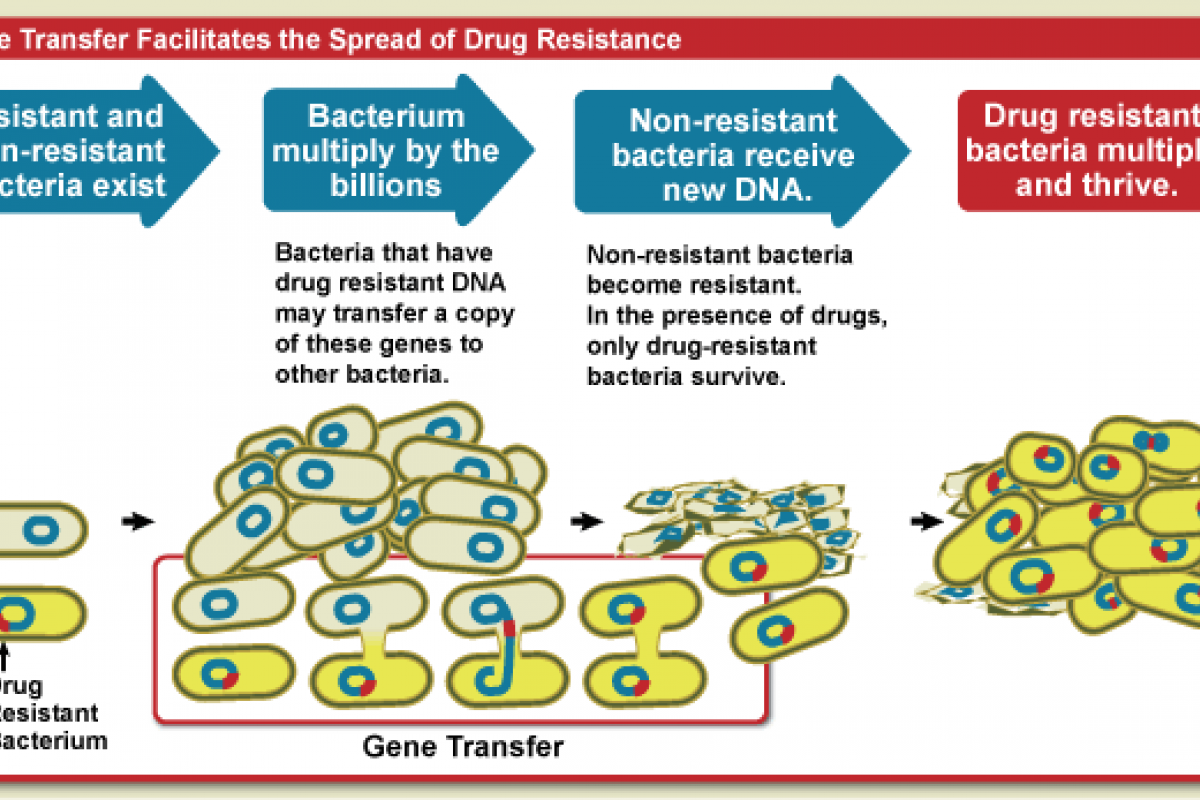
This Review discusses evidence that vaccines can play a major role in fighting antimicrobial resistance (AMR).

Different health organizations have highlighted the emergence and spread of AMR as a global threat. Pathogens resistant to AMR cause substantial morbidity and death. As resistance to multiple drugs increases, novel and effective therapies and prevention strategies are needed, wrote researchers in 2022.

Sep 11, 2024 • 8:25 am CDT
from Pixabay

Merck today announced positive top-line results from its pivotal Phase 3 clinical trial evaluating the company’s 9-valent Human Papillomavirus (HPV) vaccine, GARDASIL ® 9 vaccine, in Japanese males ages 16 to 26.

This trial (V503-064) met its primary and secondary endpoints demonstrating that administration of a 3-dose regimen of GARDASIL 9 reduced the combined incidence of anogenital persistent infection caused by nine types of HPV compared with a placebo.

“A decade after the first approval of GARDASIL 9, Merck continues to evaluate this important vaccine in additional patient populations and remains committed to helping prevent certain HPV-related cancers through broad and equitable access globally,” said Dr. Eliav Barr, senior vice president, head of global clinical development and chief medical officer, Merck Research Laboratories, in a press release on September 11, 2024.

“These data build on the clinical efficacy of GARDASIL 9 for the prevention of persistent infection in males and can potentially make a significant impact in addressing the global burden of certain HPV-related cancers and diseases.”

This HPV vaccine is generally available at clinics and pharmacies in the U.S. However, Merck says the GARDASIL 9 vaccination may not protect all vaccine recipients.

Sep 10, 2024 • 3:15 pm CDT
by Bettina Nørgaard

The Los Angeles County Department of Public Health (LACDPH) recently confirmed a locally acquired case of dengue fever in a person living in the City of Baldwin Park. 

Dengue fever is transmitted primarily through the bite of infected Aedes mosquitoes.

As of September 9, 2024, this is the third locally acquired case of dengue fever in California and the first identified by the Los Angeles County Department of Public Health. Previous locally acquired cases of dengue fever in the greater LA area were identified in Long Beach and Pasadena in 2023.

The LACDPH stated the risk of transmission of dengue virus to the general population in Los Angeles County remains low. 

As of September 5, 2024, the U.S. CDC reported that 53 jurisdictions, led by Florida, New Jersey, New York, and Puerto Rico, have reported 4,369 dengue cases this year. In 2023, 52 U.S. jurisdictions reported 2,343 dengue cases.

The CDC wrote that these local dengue cases reinforce the presence of infected mosquitoes and underscore the importance of preventive measures to control the spread of this virus.

As of September 10, 2024, dengue vaccines are not offered in the United States.

Sep 10, 2024 • 2:33 pm CDT
US NIH 2024

According to a new modeling study published by the Canadian Medical Association Journal, targeting respiratory syncytial virus (RSV) vaccinations to older adults (70+) with underlying health conditions is the most cost-effective way to reduce disease.

Published on September 9, 2024, this study found RSV vaccinations based on age plus risk for RSV-related complications were projected to avert a median of 20% to 31% of outpatient cases, 38% to 42% of hospital cases, and 39% to 42% of related fatalities.

“Strategies focused on adults with underlying medical conditions that place them at increased risk of RSV disease are more likely to be cost-effective than general age-based strategies,” wrote Dr. Ashleigh Tuite, the Centre for Immunization Programs at the Public Health Agency of Canada and the Dalla Lana School of Public Health, University of Toronto, Toronto, Ontario, with coauthors.

“We found that vaccination of older adults may be less costly and more effective than no vaccination and that vaccinating people aged 70 years and older with chronic medical conditions is likely to be cost-effective based on commonly used cost-effectiveness thresholds.”

Three approved RSV vaccines are available in the United States for the 2024-2025 season. These vaccines are generally available at clinics and pharmacies in the United States.

Sep 10, 2024 • 7:19 am CDT
by Ernesto Eslava

Evaxion Biotech A/S today announced new clinical phase 2 data for its lead compound EVX-01. The data show that 11 out of 16 patients had objective clinical responses, equaling a 69% Overall Response Rate, and 15 out of the 16 patients had reduced tumors.

This topline data is part of a one-year interim analysis of the ongoing phase 2 trial assessing EVX-01 in combination with Merck & Co., Inc. anti-PD-1 therapy, KEYTRUDA® (pembrolizumab) in patients with advanced melanoma.

EVX-01 is a personalized peptide-based neoantigen cancer vaccine/therapy (immunotherapy) for the first-line treatment of multiple advanced solid cancers. This combo therapy is tailored to target each patient's unique tumor profile and immune characteristics. It engages the patient’s immune system to fight off cancer by mounting a targeted response against tumors.

"A huge unmet medical needs remain in the field of melanoma, and we believe that EVX-01 could be an improved treatment option for patients. We look forward to presenting the complete one-year dataset at ESMO, discussing the data with potential partners, and advancing the phase 2 trial towards its completion next year,” says Christian Kanstrup, CEO of Evaxion, in a press release on September 9, 2024.

In the completed Phase 1/2a clinical trial, vaccine-induced T cells were detected in all patients.

Sep 10, 2024 • 5:15 am CDT
US NIH

OSE Immunotherapeutics SA today announced the launch of its international Phase 3 clinical trial (Artemia) of Tedopi®, the ‘off-the-shelf’ neoepitope-based therapeutic cancer vaccine, in second-line treatment in patients with metastatic non-small cell lung cancer (NSCLC).

Tedopi® (immunotherapy activating tumor-specific T-cells, off-the-shelf, neoepitope-based) is the most advanced therapeutic cancer vaccine in development.

This pivotal study, accepted in 14 countries by international health agencies (Canada, Europe, U.K., U.S.), supports the registration of the product Tedopi® in parallel with the companion diagnostic for HLA-A2 positive patients.

Nicolas Poirier, CEO of OSE Immunotherapeutics, said in a press release on September 10, 2024, “This international registration trial is now on track, and we look forward to confirming the therapeutic benefit of Tedopi® for metastatic cancer patients."

"Tedopi® is the most advanced therapeutic cancer vaccine in clinical development and the first treatment option to address the high unmet medical need and largely untapped market in advanced and metastatic second-line NSCLC. “

NSCLC accounts for 85% of all lung cancers, and the HLA-A2 phenotype represents about 45% of the population.

Each year, more people die of lung cancer in the U.S. than of colon, breast, and prostate cancers combined. Lung cancer accounts for about 20% of all cancer deaths.

The American Cancer Society (ACS) estimates for lung cancer cases for 2024 are:

  • About 234,580 new cases of lung cancer (116,310 in men and 118,270 in women),
  • About 125,070 deaths from lung cancer (65,790 in men and 59,280 in women).

On a positive note, the ACS says the number of deaths from lung cancer continues to decrease due to fewer people smoking and advances in early detection and treatment.

Sep 9, 2024 • 5:20 pm CDT
PAHO Sept. 2024

Since 2023, outbreaks of Oropouche virus disease have been primarily reported in South America but have recently been reported throughout the Region of the Americas.

Published on September 6, 2024, the Pan American Health Organization (PAHO) Epidemiological Update Oropouche in the Americas disclosed that 9,852 confirmed cases, including two deaths, have been reported this year.

Confirmed cases were reported in eight countries: Bolivia (356), Brazil (7,931, including two deaths), Canada (1 imported case), Colombia (74), Cuba (506), the Dominican Republic (33), Peru (930 cases), and the United States (21 imported cases, in 3 states).

The PAHO reiterated its recommendations on diagnosis and clinical management, laboratory diagnosis, prevention, and vector control of Oropouche virus disease. The disease is spread to people by the bites of infected biting midges, and some mosquitoes can also spread the virus.

The likelihood of Oropouche spreading widely in the continental U.S. is low because of differences in climate, types of biting midges, and mosquitoes. However, public health authorities have assessed the risk to human health in the Americas as very high.

The U.S. CDC Level 2 Travel Health Notice says Oropouche cases have been traced to vertical infection causing congenital malformation or fetal death associated with infection. Investigations on vertical transmission and malformation risk remain under assessment in various countries.

Therefore, the CDC recommends that pregnant women avoid non-essential travel to areas with reporting Oropouche cases.

The clinical presentation of Oropouche virus disease is commonly mistaken for other arboviruses, such as dengue and chikungunya. 

Diagnosis of Oropouche virus disease can be challenging. It requires a positive RT-PCR result from blood samples collected within six days of symptom onset. After this period, serology could be diagnostic, but commercial kits for the Oropouche virus are currently unavailable.

While preventive vaccines for chikungunya (IXCHIQ®) and dengue available, no Oropouche vaccine is available in 2024.

Sep 9, 2024 • 1:01 pm CDT
US CDC Lyme disease state based map 2022

The American Medical Association (AMA), in partnership with the U.S. Centers for Disease Control and Prevention (CDC), today announced it has developed a new toolkit to help clinicians offer better care for patients with prolonged, non-specific symptoms and concerns about Lyme disease. 

The CDC has scheduled a COCA Call for September 19, 2024, when presenters will share a brief overview of Lyme disease, provide a diagnostic and management framework for patients with prolonged symptoms and concerns about Lyme disease, and review new clinical tools and resources to help support these patients. 

If you cannot attend the live COCA Call, the recording will be available on the webpage. The slide set will be available on the day of the call under Call Materials on the COCA Call webpage.

According to recent data, Lyme disease has continued spreading in the United States from the northeast into the upper midwest. And in various Euopean countries.

About 329,000 persons annually are diagnosed with Lyme disease in the U.S.

While most patients recover fully after treatment, but about 5 to 10% can have prolonged symptoms such as fatigue, pain, and difficulty thinking.

As of September 9, 2024, there are no Lyme disease approved vaccines.

However, Valneva SE's VLA15 vaccine candidate has advanced the furthest along the clinical development timeline, with two Phase 3 trials in progress.

Sep 9, 2024 • 11:22 am CDT
by Betty Verheij

Evaxion Biotech A/S today announced new pre-clinical data demonstrating the ability of its novel EVX-B2 mRNA gonorrhea vaccine candidate to eliminate gonorrhea bacteria by triggering a targeted immune response.

This new data provides strong Proof-of-Concept (PoC) for the mRNA-based version of EVX-B2 in a pre-clinical setting.

EVX-B2 was initially designed as a protein-based prophylactic vaccine candidate for which pre-clinical PoC has already been obtained. The novel pre-clinical data for the mRNA-version of the vaccine substantiates that AI-Immunology™ identified vaccine antigens are delivery modality agnostic and can be applied across different vaccine modalities. 

“In the case of gonorrhea, no vaccine exists today, so we have an opportunity to develop a potentially groundbreaking treatment. Further, the data confirms that our platform is delivery modality agnostic, which is a very strong value proposition towards existing and new partners,” said Christian Kanstrup, CEO of Evaxion, in a press release on September 9, 2024.

While there are no approved gonorrhea vaccines, off-table use of existing vaccines has been found to offer some protection.

A systematic review published in July 2024 evaluated the evidence of vaccine effectiveness (VE) of meningococcal B (MenB) outer membrane vesicle (OMV) vaccines against gonorrhea and a non-OMV-based vaccine (MenB-FHbp). This study concluded that 4CMenB and MenB-OMV vaccines show moderate VE against gonorrhea infection.

Sep 9, 2024 • 4:49 am CDT
from Pixabay

The Africa Centres for Disease Control and Prevention (Africa CDC) and United Nations Children’s Fund (UNICEF) recently announced the arrival of the first shipment of 99,100 doses of the JYNNEOS® (MVA-BN®) mpox - smallpox vaccine.

On September 5, 2024, the Bavarian Nordic A/S produced vaccines were officially received by the Minister of Health of the Democratic Republic of Congo (DRC), Samuel Roger Kamba, alongside others.

Additional shipments to the DRC are planned for a total of more than 250,000 vaccines.

Since the start of 2024, DRC has reported over 4,901 confirmed mpox clade 1 cases, with more than 629 associated deaths, representing a sharp escalation in both infections and fatalities compared to previous years.

According to the Africa CDC, introducing the two-dose JYNNEOS vaccine is a decisive action to mitigate further spread and protect the most at-risk populations.

The U.S. government has confirmed that two doses provide robust protection against disease, and booster doses (3rd) are not endorsed. As of September 2024, JYNNEOS is commercially available in the U.S.; however, routine immunization against mpox is not recommended for the general public.

Sep 8, 2024 • 5:26 pm CDT
Costa Rica Dept of Health Sept. 2024

When visiting the Republic of Costa Rica in 2024, international guests may be exposed to mosquito-transmitted diseases such as chikungunya, dengue, or zika.

This health concern has not fazed international travelers, as about 2.4 million people arrived in 2023, a 16% increase over 2022.

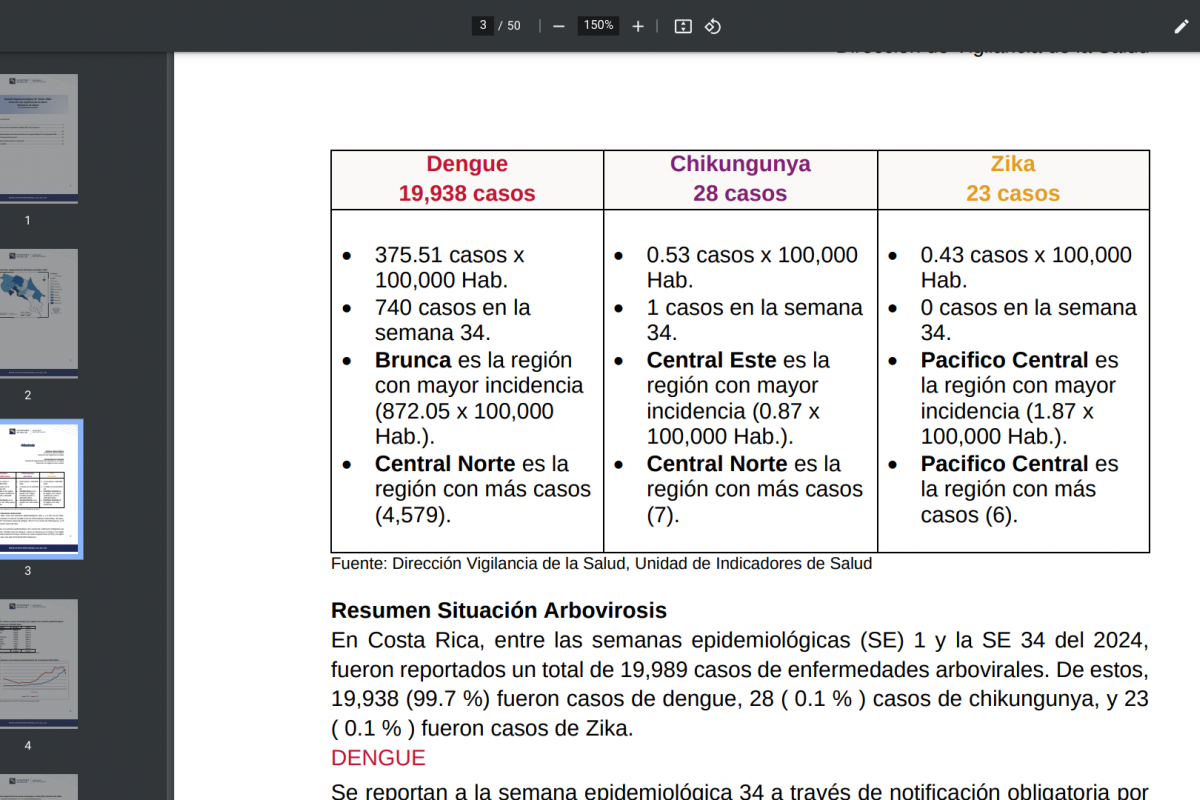
On September 6, 2024, the Costa Rica Ministry of Health published Epidemiological Bulletin No. 34, highlighting various health risks, such as the following:

There have been 28 chikungunya infections reported this year. In 2023, there were 82 chikungunya cases confirmed. From a prevention perspective, Valneva SE's IXCHIQ® vaccine is now approved in various countries, including the U.S.

Costa Rica has been included in the U.S. Centers for Disease Control and Prevention's (CDC) latest Travel Health Advisory, which confirmed that dengue fever is classified as high risk and is a year-round health risk. Over 19,900 dengue cases were confirmed in Costa Rica in 2024, and 24,914 were reported in 2023.

Takeda's QDENGA® dengue vaccine is available in various countries in 2024.

This Central American country has also reported 23 Zika cases in 2024, with 40 cases confirmed in 2023. No Zika vaccines are available anywhere in 2024.

Furthermore, as the 2024-2025 respiratory season approaches, Costa Rica is launching a vaccination campaign against influenza and rhinovirus. The Tico Times reported the country plans to administer 1.5 million vaccines.

To alert travelers of these health risks, Canada, the United Kingdom, and the U.S. CDC have issued travel advisories and vaccine recommendations for Costa Rica.

The CDC recommends checking its recommended travel vaccine list and seeing a healthcare provider at least a month before visiting Costa Rica.