Adenovirus Vaccines Are For Military Personnel Only

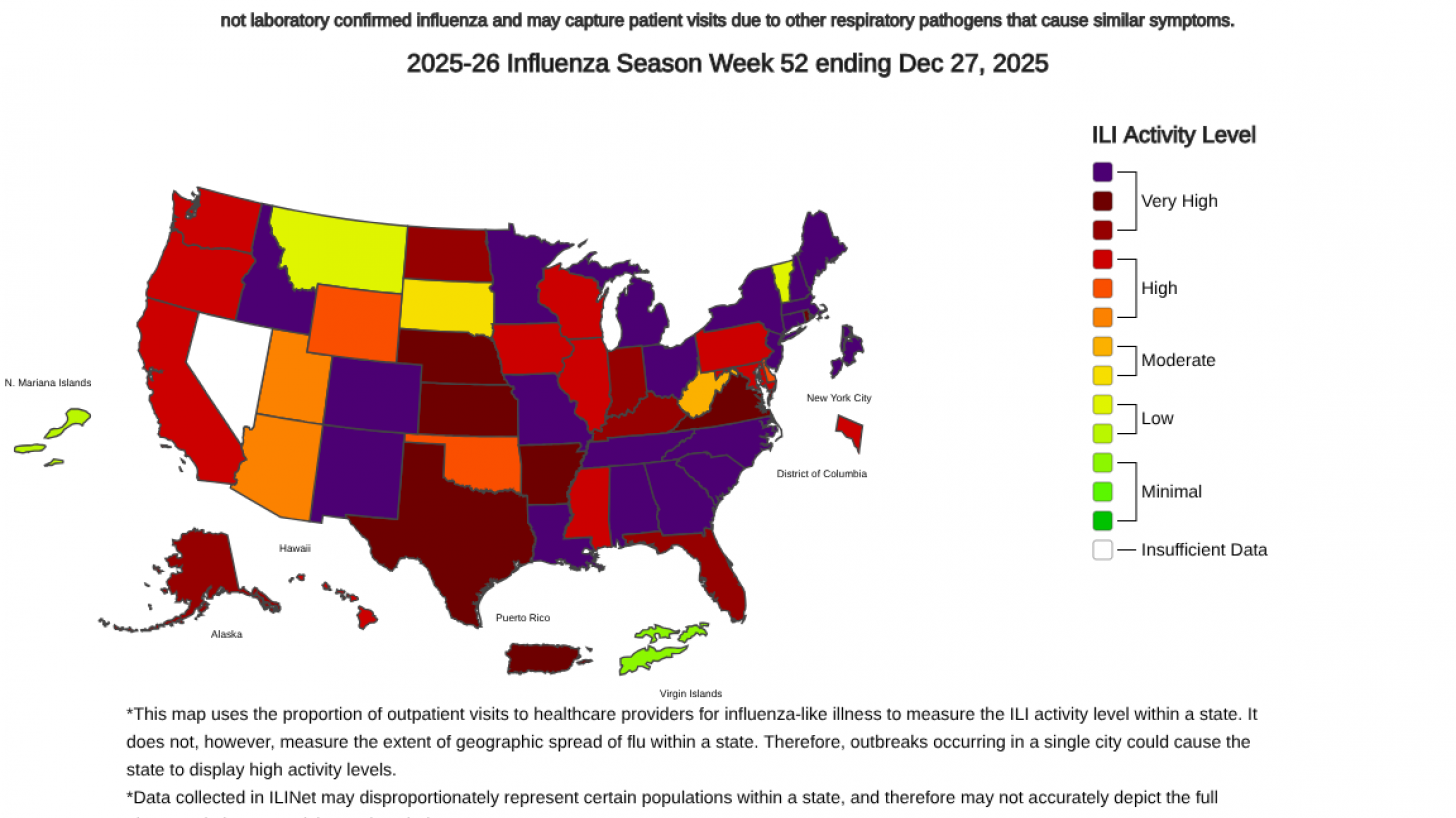
As influenza cases peak in the United States, healthcare providers may mistakenly confuse infections caused by adenoviruses with those caused by influenza.
While adenoviruses may not be as widely recognized as influenza or the common cold, they are among the most common causes of viral infections globally.
According to the U.S. Centers for Disease Control and Prevention (CDC), most individuals will experience at least one adenovirus infection before they turn 10, and the is a possibility of reinfection due to over 100 different types of the virus.
Adenoviruses are a family of viruses, such as human metapneumovirus (hMPV), parainfluenza, and rhinovirus, that can infect people of all ages at any time of the year, without following a strict seasonal pattern like influenza.
For example, HMPV season typically begins in winter and lasts until or through the spring each year.
Because there is no requirement to report cases in the United States, many adenovirus cases may go unreported.
The CDC indicates that these viruses typically cause mild illnesses similar to colds or flu, including fever, sore throat, bronchitis, pneumonia, conjunctivitis, and gastroenteritis. While most cases resolve with rest and supportive care, severe illness is more likely in individuals with weakened immune systems or underlying respiratory or heart conditions.
As of early January 7, 2026, the most recent adenovirus data from the National Adenovirus Type Reporting System covers cases in the U.S. from 2017–2023, with no totals released for 2025.
In the United Kingdom, the UK Health Security Agency (UKHSA) monitors adenovirus alongside other respiratory viruses.
Recent data from late December 2025 indicated an adenovirus positivity rate of 1.7% among tested respiratory specimens in England, with the highest rates (up to 9.9%) found in children under 5 years old.
UKHSA emphasizes that adenovirus spreads easily in close-contact settings such as schools, nurseries, and care homes, and can survive on surfaces for extended periods.
The CDC and UKHSA say there is no adenovirus vaccine (AdV)available for the general public.
The U.S. Food and Drug Administration approved the Adenovirus Type 4 and Type 7 Vaccine, Live, Oral, in March 2011. It is only for U.S. military personnel and comes as two tablets, taken orally at the same time.
Since its introduction, the vaccine has reduced adenovirus-associated illnesses in military settings, with surveillance data showing near-elimination of outbreaks of types 4 and 7 among vaccinated recruits.
A study published in July 2025 concluded that early AdV vaccination for newly arriving recruits is a practical and essential step in preventing AdV morbidity and mortality in a recruit training setting.
Both the CDC and UKHSA say there are no specific antiviral treatments for AdV infections; symptoms are managed with rest, fluids, and over-the-counter remedies as needed. These agencies suggest speaking with a healthcare provider for personal guidance.
Vax-Before-Travel.com publishes international travel health advisories and vaccine news to promote preventive health measures.
Our Trust Standards: Medical Advisory Committee
-
Fact checked by Robert Carlson, MD