Arizona Confirms First Human Plague Case Since 2015
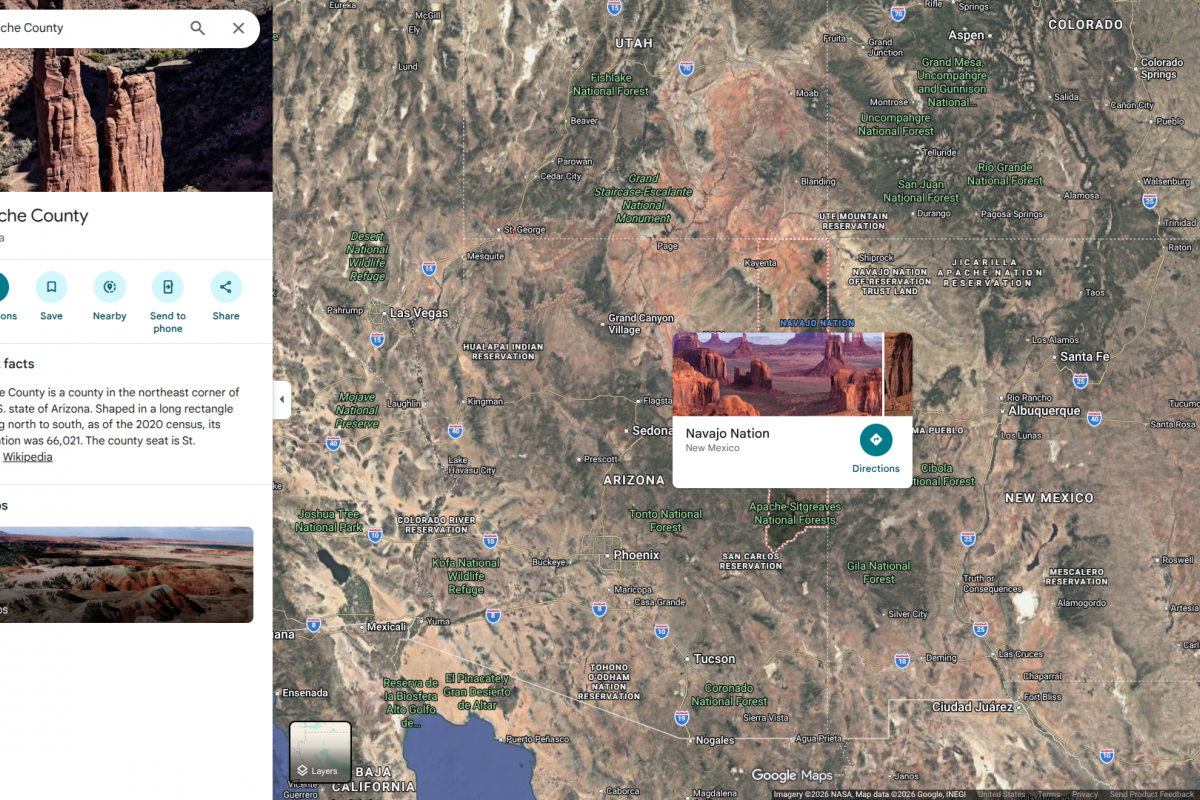
Arizona health officials recently announced the confirmation of the county's first human case of plague since 2015.
This case, located in the northeast corner of Arizona, represents the fourth reported human plague case in Apache County since 2006. Most of the county is occupied by the Navajo Nation and the Fort Apache Indian Reservation.
Currently, the only known human plague infection reported in the United States for 2026.
The individual has fully recovered after receiving prompt medical treatment, according to the Apache County Public Health Services District statement.
Plague is a serious bacterial infection caused by Yersinia pestis. Humans most commonly contract it through the bite of infected fleas that live on wild rodents, such as prairie dogs and ground squirrels, which are prevalent in the southwestern United States.
There is currently no plague vaccine licensed or available for use by the general public in the United States. An earlier inactivated whole-cell plague vaccine was previously licensed but was discontinued decades ago due to side effects and limited effectiveness, particularly against pneumonic forms of the disease.
Several experimental plague vaccines are in development, including recombinant subunit vaccines (such as rF1V formulations in Phase 2 trials) and newer mRNA candidates. These vaccine candidates are primarily being studied for biodefense purposes or for high-risk groups such as laboratory workers, but none are being studied for widespread civilian use.
As of April 10, 2026, the U.S. The Centers for Disease Control and Prevention does not recommend routine vaccination against plague, even for residents in endemic areas like parts of Arizona, New Mexico, and Colorado.
Our Trust Standards: Medical Advisory Committee