Argentina's Deadly Rodent-Borne Virus Outbreak Claims Additional Lives
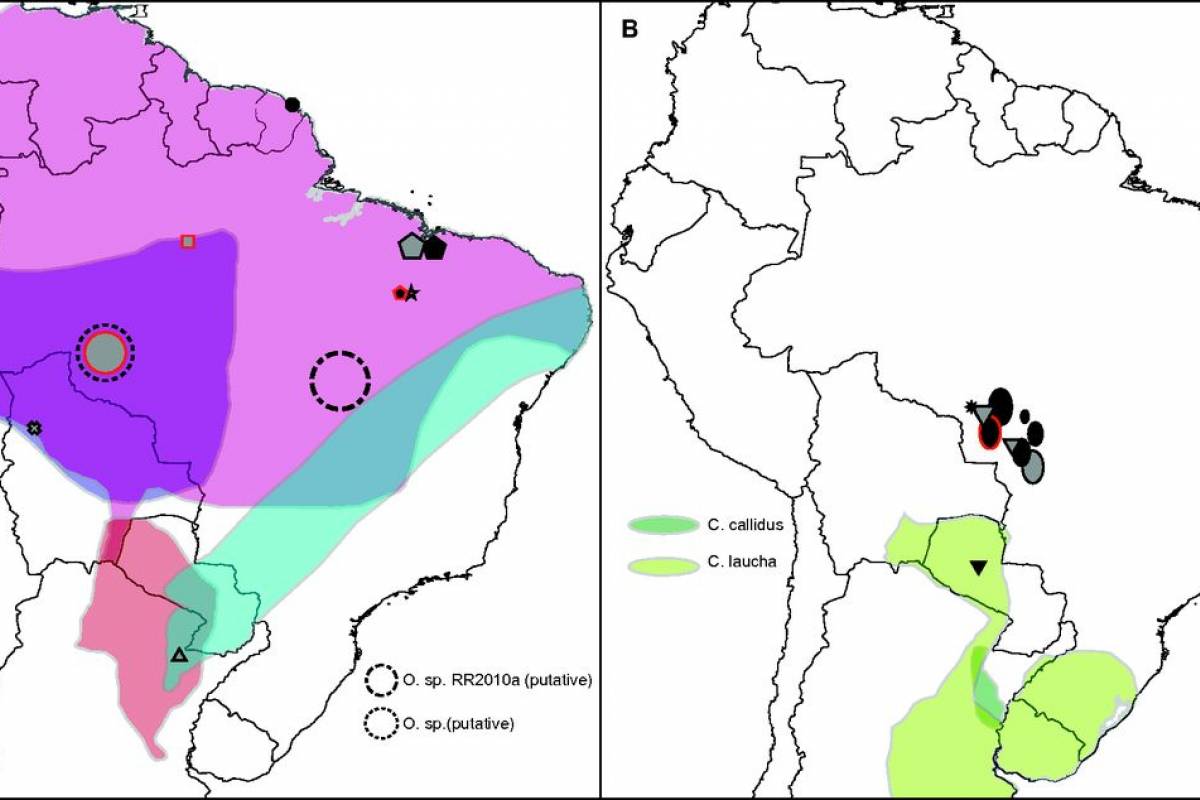
Although hantaviruses have been recognized in the Americas since the late 20th century, they have now been identified in almost all Central and South American countries.
Recently, health authorities in the Argentine Republic have reported a concerning increase in hantavirus infections, with 19 confirmed cases since the beginning of 2026.
This data brings the total to 79 cases since the start of the current epidemiological season in July 2025, placing the country above the outbreak alert threshold.
In 2025, 86 cases were recorded, resulting in 28 deaths (33.6% fatality rate).
Located in the southern tip of South America, Argentina's Central and Southern regions have been hit hardest, accounting for the majority of infections. This area includes provinces such as Buenos Aires, Salta, Entre Ríos, Río Negro, and Jujuy.
Nationally, the National Epidemiological Surveillance System noted five new cases in the week ending February 14, 2026, primarily in Buenos Aires Province. At least five deaths have been confirmed in 2026.
According to the Pan American Health Organization (PAHO), travelers planning visits to rural or outdoor areas in these regions should exercise increased caution, as hantavirus pulmonary syndrome (HPS) remains a significant risk in 2026.
Although the rodent-borne virus does not typically spread from person to person, rare clusters of human transmission have been documented in southern Argentina.
Historically, fatality rates for HPS in Argentina have ranged from 18.6% to 40%, depending on the region and outbreak, highlighting the need for preventive measures.
Seperately, Argentina's neighbor Chile confirmed its first hantavirus death of 2026 in early February in the Biobío Region.
As of February 26, 2026, there is no FDA-approved or widely available vaccine for hantavirus, particularly for the New World strains prevalent in the Americas, like the Andes virus, the primary cause in Argentina.
Inactivated vaccines exist in Asia (Hantavax in South Korea) for Old World hantaviruses causing hemorrhagic fever with renal syndrome, but they are not effective or licensed for HPS.
Research into DNA-based and recombinant vaccines is ongoing, including phase 2 trials for Hantaan and Puumala viruses, but none are approved for use in Europe or the U.S.
While hantavirus is rare, awareness can prevent severe outcomes. Stay informed and travel safely, says the PAHO.
Our Trust Standards: Medical Advisory Committee