Rabies Remains a Risk for Travelers
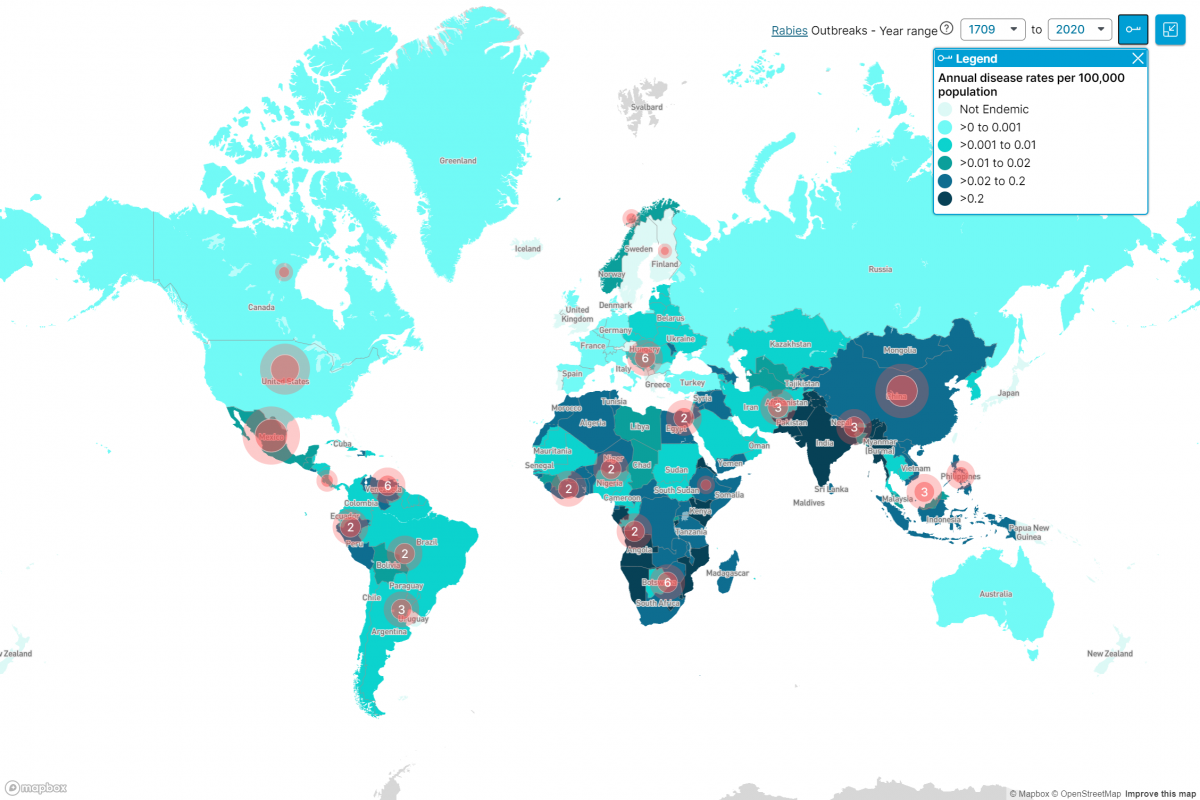
While Rabies is a rare disease, it remains a severe viral infection once symptoms appear. Thousands of people die each year from Rabies, mainly in Asia and Africa, with 40% of the cases being children.
According to the World Health Organization (WHO), travellers visiting rabies-endemic areas must be aware of the risk and know what to do if they are bitten or scratched.
WHO estimates that dogs are the primary source of human rabies deaths, causing up to 99% of all transmissions.
European travellers have been amongst those affected, including in June 2025, Spain confirmed a rabies case in a traveller who a dog in Ethiopia had bitten.
However, in the United States, bat bites are responsible for the majority of rabies cases in humans.
In March 2025, a bat found in northern Person County, North Carolina, tested positive for Rabies, marking the second confirmed case in Person County this year.
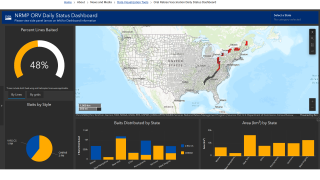
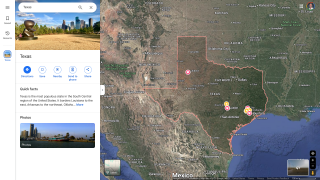
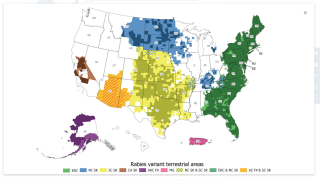
To reduce the risk of Rabies in Texas, the Department of State Health Services conducts the annual Oral Rabies Vaccination Program bait drop for animals. In its 31st year, this program has proven to be an effective defense against the spread of domestic dog and coyote rabies, as well as the Texas gray fox variant.
From a prevention perspective, two types of vaccines protect people against Rabies: nerve tissue and cell culture vaccines.
As of June 17, 2025, rabies vaccination services are offered at travel clinics and pharmacies, but are only recommended for specific travelers.
Our Trust Standards: Medical Advisory Committee