Vaccination Recommended Before Visiting Eight Mpox Outbreaks
Since the clade II mpox outbreak began about three years ago, the U.S. Centers for Disease Control and Prevention (CDC) has issued Travel Health Advisories based on the type of virus.
Historically, clade I have been associated with a higher percentage of people with mpox developing severe illness or dying, compared to clade II.
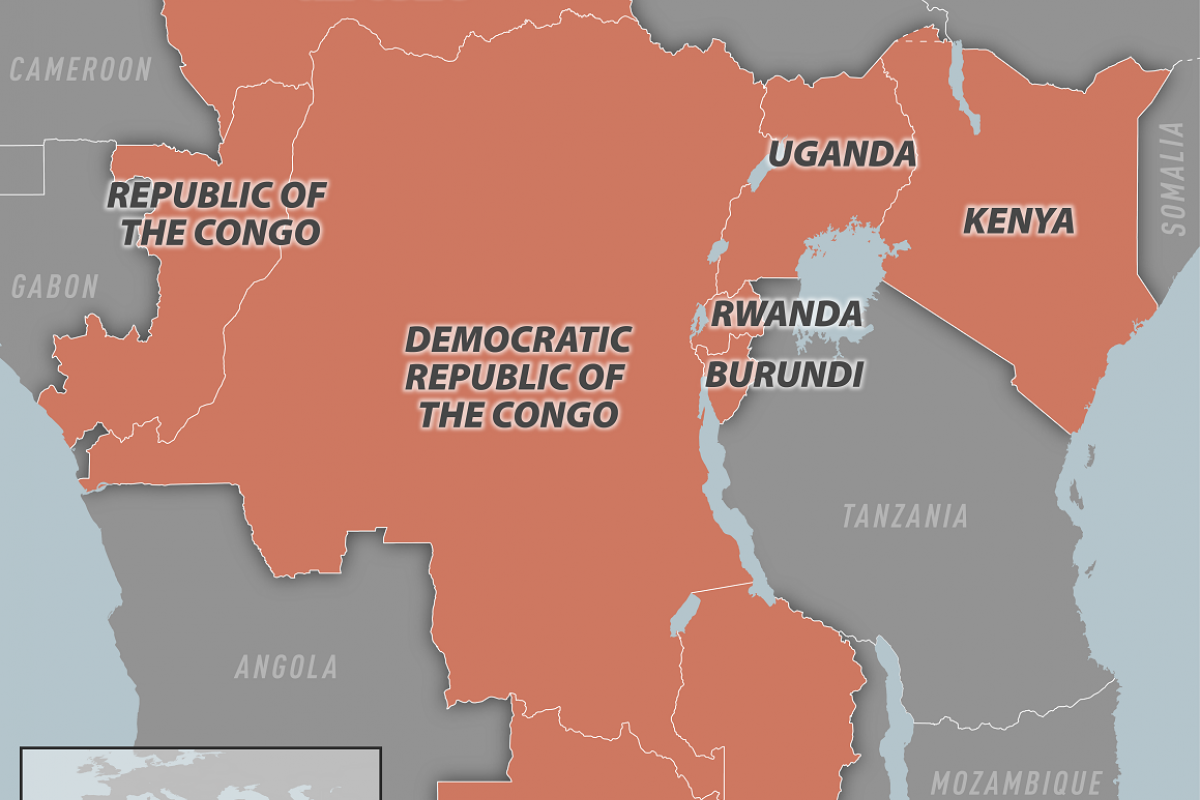
On February 10, 2025, the CDC reissued a Level 2 Practice Enhanced Precautions advisory regarding the clade I mpox outbreaks in eight Central and Eastern African countries.
The CDC wrote, 'There is an ongoing person-to-person transmission of mpox in Burundi, Central African Republic, Democratic Republic of the Congo, Kenya, the Republic of the Congo, Rwanda, Uganda, and Zambia.'
In the United States, the New Hampshire Department of Health and Human Services reported the third clade 1b case in the past four months. This mpox patient recently traveled to Eastern Africa.
During these mpox outbreaks, person-to-person transmission has occurred through various means, including sexual contact, day-to-day household contact, and within the healthcare setting. Transmission has also occurred from contact with certain live or dead wild animals.
Mpox is a disease caused by infection with the Monkeypox virus. Symptoms often include fever, rash, headache, muscle aches, and swollen lymph nodes, although fever is not always present.
The CDC says If you are sick and could have mpox, follow isolation and infection control measures at home and during travel.
Mpox vaccination is recommended by the CDC for certain people visiting at-risk areas.
In the U.S. and many countries, mpox vaccines (JYNNEOS®, MVA-BN®) are commercially available in 2025.
Our Trust Standards: Medical Advisory Committee