Dallas Confirms West Nile Virus
The Dallas County Health and Human Services (DCHHS) laboratory has confirmed mosquito samples that have tested positive for West Nile Virus (WNV).
As of June 27, 2023, the mosquito samples were collected from the 75019 zip code in Coppell, 75146 in Lancaster, and 75159 in Seagoville, TX.
Unfortunately, there are no vaccines to prevent or medications to treat WNV in people.
“It’s important to prevent mosquito bites that can cause West Nile Virus infection. As people are getting outside more, remember the four Ds: DEET, Dress, Drain, and Dusk to Dawn”, commented Dr. Philip Huang, Director of DCHHS, in a press release.
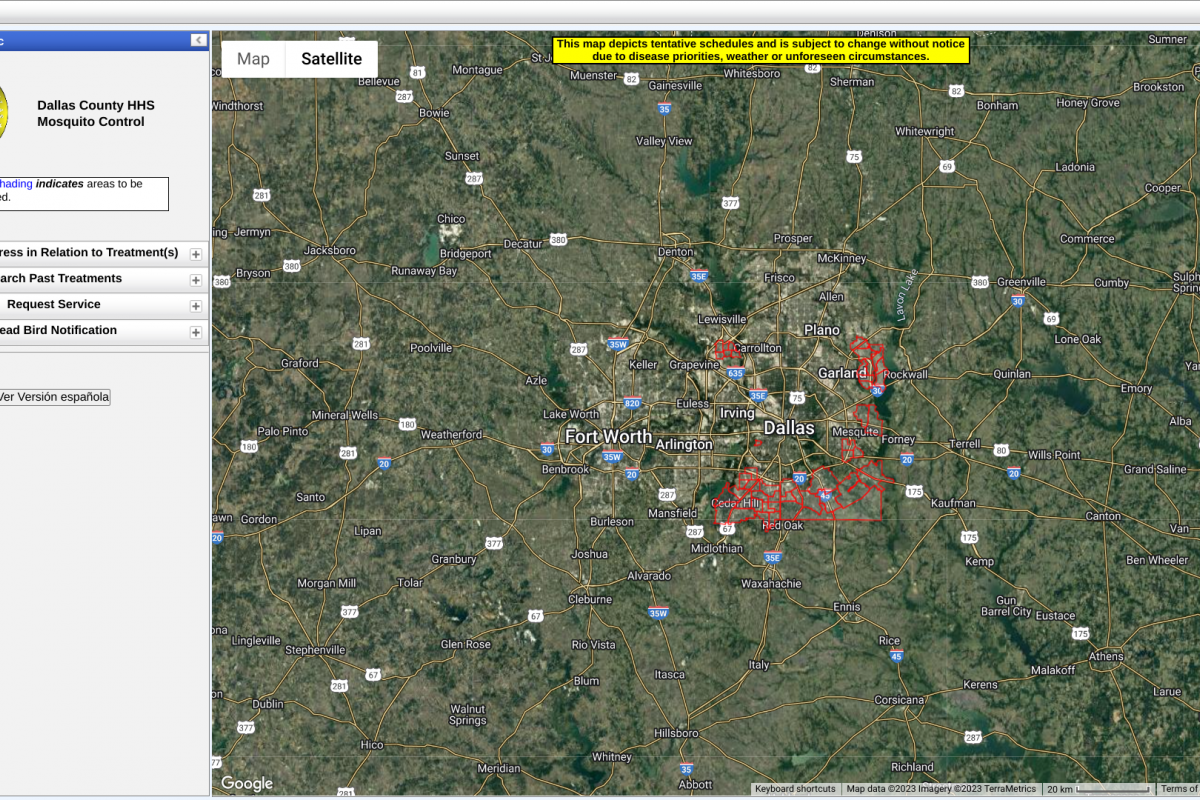
In response to these detections, weather permitting, DCHHS has scheduled ground spraying.
Spraying will not be conducted in wind speeds over ten mph or inclement weather.
Click on the link to view a map of the spraying areas as of June 30, 2023: http://www.dallas.leateamapps.com/PublicMap/.
Dallas area residents should remain inside during the time sprayers are in the area.
furthermore, WNV is a major health risk in Europe.
As of June 30, 2023, European Union, European Economic Area, and EU-neighbouring countries have confirmed 1,340 locally acquired human cases of West Nile virus, including 104 related deaths, in 2022.
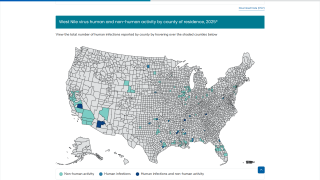
According to the U.S. CDC, WNV is the leading cause of mosquito-borne disease in the continental United States.
It is most commonly spread to people by the bite of an infected mosquito. Cases of WNV occur during mosquito season, which starts in the summer and continues through fall.
Fortunately, most people infected with WNV do not feel sick. About 1 in 5 infected people develop a fever and other symptoms.
About 1 out of 150 infected people develop a serious, sometimes fatal, illness.
In severe cases, patients often need to be hospitalized to receive supportive treatment, such as intravenous fluids, pain medication, and nursing care, says the CDC.
Our Trust Standards: Medical Advisory Committee