Vaccine News

Vaccine news brought to you by Precision Vaccinations.

Jun 12, 2024 • 4:31 am CDT
US CDC Mpox Clade 1 outbreak map June 10, 2024

The Democratic Republic of the Congo (DRC) is having its largest surge of mpox cases ever recorded, says the U.S. CDC. Since January 2023, the DRC has reported more than 20,000 suspected mpox cases, and about 1,000 deaths have been reported. 

To notify international travelers of their potential mpox risk, the CDC reissued a Travel Health Advisory on June 10, 2024.

Mpox is a disease caused by infection with the monkeypox virus. It is divided into two Clades. Clade IIb is responsible for the global outbreak that began in May 2022, while Clade 1 is causing the Mpox outbreak in the DRC.

There have been no cases of the type of mpox spreading in DRC reported in the United States, says the CDC. The risk to the general public in the U.S. from this type of mpox is very low.

In 2023, the CDC published a Health Advisory stating that mpox Vaccines are expected to be effective for both Clade I and Clade II infections. However, as the European CDC recently reported, real-world data regarding the effectiveness of the JYNNEOS vaccine against Clade 1 is lacking.

Jun 12, 2024 • 4:07 am CDT
ECDC dengue case map May 2023

With most of the dengue outbreak risks revealed in The Americas in 2024, cases of this invasive mosquito-spreading disease are also impacting Europe.

According to the European Centre for Disease Prevention and Control (ECDC) reporting on June 11, 2024, there were 130 locally acquired dengue cases in the European Union, plus Iceland, Liechtenstein, and Norway, compared to 71 in 2022.

According to ECDC data, this was a "significant increase" in dengue reports from the 2010-2021 period, when the number for the entire period was 73.

Imported dengue cases have also increased from 1,572 cases in 2022 to about 4,900 in 2023, "the highest number" since 2008.

"Europe is already seeing how climate change is creating more favorable conditions for invasive mosquitos to spread into previously unaffected areas and infect more people with diseases such as dengue. Increased international travel from dengue-endemic countries will also increase the risk of imported cases, and inevitably also the risk of local outbreaks," says Andrea Ammon, ECDC Director.

The ECDC says Aedes albopictus, known for transmitting dengue, chikungunya, and Zika viruses, is spreading further north, east, and west in Europe and now has self-sustaining populations across 13 EU/EEA countries. 

Aedes aegypti, a vector of yellow fever, dengue, chikungunya, and Zika viruses, recently established itself in Cyprus. Its potential for establishment in other parts of Europe is concerning due to its significant ability to transmit pathogens and its preference for biting humans.

The Culex pipiens mosquito, responsible for the spread of West Nile virus, is native to Europe and is present throughout the EU/EEA.

From a prevention perspective, the second-generation Qdenga vaccine is now offered in many EU countries.

Jun 11, 2024 • 2:37 pm CDT
by Ingela Skullman

CSL Seqirus today announced it was selected by the Health Emergency Preparedness and Response Authority (HERA) to provide 665,000 pre-pandemic vaccine doses for fifteen EU and EEA Member States and the "Union Civil Protection Mechanism.".

The 4-year contract includes an option for participating authorities to purchase up to an additional 40 million doses of the egg-based, non-mRNA pre-pandemic vaccine over the contract duration. 

Announced on June 11, 2024, this European Commission (EC) acquisition of pre-pandemic (zoonotic) vaccine will create a stockpile of vaccines available to support the EC’s outbreak and pre-pandemic response.

According to media reporting on June 5, 2024, Finland became the first EU country to offer avian influenza vaccinations to people this year.

Four influenza pandemics have occurred over the past century, with the 1918 pandemic being the most severe in recent history, with an estimated mortality of up to 50 million people worldwide.

Raja Rajaram, CSL Seqirus, Head of Global Medical Strategy, commented in a press release, “This agreement will help in Europe’s resolve to maintain robust preparedness and rapid response capabilities for this potential threat.”

Under the terms of the agreement, CSL Seqirus will deliver pre-pandemic vaccines that are well-matched to the H5 of the currently circulating H5N1 strain.

The risk of influenza-associated morbidity and mortality is greater with pandemic influenza than with seasonal influenza because there is likely to be little or no pre-existing immunity to the novel virus in the human population. The timing and severity of pandemic influenza (bird flu) is unpredictable.

In Europe, various pandemic vaccines have already been approved.

In the U.S., the Food and Drug Administration has already approved CSL Sequirus's AUDENZ™, an inactivated vaccine for active immunization to prevent disease caused by the influenza A virus H5N1 subtype.

As of June 11, 2024, the U.S. CDC says annual flu shots are not designed to protect people from pandemic influenza.

Jun 11, 2024 • 8:57 am CDT
by Gerd Altmann

According to a Bloomberg report, Serum Institute of India Pvt. (SII) is the world's largest vaccine manufacturer and currently has the capacity to produce 3 billion doses of vaccines annually.

However, it only sells around 1.5 billion doses yearly, including those for malaria and cervical cancer.

In an interview with Time, Adar Poonawalla, CEO of SII, said, "As countries increase their healthcare budgets, you're going to see a huge uptake of vaccines that can prevent many diseases. Vaccines have been proven to be the most efficient tool for prevention."

For example, when the World Health Organization awarded prequalification status to the SII's R21/Matrix-M™ malaria vaccine, it enabled a mass rollout that could reduce fatalities from the deadly mosquito-borne disease.

SII stated it intends to produce 100 million doses of R21 annually.

Created by the Jenner Institute of Oxford University and developed by SII, the R21/Matrix-M vaccine contains two key ingredients: the malaria-specific R21 antigen and Novavax AB’s saponin-based Matrix-M adjuvant to enhance the immune system response, increasing the magnitude and durability of the antibody response.

"The R21/Matrix-M™ vaccine is a vital new tool to help stop the devastating health and economic impact of malaria on nearly half of the world's population, including the tragic loss of 1,300 children every single day," said John C. Jacobs, President and Chief Executive Officer, Novavax, in a press release on May 20, 2024.

SII was recently included in Time's 100 Most Influential Companies in 2024 and was founded in 1966 by Dr. Cyrus Poonawalla.

Jun 11, 2024 • 5:37 am CDT
by Benjamin Balazs

A U.S. Food and Drug Administration committee unanimously voted to recommend the approval of an Eli Lilly medication for early Alzheimer’s disease.

According to the New York Times on June 10, 2024, this news indicates the FDA may approve donanemab for people diagnosed with mild cognitive impairment due to Alzheimer’s in late 2024.

To support their request, Lilly submitted data from a JAMA Original Investigation in the early stages of the disease, with either mild cognitive impairment or mild dementia.

Donanemab, similar to the approved LEQEMBI™, is not a vaccine but is given as intravenous infusions.

Jun 10, 2024 • 5:47 pm CDT
US NIH 2024

Researchers recently wrote that combining two monoclonal antibodies for treating chronic herpes simplex 2 (HSV-2) may provide a novel therapeutic option for this expanding disease.

The U.S. CDC says HSV constitutes a significant global health concern due to its wide range of clinical manifestations that can affect the skin and mucous membranes, the eyes, and the nervous system.

On May 28, 2024, the Journal of Biomedical Science published results from a study designed to develop a next-generation therapy by combining different antiviral monoclonal antibodies.

This research showed that the fully human antibody HDIT102 has the potential for further clinical development as a potent novel HSV therapeutic, particularly in combination with its clinical humanized ancestor antibody HDIT101. 

HDIT101 is a humanized IgG that was previously investigated in phase 2 clinical trials.

Both antibodies induced the internalization of gB from the cell surface into acidic endosomes by binding distinct epitopes in domain I of gB and competing for binding.

CryoEM analyses revealed the ability to form heterogenic immune complexes consisting of two HDIT102 and one HDIT101 Fab bound to one gB trimeric molecule.

Both antibodies mediated antibody-dependent phagocytosis by antigen presenting cells which stimulated autologous T-cell activation.

In vivo, the combination of HDIT101 and HDIT102 demonstrated synergistic effects on survival and clinical outcome in immunocompetent BALB/cOlaHsd mice.

In conclusion, these researchers wrote, 'Antibody characteristics to inhibit cell-to-cell spread, to mediate uptake of cell-free viruses by phagocytic cells and concomitantly stimulate T-cell responses may promote cellular immunity and may have benefits in preventing recurrences.'

Antibody therapeutics are available to address a variety of diseases, and the U.S. Food and Drug Administration has approved more than 100 products.

Despite years of development, HSV vaccine candidates have yet to be approved. As of June 10, 2024, several herpes vaccines are conducting clinical research. 

Jun 10, 2024 • 10:00 am CDT
by Sofia Shultz

BioArctic AB's partner, Eisai, announced today that the U.S. Food and Drug Administration (FDA) has accepted Eisai's Supplemental Biologics License Application (sBLA) for less frequent monthly Leqembi™ intravenous (IV) maintenance dosing.

A Prescription Drug User Fee Act action date is January 25, 2025.

Leqembi (lecanemab-irmb) is a humanized immunoglobulin gamma 1 monoclonal antibody, not a preventive vaccine.

In the U.S., Leqembi is indicated for the treatment of Alzheimer's disease (AD) in patients with mild cognitive impairment or mild dementia stage of disease (collectively referred to as early AD).

As of June 10, 2024, Leqembi is approved in Japan, China, and South Korea, and applications have been submitted for review in several countries, including the European Union, Australia, Brazil, Canada, Hong Kong, Great Britain, India, Israel, Russia, Saudi Arabia, Taiwan, Singapore, and Switzerland.

As part of the monthly IV maintenance regimen, patients who have completed the biweekly IV initiation phase, the exact period under discussion with the FDA, would receive a less frequent monthly IV dose that maintains effective drug concentration to sustain the clearance of highly toxic amyloid beta (Aβ) protofibrils that can continue to cause neuronal injury.

The sBLA is based on the modeling of observed data from the Phase 2 study (Study 201) and its open-label extension (OLE), as well as the Clarity AD study (Study 301) and its OLE study.

Additionally, Eisai initiated the rolling submission of a BLA to the FDA for the Leqembi subcutaneous autoinjector for weekly maintenance dosing after the FDA granted it Fast Track designation in May 2024.

Alzheimer's disease is a progressive disease caused by toxic amyloid proteins. Once established, this pathophysiological process continues throughout the patient's life, so sustained treatment is necessary.

The company says treatment should be initiated early to maximize patient outcomes.

Data from Studies 201 and 301 and their OLEs show that continued therapy with LEQEMBI beyond the 18-month core phase prolongs the benefit as highly toxic protofibrils are continuously removed.

If approved, the clinical and biomarker benefits may be maintained through the once-monthly dosing regimen, which is less burdensome and makes it easier for patients and care partners to continue long-term.

BioArctic is a Swedish research-oriented biopharma company focused on neurodegenerative disorders. It has a broad and well-diversified project portfolio and the potential to improve patients' health.

Jun 10, 2024 • 9:35 am CDT
by Senjin Pojskić

Moderna, Inc. today announced that its Phase 3 clinical trial of mRNA-1083, an investigational combination vaccine against influenza and COVID-19, has met its primary endpoints, eliciting a higher immune response than the licensed comparator vaccines used in the trial.

mRNA-1083 met its primary endpoints, eliciting higher immune responses against influenza and SARS-CoV-2 viruses than licensed flu and COVID vaccines in adults 50 and older, including an enhanced influenza vaccine in adults 65 and older.

"Combination vaccines have the potential to reduce the burden of respiratory viruses on health systems and pharmacies, as well as offer people more convenient vaccination options that could improve compliance and provide stronger protection from seasonal illnesses," said Stéphane Bancel, Chief Executive Officer of Moderna, in a press release on June 10, 2024.

"Moderna is the only company with a positive Phase 3 flu and COVID combination vaccine."

Moderna plans to present the Phase 3 clinical data for mRNA-1083 at an upcoming medical conference, submit them for publication, and engage regulators on the next steps.

mRNA-1083 comprises components of mRNA-1010, Moderna's vaccine candidate for seasonal influenza, and mRNA-1283, Moderna's next-generation COVID-19 vaccine candidate. Moderna says each investigational vaccine has independently demonstrated positive Phase 3 clinical trial results.

Jun 8, 2024 • 1:50 pm CDT
GPEI polio case map June 4, 2024

According to the weekly update of the Global Polio Eradication Initiative (GPEI), three countries confirmed additional polio cases.

As of June 5, 2024, Afghanistan and Pakistan each reported one wild poliovirus type (WPV1) case, the fourth WPV1 case for each country in 2024.

And Niger reported its second circulating vaccine-derived poliovirus type 2 (cVDPV2) case this year. 

Additionally, the GPEI posted the results of the Strategic Advisory Group of Experts on immunization meeting results from March 2024 at this link.

The U.S. CDC issued an updated Global Polio Alert on May 23, 2024, regarding polio outbreaks and poliovirus detections in 34 countries. 

The World Health Organization recently confirmed that the spread of the poliovirus remained a Public Health Emergency of International Concern and recommended its extension through July 2024. Various vaccines are available worldwide to prevent additional polio cases.


Jun 8, 2024 • 12:50 pm CDT
by Guillermo Gavilla

GSK plc today announced that the U.S. Food and Drug Administration (FDA) has approved Arexvy™ (Respiratory Syncytial Virus (RSV) Vaccine, Adjuvanted) for the prevention of RSV lower respiratory tract disease (LRTD) in adults 50 through 59 years of age who are at increased risk.

In the United States, Arexvy is approved for use in adults 60 and older and recommended by the U.S. CDC and its vaccine committee (ACIP) using shared clinical decision-making.  

Professor Ann R. Falsey, University of Rochester School of Medicine, said in a press release on June 7, 2024, "I am thrilled that GSK's vaccine is now approved for adults aged 50-59 at increased risk of RSV-LRTD. When it comes to the risks associated with RSV, age is just a number—an important number, but not the only factor to consider."

GS has also filed regulatory submissions to extend the use of Arexvy in Europe, Japan, and other geographies, with regulatory decisions undergoing review.

Clinical trials evaluating the immunogenicity and safety of the vaccine in adults aged 18-49 at increased risk and immunocompromised adults aged 18 and over are expected to be completed in H2 2024.

As of June 2024, the U.S. FDA has approved three RSV vaccines.

Jun 7, 2024 • 2:21 pm CDT
US CDC Flu View data June 7, 2024

In the Northern Hemisphere, influenza activity was generally low at interepidemic levels in most countries, according to the World Health Organization (WHO) in Influenza Update N° 477.

As of the end of May 2024, the WHO says elevated flu activity continued to be reported in countries in Central America and the Caribbean.

In the United States, the Centers for Disease Control and Prevention (CDC) confirmed on June 7, 2024, that seasonal influenza activity remains low nationally and is forecasted to resume in Fall 2024.

As the Southern Hemisphere winter season accelerates, countries in South America continue to report elevated influenza activity. Influenza A(H1N1)pdm09 and A(H3N2) viruses have been detected. 

The WHO forecasts that influenza infections will increase in the coming months.

Both the WHO and CDC recommend international travelers speak with a healthcare provider about flu shot options before departing abroad.

The CDC recently reported that about 158 million flu vaccines were distributed in the U.S. during the 2023-2024 flu season.

Note: The CDC says most known influenza viruses are dissimilar to avian and pandemic influenza viruses; traditional flu shots are not expected to protect people against bird flu or cow flu.

Jun 7, 2024 • 1:39 pm CDT
Pixabay 2024

A Short Communication published by the journal Influenza and Other Respiratory Diseases added to the research-based and real-world evidence the respiratory syncytial virus (RSV) can be prevented in most infants receiving a new monoclonal antibody (mAb). 

RSV is the #1 cause of hospitalization of infants in most countries. In France, hospitalizations with RSV represent 28% of all-cause hospitalizations in children under the age of one during the RSV season. 

This new study found a single dose of the extended half-life Beyfortus™ (nirsevimab) was found to be 75.9% effective against RSV-related hospitalization in France.

This long-duration mAb was also 80.6% (61.6–90.3) and 80.4% (61.7–89.9) effective in two sensitivity analyses.

These real-world estimates confirmed the efficacy observed in RSV clinical studies, wrote these researchers on June 5, 2024.

Sanofi and AstraZeneca recently announced they are producing Beyfortus before the 2024-2025 RSV season in the U.S. 

On November 16, 2023, the CDC announced the release of the U.S. FDA-approved Beyfortus to physicians and hospitals through the Federal VFC Program and commercial channels. 

Jun 7, 2024 • 10:13 am CDT
New Jersey beach - Pixabay 2024

The New Jersey Department of Health (NJDOH) today announced a Somerset County resident developed measles following international travel.

As of June 5, 2024, no additional cases have been identified. Secondary cases would be expected to occur no later than June 26, 2024.

This is the second confirmed case of measles reported in NJ in 2024, the first of which was identified in Camden County in January.

In 2019, New Jersey reported a significant travel-related measles outbreak.

The NJDOH urges all residents planning to travel, regardless of destination, to ensure they are current on all routine and travel vaccinations, especially MMR vaccinations.

MMR vaccination services are generally available at travel vaccine clinics and pharmacies in the U.S.

As of June 2024, 52 countries are currently experiencing measles outbreaks, according to the U.S. CDC.

Jun 7, 2024 • 5:39 am CDT
by Sohag Hawlader

According to data published by the U.S. Centers for Disease Control and Prevention (CDC), a UCLA-led multi-site study that included 45% women and 20% children, no mpox cases were reported,

During June–December 2023, among 196 patients in the study, only three mpox cases were identified (1.5%). All cases were among men who reported having sex with multiple men in the month prior and not being vaccinated against mpox.

The CDC's MMWR revealed on June 6, 2024, that clinicians should remain vigilant for mpox virus infections and educate patients about the importance of risk reduction and JYNNEOS® vaccination.

Bavarian Nordic produces the third generation JYNNEOS® (MVA-BN®, IMVAMUNE®), a two-dose vaccine based on a live, attenuated vaccinia virus, Modified Vaccinia Ankara.

A meta-analysis of 16 studies published on April 26, 2024, revealed that the JYNNEOS vaccine effectiveness (VE) for one pre-exposure prophylactic vaccination ranged from 35% to 86%, and VE ranged from 66% to 90% for two doses. 

In 2024, JYNNEOS became commercially available in the U.S. Currently, the CDC does not recommend routine immunization against mpox for the general public and has not endorsed JYNNEOS booster doses (3rd).

Jun 6, 2024 • 1:53 pm CDT
US State Dept 2024

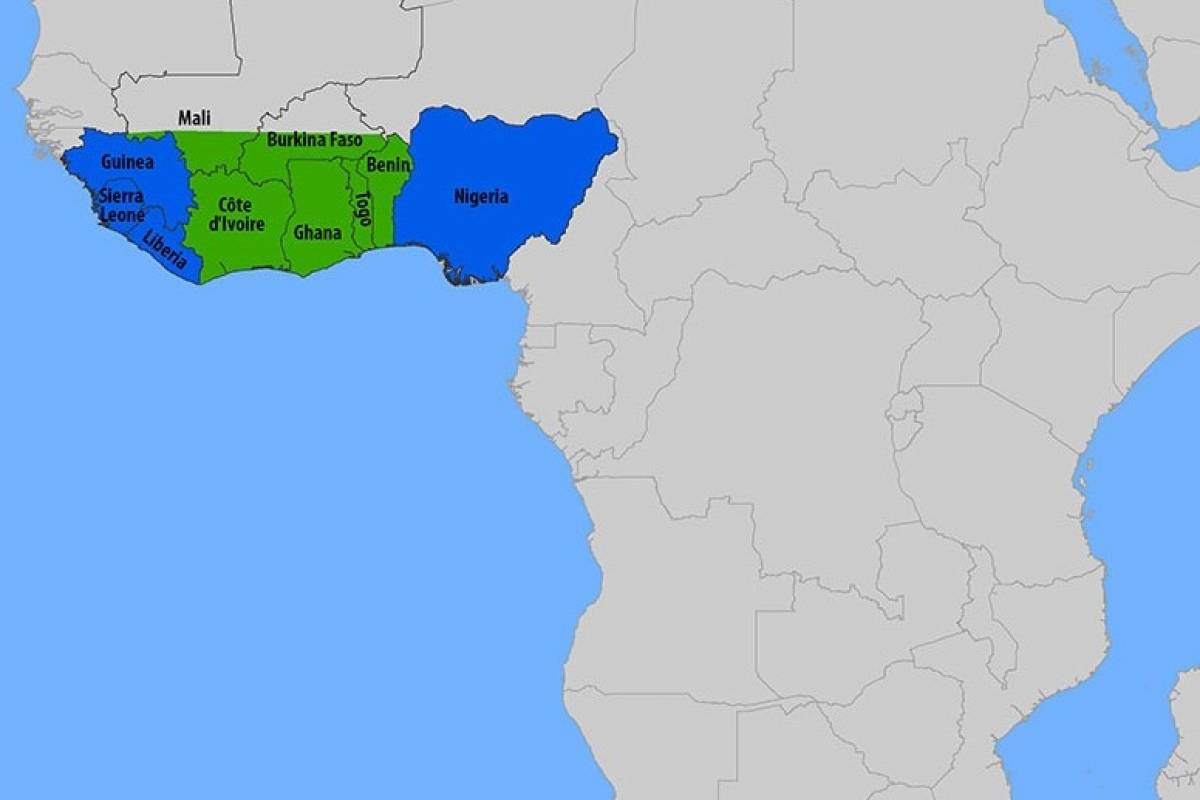
Liberia is one African nation leading a crucial fight against polio. Unfortunately, Liberia recently reported a resurgence of variant polio type 2 in wastewater.

Liberia reported two variant polio type 2 detections from environmental sampling in 2023 and six so far in 2024. 

Although historic polio vaccine coverage rates have shown promising progress, the battle against polio requires unwavering commitment and action, wrote the Global Polio Eradication Initiative on June 4, 2024.

Despite the challenges, the number of variant poliovirus cases in Liberia has significantly declined, with no children paralyzed by polio since 2021.

To stop the spread of the virus quickly, Liberia has launched nationwide immunization campaigns using the novel oral polio vaccine (nOPV2).

The second round of nOPV2 vaccinations is set to begin on June 7, 2024.

Primarily deployed in Africa during the last two years, the nOPV2 vaccine has been offered over 1 billion times.

Mr. Adolphus Clark, Expanded Programme on Immunization Manager in Liberia, expressed his optimism in a media release about the pending vaccination campaign, stating, “Our collective efforts have brought us closer than ever to a polio-free Liberia.... we are renewing our commitment to ensure that every child is protected from this preventable disease.”

Liberia has also introduced seven vaccines into its routine immunization schedule: Pneumococcal Conjugate Vaccine, Rotavirus, Inactive Polio Virus, Haemophilus influenzae Tue B, Typhoid, and measles-containing vaccine. 

To alert international visitors, the U.S. CDC has included Liberia in its recent polio and measles Travel Health Advisories. The CDC suggests travelers speak with a travel vaccine expert about immunization options one month before visiting Liberia.