
Search API

Japanese Encephalitis Virus vaccine development
Japanese Encephalitis Virus RNA vaccine development
0 min read

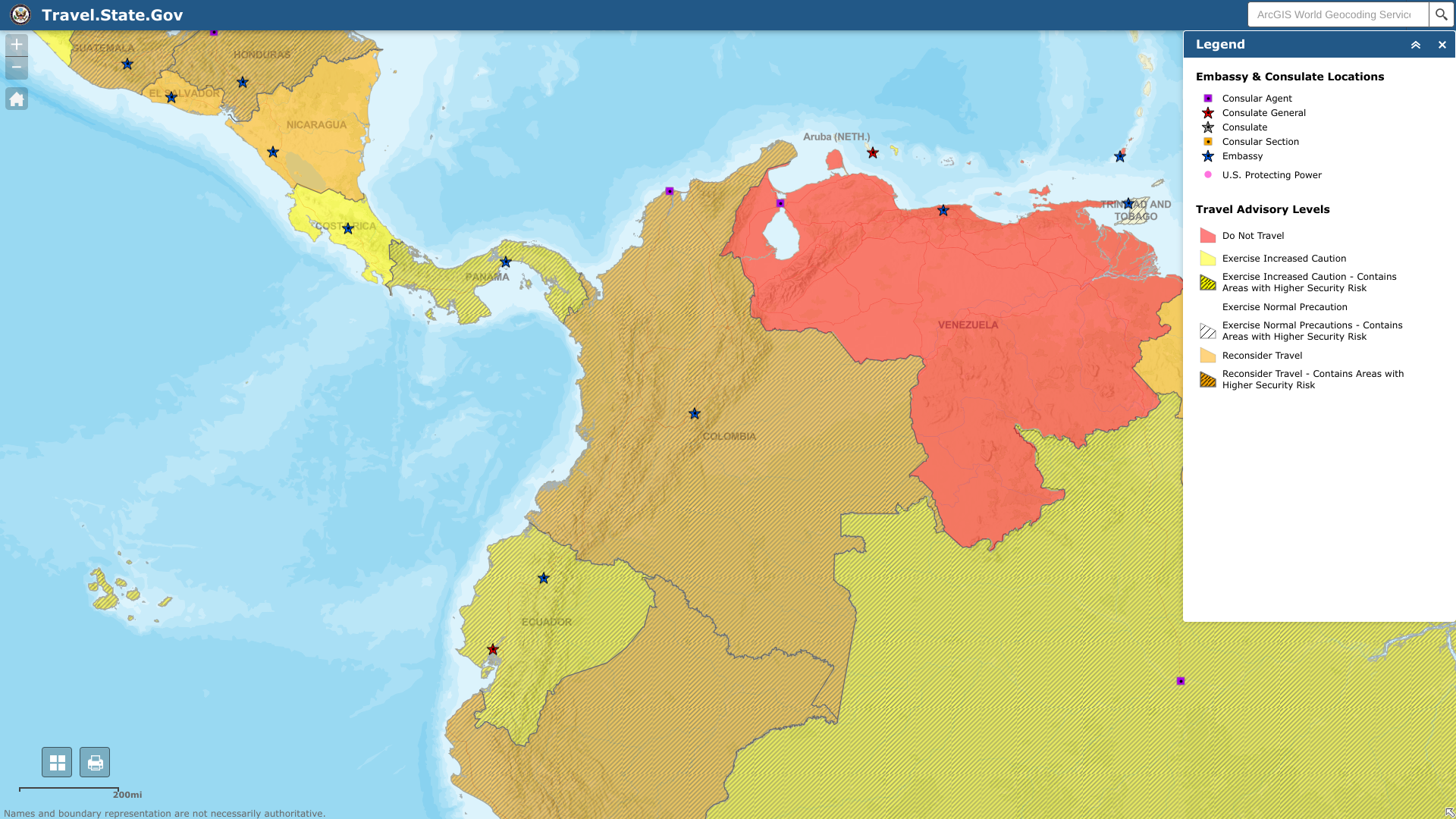
The U.S. Embassy in Bogota recently published a Level 3: Reconsider Travel notice with updates to high-risk areas. As of January 5, 2023, Columbia's U.S. Embassy says to exercise increased caution due to civil unrest.

Specifically, U.S. citizens are advised not to visit Arauca, Cauca (excluding Popayán), and Norte de Santander departments. 

And the Colombia-Venezuela border region.

Furthermore, demonstrations occur regularly throughout the country. As a result, road closures may significantly reduce access to public transportation and disrupt travel within and between cities. 

As a result, U.S. government employees are not permitted to travel by road between most major cities. 

And Colombia's land border areas are off-limits to U.S. government personnel unless authorized. 

If you decide to travel to Colombia, the State Department suggests keeping a low profile and enrolling in the Smart Traveler program to receive digital alerts and make it easier to be located during an emergency. 

And U.S. citizens can obtain local assistance at U.S. Embassy in Bogota, at Calle 24 Bis No. 48-50, Bogotá, D.C. Colombia.

From a health perspective, the U.S. Centers for Disease Control and Prevention (CDC) included Columbia in its Dengue outbreak travel advisory.

Furthermore, the CDC suggests various travel vaccinations, such as malaria, measles, and yellow fever, before visiting Columbia.

Travel vaccines are available in the U.S. at certified clinics and pharmacies.

Vaccine Treats: 
Image: 
Image Caption: 
U.S. EMBASSY BOGOTÁ COLUMBIA
Live Blog Update Author: 
Location Tags: 
0 min read

The Government of Canada recently issued travel advice for the Republic of El Salvador. 

As of December 29, 2022, Canada confirmed visitors to the Central American country of El Salvador were advised to "exercise a high level of caution due to civil unrest."

Furthermore, foreigners, including Canadian citizens, are subject to emergency measures.

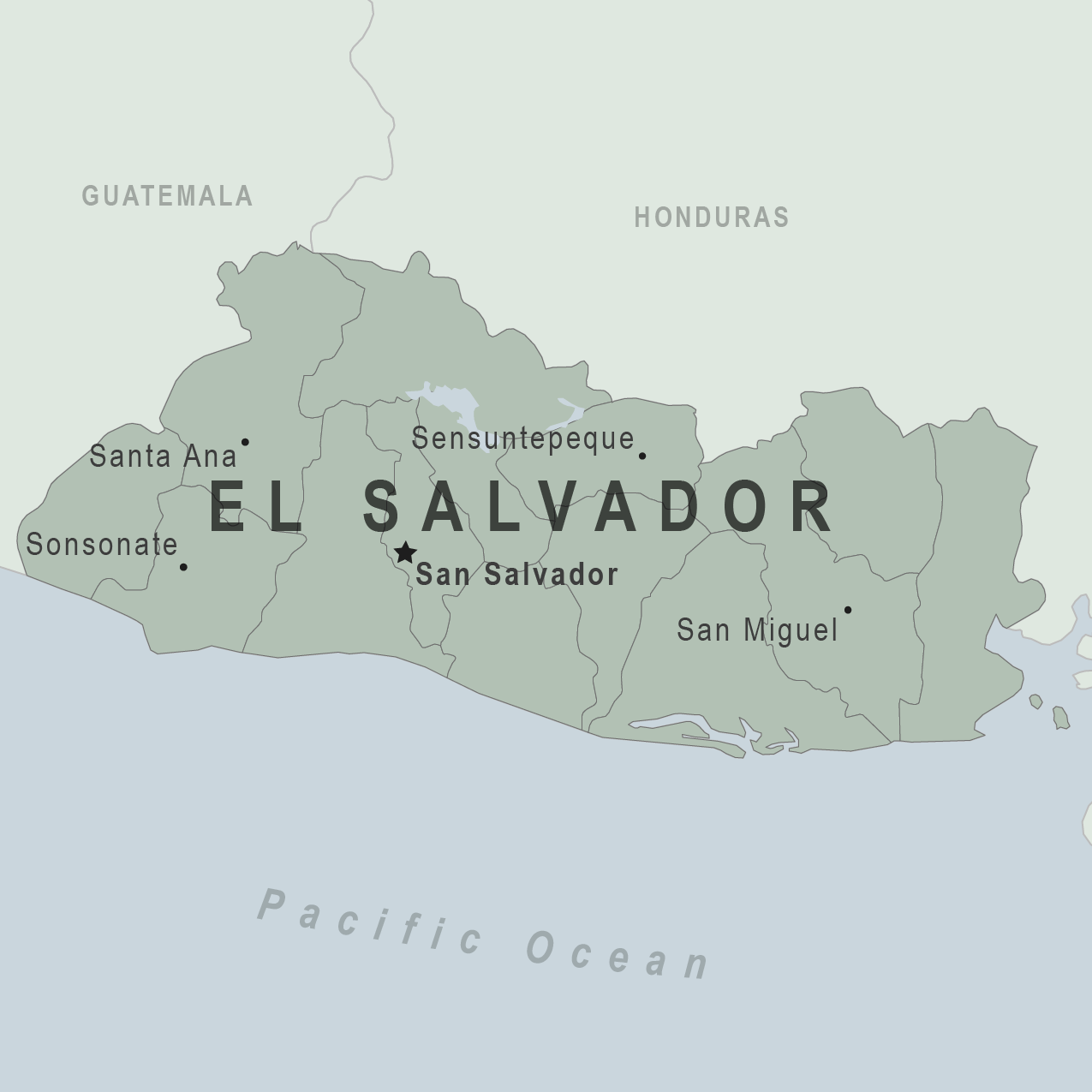
In the city of San Salvador, areas such as Escalón, La Cima, San Benito, and San Francisco are relatively safe.

Local authorities have managed to secure a few blocks in the downtown area to attract more tourists, known as the Centro Histórico de San Salvador.

Outside that area, San Salvador's downtown is generally unsafe for tourists.

Border areas often see higher criminal activity and violence, including rural areas.

El Salvador is bordered on the northeast by Honduras, on the northwest by Guatemala, and on the south by the Pacific Ocean.

If you're in El Salvador, expect a heightened security presence at times, including on roads, in public spaces, and residential neighborhoods, and follow the instructions of local authorities.

If U.S. citizens require local assistance, the U.S. Embassy in San Salvador is located at Final Boulevard Santa Elena, Antiguo Cuscatlán, La Libertad, Telephone: (503) 2501-2999.

From a health perspective, the U.S. CDC recommends various travel vaccination, including for dengue, when visiting El Salvador.

Vaccine Treats: 
Image: 
Image Caption: 
U.S. CDC travel
Live Blog Update Author: 
Location Tags: 

Dengue Outbreaks

Dengue Outbreaks September 2025

According to the World Health Organization (WHO) and numerous health agencies, Dengue is a viral infection spread to humans by infected mosquitoes of the Aedes genus and a leading cause of febrile illness among international travelers in 2025. The WHO has classified Dengue as a grade 3 emergency, with an estimated 4 billion people at risk globally. The WHO states that Dengue is a vaccine-preventable disease, endemic in approximately 110 countries, including areas within the United States, such as Florida and Puerto Rico.

As of August 21, 2025, the WHO Dengue Situation Update 728 indicates that over 6 million Dengue cases and 7,552 related fatalities have occurred in 2025. More than 13 million dengue cases were reported in 2024, marking the highest number of cases on record.

On January 20, 2025, the WHO published a Global Strategic Preparedness, Readiness, and Response Plan for Dengue. Dengue's four subviruses are usually spread to people through the bites of infected Aedes mosquitoes. On October 3, 2024, the WHO launched the Global Strategic Preparedness, Readiness, and Response Plan to tackle Dengue and other Aedes-borne arboviruses. The WHO plan aligns with the Global Vector Control Response 2017-2030, a global strategy to strengthen vector control worldwide, and the Global Arbovirus Initiative.

An analysis published in July 2024 reported that the most frequent regions of dengue infection acquisition were Southeast Asia (50.4%), South Central Asia (14.9%), the Caribbean (10.9%), and South America (9.2%). The median age was 33 years, and tourism was the most frequent reason for travel (67.3%). An analysis published in December 2024 revealed a clear link between climate change and the expansion of vectors, such as mosquitoes, into new territories, increasing disease incidence. Mosquitoes that spread Dengue viruses usually live below 6,500 feet; therefore, a person's chances of getting Dengue in high altitudes are very low.

Dengue Outbreak Travel Advisories

The U.S. Centers for Disease Control and Prevention (CDC) reissued a Global Travel Health Notice on August 21, 2025, regarding Dengue outbreaks in the Americas, Africa/Middle East, and Asia/Pacific regions, such as India, Singapore, Thailand, the Philippines, Malaysia, and Myanmar. The CDC has not issued travel advisories for U.S. states that have reported local dengue outbreaks, such as Florida and Puerto Rico. As of August 2025, HealthMap has published dengue case maps.

Dengue Outbreak in the United States

As of July 2025, the U.S. CDC advises clinicians to consider Dengue in patients with fever who live in or have recently traveled to areas with a risk of Dengue. The CDC reported in September 2025 that 3,045 Dengue cases occurred in 47 jurisdictions this year. The CDC says transmission of Dengue virus serotypes (DENV-1, 2, 3, 4) remains high in the U.S. territories of Puerto Rico and the U.S. Virgin Islands. DENV-3 is the most common (84%) serotype identified in 2025.

In 2024, 53 jurisdictions, led by ArizonaCaliforniaFlorida, New JerseyNew York, and Puerto Rico, reported 9,391 dengue cases. In June 2024, the CDC issued an updated Health Alert Network Health Advisory, notifying healthcare providers, public health authorities, and the general public of an increased risk of dengue virus infections in the United States. In 2023, 52 U.S. jurisdictions reported 6,164 dengue cases to the CDC.

As of December 2024, the Florida Department of Health (FDH) reported over 999 travel-associated and 91 locally acquired dengue cases throughout the state, with the majority occurring in Miami-Dade County. 

The Texas Department of State Health Services (DSHS) reports that mosquitoes that transmit dengue fever are present in the state of Texas. As of September 2025, DSHS reported 31 travel-related dengue cases this year. As of December 2024, there were 43 imported dengue cases in 23 Texas counties, led by Travis County (18), and one local case in Cameron County, with one related fatality. Texas reported 79 travel-related dengue cases in 2023 and one locally acquired case in Val Verde County.

In California, the San Bernardino County Public Health Department reported (1) a locally acquired case of Dengue in San Bernardino on November 7, 2024. The Los Angeles County Department of Public Health has reported 12 locally acquired dengue cases in the San Gabriel Valley, specifically in the cities of Baldwin Park (8), El Monte (2), Hollywood Hills (1), and Panorama City (1), in 2024. Dengue cases were reported in San Diego, Escondido, and Vista in 2024. Over 360 dengue cases were confirmed in California in 2023. California reported two locally acquired cases (in Long Beach and Pasadena) and 250 travel-related cases.

Between 2010 and 2023, 250 locally acquired cases were reported in Hawaiʻi.

Dengue Outbreak U.S. Territories

The CDC says the Dengue virus is endemic in the U.S. territories of Puerto Rico, American Samoa, the U.S. Virgin Islands, the Federated States of Micronesia, the Republic of the Marshall Islands, and the Republic of Palau. On July 7, 2025, American Samoa declared a public health emergency due to a surge in dengue cases. In the U.S. Virgin Islands, a dengue outbreak was declared in August 2024 and remains in effect in 2025. A total of 208 locally acquired cases were identified in 2024 and 30 in 2025, all on the island of St. Croix. The Virgin Islands Department of Health urged residents to take immediate precautions to prevent further dengue transmission as cases surged in the St. Thomas-St. John's area. John's area. John's area. John's area. John's area. John's area. John's area. John's area. John's area. John's area. John and St. Croix Districts.

In March 2024, the Health Ministry declared a public health emergency in Puerto Rico, which remains in effect as of 2025. As of March 7, 2025, 936 cases have been reported, representing a 113% increase compared to the same period in 2024. In 2024, 6,291 cases were reported, and 13 deaths were reported. Puerto Rico's Department of Health confirmed that Dengue was endemic in the greater San Juan area, with 4,467 cases. 

Among American Samoa school-aged children, the estimated seroprevalence was 59% for those aged 7–16.

Dengue Outbreaks in Africa

Dengue circulation has been detected in more than 30 African countries. According to the Africa CDC Epidemic Intelligence Report, as of January 2025, over 1,300 dengue cases have been reported in Africa. As of 2024, over 74,000 dengue cases have been reported this year from Burkina Faso, Cameroon, Cabo Verde, Central African Republic, Chad, Côte d'Ivoire, Ethiopia, Ghana, Kenya, Mali, Mauritius, São Tomé and Príncipe, Senegal, Sudan, and Togo. The ACDC reported in 2024 that travelers visiting these African countries may be at an increased risk of Dengue. In 2023, 171,991 dengue cases and 753 deaths were reported in African countries.  The U.S. CDC issued a Travel Health Notice in 2023, confirming Dengue is an ongoing risk in Africa. A December 2025 study found that countries in eastern Africa had a high estimated risk of dengue importation from Asia and other countries in east Africa. In contrast, for West African countries, the risk of importation was higher from within the region than from countries outside of Africa.

Dengue Outbreaks in the Americas

The first suspected dengue-like epidemics were reported in 1635 in Martinique and Guadeloupe. The Pan American Health Organization (PAHO) issued an Epidemiological Alert in February 2025, based on the growing circulation of DENV-3, which had not been circulating previously, thereby increasing the probability of severe cases. In epidemiological week 34 of 2025, a total of 3,740,133 suspected dengue cases were reported. This data represents a 68% decrease compared to the same period in 2024. As of December 31, 2024, 49 countries and territories in the Americas reported over 13,017,982 Dengue cases and 8,151 related deaths in 2024. In 2023, 4,617,108 Dengue cases were reported in the Americas.

Argentina's Epidemiological Bulletin reported over 580,000 dengue cases in 2024, with 56,435 in Buenos Aires. Argentina's Ministry of Health published a Comprehensive Preparedness and Response Plan for Dengue Epidemics 2024-2025.

Over the past 25 years, nearly 18 million Brazilians have contracted one of the four viruses that cause Dengue. Brazil's Ministry of Health reports indicate that, as of 2024, there were over 9.6 million dengue cases and 5,441 related deaths. The São Paulo state dengue data dashboard was updated in May 2025. A study published in The Lancet in March 2025 forecasts that Brazil's Dengue outbreaks will refocus on the southern mountain area. The Brazilian Ministry of Health reported dengue cases among pregnant women reached 5,151 in the first six weeks of 2024, compared to 1,157 in the same period in 2023. In 2023, Brazil reported approximately 2.9 million patients, a 20% increase from the previous year, and Rio de Janeiro reported 22,959 dengue cases.

Dengue is hyperendemic in Colombia. It imposes a substantial economic burden on patients, caregivers, society, and the national health system. In 2025, Colombia's Huila Department declared a public health emergency.

According to the Health Surveillance Directorate of the Republic of Costa Rica, 1,076 dengue cases were reported in 2024. Costa Rica confirmed over 24,000 dengue cases in 2023, with the Huetar Caribe and Central Sur regions reporting the highest number of cases. As of August 4, 2023, all four dengue serotypes were registered.

In French Guyana, over 8,000 confirmed dengue cases have been reported since the beginning of 2024.

The U.S. CDC includes Mexico in its global Level 1 Dengue Travel Health Advisory. As of February 2025, Mexico has reported over 10,000 dengue cases. In 2024, Mexico confirmed about 549,000 dengue cases. A May 2024 model predicted that the percentage of municipalities affected by Dengue would rise from 55 to 91% in Mexico. Dengue was reported in 28 of 32 Mexican states in 2023, and transmission has been documented in Yucatan since 1979. All four DENV serotypes have been found in Mexico for decades. Between 1995 and 2008, constant circulation of DENV-3 was recorded in Mexico. Furthermore, notable increases in circulation were observed in 2022 (25%), 2023 (59%), and 2024 (86%).

In Nicaragua, 92,022 dengue cases were reported in 2024. A study published on January 10, 2025, demonstrates differences in dengue severity by serotype and immune status, emphasizing the critical need for a dengue vaccine with balanced effectiveness against all four serotypes, as existing vaccines show variable efficacy by serotype and serostatus.

DENV was reintroduced in Panama in 1993 after a 35-year absence of autochthonous transmission. All four serotypes were detected in Panama. As of April 2025, Panama reported over 4,800 Dengue cases. An analysis published in 2024 suggests that Panamanian strains were related to viruses from different regions of the Americas, suggesting a continuous exchange of viruses.

Paraguay's Ministry of Health confirmed that the DENV-3 subtype returned in 2025 after a nine-year absence. A study published in May 2025 suggests a high seroprevalence of DENV in Paraguayan blood donors. The high DENV seroprevalence reflects the impact of past Dengue outbreaks.

Peru issued an Alert in November 2024, notifying public and private health facilities of the increased risk of dengue infections. On November 23, 2024, a dengue vaccination program was launched in 16 districts of Loreto, Piura, Tumbes, and Ucayali regions.

On August 16, 2024, the Republic of Trinidad and Tobago confirmed 825 cases of Dengue Fever and eight (8) laboratory-confirmed deaths. The Caribbean reported over 62,000 dengue cases in 2023, a significant increase from 20,349 cases in 2022. Jamaica's Ministry of Health declared a dengue outbreak on September 23, 2023. 

Dengue Outbreaks Australia 2025

In Australia, cases of locally acquired Dengue have historically been reported from most mainland Australian states. Dengue notifications have been reported monthly from 2019 to 2025. In January 2025, there were 261 Dengue case notifications. Queensland Health declared a Dengue outbreak centered in the Townsville City Local Government Area (TLGA) on February 19, 2025. As of March 25, 2025, 11 cases (9 confirmed and two probable) had been reported.

Dengue Outbreaks in Asia and the Pacific Islands

In 2025, the WHO confirmed that the Western Pacific Region continues to face a high burden of mosquito-borne arboviral diseases, particularly Dengue. In 2025, the U.S. CDC reported that countries in the WHO Western Pacific Region reported higher-than-usual dengue cases. Travelers visiting the following countries may be at increased risk: Bangladesh, Cambodia, Hong Kong, Indonesia, Fiji, Malaysia, MyanmarNepal, the Philippines, SamoaSingapore, Sri Lanka, Tonga, and Thailand. The WHO publishes Dengue Situation Updates for the Western Pacific Region in 2025.

In 2025, the Cook Islands Ministry of Health declared a dengue fever outbreak in Rarotonga, following confirmation of seven dengue cases.

Fiji Ministry of Health & Medical Services confirmed one Dengue-related fatality on April 7, 2025. Between January and April 15, 2025, approximately 5,100 dengue cases were reported nationwide, with the Western Division leading with 2,077 cases. In 2014, the Fijian Government launched a cleanup campaign to combat the outbreak of dengue fever. Between November 2023 and April 2025, 1,721 dengue cases were reported in French Polynesia.

The Centre for Health Protection (CHP) in Hong Kong reported seven imported cases of dengue fever as of March 20, 2025. In 2024, 161 cases were imported (75 from Mainland China), and five local cases were reported. In 2023, 62 cases of DF were imported from abroad.

In September 2024, the WHO reported that dengue outbreaks in Indonesia (E000099) are at level 4. Dengue virus (DENV) infection is a significant cause of acute febrile illness in Indonesia, a DENV-endemic region that has experienced a 700-fold increase in incidence over the past 45 years. As of July 2024, 149,866 confirmed cases of Dengue and 884 deaths had been reported from 465 districts across 38 provinces in Indonesia.

Data published by the Dengue for Community Portal indicates that Taman Mawar-Sendang was a dengue hotspot in Malaysia in June 2025.

The French Department of Mayotte has confirmed 21 cases of Dengue since the beginning of 2025.

On April 9, 2025, the WHO intervened to prevent dengue outbreaks in Myanmar, distributing 4,500 rapid diagnostic test kits to frontline responders and health workers in displacement sites and remote villages.

The Republic of Nauru Ministry of Health has confirmed 379 dengue cases, and two fatalities were recorded on July 30, 2025.

As of June 20, 2025, the Republic of the Philippines reported about 100,000 dengue cases and a case fatality rate of 0.36%. In 2025, the Quezon City Government in the Philippines, through the City Health Department (QCHD), declared a dengue outbreak. From January to July 2025, the City Epidemiology and Surveillance Division of QCHD reported 5,702 dengue cases. In 2025, a total of 390 dengue cases, along with three deaths, were recorded in Antique. In 2024, the Republic of the Philippines Negros Occidental had 6,799 dengue cases and 22 dengue-related deaths in 2024.

The Independent State of Samoa announced on April 17, 2025, that the Ministry of Health is officially declaring a dengue fever outbreak. As of June 2, 2025, the Ministry of Health reported a total of 211 confirmed cases and one reported death. The majority of cases (76%) are from Upolu Island.

According to Sri Lanka's National Dengue Control Unit, 19,901 dengue cases were reported in the country in 2025.

During the first half of the 20th century, there were three island–wide dengue fever outbreaks in Taiwan. After almost forty years of dormancy, a DEN–2 outbreak occurred in 1981. Since 2006, Taiwan has faced dengue fever outbreaks of different scales every year. As of August 2025, a dengue cluster was reported in Kaohsiung's Gushan District.

Dengue Outbreaks in the Eastern Mediterranean Region

Dengue and severe dengue epidemics were first reported in the WHO's Eastern Mediterranean Region in 1998. Since then, outbreaks have occurred in all nine endemic countries: Afghanistan, Djibouti, Egypt, Oman, Pakistan, Saudi Arabia, Somalia, Sudan, and Yemen. On July 17, 2024, the WHO reported 12 autochthonous (local) cases of Dengue documented in Iran. In August 2024, dengue screening was launched at the Iranian border.

Dengue Outbreaks in Europe

In Europe, dengue viruses, transmitted by Aedes albopictus mosquitoes, are primarily associated with infections acquired in endemic countries. Local transmission remains rare, with only sporadic or small-scale outbreaks documented. As of December 2024, the European Centre for Disease Prevention and Control (ECDC) reported over 8,500 dengue-related deaths. In 2024, the ECDC reported locally acquired dengue cases in France, Germany, Italy, and Spain. Over 1,600 DENV infections in Germany occurred exclusively in travellers returning from dengue-endemic countries in 2024. In 2023, 130 locally acquired dengue cases were reported in the European Union and the European Economic Area (EU/EEA). The number of imported dengue cases in Europe increased from 1,572 in 2022 to approximately 4,900 in 2023.

On July 24, 2025, three confirmed cases of dengue fever were recorded in Budrio, Italy. As of July 15, 2025, Italian health authorities reported the first locally acquired case of Dengue of the year in Italy. The Italian National Public Health Authority reported 213 locally acquired dengue cases in 2024 and 82 cases in 2023. In Fano, a small coastal city in the Marche Region, Eurosurveillance reported 138 confirmed and 61 probable cases of DENV-2 as of October 28, 2024. Travel-related dengue cases have reached 472 in 2024. Non-travel-associated dengue cases have been reported in Italy since 2010, with a total of 10 cases.

On July 15, 2025, a second locally acquired case of Dengue was reported this year in Saint-Chamond, Auvergne-Rhône-Alpes, France. In 2024, France reported 82 locally transmitted cases of dengue fever and over 4,600 imported cases. Outbreaks were identified in the Provence-Alpes-Côte d'Azur, Occitanie, and Auvergne-Rhône-Alpes regions. In 2023, France reported nine dengue outbreaks, which resulted in 45 autochthonous infections. In 2022, France reported 65 locally acquired cases of Dengue.

In February 2025, the Autonomous Region of Madeira (Portugal) reported the results of entomological investigations confirming the presence of Dengue mosquitoes captured on Madeira. Two people were infected. The 2012 dengue outbreak affected approximately 1,000 residents.

Spain reported eight locally acquired dengue cases in the Camp de Tarragona area of the Catalonia region in 2024, and the Catalonia region reported three local cases in 2023.

Dengue Outbreaks in India

India has confirmed Dengue outbreaks for decades. In 2024, over 233,000 Dengue cases and 236 deaths were reported. As of 2024, dengue cases in India are on the rise, particularly in the states of Karnataka, Kerala, and Tamil Nadu. They generally peak in October. According to data from the National Centre for Vector-Borne Diseases Control Program, India reported 289,235 dengue cases and 485 related deaths in 2023. In the Democratic Socialist Republic of Sri Lanka, the co-circulation of multiple dengue virus genotypes was reported in October 2024 to be associated with an increase in cases.

Dengue United Kingdom 2025

The UK Health Security Agency (UKHSA) states that local dengue fever does not occur in the United Kingdom; however, it can be acquired by traveling to dengue-endemic areas. In 2024, 904 dengue cases were reported in returning travellers across England, Wales, and Northern Ireland, up from 631 in 2023. The most significant proportion of English cases (349) was reported in London. This data represents a 201% increase compared to the same period in 2023, which saw 157 cases. In 2024, India remained the most reported travel destination, with 179 cases, a 23% increase compared to 2023.

Dengue Virus-Carrying Mosquito

Mosquito bites cause more human suffering than any other organism. The spread of Dengue throughout the world can be directly attributed to the proliferation and adaptation of these mosquitoes. In the U.S., there are 176 species. A recent study published by the Royal Society indicates that dengue-carrying mosquitoes are expanding their range by an average of 6.5 meters of elevation and have moved polewards by 4.7 km annually.

Dengue Virus Infection Testing

The U.S. Centers for Disease Control and Prevention (CDC) published a Health Update (CDCHAN-00523) on March 18, 2025, highlighting the ongoing risk of Dengue virus infections and updates to testing recommendations in the United States. People with suspected Dengue virus infection should be tested with a real-time PCR, NS1 antigen test, or an IgM enzyme-linked immunosorbent assay antibody test at commercial labs or public health clinics.

Dengue Disease

Dengue is a disease caused by a virus transmitted through the bites of infected mosquitoes. It can take up to two weeks to develop, but the illness generally lasts less than a week. Without treatment, severe Dengue can become fatal. New research has identified pre-existing anti-DENV IgG antibodies as the cause of the increased duration of Dengue upon second exposure.

Severe Dengue

 Approximately 5% of Dengue cases can progress rapidly to Severe Dengue, which may involve hypovolemic shock, gastrointestinal or vaginal bleeding requiring transfusion, and end-organ impairment. Furthermore, women infected with Dengue during pregnancy can pass the virus to their fetuses. Promptly initiating intensive supportive therapy can reduce the risk of death among patients with severe Dengue. The extent and duration of viremia are often correlated with the severity of clinical disease. A study published in October 2024 concluded that secondary dengue infections with different dengue virus serotypes have been linked to an increased risk of Severe Dengue after two years. 

Dengue Infections Cause Cardiovascular Complications

Published on April 18, 2025, this review discusses the cardiovascular manifestations of Dengue and their management, explores the proposed pathogenesis, and concludes with a discussion of potential future research directions.

Dengue Viruses

There are four Dengue Viruses. A study published in October 2024 concluded that the co-circulation of multiple genotypes is associated with an increase in severe cases, highlighting the importance of continuous surveillance.

Dengue Virus Blood Transfusion-Transmission 

Emerging evidence published in November 2024 suggests a potentially concerning route of blood transfusion-transmitted dengue virus (TT-DENV), which poses a critical threat, especially in endemic countries like Brazil. In May 2024, a RESEARCH ARTICLE found that dengue virus transmission was a risk in blood donation in Thailand. In March 2016, Transfusion-Transmitted Dengue and Associated Clinical Symptoms During the 2012 Epidemic in Brazil was published.

Dengue Infection Immune-Mediated Enhancement

In this study, published on October 31, 2024, researchers demonstrate that the expression of a DENV-specific B cell receptor (BCR) renders cells highly susceptible to DENV infection, with the infection-enhancing activity of the membrane-restricted BCR correlating with the antibody-dependent enhancement (ADE) potential of the IgG version of the antibody. In addition, they observed that the frequency of DENV-infectible B cells increases in previously flavivirus-naïve volunteers after a primary DENV infection. These findings suggest that BCR-dependent infection of B cells is a novel mechanism for immune-mediated enhancement of DENV infection. This observation indicates that BCR-dependent infection of DENV-specific B cells may be a complementary mechanism for immune-mediated enhancement of DENV infection, expanding upon existing models of antibody-dependent enhancement.

Dengue Outbreak Discrepancy Research

In October 2024, a study published by The Lancet Infectious Diseases provided novel insights into serotype-specific epidemiological patterns and disease outcomes of primadengue virus (rDENV)ENV infections by revealing the hidden contribution of inapparent infections. This indicates that case surveillance skews the perceived epidemiological footprint of Dengue's four viruses. On October 25, 2024, these researchers wrote, 'While inapparent infections are often overlooked and do not require immediate medical attention, we have assumed that they account for up to 88% of all dengue virus (DENV) transmission events. A study published in May 2024 revealed substantial discrepancies between estimates and reported numbers of dengue cases. A study published in the journal Nature on January 20 revealed variations in antibody composition that contribute to the miscounting of primary and secondary infections.

Dengue Virus in Pregnant Women

The CDC confirms that a pregnant woman already infected with Dengue can pass the virus to her child during pregnancy, and there has been one documented report of Dengue spread through breast milk. A study published in the American Economic Journal: Applied Economics in April 2024 confirmed robust evidence for the adverse effect of dengue infections on birth weight and documented increases in children's hospitalizations and medical expenditures for up to three years after birth.

Dengue and Zika Virus

A study published in the journal Science Translational Medicine on May 29, 2024, found that primary ZIKV infection increased the risk of disease caused by DENV3 and DENV4 but not DENV1. This finding was also observed for tertiary infections in individuals previously infected with DENV and ZIKV, but not in those previously infected with ZI alone.

Dengue Vaccines

Information on dengue vaccines (Qdenga), vaccine candidates, and clinical trials in 2025 can be found at Vax-Before-Travel.

21 min read
Last Reviewed: 
Wednesday, September 17, 2025 - 04:55
Description: 
Dengue outbreaks in Africa, Asia, Brazil, California, Caribbean, China, Costa Rica, Florida, France, India, Italy, Jamaica, Mexico, Spain, Thailand.

Tampa Travel Vaccines

Tampa, Florida Travel Vaccines

Pre-departure travel vaccine appointments for chikungunya, dengue, measles, polio, yellow fever, and other vaccine-preventable diseases in Tampa (33624), Brandon, Hillsborough County, Clearwater (33760), Pinellas County, Wesley Chapel (33544), Pasco County, Florida, can be requested at Passport Health—Tampa.

Travel vaccination services in Tampa include but are not limited to the following vaccines:

Chikungunya - The VLA1553 vaccine was approved in late 2023 and will be available in 2024.

Cholera - WHO pre-qualified two-dose oral cholera vaccines will be available in 2024.

Dengue—Dengvaxia is no longer offered in Florida, and the QDENGA® will be available only outside the U.S. in 2024.

Malaria - Two malaria vaccines are offered in Africa in 2024: Mosquirix and R21.

Measles—Measles outbreaks continue in various countries in 2024. The measles-mumps-rubella vaccination (Proquad, PriorixMMR) is available in Tampa.

Mpox  - ACAM2000 and JYNNEOS vaccines are U.S. FDA-approved.

Polio - The IPOL vaccine is available in the U.S. Adults should consider a one-time booster before visiting polio-endemic countries.

Rabies - Various rabies vaccines can prevent infections before exposure to the rabies virus.

Typhoid - Both Vivotif and Typbar TCV vaccines are offered in 2024

Tuberculosis - The U.S. FDA-approved BCG vaccine is not widely used in the U.S.

Rotavirus - The Rotarix vaccine is available in Florida.

Yellow Fev- The YF-Vax vaccine, yellow fever cards, and advice are offered in Tampa, Florida. Proof of yellow fever vaccination is required by various countries, including Africa and South America (Brazil), and encouraged by the U.S. CDC. The International Certificates of Vaccination or Prophylaxis (ICVPareis) are available at certified centers following immunization. ICVPs eliminate documentation issues as they are checked at entry points (airport, cruise).

2 min read
Last Reviewed: 
Monday, December 2, 2024 - 09:25
Description: 
Travel vaccine services offered in Tampa Florida
Condition: 

Cervavac HPV Vaccine

CervaVac HPV Vaccine 2024

Serum Institute of India (SII) CERVAVAC® is India's first quadrivalent human papillomavirus (qHPV) vaccine, protecting people against HPV types 6, 11, 16, and 18. Cervavac efficacy was studied in HPV vaccine clinical trials that started in September 2018. The Drugs Controller General of India (DCGI) granted market authorization to the Pune-based SII to manufacture the CervaVac vaccine in 2021. In the application to the DCGI, SII stated that Cervavac had demonstrated a robust antibody response higher than the baseline against targeted HPV types and in doses and age groups. Cervavac is an outcome of a partnership between SII, the Department of Biotechnology (DBT), the Biotechnology Industry Research Assistance Council (BIRAC), and the Bill and Melinda Gates Foundation.

The Lancet Oncology published an Editorial on October 1, 2022, HPV vaccination in South Asia: new progress, old challenges. A myriad of factors, including poor awareness of cervical cancer, low screening uptake, insufficient availability of and access to vaccines, and screening and vaccine reluctance, all contribute to the high burden of disease in the region, as we highlighted in a 2019 Editorial. Cervavac should be welcomed in India, where the incidence of cervical cancer accounts for a fifth of the global burden, with more than 124,000 cases and 75,000 deaths annually. On November 7, 2023, The Lancet Oncology published an article that reported Cervavac's efficacy has significant implications for future vaccine uptake and HPV-associated cancer prevention in young people in India. The journal Nature Medicine published a Research Highlight on November 13, 2023, indicating that Cervavac is an affordable, noninferior HPV vaccine.

Pune-based Serum Institute of India is now the world's largest vaccine manufacturer by the number of doses produced and sold globally (more than 1.5 billion doses).

Cervavac Vaccine Price

According to a source, the MRP of Cervavac's 2-dose vaccine would be 200–400 rupees (€5) per dose, making it an affordable HPV vaccine. On December 31, 2023, local media reported that Cervavac is priced at a moderate ₹1,400-1,600, available in hospitals. 

Cervavac Vaccine Availability

Over 100 countries marked the third Cervical Cancer Elimination Day of Action in 2023 with renewed commitments, mass screening, and awareness campaigns. The Cervavac vaccine became available in India on January 24, 2023, and is scheduled to be launched internationally in 2024.

Cervavac Indication

CERVAVAC® is indicated in females 9 through 26 years of age for the prevention of cervical, vulvar, vaginal, and anal cancers caused by human papillomavirus (HPV) types 16, 18; cervical, vulvar, vaginal, and anal precancerous or dysplastic lesions caused by HPV types 6, 11, 16, 18; and genital warts caused by HPV types 6 and 11. CERVAVAC® is indicated in males 9 through 26 years of age for the prevention of anal cancer caused by HPV types 16, 18; anal precancerous or dysplastic lesions caused by HPV types 6, 11, 16, 18; and genital warts caused by HPV types 6 and 11.

Cervical cancer is the most common HPV-related disease in women. In India, cervical cancer is the second-most common cancer, especially among women between 15 and 44 years of age. Every year, 122,844 Indian women are diagnosed with cervical cancer, and 67,477 die from the disease, according to figures from 2012, says NHP. In 2021, the International Taskforce on Cervical Cancer Elimination in the Commonwealth was launched by the Commonwealth Secretariat (May/2021) and the Union for International Cancer Control to step up efforts towards preventing and treating cervical cancer to align with WHO's Global Strategy (Nov/2020) to accelerate the elimination of cervical cancer as a public health problem. 

Cervavac Administration

CERVAVAC® should be administered with a 2-dose schedule (0.5 ml at 0, 6 months). For individuals 15 to 26 years of age, CERVAVAC® should be administered according to a 3-dose (0.5 ml at 0, 2, 6 months) schedule. The second dose should be administered at least one month after the first dose, and the third dose should be administered at least three months after the second dose. All three doses should be given within one year. CERVAVAC® should be administered intramuscularly in the upper arm's deltoid region or the thigh's higher anterolateral area and must not be injected intravascularly, subcutaneously, or intradermally. The safety and efficacy of CERVAVAC® in children below nine years of age have not been established.

Cervavac Vaccine News

November 7, 2023 - The Lancet Oncology published "An HPV vaccine from India: broadening possibilities for cervical cancer control."

January 24, 2023 - The SII launched the first indigenously developed HPV vaccine against cervical cancer in women. 

October 21, 2022 - Serum Institute of India will start supplying the government with small quantities of the CervaVac vaccine in early 2023.

October 1, 2022 - The peer-reviewed journal The Lancet published an Editorial - HPV vaccination in South Asia: new progress, old challenges.

September 1, 2022 - News article: Serum Institute's qHPV vaccine is a game changer.

September 1, 2022 - Announcing the scientific completion of the quadrivalent Human Papilloma Virus (qHPV) vaccine in the presence of Mr. Adar C. Poonawalla, CEO, Serum Institute of India, Pune, and other prominent scientists and dignitaries, Dr. Jitendra Singh said, this affordable and cost-effective vaccine marks an essential day for DBT and BIRAC as it takes India a step closer to PM Modi's vision of Atmanirbhar Bharat.

July 18, 2022 - The Serum Institute of India received regulatory approval to sell an indigenously developed HPV vaccine that can prevent cervical cancer. The Drugs Controller General of India granted market authorization for the Quadrivalent Human Papillomavirus vaccine (qHPV). 

June 15, 2022 - ANI reported the Drugs Controller General of India's Subject Expert Committee recommended granting market authorization to the Serum Institute of India to manufacture India's indigenously-developed CERVAVAC Quadrivalent Human Papillomavirus vaccine (qHPV).

Cervavac Vaccine Clinical Trials

Serum Institute of India applied for market authorization after completing the phase 2/3 clinical trial with the support of the Department of Biotechnology to ensure its early availability in the country," said the sources.

Findings: Between Sept 20, 2018, and Feb 9, 2021, 2341 individuals were screened, of whom 2307 eligible individuals were enrolled and vaccinated: 1107 (738 girls and 369 boys) in the cohort aged 9-14 years and 1200 (819 women and 381 men) in the cohort aged 15-26 years. No race or ethnicity data were collected. Three hundred fifty girls and 349 boys in the SIIPL quadrivalent HPV vaccine group and 338 women in the comparator vaccine group were included in the modified per-protocol population for the primary endpoint analysis. The median follow-up for the analyses was 221 days (IQR 215-231) for girls and 222 days (217-230) for boys in the SIIPL quadrivalent HPV vaccine group, 223 days (216-232) for girls in the comparator vaccine group, and 222 days (216-230) for women in the comparator vaccine group. GMT ratios were non-inferior in girls and boys receiving the SIIPL quadrivalent HPV vaccine compared with women receiving the comparator vaccine: GMT ratios for girls were 1·97 (98·75% CI 1·67-2·32) for HPV type 6, 1·63 (1·38-1·91) for HPV type 11, 1·90 (1·60-2·25) for HPV type 16, and 2·16 (1·79-2·61) for HPV type 18. For boys, the GMT ratios were 1·86 (1·57-2·21) for HPV type 6, 1·46 (1·23-1·73) for HPV type 11, 1·62 (1·36-1·94) for HPV type 16, and 1·80 (1·48-2·18) for HPV type 18. The safety population comprised all 1107 participants (369 girls and 369 boys in the SIIPL quadrivalent HPV vaccine group and 369 girls in the comparator group). Solicited adverse events occurred in 176 (48%) of 369 girls and, 124 (34%) of 369 boys in the SIIPL vaccine group, and 179 (49%) of 369 girls in the comparator vaccine group. No grade 3-4 solicited adverse events occurred within seven days of each dose. Unsolicited adverse events occurred in 143 (39%) girls and, 147 (40%) boys in the SIIPL vaccine group, and 143 (39%) girls in the comparator vaccine group. The most common grade 3 unsolicited adverse event was dengue fever in one (<1%) girl in the SIIPL vaccine group and three (1%) girls in the comparator group. There were no grade 4 or 5 adverse events. Serious adverse events occurred in three (1%) girls and three (1%) boys in the SIIPL vaccine group and five (1%) girls in the comparator vaccine group. No vaccine-related serious adverse events were reported. There were no treatment-related deaths.

0 min read
Availability: 
India hospitals
Generic: 
qHPV
Drug Class: 
Vaccine
Condition: 
Last Reviewed: 
Thursday, January 25, 2024 - 17:10
Brand: 
Cervavac
Status: 
Manufacturer Country ID: 

Cedar Park Travel Vaccines

Cedar Park, Round Rock, Texas Travel Vaccination Services June 2025

Travel vaccination services are available at certified travel clinics and pharmacies in the greater Cedar Park (78613), Manor (78653), Pflugerville (78660), and Round Rock (78665), Texas, area. As of June 2025, travel vaccination appointments for yellow fever, measles, polio, and UTI can be requested at Vax-Before-Travel.

Measles Outbreak 2025

As of June 8, 2025, Williamson County has reported six measles cases in 2025. MMR vaccination services are offered at clinics and pharmacies in Texas.

Travel Vaccinations

Travel vaccines include but are not limited to the following vaccines:

Chikungunya - Two Chikungunya vaccines are expected to be available in 2025.

Cholera - Outbreaks are impacting over 20 countries in 2025. There is a global shortage of cholera vaccines.

Dengue - Both Dengvaxia and Qdenga vaccines are not available in the U.S. as of 2025.

Malaria  - Two different malaria vaccines are available in Africa.

Measles - Vaccines are available in 2025.

Polio - Some international travelers are advised to receive polio IPV booster doses. The nOPV2 polio vaccine is not offered in the U.S.

Recurrent UTI vaccine - The Uromune vaccine is offered in various countries in 2025, but not in the USA or Canada.

Yellow Fever The YF-Vax vaccine is offered in the USA, while the Stamaril vaccine is offered internationally.

Yellow Fever Vaccine International Certificates

Known as 'yellow cards,' the International Certificates of Vaccination or Prophylaxis are available at certified yellow fever vaccination centers after a vaccination is completed.

Travel Vaccine News

Click here to read today's breaking travel vaccine news.

2 min read
Last Reviewed: 
Sunday, June 8, 2025 - 12:40
Description: 
Travel vaccination services in Cedar Park, Pflugerville, and Round Rock Texas.
Travel: 

Travel Diseases 2025

Travel Diseases December 2025

Vaccine-preventable disease outbreaks, such as polio, yellow fever, Ebola, measles, cholera, and chikungunya, continue to disrupt international travel in 2025, says the U.S. Centers for Disease Control and Prevention (CDC). In the United States, the National Notifiable Diseases Surveillance System collects data on reportable diseases from various jurisdictions. As of December 2025, the CDC published Travel Health Advisories and digital maps indicating disease outbreaks in multiple countries.

The World Health Organization (WHO) and the UK Health Security Agency (UKHSA) emphasize the importance of checking your destination before travel and staying prepared by staying up to date with the latest outbreaks and events. The UKHSA published an analysis of travel-related diseases in the United Kingdom for the first half of 2025. The WHO and the Pan American Health Organization (PAHO) publish weekly Epidemiological Updates for mosquito-transmitted diseases in 2025. The WHO publishes global trends and total numbers in reported cases of selected vaccine-preventable diseases.

Travel Diseases

As of 2025, the U.S. Food and Drug Administration (FDA) has approved vaccines targeting travel-related diseases, such as the following:

Chagas Disease - Researchers from Texas A&M University, the University of Florida, and the Texas Department of State Health Services say the time is now to recognize Chagas disease as endemic in the U.S. As of 2025, no vaccines are available to prevent Chagas disease.

Chikungunya: Chikungunya is a viral disease transmitted to humans by mosquitoes infected with the Chikungunya virus (CHIKV). Outbreaks are primarily found in Africa, Asia, Brazil, and the Indian subcontinent. In 2023, the U.S. FDA approved a CHIKV preventive vaccine, nd in 2025, a second one, VIMKUNYA® 2025.

Cholera: The WHO has recorded seven cholera pandemics over the past two centuries, with the current (7th) cholera epidemic, which began in 1961, expected to continue in 45 countries by 2025. WHO-prequalified oral cholera vaccines (OCV), such as DUKORAL, are available. VaxChora® became available in the U.S. in late 2023.

Dengue: The dengue virus is transmitted to humans through the bite of infected mosquitoes. There are four Dengue serotypes, and any of them can infect you.

Ebola: Ebola virus disease is a rare but often fatal illness in humans. The Ervebo® vaccine was approved by the U.S. FDA in 2020. 

Hepatitis: Hepatitis is an inflammation of the liver. The five main strains of hepatitis viruses include hepatitis A, hepatitis B, hepatitis C, hepatitis D, and hepatitis E. The CDC updated hepatitis vaccination schedules for children, adolescents, and adults. 

Influenza: Various influenza viruses continually spread worldwide. Several FDA-approved flu shots are available in 2025.

Japanese Encephalitis (JE) is a severe virus that spreads to people through the bites of infected mosquitoes. FDA-approved JE vaccines are available in the U.S.

Lassa Fever is an acute viral infection that originates and spreads through contact with a typical African rodent, such as the multimammate rat. As of 2023, the U.S. FDA has not approved a Lassa fever vaccine.

Lyme disease is a Tickborne disease common in Europe and the United States, transmitted to humans through the bite of infected ticks. No vaccine has been approved in 2025.

Malaria: A life-threatening disease caused by parasites transmitted to people through the bites of infected female Anopheles mosquitoes. It is preventable with the Mosquirix and R21/Matrix-M malaria vaccines, which are available in Africa, not the U.S.

Marburg: Marburg virus disease (MVD) is a severe human disease caused by the Marburg virus. Recent outbreaks in Africa have caused MVD. As of 2025, the FDA has not approved a vaccine for MVD.

Measles: Highly contagious, severe viral Disease; vaccines (MMR-II and Priorix) are available throughout the U.S., but the Disease poses a risk to international travelers visiting countries such as India.

Meningococcal: Vaccines can help prevent meningococcal Disease, which is any illness caused by the bacterium Neisseria meningitidis.

MERS: Middle East Respiratory Syndrome vaccines are not approved in 2025, but several vaccine candidates are being tested in clinical trials.

Mpox: Mpox is caused by the mpox virus, and outbreaks began in May 2022 and continue in 2023. Authorized vaccines such as JYNNEOS® are available in various countries in 2023.

Oropouche is a known disease that is emerging in parts of South America, Central America, and the Caribbean. As of July 2025, a commercial test was announced. Reverse transcription PCR testing can identify the RNA of the virus during the early stages of infection, aiding in diagnosis. Serology testing, which identifies antibodies produced by the immune system in response to the virus, can assist in diagnosing the virus in later stages of infection.

Polio is a highly infectious disease caused by the poliovirus. There is no cure for polio, but vaccines can prevent it. Canada, Israel, Germany, the UK, New York, Spain, and various African and European countries have detected the rabies virus in wastewater and in expanded vaccination programs. Rabies is a vaccine-preventable viral disease in over 150 countries and territories. It is present on all continents except Antarctica, with over 95% of human deaths occurring in the Asia and African regions. It is spread to people and animals through bites or scratches, usually via saliva. Dogs are responsible for up to 99% of rabies transmission to humans. 

Rift Valley Fever: An epidemic in Africa that can be fatal to humans. As of 2023, no vaccines are available for human use. However, the ThVF vaccine candidate was found safe, well-tolerated, and immunogenic when administered as a single dose in this University of Oxford phase 1 study population.

Rotavirus: Four rotavirus strains are WHO prequalified.

Tickborne encephalitis: The Tickborne encephalitis virus belongs to the family Flaviviridae. Four FDA-approved vaccines are currently available.

Typhoid: Typhoid fever is a life-threatening infection caused by Salmonella Typhi. It is usually spread through contaminated food or water. One FDA-approved vaccine has been used for many years to prevent typhoid.

Tuberculosis (TB) is a potentially severe infectious disease that primarily affects the lungs. The Bacillus Calmette-Guérin (BCG) vaccine helps prevent TB. 

West Nile Virus: Phoenix, Arizona, has become a West Nile Virus (WNV) hot spot in the U.S. in 2023. However, the U.S. FDA has not authorized a WNV vaccine for prevention.

Yellow Fever: Yellow fever is an acute viral hemorrhagic disease transmitted by infected mosquitoes. A small proportion of patients who contract the virus develop severe symptoms, and approximately half die within 7 to 10 days. Yellow fever vaccines (YF-Vax® and Stamaril®) are available worldwide.

Zika: Zika virus outbreaks in Brazil, India, and Puretro Rico are expected to continue in 2025. However, as of July 2025, no approved Zika vaccines are available.

Travel Vaccine Appointments

Request a pre-departure travel vaccination advisory appointment with a healthcare professional using this weblink.

6 min read
Last Reviewed: 
Saturday, December 13, 2025 - 20:10
Description: 
Vaccination prevents yellow fever, polio, malaria, measles, mpox, dengue, chikungunya diseases.
Condition: 

Ivermectin

Ivermectin

Ivermectin (STROMECTOL®) is a U.S. Food and Drug Administration (FDA) approved semisynthetic, anthelmintic agent for oral administration. Ivermectin is derived from the avermectins, a class of highly active, broad-spectrum, antiparasitic agents isolated from the fermentation products of Streptomyces avermitilis. Ivermectin is a mixture containing at least 90% 5-Odemethyl-22,23-dihydroavermectin A1a and less than 10% 5-O-demethyl-25-de(1-methylpropyl)-22,23-dihydro25-(1-methylethyl)avermectin A1a, generally referred to as 22,23-dihydroavermectin B1a and B1b, or H2B1a and H2B1b, respectively.

On March 6, 2023, the FDA confirmed that Ivermectin is an approved antiparasitic drug used to treat several neglected tropical diseases, including onchocerciasis, helminthiases, scabies, and strongyloidiasis, all of which are caused by parasitic worms. Ivermectin has been widely used for these indications and is generally well tolerated. Ivermectin is usually well tolerated when used at appropriate doses for approved indications.

Ivermectin Indication

The U.S. CDC states that Ivermectin is indicated for the treatment of the following infections: Strongyloidiasis of the intestinal tract. Ivermectin is indicated for treating intestinal (i.e., non-disseminated) strongyloidiasis caused by the nematode parasite Strongyloides stercoralis. This indication is based on clinical studies of comparative and open-label designs, in which 64-100% of infected patients were cured following a single 200-mcg/kg dose of Ivermectin.

In addition, some topical forms of Ivermectin are approved to treat external parasites, such as head lice, and skin conditions like rosacea. Zydus Lifesciences Limited (formerly Cadila Healthcare Limited) received final approval from the USFDA to market Ivermectin Cream, 1% (Soolantra). Ivermectin Cream is used the treat inflammatory lesions of rosacea. Soolantra will be manufactured at the group's topical manufacturing facility in Ahmedabad, India.

Ivermectin is contraindicated for those five years of age or those weighing less than 15 kilograms and individuals with liver or kidney disease.

ivermectin Scabies

The results of a multicenter trial indicate that Ivermectin can be safely used in young children for scabies treatment. "Outcomes from the Ivermectin Safety in Small Children trial will hopefully provide greater reassurance that ivermectin can be safely used in children weighing less than 15 kilograms," lead study author Kevin Kobylinski, PhD, a University of Oxford honorary visiting research fellow with the Mahidol Oxford Tropical Medicine Research Unit in Bangkok, said in a press release on November 10, 2025.

Ivermectin Malaria

A study published in the New England Journal of Medicine on July 23, 2025, concluded that Ivermectin reduced the incidence of malaria by 26% in a cluster-randomized trial (BOHEMIA) conducted in Kenya, Africa. Previously, The Lancet published the results of a 2019 study. The primary analysis of this study revealed that the mean number of clinical malaria episodes per child was approximately 20% lower in the intervention group than in the control group during the 18-week treatment period. Two groups of clusters (three in Mozambique) were randomized to receive (a) ivermectin in humans, (b) ivermectin in humans + livestock (only in Mozambique), or (c) albendazole control. WHO's PPC states that the desired efficacy of an endectocide as stand-alone insecticide in areas of high to moderate transmission is at least 20% reduction in the incidence of clinical malaria (as primary outcome) and incidence of infection (as secondary outcome) in children under 5 years old (the highest incidence age-group in areas with high-transmission), lasting for at least 1 month following a single regimen.

Ivermectin Dengue

Ivermectin has been previously shown to inhibit all four dengue serotypes in vitro by blocking the host nuclear import proteins that are crucial for the nuclear localization of the dengue NS5 protein, which has RNA-dependent RNA polymerase (RdRp) function. A phase 2/3 randomized, double-blind, placebo-controlled trial (NCT02045069) was conducted to study the efficacy of a once-daily dose of Ivermectin 400 μg/kg for 2–3 days in adult dengue patients. Interestingly, the study reported faster NS1 antigenemia clearance upon ivermectin treatment, with no difference in viremia, viral clearance, or any beneficial clinical outcomes, including fever, DHF incidence, hospitalization, pleural effusion, hemoconcentration, or fluid requirements.

Ivermectin Use Against Human Adenoviruses

Human adenoviruses (HAdVs) are ubiquitous and clinically essential pathogens without an effective antiviral treatment. HAdV infections typically cause mild symptoms; however, individuals such as children, those with underlying conditions, and those with compromised immune systems can develop severe disseminated disease. One study found that Ivermectin, an FDA-approved antiparasitic agent, effectively inhibits the replication of several HAdV types in vitro.

Ivermectin Clinical Trials

Ivermectin (Stromectol, Mectizan) has been tested in over 190 clinical trials.

0 min read
Vaccine: 
Availability: 
Global
Generic: 
Ivermectin
Clinical Trial: 
https://clinicaltrials.gov/
Drug Class: 
Antiparasitic Agent
Last Reviewed: 
Tuesday, November 11, 2025 - 10:10
Brand: 
Stromectol
Status: 
Manufacturer Country ID: 
Kosher: 
Yes
Halal: 
Yes
Rate Vaccine: 
gt6GgMo8

Hajj and Umrah Vaccinations

Hajj Umrah Vaccination Requirements 2025

The Saudi Ministry of Health established vaccine requirements for pilgrims to obtain an Entry Visa for Hajj and to perform Umrah in the Kingdom of Saudi Arabia (KSA). Health regulations and vaccination requirements were updated in 2024. On October 21, 2024, the World Health Organization (WHO) and the KSA announced a new effort to expand the Hajj health smart card initiative that summarizes critical health information, such as immunization status. In 2024, about 250,000 pilgrims from Indonesia, Malaysia, and Oman were issued Hajj health cards as part of the pilot collaboration between WHO and the KSA.

Hajj 1445 vaccinations include the following vaccines:

COVID-19: The Ministry of Health of Saudi Arabia recognizes the World Health Organization's Listed COVID-19 vaccines.

Influenza: The Saudi Ministry of Health recommends that pilgrims be vaccinated against seasonal flu before arriving in the Kingdom of Saudi Arabia. This is particularly important for those at increased risk of severe influenza, including pregnant women, children under five years of age, the elderly, and individuals with underlying health conditions.

Meningococcal: Adults and children 9 months or older arriving for Umrah, Hajj, or seasonal work must submit a vaccination certificate showing they received the (ACYW135) vaccine, issued no more than 3 years and no fewer than 10 days before arrival in Saudi Arabia. In April 2025, 11 cases of invasive meningococcal disease in the KSA were reported to the WHO.

Additional diseases underscore the need for rigorous surveillance and targeted vaccination strategies to mitigate the risk of transmission during the Hajj. Suggested vaccinations include:

Dengue and Zika Viruses: Aircraft, ships, and other means of transportation arriving in KSA from countries affected with the Zika virus and/or Dengue Fever. Valid certificate indicating that disinsection was applied per the methods recommended by WHO. They may be subjected to inspection as a condition of granting free pratique.

Polio: All visitors from polio-endemic countries and from countries with re-established transmission should receive one oral polio vaccine (OPV) dose, regardless of age and vaccination status. Proof of vaccination at least 6 weeks before departure is required for visitors from polio-endemic and re-established-transmission countries to apply for an entry visa to Saudi Arabia, and travelers will also receive one dose of OPV at border points upon arrival in Saudi Arabia. In addition, irrespective of previous immunization history, all visitors under 15 years old arriving in Saudi Arabia will receive one dose of OPV at border points.

Yellow Fever: Under the International Health Regulations 2005, all travelers arriving from countries or areas at risk of yellow fever must present a valid International Certificate of Vaccination or Prophylaxis showing that the were vaccinated with either FY-Vax or Stamaril at least 10 days before arrival. In the absence of such a certificate, the individual will be placed under strict surveillance.

General Precautions: It is recommended that all pilgrims update their immunizations against vaccine-preventable diseases. These usually include diphtheria, tetanus, pertussis, measles, and mumps. Pilgrims planning travel to malaria-risk areas in Asia, Africa, and Latin America before or after Hajj or Umrah should seek advice.

Vaccinations for Pilgrims Within the Kingdom

Primary healthcare centers located in the Kingdom offer vaccinations.

Travel Vaccinations Saudi Arabia

The U.S. Department of State confirms that those wishing to travel to Saudi Arabia to visit Medina or perform Hajj/Umrah should review the U.S. Centers for Disease Control and Prevention (CDC) vaccine recommendations. If you travel to Saudi Arabia, ensure you are fully vaccinated before travel, says the CDC. The ECDC reported in 2023 that returning travelers from the Hajj should seek medical attention immediately if they experience symptoms suggestive of any infection.

4 min read
Last Reviewed: 
Thursday, December 11, 2025 - 15:05
Description: 
Hajj and Umrah pilgrims are required to be vaccinated before visiting the Kingdom of Saudi Arabia.
Travel: