Search API
The Dominican Republic Ministry of Health recently announced that the Caribbean island country had reduced dengue fever cases by over 85%.
As of Epidemiological Week 33, the total for 2025 is now 174 dengue cases, a significant improvement from last year's outbreak..
During 2024, 1,110 dengue cases were recorded in the same period.
The Health Ministry stated the decrease is attributed to the effectiveness of the national relaunch of the "Let's Beat Dengue" campaign, which carries the slogan "Eliminate, Clean, and Cover."
As part of the campaign, educational workshops, community operations to eliminate breeding sites, targeted fumigations, junk removal, distribution of informational materials, and larvicide distribution were implemented.
Dominican Republic's Minister of Health, Víctor Atallah, highlighted in a media release posted at the end of August 2025, that these prevention initiatives have positioned the country as a leader in disease control in the Region of the Americas, where dengue virus-transmitting mosquitoes have caused significant harm over the past few years.
“We have demonstrated that prevention works. The country today shows encouraging figures that reflect the dedication of our personnel and the commitment to protecting the health of the Dominican people."
"Now we will redouble our efforts to sustain and expand this success, and continue winning the battle against dengue," stated Atallah.
In addition to dengue, this vacationer's favorite destination continues to battle two other mosquito-borne diseases, chikungunya and malaria.
As of September 2, 2025, the U.S. CDC recommends chikungunya vaccination for at-risk travelers visiting areas with outbreaks; however, vaccines for dengue and malaria are not available in the USA.

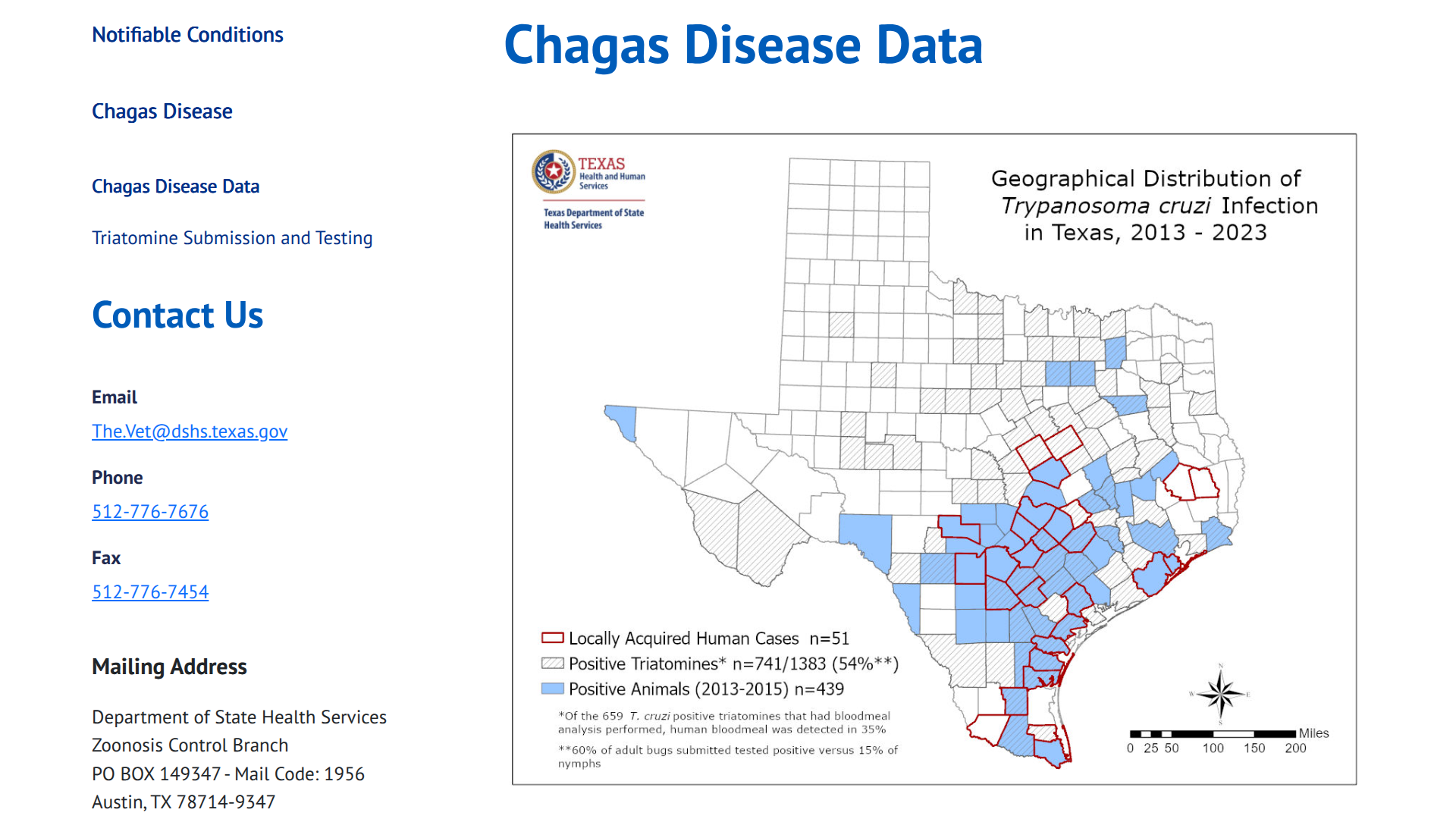
Chagas disease, also known as American trypanosomiasis, is found in twenty-one countries in the Americas, including the United States, where it has become endemic.
In the U.S., blood-sucking insects occur naturally in the southern half of the country and, as of September 2025, have been identified in 32 states.
The state of Texas has undertaken extensive efforts to document human Chagas disease cases that were made reportable in 2013. The first known autochthonous case of human Chagas disease in the U.S. occurred in an infant in Corpus Christi, Texas, in 1955, in a home infested with triatomines.
According to the U.S. CDC's Emerging Infectious Diseases (Volume 31, Number 9—September 2025), in this Perspective, researchers review a body of evidence establishing the robust presence of T. cruzi parasites in the U.S., not only among insect vectors, wildlife, and domestic animals but also among humans without travel histories who are assumed to be locally infected.
After feeding, these bugs pass the parasite in their feces. If the feces enter a person's body through a cut or near the eyes or mouth, it can cause infection.
These researchers wrote, 'Updating Chagas disease endemicity status as hypoendemic is a crucial step toward a more effective management model, one that addresses the unique challenges and complexities of this country regarding vector-borne diseases.'
'Such a shift will help reform curriculum in professional schools to enable the next generation of practitioners to be competent in recognizing the low but present risk for locally acquired T. cruzi infections and better serve those who acquire the parasite elsewhere and require diagnosis in the U.S.'
A Viewpoint published by The Lancet in May 2025 wrote that, despite many studies, there is still no vaccine for Chagas Disease.
To make matters worse for those infected, the only two drugs available have proved efficacy only when administered during the acute phase of the disease.
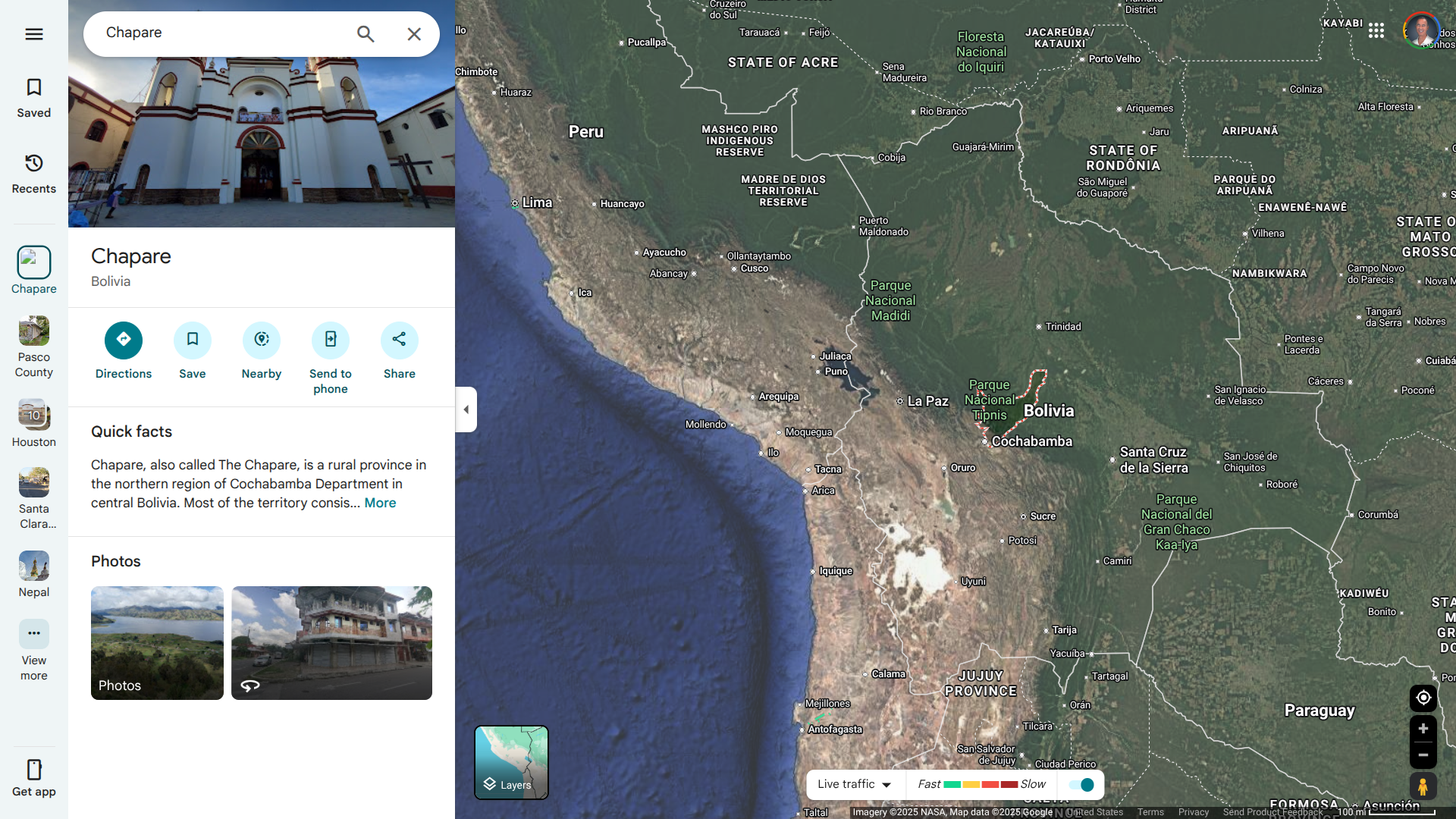
The U.S. government has recently issued travel alerts regarding visits to the Plurinational State of Bolivia in 2025.
As of August 31, 2025, the U.S. CDC included Bolivia in two recent Travel Health Advisories: one for measles outbreaks and another for yellow fever.
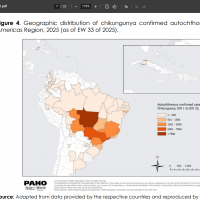
Additionally, Bolivia is reporting an unusual number of mosquito-transmitted chikungunya fever cases in 2025.
The Pan American Health Organization's latest data indicate that Bolivia trails just Brazil in the number of chikungunya cases (5,159) and deaths (4) in the Americas in 2025.
Oropouche virus and Zika diseases are also emerging risks in Bolivia.
If you plan to visit Bolivia, the CDC has confirmed that U.S. FDA-approved travel vaccines are available for these diseases at various retailers in the USA.
From a safety perspective, the U.S. Department fo State's travel advisory for Bolivia says visitors should exercise increased caution in Bolivia due to civil unrest. Some areas have an increased risk.
For example, the State Department advises against visiting the Chapare region due to crime.
If you do visit this area, the local embassy recommends enrolling in the Smart Traveler Enrollment Program to receive digital alerts and make it easier to locate you in an emergency.
After consuming Louisiana-harvested oysters contaminated with the flesh-eating bacteria Vibrio vulnificus, a sixth person has died along the Gulf of America.
The recently deceased were served the oysters at separate restaurants in Louisiana and Florida.
On February 23, 2025, the Louisiana Department of Health (LDH) stated that all Louisiana oysters harvested outside of Area 3, as well as all other Louisiana seafood statewide, are safe for human consumption. While cooking kills the virus, outbreaks have occurred from eating undercooked oysters harvested from contaminated waters.
During 2025, the LDH reported cases from Florida, Alabama, Mississippi, and North Carolina.
As of August 28, 2025, the Florida Department of Health (FDH) reported 23 cases and five related deaths in various counties this year.
In 2024, FDH reported 82 cases and nineteen related deaths. Citrus, Hernando, Hillsborough, Lee, Pasco, Pinellas, and Sarasota Counties experience an unusual increase due to the impacts of Hurricane Helene.
Vibrio vulnificus is a bacterium that usually lives in warm seawater and is part of a group of vibrios that are called "halophilic" because they require salt, says FDH. Oysters are filter feeders and can accumulate contaminants and microorganisms present in the water.
The U.S. CDC defines coastal waters as including both saltwater and brackish water. Brackish water is a mixture of saltwater and freshwater. It is often found where rivers meet the ocean.
Vibrio wound infections are treated with antibiotics and surgery to remove dead or infected tissue, according to the CDC.

In late June 2025, the Florida Department of Health in Hillsborough County announced a locally acquired case of dengue fever, prompting health officials to be vigilant for potential spread of the virus by mosquitoes in the greater Tampa area.
On August 27, 2025, the Florida Department of Health in Pasco County informed residents of a confirmed human case of locally acquired dengue. This area is located on Florida's west coast, adjacent to Tampa, and west of Orlando.
In response to this finding, surveillance and prevention efforts were conducted by conducting aerial spraying to help reduce the mosquito population.
According to state officials, there have now been 16 cases in 2025, with Florida's east coast counties of Brevard (11) and Miami-Dade (3) leading the way.
Additionally, the Florida Department of Health published its Arbovirus Surveillance update #34 on August 23, 2025, reporting a total of 171 travel-associated dengue cases this year. Most of the cases (99) are related to people who traveled to Cuba.
As of August 30, 2025, only Puerto Rico offers dengue vaccinations in the United States. Outside the U.S., various countries provide a second-generation dengue vaccine that is generally effective against two of the four dengue virus types.

Acne, a common skin condition, has long been dismissed as a rite of passage for millions of adolescents for years. The U.S. NIH says hormones and genetics play a role in acne cases, but it is primarily driven by inflammation and lesions caused by bacteria that grow in clogged pores.
Sebum, oil that helps keep skin from drying out, and dead skin cells plug the pores, which leads to outbreaks of lesions, commonly called pimples or zits.
Most often, outbreaks occur on the face but can also appear on the back, chest, and shoulders, as stated by the NIH.
But vaccine researchers are attempting to change how to manage this unfortunate issue..
According to an article written by Benjamin Plackett and published by Nature on August 27, 2025, two vaccine candidates that aim to engage the immune system in tackling the underlying cause of acne.
The vaccines, one that treats the condition and one that acts as a preventive measure, both attempt to provoke the immune system into targeting these acne-causing bacteria.
“It has taken time for the field to treat acne as a disease of immune regulation, rather than just a surface issue," says dermatologist Anjali Mahto, spokesperson for the London-based British Skin Foundation.
"What matters most is this shift in mindset."
The complete, unedited article is posted at this link.

Numerous studies have indicated an increased risk of stroke and myocardial infarction (MI) following herpes zoster (HZ); however, the impact of vaccination remains uncertain, wrote researchers in a global analysis.
To assess the effectiveness of HZ (shingles) vaccination with recombinant zoster vaccine (RZV) or zoster vaccine live-attenuated (ZVL) against cardiovascular (CV) events in adults, numerous phase 3 and observational studies were assessed.
Across these studies, any HZ vaccination (RZV or ZVL) was associated with a significantly lower risk of stroke and MI, versus no HZ vaccination.
The pooled RR of 0.82 (95% CI 0.76–0.87) in adults ≥18 years and RR of 0.84 (0.82–0.87) in adults ≥50 years.
Thus, vaccine effectiveness was 18% (13–24%) and 16% (13–18%) in preventing CV events, respectively.
RZV vaccination was associated with a significantly lower risk of stroke and MI versus no HZ vaccination: pooled RR 0.79 (0.65–0.97) in adults ≥18 years and RR 0.79 (0.64–0.97) in adults ≥50 years, with a vaccine effectiveness of 21% (3–35%) and 21% (3–36%), respectively.
These researchers concluded that HZ vaccination was associated with a significantly lower rate of cardiovascular events.
Study author Dr. Charles Williams, Global Associate Medical Director for Vaccines at GSK, commented in a media release, "Further research studies are now needed to find out whether this association can be attributed to an effect of herpes zoster vaccination."
This assessment is scheduled to be presented on August 30, 2025.
As of August 29, 2025, shingles vaccination services are offered at most pharmacies and clinics in the United States and the United Kingdom.