Hawaiʻi Warns Tourists Amid Brain-Invading Disease Concerns

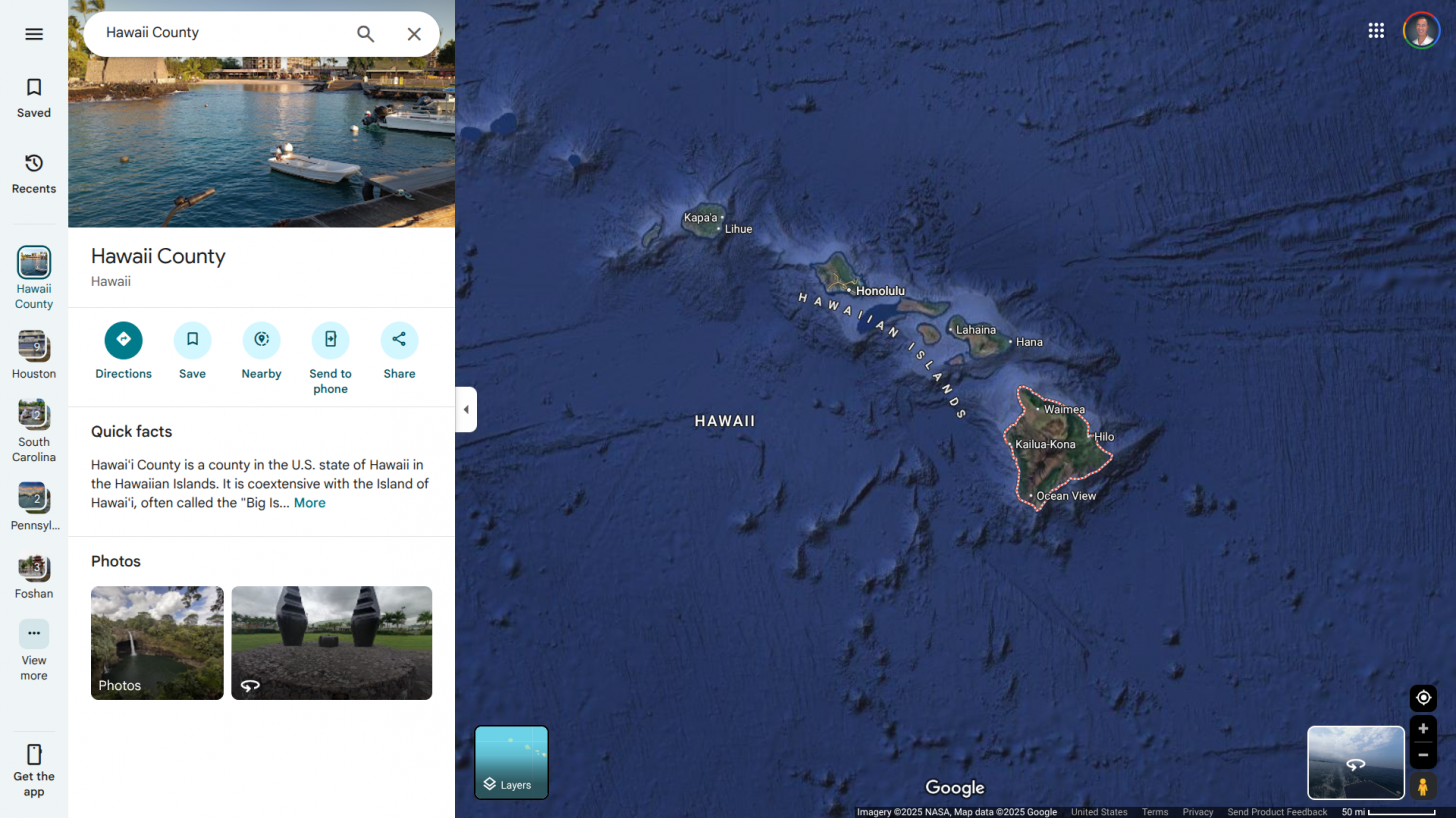
Health officials in Hawaii have recently issued heightened warnings to tourists and residents alike, advising them to avoid consuming raw or undercooked food.
This alert is associated with neuroangiostrongyliasis, commonly referred to as rat lungworm disease, which is endemic throughout the islands in the State of Hawaiʻi.
Humans become accidental hosts by ingesting contaminated items, which allows larvae to migrate to the brain and spinal cord.
A new medical advisory released by the Hawaii Department of Health (DOH) on July 15, 2025, emphasizes heightened clinician vigilance due to non-specific early symptoms that can evolve into debilitating conditions over weeks.
Laboratory-confirmed cases for 2024 totaled seven, primarily in Hawaii County, with one additional case reported in 2025.
The DOH writes that experts caution that the actual disease burden is likely higher due to diagnostic challenges.
As an example, a visitor contracted the disease in late 2024 after consuming unwashed greens during a Big Island hike, resulting in prolonged hospitalization.
"This isn't just a local issue; visitors are at equal risk statewide," said Dr. Lorrin Pang, a DOH epidemiologist, in a media release. "This parasite doesn't discriminate—it's statewide."
"Simple precautions like thoroughly washing produce and avoiding raw snails or slugs can prevent a vacation from turning into a nightmare."
The parasite's life cycle involves rats as definitive hosts, where adult worms reside in the lungs and shed larvae in their feces. These larvae infect intermediate hosts, such as snails and slugs, which can contaminate fresh produce or water sources.
Symptoms range from mild flu-like illness to severe headaches, neck stiffness, paresthesia, and in rare cases, coma or death. Children may exhibit irritability, fever, or developmental regression.
A new RT-PCR test at the Hawaii State Laboratories Division now offers faster detection from cerebrospinal fluid.
The DOH says prevention remains key: inspect and rinse all fruits and vegetables under running potable water, and avoid soaking, as this may not remove slugs or slime.
Cook susceptible foods to 165°F, freeze vegetables for at least 24 hours, and use gloves when handling potential hosts.
Furthermore, homeowners should rodent-proof their properties and deploy traps to reduce rat populations.
As cases continue to surface, the DOH urges individuals to seek immediate medical attention for suspicious symptoms and report them to their hotline at (808) 586-4586.
While there is no vaccine to prevent neuroangiostrongyliasis, the DOH states that vaccination is one of the most effective ways to protect children and adults from harmful diseases. Vaccines are needed throughout life, and are often recommended for international travelers.
For more details, visit the Hawaii DOH website.
Our Trust Standards: Medical Advisory Committee
-
Fact checked by Robert Carlson, MD