Zika Confirmed By CDC in Southern Texas


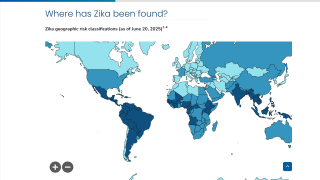
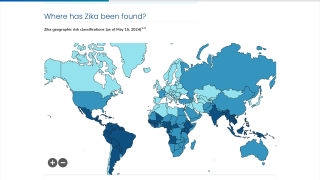
The first Zika virus (ZIKV) case has been confirmed in Nueces County, Texas.
The woman delivered her child May, 2017, at a Corpus Christi hospital, according to the Corpus Christi-Nueces County Health District.
“On a trip to Mexico, the woman said she was diagnosed with Zika early in her pregnancy. Further tests conducted in Corpus Christi for Zika were sent to the Centers for Disease Control and Prevention which confirmed the virus,” said Annette Rodriguez, M.P.H., health district director.
Rodriguez said the number of patients testing positive for Zika may increase “because patients will come to Corpus Christi to deliver their children.”
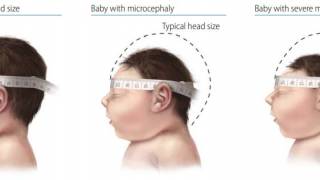
At this time, neither the mother or child exhibit complications or defects associated with Zika virus, said Dr. William Burgin, Jr., M.D., Local Healthy Authority.
The Corpus Christi Animal Care Services and Vector Control conducts mosquito surveillance year-round and began adulticide, or ground spraying, in May, Broyles said.
The county public works department targets specific areas in the western parts of the county and unincorporated areas for ground spraying after a certain number of mosquitoes have been detected in placed traps.
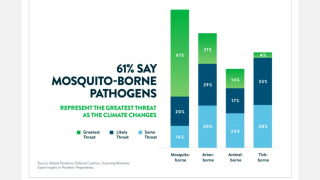
A recent study shows that five different mosquito species were found to contain the Zika virus in their salivary glands.
Mexican researchers collected the insects in Mexico, and the findings suggest that each species is capable of passing on the Zika virus. The presumptive main vector of the virus is Aedes aegypti.
The three female mosquitoes, Ae. vexans, Culex quinquefasciatus, Cx. coronator, and the two males, Ae. aegypti and Cx. quinquefasciatus, are commonly found in various sections of Mexico.
Zika is a member of the Flaviviridae family and the genus Flavivirus.
For additional information, please contact: Annette Rodriguez, M.P.H., Director of Public Health, [email protected]
Our Trust Standards: Medical Advisory Committee
-
Fact checked by Shane Kyral, PharmD
-

Fact checked by Danielle Reiter, RN
-

Fact checked by Robert Carlson, MD