Analysis Reveals Equity Gaps in Human Genomics Research

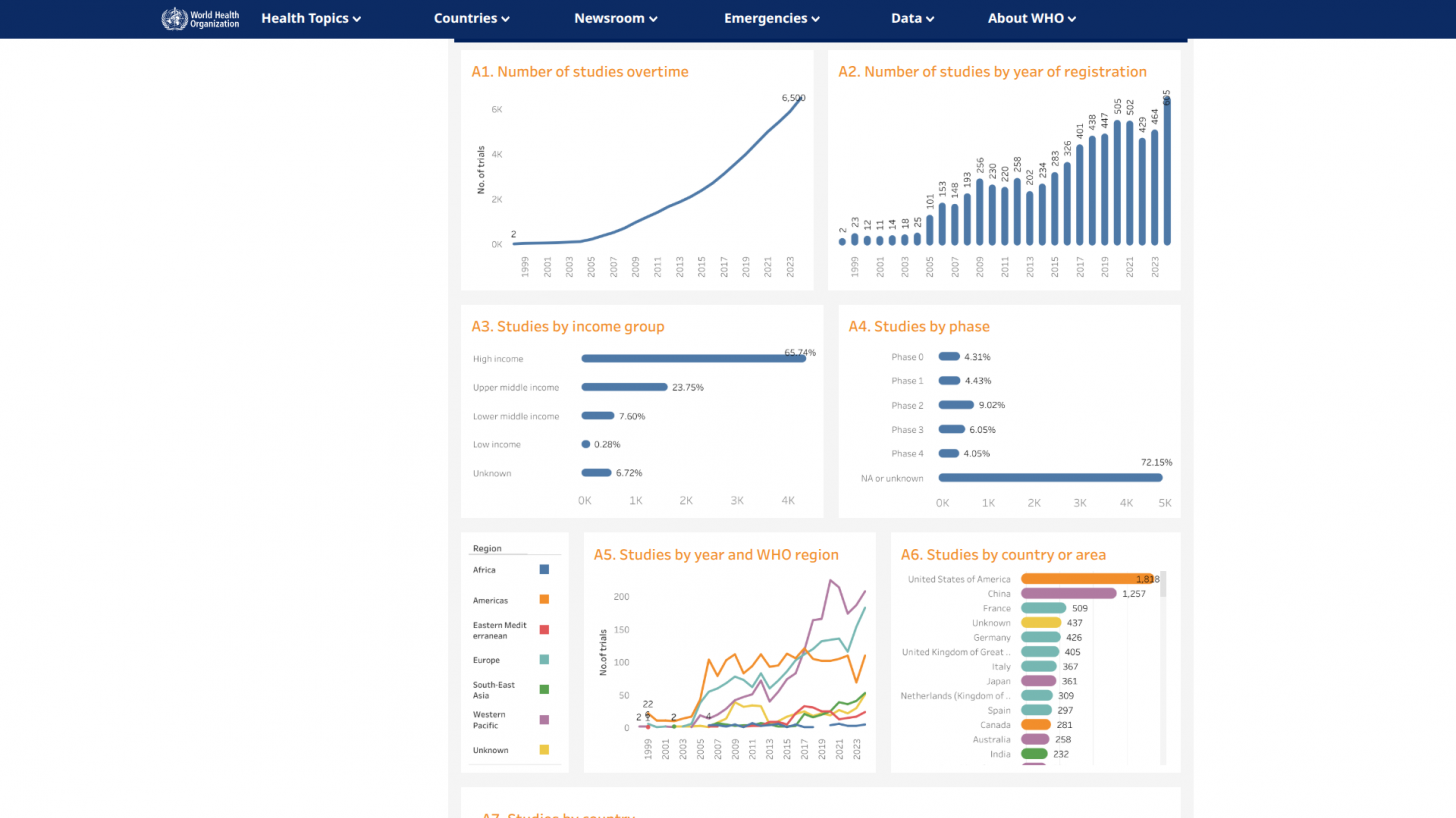
The World Health Organization (WHO) recently published a global analysis of human genomics in clinical research, covering more than three decades of studies registered.
Published on December 21, 2025, the WHO report, Human genomics technologies in clinical studies between 1990 and 2024, together with an accompanying interactive dashboard, provides a comprehensive overview of how human genomic technologies are being applied in clinical research and highlights significant gaps in equity and inclusion.
The analysis shows rapid growth in the use of genomics in clinical studies, with more than 6500 studies registered globally and a steep rise after 2010 driven by advances in sequencing technologies, lower costs, and expanded clinical applications.
Cancer and rare diseases dominate the research landscape, reflecting strong integration of genomics in these fields.
However, the report highlights a striking imbalance in where and for whom this research is conducted.
More than 80% of genomic clinical studies were concentrated in high-income countries, while fewer than 5% were conducted in low- and middle-income countries (LMICs).
In many cases, LMICs participated only as secondary study sites, constrained by limited sequencing capacity and research infrastructure.
Significant demographic gaps were also evident.
More than 75% of studies included adults aged 18–64 years, while only 4.6% focused specifically on children and just 3.3% on older adults.
Communicable diseases – which remain a significant public health concern in many regions – were markedly underrepresented, accounting for only 3% of all genomic clinical studies.
The report underscores the need for more inclusive, geographically diverse, and context-responsive genomic research. Strengthening research capacity in underrepresented regions, improving demographic inclusion, and aligning genomic research with population health needs are critical to ensuring that genomics contributes to health equity and benefits people in all settings.
Dr Meg Doherty, WHO Director of the Department of Science for Health, commented in a press release, "WHO will support efforts to ensure that genomic research reflects the diversity of global populations and public health needs."
As of December 28, 2025, the U.S. National Institutes of Health (NIH) is involved in various genetic and vaccine-related research efforts. With an annual budget of more than $47 billion, NIH is the largest single public funder of biomedical and behavioral research in the world.
According to the agency's website, NIH investments deliver economic returns, with every $1 generating roughly $2.50 in short-term financial returns. For every $100 million of funding, NIH-supported research generates 76 patents.
It supports hundreds of thousands of jobs nationwide and catalyzes private R&D, patents, startups, and regional innovation hubs.
Our Trust Standards: Medical Advisory Committee
-
Fact checked by Robert Carlson, MD