Africa Commits to Ending All Forms of Polio
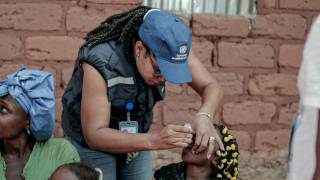
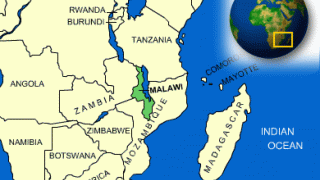
Governments from the World Health Organization (WHO) African Region committed on August 26, 2021, to end all remaining forms of polio. The commitments came at a meeting at the Seventy-first WHO Regional Committee for Africa.
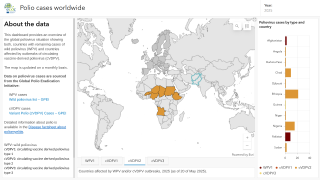
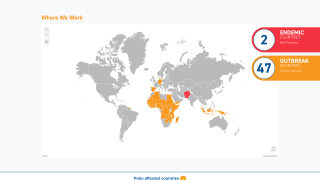
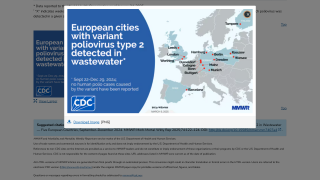
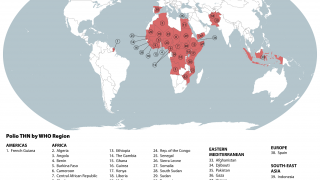
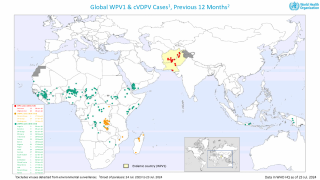
While the African Region was certified free of wild poliovirus one year ago following four years without a case, outbreaks of circulating vaccine-derived poliovirus (cVDPV) continue to spread.
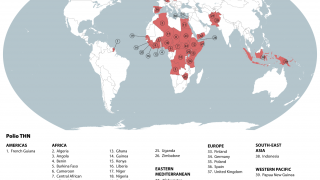
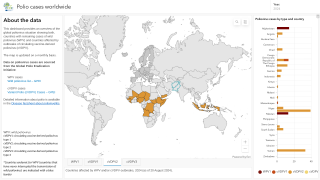
Since 2018, 23 countries in the region have experienced polio outbreaks, and more than half of the global cVDPV (1k) cases were recorded in Africa.
The WHO reported 1,226 cases of all forms of polio were recorded during 2020.
cVDPVs occur in communities where not enough children have received the polio vaccine.
“As Chair of the African Union, I am determined to work with other countries to protect the gains of our monumental efforts against polio and finish the job against all forms of this disease in Africa," stated H.E. Félix Tshisekedi, President of the Democratic Republic of the Congo.
"Only then will we be able to say we delivered on our promise of a safer, healthier future for all our children."
At the Regional Committee, countries discussed how to begin implementing the new Global Polio Eradication Initiative 2022-2026 Strategy launched in June 2021 to stop the spread of cVDPVs urgently.
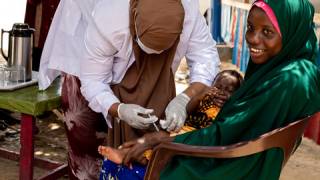
The U.S. CDC recommends that children get polio vaccinated to protect against poliomyelitis. Since 2000, the inactivated polio vaccine (IPV) is most often given in the USA. The IPV is administered by a shot in the arm or leg, depending on the person’s age.
IPOL is a sterile suspension of three types of poliovirus: Type 1 (Mahoney), Type 2 (MEF-1), and Type 3 (Saukett). IPOL vaccine is a highly purified, inactivated poliovirus vaccine with enhanced potency administered intramuscularly or subcutaneously.
The oral polio vaccine is offered in other countries.
Our Trust Standards: Medical Advisory Committee