Zika Breaking News

Zika breaking news brought to you by Zika News.

Jul 16, 2024 • 11:38 am CDT
by Romeo Spalding

New data published by the World Health Organization (WHO) highlights brighter spots in global immunization coverage. On July 15, 2024, the WHO wrote the steady introduction of new and under-utilized vaccines, including vaccines targeting human papillomavirus (HPV), has produced positive results.

About 85% of people will get an HPV infection in their lifetime.

For example, the share of adolescent girls globally who received at least one dose of the HPV vaccine, which protects against cervical cancer, increased from 20% in 2022 to 27% in 2023.

The use of the single-dose HPV vaccine schedule also helped boost vaccine coverage.

Strong introductions in countries such as Bangladesh, Indonesia, and Nigeria primarily drove this increase.

However, HPV vaccine coverage is well below the 90% target to eliminate cervical cancer as a public health problem, reaching only 56% of adolescent girls in high-income countries and 23% in low- and middle-income countries. 

"The HPV vaccine is one of the most impactful vaccines in Gavi’s portfolio, and it is incredibly heartening that it is now reaching more girls than ever before,” said Dr. Sania Nishtar, CEO of Gavi, the Vaccine Alliance, in a WHO press release.

“With vaccines now available to over 50% of eligible girls in African countries, we have much work to be done, but today, we can see we have a clear pathway to eliminating this terrible disease.”

New insights suggest innovative marketing programs are needed to expand HPV vaccine uptake.

A recent poll of over 400,000 users of UNICEF’s digital platform for young people, U-Report, revealed that over 75% are unaware or unsure of what HPV is, underscoring the need for better vaccine accessibility and public awareness.

When informed about the virus, its link to cancers, and the existence of a vaccine, 52% of respondents indicated they want to receive the HPV vaccine but are hindered by financial constraints (41%) and lack of availability (34%).

As of July 2024, various HPV vaccines were available worldwide.

In the United States, the CDC recommends two doses of HPV vaccine for all adolescents at age 11 or 12 years.

Jul 15, 2024 • 4:23 pm CDT
JHB Public Health 2024

New data published today by the World Health Organization (WHO) revealed that over the last five years, measles outbreaks have hit 103 countries.

In 2023, nearly 35 million children had no or only partial measles protection.

In July 2024, the U.S. CDC listed the top ten international measles outbreaks led by Azerbaijan, Kazakhstan, Iraq, and India. In the United States, the CDC reported 167 measles cases in 24 jurisdictions this year.

On July 15, 2024, the WHO confirmed that only 83% of children worldwide received their first dose of a measles vaccine through routine health services, while the number of children receiving their second dose reached 74%.

These WHO figures fall short of the 95% coverage needed to prevent measles outbreaks.

“Measles outbreaks are the canary in the coal mine, exposing and exploiting gaps in immunization and hitting the most vulnerable first,” said Dr. Tedros Adhanom Ghebreyesus, WHO Director-General, in a press release.

“This is a solvable problem."

"Measles vaccine is cheap and can be delivered even in difficult places. WHO is committed to working with all our partners to support countries in closing these gaps and protecting the most at-risk children as quickly as possible.”

The CDC confirmed in 2024 that if you are unsure if you or your travel companions are fully protected against measles, schedule an appointment to see your clinician at least six weeks before traveling so that you have enough time to get vaccinated with an MMR vaccine. 

Jul 15, 2024 • 9:55 am CDT
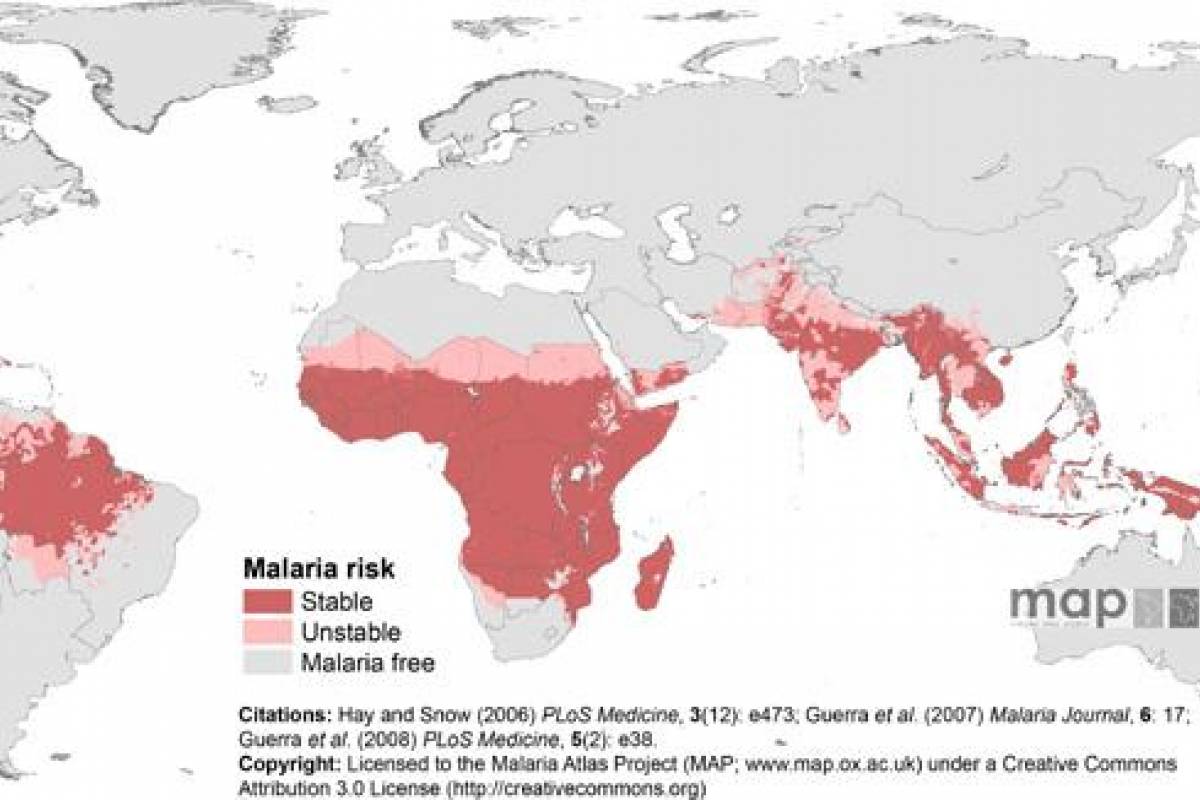
WHO malaria map

Today marks the official rollout of the newly approved R21/Matrix-M™ malaria vaccine, co-developed by the University of Oxford and Serum Institute of India (SII), which has committed to producing 100 million vaccines.

This malaria vaccine utilizes Novavax’s Matrix-M™ adjuvant technology.

The first official vaccination is scheduled for July 15, 2024, in Abidjan, Côte d’Ivoire, and it will be subsequently introduced in 38 districts across the country.

According to a press release, 15 African countries will introduce malaria vaccines with Gavi support in 2024. These countries plan to reach around 6.6 million children with the malaria vaccine in 2024 and 2025.

John Jacobs, President and Chief Executive Officer of Novavax Inc., commented, "The introduction of the R21/Matrix-M™ malaria vaccine in Côte d'Ivoire marks a breakthrough in the fight to protect vulnerable children against a leading cause of death across the region while reinforcing our mission to create innovative vaccines that improve public health."

"Novavax is proud of the contribution of our Matrix-M™ adjuvant in this vaccine and in making this moment possible, and value our continued collaboration with the University of Oxford and SII, as well as the lifesaving work of WHO, Gavi, and UNICEF.”

R21/Matrix-M is a low-dose, highly effective, and affordable vaccine that can be manufactured quickly and scale. Ghana, Nigeria, Burkina Faso, and the Central African Republic have approved the new vaccine, and many others are preparing to receive shipments.

Malaria vaccines are currently unavailable in the United States.

Novavax, based in Gaithersburg, MD., U.S., promotes improved health by discovering, developing, and commercializing innovative vaccines to help protect against serious infectious diseases.

Jul 14, 2024 • 8:33 am CDT
GPEI polio cases map July 9, 2024

According to the Global Polio Eradication Initiative (GPEI), a joint Polio Independent Monitoring Board and Transition Independent Monitoring Board meeting will be held in Geneva, Switzerland, beginning July 15, 2024.

The goal of the meeting is to assess the challenges of eliminating polio in the endemic and outbreak countries.

Unfortunately, the GPEI reported three additional wild poliovirus type 1 (WPV1) cases in Afghanistan last week, bringing the country's total for 2024 to nine.

In 2023, Afghanistan reported six WPV1 cases. 

In this region, Pakistan, which is also fighting the speed of poliovirus, reported eight new WPV1 environmental detections last week.

In addition to these polio disclosures, the U.S. CDC says to interrupt poliovirus transmission, a renewed focus on increasing routine immunization coverage in endemic areas and implementing higher-quality supplementary immunization activities is necessary.

Over the last decade, about 10 billion doses of oral polio vaccine were administered worldwide, reports the GPEI.

The CDC's Global Polio Travel Advisory (May 2024) recommends that before visiting any of the 34 destinations, adults who completed the full, routine polio vaccine series may receive a single, life booster dose of polio vaccine.

In the United States, polio vaccines are generally available at pharmacies and travel clinics.

Jul 13, 2024 • 8:35 am CDT
US CDC Oropouche fever case map June 2024

The U.S. CDC reissued a global warning about Oropouche fever outbreaks in various communities of Brazil, Bolivia, Colombia, Peru, and Cuba in the Region of the Americas.

In late June 2024, the CDC said travelers should seek medical care if they develop high fever, headache, muscle aches, stiff joints, nausea, vomiting, chills, or sensitivity to light during or after travel.

For example, the Ministry of Public Health of Cuba reported the first-ever outbreak of Oropouche virus disease in May, confirming 74 cases from the Province of Santiago de Cuba (54) and the Province of Cienfuegos (20). 

Oropouche virus is primarily transmitted to humans through the bite of the midge, Culicoides paraensis, but the mosquito Culex quinquefasciatus can also transmit it.

The Pan-American Health Organization / World Health Organization urges Member States to intensify surveillance given its clinical presentation and considering the current situation of chikungunya, dengue, zika, and other common vector-borne diseases in the Region.

While there are approved vaccines to prevent chikungunya and dengue diseases, Oropouche and zika viruses do not have vaccines available in July 2024.

Jul 13, 2024 • 5:30 am CDT
by Mario Ohibsky

The board of directors of CSPC Pharmaceutical Group Limited announced on July 11, 2024, that the mRNA Respiratory Syncytial Virus (RSV) vaccine candidate (SYS6016) has obtained approval from the National Medical Products Administration of the People’s Republic of China to conduct human clinical trials in China.

Currently, there is no vaccine available in China that protects people from RSV infection.

In preclinical studies, SYS6016 translated into the prefusion conformation F-protein in vivo and induced high titers of long-lasting neutralizing antibodies.

CSPC wrote that this vaccine candidate exhibits good protection against RSV-A and RSV-B subtype viral strains and has a good safety profile.

CSPC confirmed it would endeavor to advance the clinical research and market SYS6016 as soon as possible to create value for society and shareholders.

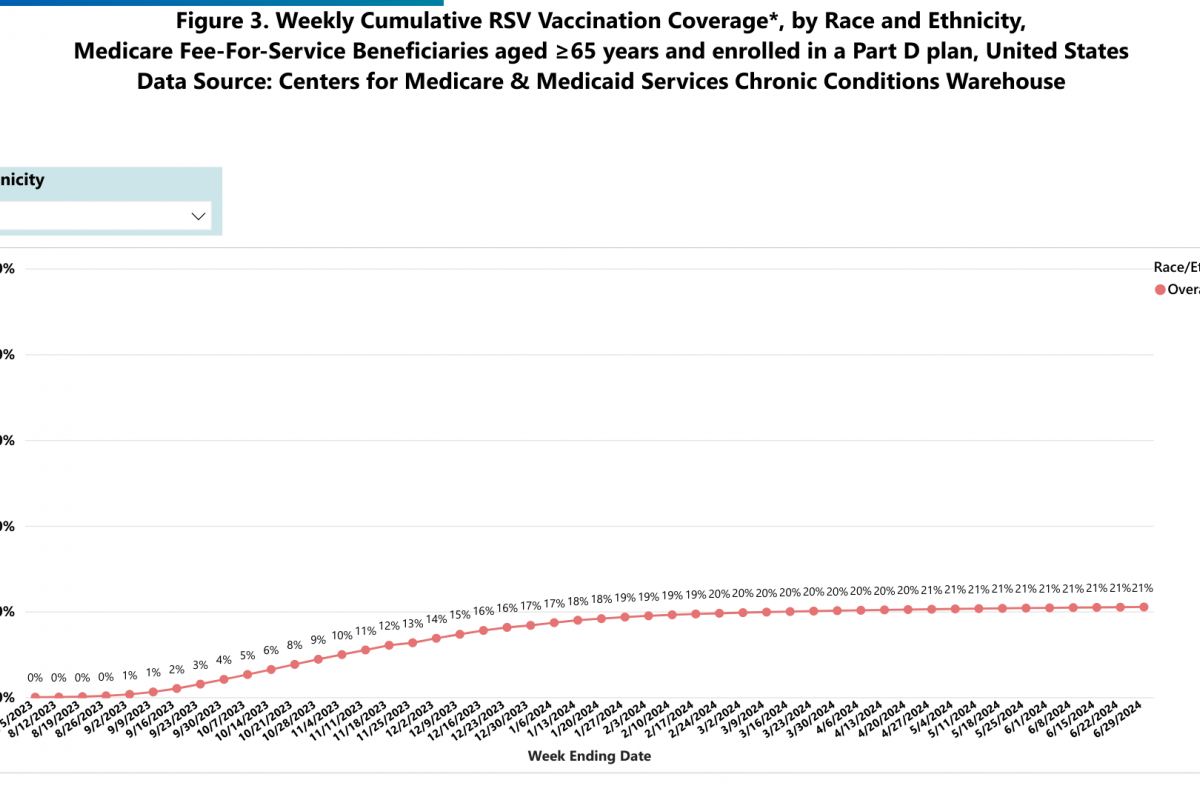
As of July 13, 2024, three RSV vaccines and one monoclonal antibody for infants (Beyfortus) were approved for use in the United States.

Jul 12, 2024 • 5:05 pm CDT
US CDC measles case map July 11, 2024

The Michigan Department of Health and Human Services (MDHHS) and the Macomb County Health Department today reported the sixth case of measles in the state in 2024.

The most recent case reported north of Detroit on July 12, 2024, had no known international travel association.

The U.S. Centers for Disease Control and Prevention (CDC) recently warned about possible travel-related measles outbreaks amid a global rise in cases.

On July 11, 2024, the CDC confirmed 167 cases have been reported this year, far outpacing the 58 measles cases reported in 2023. 

In 2024, 84% of measles cases were in unvaccinated people or had an unknown vaccination status. 

Throughout Michigan, pharmacies and clinics are offering various measles-preventing vaccines.

Jul 12, 2024 • 12:10 pm CDT
US CDC plague case map 2024

The U.S. Centers for Disease Control and Prevention (CDC) says the Plague was first introduced into the United States in 1900. The plague bacterium (Yersinia pestis) is transmitted by fleas and cycles naturally among wild rodents. 

Over the decades, the Plague spread from urban rats to rural rodent species and became entrenched in many areas of the western U.S.

Almost all of the cases reported in the last 20 years have occurred among people living in small towns and villages or agricultural areas rather than in larger towns and cities, says the CDC.

As of 2024, the CDC estimates that seven human cases of Plague occur in the U.S. each year.

Recent plague cases include the Pueblo Department of Public Health and Environment confirming a human case of Plague in a Pueblo County resident on July 9, 2024.

And in February 2024, health officials in Oregon reported a case of bubonic Plague in a resident who they said likely contracted it from a pet cat.

Globally, the most human plague cases since the 1990s have occurred in Africa.

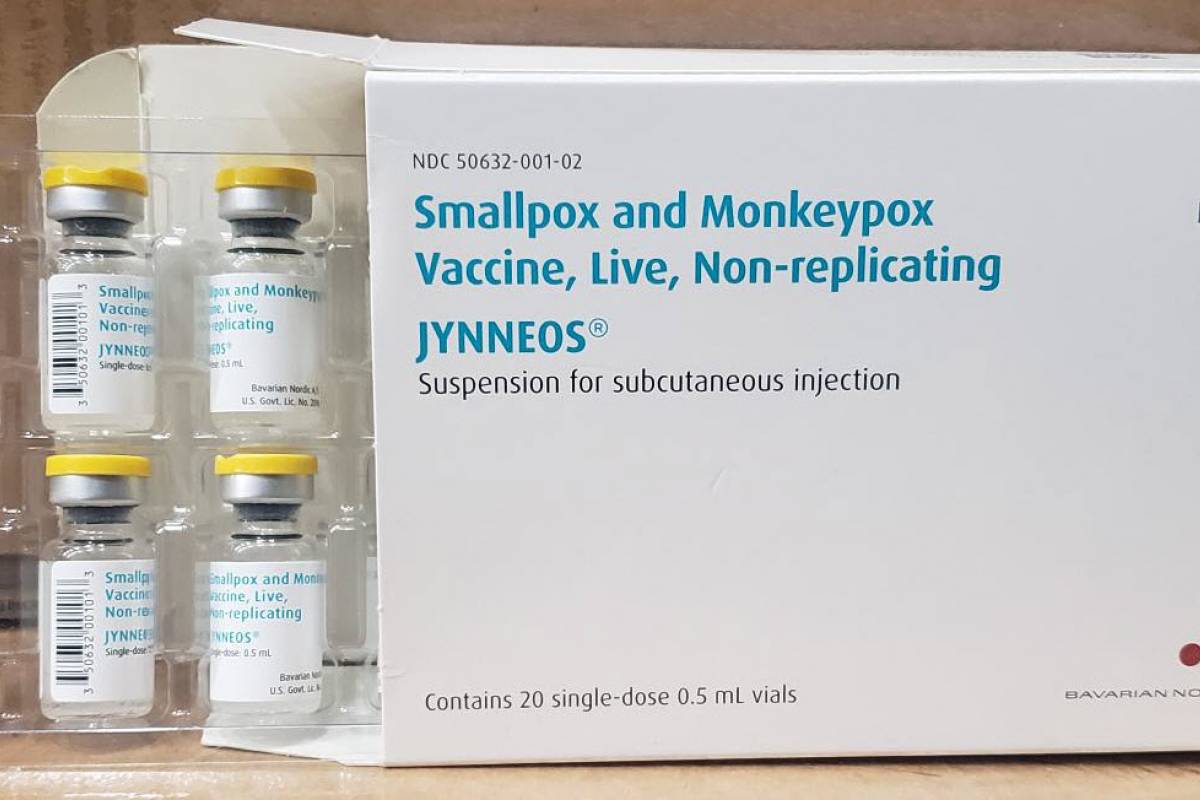
From a prevention perspective, plague vaccines are no longer available in the U.S. However, plague vaccine candidates are in development but are not expected to be commercially available in the immediate future.

In March 2023, the first mRNA-based, lipid nanoparticle vaccine was found effective against lethal bacteria in mice.


Jul 12, 2024 • 9:30 am CDT
from Pixabay

As numerous vaccine manufacturers strive to produce improved flu shot options, innovative influenza vaccine candidates post positive results in 2024.

Intranasal vaccines are known to provide a wall of defense at the site of infection, helping prevent influenza viruses from entering the nasal mucosa. 

FluGen, Inc., today announced the results of its study comparing the coadministration of intranasal M2SR and the high-dose flu shot in older adults ages 65-85.

Published in the journal Lancet Infectious Diseases on July 11, 2024, the study, funded by the U.S. Department of Defense, evaluated the safety, tolerability, and immunological response to FluGen’s investigational supra-seasonal, live, single-replication, intranasal influenza vaccine when administered with Fluzone High Dose inactivated influenza vaccine.

These researchers concluded the H3N2 M2SR vaccine coadministered with Fluzone HD in older adults was well tolerated and provided enhanced immunogenicity compared with Fluzone HD administered alone.

This finding suggests the potential for improved influenza vaccination efficacy in this age group. 

“The idea of delivering two vaccines in one sitting has become widely accepted,” said Paul Radspinner, President and Chief Executive Officer of FluGen, in a press release on July 12, 2024.

“Imagine being at your local pharmacy for your annual flu shot and also receiving a quick nasal spray that would greatly enhance your chances not only of becoming seriously ill but of being infected at all. This combination solution could have a tremendous impact on the health of older adults."

Radspinner went on to discuss the possible impact on influenza pandemic protection. “If H5N1 or any other mutating influenza strain were to begin infecting millions of people, imagine the benefits of combining an intranasal vaccine, which could stop most infections from occurring, with a strong antibody-based vaccine shot."

"The impact on human health could be unequaled in our history.”

As of July 2024, new trivalent influenza vaccines, such as Flucelvax, had been shipped to pharmacies before the 2024-2025 flu season launches in the United States.

Jul 12, 2024 • 6:29 am CDT
from Pixabay

Tiba Biotech LLC today announced its new partnership with the Biomedical Advanced Research and Development Authority (BARDA) through the initiation of an EZ-BAA contract to develop groundbreaking therapeutics against influenza.

The U.S. $749,999 BARDA contract supports early-stage therapeutic platform development for the Flexible and Strategic Therapeutics program.

This BARDA initiative aims to advance cutting-edge therapeutic platform technologies, such as RNA-mediated interference, which could be rapidly deployed in response to emerging viral threats. The therapeutic will target the highly conserved viral nucleoprotein and will be delivered via Tiba’s RNABLTM platform.

Tiba Biotech’s initial focus will be developing a prototype RNAi-based therapeutic for H1N1 influenza (swine flu), a type of influenza A virus.

Every year, there are rare, sporadic human infections with influenza viruses that usually circulate in pigs and not people, says the U.S. CDC.

On June 28, 2024, the CDC reported the second and third U.S. human infections in 2024.

This initiative is a natural extension of Tiba’s ongoing work combating influenza pandemic threats, most notably in the form of a novel multi-antigen mRNA-based H7N9 flu vaccine funded under a Phase II SBIR award from the National Institutes of Health and ongoing collaborations with the Collaborative Influenza Vaccine Innovation Centers.

Tiba was also recently accepted into BLUE KNIGHT™, a joint initiative between Johnson & Johnson Innovation—JLABS and BARDA. The initiative aims to harness innovation to combat future known and unknown health threats.

Jul 11, 2024 • 4:06 pm CDT
UKHSA Pertussis trend data July 2024

New data published today by the UK Health Security Agency (UKHSA) shows whooping cough cases continue to increase in England, reaching 7,599 at the end of May 2024.

On July 11, 2024, the UKHSA also confirmed there have been nine infant deaths since the current whooping cough (pertussis) outbreak began in November last year.

Whooping cough is a cyclical disease that peaks every 3 to 5 years. The last cyclical increase in England occurred in 2016. 

The UKHSA says timely vaccination in pregnancy and childhood is important to protect vulnerable young infants from serious disease. 

Dr. Mary Ramsay, Director of Immunisation at the UKHSA, said in a press release, "Vaccination is the best defense against whooping cough, and it is vital that pregnant women and young infants receive their vaccines at the right time."

The latest uptake data for the vaccination offered to pregnant women to protect newborn infants against whooping cough continues to decline, with coverage at 58.9% in March 2024 compared to the peak coverage (72.6%) in March 2017.

Evidence from England shows that vaccination at the right time in pregnancy is highly effective, giving 92% protection against infant death.

Jul 11, 2024 • 3:34 pm CDT
Texas DSHS July 9, 2024

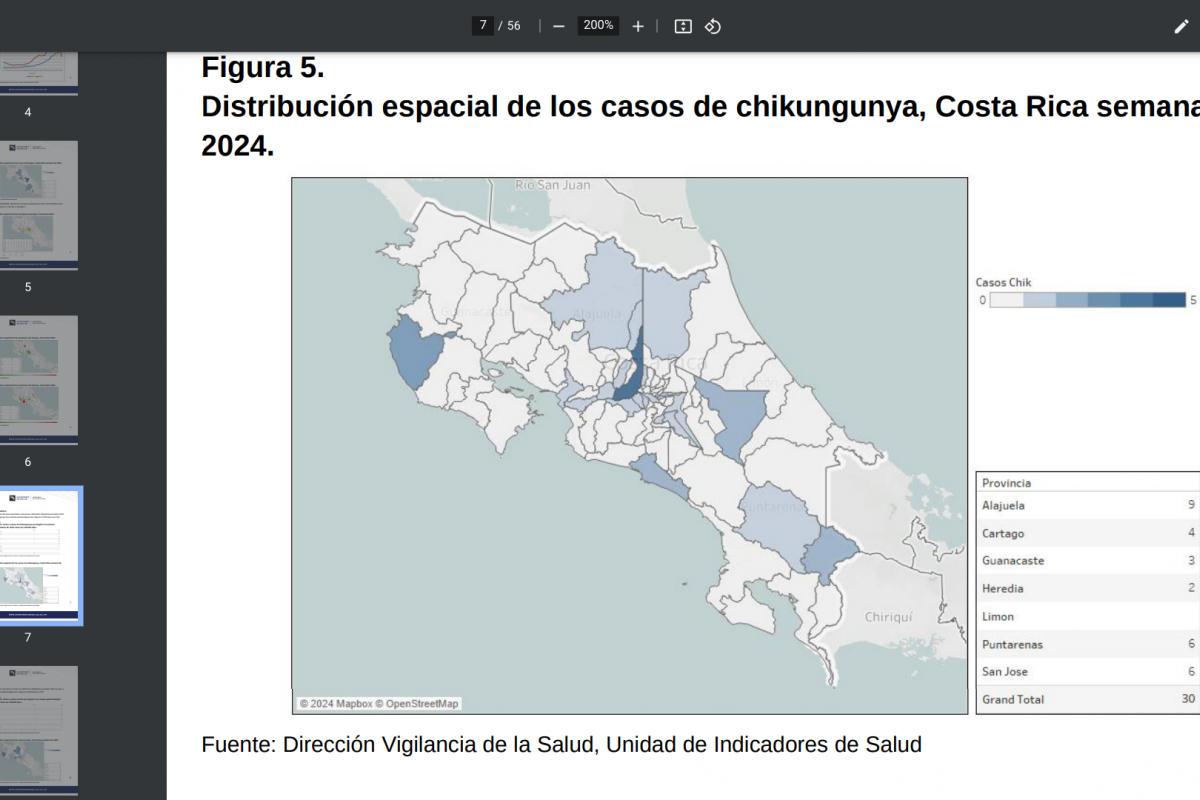
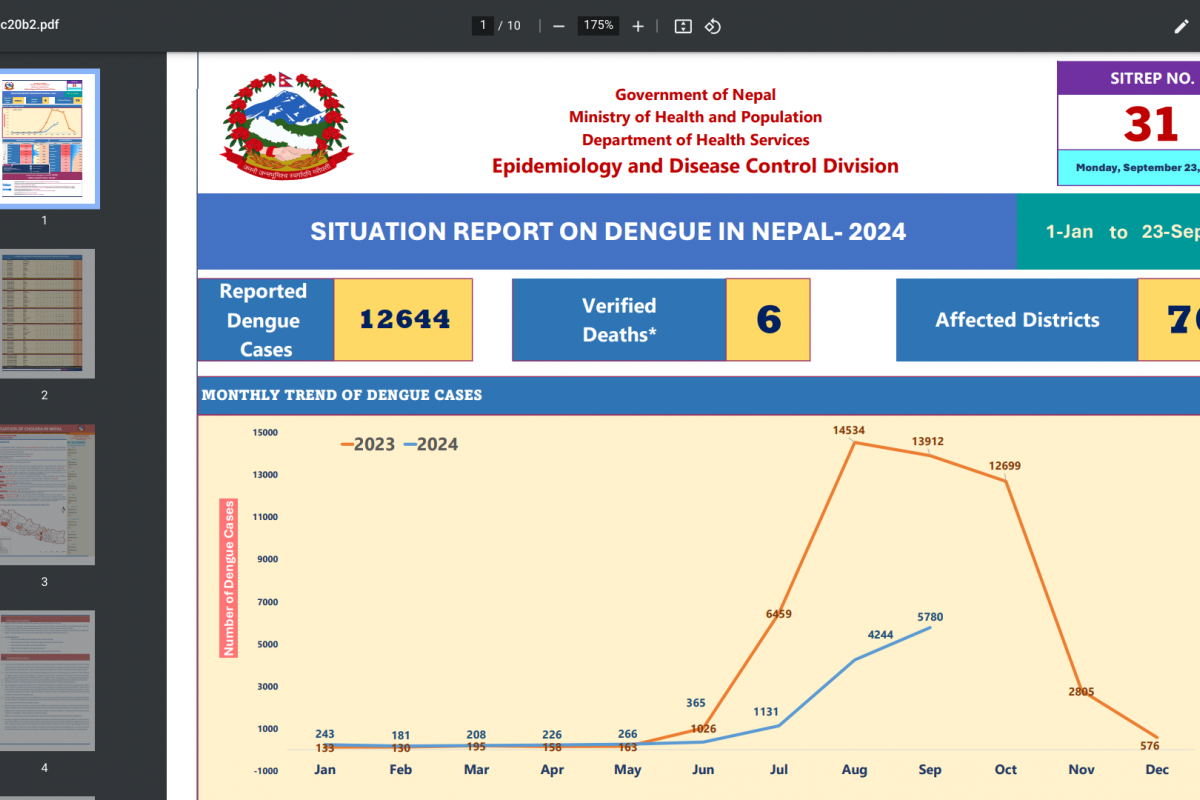
Texas public health officials announced today that they are urging Texans to protect against mosquito bites after confirming ten travel-associated dengue cases for 2024.

As of July 11, 2024, all of the dengue cases reported in Texas this year were acquired while traveling internationally.

However, a small number of dengue cases have been acquired from mosquito bites in southern Texas in recent years. Mosquitoes that carry the dengue virus are found in both Mexico and Texas.

The Texas Department of State Health Services (DSHS) confirmed the new dengue cases were reported in Collin, Dallas, Fort Bend, McMullen, Montgomery, and Travis counties.

In 2023, there were 79 cases of dengue in Texas, including one locally acquired case in Val Verde County.

To the south of Texas, Mexico has reported about 1,000 dengue cases in 2024. In 2023, Mexico reported over 277,000 dengue cases.

“Unfortunately, many mosquitoes in Texas can spread diseases, such as West Nile and dengue. These diseases are often mild, but some people will develop severe illness,” said DSHS Commissioner Jennifer Shuford, MD, MPH, in a press release.

According to DSHS, about 25% of dengue infections become symptomatic.

Most people recover completely within two weeks. However, about one in 20 symptomatic people develop a severe infection called Dengue Hemorrhagic Fever that can be fatal if untreated.

From a prevention perspective, two dengue vaccines are used in various countries but not in the U.S. as of July 11, 2024.

Jul 11, 2024 • 5:26 am CDT
WHO Influenza Update N° 483 map July 10, 2024

According to the World Health Organization (WHO) Influenza Update N° 483, elevated influenza activity was reported in countries in Central America and the Caribbean, Western Africa, Southern Asia, and South East Asia due to various virus types.

As of July 10, 2024, in the Southern Hemisphere, influenza activity continues to be elevated in South America and Oceania countries. There are indications that activity may have peaked in some South American and Southern African countries.

In the United States, influenza case reports for the 2024-2025 flu season are reduced.

However, flu shots for the new season have already been distributed to pharmacies in the U.S.

Jul 10, 2024 • 2:45 pm CDT
CEPI 2.0

Biotechnology company Apriori Bio recently announced it was awarded $1.1 million from the Coalition for Epidemic Preparedness Innovations (CEPI) to advance its biology-informed artificial intelligence platform Octavia™, aimed at protecting humanity against rapidly evolving viruses by designing variant-resilient vaccines.

The new seed funding from CEPI will focus on pandemic influenza strain H3N2, which has previously affected pigs, birds, and humans.

The Octavia platform works by characterizing large libraries of viral variants on their ability to bind to cells in the human body and evade the immune response. Then, using machine learning, Octavia generates maps to identify the mutations that have the greatest ‘escape potential’ and could, therefore, pose the greatest threat.

Octavia builds and trains its algorithms using computational insights and experimental biological data. This includes studying viral evolutionary trees to identify the point at which viral variability is most likely to occur and exploring how mutations could affect each other.

These insights can guide the design and updating of new vaccines and existing vaccines so that they can protect against worrisome variants for years to come.

Lovisa Afzelius, Ph.D., MBA, Co-founder and CEO of Apriori, said in a press release on July 7, 2024, “We are honored to be recognized by a global leader in pandemic preparedness who shares our commitment to better protecting humanity from rapidly evolving viruses."

CEPI’s 2022-2026 plan, known as CEPI 2.0, will help the world make the scientific progress needed to respond to the next Disease X threat with a new vaccine in just 100 days. This goal is known as the 100 Days Mission. 

Jul 10, 2024 • 7:16 am CDT
Houston Zoo - Baby Lilly elephant

Colossal today announced that the first elephant in captivity at the Houston Zoo has been administered an experimental herpesvirus mRNA vaccine. The Houston Zoo approved the vaccine and has inoculated Tess, a 40-year-old Asian elephant.

On July 9, 2024, Colossal stated the elephant endotheliotropic herpesvirus (EEHV) is the number one killer of Asian elephant calves living under managed care in North America and Europe and significantly impacts free-ranging populations of Asian elephants as well.

Recent EEHV-related deaths in several African elephants in the U.S. have raised concerns about EEHV in this elephant species.

Following encouraging results from the initial vaccine trials, the mRNA vaccine will be offered to more facilities, especially those with vulnerable young elephants.

“Colossal supported our efforts to work on an mRNA solution approach,” shared Dr. Paul Ling, Professor at the Department of Microbiology and Virology at Baylor College of Medicine, in a press release.

“It quickly became evident that the mRNA solution was going to be feasible, so we prioritized implementing that approach. We are much further along today than we would have been without Colossal’s scientific support, research teams, and funding.”

In the next three to five years, Dr. Ling hopes this vaccine will be applied to the broad population of elephants under human care worldwide. Following that, the team would look to applications with animals in the wild.

This represents a massive step forward for the protection of elephants globally and a huge step forward for science.

According to the Houston Zoo, Tess, mother to Tucker (19), Tupelo (13), Tilly (6), and Teddy (3) and grandmother to Winnie (3), is currently doing well post-vaccination.

Upon the successful outcome of this first vaccination, the Houston Zoo plans to vaccinate additional animals under its care.

As of July 9, 2024, the U.S. FDA has not approved a herpes vaccine for humans.