Vaccine News

Vaccine news brought to you by Precision Vaccinations.

Jul 23, 2024 • 2:48 pm CDT
PAHO Epidemiological alert - Pertussis - July 22, 2024

The Pan American Health Organization (PAHO) reported yesterday a significant increase in pertussis (whooping cough) cases in the Region of the Americas.

On July 22, 2024, the PAHO confirmed that 7,251 pertussis cases were reported in the United States in 2024, a 300% increase from last year.

Pertussis cases in Mexico are 242% higher than reported in 2023. Brazil and Peru are also reporting measurable case increases.

In the Region of the Americas, 2012 was the year with the highest number of cases reported during the decade, with 72,328 reported cases of pertussis. Since then, there has been a progressive annual decrease in the reported cases, reaching the lowest number reported in 2022, with 3,283 pertussis cases.

The first and third doses of diphtheria, tetanus, and pertussis vaccines (DTP1 and DTP3) are commonly used as tracers of immunization coverage. The coverage trend for both first and third doses has shown a significant decline.

The year 2021 was the lowest coverage year in the Region of the Americas compared with the previous 20 years. However, updated vaccine coverage data for 2023 reported a recovery of 90% for DTP1 and 88% for DTP3.

Jul 23, 2024 • 2:32 pm CDT
WHO Cuba map 2024

According to the European CDC, Italy and Spain each reported three confirmed cases of Oropouche virus disease in travelers returning from Cuba.

The ECDC stated on July 12, 2024, that the likelihood of secondary transmission of the Oropouche virus within continental Europe is considered very low due to the absence of known competent vectors, midges (small flies), and mosquitoes, commonly found in the Region of the Americas.

To alert international travelers, the U.S. CDC issued a Level 1 Travel Health Advisory in June 2024. This advisory stated that people should seek medical care if they develop high fever, headache, muscle aches, stiff joints, nausea, vomiting, chills, or sensitivity to light during or after travel.

As of July 23, 2024, no U.S. FDA-approved vaccines for Oropouche virus disease exist.

Jul 23, 2024 • 10:31 am CDT
by Tung Lam

Globally, respiratory syncytial virus (RSV) is the leading cause of hospitalization for healthy infants under a year old and causes an estimated 101,000 deaths a year in children under five.

To address this significant health risk, Merck today announced positive topline results from its Phase 2b/3 clinical trial evaluating clesrovimab (MK-1654), the company’s investigational prophylactic monoclonal antibody (mAb) designed to protect infants from respiratory syncytial virus (RSV) disease.

Clesrovimab met its primary safety and efficacy endpoints in the trial, including reducing medically attended lower respiratory infections caused by RSV through Day 150. 

Clesrovimab is being studied in infants (pre-term and full-term) to provide rapid, durable protection through their first RSV season with a single, fixed-dose administration.

“RSV is highly contagious and can cause inflammation in the airways of infants, leading to difficulty breathing. As a widespread illness globally, RSV is the leading cause of hospitalization for healthy infants,” said Dr. Paula Annunziato, senior vice president of infectious diseases and vaccines, Global Clinical Development, Merck Research Laboratories, in a press release on July 23, 2024.

“We are encouraged by these findings and look forward to working with regulators to provide a new option to help address the impact of RSV on infants and their families."

For the 2024-2025 RSV season, the U.S. FDA-approved Beyfortus™ (Nirsevimab) mAb offers passive immunization to prevent lower respiratory tract infections caused by the RSV to infants experiencing their first or second RSV season and those with congenital heart disease or chronic lung disease.

Additionally, one vaccine has been approved for pregnant women, which offers RSV protection to newborns.

Jul 22, 2024 • 2:01 pm CDT
US CDC map 2024

In the WHO Eastern Mediterranean Region, dengue outbreaks continue to be reported in 2024. The Ae. aegypti and some Ae. albopictus dengue virus-carrying mosquitoes have been identified in most of the countries in this region.

On July 17, 2024, the WHO Disease Outbreak News reported 12 autochthonous (local) cases of dengue documented in Iran, all of which were reported in Bandar-Lengheh, Hormozgan Province. 

Additionally, there have been 137 travel-related dengue cases in 2024.

Iran reported an average of 20 imported dengue cases annually between 2017 and 2023.

Furthermore, WHO does not recommend any general travel or trade restrictions in Iran based on the available information.

The WHO recommends that vaccination against dengue be part of an integrated strategy to control the disease, including vector control, proper case management, community education, and community engagement.

WHO recommends that countries consider introducing the second-generation QDENGA® (TAK-003) vaccine into their routine immunization programs in locations where high transmission intensity of dengue poses a significant public health problem.

WHO does not currently recommend the programmatic use of TAK-003 in young children.

As of July 22, 2024, the QDENGA vaccine is not authorized for use in the United States.

Jul 22, 2024 • 1:19 pm CDT
by Pete Linforth

The U.S. government recently exercised a procurement option to enhance orthopoxvirus preparedness against mpox and smallpox outbreaks.

On July 19, 2024, SIGA Technologies, Inc. announced that the U.S. Department of Health and Human Services (HHS) ordered the delivery of approximately $113 million of oral TPOXX® (tecovirimat) treatment courses.

“Building on the orders received in 2023 from the U.S. government and 15 international customers, this $113 million order from the U.S. government will enhance orthopoxvirus preparedness and support sizable and consistent action when needed to help ensure public health from natural, accidental, or intentional threats,” said Diem Nguyen, Chief Executive Officer, in a press release

TPOXX is an antiviral medicine approved by the U.S. Food and Drug Administration (July 2018) specifically for treating smallpox disease in adults and pediatric patients weighing at least 13 kg. 

Following U.S. approval, Health Canada also authorized TPOXX for the treatment of mpox and smallpox and authorized in Europe and the UK to treat smallpox, mpox, cowpox, and vaccinia complications.

As of July 22, 2024, mpox vaccines were also approved by the U.S. FDA and are available in the United States, Canada, and various countries.

Jul 20, 2024 • 2:09 pm CDT
from Pixabay

With over 24,600 Zika virus cases already confirmed in the Region of the Americas in 2024, a new study published by the journal eBioMedicine, part of The Lancet, disclosed new, unsettling insights.

The Cleveland Clinic announced that this study revealed that maternal Zika virus infections can reprogram fetal immune development, leading to long-term consequences in children's immunity.

On July 18, 2024, the Clinic stated that these changes may occur in children born without the physical characteristics associated with congenital Zika syndrome, such as microcephaly.

This finding suggests that 95% of babies born from Zika-infected pregnancies who did not exhibit symptoms may have been affected by the virus with long-term immunological repercussions.

Additionally, heightened inflammation was observed in Zika-exposed infants with abnormalities at birth, while children exposed to Zika later maintained a chronic Th1-biased immune profile. The impaired response to Th2-biased vaccines raises concerns about the lasting effects of Zika virus exposure on immune responses.

Suan-Sin (Jolin) Foo, PhD, an expert in maternal-fetal virology and the Zika virus, says babies without symptoms are deemed healthy and do not receive any follow-up medical care or attention. 

“Studies have only really focused on what’s happening with the children who were born with visible physical conditions like microcephaly or neurological complications,” Dr. Foo commented in a press release.

“The rest of these kids may not even have a note on their chart mentioning that their mother was infected during pregnancy. Unless they’re part of our study, they’re essentially lost to the medical field.”

Dr. Foo added, “Our study clearly shows there’s much more to this condition than meets the eye. We need to expand diagnostic criteria and conduct more research to ensure these immunologically vulnerable children get the necessary care.” 

From a prevention perspective, no Zika vaccine candidate has been approved by the U.S. FDA as of July 2024.

Jul 20, 2024 • 12:09 pm CDT
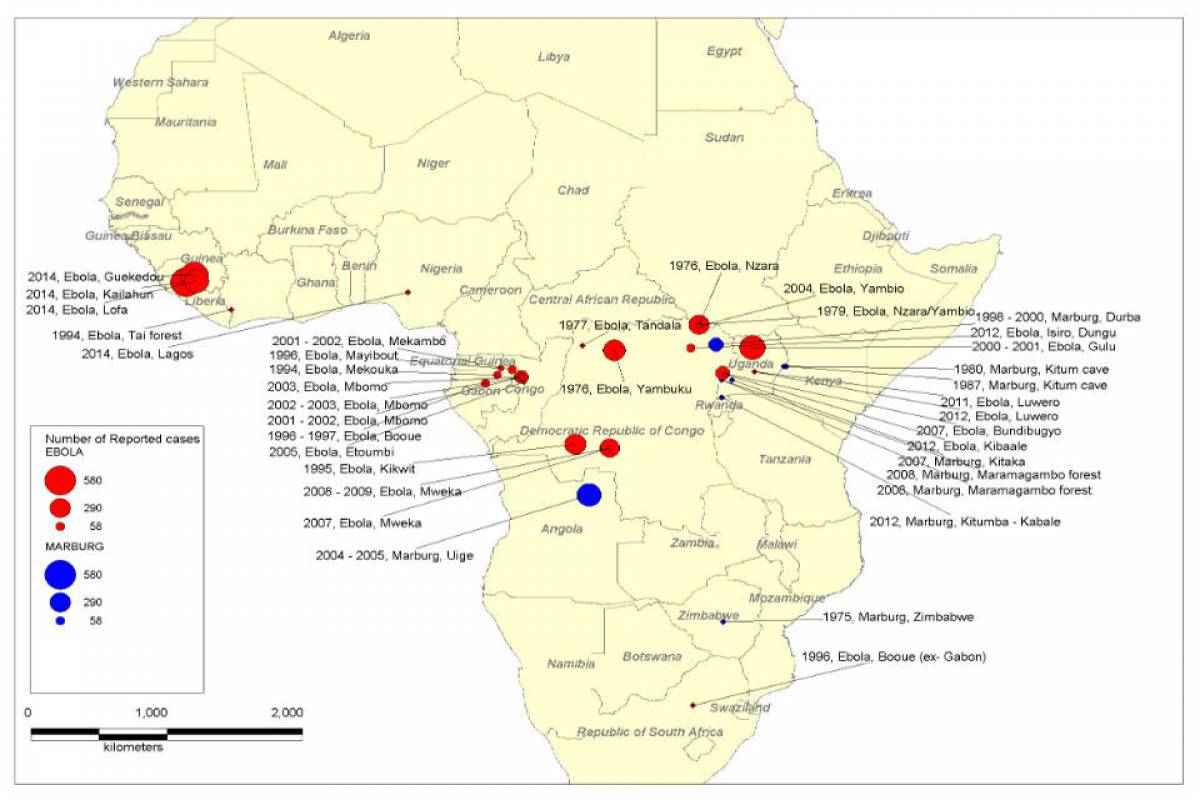
WHO Sudan ebola case map

The Sabin Vaccine Institute recently announced the launch of a Phase 2 clinical trial for its vaccine against Sudan ebolavirus at Makerere University Walter Reed Project (MUWRP) in Uganda.

This is a vital development as there are currently no approved vaccines for this strain of ebolavirus.

Based on the cAd3 platform, Sabin’s single-dose investigational Sudan ebolavirus vaccine was found to be promising in Phase 1 clinical and non-clinical studies. Results showed it to be safe while eliciting rapid and robust immune responses that lasted up to 12 months.

“We are delighted to advance a vaccine candidate that can thwart a deadly and devastating disease, especially one that caused a fairly recent outbreak and for which no approved treatments exist,” commented Amy Finan, Sabin’s Chief Executive Officer, in a press release on July 15, 2024.

“Sabin’s vaccine candidate is backed by strong safety and immunogenicity data, and we hope this trial will yield further evidence to move the vaccine closer to licensure.”

This is Sabin’s second Phase 2 clinical trial partnership with MUWRP, based in Uganda’s capital, Kampala. A Phase 2 trial for a Marburg vaccine is already underway, having recently completed enrollment. Initial results from the Marburg trial are expected later this year.

The most recent outbreak of Sudan ebolavirus occurred in Uganda in the fall of 2022. That outbreak ultimately resulted in 55 deaths.

Sabin’s vaccine candidate was the first to arrive in Uganda during that outbreak after the WHO included it as one of three vaccines for possible use in an outbreak trial. The outbreak ended before the vaccine was deployed.

In August 2019, Sabin announced agreements with GSK to advance the development of vaccines against the Zaire and Sudan ebolavirus and Marburg virus. The three candidate vaccines were initially developed collaboratively by the U.S. National Institutes of Health and Okairos, acquired by GSK in 2013. 

As of July 20, 2024, the U.S. FDA has approved Zaire Ebolavirus vaccines, which have been offered in Africa since 2019.

Jul 20, 2024 • 10:25 am CDT
US NCI 2024

According to a post on X, the Ministry of Health of the Republic of Belarus recently joined Bosnia and Herzegovina by authorizing a lung cancer vaccine.

On July 12, 2024, the Prensa Latina news agency reported that the CimaVax-EGF vaccine was the first patented and registered therapeutic vaccine against non-small-cell lung carcinoma (NSCLC).

CimaVax-EGF is a recombinant human EGF-rP64K/montanide ISA 51 vaccine that completed a phase 4 clinical trial for NSCLC in 2017 and is approved as a "maintenance treatment for patients with stage IIIB/IV NSCLC.

Developed by Cuba's Center of Molecular Immunology in 2011, the CimaVax-EGF vaccine has been deployed in Cuba and the South American countries of Colombia, Peru, and Paraguay.

This vaccine is not U.S. FDA-approved nor available to U.S. citizens.

However, a Phase 1/2 clinical trial sponsored by Roswell Park Cancer Institute is ongoing. This study says CIMAvax, combined with nivolumab or pembrolizumab, may better treat patients with NSCLC or squamous head and neck cancer.

The U.S. National Cancer Institute says each type of non-small cell lung cancer has different kinds of cancer cells. The cancer cells of each type grow and spread in various ways. The types of non-small cell lung cancer are named for the kinds of cells found in the cancer and how the cells look under a microscope.

Jul 18, 2024 • 10:00 am CDT
Services at Texas Operation Border Health Preparedness 2024

The Texas Department of State Health Services today announced it celebrates the 25th anniversary this month of the Operation Border Health Preparedness (OBHP) exercise, with no-cost health clinics planned at five different locations for South Texas residents to utilize.

These are essential services as Texas is currently reporting increases in diseases such as Dengue (16).

Services vary from location to location, so visit Services at OBHP 2024 or call 2-1-1 to confirm which services are offered in each specific area.

In 2023, OBHP provided 27,427 health services to 6,641 patients, including about 4,000 immunizations during the exercise.

“DSHS is extremely proud to celebrate this milestone with our partners and the communities that have embraced this exercise for a quarter of a century,” said DSHS Commissioner Jennifer Shuford, MD, MPH, in a press release on July 18, 2024.

“Services available to residents are extensive, and the experience gained by communities and emergency planners will help with disaster preparation and response in the future.”  

DSHS is partnering with OBHP in 2024 with Hidalgo County Health and Human Services, Cameron County Public Health, Willacy County, Starr County, Laredo Public Health, Texas Military Department, Texas State Guard, Texas A&M University, local nursing schools, and other nonprofit groups.

Jul 18, 2024 • 9:17 am CDT
Travel-associated chikungunya cases reported to ECDC, by place of infection, 2022

As the global Chikungunya outbreak continues in July 2024, a second vaccine may soon become available.

This is essential news since the World Health Organization recently confirmed the mosquito-borne viral Chikungunya virus was identified in nearly 115 countries in 2024, primarily in the Region of the Americas.

Bavarian Nordic A/S today announced that the European Medicines Agency (EMA) has validated the marketing authorization application (MAA) submitted in June 2024 for CHIKV VLP, the Company’s vaccine candidate for immunization to prevent disease caused by chikungunya virus infection in individuals 12 years of age and older.

Validation of the MAA begins the EMA’s centralized review procedure under accelerated assessment.

The accelerated assessment, granted by EMA’s Committee for Medicinal Products for Human Use in February 2024, aims to reduce the timeframe for the CHMP to review an MAA. This could support the European Commission's vaccine approval in the first half of 2025.

Bavarian Nordic also completed the submission of a Biologics License Application for the CHIKV VLP vaccine to the U.S. Food and Drug Administration (FDA) in June 2024, potentially also supporting the approval of the vaccine in the first half of 2025.

CHIKV VLP is an adjuvanted VLP-based vaccine candidate for active immunization to prevent disease caused by CHIKV infection.

“The MAA submission and review marks a pivotal milestone for Bavarian Nordic in 2024....,” said Paul Chaplin, President and CEO of Bavarian Nordic, in a press release on July 18, 2024.

In November 2023, the U.S. FDA approved Valneva SE's monovalent, single-dose, live-attenuated IXCHIQ® Chikungunya vaccine. It has been available in the U.S. since the beginning of 2024.


Jul 17, 2024 • 12:52 pm CDT
from Pixabay

According to an email from an Administration for Strategic Preparedness and Response spokesperson on July 15, 2024, the first H5N1 avian influenza vaccine doses are scheduled to roll off the line next week, with the remaining doses following through August 2024.'

Other steps besides filling and finishing the vaccine, such as policy and regulatory decisions, must occur before the vaccine is released for public use.

Avian influenza vaccination has not been recommended for any population segment, and the U.S. government continues to monitor the situation.

Currently, the CDC evaluates the overall risk to human health as low.

On June 27, 2024, the U.S. Centers for Disease Control and Prevention confirmed during its vaccine committee meeting that an avian vaccination program was inactive.

As of July 17, 2024, the U.S. and European (Finland) governments have approved various avian influenza vaccines and recently awarded millions of dollars in vaccine candidate development contracts. Previous U.S. FDA-approved avian vaccines have reported measurable side effects.

Jul 17, 2024 • 9:15 am CDT
by Mircea Iancu

Anixa Biosciences, Inc. today announced that its collaborator, Cleveland Clinic, has received a “Decision to Grant” notice from the Japan Patent Office for the patent application titled “Vaccine Adjuvants and Formulations.”

"This new Japanese patent extends the claims for this novel breast cancer vaccine technology to an additional geographic region, beyond the U.S. and European patents previously awarded," stated Anixa Chairman and CEO Dr. Amit Kumar in a press release on July 17, 2024.

Cleveland Clinic exclusively licensed this technology to Anixa Biosciences.

Cleveland Clinic researchers have identified a protein called alpha-lactalbumin that is present in healthy breast tissue only when a woman is lactating and disappears when she stops nursing her child.

Alpha-lactalbumin is never present on any other cell in the body. However, it does show up in many types of breast cancer, including an aggressive and deadly form of the disease known as Triple Negative Breast Cancer.

In addition, Cleveland Clinic researchers have identified that the extracellular domain of anti-Mullerian hormone receptor II (AMHR2-ED) is expressed in normal ovaries and nowhere else in the body, ceasing after menopause. However, this protein is also expressed in cancerous ovary cells.

By developing vaccines targeting alpha-lactalbumin and AMHR2-ED, the immune system can destroy breast and ovarian cancer cells, respectively, as they arise and ultimately prevent tumors from forming.

Following the positive clinical data seen in the breast cancer vaccine Phase 1 clinical trial, in collaboration with Cleveland Clinic, a cancer vaccine discovery program utilizing the same mechanism as breast and ovarian cancer vaccines to develop additional cancer vaccines to address many intractable cancers, including high-incidence malignancies in lung, colon, and prostate.

Jul 17, 2024 • 8:57 am CDT
by Tim Tersluisen

Diakonos Oncology Corporation announced that the U.S. Food and Drug Administration (FDA) has granted Fast Track designation for the company’s unique dendritic cell vaccine (DCV) for pancreatic ductal adenocarcinoma.

On July 15, 2024, the Houston-based company confirmed that DCVs are made with a patient’s dendritic cells and a tumor sample.

These highly differentiated double-loaded dendritic cell vaccines activate robust cytotoxic TH1 cell signaling pathways that initiate a natural immune response to target and eliminate cancer cells. This is achieved without any genetic modification of the patient’s immune cells, which greatly simplifies the manufacturing process and significantly reduces costs compared to leading cell therapy approaches.

“This second FDA Fast Track designation of our autologous dendritic cell vaccines for pancreatic cancer is another acknowledgment of the incredible potential of this innovative immunotherapy for treating the most deadly cancers,” said Mike Wicks, Diakonos CEO, in a press release.

Pancreatic ductal adenocarcinoma is the most common pancreatic cancer. In 2024, an estimated 51,750 people will die, and 66,440 will be newly diagnosed.

FDA Fast Track designation is intended to speed the development and review of drugs that show early clinical promise in treating severe or life-threatening conditions.

Jul 16, 2024 • 2:44 pm CDT
Canva Pixabay

During today's U.C. CDC Clinician Outreach and Communication Activity call, the presentation offered insights regarding the multi-year Highly Pathogenic Avian Influenza (HPAI) (H5N1) virus outbreak in the United States.

As of July 16, 2024, the HAPI virus is widespread among wild birds and continues to cause outbreaks in poultry and spillover to mammals, including dairy cattle.

To date, three human cases of HPAI A(H5N1) virus infection have been identified in dairy farm workers in the U.S.

The CDC team wrote, 'The risk to the public from HPAI A(H5N1) viruses is low. However, people with job-related or recreational exposure to infected birds or animals, including dairy cattle, are at greater risk of HPAI A(H5N1) virus infection.

As of July 2024, the U.S. government has invested hundreds of millions of dollars in funding avian influenza vaccines and clinical candidates that could be deployed during a pandemic.

Jul 16, 2024 • 11:38 am CDT
by Romeo Spalding

New data published by the World Health Organization (WHO) highlights brighter spots in global immunization coverage. On July 15, 2024, the WHO wrote the steady introduction of new and under-utilized vaccines, including vaccines targeting human papillomavirus (HPV), has produced positive results.

About 85% of people will get an HPV infection in their lifetime.

For example, the share of adolescent girls globally who received at least one dose of the HPV vaccine, which protects against cervical cancer, increased from 20% in 2022 to 27% in 2023.

The use of the single-dose HPV vaccine schedule also helped boost vaccine coverage.

Strong introductions in countries such as Bangladesh, Indonesia, and Nigeria primarily drove this increase.

However, HPV vaccine coverage is well below the 90% target to eliminate cervical cancer as a public health problem, reaching only 56% of adolescent girls in high-income countries and 23% in low- and middle-income countries. 

"The HPV vaccine is one of the most impactful vaccines in Gavi’s portfolio, and it is incredibly heartening that it is now reaching more girls than ever before,” said Dr. Sania Nishtar, CEO of Gavi, the Vaccine Alliance, in a WHO press release.

“With vaccines now available to over 50% of eligible girls in African countries, we have much work to be done, but today, we can see we have a clear pathway to eliminating this terrible disease.”

New insights suggest innovative marketing programs are needed to expand HPV vaccine uptake.

A recent poll of over 400,000 users of UNICEF’s digital platform for young people, U-Report, revealed that over 75% are unaware or unsure of what HPV is, underscoring the need for better vaccine accessibility and public awareness.

When informed about the virus, its link to cancers, and the existence of a vaccine, 52% of respondents indicated they want to receive the HPV vaccine but are hindered by financial constraints (41%) and lack of availability (34%).

As of July 2024, various HPV vaccines were available worldwide.

In the United States, the CDC recommends two doses of HPV vaccine for all adolescents at age 11 or 12 years.