Vaccine News

Vaccine news brought to you by Precision Vaccinations.

Aug 5, 2024 • 11:56 am CDT
US CDC Vallery Fever trend chart 2023

Visiting areas where Valley Fever is common can put any mammal at risk of infection from breathing in fungal spores. Over the past decade, Valley Fever fungus (coccidioidomycosis) has sickened thousands of healthy people.

This fungus is found in regions like the southwestern United States, Mexico, and Central and South America.

In 2022, U.S. states reported a total of 17,612 cases of Valley Fever to the Centers for Disease Control and Prevention.

To address this health risk, Anivive Lifesciences Inc. recently announced that the National Institute of Allergy and Infectious Diseases (NIAID has awarded (#75N93024C00009) worth up to $33M to support the development of a Valley Fever preventive vaccine.

The funding will address enabling activities, including additional manufacturing, formulation, extensive safety testing, and an IND submission, before completing a human Phase 1 clinical trial.

"Anivive is honored to receive this NIAID contract, which will greatly accelerate our efforts to commercialize a vaccine to protect people against Valley Fever," said Dr. Edward Robb, Anivive Lifesciences Chief Strategy Officer and Principal Investigator, in a press release on August 2, 2024.

"This collaborative effort has delivered a significant step forward in the field of vaccinology and holds the potential to be the first vaccine to prevent a serious systemic fungal infection common to humans and animals," said Robb.

As of August 5, 2024, details of the phase 1 study were pending.

Additionally, this program is supported by Valley Fever Center for Excellence at the University of Arizona College of Medicine for the non-clinical development, Recipharm for the contract manufacturing, Quigley BioPharma for vaccine development support, and Latham BioPharm Group, part of Sia Partners for the program management, financial compliance, quality assurance, and additional technical subject matter expertise.

Aug 4, 2024 • 5:44 am CDT
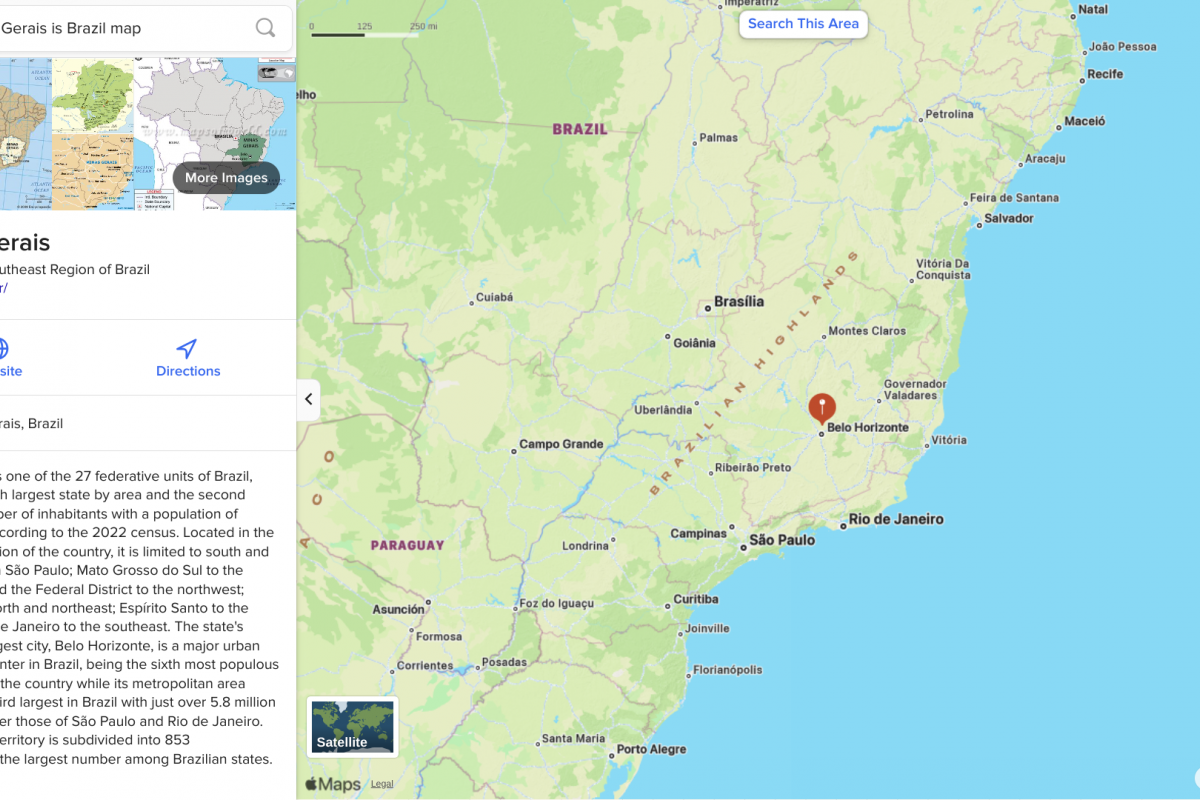
PAHO Yellow Fever case map July 2024

The Pan American Health Organization (PAHO) says countries in the Region of the Americas need to ensure that yellow fever vaccination coverage is uniformly greater than or equal to 95% to curtail future outbreaks.

Unfortunately, 33 confirmed cases of yellow fever, including 17 deaths, have been reported in the Americas throughout 2024. These cases have been reported in five countries in the Region of the Americas: the Plurinational State of Bolivia, Brazil, Colombia, Guyana, and Peru. 

The PAHO confirmed on July 29, 2024, that these countries need to ensure that health authorities maintain routine vaccination and, at the same time, respond to possible outbreaks, such as in Columbia's mountain region.

Eight confirmed cases of yellow fever, including five deaths, have been reported in Columbia this year. One case had a history of vaccination against yellow fever.

From a local perspective, the Secretary of Health of Huila, Colombia, issued a Red Alert for rising numbers of confirmed yellow fever cases on August 2, 2024.

The U.S. Embassy says travelers planning to travel to this area of Colombia are encouraged to talk to their medical provider about proper precautions against this mosquito transmission and to prevent infection, such as vaccination.

As of August 2024, approved yellow fever vaccines are offered in various countries. In the United States, the YF-Vax vaccine is available at certified travel clinics and pharmacies.

The U.S. CDC recommends yellow fever vaccination for persons over nine months traveling to or living in areas of South America and Africa at risk of yellow fever. Because serious adverse events occur, clinicians should vaccinate only persons at risk for exposure to the yellow fever virus or require proof of vaccination for country entry.

Aug 3, 2024 • 10:40 am CDT
African CDC Mpox Outbreak Map July 2024

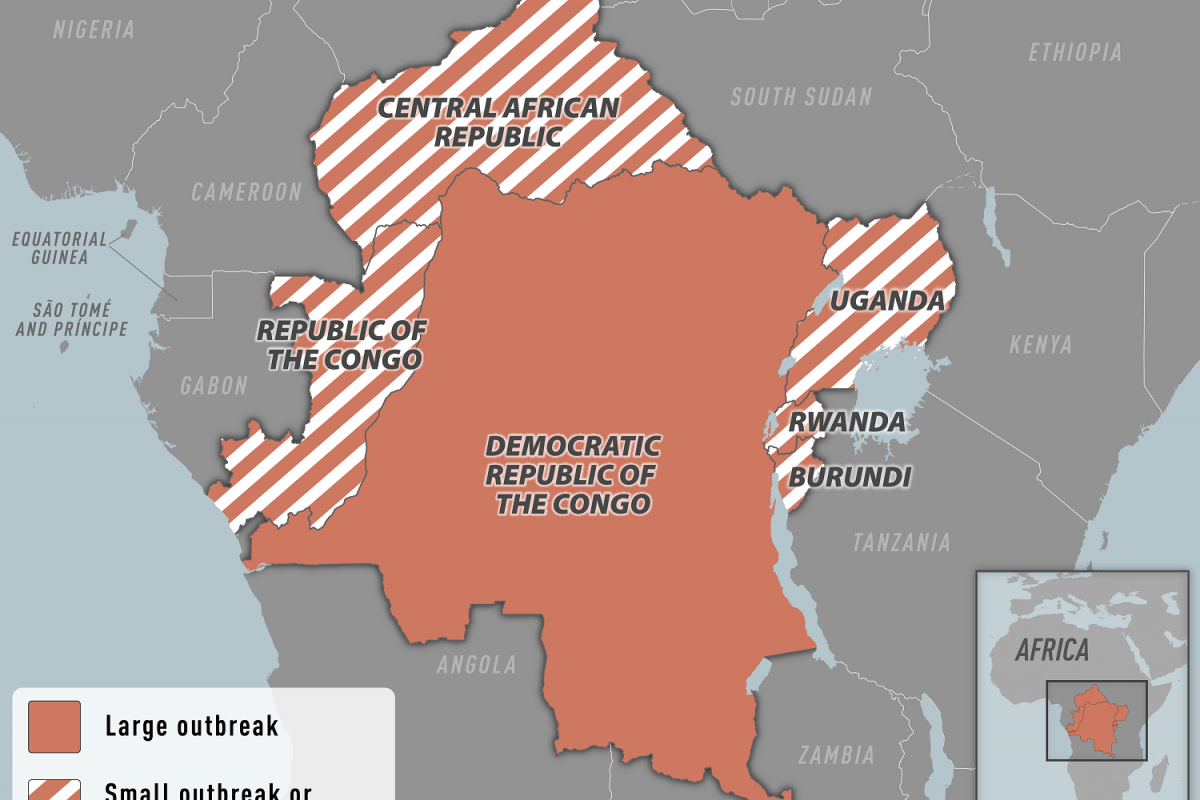
The Africa Centers for Disease Control and Prevention (Africa CDC) has recently confirmed a 160% increase in mpox cases in Africa this year.

As of July 28, 2024, a total of 14,250 cases and 456 deaths (case fatality rate 3.2%) have been recorded in 10 African nations.

While the Democratic Republic of the Congo has reported the most cases in 2024, several other African countries, including Kenya, Cote d’Ivoire, and the Central African Republic, have reported new mpox outbreaks.

"While mpox is moderately transmissible and usually self-limiting, the case fatality rate has been much higher on the African continent compared to the rest of the world,” the Africa CDC wrote.

On June 27, 2024, the U.S. CDC provided a Mpox Update: Clinical Management and Outbreaks. The CDC recommends that people at high risk for this sexually transmitted disease should speak with a healthcare provider about vaccination options.

Since May 2022, the CDC has endorsed the use of Bavarian Nordic's JYNNEOS® (MVA-BN®, IMVAMUNE®, IMVANEX®) two-dose, mpox, and smallpox vaccine, which remains available at clinics and pharmacies in the U.S.

Aug 3, 2024 • 10:22 am CDT
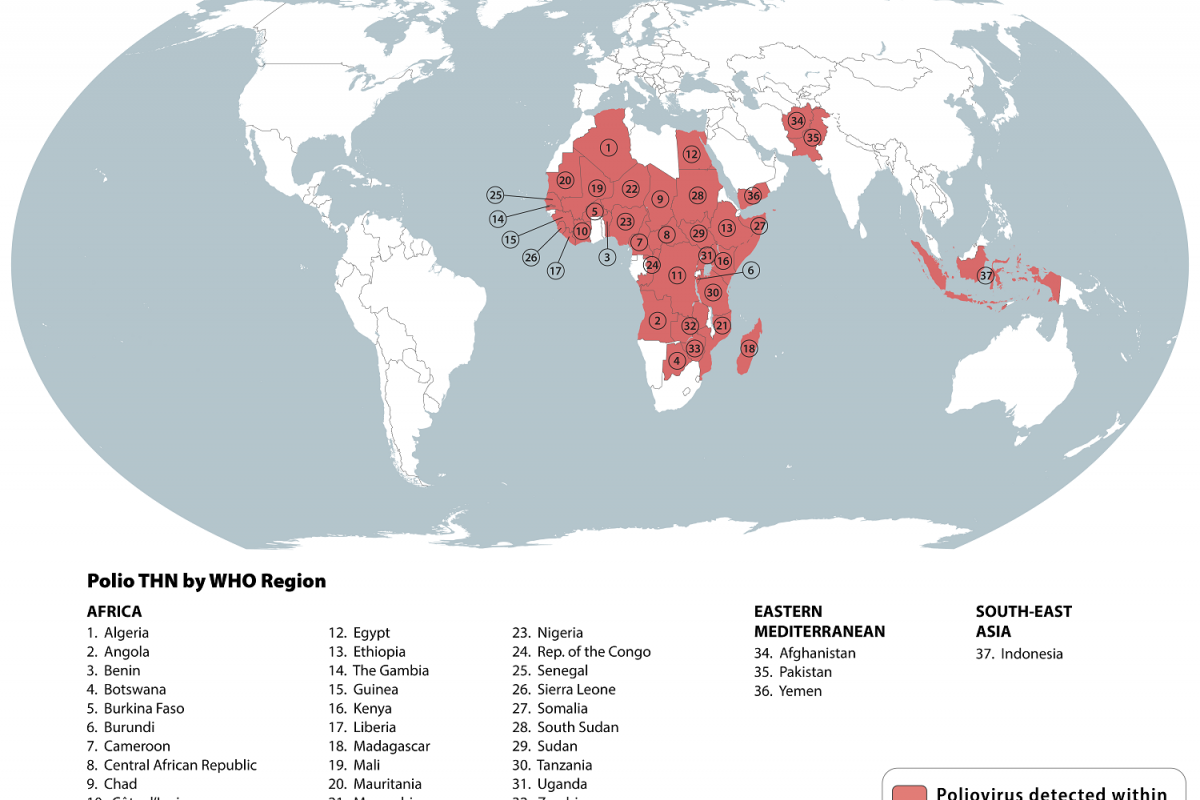
US CDC Polio Travel Advisory May 2024

To eradicate polio, the Global Polio Eradication Initiative brings together the latest scientific knowledge on this vaccine-preventable disease. In late July 2024, the GPEI launched Team End Polio, a new campaign to unite fans everywhere around a common goal: to end polio for good.

Team End Polio is bringing together a world-class roster of athletes, global leaders, and advocates to raise awareness for polio eradication online and on the field.

This effect is essential since the risk of the emergence of a circulating vaccine-derived poliovirus type 1 (cVDPV1), Wild poliovirus type 1 (WPV1), or circulating vaccine-derived poliovirus type 3 (cVDPV3) has increased due to low vaccination coverage.

The GPEI also tracks the status of the poliovirus spreading every week. During the week of July 31, 2024, the following poliovirus reports were confirmed:

Pakistan: 11 WPV1-positive environmental samples

Chad: one cVDPV2 case and one positive environmental sample

Guinea: one cVDPV2 case

Liberia: two cVDPV2 positive environmental samples

Niger: three cVDPV2 positive environmental samples

Nigeria: six cVDPV2 cases and three positive environmental samples

Palestinian Territory: six cVDPV2 positive environmental samples

Sierra Leone: one cVDPV2 positive environmental sample

Yemen: one cVDPV2 case

The U.S. CDC's latest Travel Health Advisory says that before visiting any of 34 destinations, adults who have previously completed the full, routine polio vaccine series may receive a single, lifetime booster dose of the polio vaccine. Polio vaccines are offered at health clinics and pharmacies in the U.S.

Aug 2, 2024 • 10:38 am CDT
US CDC Chikungunya case map 2024

Throughout 2024, chikungunya virus disease cases have been reported in the United States, primarily in international travelers returning from endemic areas in the Region of the Americas.

In the U.S., the Centers for Disease Control and Prevention (CDC) reported 52 travel-related cases this year.

As of August 2, 2024, the Pan American Health Organization (PAHO) reported 366,186 chikungunya cases. This data reflects a surge in cases compared with 411,000 for all of 2023.

From a prevention perspective, the CDC has issued recommendations for the only approved chikungunya vaccine.

In February 2024, the CDC's vaccine committee reviewed the protection offered by Valneva SE's IXCHIQ® vaccine. The CDC presented:

Short-term protection (28 days after vaccination) – 98% (611 of 622) combined seroresponse rate from two studies.

Long-term protection (12 months after vaccination) – 99% (356 of 360) seroresponse rate from one study.

IXCHIQ is available at select travel clinics and pharmacies in the U.S. and for adults in Canada and Europe. 

Aug 2, 2024 • 7:46 am CDT
from Pixabay

The results of the PrEPVacc HIV vaccine trial conducted in Africa between 2020 and 2024 show conclusively that neither of the two experimental vaccine regimens tested reduced HIV infections among the study population.

The PrEPVacc vaccine trial results, announced at AIDS 2024 in Germany in July 2024, report more infections in the two vaccine arms than in the placebo arms. Still, the researchers say they cannot draw a definitive conclusion about this because the statistical ‘confidence intervals’ for the comparison are so wide, indicating high uncertainty.

PrEPVacc tested two different combinations of HIV vaccines.

One regimen combined a DNA vaccine (DNA-HIV-PT123) with a protein vaccine (AIDSVAX B/E), and the other combined the same DNA vaccine, a modified non-dividing virus vector (MVA-CMDR), and a protein-based vaccine (CN54gp140).

The vaccination schedule included four vaccine injection visits: three over approximately six months and a fourth a year after enrolment. 

The PrEPVacc trial was stopped in November 2023 when it became clear to independent experts monitoring the study data that there was little or no chance of the vaccines demonstrating efficacy in preventing HIV acquisition.

Dr Peter Gilbert, Principal Investigator, who is independent of the PrEPVacc study and has no ties with it, commented in a press release on July 23, 2024, “Given the PrEPVacc results that the estimated rates of HIV-1 acquisition were higher in the vaccine arms than the placebo arm, it is important to thoroughly quantify and communicate the precision available for drawing inferences about whether the vaccines truly elevated risk or, alternatively, a statistical fluke occurred and the vaccines were indeed safe."

"P-values are incomplete tools for this task because they cannot be interpreted in terms of the question, ‘What is the chance the vaccine elevated the acquisition rate?’

“To fill this gap, I conducted a Bayesian analysis that provides answers to this desired interpretation, using the same method that I previously applied to other HIV vaccine efficacy trials."

"The result was that, for each vaccine, there is close to a 50-50 chance that the vaccine elevated acquisition risk vs. the vaccine was safe, as a synthesis of results over multiple ways to do the analysis, most importantly considering different prior distributions for vaccine efficacy," added Dr. Gilbert.

As of August 2, 2024, the U.S. FDA has approved an HIV vaccine.

Aug 2, 2024 • 4:59 am CDT
from Pixabay

The Coalition for Epidemic Preparedness Innovations (CEPI) and the World Health Organization (WHO) today called on researchers and governments to strengthen and accelerate global research to prepare for the next pandemic.

They emphasized the importance of expanding research to encompass entire families of pathogens that can infect humans–regardless of their perceived pandemic risk–and focusing on individual pathogens.

The report’s authors likened its updated recommendation to imagining scientists as individuals searching for lost keys on the street (the next pandemic pathogen).

The area illuminated by the streetlight represents well-studied pathogens with known pandemic potential. By researching prototype pathogens, we can expand the lighted area and gain knowledge and understanding of pathogen families that might be in the dark.

The dark spaces in this metaphor include many regions of the world, particularly resource-scarce settings with high biodiversity, which are still under-monitored and understudied. These places might harbor novel pathogens but lack the infrastructure and resources to conduct comprehensive research.

“WHO’s scientific framework for epidemic and pandemic research preparedness is a vital shift in how the world approaches countermeasure development and one that CEPI strongly supports.... this framework will help steer and coordinate research into entire pathogen families, a strategy that aims to bolster the world’s ability to swiftly respond to unforeseen variants, emerging pathogens, zoonotic spillover, and unknown threats referred to as pathogen X”, said Dr Richard Hatchett, CEO of CEPI, in a press release on August 1, 2024.

The prioritization work underpinning the report involved over 200 scientists from more than 50 countries, who evaluated the science and evidence on 28 virus families and one core group of bacteria, encompassing 1652 pathogens.

Aug 2, 2024 • 4:54 am CDT
by Brian Merrill

Although immunization can dramatically reduce the mortality and morbidity associated with vaccine-preventable diseases, uptake remains suboptimal worldwide.

A systematic review and meta-analysis of strategies to promote vaccination uptake was recently published in Nature Human Behaviour. The review analyzed the results of 88 eligible randomized-controlled trials testing interventions from 17 countries.

Published on August 1, 2024, the researchers considered seven vaccine intervention strategies: increasing access to vaccination, sending vaccination reminders, providing incentives (e.g., money), supplying information, correcting misinformation, promoting active and passive motivation, and teaching behavioral skills.

“Public health officials often say that ensuring vaccine access is the first step to promoting immunization,” said co-author Dolores Albarracín, the Amy Gutmann Penn Integrates Knowledge University Professor at the University of Pennsylvania, in a press release.

“Our meta-analysis provides hard evidence supporting this recommendation and indicates that this should be a priority in under-resourced areas with limited access to health care.

Interventions to increase access to vaccines included offering transportation assistance or bringing vaccines to recipients at sites like nursing homes, family homes, and workplaces.

There was also a small effect of promoting financial incentives for healthcare providers.

For example, a U.S. study achieved an 85% influenza vaccination rate when physicians were reimbursed $1.60 per dose, compared with a 70% vaccination rate when they were reimbursed $0.80 per dose.

However, the effects of incentives were quite small in both this U.S. study and the estimates from the meta-analysis.

Aug 1, 2024 • 4:44 am CDT
by Mohamed Hassan

A seldom-discussed diarrheal disease that affects millions of children and adults may soon have a preventive vaccine available. Furthermore, the World Health Organization has identified Shigella prevention as a priority.

LimmaTech Biologics AG today announced that it entered into a strategic partnership and exclusive licensing agreement with Valneva SE for the development, manufacturing, and commercialization of Shigella4V (S4V), a tetravalent bioconjugate vaccine candidate against Shigellosis.

As of August 1, 2024, no approved Shigella vaccine is available.

However, the global market opportunity for a vaccine against Shigella is estimated to exceed $500 million annually.

Shigellosis, caused by Shigella bacteria, is the second leading cause of fatal diarrheal disease worldwide. It is estimated that up to 165 million cases of disease and an estimated 600,000 deaths are attributed to Shigella each year.

Moreover, Shigellosis affects international travelers and military personnel in endemic regions.

Under the terms of the agreement with Valneva, LimmaTech confirmed it will receive an upfront payment of €10 million ($10.8m) and be eligible to receive additional regulatory, development, and sales-based milestone payments as well as low double-digit royalties on sales.

LimmaTech will be responsible for conducting a Phase 2 Controlled Human Infection Model and a Phase 2 pediatric study. Both clinical trials are expected to begin in the second half of 2024.

Dr. Franz-Werner Haas, LimmaTech's Chief Executive Officer, said in a press release, “Having developed the S4V Shigella vaccine candidate from its early discovery phase to the promising clinical data we have achieved to date, we are excited to accelerate the program with our partnership with Valneva."

"This agreement underscores our capabilities to leverage LimmaTech’s proficiency in vaccine development with the best path to develop programs rapidly."

LimmaTech initiated the tetravalent Shigella vaccine candidate and continued to lead its development as part of its ongoing collaboration with GSK. Later, it in-licensed the vaccine candidate from GSK.

In February 2024, LimmaTech reported positive interim Phase 1/2 data for the S4V vaccine candidate, including a favorable safety and tolerability profile and robust data on immunogenicity against the four most common pathogenic Shigella serotypes: S. flexneri 2a, 3a, 6, and S. sonnei4.

LimmaTech Biologics AG LimmaTech Biologics is at the forefront of combating the global antimicrobial resistance epidemic based on its unparalleled track record in vaccine technology and clinical candidate development. The company is leveraging its proprietary self-adjuvanting and multi-antigen vaccine platform alongside additional disease-specific vaccine approaches to prevent increasingly untreatable microbial infections.

Jul 31, 2024 • 9:48 am CDT
by Mircea Iancu

GSK plc today announced that its market-leading herpes zoster vaccine, Shingrix®, produced £0.8 billion in sales during the second quarter of 2024, which is 4% less than the previous period.

On July 31, 2024, GSK revealed that Shingrix sales did increase YTD.

In the United States, sales in the quarter decreased by 36% at AER and CER, reflecting channel inventory reductions and changes in retail vaccine prioritization in part due to a transition to a new CMS rule that changed how pharmacies process reimbursements from payers.

In addition, lower demand in the U.S. was driven by challenges activating harder-to-reach consumers, which remains a priority.

At the end of Q1 2024, the cumulative immunization penetration rate reached 37% of the more than 120 million adults currently recommended by the U.S. CDC to receive Shingrix.

Internationally, Shingrix sales grew significantly in the quarter and YTD.

Markets outside the U.S. now represent 64% of Q2 2024 global sales (Q2 2023: 46%), with Shingrix launched in 45 countries. The majority of these markets have average cumulative immunization rates below 5%

This increase was driven by a national immunization program in Australia, regional funding in Japan, and supply to co-promotion partners in China, despite phasing some expected sales into Q3.

In Europe, Shingrix grew in the quarter and YTD from expanded public funding, partly offset by declining demand in Germany.

Shingles is a painful skin rash caused by reactivation of the varicella-zoster virus, which causes chickenpox, says the U.S. CDC. If you've had chickenpox, you are at risk for shingles. This long-lasting pain is called postherpetic neuralgia (PHN), the most common complication of shingles.

The CDC says the risk of getting shingles and PHN increases as people age.


Jul 31, 2024 • 3:31 am CDT
GPEI polio case map July 23, 2024

Biological E. Limited (BE) today announced that the World Health Organisation (WHO) has granted Pre-qualification (PQ) status to their Novel Oral Polio Vaccine type 2 (nOPV2).

In collaboration with PT Bio Farma (PTB) in Indonesia, the first manufacturer of the nOPV2 vaccine to receive WHO Pre-Qualification in January 2024, BE has successfully received technology from PTB and qualified to produce more than 500 million doses of nOPV2 vaccine annually.

As of July 2024, over 1 billion nOPV2 vaccine doses have been administered.

BE has been approved by the Indian regulatory authorities to manufacture the vaccine for export purposes.

This next-generation live, attenuated oral polio vaccine significantly reduces the risk of circulating vaccine-derived Poliovirus type 2 (cVDPV2) outbreaks, which continues in various countries in 2024.

With its improved genetic stability, nOPV2 has a significantly decreased chance of seeding new outbreaks in low-immunity environments.

Furthermore, nOPV2's real-world deployment in outbreak regions has shown that it can significantly decrease the incidence of cVDPV2 outbreaks, safeguarding communities from the ravages of polio.

Ms. Mahima Datla, Managing Director, BE, said in a press release on July 30, 2024, "This vaccine has been specifically designed to address concerns about Vaccine-Associated Paralytic Polio, which has occurred in approximately 2 to 4 cases per million births with the traditional oral vaccine due to the vaccine virus reverting to a virulent form."

Ms. Datla further expressed BE's gratitude for the collaboration with PTB and the support of a grant from the Gates Foundation, “The significance of this milestone extends beyond scientific achievement; it represents a beacon of hope for millions of children and families around the globe."

Since 2000, the IPV vaccine has been available in the U.S.

In late 2023, the U.S. CDC published updated recommendations for using the IPV vaccine. Fully vaccinated adults at increased risk for poliovirus exposure may receive a single lifetime booster dose of IPV.

BE is a Hyderabad-based Pharmaceuticals & Biologics Company founded in 1953 and is the first private-sector biological products company in India.

Jul 30, 2024 • 1:18 pm CDT
by Gerd Altmann

Merck today announced financial results for the second quarter of 2024 were $16.1 Billion, an increase of 7% from the same period in 2023.

In the cancer prevention market segment, Merck's Human papillomavirus (HPV) vaccines reported sales increases. 

The 4% growth in the GARDSAIL/GARDASIl 9 HPV vaccines was primarily due to higher sales in the U.S., driven by higher pricing, demand, public-sector buying patterns, and higher demand in certain ex-U.S. markets.

The growth was largely offset by lower sales in China due to the timing of shipments compared with the prior year.

“Our business is demonstrating strong momentum as we exit the first half of the year,” said Robert M. Davis, chairman and chief executive officer of Merck, in a press release on July 30, 2024.

“Through excellent scientific, commercial, and operational execution, we’re achieving significant milestones for our company and patients, including the launch of WINREVAIR. I am proud of our dedicated teams around the world that are working tirelessly to advance our deep pipeline as we continue delivering innovation that solves unmet medical needs.”

According to the U.S. CDC, there is an increasing rate of STDs. For example, people 55 and older reported a significant increase in HPV diagnoses.

'Almost every unvaccinated person who is sexually active will get HPV at some time in their life. About 13 million Americans, including teens, become infected with HPV each year. Most HPV infections will go away on their own. But infections that don’t go away can cause certain types of cancer.'

Merck's HPV vaccines are generally available at medical clinics and pharmacies in the United States.

Jul 30, 2024 • 10:28 am CDT
US NIH 2024

BioNTech SE today announced positive topline data from the ongoing Phase 2 clinical trial in patients with unresectable stage III or IV melanoma whose disease had progressed following anti-PD-(L)1-containing treatment.

The randomized trial evaluates the clinical activity and safety of the investigational mRNA cancer immunotherapy BNT111 in combination with Libtayo® (cemiplimab), an anti-PD-1 monoclonal antibody being developed by Regeneron, and assesses the two single agents alone.

The trial met its primary efficacy outcome measure, demonstrating a statistically significant improvement in the overall response rate in patients treated with BNT111 in combination with cemiplimab as compared to historical control in this indication and treatment setting.

Both randomized monotherapy arms showed clinical activity. The ORR in the cemiplimab monotherapy arm was in line with the historical control of anti-PD-(L)1 or anti-CTLA-4 treatments in this patient group.

The treatment was well tolerated and the safety profile of BNT111 in combination with cemiplimab in this trial was consistent with previous clinical trials assessing BNT111 in combination with anti-PD-(L)1-containing treatments.

The Phase 2 trial will continue as planned to assess further the secondary endpoints, which were not mature at the time of the primary analysis.

“These Phase 2 results mark a significant step towards our vision of personalized cancer medicine. We envision mRNA as a centerpiece in future treatment paradigms for cancer, helping to address unmet medical needs, such as for patients with anti-PD-(L)1 refractory or resistant melanoma,” said Prof. Özlem Türeci, M.D., Chief Medical Officer and Co-Founder at BioNTech, in a press release on July 30, 2024.

“These data are a proof of concept for us in three dimensions: First, for our decade-long improved mRNA cancer vaccine technology that uses uridine mRNA chemistry, a non-coding backbone engineered for optimal translational performance, and our proprietary lipoplex formulation for delivery."

"Second, for our computational approaches for selecting suitable tumor antigens for our cancer indication-specific FixVac platform candidates."

"Third, for our strategy to combine synergistic modalities, in this case BNT111, with an established immune checkpoint treatment.”

BNT111 is based on BioNTech’s fully owned FixVac platform that utilizes a fixed combination of four mRNA-encoded, tumor-associated antigens designed to trigger an innate and tumor-antigen-specific immune response against cancer cells expressing one or more of the respective tumor antigens. 

The BNT111 program received a Fast Track designation and an Orphan Drug designation from the U.S. Food and Drug Administration in 2021.

Jul 29, 2024 • 3:15 pm CDT
US CDC Mpox case weekly trends 2024

A clinical trial due to launch in the Democratic Republic of Congo (DRC) and other African countries will assess whether a mpox vaccine can protect people against the disease after they have come into contact with the virus. 

As of July 29, 2024, the phase 4 clinical trial (#NCT05745987) has received US $4.9 million to see if Bavarian Nordic’s MVA-BN® (JYNNEOS®, IMVAMUNE®, IMVANEX®)) mpox vaccine could reduce the risk of secondary mpox cases, or if a person contracts mpox, it could reduce the severity of illness.

CEPI stated in a press release that the evidence generated could be crucial in shaping mpox vaccination strategies to help tackle a significant and deadly mpox outbreak escalating in the DRC and neighboring countries. Over 11,000 cases and 443 deaths have been reported in the DRC in 2024, with children accounting for the majority of infections and deaths.

Mpox was first identified in the DRC in 1970. The mpox virus strain behind the current outbreak is known as Clade I. Spread through direct contact, and it is estimated to be fatal in around 8-12% of cases.

Health experts have also noted concern for a strain known as Clade Ib that is fast-spreading in eastern DRC regions, including Kamituga, South Kivu. This mpox strain appears to be spread through both sexual transmission and skin-to-skin contact.

In the United States, the JYNNEOS vaccine was approved for smallpox prevention in 2019 and has been readily available for mpox since May 2022. As the number of mpox cases dwindled in 2024, vaccinations decreased.

Jul 29, 2024 • 10:50 am CDT
from Pixabay

GSK plc today announced that the European Medicines Agency’s Committee for Medicinal Products for Human Use (CHMP) has recommended expanding the approval of GSK’s respiratory syncytial virus (RSV) vaccine Arexvy for the prevention of lower respiratory tract disease (LRTD) caused by RSV from adults aged 60 and above to include adults aged 50-59 years at increased risk for RSV disease.    

GSK said in a press release on July 29, 2024, that today’s positive opinion is the first time that CHMP has recommended an indication for adults aged 50-59 for an RSV vaccine. The European Commission’s final decision is expected by September 2024. 

The U.S. FDA approved Arexvy for adults aged 50-59 at increased risk of RSV in June 2024.

Since June 2023, Arexvy has been approved in Europe for adults aged 60 and over to prevent RSV-LRTD. 

GSK has also filed regulatory submissions to expand the use of its RSV vaccine to adults aged 50-59 at increased risk in Japan and other geographies, with regulatory decisions undergoing review.

Trials evaluating the immunogenicity and safety of the vaccine in adults aged 18-49 at increased risk due to certain underlying medical conditions and in immunocompromised adults aged 18 and over are expected to read out in H2 2024.   

Adults with underlying medical conditions, such as chronic obstructive pulmonary disease, asthma, heart failure, and diabetes, are at increased risk for severe consequences from an RSV infection. RSV can exacerbate these conditions and lead to pneumonia, hospitalization, or death.

In the United States, three approved RSV vaccines are available in July 2024.