Travel Vaccine Breaking News

Travel vaccine breaking news brought to you by Vax Before Travel.

Jun 18, 2024 • 10:36 am CDT
from Pixabay

Recce Pharmaceuticals Ltd. today announced that its primary anti-infective candidate, RECCE® 327 (R327), was added to the World Health Organization's (WHO) report on Antibacterial Agents in Clinical Development and Preclinical Development.

The updated WHO report covers traditional and non-traditional antibacterial agents in development worldwide and evaluates to what extent the present pipeline addresses infections caused by priority pathogens.

R327 has been defined by the WHO as an ATP production disruptor and is the only compound under this category.

When targeted as the main mechanism of action, not secondary to other cell perturbation mechanisms, disruption of ATP production in bacterial cells has the potential to confer activity against both Gram-positive and Gram-negative pathogens.

Recce Pharmaceuticals CEO James Graham commented in a June 18, 2024, press release, "We are pleased that R327 has been included in the list of antibacterial products aimed at tackling the urgent global health threat posed by antibiotic resistance."

"There is a demand for new antibiotic therapies, and this report further showcases R327's potential as a novel treatment for a broad range of life-threatening and resistant bacteria."

Recce's anti-infective pipeline aims to address synergistic, unmet medical needs, such as urinary tract infections (UTIs).

UTIs are among the most common infectious diseases in the pediatric, female, and male populations. 

The company anticipates releasing data in 2024 that is expected to pave the way for a Phase II UTI/Urosepsis efficacy trial, potentially establishing R327 as a frontline UTI treatment. 

Jun 18, 2024 • 6:51 am CDT
from Pixabay

Clover Biopharmaceuticals, Ltd. today announced positive preliminary immunogenicity and safety data in the older adult cohort from its Phase 1 clinical trial evaluating SCB-1019, the company's bivalent RSV prefusion-stabilized F (PreF)-Trimer subunit vaccine candidate, which is based on Clover's Trimer-Tag vaccine technology platform.

Results indicate that SCB-1019 could potentially have a differentiated and favorable safety and reactogenicity profile compared to currently approved oil-in-water adjuvanted4 and/or mRNA5-based RSV vaccines.

"As the first RSV PreF vaccine candidate developed in China to enter the clinical trial stage and generate clinical data, SCB-1019 .... demonstrate broad and significant neutralizing antibody responses against both RSV-A and RSV-B as well as a favorable tolerability profile," said Joshua Liang, Chief Executive Officer & Board Director of Clover, in a press release on June 18, 2024.

"We look forward to the full clinical readout by the end of 2024 to support further development and strengthen our potentially differentiated profile for markets globally."

Preliminary results for RSV-neutralizing antibodies (nAbs) and safety for SCB-1019 at the selected dose level are summarized below:

Immunogenicity Results:

RSV-A nAbs: SCB-1019 induced geometric mean titers (GMTs) in RSV-A nAbs of up to 7,906 IU/mL compared to 1,078 IU/mL for placebo at Day 28.

RSV-B nAbs: SCB-1019 induced GMTs in RSV-B nAbs of up to 46,674 IU/mL compared to 12,185 IU/mL for placebo at Day 28.

Geometric Mean Fold Rise (GMFR): High baseline nAb titers at Day 0 (pre-vaccination), especially to RSV-B, were observed, potentially reflecting recent outbreaks near the clinical trial sites.

Thus, sub-analysis in subjects with the lowest quartile baseline nAb titers was performed: GMFRs for SCB-1019 were up to 8-fold for RSV-A nAbs and 11-fold for RSV-B nAbs at Day 28 compared to Day 0 (pre-vaccination). No increases in RSV-A or RSV-B nAbs were observed for the placebo on Day 28.

nAb results across both RSV-A and RSV-B appear to be in line or potentially favorable compared to other protein subunit RSV PreF vaccines.

Given that other monovalent RSV-A vaccines have previously observed lower immune responses and/or efficacy against RSV-B, we continue to support Clover's bivalent RSV-A/B approach, wrote the company.

Results further confirm that Clover's PreF antigens in SCB-1019 are in the stabilized prefusion and trimeric fo. This is additionally supported by exploratory immunogenicity results demonstrating significant increases in Site Ø and Site V nAb-competitive titers.

Safety & Reactogenicity Results: SCB-1019 was generally well-tolerated. Local and systemic adverse events (AEs) were generally mild and comparable to saline placebo. No serious adverse events, adverse events of special interest, or AEs leading to discontinuation were observed.

These preliminary results in older adults & elderly cohort (aged 60-85) are consistent with the positive results in younger adults (aged 18-59) announced earlier this year. 

As of June 18, 2024, the U.S. FDA has approved three RSV vaccines and one monoclonal antibody (Beyfortus) for infants for the 2024-2025 RSV season.

Jun 17, 2024 • 5:05 pm CDT
ECDC chikungunya case map 2024

Bavarian Nordic A/S today announced the completion of the rolling submission process with the U.S. Food and Drug Administration (FDA) for a Biologics License Application (BLA) for the licensure of its CHIKV VLP vaccine candidate for immunization against chikungunya virus infection in individuals 12 years of age and older.

CHIKV VLP is an adjuvanted VLP-based vaccine candidate for active immunization against chikungunya disease. 

Initiated in April 2024, with acceptance from the FDA, the BLA could support a potential vaccine approval in the first half of 2025. 

Bavarian Nordic also intends to submit a Marketing Authorisation Application (MAA) with the European Medicines Agency (EMA) by the end of the first half of 2024. The MAA has already been granted accelerated assessment, which means the CHIKV VLP vaccine could obtain approval from the European Commission in the first half of 2025.

“The completion of the BLA submission marks a significant milestone in the development of our CHIKV VLP vaccine and represents an important contribution to the development of preventative solutions for individuals 12 years of age and older at risk of chikungunya virus from bites by infected mosquitos. With the near-term anticipated MAA submission to EMA, we are looking towards potential approval of the vaccine in the first half of 2025 and subsequent launch in both the U.S. and E.U.,” said Paul Chaplin, President and CEO of Bavarian Nordic, in a press release on June 17, 2024.

In the United States, the FDA has approved one chikungunya vaccine.

Chikungunya is a mosquito-borne viral disease that causes fever and severe joint pain. The World Health Organization (WHO) says the disease was first recognized in 1952. It is a ribonucleic acid virus belonging to the alphavirus genus of the family Togaviridae.

The WHO says chikungunya outbreaks have been identified in nearly 115 countries, primarily in the Region of the Americas. Most chikungunya cases in the contentital USA are travel related.

Jun 17, 2024 • 10:05 am CDT
by Gerd Altmann

Today's dynamic digital vaccine news typically involves fact-checking by trusted third parties, but it rarely includes a manufacturer openly responding to a potentially biased article.

Recently, the news industry has been challenged in its ability to comprehend vaccine-related clinical trials and technical journal articles.

For example, on June 16, 2024, The Economic Times published a headline stating, 'Bharat Bio's Rotavirus vaccine Rotavac may be unsafe for children: Study.'

Later that day, the company posted on X its response....Unfair Journalistic Practices and Breach of Ethics by The Economic Times.

While this vaccine efficacy debate may be illuminated on social media for days and probably never settled, vaccine hesitancy and reduced trust in the healthcare delivery system will continue.

In most countries, government agencies, such as the U.S. FDA, play vital roles in communicating virology (vaccines, immunotherapies, gene therapy, monoclonal antibodies) risks and benefits, not media-centric fiction.

Jun 15, 2024 • 3:42 pm CDT
from Pixabay

Novavax, Inc. today announced that it has submitted an amendment to its Emergency Use Authorization to the U.S. Food and Drug Administration (FDA) for its updated JN.1 COVID-19 vaccine (NVX-CoV2705) for individuals aged 12 and older. 

The submission aligns with guidance from the U.S. FDA, the European Medicines Agency, and the World Health Organization to target the JN.1 lineage during late 20204.

As discussed at the recent FDA meeting, targeting JN.1, the parent strain of the most common currently circulating SARS-CoV-2 virus variants has a public health benefit.

Novavax's JN.1 vaccine has demonstrated broad cross-neutralizing antibodies against multiple variant strains, including KP.2 and KP.3, indicating the potential to protect against forward drift variants.

"Novavax is committed to having a protein-based COVID-19 option available at the start of the vaccination season, which is critical because research suggests that providing vaccine choice, along with healthcare provider recommendations, may help improve vaccination rates," said John C. Jacobs, President and Chief Executive Officer, Novavax, in a press release on June 14, 2024.

Nonclinical data have demonstrated that Novavax's JN.1 vaccine induces broad neutralization responses to JN.1 lineage viruses, including those containing the F456L and R346T mutations, and to "FLiRT" and "FLuQE" variants. 

Novavax's vaccine also produces conserved polyfunctional, Th1-biased CD4+ T cell responses to a range of JN.1 lineage variants.2 Novavax's updated JN.1 COVID-19 vaccine targets the "parent strain" of KP.2 and KP.3.

Novavax intends to have doses in the U.S. for distribution by mid-July. Upon FDA authorization and U.S. CDC recommendation, Novavax is preparing to deliver to U.S. customers promptly. Novavax is also working with other regulatory authorities globally to authorize or approve its JN.1 COVID-19 vaccine.

Jun 14, 2024 • 6:10 am CDT
from Pixabay

The U.S. Biomedical Advanced Research and Development Authority (BARDA) today announced up to $500 million in Project NextGen funding for multiple Phase 2b clinical trials to evaluate novel vaccines administered as a nasal spray or as a pill to protect against symptomatic COVID-19.

While currently approved COVID-19 vaccines are administered intramuscularly, they are limited in their capacity to induce a robust immune response in mucosal areas such as the mouth, nose, and gut, where the SARS-CoV-2 coronavirus first enters people.

Successful development of intranasal and oral vaccines would provide safe, effective, needle-free, easier-to-administer options with the potential to improve vaccine access.

“We learned a lot during the COVID-19 pandemic that we can use to better prepare for future public health crises. That includes finding new ways to administer vaccines to make it even easier for everyone to protect themselves from illness,” U.S. HHS Secretary Xavier Becerra said in a press release on June 13, 2024. 

The project awards were made to:

Up to $453 million to Vaxart of San Francisco, California, developing an oral pill vaccine candidate, adenovirus serotype 5. BARDA will provide an initial $65.7 million for early trial milestones, with remaining funds provided as the effort successfully advances toward trial execution. Vaxart will execute its own Phase 2b clinical trials.

Approximately $34 million was donated to Castlevax, part of the Mount Sinai Health System in New York City, to develop an intranasal vaccine candidate, CVAX-01.    

Approximately $40 million will go to Cyanvac of Athens, Georgia, to develop an intranasal vaccine candidate, CVXGA. 

Castlevax and Cyanvac Phase 2b trials are in partnership with BARDA’s Clinical Studies Network.

These awards are just one component of BARDA’s Project NextGen medical countermeasures portfolio. To date, BARDA has leveraged more than $2 billion in Project NextGen funding to support the development of next-generation vaccines, treatments, and enabling technologies. 

As of June 14, 2024, the U.S. government has approved three COVID-19 vaccines, while the World Health Organization has qualified 13 vaccines.

Jun 13, 2024 • 3:28 pm CDT
Sysmex Astrego AB

Sysmex Astrego AB announced today that it was awarded the Longitude Prize for antimicrobial resistance for developing a rapid antimicrobial susceptibility test for urinary tract infections (UTIs).

Sysmex Astrego received the $10.2 million award to incentivize the development of transformative point-of-care tests that will improve antibiotic treatment decisions. 

Using a 400 microlitre urine sample on a smartphone-sized cartridge, the PA-100 AST System test can identify the presence of bacterial infections such as UTIs in just 15 minutes. 

The goal is to replace the 2-3 day lab test process.

"Winning the Longitude Prize is the first true and biggest recognition that what we have been doing all these years was for a very important global cause," Ozden Baltekin, PhD, Sysmex Astrego director of program management, said in a press release on June 12, 2024.

Sysmex Astrego launched the PA-100 AST System in Europe in 2023 and intends to accelerate global expansion efforts.

UTIs are the most common bacterial infection, and around 50-60% of women develop one in their lifetime.

As of June 13, 2024, a UTI vaccine is available in certain countries, and new therapies are conducting late-stage development.

Jun 13, 2024 • 8:57 am CDT
Austin TX City Guide 2024

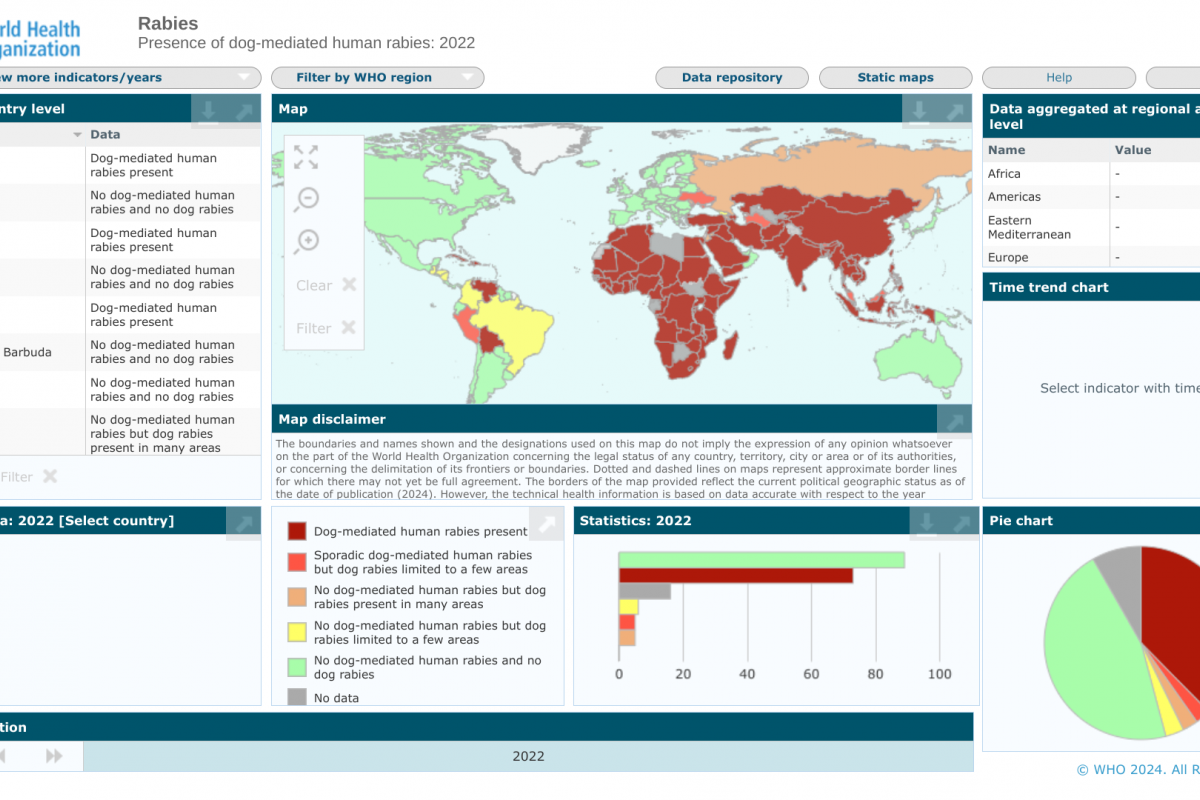
Gavi, the Vaccine Alliance, today announced support for human rabies vaccines for post-exposure prophylaxis (PEP) as part of routine immunization.

On June 13, 2024, Gavi stated eligible countries are receiving guidance on how to access these vaccines under Gavi’s cofinancing policy. The first round of applications will be accepted by mid-July 2024. Ninety-five percent of human rabies deaths occur in Africa and Asia.

“This commitment from Gavi is crucial and will expedite efforts to halt human fatalities caused by dog-mediated rabies,” said Dr Jérôme Salomon, Assistant Director-General for Universal Health Coverage, Communicable and Noncommunicable Diseases at WHO, in a press release

“WHO will provide technical assistance to countries, not only to support their funding applications to Gavi but to draw up comprehensive plans of action that can deliver real progress towards the Zero by 30 goal.”

This development complements the ongoing global efforts of the Zero by 30 campaign, led by United Against Rabies partners, including the Food and Agriculture Organization, the World Health Organization, and the World Organisation for Animal Health, to eliminate dog-mediated human rabies by 2030.

In the United States, the Centers for Disease Control and Prevention reports bats, not dogs, are the leading source of rabies cases.

Jun 12, 2024 • 7:53 am CDT
UKHSA June 3, 2024 measles case trends

With 52 countries reporting measles outbreaks over the past year, one international gateway county recently reported a surprising number of measles cases in 2024.

As of June 3, 2024, the U.K. Health Security Agency (UKHSA) reported 1,749 laboratory-confirmed measles cases had been reported in England since October 2023.

England's London and West Midlands areas continued leading the measles outbreak over the last month when 219 confirmed measles cases were confirmed.

The most significant number of cases were in London (106), followed by the West Midlands, East of England, East Midlands, and the North East.

Dr.Vanessa Saliba, UKHSA Consultant Epidemiologist, commented in a May 2024 press release, "The number of measles cases is rising across the country, with a particular increase in London in recent weeks."

"We know some communities in London have very low MMR vaccination rates."

Compared with England, measles outbreaks in the United States appear under control.

As of June 7, 2024, the U.S. CDC reported 151 measles cases in 22 jurisdictions, primarily in Chicago. Most of the Illinois patients were unvaccinated travelers.

The CDC encourages international travelers to speak with a healthcare provider about their measles immunity and travel vaccine options. 

Jun 12, 2024 • 4:31 am CDT
US CDC Mpox Clade 1 outbreak map June 10, 2024

The Democratic Republic of the Congo (DRC) is having its largest surge of mpox cases ever recorded, says the U.S. CDC. Since January 2023, the DRC has reported more than 20,000 suspected mpox cases, and about 1,000 deaths have been reported. 

To notify international travelers of their potential mpox risk, the CDC reissued a Travel Health Advisory on June 10, 2024.

Mpox is a disease caused by infection with the monkeypox virus. It is divided into two Clades. Clade IIb is responsible for the global outbreak that began in May 2022, while Clade 1 is causing the Mpox outbreak in the DRC.

There have been no cases of the type of mpox spreading in DRC reported in the United States, says the CDC. The risk to the general public in the U.S. from this type of mpox is very low.

In 2023, the CDC published a Health Advisory stating that mpox Vaccines are expected to be effective for both Clade I and Clade II infections. However, as the European CDC recently reported, real-world data regarding the effectiveness of the JYNNEOS vaccine against Clade 1 is lacking.

Jun 12, 2024 • 4:07 am CDT
ECDC dengue case map May 2023

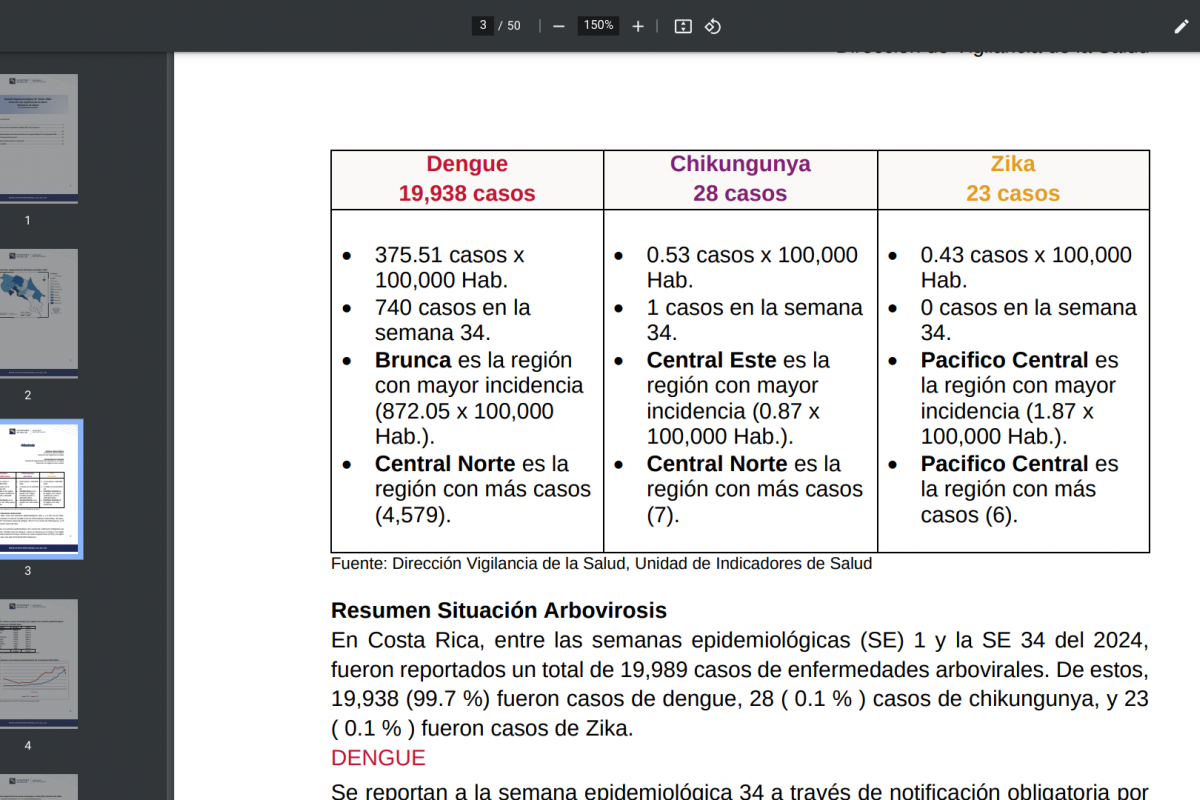
With most of the dengue outbreak risks revealed in The Americas in 2024, cases of this invasive mosquito-spreading disease are also impacting Europe.

According to the European Centre for Disease Prevention and Control (ECDC) reporting on June 11, 2024, there were 130 locally acquired dengue cases in the European Union, plus Iceland, Liechtenstein, and Norway, compared to 71 in 2022.

According to ECDC data, this was a "significant increase" in dengue reports from the 2010-2021 period, when the number for the entire period was 73.

Imported dengue cases have also increased from 1,572 cases in 2022 to about 4,900 in 2023, "the highest number" since 2008.

"Europe is already seeing how climate change is creating more favorable conditions for invasive mosquitos to spread into previously unaffected areas and infect more people with diseases such as dengue. Increased international travel from dengue-endemic countries will also increase the risk of imported cases, and inevitably also the risk of local outbreaks," says Andrea Ammon, ECDC Director.

The ECDC says Aedes albopictus, known for transmitting dengue, chikungunya, and Zika viruses, is spreading further north, east, and west in Europe and now has self-sustaining populations across 13 EU/EEA countries. 

Aedes aegypti, a vector of yellow fever, dengue, chikungunya, and Zika viruses, recently established itself in Cyprus. Its potential for establishment in other parts of Europe is concerning due to its significant ability to transmit pathogens and its preference for biting humans.

The Culex pipiens mosquito, responsible for the spread of West Nile virus, is native to Europe and is present throughout the EU/EEA.

From a prevention perspective, the second-generation Qdenga vaccine is now offered in many EU countries.

Jun 11, 2024 • 2:37 pm CDT
by Ingela Skullman

CSL Seqirus today announced it was selected by the Health Emergency Preparedness and Response Authority (HERA) to provide 665,000 pre-pandemic vaccine doses for fifteen EU and EEA Member States and the "Union Civil Protection Mechanism.".

The 4-year contract includes an option for participating authorities to purchase up to an additional 40 million doses of the egg-based, non-mRNA pre-pandemic vaccine over the contract duration. 

Announced on June 11, 2024, this European Commission (EC) acquisition of pre-pandemic (zoonotic) vaccine will create a stockpile of vaccines available to support the EC’s outbreak and pre-pandemic response.

According to media reporting on June 5, 2024, Finland became the first EU country to offer avian influenza vaccinations to people this year.

Four influenza pandemics have occurred over the past century, with the 1918 pandemic being the most severe in recent history, with an estimated mortality of up to 50 million people worldwide.

Raja Rajaram, CSL Seqirus, Head of Global Medical Strategy, commented in a press release, “This agreement will help in Europe’s resolve to maintain robust preparedness and rapid response capabilities for this potential threat.”

Under the terms of the agreement, CSL Seqirus will deliver pre-pandemic vaccines that are well-matched to the H5 of the currently circulating H5N1 strain.

The risk of influenza-associated morbidity and mortality is greater with pandemic influenza than with seasonal influenza because there is likely to be little or no pre-existing immunity to the novel virus in the human population. The timing and severity of pandemic influenza (bird flu) is unpredictable.

In Europe, various pandemic vaccines have already been approved.

In the U.S., the Food and Drug Administration has already approved CSL Sequirus's AUDENZ™, an inactivated vaccine for active immunization to prevent disease caused by the influenza A virus H5N1 subtype.

As of June 11, 2024, the U.S. CDC says annual flu shots are not designed to protect people from pandemic influenza.

Jun 11, 2024 • 8:57 am CDT
by Gerd Altmann

According to a Bloomberg report, Serum Institute of India Pvt. (SII) is the world's largest vaccine manufacturer and currently has the capacity to produce 3 billion doses of vaccines annually.

However, it only sells around 1.5 billion doses yearly, including those for malaria and cervical cancer.

In an interview with Time, Adar Poonawalla, CEO of SII, said, "As countries increase their healthcare budgets, you're going to see a huge uptake of vaccines that can prevent many diseases. Vaccines have been proven to be the most efficient tool for prevention."

For example, when the World Health Organization awarded prequalification status to the SII's R21/Matrix-M™ malaria vaccine, it enabled a mass rollout that could reduce fatalities from the deadly mosquito-borne disease.

SII stated it intends to produce 100 million doses of R21 annually.

Created by the Jenner Institute of Oxford University and developed by SII, the R21/Matrix-M vaccine contains two key ingredients: the malaria-specific R21 antigen and Novavax AB’s saponin-based Matrix-M adjuvant to enhance the immune system response, increasing the magnitude and durability of the antibody response.

"The R21/Matrix-M™ vaccine is a vital new tool to help stop the devastating health and economic impact of malaria on nearly half of the world's population, including the tragic loss of 1,300 children every single day," said John C. Jacobs, President and Chief Executive Officer, Novavax, in a press release on May 20, 2024.

SII was recently included in Time's 100 Most Influential Companies in 2024 and was founded in 1966 by Dr. Cyrus Poonawalla.

Jun 11, 2024 • 5:37 am CDT
by Benjamin Balazs

A U.S. Food and Drug Administration committee unanimously voted to recommend the approval of an Eli Lilly medication for early Alzheimer’s disease.

According to the New York Times on June 10, 2024, this news indicates the FDA may approve donanemab for people diagnosed with mild cognitive impairment due to Alzheimer’s in late 2024.

To support their request, Lilly submitted data from a JAMA Original Investigation in the early stages of the disease, with either mild cognitive impairment or mild dementia.

Donanemab, similar to the approved LEQEMBI™, is not a vaccine but is given as intravenous infusions.

Jun 10, 2024 • 5:47 pm CDT
US NIH 2024

Researchers recently wrote that combining two monoclonal antibodies for treating chronic herpes simplex 2 (HSV-2) may provide a novel therapeutic option for this expanding disease.

The U.S. CDC says HSV constitutes a significant global health concern due to its wide range of clinical manifestations that can affect the skin and mucous membranes, the eyes, and the nervous system.

On May 28, 2024, the Journal of Biomedical Science published results from a study designed to develop a next-generation therapy by combining different antiviral monoclonal antibodies.

This research showed that the fully human antibody HDIT102 has the potential for further clinical development as a potent novel HSV therapeutic, particularly in combination with its clinical humanized ancestor antibody HDIT101. 

HDIT101 is a humanized IgG that was previously investigated in phase 2 clinical trials.

Both antibodies induced the internalization of gB from the cell surface into acidic endosomes by binding distinct epitopes in domain I of gB and competing for binding.

CryoEM analyses revealed the ability to form heterogenic immune complexes consisting of two HDIT102 and one HDIT101 Fab bound to one gB trimeric molecule.

Both antibodies mediated antibody-dependent phagocytosis by antigen presenting cells which stimulated autologous T-cell activation.

In vivo, the combination of HDIT101 and HDIT102 demonstrated synergistic effects on survival and clinical outcome in immunocompetent BALB/cOlaHsd mice.

In conclusion, these researchers wrote, 'Antibody characteristics to inhibit cell-to-cell spread, to mediate uptake of cell-free viruses by phagocytic cells and concomitantly stimulate T-cell responses may promote cellular immunity and may have benefits in preventing recurrences.'

Antibody therapeutics are available to address a variety of diseases, and the U.S. Food and Drug Administration has approved more than 100 products.

Despite years of development, HSV vaccine candidates have yet to be approved. As of June 10, 2024, several herpes vaccines are conducting clinical research.