Search API
According to local media, the Romanian Ministry of Health has reported two confirmed cases of leprosy, and two other suspected cases are undergoing evaluation.
These are Romania's first eprosy cases in more than 40 years.
Romaina-Insider reported Corina Criste, director of the Cluj Public Health Directorate, told Agerpres on December 12, 2025, that a case of leprosy was detected in Cluj-Napoca, he second-most populous city in the European country.
Health minister Alexandru Rogobete said he has ordered intensified epidemiological surveillance, expanded testing of contacts, evaluations of the working and living conditions of foreign employees, and the request for international assistance from the World Health Organization (WHO).
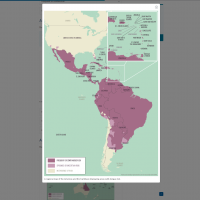
The WHO says leprosy, a chronic infectious disease caused by the bacterium Mycobacterium leprae, remains rare in Europe and is typically recorded among people originating from endemic regions in Asia, Africa, or Latin America.
In the United States, leprosy (Hansen's disease) is a nationally notifiable condition. Annually, the U.S. CDC detects around 150-250 cases of leprosy, with 225 in 2023 and 205 in 2024.
In 2025, Florida reported 36 leprosy cases, highlighting local transmission, especially in Brevard County.

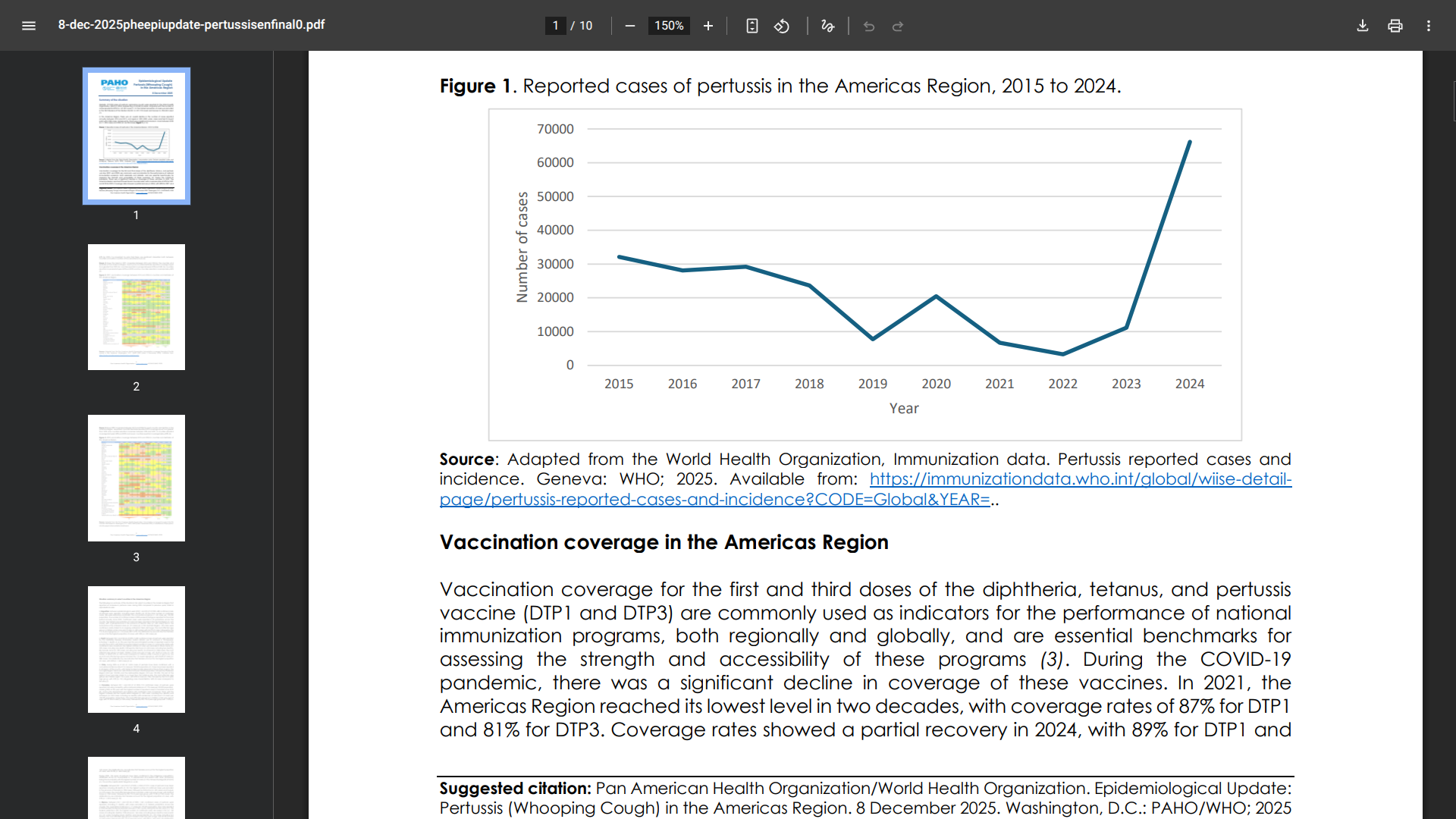
According to the latest epidemiological update from the Pan American Health Organization (PAHO), countries in the Americas must address vaccination gaps as there has been a resurgence of pertussis, commonly known as whooping cough, which has been steadily increasing since 2023.
As of December 9, 2025, the PAHO reports that there has been a significant rise in cases since then, with 11,202 cases reported in 2023 and escalating to 66,184 cases in 2024.
In the United States, so far in 2025, 25,057 confirmed and probable cases of pertussis have been reported, including 13 deaths.
The states with the highest numbers of confirmed and probable pertussis cases in 2025 are Washington (2,003), California (1,585), and Florida (1,422).
"Whooping cough is a vaccine-preventable disease, but its resurgence highlights gaps in immunization and epidemiological surveillance," said Dr. Daniel Salas, Executive Manager of PAHO's Special Program on Integrated Immunization, in a press release.
"It is urgent that countries ensure high and consistent vaccination coverage, especially among children under five, to protect the most vulnerable and prevent outbreaks," he added.
The PAHO recommends that countries ensure vaccination coverage is above 95% in children and provide booster doses for pregnant women and healthcare workers, prioritizing maternity staff and caregivers of infants.
"Timely and complete vaccination, together with robust surveillance, is the most effective strategy to prevent whooping cough, a disease that can cause severe illness, complications, or even death, especially in unvaccinated children under one year," emphasized Dr. Salas.
Before departing for at-risk areas in December 2025, the PAHO and the U.S. CDC suggest international travelers speak with a travel vaccine consultant about immunization options.

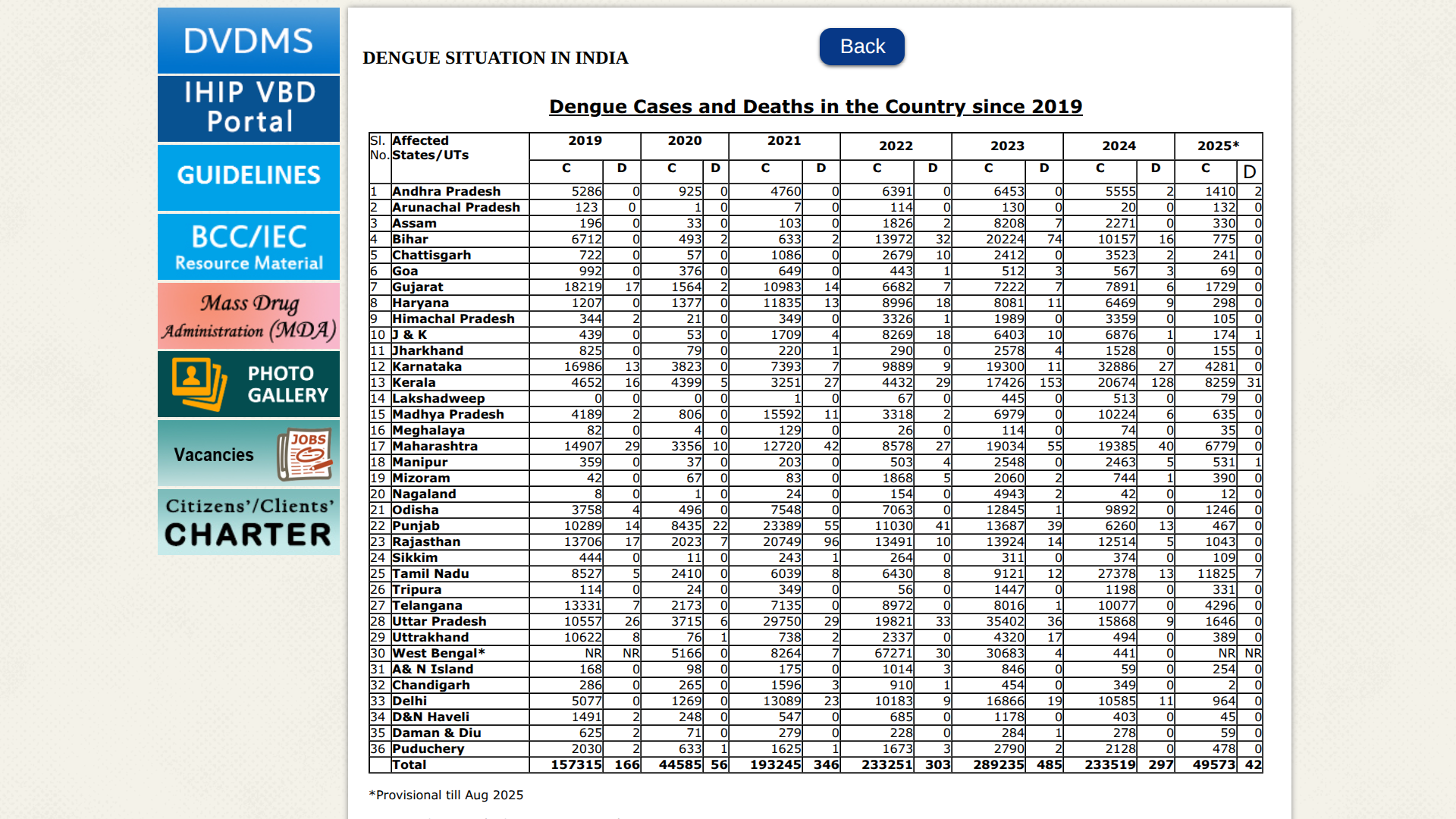
Throughout 2025, India has reported an increase in dengue cases across most regions. With the new year fast approaching, the National Centre for Vector Borne Disease Control (NCVBDC) data indicates a difficult season for this mosquito-transmitted disease in 2026.
The NCVBDC data indicate that, in October 2025, a total of 22,659 dengue cases were reported in India, a 21% increase compared to September 2025 (18,803). Tamil Nadu is the unfortunate leader in 2025.
And as of December 2025, over 49,000 dengue cases had been reported.
When the U.S. CDC last updated its Level 1 - Practice Usual Precautions, the Global Travel Health Notice focused on dengue outbreaks; it did not include a warning for India. However, the CDC says Travelers visiting dengue outbreak countries may be at increased risk in 2025.
Furthermore, the CDC has identified a higher-than-expected number of dengue cases among U.S. travelers returning from those countries, including those arriving in Florida.
While the CDC does not recommend the second-generation dengue vaccine known as Qdenga, various countries do offer it in December 2025.
The Centre for Health Protection (CHP) of the Department of Health announced today that the CHP has recorded a total of 76 confirmed Chikungunya fever (CF) cases this year.
As of December 2, 2025, seven CF cases were local, and the rest were imported. Furthermore, the risk of imported cases persists.
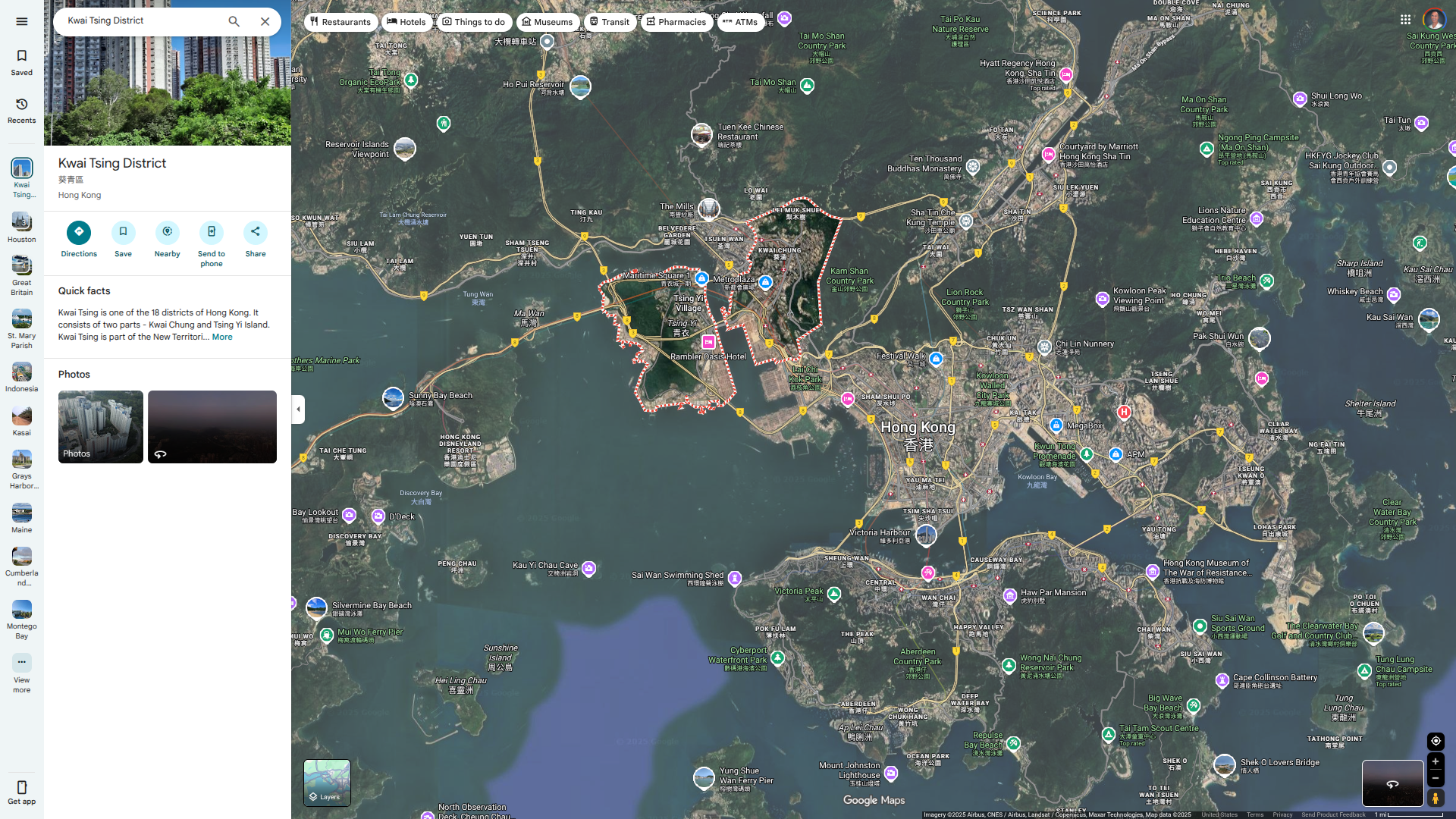
Recently, the CHP also informed approximately 130 primary care doctors in Kwai Tsing District, located north west of Hong Kong, urging them to closely monitor patients with compatible symptoms and arrange blood tests for those concerned. The CHP's Public Health Laboratory Services Branch will provide free virus testing services.
The CHP's media statement confirmed all relevant departments have comprehensively enhanced the mosquito control operations in Hong Kong since July 2025, and this has continued.
Controlling this mosquito-transmitted disease is essential as the symptoms are generally self-limiting and last for a few days, while in some cases, joint pain may persist for several months or even years. Severe symptoms and deaths from Chikungunya are rare and usually related to other coexisting health problems.
Although the northern hemisphere has entered the winter, temperatures in subtropical and some temperate regions remain elevated due to climate change, creating favourable conditions for mosquito breeding and the transmission of viruses, such as Chikungunya.
In addition, CF outbreaks continue to occur in many countries worldwide.
Since the beginning of 2025, and as of September 30, a total of 445,271 suspected and confirmed CF cases and 155 CF-related deaths have been reported in 40 countries/territories. Cases have been reported in the Americas, Africa, Asia, and Europe.
To alert international travelers departing from the United States, the US CDC has published Level 2 - Practice Enhanced Precautions, Travel Health Advisories for countries in the Indian Ocean and Cuba.
In Florida, over 60 Chikungunya cases have been associated with visitors from Cuba.
The CDC advises travelers to consult a travel vaccine expert about Chikungunya immunization options before visiting these countries in 2025.

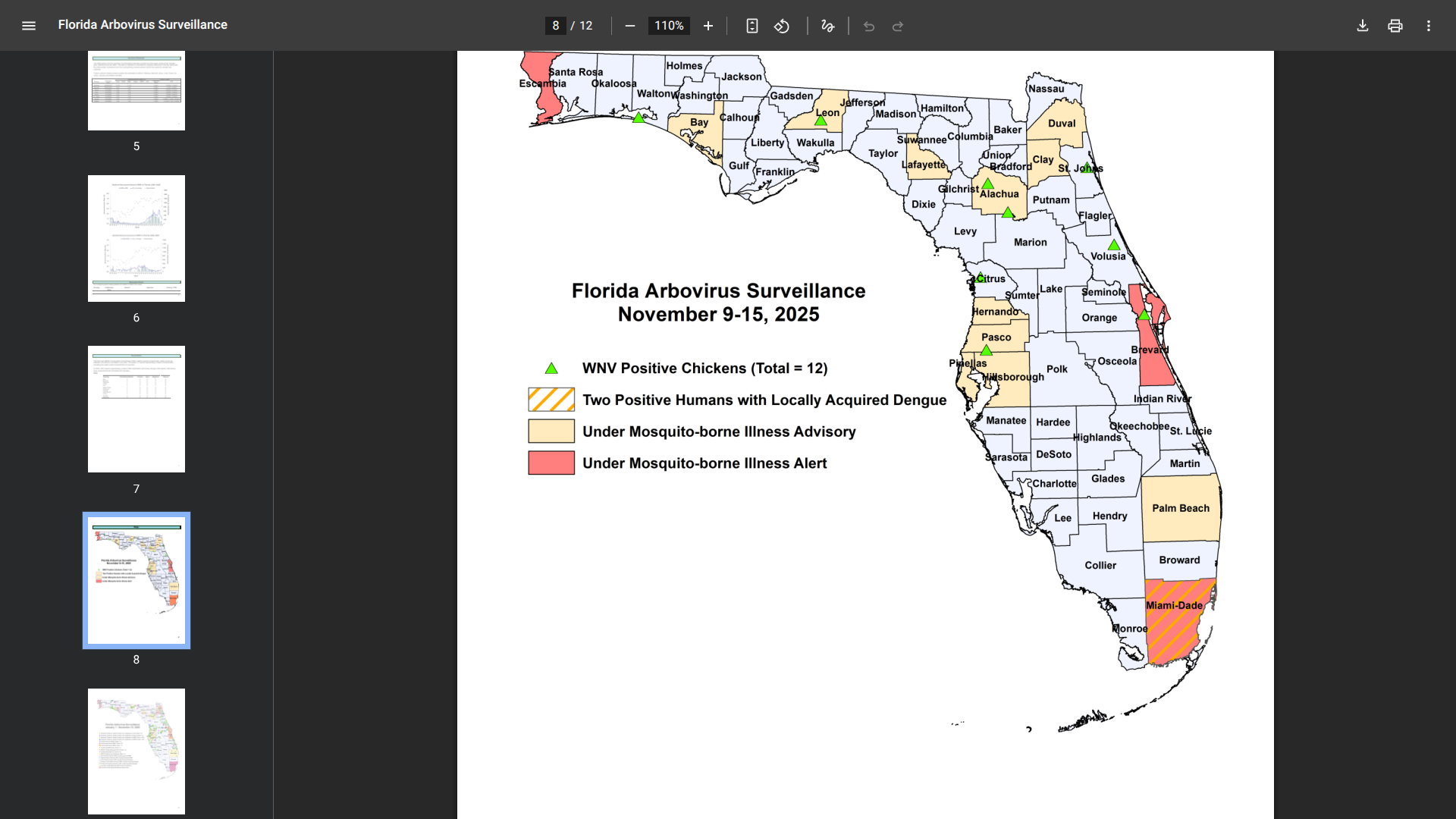
According to the Florida Department of Health (DOH), Arbovirus Surveillance Report, Week 46, travelers from Cuba have been diagnosed with various diseases in 2025.
As of November 15, 2025, the DOH reported 73 travel-related cases of chikungunya have been confirmed in Florida this year, with 62 related to Cuba.
In 2025, 355 cases of dengue fever were reported among individuals who had traveled internationally, with 252 cases among travelers from Cuba.
And one Oropouche case was reported in a traveler from Cuba in November.
According to the U.S. CDC, check the vaccines and medicines list and visit your healthcare provider at least a month before your trip to Cuba in 2025. Various travel vaccines are offered at clinics and pharmacies throughout the United States.
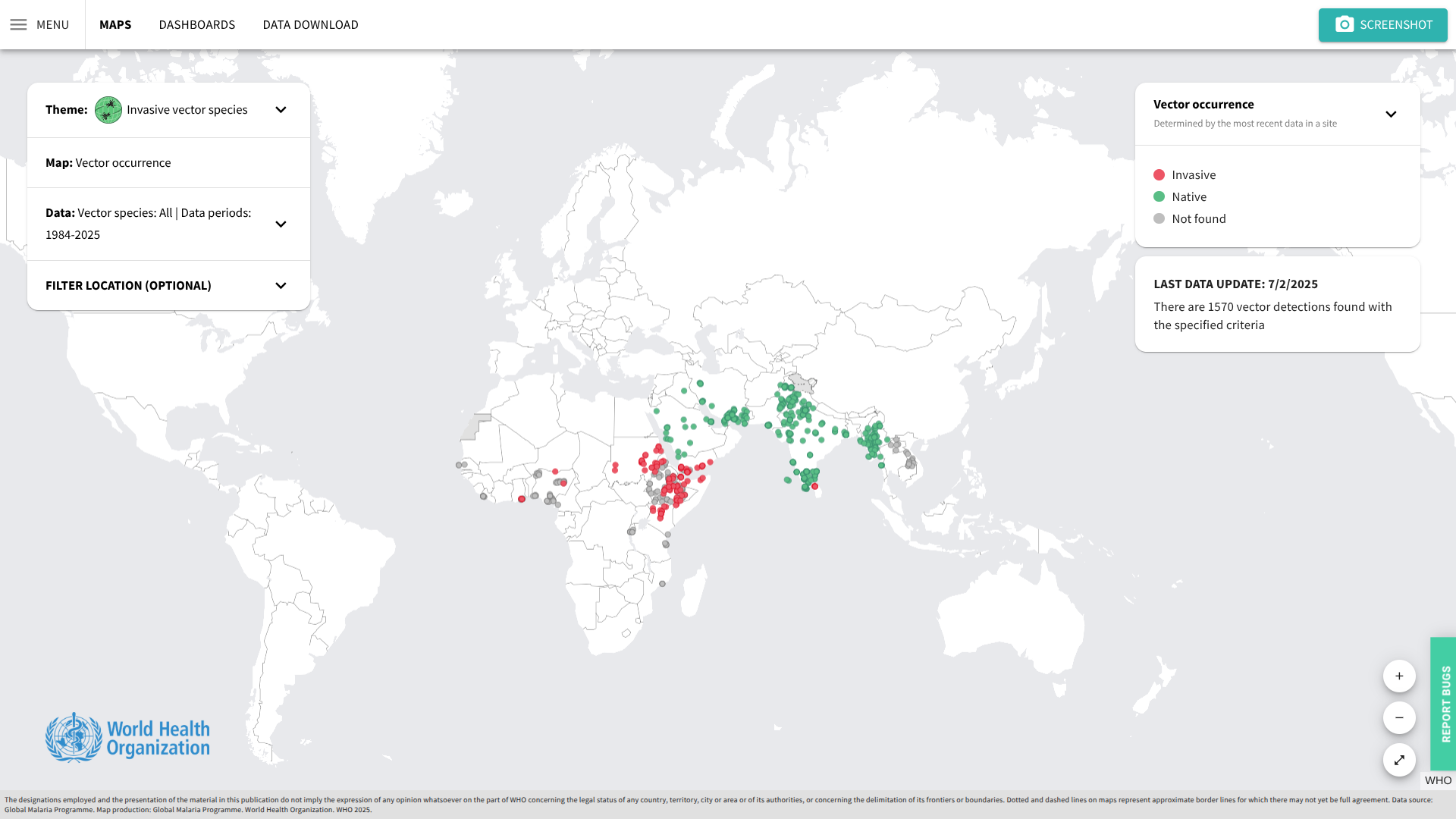
Malaria infections in sub-Saharan Africa are increasingly showing resistance to artemisinin-based therapies, posing a significant threat to the effectiveness of antimalarials against the mosquito-transmitted parasite.
However, a novel non-artemisinin antimalarial from Novartis has demonstrated that it is as effective as standard treatment.
On November 12, 2025, Novartis announced positive results from KALUMA, a Phase III study for the new malaria treatment KLU156 (ganaplacide/lumefantrine, or GanLum).
This drug was developed with Medicines for Malaria Venture and met the study's primary non-inferiority endpoint relative to the current standard of care. The treatment achieved a 97.4% PCR-corrected cure rate using an estimand framework, compared to 94% with standard of care.
This data equates to cure rates of 99.2% and 96.7% respectively, based on conventional per-protocol analysis.
"GanLum could represent the biggest advance in malaria treatment for decades, with high efficacy against multiple forms of the parasite as well as the ability to kill mutant strains that are showing signs of resistance to current medicines," said Dr Abdoulaye Djimdé, Professor of Parasitology and Mycology at the University of Science, Techniques and Technologies of Bamako, Mali, in a press release.
"Drug resistance is a growing threat to Africa, so new treatment options can't come a moment too soon."
GanLum is a combination of two compounds that attack the malaria parasite on multiple fronts: ganaplacide, a novel compound with an entirely new mechanism of action, and a new once-daily formulation of the existing antimalarial lumefantrine, a longer-acting treatment.
Ganaplacide is believed to work by disrupting the parasite's internal protein transport systems, which are essential to its survival within red blood cells.3 It belongs to a class of compounds called imidazolopiperazines, first identified as potential antimalarials after a groundbreaking screen of 2.3 million molecules to find drug candidates at Novartis labs in San Diego, California.
Novartis plans to seek regulatory approvals from health authorities for GanLum as soon as possible.
If approved, the drug could be used to treat international travelers returning to the United States after being infected.
For example, in Florida, 43 travel-related malaria cases have been confirmed in 2025, 15 related to travel to Nigeria.
From a malaria prevention option, about 24 countries are now offering malaria vaccinations, but not the USA.
- 1 of 67
- next ›