

Search API

0 min read

Emergent BioSolutions Inc. today announced that the Biomedical Advanced Research and Development Authority (BARDA) executed a contract modification for the second option period, valued at approximately $16.7 million.

This option is part of Emergent's existing 10-year contract with BARDA for the advanced development and procurement of Ebanga™, which has a maximum value of $704 million.

This modification will validate the drug product process and analytical testing and ensure long-term stability for Ebanga, which is indicated for treating infection caused by the Zaire Ebola virus.

Ebanga (ansuvimab-zykl) is a Zaire ebolavirus glycoprotein-directed human monoclonal antibody indicated for treating infection caused by Zaire ebolavirus in adult and pediatric patients.

As of 2025, the U.S. Department of Homeland Security has determined that Ebolavirus disease (EVD) threatens national health security. To augment the government's response capability, BARDA is pursuing the advanced development, licensure, and procurement of therapeutics that can be deployed in EVD outbreaks.

"We are delighted our continued collaboration with BARDA is advancing Ebanga development toward supplying treatment and ensuring communities are prepared against Ebola (outbreaks)," said Simon Lowry, M.D., chief medical officer, head of research and development, Emergent, in a press release on January 13, 2025.

"Ebola is a devastating infectious illness with limited treatment options."

Ebanga is not a preventive vaccine.

As of early 2025, Merck's U.S. FDA-approved Ervebo® (rVSV-ZEBOV) vaccine was licensed in the U.S., the U.K., the European Union, Canada, and various countries. Recently, Sierra Leone became the first country in Africa to launch a preventive Ebola vaccination campaign targeting health workers.

Ervebo is not commercially available in the U.S.

Orthoebolavirus zairense (EVD) is severe and often fatal, with case fatality rates ranging from 25% to 90%, and is transmitted via bodily fluids, zoonotic transmission, or contact with contaminated surfaces. 

According to the World Health Organization, more than 30 EVD outbreaks have been reported. The initial Zaire Ebolavirus case was confirmed in 1976 in a village near the Ebola River.

As of 2025, no active U.S. CDC Travel Health Notice is focused on Ebola outbreaks in Africa.

Vaccine Treats: 
Image: 
Image Caption: 
by Pete Linforth
Live Blog Update Author: 
Location Tags: 
Include in VBT newsletter: 
0 min read

According to the World Health Organization (WHO), the clade Ib monkeypox virus (MPXV) outbreak began in September 2023 and continues predominantly in the Democratic Republic of the Congo, Burundi, and Uganda, with travel-related cases identified in other countries.

In Africa, from January 2024 to January 5, 2025, 14,700 confirmed mpox cases, including 66 deaths (CFR – 0.4%), have been reported by 20 countries. And continues to meet the WHO criteria for a public health emergency of international concern.

As of January 14, 2025, the ECDC reported eleven individuals with MPXV clade I in the EU/EEA since August 2024.

One case was reported by Sweden in August 2024, seven by Germany (one in October, five in December 2024, and one in January 2025), two cases by Belgium in December 2024, and one case by France in January 2025

The WHO says two virus types cause mpox, clade I and II. Both types spread the same way and can be prevented using the same methods, including vaccination.

Most mpox outbreaks in other areas are due to clade IIb MPXV, a continuation of the multi-country outbreak that began in May 2022.

In the United States, the CDC assessed on January 10, 2025, the overall risk to the population(s) posed by the clade I mpox outbreak as low. And clade II mpox is still circulating at low levels.

Various mpox vaccines continue to be available in impacted countries.

Note: Updated on Jan. 14, 2025, to include ECDC data.

Vaccine Treats: 
Image: 
Image Caption: 
WHO - Jan. 13, 2025
Live Blog Update Author: 
Location Tags: 
Include in VBT newsletter: 
0 min read

Curevo Vaccine today announced positive updated immunogenicity and safety data from its Phase 2 trial of amezosvatein (CRV-101) head-to-head versus Shingrix® in participants 50 years of age and older.

“The Day 421 Phase 2 data continue to support our view that amezosvatein has a comparable effect on the human immune system as Shingrix,” said Dr. Guy De La Rosa, Curevo’s Chief Medical Officer, in a press release on January 12, 2025.

CRV-101 is a non-mRNA adjuvanted subunit vaccine. Similar to Shingrix, amezosvatein uses a subunit protein antigen called glycoprotein ‘E’ (gE). Targeting the gE antigen is proven to elicit a long-term, protective immune response to prevent shingles.

Also, like Shingrix, amezosvatein uses an adjuvant targeting the TLR4 pathway to boost the immune response to the gE antigen.

The SLA-SE adjuvant formulation was developed at the Access to Advanced Health Institute. Amezosvatein was licensed from the Mogam Institute for Biomedical Research, a research institute funded by South Korea’s GC Biopharma.

“Amezosvatein’s non-inferior immunogenicity data and comparable herpes zoster case data, combined with amezosvatein’s improved tolerability versus Shingrix in this Phase 2 trial we reported this time last year, provide us with great confidence and excitement to continue development of this vaccine.”

“This is in a market expected to be worth over $5 billion in 2025,” noted George Simeon, Curevo’s Chief Executive Officer.

Currently, the U.S. CDC recommends two doses of the recombinant zoster vaccine (RZV, Shingrix) to prevent shingles and related complications in adults over> 50. And the CDC recommends two doses of RZV for adults who are or will be immunodeficient or immunosuppressed.

In 2025, Shingrix is offered at various pharmacies.

Vaccine Treats: 
Image: 
Image Caption: 
US CDC 2025
Live Blog Update Author: 
Location Tags: 
Include in VBT newsletter: 
0 min read

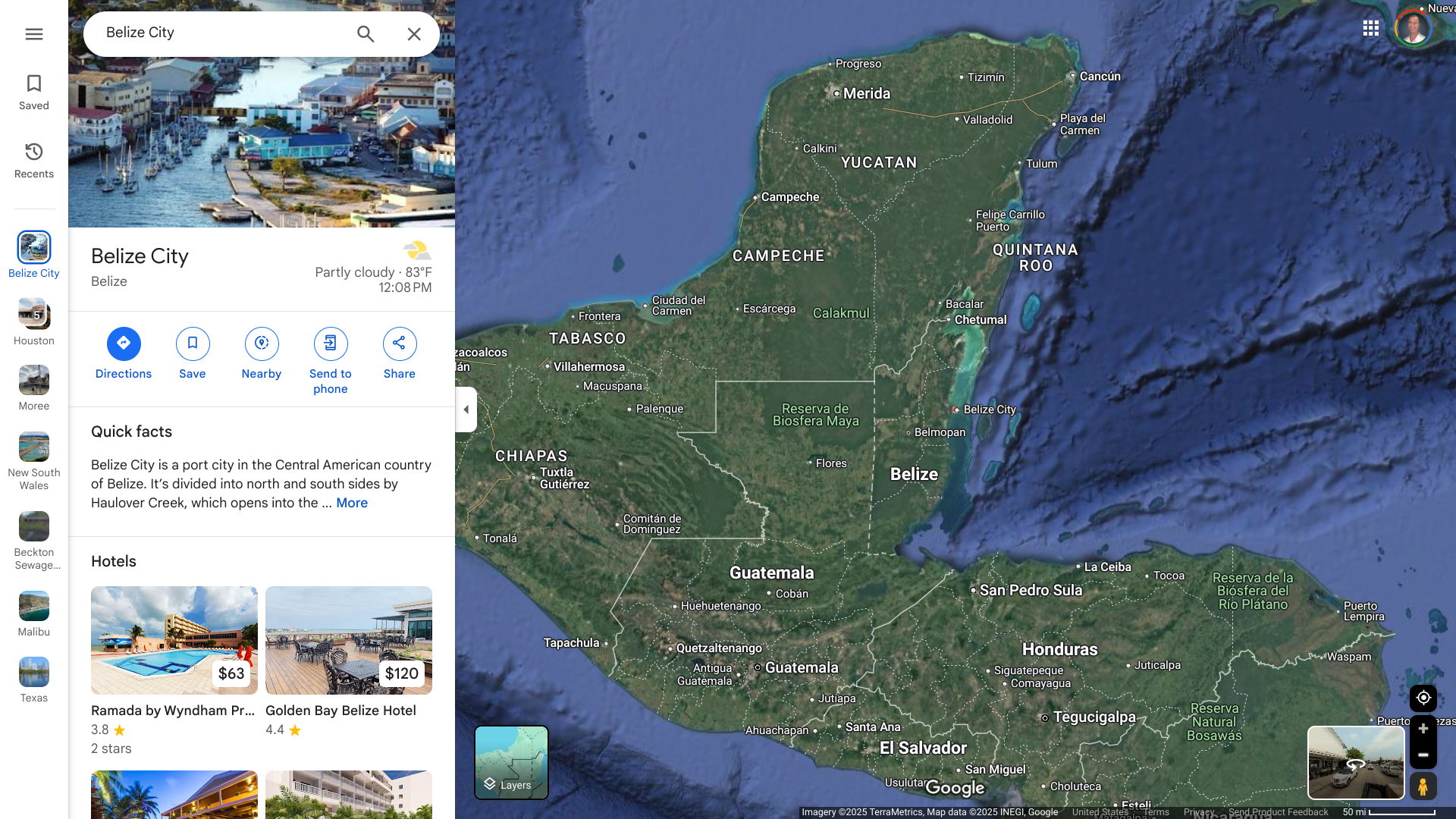
When the U.S. Department of State recently updated its Level 2: Exercise Increased Caution for the Central American country of Belize, it also highlighted various risks.

On December 30, 2024, the State Department advised travelers to exercise caution when exploring the south side of Belize City due to civil unrest. This area (south of Haulover Creek Canal and continuing south to Fabers Road) does not overlap with the typical tourism areas. 

When visiting Belize in 2025, enroll in the Smart Traveler Enrollment Program to receive digital alerts and make locating you in an emergency easier. You can also see the local U.S. Embassy.

Belize is located on the Caribbean's east coast, just south of the Mexican state of Quintana Roo. In 2024, about 560,000 people visited the country.

From a health perspective, the U.S. CDC and the Pan American Health Organization (PAHO) reported that mosquito-transmitted Chikungunya, Dengue, and Zika viruses continued to impact Belize in 2024.

At the end of 2024, the PAHO confirmed 36 Chikungunya, 1,148 Dengue, and 31 Zika cases.

In 2024, the CDC stated that there had been evidence of Chikungunya virus transmission in Belize within the last five years. To prevent this disease, the new Chikungunya vaccine is an option for certain travelers.

As of January 12, 2025, the U.S. FDA-approved IXCHIQ® single-dose Chikungunya vaccine is commercially available at travel clinics and pharmacies.

Vaccine Treats: 
Image: 
Image Caption: 
Google Maps - Jan. 12, 2025
Live Blog Update Author: 
Location Tags: 
Include in VBT newsletter: 
0 min read

While Chikungunya and Dengue virus outbreaks reached records in the Region of the Americas in 2024, a little-known virus with similar symptoms has been spreading, causing complications in diagnosis.

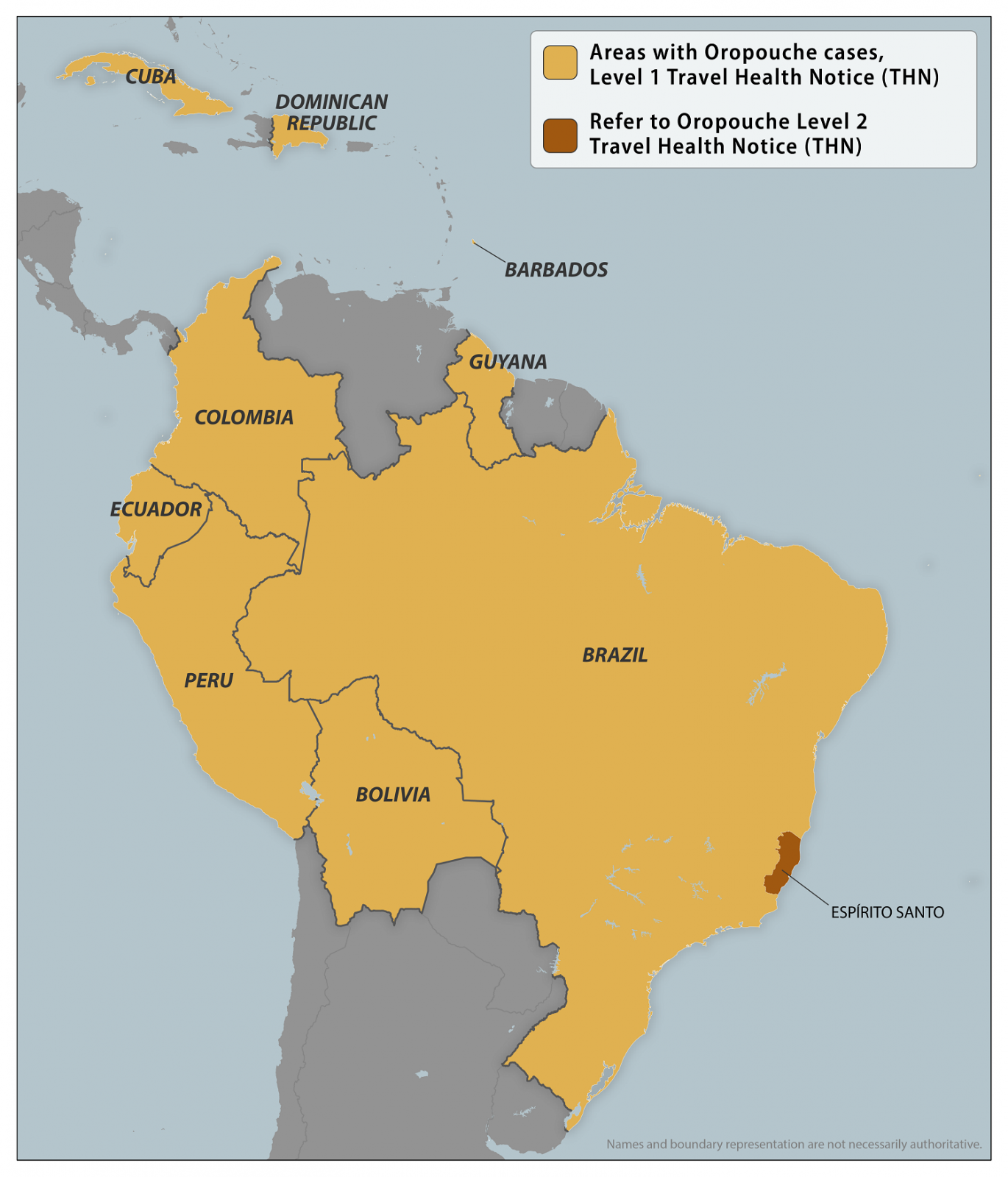
Oropouche virus, primarily transmitted through bites from infected midges, has expanded its range over the past year, reaching Central America and the Caribbean.

Research published in The Lancet Infectious Diseases in December 2024 estimates that up to 5 million people in the Americas are at risk of exposure to the virus.

To confuse a diagnosis, Oropouche infections can appear clinically similar to Chikungunya, Dengue, Malaria, and Zika. A reverse transcriptase–polymerase chain reaction test is only administered after a negative dengue result.

Still, once confirmed, no treatment or preventive vaccine for Oropouche is available as of January 2025.

To alert international travelers to this health risk, the U.S. CDC updated its Level 1 - Practice Usual Precautions, Travel Advisory on December 18, 2024. The CDC lists nine countries that have reported Oropouche cases.

And in Brazil, the CDC issued a Level 2 Advisory for Espírito Santo.

In Florida, about 103 international travelers have been diagnosed with this infection.

Symptoms of Oropouche infection include headache, fever, muscle aches, stiff joints, nausea, vomiting, chills, or sensitivity to light. Severe cases may result in neuroinvasive diseases such as meningitis.

Furthermore, the CDC says the Oropouche virus has been found in semen and may spread through sex.

Vaccine Treats: 
Image: 
Image Caption: 
US CDC December 2024
Live Blog Update Author: 
Location Tags: 
Include in VBT newsletter: 
vaccine
Chikungunya becoming endemic in La Reunion
0 min read

Throughout the record-setting dengue virus outbreak in the Region of the Americas, the Republic of Nicaragua reported 92,022 cases in 2024.

According to a study published on January 10, 2025, all four virus serotypes impacted Nicaragua's dengue outbreak. Based on 19 years of data from the Pediatric Dengue Cohort and Pediatric Dengue Hospital-based Studies in Managua, the relationship between serotype and immune status and dengue severity became very clear.

Of the 2,644 cases with serotype results by RT-PCR, 559 corresponded to DENV1, 1,002 to DENV2, 760 to DENV3, and 323 to DENV4.

Severe disease was more prevalent among secondary DENV2 and DENV4 cases, while similar disease severity was observed in both primary and secondary DENV1 and DENV3 cases.

These researchers wrote, 'These findings demonstrate differences in dengue severity by serotype and immune status and emphasize the critical need for a dengue vaccine with balanced effectiveness against all four serotypes, as existing vaccines show variable efficacy by serotype and serostatus.'

Nicaragua's southern neighbor, the Republic of Colombia, reported similar dengue virus types in 2024.

In the United States, dengue virus serotype 3 was most often identified among travel-associated and locally acquired dengue cases in Florida in 2022-2023.

As of January 11, 2025, the leading dengue vaccine available in the Americas does not meet this requirement. However, vaccine candidates currently conducting research may need this clinical need.

There are no dengue vaccines currently offered in the United States.

Overall, more than 12 million dengue cases were reported in the Americas last year, about 300% more than in 2023.

In the U.S., 53 jurisdictions reported 9,255 dengue cases as of December 31, 2024. The unfortunate leaders in local dengue transmission were  Arizona, California, Florida, New Jersey, New York, and Puerto Rico.

Vaccine Treats: 
Image: 
Image Caption: 
US Dept of State January 11, 2024
Live Blog Update Author: 
Location Tags: 
Include in VBT newsletter: 
malaria vaccine
RH5.1/Matrix-M malaria vaccine candidate enhances immunity

RH5.1/Matrix-MTM Blood-Stage Malaria Vaccine

RH5.1/Matrix-MTM Blood-Stage Malaria Vaccine Dosage, Indication, Side Effects

The University of Oxford studies the RH5.1/Matrix-M blood-stage malaria vaccine candidate in children and adults. Unlike the previously approved malaria vaccines that target the liver-invasive sporozoite, which can infect the liver with a risk of clinical disease, RH5.1/Matrix-M targets the pre-erythrocyte stage.

The results of the phase 2b clinical trial by Natama and colleagues indicated that RH5.1/Matrix-M had a vaccine efficacy of 55% (95% CI 20 to 75; p=0·0071) compared with the control group when administered at 0, 1, and 5-month intervals, and 40% (–3 to 65; p=0·066) on a monthly regimen (0, 1, and 2 months). The authors indicated the vaccine was well tolerated, with only mild adverse events (fever and injection site swelling). Moreover, participants vaccinated with RH5.1/Matrix-M showed high concentrations of anti-RH5.1 serum IgG antibodies and high levels of in-vitro growth inhibition activity against Plasmodium falciparum.

On January 7, 2025, the authors of a Commentary published by The Lancet Infectious Diseases stated, 'This blood-stage candidate vaccine RH5.1/Matrix-M will complement the previously WHO-recommended and rolled out pre-erythrocyte malaria vaccines (RTS,S/AS01, and R21/Matrix-M) for effective and durable protection, targeting different stages of the parasite life cycle.'

RH5.1/Matrix-MTM Blood-stage Malaria Vaccine Dosage

In phase 2b, the vaccine was administered at 0, 1, and 5-month intervals and as part of a monthly regimen (0, 1, and 2 months). 

RH5.1/Matrix-MTM Blood-stage Malaria Vaccine Indication

The WHO reported around 263 million malaria cases in 2023 and 597,000 related fatalities. Plasmodium falciparum parasites cause malaria. Blood-stage malaria, when the parasite infects red blood cells, causes symptoms of the disease like fever and chills and can lead to severe, life-threatening complications like anemia and organ failure.

RH5.1/Matrix-MTM Blood-stage Malaria Vaccine Side Effects

Most adverse events in the phase 2b study were mild, with local swelling and fever being the most common. No serious adverse events were reported.

RH5.1/Matrix-MTM Blood-stage Malaria Vaccine News

December 10, 2024 - Trial results for the first vaccine against blood-stage malaria show that it is well-tolerated and offers effective protection.

June 13, 2024 - Blood-stage malaria vaccine candidate RH5.1/Matrix-M in healthy Tanzanian adults and children; an open-label, non-randomized, first-in-human, single-center, phase 1b trial.

RH5.1/Matrix-MTM Blood-stage Malaria Vaccine Clinical Trials

The phase 2b study team tested the safety and efficacy of the RH5.1/Matrix-MTM blood-stage malaria vaccine candidate in adults and children aged 5 to 17 months in Nanoro Burkina Faso, following positive phase one results in Tanzanian adults and children. Over 360 children were enrolled in the study in 2023 and divided into two groups: one received three doses of the RH5.1/Matrix-MTM and the other three doses of a rabies vaccine as control.

Children who received the vaccine developed high levels of antibodies against the parasite, especially those who received their vaccine doses at 0, 1, and 5 months rather than at 0, 1, and 2 months. This group achieved 55% effectiveness in preventing clinical malaria over 6 months. Alongside this, within the group of children who did develop clinical malaria, a proportion showed very high levels of parasites in their blood. Notably, the vaccine also demonstrated over 80% efficacy against these higher levels of malaria parasites, suggesting this vaccine could prevent severe cases of the disease in children in a real-world setting. These findings will now be explored further in future clinical trials.

The study has been run by scientists at the University of Oxford in collaboration with the Clinical Research Unit of Nanoro at the Institut de Recherche en Sciences de la Santé in Burkina Faso, the London School of Hygiene and Tropical Medicine, and the U.S. National Institute of Health, with support from other partners including the Serum Institute of India Pvt. Ltd, Novavax, and ExpreS2ion Biotechnologies ApS.

Phase 1b clinical trial - Blood-stage malaria vaccine candidate RH5.1/Matrix-M in healthy Tanzanian adults and children; an open-label, non-randomized, first-in-human, single-center. Interpretation: The RH5.1/Matrix-M vaccine candidate shows an acceptable safety and reactogenicity profile in both adults and 5–17-month-old children residing in a malaria-endemic area, with all children in the delayed third dose regimen reaching a level of GIA previously associated with protective outcome against blood-stage P falciparum challenge in non-human primates. These data support the onward efficacy assessment of this vaccine candidate against clinical malaria in young African children.
0 min read
Generic: 
RH5.1/Matrix-MTM
Drug Class: 
vaccine
Condition: 
Last Reviewed: 
Saturday, January 11, 2025 - 06:00
Manufacturer Country ID: 
0 min read

New South West (NSW) Health recently reminded international travelers and Australian residents to protect themselves from mosquito bites during the summer of 2025 following Japanese encephalitis virus (JEV) detections.

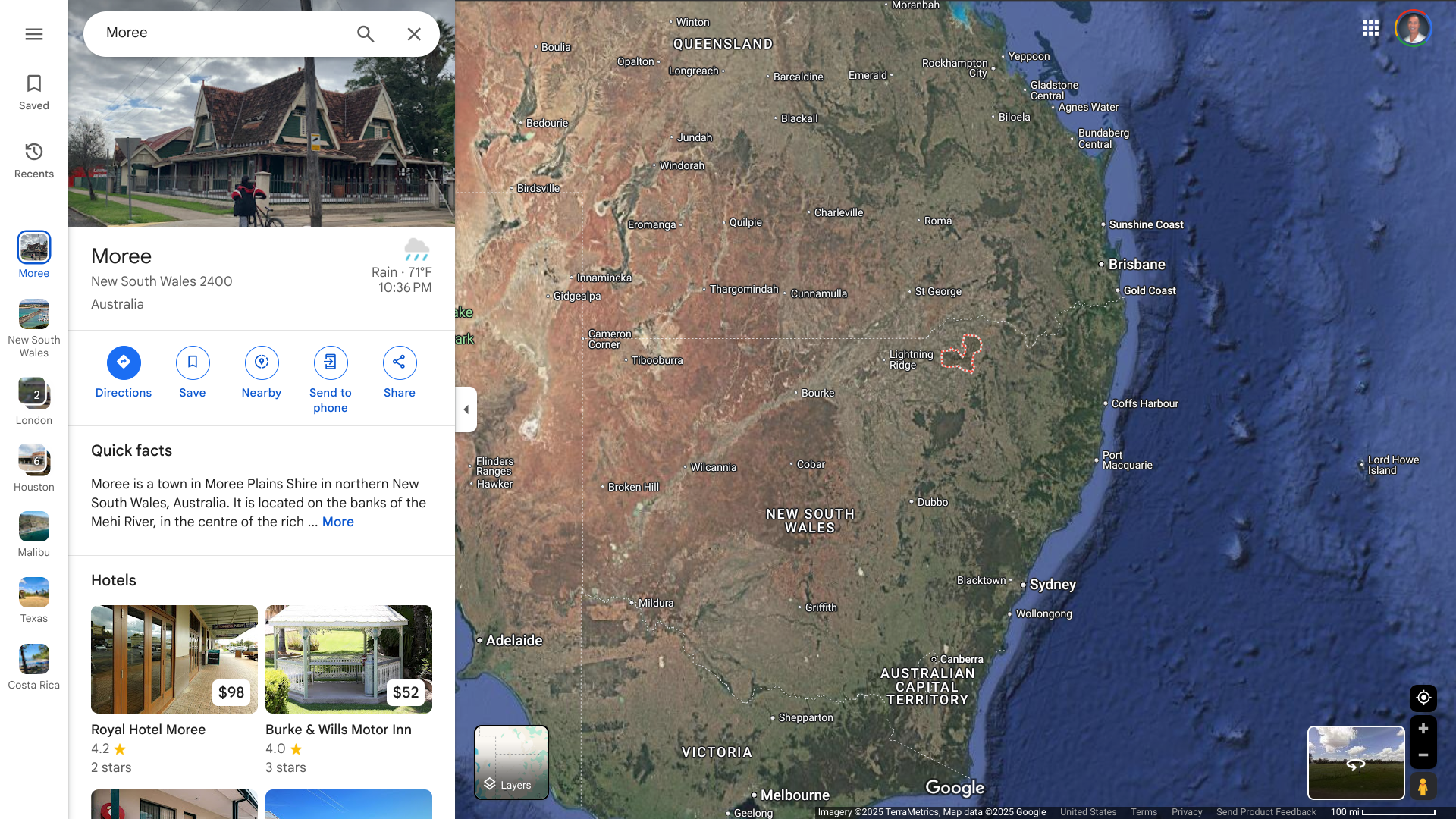
In this year's first results, JEV was detected in mosquitoes in NSW's Moree area as of January 7, 2025. This area is located northwest of Sydney and west of Brisbane.

JEV was previously detected in mosquitoes in the Griffith area and feral pigs in the Narromine Shire local government area in December 2024.

NSW Health's Executive Director of Health Protection, Dr. Jeremy McAnulty, said in a media release, "Mosquitoes thrive in warm conditions, increasing the risk of mosquito-borne illnesses such as Murray Valley encephalitis, Japanese encephalitis, Ross River, and Barmah Forest viruses in parts of NSW."

“Each year from November to April, NSW Health undertakes surveillance across the state to provide important information about when mosquito-borne disease risk is elevated," Dr McAnulty added.

“These detections indicate the risk for mosquito-borne virus transmission is widespread, particularly in the 55 NSW local government areas at higher risk of JE in the inland regions."

“I encourage anyone planning to spend time outdoors in these higher-risk areas to take steps to protect against mosquito bites."

According to the World Health Organization, JEV is the leading cause of viral encephalitis in many Asian and Western Pacific Ocean countries. Twenty-four countries in the WHO South-East Asia and Western Pacific Regions have endemic JEV transmission, exposing more than 3 billion people to risks of infection.

The JE vaccine (JESPECT®) will be available in 2025 through local General Practitioners, Aboriginal health services, and pharmacists for people who live or regularly work in these areas. Information on eligibility for a free JE vaccine is available on the NSW Health website.

In the United States, Valneva SE's IXIARO® Japanese encephalitis virus vaccine is commercially offered at travel clinics and pharmacies.

Vaccine Treats: 
Image: 
Image Caption: 
Google Maps January 10, 2025
Live Blog Update Author: 
Location Tags: 
Include in VBT newsletter: