Search API
The Florida Department of Health (FDH) published its Arbovirus Surveillance update #23, disclosing that mosquito-borne diseases, such as Dengue, continue to be detected in international travelers and Floridians.
On June 7, 2025, FDH reported 88 cases of Dengue fever among individuals who had traveled internationally, with 40 cases from Cuba.
Last year, Florida reported 1,016 travel-associated dengue cases, primarily among travelers from Brazil, Cuba (567), and Puerto Rico.
So far in 2025, one locally acquired dengue case (DEN-3) has been reported in Miami-Dade County. In 2024, 91 locally acquired dengue cases were reported from ten counties, with Miami-Dade leading the way with 50 cases.
Since the state of Florida has identified 14 mosquito species as vectors of infectious diseases that can transmit to humans, one country has recently taken action to protect its residents by reducing the population of mosquitoes and their habitats.
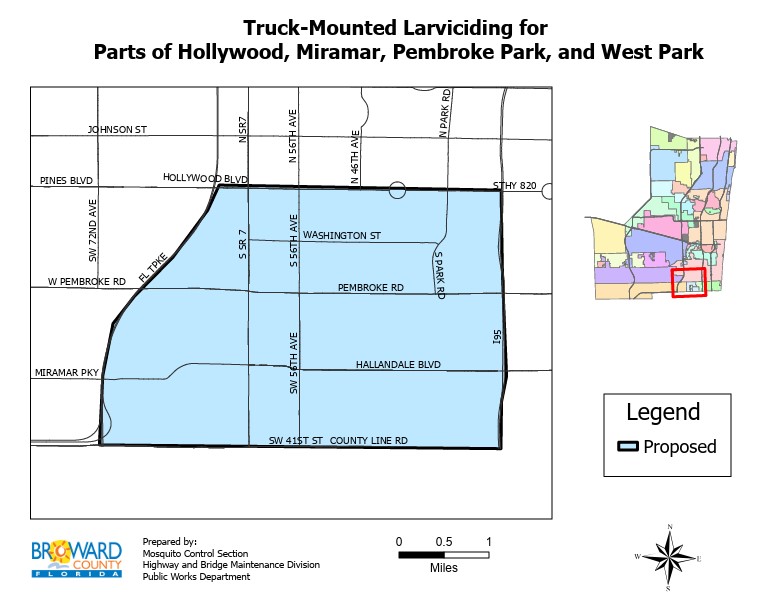
On May 1, 2025, Broward County's Mosquito Control Section announced it began spraying larvicide in areas of Hollywood, Miramar, Pembroke Park, and West Park as a proactive measure to kill the larvae of Aedes aegypti and Aedes albopictus mosquitoes, known to potentially spread diseases such as Dengue, yellow fever, and chikungunya.
According to the County, the larvicide, VectoBac WDG, is not harmful to humans, pets, bees, aquatic habitats, or environmentally sensitive areas. The active ingredient is Bacillus thuringiensis israelensis (Bti, strain AM6552), a naturally occurring, biodegradable bacterial mosquito larvicide.
While this area of Broward County is limited, and local cases of Dengue and malaria have been detected in other Florida counties, this effort is a good step in reducing the number of preventable diseases in 2025.
One of North America's favorite vacation destinations, located just 193 miles east of South Florida, accessible by boat or plane, has been informed by Canada to 'Exercise a high degree of caution.'
On June 3, 2025, Canada affirmed that the Commonwealth of The Bahamas is experiencing a high level of civil unrest, especially in Nassau and Freeport.
The Bahamas is an island country located in the Atlantic Ocean, welcoming approximately 11 million visitors in 2024, many of whom came from Canada and the United States.
Amongst the various warnings, Canada states that the water sports rental industry in the Bahamas is poorly regulated, and reputable operators are limited. Boating accidents occur frequently, particularly on jet skis.
Canada offers the following advice to vacationers: Only rent water sports equipment from reputable, registered operators. Ensure that proper training is provided before using the equipment, and verify that beach and aquatic equipment is safe and in good condition.
The U.S. State Department has also issued a Level 2: Exercise Increased Caution travel advisory for The Bahamas.
Similar to Canada, the U.S. Embassy in Nassau issued a Security Alert on April 9, 2025, advising U.S. citizens of the risks associated with renting jet skis in The Bahamas.
The Embassy wrote, Nassau jet ski operators have raped and sexually assaulted two U.S. citizen women in 2025, and three rapes were reported in 2024.
Women victims reported that male jet ski operators picked them up from downtown Nassau and Paradise Island beaches. This includes the area from Junkanoo Beach to Saunders Beach and Cabbage Beach.
The victims said they were raped and assaulted on isolated islands near New Providence.
Furthermore, due to security risks, U.S. government employees working in The Bahamas are prohibited from renting and using jet skis on New Providence and the Paradise Islands.
From a health perspective, mosquito-transmitted disease reporting from The Bahamas appears lacking.
While the entire Region of the Americas, including the Caribbean countries, set records for Dengue virus infections in 2024, The Bahamas didn't report any cases. Nor has it reported any in 2025.
Which leads to questions about the number of Chikungunya, Malaria, and Zika infections vacationers experience following a Bahamas vacation.
However, the U.S. CDC did include The Bahamas in a recent measles outbreak alert.
Therefore, when scheduling a quick trip to enjoy the warm waters of the Caribbean in June 2025, vacationers should heed the advice from these government agencies and exercise caution.


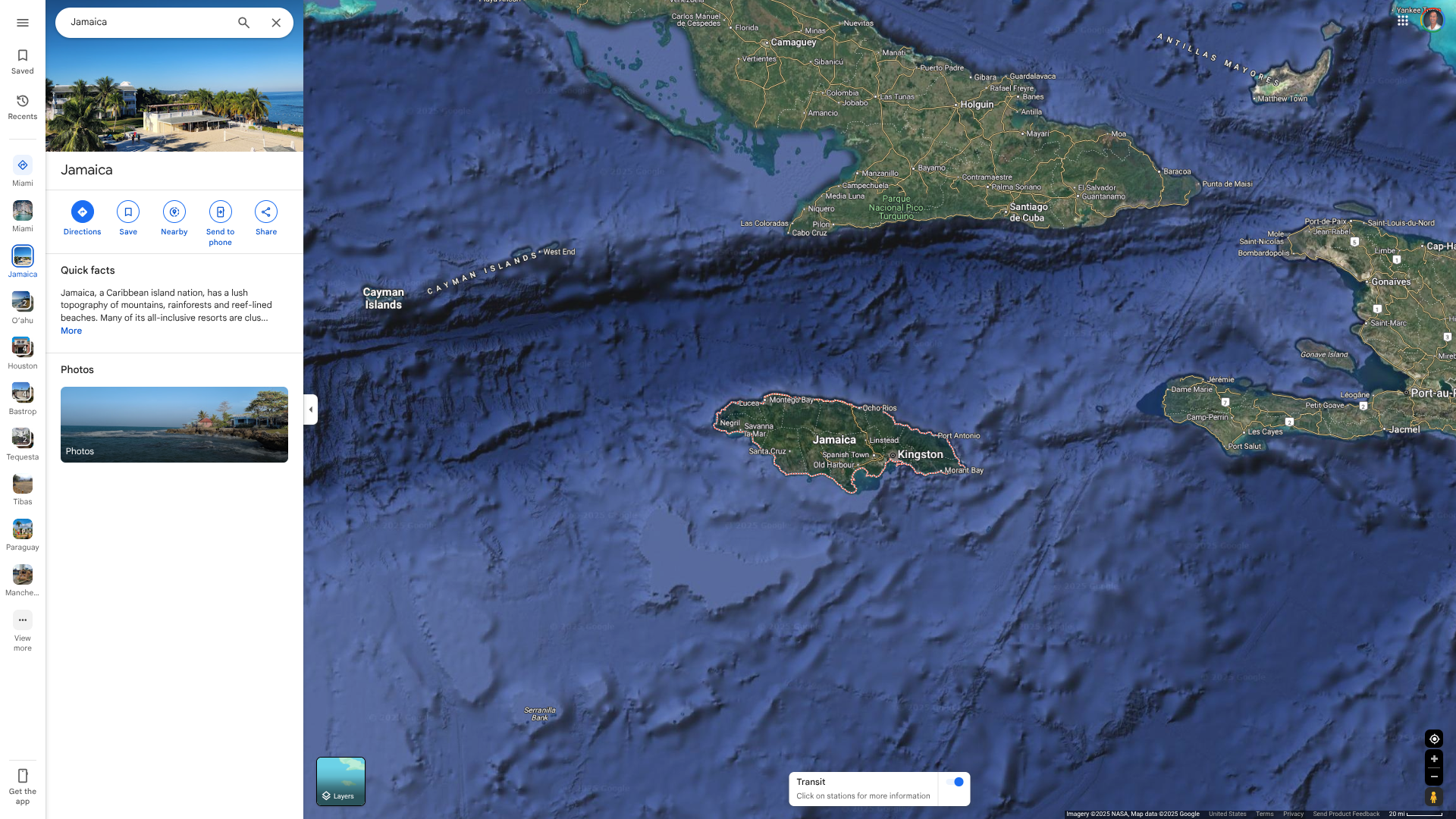
With a population of 2.8 million, Jamaica remains a popular tourist destination in June 2025. Last year, this Caribbean Island destination welcomed over 4 million visitors by air and sea.
A short two-hour flight from Miami, Florida, brings tourists to vast resorts and warm waters.
While the U.S. Department of State recently reduced its Level 3 travel advisory for Jamaica, it still advises Americans to exercise caution while visiting in June 2025.
As of May 29, 2025, the State Department's periodic review indicates that civil unrest in Jamaica has decreased since 2024; however, it remains statistically high throughout the country.
Tourist areas typically experience lower rates of crime compared to other parts of the country. Still, the homicide rate reported by the Government of Jamaica is among the highest in the Western Hemisphere.
From a local health perspective, U.S. citizens should not expect the same level of healthcare services in Jamaica. This concern includes slower emergency service response times and reduced availability of care for illnesses or injuries.
Private hospitals typically require payment upfront before admitting patients and may not have the necessary resources to provide specialized care.
The U.S. Embassy in Jamaica previously stated 'Be aware that U.S. Medicare/Medicaid does not apply overseas. Most hospitals and doctors overseas do not accept U.S. health insurance. U.S. citizens with medical emergencies can face bills in the tens of thousands of dollars, with air ambulance service to the United States.'
We highly recommend that you purchase insurance before traveling, writes the Embassy, which is located at 142 Old Hope Road, Kingston 6.
Seperately, the U.S. CDC advises visitors to take actions to protect themselves from diseases such as measles and chikungunya.
Furthermore, the Pan American Health Organization has been working since 2003 to control and prevent dengue. The disease remains a substantial concern throughout the Americas, but only 165 cases have been reported in Jamaica this year.
The CDC recommends checking the vaccines and medicines list and visiting your doctor at least a month before your trip to Jamaica.

The UK Health Security Agency (UKHSA) recently reviewed its guidance for countries at risk of dengue fever outbreaks. Last year, records of dengue outbreaks and related fatalities were set in many countries.
As of May 2, 2025, based on this review, most countries with a known risk of dengue now have a vaccine recommendation for some travellers.
However, the following countries have sporadic local dengue cases, but a vaccine is not recommended: Australia, Croatia, France, Italy, Madeira, Spain, the United Arab Emirates, and the United States.
In the U.S., locally acquired dengue was reported in 2025 in areas such as Miami-Dade County in Florida.
According to the UKHSA, health professionals should consider the possibility of dengue in all returned UK travellers with a fever or flu-like illness who have recently visited dengue risk regions. Suspected dengue patients should discuss this matter with their local microbiology, virology, or infectious diseases consultant, giving a full travel/clinical history.
The live, attenuated dengue vaccine called Qdenga® is licensed in the UK, but is unsuitable for all travellers.
Qdenga is currently not licensed in the U.S.
The UKHSA and NaTHNaC dengue recommendations are based on published data focusing on evidence of local mosquito-borne dengue transmission from January 2020 to December 2024.

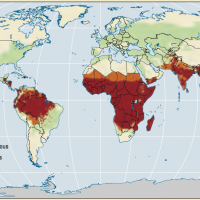
With the continued overlapping incidence of chikungunya, dengue, malaria, Zika, and yellow fever diseases in the Region of the Americas, should international travelers be vaccinated before arriving in Florida?
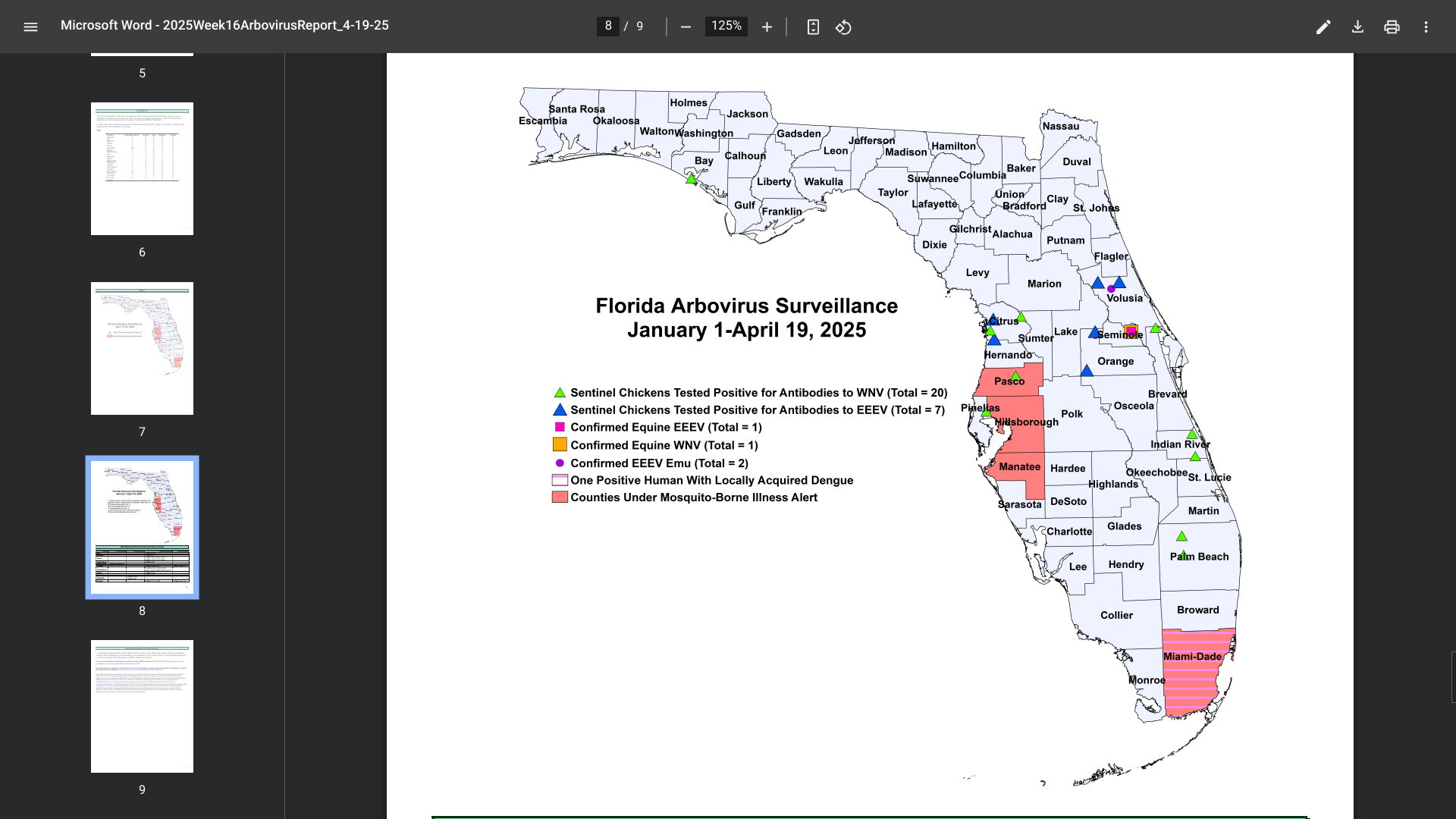
According to the Florida Department of Health (FDH) Arbovirus Surveillance update #16, dated April 19, 2025, numerous travelers have been diagnosed with vaccine-preventable diseases this year, particularly in the Miami and Tampa areas.
To notify people of these health risks, FDH has missed alerts for Hillsborough, Manatee, Miami, and Pasco counties in 2025.
For example, last year, 11 instances of chikungunya were reported in individuals with a travel history to Brazil (five), India (five), and Pakistan.
In 2025, sixty cases of dengue fever had already been reported among individuals who had traveled internationally, and one locally acquired case of dengue (DEN-3). During 2024, 1,016 travel-associated dengue cases were reported, primarily among visitors from Brazil, Cuba (567), and Puerto Rico.
Furthermore, 91 locally acquired dengue cases were reported from ten counties, including Miami-Dade (50), in 2024.
In 2024, 72 cases of travel-related malaria were reported in individuals with a history of visiting malaria-endemic areas, such as Africa (Nigeria) and Central and South America.
As of April 25, 2025, the U.S. Centers for Disease Control and Prevention, Canada Health, and the United Kingdom have not issued vaccination requirements for visiting Florida.
Of these mosquito-transmitted diseases, chikungunya vaccines are commercially available at most pharmacies and are recommended by various health agencies.
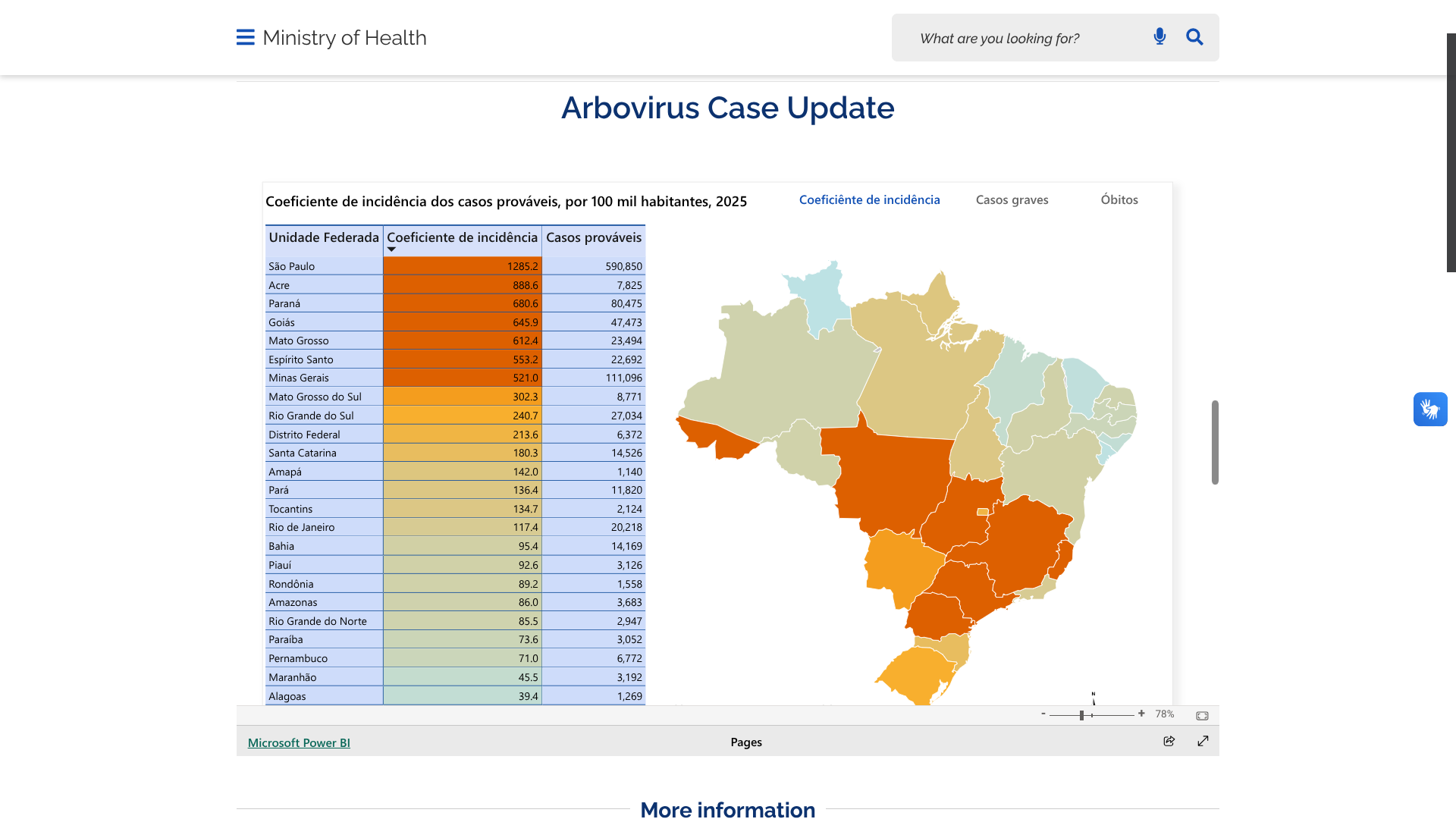
The Ministry of Health for the Federative Republic of Brazil recently confirmed a total of 1,019,033 dengue cases and 681 related fatalities this year.
As of April 12, 2025, São Paulo had reported the most dengue cases, at 590,850.
As of April 22, 2025, the U.S. Centers for Disease Control and Prevention (CDC) has identified more cases of dengue (1,481) than expected among U.S. travelers returning from countries with dengue outbreaks.
In 2025, 54 travel-associated and one locally acquired dengue cases were reported in Florida.
Of dengue's four types, DENV-3 is the most common serotype identified, accounting for 84%.
To alert travelers to Brazil and other areas, the CDC reissued a Global Travel Health Notice on April 15, 2025, regarding Dengue outbreaks in the Americas. Additionally, the CDC encourages healthcare providers to increase testing of patients with symptoms related to dengue.
Currently, dengue vaccines are unavailable in the U.S.