Florida Confirms 1st Sexually Transmitted Zika Case in 2017


The first sexually transmitted Zika virus case during 2017 has been confirmed in Pinellas County, Florida. The total number of Zika cases reported in Florida during 2017 is now 118.
The Florida Department of Health (FDH) said while this individual had not recently traveled internationally, their partner recently traveled to Cuba.
Both individuals have tested positive for Zika.
According to the FDH, if you travel to an area with active Zika virus, you could have become infected and not know it, and you could spread the virus in your community upon your return.
Most people infected with Zika do not experience symptoms or will only have mild effects, including fever, rash, headache, joint and muscle pain and red eyes, according to the federal Centers for Disease Control and Prevention (CDC).
The CDC says Zika can be transmitted sexually and to take precautions if you or your partner travel to known Zika locations for at least three weeks after they return home. Zika can persist in semen over extended periods of time.
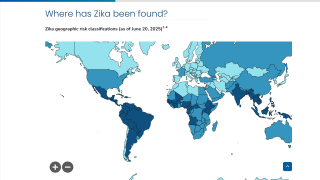
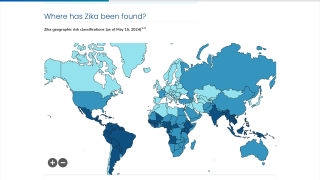
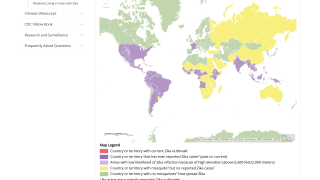
Before traveling, check to see if your destination is on the CDC list of areas with Zika.
The CDC has updated its recommendations for pregnant women with Zika symptoms and pregnant women without symptoms. The change focuses on one of the most frequently used Zika tests which detects immunoglobulin B (IgM) antibodies and is more likely to yield a false positive test result.
According to CDC guidance, providers should screen all pregnant women in the US for possible Zika exposure and symptoms at each prenatal care visit.
Additionally, in Florida, at Governor Scott’s direction, all county health departments offer free Zika risk assessment and testing to pregnant women. Visit here for more information on the Zika virus and the status of Zika in Florida.
A recent study showed that five different mosquito species were found to contain the Zika virus in their salivary glands. The three female mosquitoes, Ae vexans, Culex quinquefasciatus, C coronator, and the two males, Ae. aegypti and Cx. quinquefasciatus, are commonly found in various sections of Mexico.
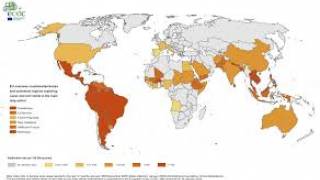
Outbreaks of dengue, Zika, and chikungunya viruses are taking place in several countries in the Caribbean, Central and Latin America, according to the World Health Organization (WHO).
The simultaneous spreading of these three arboviruses raises the possibility of co-infections in people. Indeed, several cases of Zika and chikungunya co-infections have already been reported by the WHO.
Our Trust Standards: Medical Advisory Committee
- Florida Department of Health Zika Update – First Sexually Transmitted Case Confirmed in 2017
- Symptoms, Testing, & Treatment
- Zika Virus: Updates to Clinical Guidance and Recommendations for Pregnant Women and Infants
- Zika Virus in Salivary Glands of Five Different Species of Wild-Caught Mosquitoes from Mexico
- Sexual Transmission & Prevention
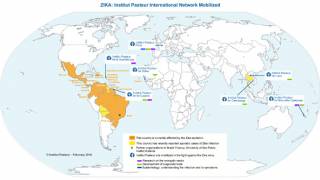
- World Map of Areas with Risk of Zika
-
Fact checked by Danielle Reiter, RN
-

Fact checked by Robert Carlson, MD
-

Fact checked by Kelley Lu, PharmD