Mumps Cases in Hawaii Expanding

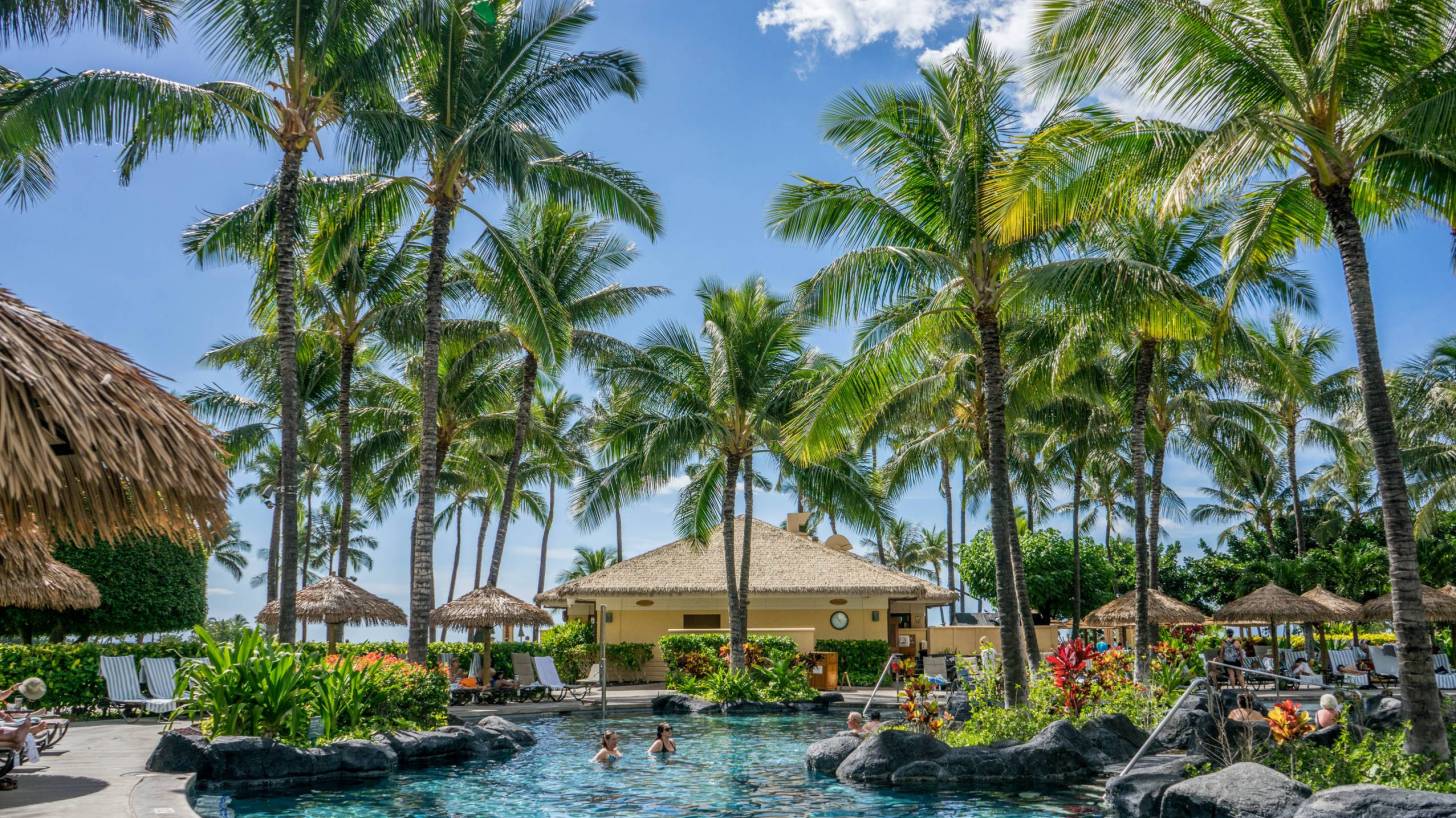
Before traveling to Hawaii this summer for some R&R, you may want to check your immunization records.
The Hawaii State Department of Health (DOH) has confirmed 18 new cases of residents with the mumps, raising the total number of statewide cases during 2017 to 172.
The DOH expects additional cases in the coming weeks as mumps is a highly-contagious disease.
“The important thing for people to remember is to keep their germs to themselves,” said Ronald Balajadia, Immunization Branch Chief, DOH Disease Outbreak Control Division.
“We encourage the public to stay home when sick, cover their mouths when coughing or sneezing, wash their hands frequently and make sure they are fully vaccinated.”
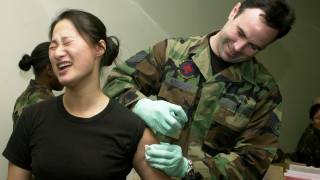
The DOH urges all adults born in or after 1957 without evidence of immunity to mumps to receive the MMR vaccine which prevents most, but not all, cases of mumps.
For this reason, being fully vaccinated is important in helping to protect family members, friends, coworkers, classmates, and your community.
According to the Centers For Disease Control and Prevention (CDC), individuals with only one documented MMR dose are strongly encouraged to consider receiving a second vaccine dose at a minimum of four weeks after the first dose.
Two doses of the MMR vaccine are 88 percent effective at protecting against mumps and one dose is 78 percent effective.
The CDC reports mumps is a contagious viral disease that typically starts with a few days of fever, headache, muscle aches, tiredness, and loss of appetite, followed by swollen salivary glands. Most people recover completely in a few weeks.
However, mumps can cause other health problems such as swollen testicles, brain, ovaries, and breasts as well as meningitis and becoming deaf.
Merck is the manufacturer of the mumps vaccines. MMR and ProQuad both contain proper protection for mumps, as well as protection for measles, and rubella. ProQuad also protects against the chicken pox.
The CDC recommends that children get 2 doses of MMR vaccine:
- the 1st dose at 12 to 15 months of age, and
- the 2nd dose at 4 to 6 years of age.
Children can receive the 2nd dose earlier as long as it is at least 28 days after the first dose.
The CDC Vaccine Price List provide current vaccine contract prices and list the private sector vaccine prices for general information.
To locate a vaccinating pharmacy nearest you, visit this site.
The majority of the 172 confirmed cases are on Oahu, with 13 on Kauai and three from Hawaii Island. None of the individuals required hospitalization and all are recovering.
Our Trust Standards: Medical Advisory Committee
-
Fact checked by Danielle Reiter, RN
-

Fact checked by Robert Carlson, MD