Epithelial Ovarian Cancer Risk Reduced With Breastfeeding

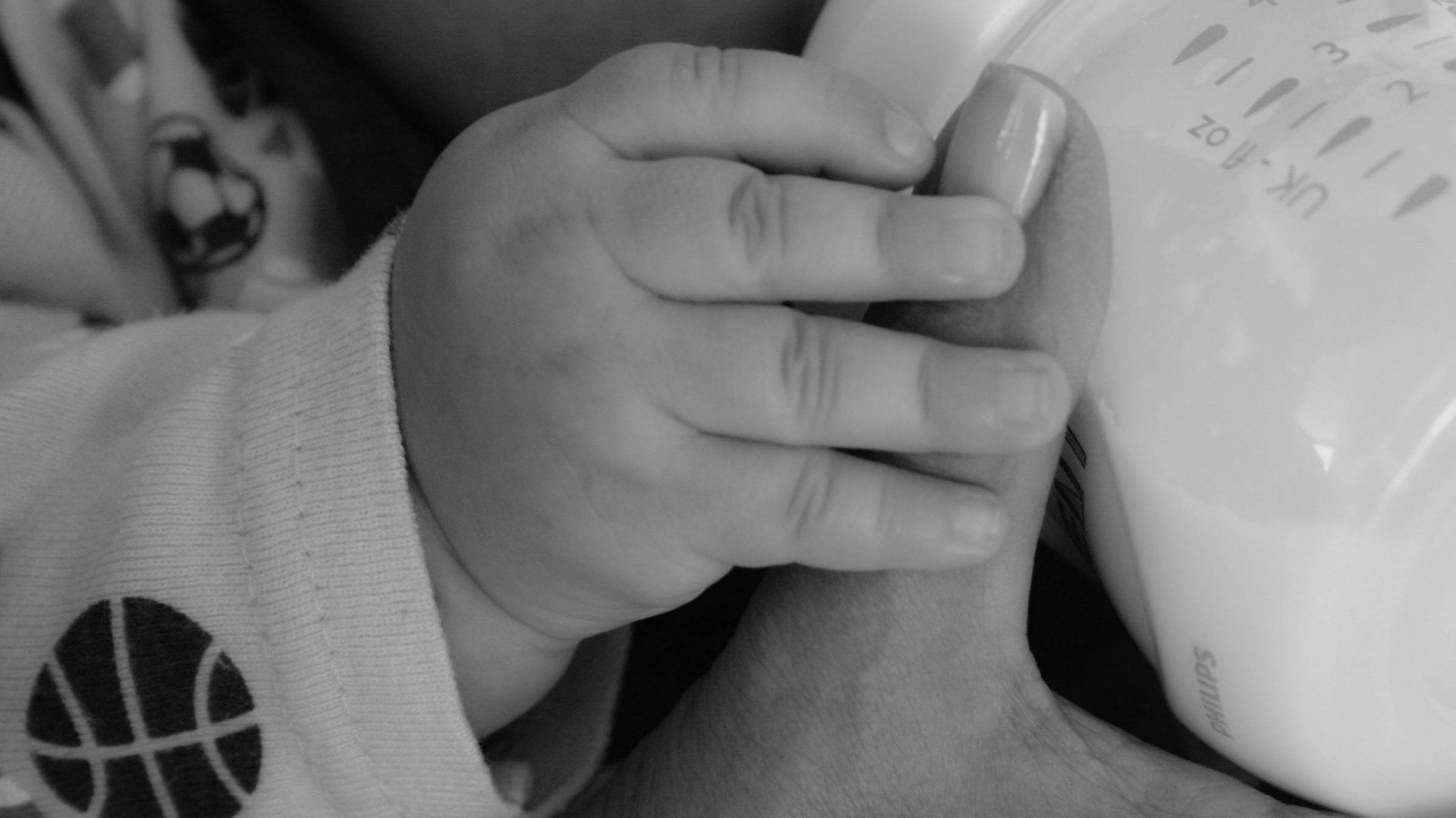
A large study with extensive information on breastfeeding provides epidemiological evidence that breastfeeding, a potentially modifiable factor, may confer a significant reduction in ovarian cancer risk, including high-grade serous, the deadliest subtype.
Published in JAMA on April 2, 2020, this pooled analysis from 13 case-control studies, breastfeeding was associated with a 24 percent reduced risk of invasive epithelial ovarian cancer.
Furthermore, longer breastfeeding duration and shorter-time since last breastfeeding episode, were associated with a further decrease in cancer risk.
This study included a total of 9,973 women with ovarian cancer (mean age, 57.4 years) and 13,843 controls were included.
Independent of parity, ever having breastfed was associated with a reduction in risk of all invasive ovarian cancers, particularly high-grade serous and endometrioid cancers.
For a single breastfeeding episode, mean breastfeeding duration of 1 to 3 months was associated with an 18 percent lower risk, and breastfeeding for 12 or more months was associated with a 34 percent lower risk.
These researchers concluded saying ‘breastfeeding is associated with a significant decrease in the risk of ovarian cancer overall and for the high-grade serous subtype.’
‘The findings suggest that breastfeeding is a potentially modifiable factor that may lower the risk of ovarian cancer independent of pregnancy alone.’
Ovarian cancer news published by Vax-Before-Cancer.
Our Trust Standards: Medical Advisory Committee
-
Fact checked by Robert Carlson, MD