West Nile Arrives in Texas, Again


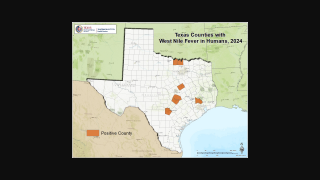
The Texas Department of State Health Services (DSHS) reported the first West Nile illness of 2017.
In 2016, Texas reported 370 human cases of the West Nile Virus (WNV), including 18 deaths.
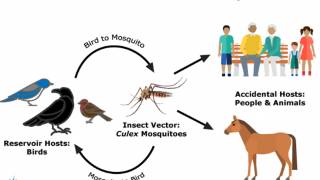
WNV is most commonly transmitted to humans by mosquitoes. Most people who get infected do not get sick, but about 20% will have symptoms that include headache, fever, muscle and joint aches, nausea, and fatigue.
In about 1% of infections, the virus can affect the nervous system, causing confusion, tremors, convulsions, paralysis, coma, and even death.
A 2016 study found deaths caused by WNV occur not just from the immediate infection, but also years later. During this study’s 10-year period, the death rate from WNV was 13%.
There is no prescription available to treat WNV nor is there a vaccine to prevent it.
“Diseases like Zika and West Nile remain threats in Texas, and we need everyone to do their part to protect themselves, their families and their communities,” said DSHS Commissioner Dr. John Hellerstedt. “These are simple steps, and if people take them consistently, they will go a long way toward reducing the number of cases of either disease transmitted in Texas.”
To help stop the spread of West Nile, people should:
- Use EPA-approved insect repellent every time they go outside.
- Cover exposed skin with long pants and long-sleeved shirts when possible.
- Use air conditioning or window and door screens that are in good repair to keep mosquitoes out.
- Limit outdoor activities during peak mosquito times.
- Remove standing water in and around homes, including in trash cans, toys, tires, flower pots and any other containers so mosquitoes can’t lay their eggs.
- Use a larvicide in water that can’t be drained to keep mosquitoes from developing.
According to the CDC, there is a very low risk that a woman who is infected with WNV while pregnant will transmit the virus to her fetus or newborn. Only a few cases of West Nile virus in newborns have been reported.
With that in mind, pregnant women should take precautions to reduce their risk for WNV infection by avoiding mosquitoes, wearing protective clothing, and using insect repellent.
Our Trust Standards: Medical Advisory Committee
-
Fact checked by Robert Carlson, MD
-

Fact checked by Shane Kyral, PharmD
-

Fact checked by Kelley Lu, PharmD