IXCHIQ® Chikungunya Vaccine (VLA1553) Clinical Trials, Dosage, Efficacy, Indication, Side Effects
Valneva SE's IXCHIQ® Chikungunya Vaccine, Live (VLA1553) is the first approved monovalent, single-dose, live-attenuated vaccine. As of 2023, IXCHIQ® was the first vaccine approved to address chikungunya virus (CHIKV) infections in adults at increased risk of exposure to the mosquito-transmitted disease. IXCHIQ is based on an infectious clone (CHIKV LR2006-OPY1) that has been attenuated by deleting a significant gene encoding the non-structural replicase complex protein nsP3, thereby protecting against various Chikungunya virus (CHIKV) phylogroups and strains. IXCHIQ is designed for prophylactic and active immunization against CHIKV infections in individuals aged 1 year and above. Recombumin®, a chemically defined, human- and animal-origin-free recombinant human albumin, enables the manufacture and formulation of IXCHIQ.
IXCHIQ was approved by the U.S. Food and Drug Administration (FDA, STN: 125777) on November 9, 2023. The FDA's Summary Basis for Regulatory Action was posted on December 8, 2023. On August 22, 2025, the FDA's Center for Biologics Evaluation and Research suspended the biologics license for IXCHIQ.
The FDA awarded Valneva a tropical disease priority review voucher under a provision in the FDA Amendments Act of 2007. In 2021, the IXCHIQ vaccine program received FDA Fast Track (2018) and Breakthrough Therapy Designation. The FDA published complete prescribing information at this link. The U.S. Defense Health Agency – Immunization Healthcare Division has published guidance authorizing IXCHIQ as a U.S. Department of Defense countermeasure for Chikungunya virus (CHIKV). On August 7, 2025, Valneva announced that the FDA had removed its recommended pause in the use of IXCHIQ® in individuals 60 years of age and older and has approved updates to the Prescribing Information for IXCHIQ® in the U.S. for the prevention of disease caused by the CHIKV in individuals 18 years of age and older who are at high risk of exposure to CHIKV. Furthermore, the product's Warnings and Precautions section has been expanded, particularly for individuals aged 65 or older and those with one or more chronic medical conditions.
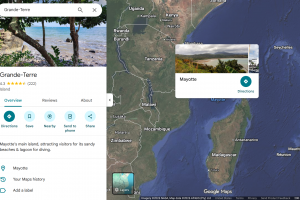
On May 9, 2025, the U.S. Centers for Disease Control and Prevention (CDC) recommended IXCHIQ for individuals aged 59 and younger, while reports of serious adverse events, including neurologic and cardiac events, in older individuals who have received the vaccine are being investigated. On April 16, 2025, the U.S. CDC's Advisory Committee on Immunization Practices (ACIP) updated its recommendation for the use of the IXCHIQ vaccine to prevent CHIKV disease. The ACIP recommended IXCHIQ for persons traveling to countries or territories with chikungunya outbreaks. In 2025, the ACIP also noted that IXCHIQ may be indicated in higher-risk settings, such as Réunion and Mayotte in France, given the known risks of severe chikungunya disease and hospitalization. On June 26, 2025, Dr. Lyle Petersen presented this information during the ACIP vaccine meeting. The HHS Secretary adopted these recommendations on May 13, 2025, and they are now official recommendations of the CDC.
On April 1, 2025, Valneva SE announced that the European Commission (EC) had granted marketing authorization in the European Union for IXCHIQ to prevent disease caused by the chikungunya virus. In Europe, IXCHIQ is intended for individuals aged 12 to 64 years. As of July 11, 2025, the European Medicines Agency (EMA) announced that it would lift the temporary restriction on vaccinating people aged 65 years and above, following a thorough review of IXCHIQ by the EMA's safety committee.
On March 31, 2025, Valneva announced that it submitted a label extension application to the UK Medicines and Healthcare Products Regulatory Agency (MHRA) to expand access to IXCHIQ for adolescents aged 12 to 17 years. On April 14, 2025, the Brazilian Health Regulatory Agency (ANVISA) granted marketing authorization for IXCHIQ.
On July 25, 2025, the EMA's Committee for Medicinal Products for Human Use confirmed the recommendation of the Agency's safety committee following a review of serious side effects of Ixchiq. On August 18, 2025, Health Canada granted marketing authorization for IXCHIQ®.
On September 30, 2025, the Company announced positive antibody persistence data four years after vaccination with a single dose of IXCHIQ®.
On December 8, 2025, a phase 3 clinical study funded by the Coalition for Epidemic Preparedness Innovations and the EU Horizon 2020 concluded that VLA1553 was generally safe and induced seroprotective titres up to 12 months in nearly all adolescents, with favourable safety data in those who were seropositive. The data support the use of VLA1553 for the prevention of disease caused by the chikungunya virus among adolescents and in endemic regions.
On January 19, 2026, Valneva announced that the Company has decided to voluntarily withdraw the BLA and Investigational New Drug applications for IXCHIQ® in the United States, following the U.S. FDA suspension of the license in August 2025. And on February 3, 2026, Valneva and Instituto Butantan announced the initiation of a Pilot Vaccination Strategy in Brazil that will serve as the basis for post-marketing commitment studies evaluating the effectiveness and safety of IXCHIQ® in a real-world setting and generating real-world evidence in a large population.
Saint-Herblain, France-based Valneva SE (Nasdaq: VALN; Euronext Paris: VLA) is a specialty vaccine company that develops vaccines to prevent diseases with significant unmet medical needs. Valneva's commercial portfolio comprises three travel vaccines: IXIARO/JESPECT, DUKORAL, and IXCHIQ. The Company's website presents the 2024 Annual Business Report and 2023 Sustainability Report, outlining activities and prospective priorities, as mandated by French Decree No. 2017-1265 of August 9, 2017. On April 23, 2025, Valneva was awarded Best Biotech of 2025 at the 16th Annual Vaccine Industry Excellence Awards. On April 3, 2024, Valneva announced it had won the Best Prophylactic Vaccine at the Vaccine Industry Excellence Awards 2024. Valneva won the Breakthrough of the Year on June 14, 2024, for its Chikungunya vaccine at the 2024 European Mediscience Awards.
IXCHIQ Vaccine Availability
As of February 2026, IXCHIQ was available for adults in Asia, Canada, Europe, France (Réunion and Mayotte), the United Kingdom, and the Virgin Islands. Valneva has supplied approximately 80,000 doses of IXCHIQ to various countries. On February 13, 2026, the United Kingdom's Commission on Human Medicines updated its recommendations for the use of the vaccine, which now include restrictions for individuals over 60 years of age, for people with specified health conditions, and for the timing of vaccination before travel. On December 31, 2025, Valneva and Serum Institute of India announced that they had mutually agreed to discontinue their license agreement for the chikungunya vaccine. On May 31, 2024, the European Commission (EMA/271910/2024) recommended the vaccine. On December 19, 2024, Valneva SE and Serum Institute of India (SII) announced an exclusive license agreement to supply IXCHIQ in Asia. As of 2025, the Brazilian Health Regulatory Agency (Anvisa) is reviewing IXCHIQ's marketing application. To make the vaccine more accessible to Low- and Middle-Income Countries, Valneva and Instituto Butantan in Brazil signed an agreement in January 2021 to develop, manufacture, and market VLA1553.
On March 24, 2025, Valneva announced an agreement, supported by the local public health agency, Agence Régionale de Santé La Réunion, to provide 40,000 vaccine doses starting on April 7, 2025, with an option to supply additional doses. This supply of doses, paid for by the French authorities, aligns with the recommendation of France's national public health agency, the Haute Autorité de Santé, to prioritize vaccination for adults with comorbidities. IXCHIQ remains available in France, on the mainland, and throughout the overseas territories.
IXCHIQ Vaccine CHIKV Cross-Neutralization
A Research Article published on March 10, 2025, analyzed the plaque reduction neutralization of three CHIKV lineages: the East Central South African, West African, and Asian. These lineages were inhibited by CHIKV-specific neutralizing antibodies present in sera from vaccinated humans. This effect was independent of the time elapsed since vaccination. Moreover, the magnitude of the immune response was similar to the observed in sera from convalescent chikungunya patients.
IXCHIQ Vaccine U.S. CDC Reviews
The ACIP approved recommendations for the use of IXCHIQ among travelers and laboratory workers in February 2024. On October 23, 2024, the ACIP reviewed an update to IXCHIQ. The long-term persistence clinical trial is ongoing, with a 97% seroresponse rate at 2 years. Monitoring will continue for 10 years to determine if a booster dose is needed.
On June 26, 2024, the U.S. CDC ACIP reviewed the following presentations on IXCHIQ and Chikungunya virus. On February 28, 2024, the ACIP reviewed Key points from the FDA licensure and package insert, as well as proposed policy options for the use of the chikungunya vaccine among U.S. adults traveling abroad, laboratory workers, and pregnant and breastfeeding women. On February 29, 2024, Valneva SE announced that the ACIP voted to recommend the use of IXCHIQ® for the prevention of CHIKV-related diseases.
Dr. Beth Bell presented proposed policy options for the use of a chikungunya vaccine among U.S. adults traveling abroad at the ACIP meeting on October 26, 2023. On June 22, 2023, the ACIP reviewed the following presentations: ACIP Work Group timeline (tentative) and the value of a vaccine to prevent travel-related Chikungunya for U.S. persons. On February 23, 2023, the ACIP presentations included: Introduction by Dr. Beth Bell; Global Epidemiology of Chikungunya, presented by Dr. Susan Hills; Chikungunya in U.S. travelers, presented by Ms. Nicole Lindsey; Persistent arthralgia Chikungunya, also presented by Ms. Nicole Lindsey; and Workgroup considerations, also presented by Ms. Nicole Lindsey. During the ACIP meeting on October 19, 2022, Katrin Dubischar, VP and Program Director of the Chikungunya Vaccine, delivered the introduction to the VLA1553 Chikungunya Vaccine Candidate, Evidence Supporting the Serological Endpoint, and an overview of the clinical study. VLA1553 is an efficient and safe intervention that offers high seroprotection against chikungunya virus infection. This virus is likely to spread globally, and there is an urgent need for long-lasting prophylaxis.
IXCHIQ Vaccine Efficacy
Among the 254 healthy adults still followed in a clinical trial, as of September 30, 2025, 95% maintained neutralizing antibody titers well above the seroresponse threshold4 four years after the single-dose vaccination. The persistence of antibodies in older adults (aged 65+) was comparable to that in younger adults (18-64 years of age) in terms of geometric mean titers and seroresponse rates.
On June 5, 2025, Valneva announced positive six-month antibody persistence and safety data for its Phase 2 clinical trial evaluating the safety and immunogenicity of two different dose levels of IXCHIQ. The VLA1553-221 trial's six-month results were in line with the initial data the Company reported in January 2025 and are intended to support a pivotal Phase 3 study in children, which the Company expects to initiate in the first quarter of 2026.
On January 20, 2025, Valneva SE reported IXCHIQ® showed a sustained 98.3% sero-response rate one year after a single vaccination. The Lancet Infectious Diseases published results from a phase 3b study, concluding that after a single dose of VLA1553, Chikungunya virus-neutralizing antibodies remained above the protective threshold and persisted for up to two years. There were no long-term serious adverse events related to vaccination. Valneva announced on December 3, 2024, that among the 278 healthy adults still enrolled in a clinical trial, 96% maintained neutralizing antibody titers well above the seroresponse threshold three years after receiving a single dose of the vaccine.
IXCHIQ Vaccine Indication
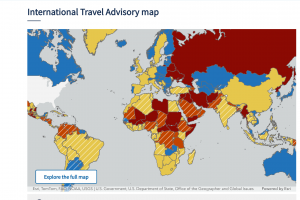
IXCHIQ targets long-term protection against the Chikungunya virus but may not protect all individuals against the disease. The U.S. CDC recommends vaccination for individuals traveling to a country with a chikungunya outbreak. The CDC issued an updated Level 2 Travel Health Advisory confirming that chikungunya vaccination is recommended for adults traveling to destinations with a chikungunya outbreak, such as Brazil. In Europe, IXCHIQ is authorized for individuals aged 12 to 65. The EMA states that this vaccine should only be used when there is a significant risk of Chikungunya, after careful consideration of the benefits and risks.
On April 25, 2025, France's national public health agency, the French Health Authority, suspended its recommendation for use of the vaccine in that older age range pending further investigation.
IXCHIQ Vaccine Pediatric Indication
On June 5, 2025, positive six-month antibody persistence and safety data for its Phase 2 clinical trial evaluating the safety and immunogenicity of two different dose levels of its single-shot chikungunya vaccine, IXCHIQ®, in 304 children, were announced. A full dose (licensed IXCHIQ formulation and presentation) elicited a more robust immune response in children aged 1 to 11 years at Day 15 and Day 180 post-vaccination compared to a half dose. Overall, the immunological response profile was consistent with that previously observed in adults and adolescents. The strong immune response was confirmed in CHIKV-naïve children with a 96.5% seroresponse rate (full dose) at Day 180. VLA1553 was well tolerated in these children regardless of the dose or previous CHIKV infection. No safety concerns were identified. The comparability of the VLA1553 doses tested in terms of safety and tolerability, along with the more pronounced immune response observed for the full dose in all age groups tested in children up to Day 180 post-vaccination, supports the selection of the full dose for use in this population.
On January 22, 2025, Valneva announced that VLA1553-221 met its primary endpoint, demonstrating that the vaccine was well tolerated by children aged one to eleven years, regardless of the dose (half dose or full dose) or previous CHIKV infection, and, to a similar extent, by an active control MenACYW vaccine. Overall, the safety profile was consistent with the profile observed in Valneva's pivotal Phase 3 trials in adults and adolescents. An independent Data Safety Monitoring Board confirmed the absence of any safety concerns. Valneva's vaccine was highly immunogenic in both dose groups. A full dose of the vaccine elicited a more robust immune response than a half dose, as evidenced by protective antibody titers already present at Days 15 and 29, confirming the immunogenicity previously observed in adults and adolescents.
A modeling study published on May 1, 2025, concluded that a disease-blocking vaccine with 75% efficacy deployed in 40% of individuals aged ≥12 years over 3 months would have prevented 34,200 (95% CI 30,900–38,000) cases, representing 23% of all cases, and 73 (95% CI 66–81) deaths.
On January 10, 2024, Valneva announced that the first participant had been vaccinated in a Phase 2 clinical immunogenicity study evaluating the safety and immunogenicity of two doses of Valneva's single-shot chikungunya vaccine in children. On December 4, 2023, Valneva reported a 97% seroresponse rate 24 months after a single dose of IXCHIQ, with no safety concerns. On November 13, 2023, Valneva reported positive pivotal Phase 3 immunogenicity data in adolescents. VLA1553, administered as a single dose, was generally well tolerated in adolescents aged 12 to 18 years, regardless of previous CHIKV infection, and exhibited a safety profile similar to that reported in adults. These results complement the initial Phase 3 safety data the Company reported for the trial in August 2023.
IXCHIQ Vaccine Dosage
VLA1553 is administered intramuscularly with a single dose. At clinical trial centers in Illinois and Alabama, U.S., healthy volunteers aged 18–45 years were randomly assigned (1:1:2) to one of three escalating groups (low dose 3·2 × 10^3 per 0·1 mL; medium dose 3·2 × 10^4 per 1 mL; or high-dose 3·2 × 10^5 50% tissue culture infection dose per 1 mL) and received a single-shot immunization on day 0. Individuals in all groups were revaccinated with the highest dose at either month 6 or 12 and followed for 28 days after revaccination.
IXCHIQ Vaccine Contraindications
IXCHIQ® should not be given to individuals who have a weakened immune system due to medications used for hematologic and solid tumors, are on chemotherapy, have a history of congenital immunodeficiency, are under long-term immunosuppressive therapy, or have an HIV infection and are severely immunocompromised, or have a history of a severe allergic reaction to any vaccine component.
IXCHIQ Vaccine Side Effects and Warnings
On August 22, 2025, the U.S. FDA announced that reported serious adverse events have included 21 hospitalizations and three deaths. As of May 2025, serious adverse events, including two that resulted in death, have been reported in individuals 62 through 89 years of age who received IXCHIQ. Six of these reports have been from the people in the United States. Most U.S. and foreign serious adverse events reported have been in individuals with underlying chronic medical conditions. On May 2, 2025, the European Medicines Agency (EMA) issued a cautionary statement against the use of IXCHIQ in frail older adults, particularly those with comorbidities that may affect their immune response to the vaccine. These decisions were taken in response to reports of Serious Adverse Events (SAEs) in older adults with significant underlying medical conditions and co-medications. Causality for the SAEs reported in the U.S. or La Réunion has not been established.
On October 14, 2024, a study concluded, 'A single dose of VLA1553 presented with an excellent local tolerability profile and overall safety in line with that expected for a live-attenuated vaccine.' Common adverse reactions following vaccination, which occurred in more than 10% of vaccinated individuals in clinical trials, included tenderness, headache, fatigue, myalgia, arthralgia, fever, and nausea. IXCHIQ also caused severe or prolonged chikungunya-like adverse reactions in some persons. Appropriate medical treatment to manage immediate allergic reactions, including acute anaphylactic reactions, must be available following the administration of IXCHIQ or any vaccine, according to the FDA.
Vaccination with IXCHIQ® may cause severe or prolonged chikungunya-like adverse reactions. Severe chikungunya-like adverse reactions that prevented daily activity and/or required medical intervention occurred in 1.6% of 3,082 IXCHIQ® recipients and no placebo recipients. Fourteen IXCHIQ® recipients had prolonged (duration at least 30 days) chikungunya-like adverse reactions. The most common injection site reaction (>10%) was tenderness (11%), and the most common systemic adverse reactions (>10%) were headache (31%), fatigue (29%), myalgia (24%), arthralgia (17%), fever (13%), and nausea (11%). In France's overseas departments, side effects were reported in April 2025.
IXCHIQ Vaccine Pregnancy And Lactation
There are no adequate and well-controlled studies of IXCHIQ in pregnant individuals, and the available human data from clinical trials with IXCHIQ are insufficient to establish whether the vaccine poses any risks during pregnancy. In general, vaccination should be deferred until after delivery. However, if pregnant women choose to be vaccinated, vaccination should generally be avoided during the 1st trimester (until 14 weeks of gestation) and after the 36th week of gestation, out of caution. A developmental study was conducted on female rats. IXCHIQ® should be administered during pregnancy only after an individual risk-benefit assessment, taking into account the maternal risk of chikungunya infection and gestational age. Vertical transmission of wild-type CHIKV to neonates from pregnant women with viremia at delivery is standard and can cause severe, potentially fatal CHIKV disease in neonates. Human data are not available to assess the impact of IXCHIQ on milk production, its presence in breast milk, or its effects on the breastfed child.
IXCHIQ Immunocompromised Individuals
XCHIQ should not be administered to individuals with immunodeficiency or immunosuppression.
IXCHIQ Vaccine Efficacy Against Alphaviruses
Alphaviruses are vector-borne, medically relevant, positive-stranded RNA viruses that cause human disease worldwide. A study published on August 7, 2024, characterized neutralizing antibodies (nAbs) against Chikungunya virus (CHIKV) strains. IXCHIQ elicited 100% seroconversion to each virus, except for RRV, where seroconversion was 83.3% among vaccinees, and cross-neutralizing antibody potency decreased with increasing genetic distance from CHIKV. These data suggest that IXCHIQ elicits cross-neutralizing antibody (nAb) breadth that extends to related alphaviruses, as observed in natural CHIKV infection. The journal Science Translational Medicine published a Research Article, Vol. 15, Issue 696, on May 17, 2023, which found that MAbs with the most significant passive protective efficacy in a mouse model of CHIKV also protected against related arthritogenic alphaviruses.
IXCHIQ Vaccine Coadministration
The Company has not disclosed information on coadministration.
IXCHIQ Vaccination for Laboratory Staff
According to the CDC, chikungunya vaccination is recommended for laboratory workers at risk of exposure to the virus. Transmission of the virus through the aerosol and percutaneous routes has been documented in laboratory settings, and accidental mucosal exposure is a potential risk. Laboratory work with the Chikungunya virus is restricted to biosafety level-3 (BSL-3) facilities and practices.
Chikungunya Outbreaks
Countries in Asia, Europe, and the Americas reported Chikungunya virus outbreaks in 2023, 2024, and 2025. Over 50 million North Americans, including approximately 7 million Canadians, are expected to travel to areas where Chikungunya is in 2025. While the incidence of Chikungunya CHIKV infection is low, the morbidity and overall burden of the disease are high.
Valneva SE Agreements with CEPI
The Coalition for Epidemic Preparedness Innovations (CEPI) and Valneva SE announced on July 22, 2024, that they have expanded their partnership to support broader access to IXCHIQ in low- and Middle-Income countries (LMICs), as well as post-marketing trials and potential label extensions in children, adolescents, and pregnant women. CEPI will provide Valneva up to U.S. $41.3 million of additional funding over the next five years, with support from the European Union's (EU) Horizon Europe program. An earlier CEPI agreement awarded Valneva U.S. $24.6 million in CEPI-EU funding to develop, manufacture, and market its single-shot vaccine, particularly for low- and middle-income countries.
Valneva SE Financial News
For the first half of 2025, Valneva reported on August 12, 2025, IXCHIQ® sales of €7.5 million compared to sales of €1.0 million in the first half of 2024, when the vaccine had just been launched in the U.S. First-half IXCHIQ® sales benefited from a CHIKV outbreak on the French island La Réunion.
On June 4, 2025, Valneva announced that after twenty-six years with Vivalis and Valneva, Mr. Franck Grimaud, Chief Business Officer and one of Valneva's co-founders, will leave the Company on June 25, 2025. On May 7, 2025, Valneva SE reported that IXCHIQ® sales increased to €3 million from €0.2 million in the first quarter of 2024. Valneva SE filed its 2024 Universal Registration Document with the French Financial Markets Authority on March 24, 2025, under filing number D.25-0140, and its Form 20-F with the U.S. Securities and Exchange Commission on the same date.
Valneva and the Butantan Institute in Brazil signed a term sheet in May 2020 to develop, manufacture, and market VLA1553. The collaboration is part of the $23.4 million funding framework that Valneva received from CEPI in July 2019 to make VLA1553 accessible to low— and Middle-Income Countries. As of July 22, 2024, Valneva will receive up to $41.3 million from CEPI and the European Union. On February 5, 2025, CEPI reaffirmed its commitment to expanding access to affordable vaccine doses in endemic regions.
IXCHIQ Vaccine News
February 3, 2026 - Esper Kallas, M.D., Ph.D., Director, Instituto Butantan, outlined the path towards the PVS, stating: "This program stems from a deeply rigorous scientific collaboration between Valneva, Instituto Butantan, and leading arbovirus experts."
September 30, 2025 - Juan Carlos Jaramillo, M.D., Chief Medical Officer of Valneva, said, "We are very encouraged by these four-year data, which further reinforce IXCHIQ® 's unique profile and its ability to generate a robust, durable antibody response in both younger and older adults with just a single dose."
August 18, 2025 - Juan Carlos Jaramillo, M.D., Chief Medical Officer of Valneva, said in a press release, "This (Canada) approval marks another major milestone for our vaccine as chikungunya continues to pose a significant risk to people living in or traveling to endemic regions."
June 10, 2025 - Global burden of chikungunya virus infections and the potential benefit of vaccination campaigns.
June 5, 2025 - Juan Carlos Jaramillo, M.D., Chief Medical Officer of Valneva, said, "The six-month persistence and safety data in children are aligned with the robust antibody response and safety profile we reported in adolescents after a single vaccination. Considering the significant risk chikungunya poses to individuals living in or traveling to endemic areas, it's crucial to ensure that the vaccine is accessible to people of all ages and capable of potentially offering long-term protection from a single shot."
May 12, 2025—Juan Carlos Jaramillo, M.D., Chief Medical Officer of Valneva, said: "We reiterate our support for the precautionary measures that have been taken as well as our commitment to continue monitoring all reported serious adverse events, particularly from the active chikungunya vaccination campaign in La Réunion. There have been no further SAEs reported outside this public vaccination effort to combat the ongoing outbreak. We will continue proactively engaging with the global regulatory authorities while these important investigations continue over the next month."
April 18, 2025 - Juan Carlos Jaramillo, M.D., Chief Medical Officer of Valneva, commented in a press release, "Valneva is committed to the highest standards of safety, and the safety profile of IXCHIQ® remains unchanged and positive. We respect the ACIP recommendation and agree on the importance of continuing the stringent safety surveillance protocols that are in place. We encourage providers to assess the benefit/risk of vaccination based on the individual's medical history and upcoming travel, which aligns with the current recommendation."
April 14, 2025 - Dr. Esper Kallás, Director of Instituto Butantan, stated, "The approval of the chikungunya vaccine is a great victory for Brazil, where over 150,000 people suffer from the disease yearly. It is an honor for Butantan to be able to contribute to ensuring that this vaccine reaches the population that needs it the most."
April 1, 2025 - Dr. Richard Hatchett, Chief Executive Officer of the Coalition for Epidemic Preparedness Innovations, commented, "EC's marketing authorization for use of IXCHIQ® in adolescents in the EU is an important stepping stone that could help accelerate the approval of the vaccine in this age group in other regions, including areas where the disease is endemic."
February 28, 2025 - Juan Carlos Jaramillo, M.D., Chief Medical Officer of Valneva, stated, "Broader accessibility will help provide protection and mitigate the burden of this debilitating illness, which continues to spread in previously unaffected areas."
February 25, 2025 - The CDC investigates hospitalizations for cardiac or neurologic events following vaccination with IXCHIQ.
February 18, 2025: Peter BühlValneva'sva's Chief Financial Officer, commented, "Once again, we successfully delivered double-digit sales growth... We made significant clinical and regulatory progress last year, setting the stage for several important catalysts to drive value in 2 "25."
February 4, 2025: Julian Beach, MHRA Interim Executive Director of Healthcare Quality and Access, said in a press release, "Patient safety is our top priority, which is why I am pleased to confirm the approval of the first vaccine in the UK to protect adults 18 years and older against Chikungunya."
January 22, 2025 - Juan Carlos Jaramillo, M.D., Chief Medical Officer of Valneva, stated, "These initial data in children are consistent with the robust antibody response and favorable safety profile we reported in both adolescents and adults after a single vaccination."
December 3, 2024—Juan Carlos Jaramillo, M.D., Chief Medical Officer of Valneva, said in a press release, "We are extremely pleased about these three-year data, which further highliIXCHIQ®'sQ®'s differentiated product profile and ability to induce a robust, long-lasting antibody response in both younger and older adults with a single vaccination.
September 4, 2024: The Lancet published a Comment stating that an effective chikungunya vaccine would reduce the burden of acute infections and mitigate the substantial loss of economic productivity in working-age adults.
July 22, 2024—Thomas Lingelbach, Chief Executive Officer of Valneva, said, "We are extremely pleased to strengthen our partnership with CEPI." Valneva will receive up to $41.3 million from CEPI and the European Union to expand access to the chikungunya vaccine, IXCHIQ®.
July 1, 2024: Dr. Richard Hatchett, CEO of the Coalition for Epidemic Preparedness Innovations, comments, "Supported by CEPI and EU funding, IXCHIQ is the world's first vaccine offering protection against the debilitating CHIKV."
May 21, 2024 – Valneva SE announced the appointment of Dr. Hanneke Schuitemaker, Ph.D., as Chief Scientific Officer and Executive Committee member, effective June 3, 2024.
January 10, 2024 - Juan Carlos Jaramillo, M.D., Chief Medical Officer of Valneva, said, "This pediatric clinical trial is significant. Given the significant threat that Chikungunya poses to individuals living in or traveling to endemic areas, it is crucial to make the vaccine accessible to all age groups."
October 19, 2022—The U.S. CDC vaccine committee reviews various presentations, including "Overview of Chikungunya and Chikungunya Vaccines" by Susan Hills, MBBS, MTH, the CDC Lead of the Chikungunya Vaccines Work Group.
July 7, 2021 - Valneva SE announced that the U.S. FDA had awarded Breakthrough Therapy Designation for VLA1553.
January 25, 2021: Valneva SE and Instituto Butantan signed definitive agreements to develop, manufacture, and market Valneva's single-shot chikungunya vaccine, VLA1553, in Low —and Middle-Income Countries.
October 16, 2020 - Valneva SE announced that the European Medicines Agency had granted PRIority Medicines designation for VLA1553.
December 21, 2018 - The U.S. Food and Drug Administration granted VLA1553 Fast Track designation.
VLA-1553 Clinical Trials
Valneva continues to test the VLA1553 Chikungunya Vaccine in various clinical trials.
A Phase IV study, promoted by the CHU of La Réunion and financed by the Ministry of Health, with the support of ANRS Emerging Infectious Diseases and the Region of La Réunion, is underway. The results of this study are expected to be available in late 2025.
On June 13, 2023, the phase 3 study results were published: Between September 17, 2020, and April 10, 2021, 6,100 people were screened for eligibility. 1,972 people were excluded, and 4,128 participants were enrolled and randomized (3,093 to VLA1553 and 1,035 to placebo). 358 participants in the VLA1553 group and 133 in the placebo group discontinued the trial before it ended. The per-protocol population for immunogenicity analysis comprised 362 participants (266 in the VLA1553 group and 96 in the placebo group). After a single vaccination, VLA1553 induced seroprotective chikungunya virus-neutralizing antibody levels in 263 (98.9%) of 266 participants in the VLA1553 group (95% CI 96.7–99.8; p < 0.0001) 28 days post-vaccination, independent of age. VLA1553 was generally safe, with an adverse event profile similar to that of other licensed vaccines, and was equally well tolerated in both younger and older adults. Serious adverse events were reported in 46 (1·5%) of 3082 participants exposed to VLA1553 and eight (0·8%) of 1033 participants in the placebo arm. Only two serious adverse events related to VLA1553 treatment (one mild myalgia and one syndrome of inappropriate antidiuretic hormone secretion) were considered. Both participants recovered fully.
VLA1553-301 Phase 3 trial was initiated in September 2020. It is a prospective, double-blinded, multicenter, randomized, pivotal Phase 3 trial evaluating 4,115 participants aged 18 years or above. Lyophilized VLA1553 or placebo was administered as a single intramuscular immunization. The trial's primary objective was to assess the Immunogenicity and safety of VLA1553 one month following a single vaccination.
Conducted in Brazil by Instituto Butantan, VLA1553-321 is a double-blinded, multicenter, randomized, and placebo-controlled Phase 3 trial. The study will also provide safety and immunogenicity data for participants who were previously infected with Chikungunya in 2022. Valneva confirmed that the Coalition for Epidemic Preparedness Innovations (CEPI) had funded a Phase 3 clinical study and reported positive topline results from a lot-to-lot manufacturing consistency trial for VLA1553. An analysis announced on March 8, 2022, confirmed the very high level of seroprotection, with 98.9% of participants achieving protective levels of CHIKV-neutralizing antibodies one month after receiving a single vaccination. In addition, the immunogenicity profile was maintained over time, with 96.3% of participants demonstrating protective CHIKV-neutralizing antibody titers 6 months after a single immunization.
On September 4, 2024, The Lancet published results from a CEPI and EU Horizon 2020-funded phase 3 study conducted in Brazil. The study concluded that VLA1553 was generally safe and induced seroprotective titers in almost all vaccinated adolescents, with favorable safety data in seropositive adolescents at baseline. The data support the use of VLA1553 to prevent diseases caused by the Chikungunya virus among adolescents in endemic areas.