Vaccine News

Vaccine news brought to you by Precision Vaccinations.

Sep 1, 2024 • 8:26 am CDT
from Pixabay

With more than 150 countries and territories reporting rabies cases, accessing one of the four authorized vaccines is essential to reducing this viral disease, says the World Health Organization. 

Bavarian Nordic recently announced it is in agreement with the U.K.'s Medicines and Healthcare products Regulatory Agency (MHRA) regarding reports of rubber particles after reconstitution of the Rabipur rabies vaccine.

Bavarian Nordic has recently received an unexpected number of product quality complaints about visual particles in the vaccine solution.

Recommendations, issued on August 14, 2024, have been provided to minimize health risks. The analysis revealed that these particles consisted of rubber transferred from the rubber stopper of the vaccine vials during (coring) reconstitution.

The MHRA's letter to healthcare providers recommends that the reconstituted Rabipur vaccine be carefully inspected visually and not administered if visible particles are present. Suspected adverse drug reactions can be reported to the MHRA through the Yellow Card scheme

While most of the world traces rabies infections in people to bites from an infected dog, in the United States, rabid bats are the leading source of infection.

Sep 1, 2024 • 7:57 am CDT
GPEI plan August 2024

The recently announced Africa Regional Polio Eradication Action Plan 2024-2025 outlines a new strategy for responding to polio outbreaks.

Released on August 19, 2024, the pre-publication version introduces a different approach by addressing all instances of poliomyelitis (polio) transmission, including outbreaks of circulating variant poliovirus, as if they were cases of wild poliovirus (WPV).

This action plan advocates for a more proactive strategy instead of following the previous two-round campaign response. It suggests that countries affected by polio should conduct between three and five vaccination campaign rounds based on their specific risk and population immunity.

The plan's authors wrote, 'By pursuing a new course of action defined by these priorities, the WHO African Region will end outbreaks and build the resilience required to achieve and maintain a polio-free Africa.'

Furthermore, this plan offers hope for the countries currently reporting poliovirus detections. On August 28, 2024, the Global Polio Eradication Initiative reported the following summary:

Afghanistan: four WPV1 cases,

Pakistan: two WPV1 cases and 16 positive environmental samples,

Chad: two cVDPV2 cases and two positive environmental samples,

Côte d’Ivoire: two cVDPV2 positive environmental samples,

DR Congo: one cVDPV2 case,

Niger: one cVDPV2 positive environmental sample,

Nigeria: three cVDPV2 cases and one positive environmental sample,

Palestinian territory: one cVDPV2 case,

South Sudan: one cVDPV2 case.

To alert international travelers to their potential polio risk, the U.S. CDC reconfirmed in August 2024 that before any of 37 countries, ensure you are up to date on your polio vaccines.

The GPEI previously launched its Polio Eradication Strategy 2022–2026. The GPEI strategy called for a rigorous review of its plan in 2023.

As of late August 2024, the type 2 novel oral polio (nOPV2) vaccine, produced by PT Biofarma, has been administered over one billion times in various countries. This vaccine was designed to improve phenotypic stability and make the poliovirus strains less prone to reversion to virulence.

Aug 31, 2024 • 3:33 pm CDT
by Jens P. Raak

UNICEF today announced that it had issued an emergency tender for the procurement of mpox vaccines. The emergency tender is designed to secure immediate access to available mpox vaccines and expand production.

Depending on demand, manufacturers' production capacity, and funding, agreements for up to 12 million doses through 2025 can be made.

Based on recent announcements, there are four mpox vaccines available in 2024.

“Addressing the current mpox vaccine shortage and delivering vaccines to communities who need them now is of paramount importance. There is also a pressing need for a universal and transparent allocation mechanism to ensure equitable access to mpox vaccines,” said Director of UNICEF Supply Division Leila Pakkala in a press release on August 31, 2024.

UNICEF is the world’s largest single vaccine buyer, procuring more than 2 billion doses of vaccines annually for routine child immunization and outbreak response on behalf of nearly 100 countries.

Aug 31, 2024 • 4:31 am CDT
US FDA Aug. 30, 2024

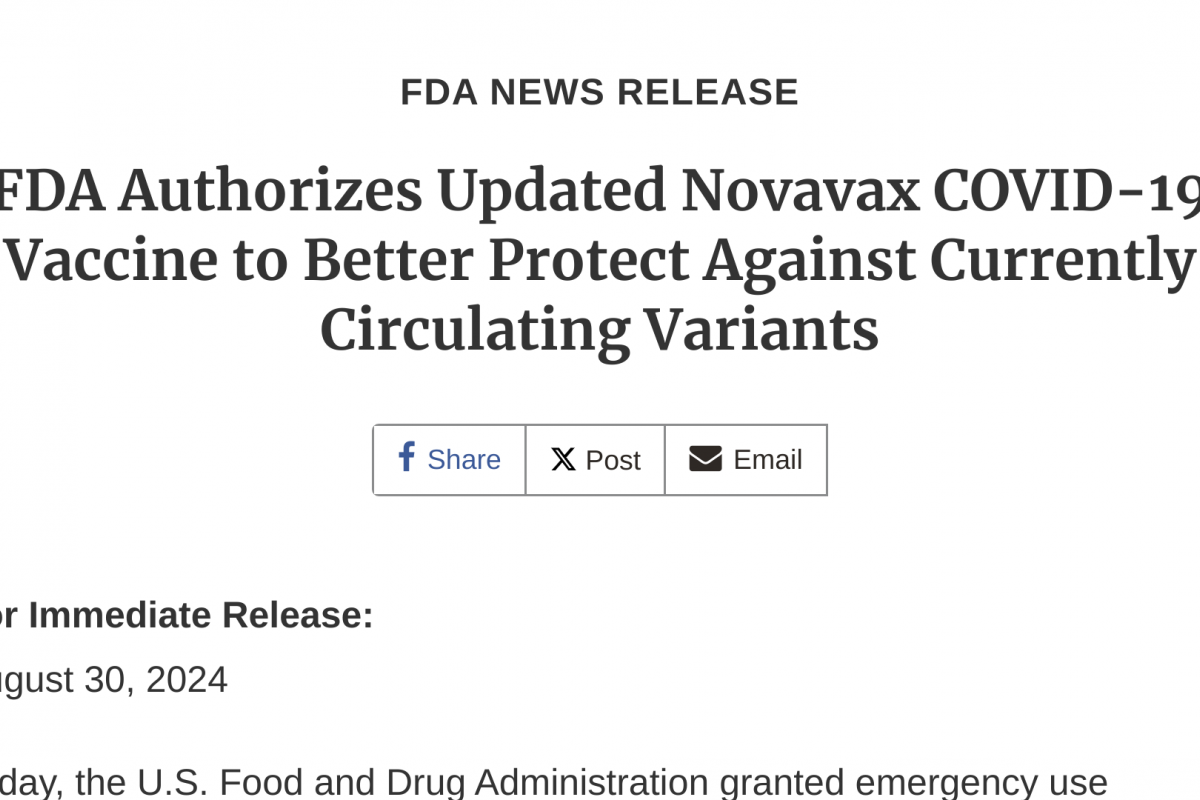
The U.S. Food and Drug Administration today announced it granted emergency use authorization (EUA) for an updated version of the Novavax COVID-19 vaccine that more closely targets currently circulating SARS-CoV-2 virus variants to provide better protection against serious consequences of COVID-19, including hospitalization and death.

Novavax's updated COVID-19 vaccine targets the "parent strain" of KP.2 and KP.3, formulated to target the JN.1 variant.

The updated monovalent, protein-based vaccine is authorized for individuals 12 and older.

This FDA approval helps protect Americans and their families during the U.S.'s biggest surge in COVID-19 cases since January 2022.

The FDA has determined that the updated Novavax COVID-19 vaccine has met the statutory criteria for issuance of an EUA, including that the known and potential benefits of the vaccine outweigh its known and potential risks.

Peter Marks, M.D., Ph.D., director of the FDA’s Center for Biologics Evaluation and Research, commented in a press release on August 30, 2024, “Today’s authorization provides an additional COVID-19 vaccine option that meets the FDA’s standards for safety, effectiveness and manufacturing quality needed to support emergency use authorization.”

Following the Center for Biologics Evaluation and Research's release of vaccine batches, Novacax vaccines will be available in thousands of locations, including retail and independent pharmacies and regional grocers.

Aug 30, 2024 • 10:17 am CDT
by Gerd Altmann

Emergent BioSolutions Inc. today announced that the U.S. Food and Drug Administration (FDA) approved the supplemental Biologics License Application for the expansion of the indication for the single-dose ACAM2000® Smallpox vaccine to include the prevention of mpox disease in individuals determined to be at high risk for mpox infection.

ACAM2000® is administered percutaneously via a bifurcated needle dipped into the vaccine solution. The skin is pricked several times in the upper arm with a droplet of the vaccine.

ACAM2000 was first approved by the FDA in 2007.

Dr. Amesh A. Adalja, FIDSA FACP FACEP & health security and emerging infectious diseases expert, Johns Hopkins Center for Health Security, commented in a press release on August 29, 2024, “ACAM2000®, a direct descendant of the Jenner vaccine (humanity’s first) which was used to eradicate smallpox, and now with the broadened indication, will be an invaluable tool in this endeavor.”

The FDA's labeling for ACAM2000® contains a contraindication for individuals with severe immunodeficiency. Severe localized or systemic infection with vaccinia (progressive vaccinia) may occur in persons with weakened immune systems. Individuals with severe immunodeficiency who are not expected to benefit from the vaccine should not receive ACAM2000®.

The risk of experiencing severe vaccination complications must be weighed against the risk of experiencing a potentially severe or fatal smallpox or mpox infection.

Additionally, there are warnings and precautions for myocarditis, pericarditis, encephalitis, encephalomyelitis, encephalopathy, progressive vaccinia, generalized vaccinia, severe vaccinial skin infections, erythema multiforme major (including Stevens-Johnson Syndrome), eczema vaccinatum resulting in permanent sequelae or death, accidental eye infection (ocular vaccinia), which can cause ocular complications that may lead to blindness, and fetal death.

These side effects may occur following primary or revaccination with live vaccinia virus vaccines, including ACAM2000®. These risks are increased in certain individuals and may result in severe disability, permanent neurological sequelae, and/or death.

As of late August 2024, four mpox vaccines are in use globally.

Aug 29, 2024 • 2:31 pm CDT
from Pixabay

Health officials in Minnesota today announced they are urging families to ensure they are up to date on their measles, mumps, and rubella (MMR) vaccine as the four-month measles outbreak continues to impact the Twin Cities metro area.  

Since May 2024, 30 cases of measles have been reported in Minnesota. So far, the outbreak is mainly affecting unvaccinated children in the Somali community in Minnesota.

In 2023, the Minnesota Department of Health (MDH) did not report a local measles case.

MDH says most measles cases in Minnesota result from people traveling to or from countries where measles is common and who become infectious with measles after arriving in Minnesota.

“Measles is currently circulating, and infections can be severe,” said Dr. Ruth Lynfield, state epidemiologist and medical director at the MDH, in a press release on August 28, 2024.

“I urge all parents to vaccinate their children because we know that vaccination offers the best protection.”

In Minnesota, the Vaccines for Children program (MnVFC) provides Free or Low-cost Vaccines for Children who are uninsured, enrolled in a Minnesota health care program like Medical Assistance or MinnesotaCare, or American Indian or Alaska Native.

Over 750 healthcare providers, including pharmacists, are enrolled in MnVFC, and approximately half of Minnesotan children are eligible.  

Additionally, children who do not have health insurance to cover vaccines can also get vaccinated through local public health departments. Check your county government website to find a local public health immunization clinic.

Minnesota is not the only state reporting a measles outbreak in 2024. On August 22, 2024, the U.S. CDC reported 227 measles cases in 29 jurisdictions, led by Chicago, Illinois.

Aug 29, 2024 • 5:26 am CDT
ARS Pharmaceuticals, Inc. website Aug. 2024

ARS Pharmaceuticals, Inc. recently announced today that the European Commission (EC) has approved EURneffy® (adrenaline nasal spray) for the emergency treatment of allergic reactions for adults and children (≥30 kg) with severe allergies.

ARS Pharma anticipates that EURneffy will be made available in certain European Union Member States in Q4 2024. It is the first novel adrenaline delivery method approved in over three decades.

The pharmacodynamics and pharmacokinetics of 2 mg EURneffy were evaluated across a range of dosing conditions, including single and repeat dosing, self-administration by patients, dosing in pediatrics, and during multiple nasal conditions that can cause congestion and rhinorrhea such as nasal allergen challenge or infectious rhinitis caused by a cold/flu.

“Adrenaline is the only first-line treatment (not a preventive vaccine) for allergic reactions including anaphylaxis, yet there is significant underutilization of adrenaline due to the limitations of currently available therapy,” said Antonella Muraro, MD PhD, Professor of Food Allergy at the University of Padua, and lead author of the European Academy of Allergology and Clinical Immunology treatment guidelines for anaphylaxis, in a press release on August 26, 2024.

Type I severe allergic reactions are serious and potentially life-threatening events that can occur within minutes of exposure to an allergen and require immediate treatment with epinephrine, the only approved medication for these reactions in the European Union.

While adrenaline autoinjectors have been shown to be highly effective, well-published limitations result in many patients and caregivers delaying or not administering treatment in an emergency situation. These limitations include fear of the needle, lack of portability, needle-related safety concerns, lack of reliability, and complexity of the devices. Even if patients or caregivers carry an autoinjector, more than half either delay or do not administer the device when needed in an emergency, says the company.

Aug 28, 2024 • 2:11 pm CDT
PAHO Oropouche virus case report 2024

The U.S. CDC's Early Release Morbidity and Mortality Weekly Report on August 27, 2024, revealed that 21 Oropouche virus disease cases among U.S. travelers returning from Cuba have been reported this year.

At least three patients had recurrent symptoms after the initial illness, a common characteristic of Oropouche virus disease.

Most of these cases (20) were people in Florida.

The CDC recently published a Level 1 Travel Health Notice to alert travelers regarding Oropouche outbreaks in the Americas Region and Europe (19).

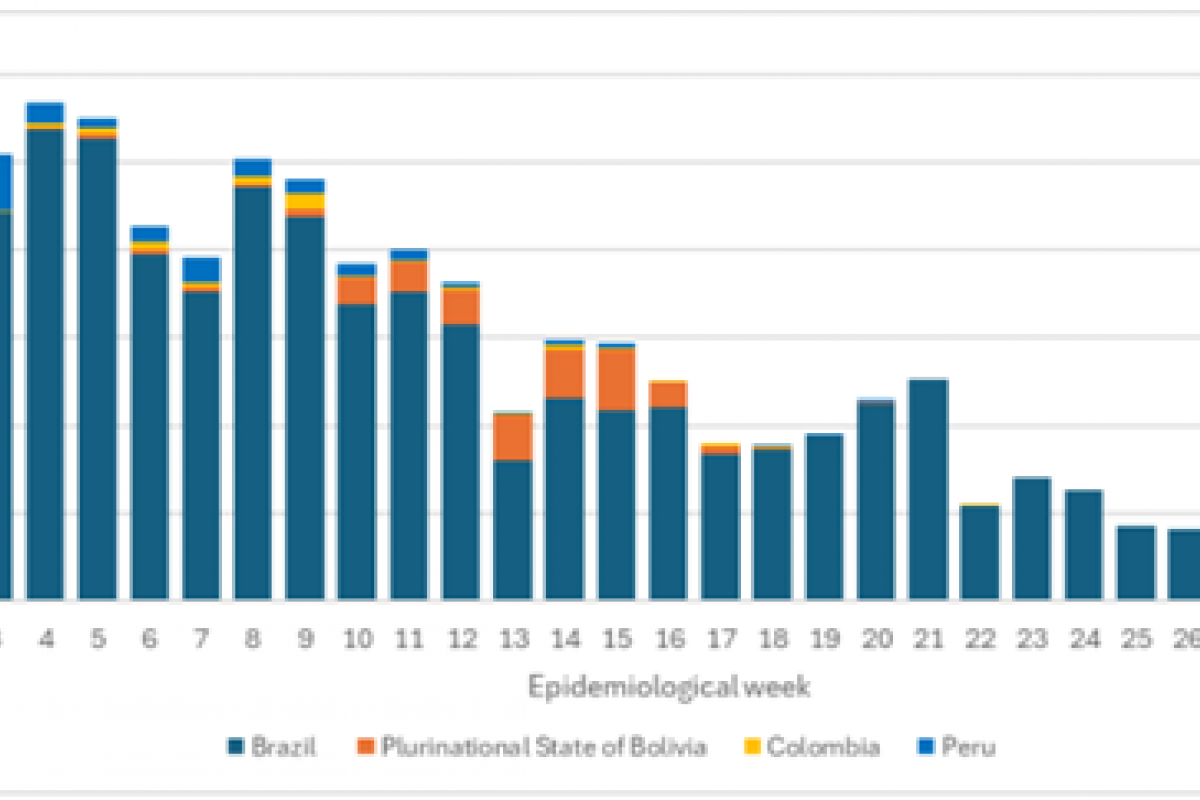
From December 2023 to June 2024, large Oropouche virus disease outbreaks were recognized in areas with known endemic diseases, and the virus emerged in new places in South America and Cuba where it had not been historically reported.

This year, cases have been reported in Bolivia, Brazil, Colombia, Cuba, and Peru.

From 2015 to 2022, only 261 cases of Oropouche fever were recorded in Brazil. However, as of August 6, 2024, Brazil confirmed 7,497 cases. However, the infectious rate has recently diminished.

The CDC says clinicians and public health jurisdictions should be aware of Oropouche virus disease in U.S. travelers and request testing for suspected cases.

In Florida, the Department of Health identified suspected Oropouche cases primarily by reviewing patients who received negative dengue test results and had visited countries such as Cuba.

Reported symptoms commenced during May–July and most commonly included fever (95%), myalgia, headache, fatigue or malaise, and arthralgia.

Travelers should prevent insect bites when traveling, and pregnant persons should consider deferring travel to areas experiencing outbreaks of Oropouche virus disease, says the CDC.

As of August 28, 2024, there are no approved vaccines to prevent Oropouche virus disease.

Aug 28, 2024 • 10:04 am CDT
Michelson Medical Research Foundation website 2024

UCLA Health recently announced it had received a $120 million commitment from surgeon, inventor, and philanthropist Dr. Gary Michelson and his wife, Alya, to kick-start the California Institute for Immunology and Immunotherapy, an innovative public-private partnership aimed at spurring breakthrough discoveries that prevent and cure diseases and catalyze economic growth and innovation in Los Angeles. 

Announced on August 27, 2024, the gift will be distributed via the Michelson Medical Research Foundation, designates $100 million to establish two research entities within the institute, each funded by $50 million,

One entity will focus on rapid vaccine development and the other on harnessing the microbiome to advance human health. The microbiome research will be conducted with the new UCLA Goodman-Luskin Microbiome Center.

In addition, the foundation, a part of the Michelson Philanthropies network of foundations, is funding a $20 million endowment to provide research grants to young scientists using novel processes to advance immunotherapy research, human immunology, and vaccine discovery.

“Immunology is the mediator of nearly all human diseases, whether we’re talking about cancer, heart disease, or Alzheimer’s,” Dr. Michelson said in a press release.

“The vision for this institute is to become a ‘field of dreams’ — the world’s leading center for the study of the immune system to develop advanced immunotherapies to prevent, treat, and cure all of the diseases that afflict people today and to end these diseases in our lifetime.

“Scientific research is the key to making possible longer and healthier lives,” Michelson added.

Aug 28, 2024 • 8:34 am CDT
US CDC Lassa Fever case map 2024

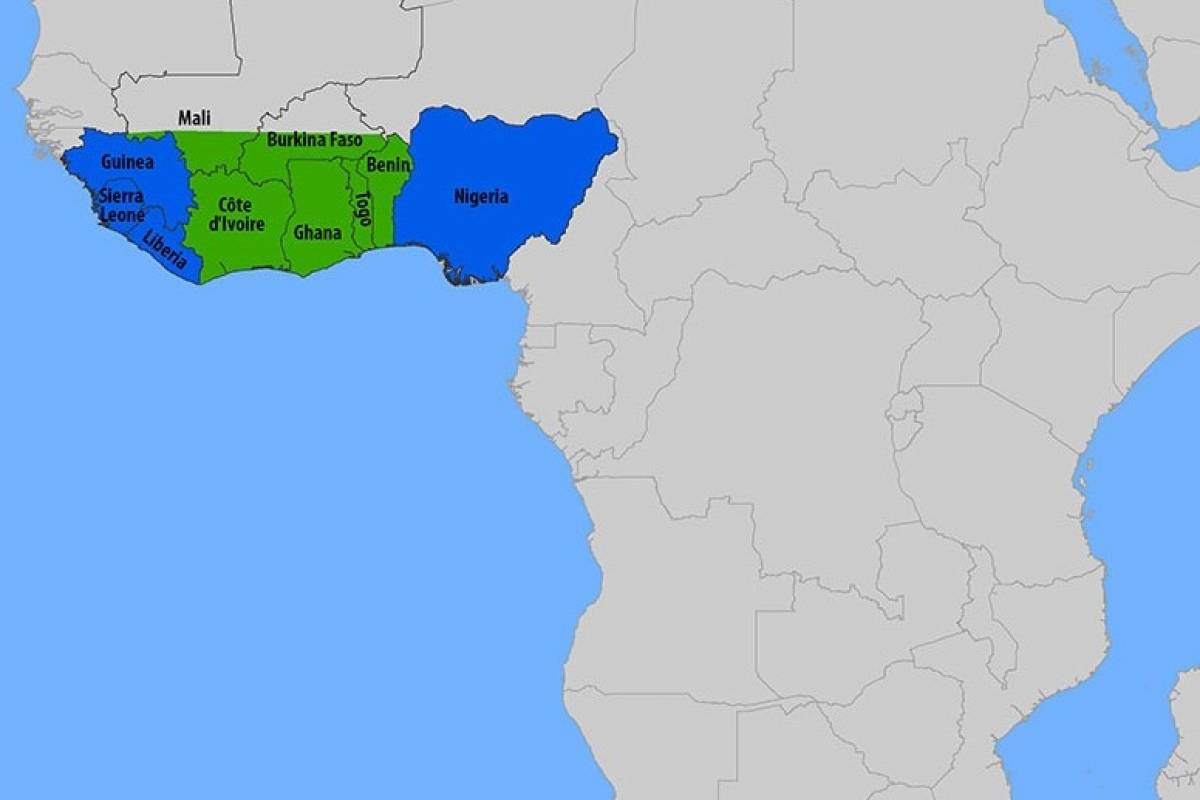
The International AIDS Vaccine Initiative (IAVI) recently announced that clinical trial sites in the Lassa fever-endemic countries of Ghana, Liberia, and Nigeria were vaccinating volunteers in IAVI's C105 study of a Lassa fever vaccine candidate.

This study is designed to evaluate the vaccine candidate’s safety, tolerability, and immunogenicity at two different dosage levels in adults, including people living with HIV, as well as in adolescents and children two years of age and older. 

The IAVI C105 study results are expected in 2025. Should the vaccine candidate be found safe and efficacious, IAVI is committed to making its Lassa vaccine affordable and accessible to all needy populations.

As of August 28, 2024, no Lassa fever vaccine currently exists. However, several vaccine candidates are conducting research.

Lassa virus (LASV) is a zoonotic disease that causes the acute viral hemorrhagic illness called Lassa fever, for which treatment is limited.

People can get Lassa fever by contacting infected rats or their saliva, urine, or droppings. The U.S. CDC says that LASV can spread among people.

About 300,000 people fall ill across West Africa annually, though the actual disease burden is thought to be much higher. For these reasons, Lassa fever is featured in the World Health Organization’s R&D Blueprint and requires urgent action due to its potential to cause an outbreak of international concern.

Aug 28, 2024 • 7:36 am CDT
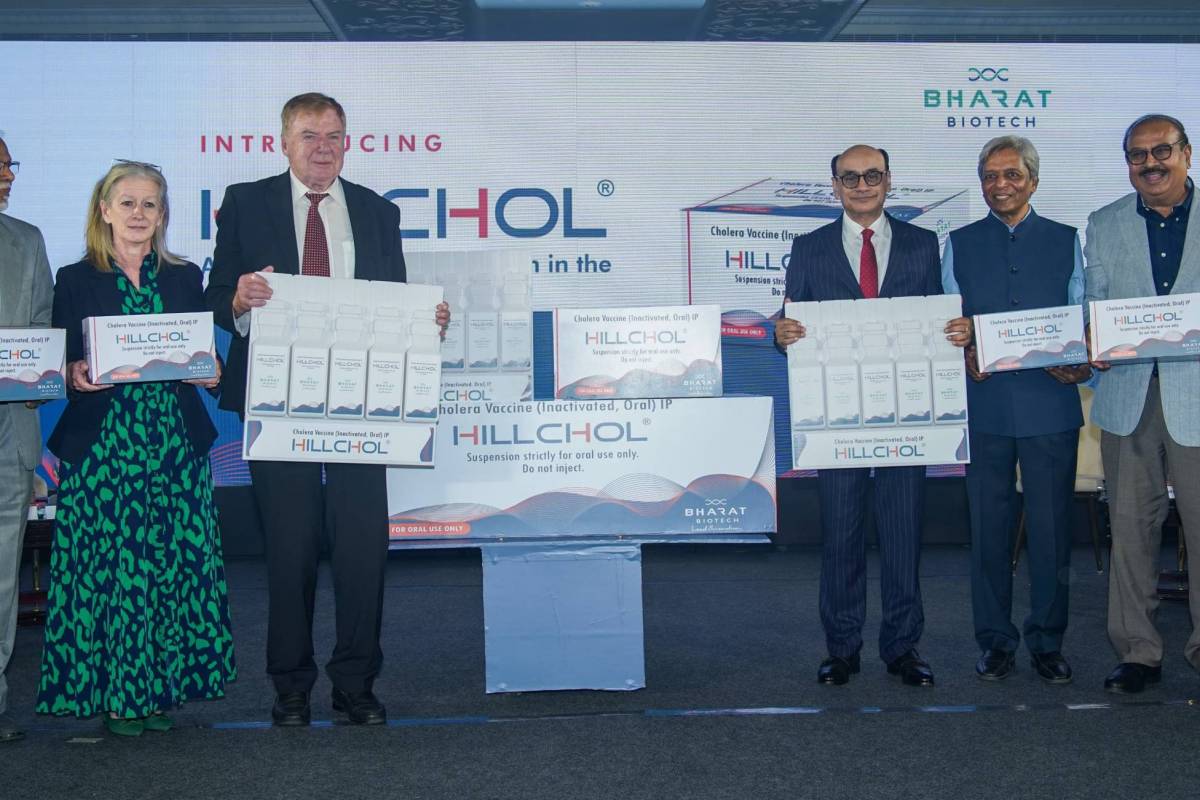
Bharat Biotech August 2024

Bharat Biotech International Limited (BBIL) announced on X the launch of HILLCHOL (BBV131), a novel single-strain Oral Cholera Vaccine (OCV).

Like other OCVs, HILLCHOL is a two-dose vaccine, which BBIL says needs to be orally administered on Day 0 and Day 14. The vaccine is suitable for individuals aged above one year.

However, it differs from the other vaccines because it is a single-strain OCV. BBIL stated on August 27, 2024, that this feature enhances manufacturing ease and efficacy.

As of August 2024, there is a global shortage of OCVs.

BBIL's collaboration with MSDInvents, Wellcome Trust, and Hilleman Laboratories aims to address the critical shortage of OCVs.

Currently available OCVs include Valneva SE's DUKORAL®.

Aug 27, 2024 • 2:40 pm CDT
WHO Influenza Update N° 489 August 2024

Even though we cannot predict what will happen in the United States this upcoming flu season, by examining trends observed in the Southern Hemisphere this past season, we can gain valuable insights into what activity might occur during the forthcoming 2024-2025 Northern Hemisphere flu season.

The WHO's Global Respiratory Virus Activity Weekly Update N° 489 was posted on August 11, 2024, confirming in the Southern hemisphere, influenza activity remained elevated in countries in South America (due to influenza A(H3N2) and B viruses), Eastern Africa (due to A(H1N1)pdm09 viruses), Southern Africa (due to B viruses), and Oceania (due to A(H3N2) viruses). 

According to the U.S. Centers for Disease Control and Prevention (CDC), on August 26, 2024, during the 2024 Southern Hemisphere flu season, most countries experienced similar levels of flu activity compared to trends observed in prior seasons (2017‒2019 and 2022‒2023 flu seasons).

However, South American and Southern African countries experienced high influenza virus detection levels.

"Vaccination remains the best defense against flu, and even if vaccination does not entirely prevent the risk of flu, it can help reduce the severity of flu illness in people who get flu despite being vaccinated," the CDC wrote. 

"In the U.S., September and October are generally good times to be vaccinated against flu."

As of late August 2024, various influenza vaccines are available at health clinics and pharmacies in the U.S.

Aug 27, 2024 • 1:20 pm CDT
US CDC Travel Alert - Zika Outbreak in India - August 2024

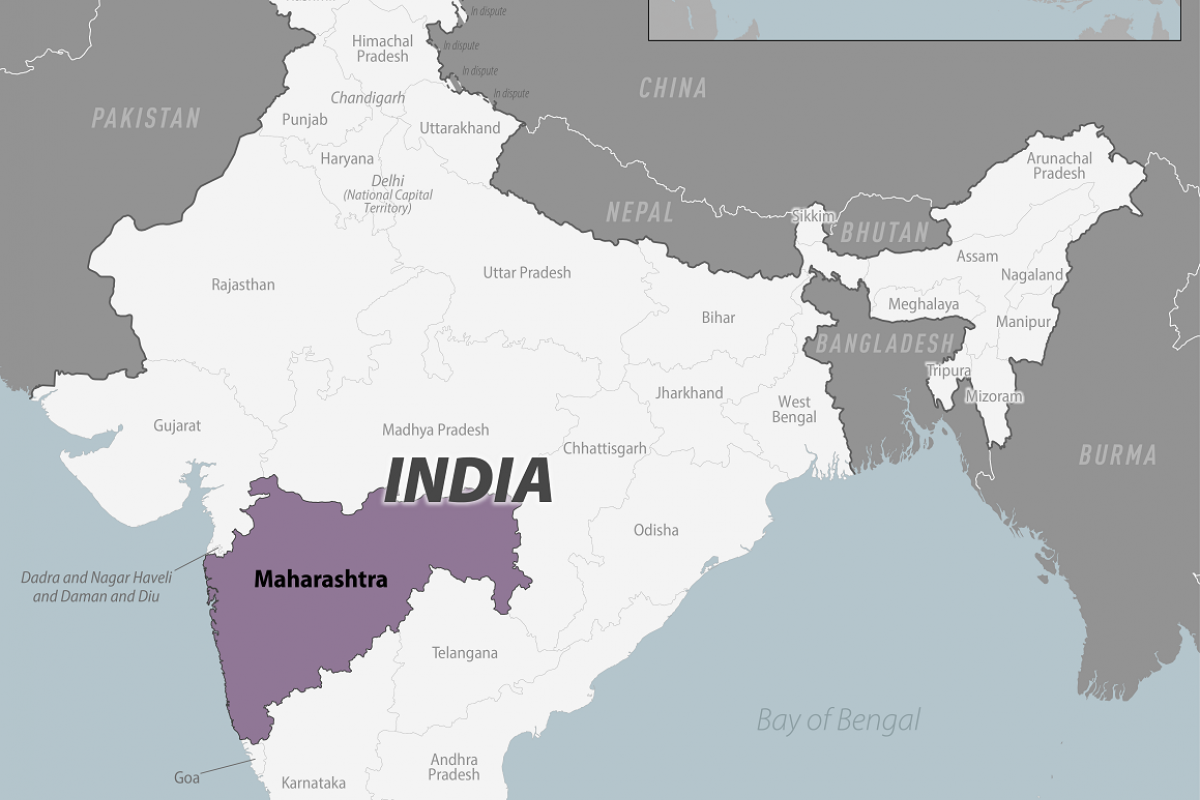
The U.S. Centers for Disease Control and Prevention (CDC) recently confirmed there is an outbreak of Zika virus in the state of Maharashtra, India.

The Times of India recently reported 113 confirmed Zika cases, of which 100 are from Pune district, including pregnant women.

On August 22, 2024, the CDC published a Level 2 - Practice Enhanced Precautions, Travel Health Notice, offering specific Zika advice.

The CDC says all travelers to Maharashtra should prevent mosquito bites and sexual transmission of the Zika virus during and after travel. Zika virus is most commonly spread to people by the bite of an infected Aedes species mosquito.

If you are planning pregnancy, you should delay pregnancy following travel to India based on the timeframes to prevent sexual transmission.

If you are pregnant, you should avoid travel to Maharashtra. If travel is unavoidable, you should strictly follow Zika prevention recommendations from your healthcare provider.

Infection during pregnancy can cause certain birth defects, says the CDC.

Furthermore, travelers to Maharashtra should seek medical care immediately if they develop fever, rash, headache, joint or muscle pain, or red eyes during or after travel.

In addition to India, there have been over 40,000 Zika cases confirmed in the Region of the Americas in 2024.

There is currently no vaccine to prevent a Zika infection.

However, Valneva SE's VLA1601 second-generation Zika vaccine candidate has progressed in clinical trials.

Aug 27, 2024 • 10:05 am CDT
Pixabay 2024

The journal Clinical Infectious Diseases recently published results from an extensive, observer-blinded, CLOVER phase 3 clinical trial that found a Clostridioides difficile vaccine candidate was safe, well tolerated, and reduced the severity of C difficile infection (CDI).

However, this vaccine did not reduce the incidence of CDI in at-risk adults.

Although the primary endpoint of this study was not met, PF-06425090 reduced symptom duration, CDI requiring medical attention, and CDI-directed antibiotic treatment, highlighting its potential to reduce CDI-associated healthcare burden, wrote these researchers on August 24, 2024.

The U.S. CDC says CDI causes substantial mortality and healthcare burden. In 2022, the incidence rate of CDI increased with age, and rates were higher in women.

As of August 27, 2024, no C difficile infection protection vaccines are available.

Aug 27, 2024 • 8:40 am CDT
from Pixabay

CancerVax, Inc. announced today that the Company has recently filed a new patent application, which includes Smart mRNA Technology.

The Company’s new patent application describes a customizable nanoparticle containing Smart mRNA that can DETECT, MARK, and KILL only cancer cells.

By forcing cancer cells to “look” like well-immunized diseases such as measles or chickenpox, we intend to harness the body’s natural immunity to kill cancer cells effectively.

For example, anyone who has had chickenpox, or been vaccinated for chickenpox, has lifetime immunity to the disease. We intend to activate and harness this natural immunity to fight cancer.

Dr. Adam Grant, Principal Scientist at CancerVax and co-inventor of this new technology commented in a press release on August 27, 2024, “In the creation of this new technology, we have been using cutting-edge machine learning and artificial intelligence algorithms to identify genetic signatures that differentiate cancer cells from healthy cells."

"We can quickly load these signatures into our Smart mRNA for immediate lab testing. Not only does this speed up innovation, but it drastically reduces the current laborious and iterative drug discovery process. Only recently have the scientific tools and data been available to allow us to discover and innovate this technology."

"As a computational biologist by training, I have watched the advancement of drug delivery systems over the years, and the availability of next-generation sequencing data sets grow to the point where we can now design new and exciting drugs that we believe can change the game in cancer treatments.”

Dr. Grant continued, “Our natural immune system is an expert at identifying and eradicating foreign pathogens. When a pathogen is eliminated from the body, our immune system remembers it if it infects the body again."

"Our Universal Cancer Treatment Platform harnesses this extraordinary immune system capability by marking cancer cells with something the immune system already knows, such as measles. This way, the immune system can easily kill the cancer cells, just as it would with measles."

"In contrast to other cancer therapies, our technology employs the full power of the body’s immune system. It has the potential to turn “cold” tumors into “hot” tumors, overcoming a major hurdle in treating cancer patients with existing immunotherapies."

We look forward to validating our hypotheses using in-vivo models and refining our technology shortly.”