Vaccine News

Vaccine news brought to you by Precision Vaccinations.

Sep 27, 2024 • 3:41 pm CDT
Google Maps Sept. 2024

The World Health Organization (WHO) today announced its influenza vaccine strain recommendations for the Southern Hemisphere's 2025 flu season. The WHO makes these recommendations twice yearly, once for each hemisphere.

The WHO recommends manufacturers produce trivalent (three-strain) vaccines for the Southern Hemisphere's upcoming flu season.

"The periodic update of viruses contained in influenza vaccines is necessary for the vaccines to be effective due to the constantly evolving nature of influenza viruses, including those circulating and infecting humans," the WHO wrote on September 27, 2024.

From February through August 2024, the WHO reported influenza activity was detected in all transmission zones. Overall, detections were higher compared to the same reporting period in 2023, primarily due to higher detections in the Americas.

According to Google Maps, the Southern Hemisphere is the half of the Earth below the equator. It includes Antarctica, Australia, and parts of Africa, Asia, and South America.

As of September 2024, the flu season in the United States has been reported as mild, and millions of flu shots have already been delivered to local health clinics and pharmacies.
Sep 27, 2024 • 3:22 pm CDT
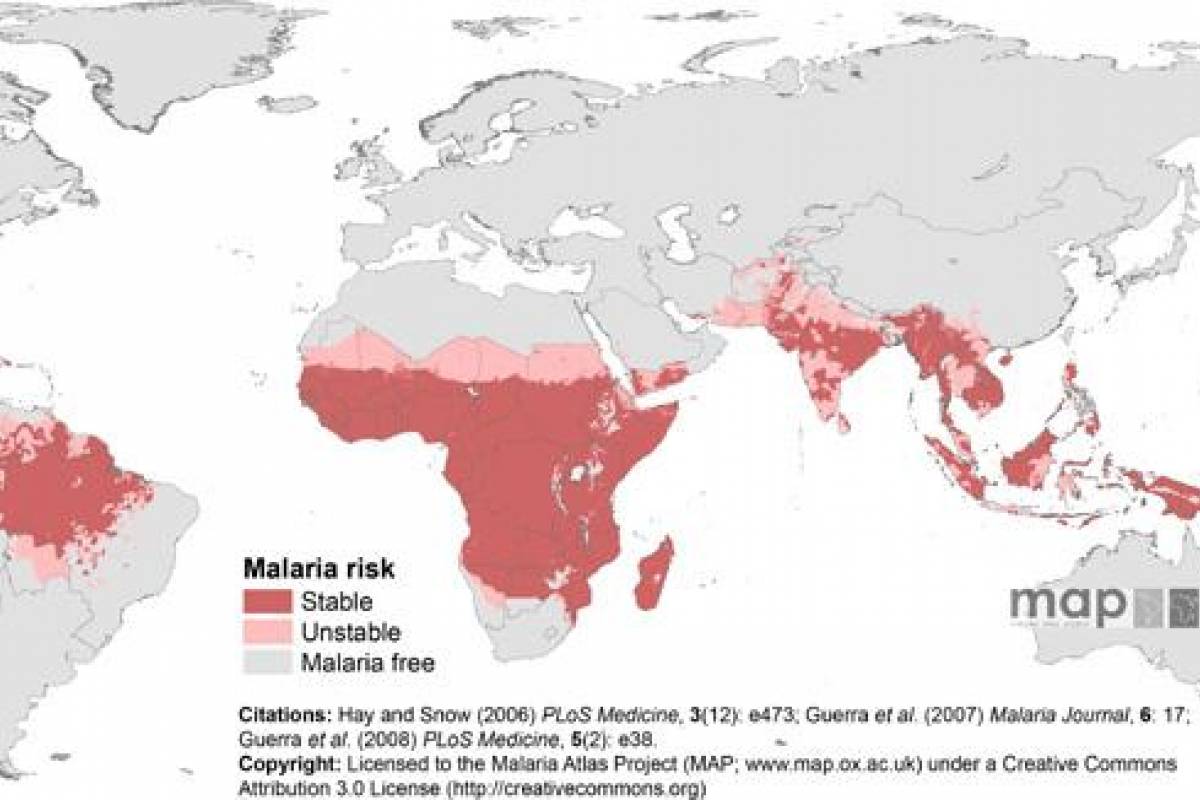
Malaria - Anthropology | Binghamton University

Leaders from Africa convened during the 79th United Nations General Assembly on September 25, 2024, calling for a concerted effort against a “Perfect Storm” threatening to derail decades of progress in the fight against Malaria in Africa.

The leaders identified vital challenges contributing to this perfect storm, including significant financial shortfalls and the growing resistance to insecticides and antimalarials. 

"To secure $6.3 billion annually (is needed) to achieve malaria elimination, accelerated action is necessary," stated His Excellency Abderaman Koulamallah, Minister of State, Minister of Foreign Affairs, African Integration, Republic of Chad, in a press release.

These leaders stated that if malaria resources stagnate between 2027 and 2029, there could be an additional 112 million malaria cases and up to 280,700 related fatalities.

While the United States reports very few locally acquired malaria cases, the U.S. Centers for Disease Control and Prevention says millions of residents travel to countries (Africa) where Malaria is present.

During 2024, most malaria cases in the U.S. were related to international travelers in Miami, Florida, and Los Angeles, California.

Of imported malaria cases in the U.S., 59% were among persons who had traveled from Africa. 

From a prevention option, the World Health Organization (WHO) recommends both the Mosquirix™ (RTS,S/AS01) and R21 / Matrix-M™ malaria vaccines.

These malaria vaccines were added to the WHO list of prequalified vaccines and are available in Africa but not the U.S. 

Sep 27, 2024 • 2:47 pm CDT
UK. gov 2024

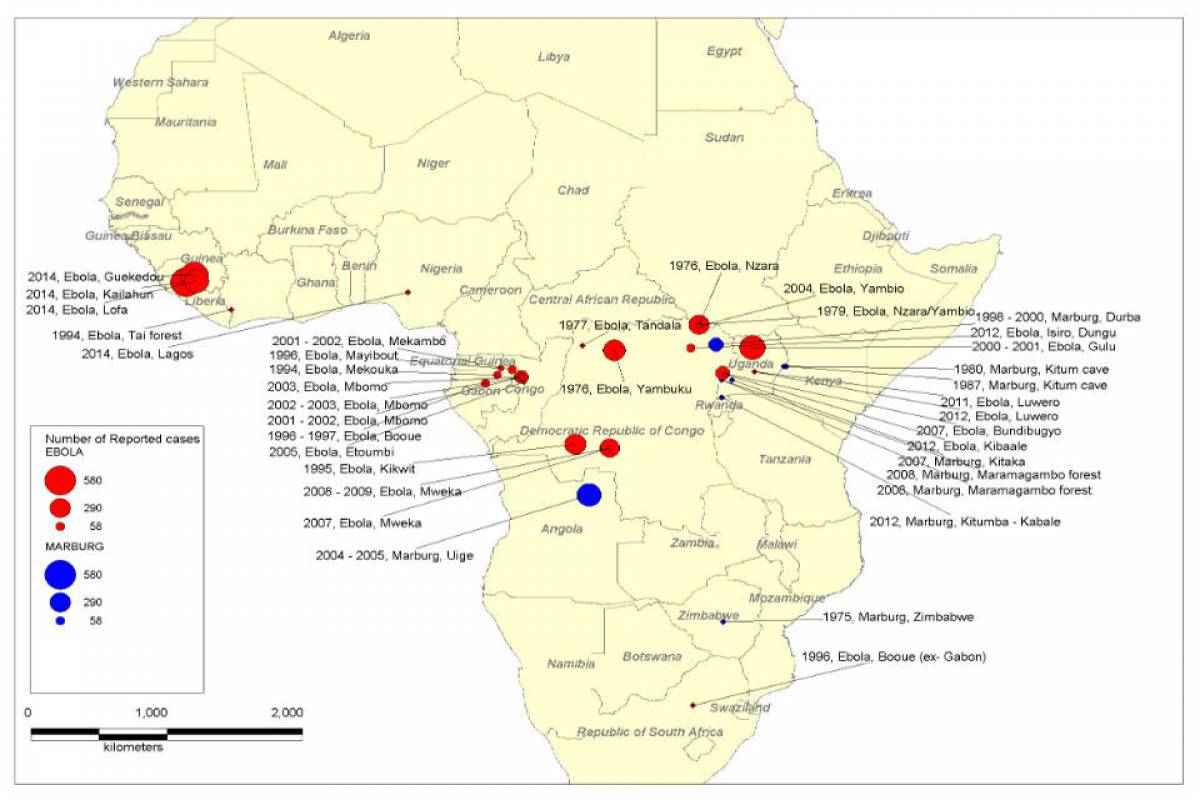
According to local media Taarifathe Rwanda Ministry of Health reported its first Marburg virus disease outbreak today.

As of September 27, 2024, Rwanda's communique stated a 'few' Marburg cases are being investigated. The Ministry added that the situation is closely monitored and that further updates will be provided regularly.

Like Ebolavirus, Marburg virus disease is highly virulent and causes hemorrhagic fever, with a fatality ratio exceeding 80%.

Marburg cases were first recognized in 1967 in West Germany and Serbia. 

As of September 2024, Angola, DR Congo, Equatorial Guinea,  Cameroon, Germany, Ghana, Guinea, Kenya, Serbia, South Africa, Tanzania, Uganda, and Rwanda have previously confirmed Marburg cases. 

The World Health Organization published the Marburg virus vaccine development landscape on February 13, 2023. While various vaccine candidates conduct clinical research, no approved vaccines prevent Marburg virus infections.

Unlike Marburg, approved vaccines that prevent and treat Zaire Ebola disease are available in 2024.

Sep 27, 2024 • 8:59 am CDT
2024 NFID Annual News Conference

A recent survey revealed some cognitive dissonance among Americans. While 67% of those polled agreed that annual flu vaccination is the most effective way to prevent flu-related hospitalizations, many still refuse to get vaccinated. 

Last flu season, about 48% of U.S. adults received an influenza vaccination. 

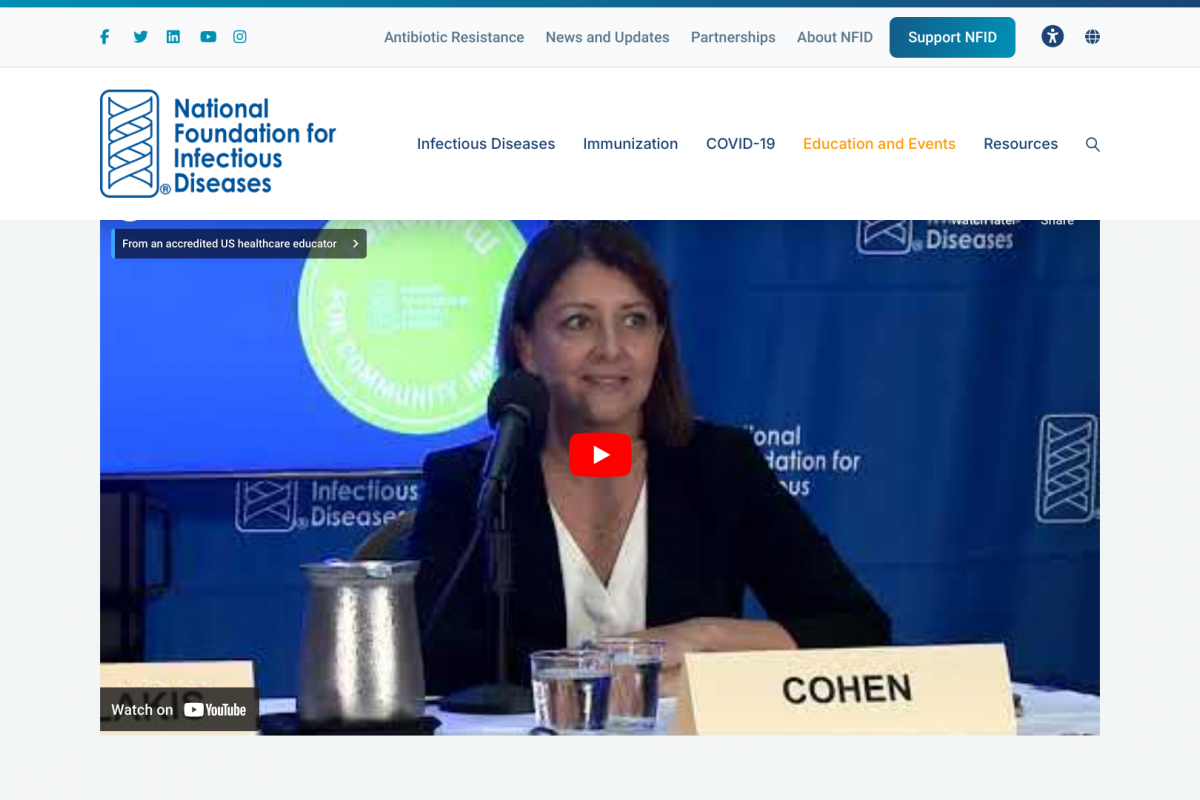
"The single most important thing folks can do to protect themselves as we get into fall and winter is get vaccinated,” said Mandy Cohen, MD, MPH, director for the Centers for Disease Control and Prevention (CDC), during a news conference on September 25, 2024.

"I wouldn't recommend something to the American people that I wouldn't recommend for myself, family, and loved ones," added Dr. Cohen. 

Results from this national survey of adults on vaccination attitudes and behaviors were highlighted at the 2024 National Foundation for Infectious Diseases Annual News Conference. 

As of September 20, 2024, 78.12 million flu shots had been distributed to healthcare providers and pharmacies for the 2024-2025 season. Last season, over 158 million were distributed in the U.S.

Sep 26, 2024 • 10:41 am CDT
Africa CDC 2024

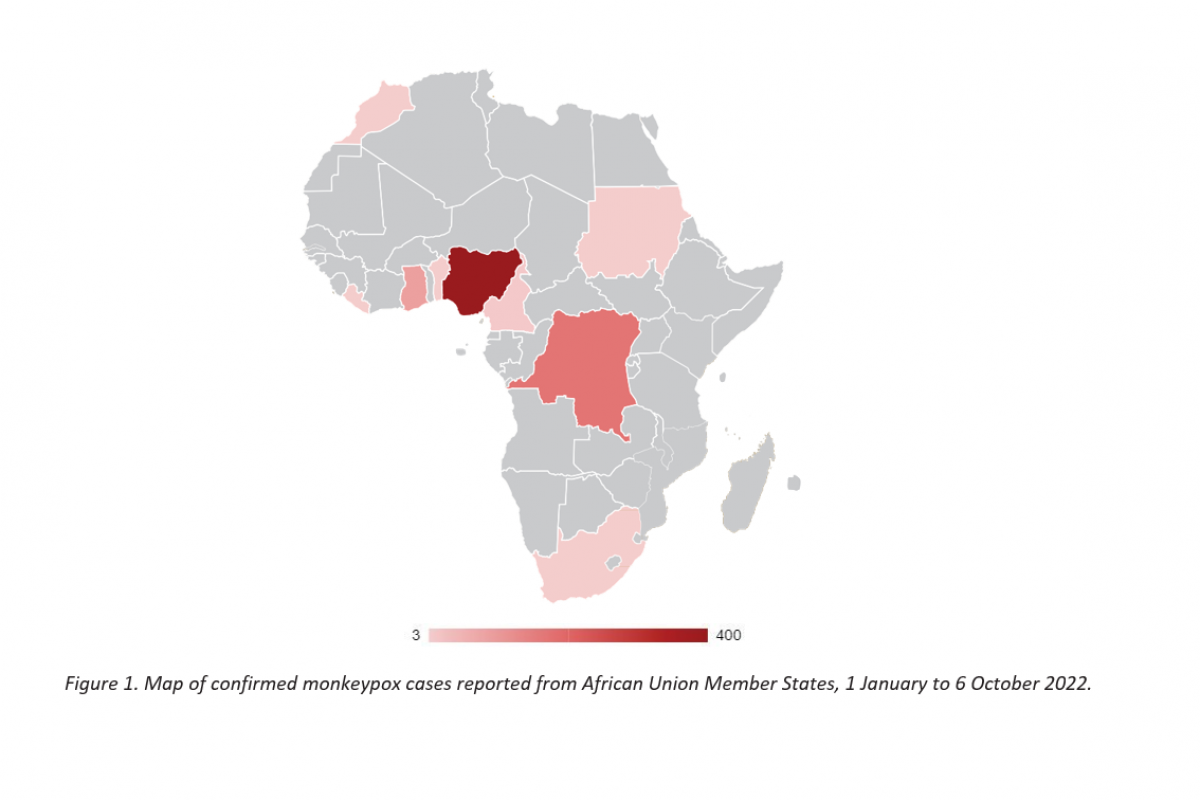
Bavarian Nordic A/S announced an agreement with UNICEF to supply 500,000 MVA-BN® mpox vaccines for African countries impacted by the mpox clade 1 outbreak. 

Under the agreement, UNICEF will procure 1 million doses of the vaccine, including the 500,000 doses recently committed by Gavi. Bavarian Nordics intends to make all doses available for supply before the end of 2024.

In the agreement, UNICEF has negotiated a price of up to $65 per vaccine dose, the lowest price in the market.

UNICEF says, 'The mpox virus does not discriminate. Anyone exposed to the virus can become infected, and children, immunocompromised individuals, and pregnant women are at risk of severe disease.'

Paul Chaplin, President & CEO of Bavarian Nordic, said in a press release on September 26, 2024, “Combined with donations by various governments, institutions, and Bavarian Nordic, this agreement has helped to secure more than 2.5 million doses of MVA-BN, thus fulfilling the short-term requirement as expressed by the Africa CDC."

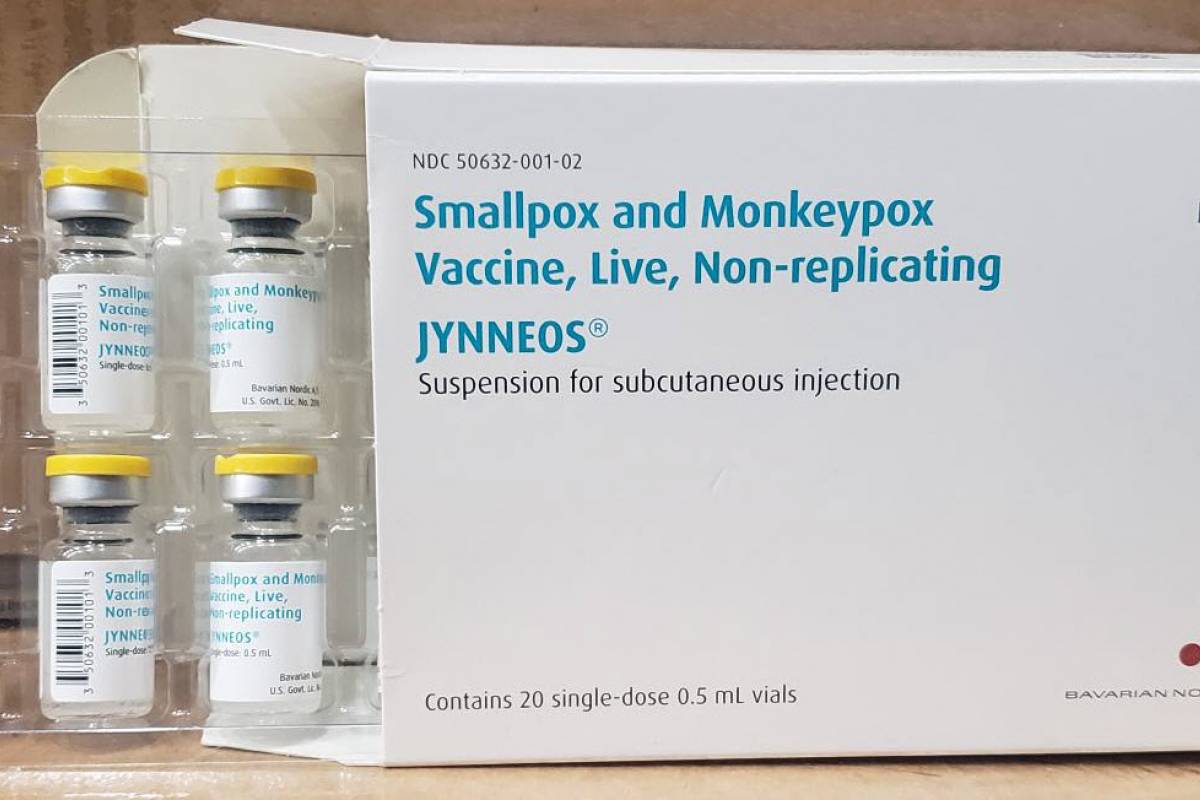
MVA-BN or Modified Vaccinia Ankara-Bavarian Nordic is the only non-replicating mpox - smallpox vaccine approved in the U.S., Switzerland, Singapore, Mexico (marketed as JYNNEOS®), Canada (IMVAMUNE®), and the EU/EAA and United Kingdom (IMVANEX®). 

In the U.S., JYNNEOS vaccines are commercially offered at health clinics and pharmacies.

Sep 26, 2024 • 9:20 am CDT
by Gerd Altmann

CSL Seqirus announced today that, through its public-private partnership with the U.S. Biomedical Advanced Research and Development Authority (BARDA), the company will expand its Vendor Managed Inventory (VMI) program for its proprietary MF59® adjuvant.

As of September 25, 2024, this is the fifth award CSL Seqirus has received from BARDA in response to sustained highly pathogenic avian influenza (HPAI) activity. 

MF59® from the VMI program can be used to manufacture vaccines to protect people against the threat of avian (bird flu) and other strains of influenza. When combined with influenza antigens in a vaccine, MF59® adjuvant is designed to enhance and broaden the body's immune response by creating a broad, cross-reactive antibody response.

Under the terms of the $121.4 million multi-year award, CSL Seqirus will deliver MF59® adjuvant to increase the inventory of the VMI program to 40 million equivalent doses.

"Once again, we're honored to partner with BARDA on pandemic preparedness," said Marc Lacey, CSL Seqirus, Global Executive Director for Pandemic, in a press release.

"This expanded program will increase outbreak resilience and help to protect against threats such as avian influenza."

MF59® will be manufactured at CSL Seqirus' Holly Springs, North Carolina facility.

In April 2024, Dr. Peter Marks, with the U.S. FDA, informed the media that the U.S. stockpile of avian flu-specific vaccines would work well if deployed. As of September 2024, FDA-approved avian influenza vaccines are not commercially available. 

Furthermore, the FDA clarified annual flu shots are unlikely to protect people during bird flu pandemics. 

Sep 25, 2024 • 1:49 pm CDT
Costa Rica Health Dept - September 2024

When vacationing in Costa Rica this winter, it's best to avoid mountainous areas where mosquitos are transmitting diseases to people.

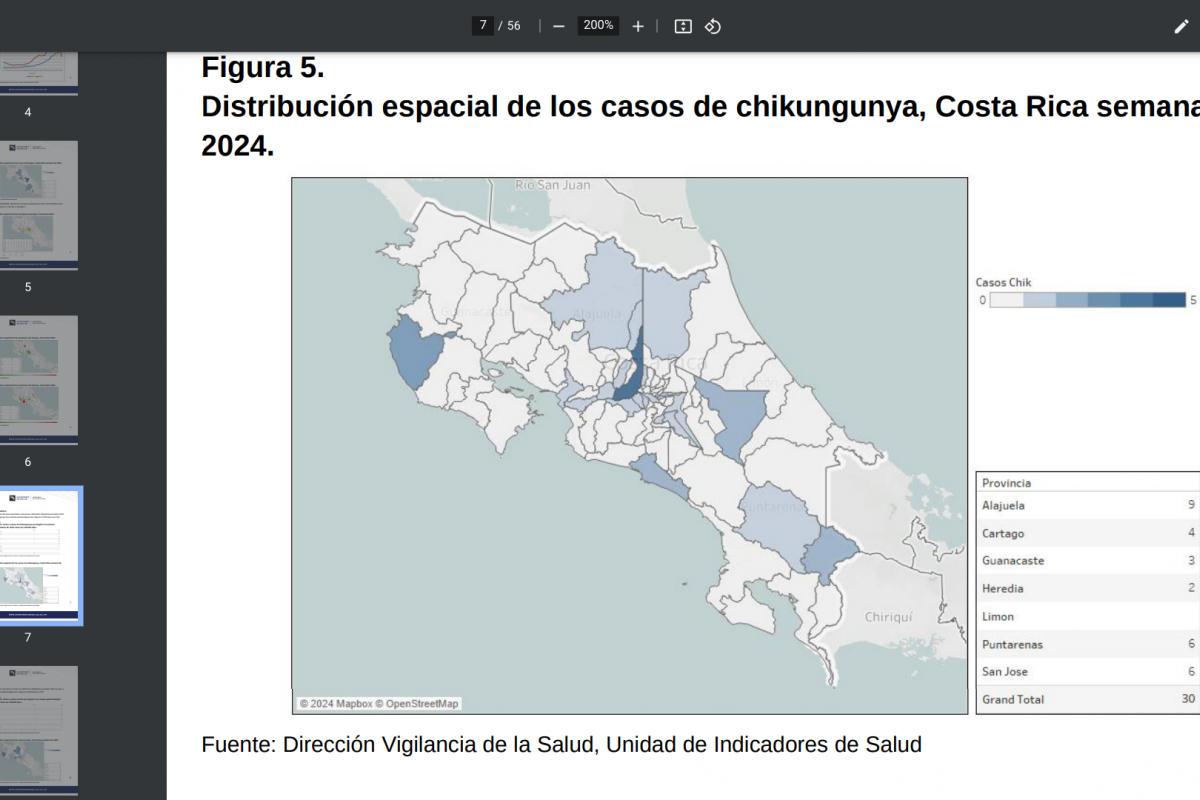
The Costa Rica Health Department's Boletín Epidemiológico N°36 was posted on September 20, 2024. It confirms that mosquito-transmitted Chikungunya, Dengue, Malaria, or Zika virus infections have occurred this year and vary by location. 

For example, 30 chikungunya infections have been reported this year, led by the Central Norte, Pacifico Central, and Central Sur regions. Last year, 82 chikungunya cases were confirmed in Costa Rica.

As of 2024, Canada, the United Kingdom, the World Health Organization (PAHO/WHO), and the U.S. CDC have issued travel advisories and vaccine recommendations for Costa Rica.

The CDC recommends checking the recommended vaccine list and seeing a healthcare provider at least a month before  visiting Costa Rica. In particular, the CDC now endorses Valneva SE's IXCHIQ® monovalent, single-dose vaccine when visiting Chikungunya endemic areas.

Additionally, the U.S. Embassy in San Jose publishes health topics and recommends visitors enroll in NEWSMART to make it easier to contact you during an emergency while in Costa Rica.

Sep 25, 2024 • 10:17 am CDT
Nepal Health Dept. Sept 2024

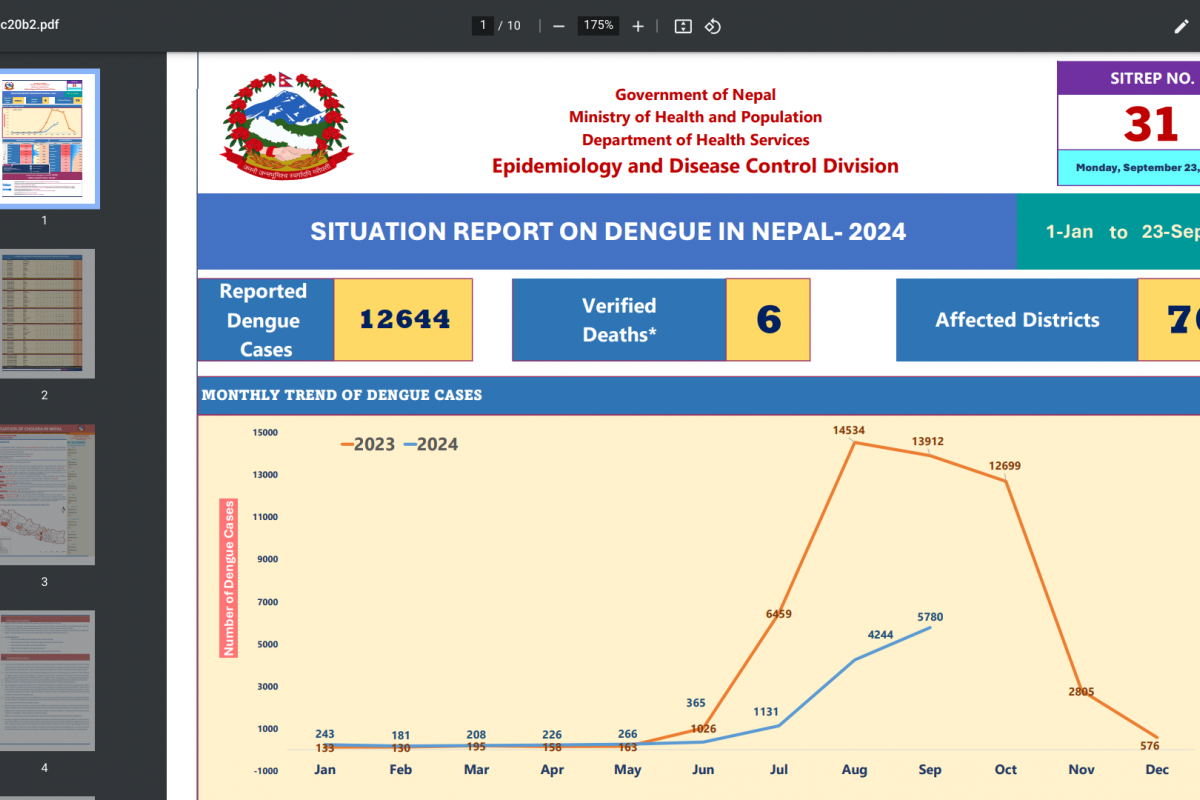
The Federal Democratic Republic of Nepal health department today confirmed over 12,000 cases of dengue and six related deaths in 77 districts this year.

As of mid-September 2024, Nepal's health authorities have abandoned preventive measures such as mosquito search-and-destroy, leading to a rise in infections.

Public health experts warn that dengue outbreaks could escalate in the pending post-monsoon season, which is considered the primary dengue season.

"The coming days will be more challenging for us, as dengue cases could surge," said Dr. Sher Bahadur Pun, chief of the Clinical Research Unit at Shukraraj Tropical and Infectious Disease Hospital at Teku in Kathmandu, as reported by The Kathmandu Post on September 25, 2024.

Nepal reported its first travel-related dengue case in 2004 in the Chitwan district. Since then, Nepal has confirmed an increasing number of outbreaks. In 2023, at least 20 persons died, and the mosquito-transmitted virus infected more than 52,000 people.

Current data suggests that dengue cases are expanding out of the lowland areas typically suitable for breeding Aedes mosquitoes to higher elevations. 

Nepal is mainly situated in the Himalayas Mountains, including Mount Everest, at 23,600 feet above sea level. Its experience differs from that of the Region of the Americas, where dengue cases are generally reported below 6,500 feet in elevation.

According to media reporting, Nepal has not launched a dengue vaccination program.

Sep 25, 2024 • 9:12 am CDT
US CDC Sept 2024

The American Lung Association (ALA) today announced it is launching an educational campaign to help raise awareness about respiratory syncytial virus (RSV) and steps to help prevent RSV infection.

RSV is a highly contagious virus that spreads through close contact with infected individuals.

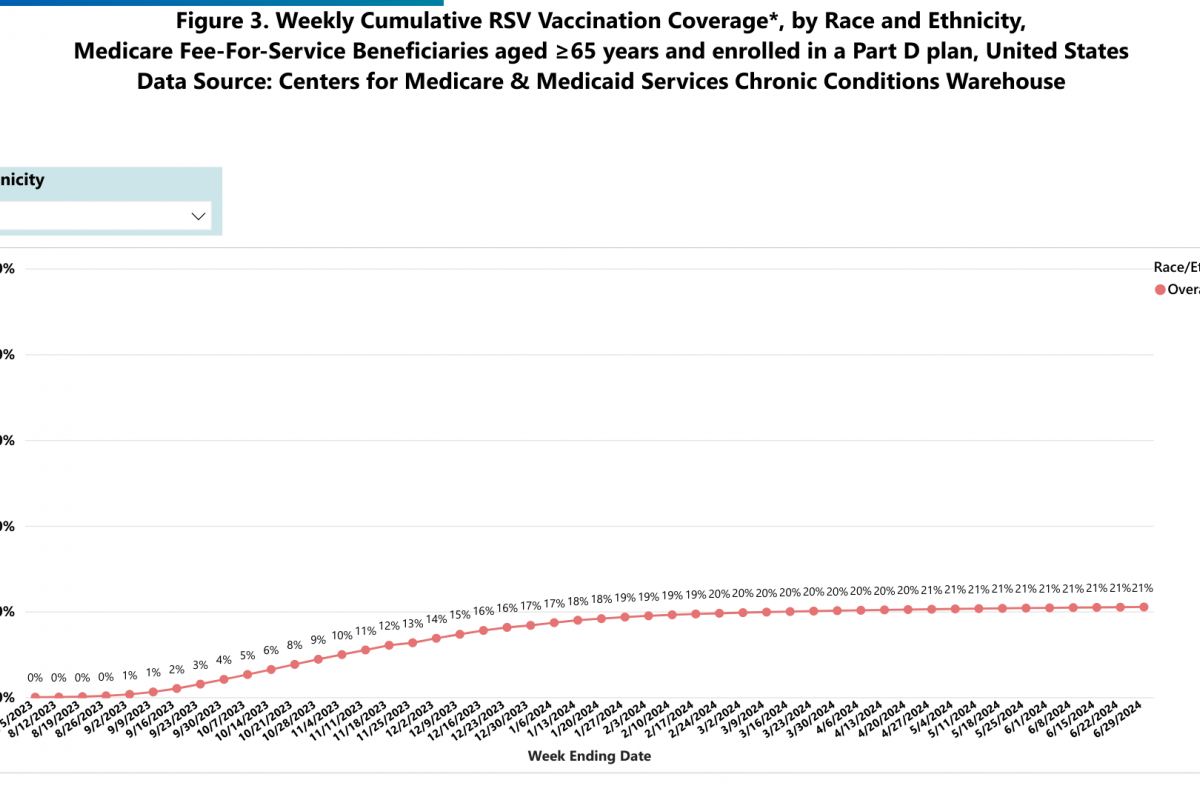
This campaign is essential since only 24% of older adults have received one of the three approved RSV vaccines.

“RSV poses a serious threat, particularly to older adults and those with certain chronic medical conditions. Raising awareness about protection through vaccination is critical to saving lives and reducing hospitalizations during the respiratory virus season,” said Harold Wimmer, President and CEO of the ALA, in a press release on September 25, 2024.

“We encourage individuals 60 and older to talk to their healthcare providers about whether RSV vaccination is recommended for them.”

Individuals who have already received an RSV vaccine do not need additional doses, and vaccination is not recommended annually.

The U.S. Centers for Disease Control and Prevention (CDC) recommends RSV vaccination for adults 75 years and older and for adults aged 60 to 74 who are at high risk for severe disease.

The CDC says the ideal time for vaccination is before the RSV virus spreads widely. It typically increases during the fall and peaks in winter.

The CDC recently reported that RSV levels remained low but were increasing.  As of September 2024, the state of Florida had reported the most RSV cases in the United States.

Sep 25, 2024 • 3:33 am CDT
Health Canada Sept. 2024

Pfizer Canada ULC and BioNTech SE announced today that Health Canada has authorized the KP.2 variant-adapted COMIRNATY® COVID-19 vaccine for people six months and older. 

As of September 24, 2024, the newly formulated vaccine will be available nationwide in pharmacies and vaccination centers in the fall of 2024. Each province and territory will have its pathway for accessing the vaccine, and individuals are encouraged to refer to their provincial/territorial authorities for more information.

The adapted COVID-19 vaccine will be available in Canada as a single dose for individuals five years and older, regardless of prior COVID-19 vaccination history.

For children six months through 4 years of age, COMIRNATY® is authorized for administration as a three-dose series in those without a history of completion of a COVID-19 primary vaccination course or as a single dose for those with a history of completion of a COVID-19 primary vaccination course.

Health Canada posts a summary of COVID-19 cases, hospitalizations, and deaths across Canada as of September 24, 2024.

Sep 24, 2024 • 2:52 pm CDT
US HHS Sep. 24, 2024

The U.S. Department of Health and Human Services (HHS), through the Administration for Strategic Preparedness and Response, announced today it is taking action to increase the supply of mpox vaccines.

This news supports the U.S. Government's commitment to making over 1 million combined doses of Bavarian Nordic A/S JYNNEOS® (MVA-BN®) vaccines available to the global mpox response focused in Africa.

Since JYNNEOS is a two-dose vaccination regimen, this announcement indicates about 500,000 individuals can be vaccinated.

“A public health threat to one is a public health threat to all. HHS is committed to fighting the current mpox outbreak, including through this vaccine donation. Disease doesn’t respect borders, and it is our duty to work together to make our world healthier. Our partnerships across the globe in fighting infectious disease will help keep us safe,” said HHS Secretary Xavier Becerra in a press release on September 24, 2024.

According to HHS, these vaccine efforts build on the $1.94 billion invested in funds and technical expertise to develop and sustain JYNNEOS, which is FDA-approved for both mpox and smallpox. The product would not exist without the investment and technical expertise the U.S. government provided.

More information on the U.S. response to the Clade 1 mpox outbreak can be found on the HHS mpox response website. JYNNEOS's efficacy against the Clade 1 mpox virus remains under investigation.

Sep 24, 2024 • 11:41 am CDT
PAHO Zika case data September 24, 2024

Once the Zika fever outbreak subsided in 2015, many public health agencies refocused on chikungunya and dengue outbreaks.

However, continued Zika outbreaks in the Region of the Americas have demonstrated how a relatively obscure mosquito-borne disease can become a persistent health risk.

As of September 24, 2024, the Pan American Health Organization (PAHO) reported 36,331 Zika cases this year.

While most people infected with Zika will recover, many infants have been severely impacted by microcephaly. Researchers revealed over 200 microcephaly cases in Brazil.

The PAHO says pregnant women should avoid visiting Zika-endemic countries such as Brazil.

In the United States, the San Juan, Puerto Rico Department of Health says Zika will continue to infect people. As of September 2024, 16 Zika cases have been reported in Puerto Rico.

As of 2024, no approved Zika vaccines exist, but vaccine candidates are conducting clinical research. Valneva SE's second-generation VLA1601 vaccine launched a phase 1 study, with results expected in 2025.

Sep 24, 2024 • 5:53 am CDT
Cidara Therapeutics Inc.

Cidara Therapeutics, Inc., today announced the first subjects dosed in the Phase 2b NAVIGATE trial in the U.S. and U.K. The trial evaluates the efficacy and safety of CD388, a long-acting antiviral, for the pre-exposure prophylaxis of influenza during the 2024-2025 flu season.

CD388 is an investigational drug-Fc conjugate (DFC) comprised of multiple copies of a potent small molecule neuraminidase inhibitor stably conjugated to a proprietary Fc fragment of a human antibody.

DFCs are not vaccines or monoclonal antibodies but low-molecular-weight biologics designed to function as long-acting small-molecule inhibitors. 

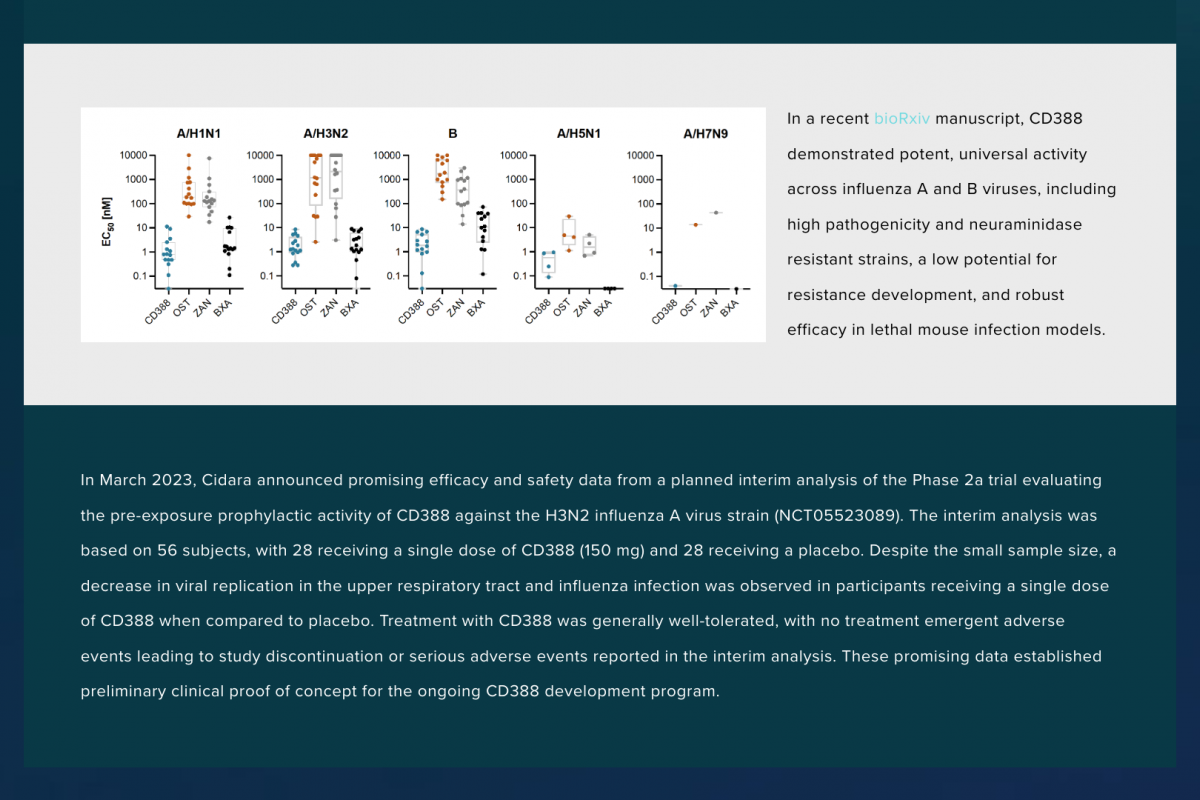
In a June 2024 bioRxiv manuscript, CD388 demonstrated potent, universal activity across influenza A and B viruses, including high pathogenicity and neuraminidase-resistant strains, a low potential for resistance development, and robust efficacy in lethal mouse infection models.

“Effective new options are needed to prevent influenza, particularly for people who do not respond well to seasonal flu vaccines,” said Jeffrey Stein, Ph.D., president and chief executive officer of Cidara Therapeutics, in a press release on September 23, 2024.

“Since CD388 is not a vaccine, its activity does not rely upon an immune response and is, thereby, expected to work regardless of immune status."

"In addition, CD388 has demonstrated the potential to prevent infection by both seasonal and pandemic strains of influenza A and B."

The Phase 2b clinical trial is a randomized, double-blind, controlled trial targeting 5,000 healthy, unvaccinated adult subjects who are not at risk of complications from influenza. Three CD388 dose groups or a placebo will be administered to subjects as a single dose at the beginning of the influenza season. Subjects will then be followed for the remainder of the influenza season to monitor for breakthrough cases.

Cidara Therapeutics is a biotechnology company using its proprietary Cloudbreak® platform to develop DFC immunotherapies designed to save lives and improve the standard of care for patients facing serious diseases.

Sep 24, 2024 • 5:09 am CDT
by Jan Vašek

The U.S. Centers for Disease Control and Prevention (CDC) today issued Health Alert Network Health Update (CDCHAN-00516) to provide additional information about the ongoing outbreak of clade I monkeypox virus (MPXV), the virus that causes mpox.

As of September 23, 2024, no cases of clade I mpox have been identified in the U.S.

This mpox strain is more severe than the clade 2 strain circulating in the U.S. since May 2022.

The CDC urges travelers to vaccinate against mpox if they are heading to Eastern and Central African countries where clade 1 MPXV has been spreading.

Furthermore, healthcare providers and travel vaccine experts should recommend vaccination to those whose activities place them at risk.

This is essential advice since clade 1 mpox cases have recently been confirmed in international travelers.

For example, The Mint reported a man from Malappuram district in Kerala, India, has been detected with Mpox clad I. The patient had returned from the United Arab Emirates.

According to the CDC, two doses of JYNNEOS® (MVA-BN®, IMVAMUNE®, IMVANEX®) should be given at least six weeks before traveling abroad. This U.S. FDA-approved vaccine is available at clinics and pharmacies in the U.S.

Sep 23, 2024 • 2:07 pm CDT
from Pixabay

A new report jointly released by the World Health Organization (WHO) and ITU (International Telecommunication Union) today suggests an additional $0.24 per patient per year investment in digital health interventions, such as telemedicine, mobile messaging, and chatbots, can help save more than two million lives over the next decade from noncommunicable diseases.

These diseases include, but are not limited to, cardiovascular, cancer, diabetes, and chronic respiratory diseases.

This small investment could also avert approximately 7 million acute events and hospitalizations, significantly reducing the strain on healthcare systems worldwide.

ITU Secretary-General Doreen Bogdan-Martin commented in a press release on September 23, 2024, "We call for greater collaboration between the health and tech sectors, including the development of strong digital public infrastructure, essential for the delivery of digital health services that can benefit people everywhere without leaving anyone behind."

The publication" "going Digital for Noncommunicable Diseases: The Case for Action" was launched at an event hosted by the Government of The Gambia during the 79th United Nations General Assembly in collaboration with the ITU and WHO.