Travel Vaccine Breaking News

Travel vaccine breaking news brought to you by Vax Before Travel.

May 28, 2024 • 5:43 pm CDT
by Kater Mikesch

The U.S. Centers for Disease Control and Prevention (CDC) today announced an outbreak of chikungunya in Malé and Hulhumalé regions of Maldives.

Crisis24 recently reported 389 total cases from March to May 11, 2024.

On May 28, 2024, the CDC Level 2 Travel Health Advisory recommended that adults traveling to a destination with a current chikungunya outbreak be vaccinated.

The U.S. FDA recently approved Valneva SE's IXCHIQ® monovalent, single-dose, live-attenuated chikungunya vaccine.

Furthermore, the CDC says if you are pregnant, reconsider travel to Maldives, particularly if you are close to delivering your baby. Mothers infected around the time of delivery can pass the virus to their baby before or during delivery.

According to the CDC, newborns infected in this way or by a mosquito bite are at risk for severe illness, including poor long-term outcomes.

Additionally, people can protect themselves from chikungunya infection by preventing mosquito bites, including using insect repellent, wearing long-sleeved shirts and pants, staying in places with air conditioning, or using window and door screens.

May 28, 2024 • 8:04 am CDT
by Gerd Altmann

CureVac N.V. today announced the dosing of the first participant in a Phase 2 study of the multivalent seasonal influenza vaccine candidate developed in collaboration with GSK.

The study will assess targeted optimizations for improved immune responses of the messenger ribonucleic acid (mRNA) vaccine candidate against the relevant influenza B strain.

The design of the multivalent vaccine candidate (FLU SV mRNA) has been changed to address all three World Health Organization (WHO)-recommended influenza strains and to exclude the influenza B/Yamagata lineage. The three remaining influenza strains include two influenza A strains and one influenza B strain.

This new Phase 2 study in the joint CureVac/GSK seasonal influenza program was initiated following interim data from the Phase 2 part of the ongoing combined Phase 1/2 study in seasonal influenza, which was reported on April 4, 2024.

Dr. Myriam Mendila, Chief Scientific Officer of CureVac, commented in a press release on May 28, 2024, "Historically, it's been challenging to target influenza B strains with a potent vaccine strategy. We are making progress in adapting and optimizing our clinical approach to address this challenge and improve performance against the remaining B strain."

The companies did not disclose a potential availability date for this new flu shot.

In response to the WHO's decision, various flu shot manufacturers intend to release modified vaccines in time for the 2024-2025 flu season in the United States. Last season, about 158 million flu shots were distributed, which was a decrease from the 2022-2023 flu season's 173 million.

May 28, 2024 • 5:08 am CDT
Pixabay

Increased rates of sexually transmitted infections (STIs) are reported globally, and new interventions are needed, wrote researchers in a recent article published by The Lancet Infectious Diseases.

STIs continue to pose significant public health challenges, causing 2.5 million deaths each year, according to a new World Health Organization report.

On May 23, 2024, these France-based researchers wrote, 'We aimed to assess whether post-exposure prophylaxis (PEP) with doxycycline could reduce the incidence of chlamydia or syphilis (or both) and whether the meningococcal group B vaccine (4CMenB) could reduce the incidence of gonorrhea in this population.

Results from the ANRS 174 Doxyvac phase 3 clinical trial concluded Doxycycline PEP strongly reduced the incidence of chlamydia and syphilis.

These researchers said it did not show the efficacy of the 4CmenB vaccine for gonorrhea.

Still, doxycycline PEP should be assessed in other broader populations, and its effect on antimicrobial resistance carefully monitored.

May 26, 2024 • 8:21 am CDT
US CDC pediatric death trend - Influenza - May 2024

Nationally, outpatient respiratory illness remained stable and is below baseline for the seventh week in a row, according to Key Updates for Week #20 of the 2023-2024 flu season in the United States.

The U.S. Centers for Disease Control and Prevention (CDC) stated on May 24, 2024, that all ten regions are below their region-specific baselines.

Unfortunately, two influenza-associated pediatric deaths were reported last week, increasing this season's total to 169 pediatric deaths.

Last season, the CDC reported 185 pediatric deaths from influenza infections.

The CDC continues to encourage most children over six months of age to get an annual flu shot, either cell, egg, or nasal, which is offered at most clinics and pharmacies in the U.S.

May 26, 2024 • 5:41 am CDT
US CDC Mpox case global map May 2024

A new framework was recently released by the World Health Organization (WHO) that will guide health authorities, communities, and other stakeholders in preventing and controlling mpox outbreaks, eliminating human-to-human transmission of the disease, and reducing spillover of the virus from animals to humans.

Mpox is a viral illness caused by the monkeypox virus (MPXV).

There are two different clades of the MPXV: clade I and clade II. Clade I outbreaks are deadlier than clade II outbreaks. 

In the United States, clade II cases were reported to have a fatality rate of .002%.

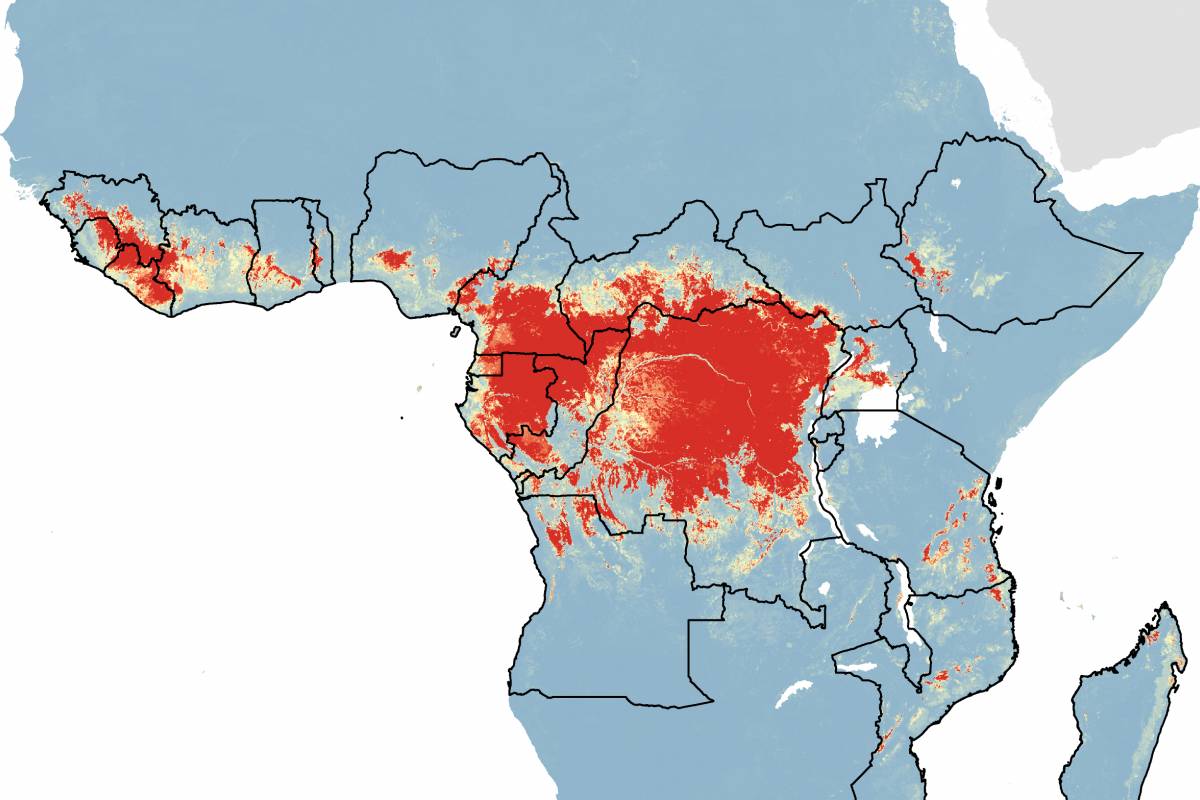
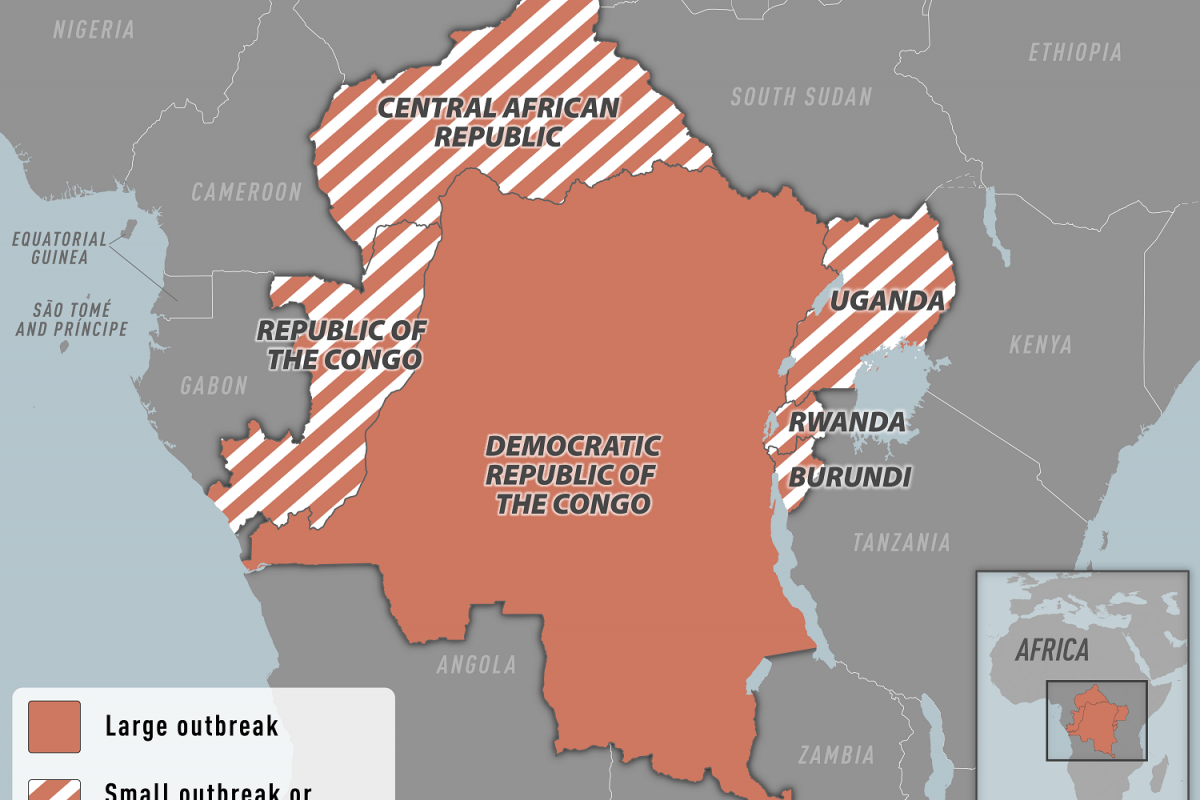
A significant outbreak of the clade I virus in the Democratic Republic of the Congo (DRC) continues today, where cases have been detected for decades. Since the beginning of 2024, over 6,500 cases and 345 deaths have been reported in the DRC.

This data reflects a fatality rate of .05%.

As of May 26, 2024, most U.S. mpox cases continue to be in people who are not vaccinated or have only received one dose of the JYNNEOS® (MVA-BN®, IMVAMUNE®) vaccine. The U.S. CDC recommends that persons at risk for mpox exposure complete the 2-dose  vaccination.

In the U.S., the JYNNEOS vaccine is offered at clinics and pharmacies in select cities.

May 25, 2024 • 11:11 am CDT
US State Dept May 2024

The World Health Organization (WHO) today announced that UNICEF successfully delivered over 43,000 doses of the R21/Matrix-M™ malaria vaccine to Bangui, Central African Republic.

As of May 24, 2024, 122,000 additional R21 doses are scheduled for delivery, funded by Gavi, the Vaccine Alliance.

The Central African Republic, with a population of over 5 million, is the first country to receive the R21 vaccine for routine childhood immunization. This marks another step forward in preventing the disease and saving children's lives. 

The WHO says that along with the earlier WHO recommendation of the RTS,S vaccine, there is now sufficient vaccine supply to scale up malaria vaccination in Africa.

Chad, Cote d'Ivoire, Democratic Republic of Congo, Mozambique, Nigeria, South Sudan, and Uganda are preparing to receive R21 shipments.

Director of UNICEF Supply Division Leila Pakkala commented in a press release, "Previous concerns about supply meeting demand are firmly behind us. Our priority is for the vaccines to reach every child at risk."

The Central African Republic has one of the highest rates of malaria incidence globally. In 2022, an estimated 1,733,000 malaria cases were reported in the country, averaging about 4747 cases a day.

The disease also claimed around 5180 lives over the year, or 14 deaths each day.

Dr. Sania Nishtar, CEO of Gavi, the Vaccine Alliance, stated, "That is what matters most – that countries, where our vaccines can be most impactful, can access them, saving thousands of lives each year and offering relief to families, communities, and entire health systems."

On October 2, 2023, the WHO recommended R21 vaccination to prevent malaria in children. R21 is a protein-based vaccine developed by the University of Oxford, using Novavax AB's Matrix-M™ adjuvant technology.

"The R21/Matrix-M™ vaccine is a vital new tool to help stop the devastating health and economic impact of malaria on nearly half of the world's population, including the tragic loss of 1,300 children every single day," said John C. Jacobs, President and Chief Executive Officer, Novavax, on May 20, 2024.

May 25, 2024 • 8:18 am CDT
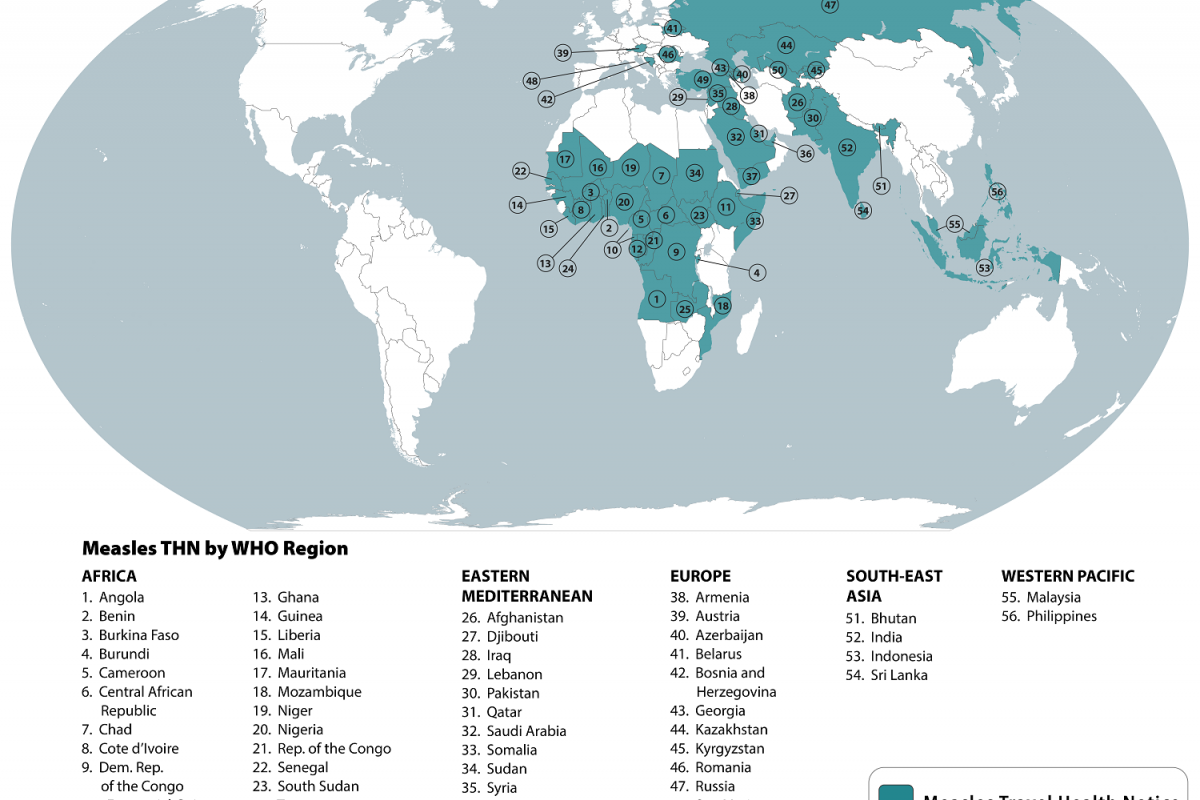
US CDC measles outbreak map May 2024

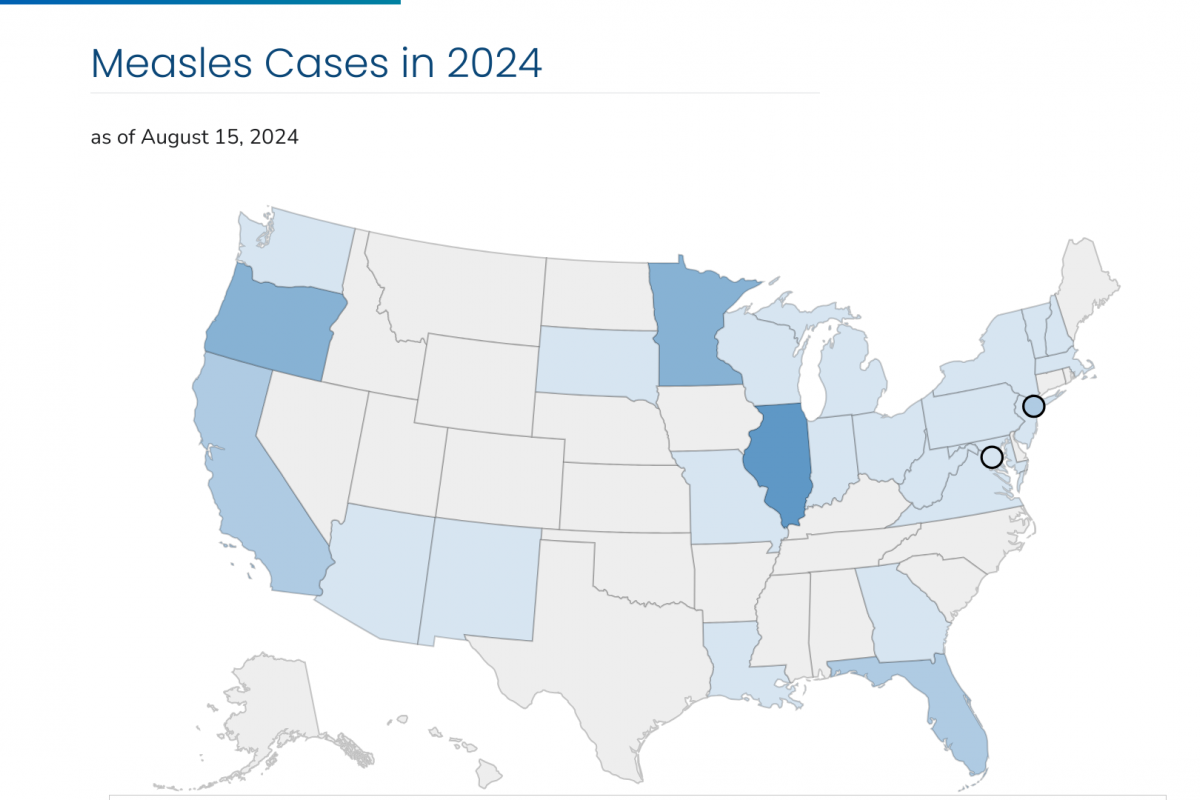
The U.S. Centers for Disease Control and Prevention (CDC) recently reported that three additional measles cases were confirmed in 2024.

As of May 23, 2024, the CDC confirmed a total of 142 measles cases were reported by 21 jurisdictions: Arizona, California, Florida, Georgia, Illinois, Indiana, Louisiana, Maryland, Michigan, Minnesota, Missouri, New Jersey, New York City, New York State, Ohio, Pennsylvania, Vermont, Virginia, Washington, West Virginia, and Wisconsin.

Recently, the city of Philadelphia reported another measles case after managing an outbreak earlier in 2024.

About 44% of these cases are in unvaccinated children under five years of age, with 63% hospitalized.

Ten measles outbreaks (3+) were reported in 2024, compared to four outbreaks in 2023.

Globally, about 50 countries have reported measles outbreaks in the past year.

The CDC says it is uncommon for someone fully vaccinated to develop measles. In 2024, the number of breakthrough infections (approximately 5%) was consistent with previous years' reports.

Two doses of MMR vaccine are 97% effective at preventing measles, and one dose is 93% effective. Measles vaccines are available at most clinics and pharmacies in the U.S.

May 24, 2024 • 11:39 am CDT
by Pete Linforth

According to the U.S. CDC's MMWR 73(20);460–466, JYNNEOS® (MVA-BN®, IMVAMUNE®) vaccination does prevent mpox; however, infection in fully vaccinated persons can occur.

On May 23, 2024, the CDC disclosed that mpox virus infection after receipt of two JYNNEOS doses is estimated to have occurred in <1% of fully vaccinated persons.

Among persons who experienced infection after having received a complete 2-dose series and for whom complete data were available, mpox infections have been milder than those among unvaccinated persons.

In 2024, mpox cases have been reported in urban centers such as New York City, which confirmed 42 mpox cases from April 7, 2024, to May 4, 2024.

The CDC says that to optimize protection, persons recommended to receive mpox vaccination should complete Bavarian Nordic's JYNNEOS vaccination series. Estimates suggest that about two million U.S. individuals are eligible for mpox vaccination.

Furthermore, the CDC does not recommend additional vaccine doses at this time.

Regarding the current clade 1 mpox outbreak in Africa, on March 14, 2024, Agam Rao, MD CAPT, US Public Health Service, stated, 'JYNNEOS vaccination is expected to be effective regardless of mpox clade.

May 24, 2024 • 11:33 am CDT
USC Schaeffer Center May 2024

The Inflation Reduction Act (IRA) eliminated cost sharing for vaccines covered by Part D beginning in January 2023 to improve the affordability of vaccines for Medicare beneficiaries.

To help determine if the impact matches the IRA's intent, a team led by Dima Qato—Hygeia Centennial Chair and Associate Professor at the USC Mann School of Pharmacy and Pharmaceutical Sciences—evaluated the policy removing patient out-of-pocket costs for the uptake of shingles vaccinations, the most commonly administered vaccine covered by Part D.

A Research Letter published by the JAMA Network evaluated the association of this zero cost-sharing policy on the use of shingles vaccinations, which account for more than 90% of Part D vaccinations.

Following the implementation of the new policy, total Part D shingles vaccinations dispensed increased by 46%.

Between January 2022 and December 2023, 16.3 million shingles vaccines (8.3 million to individuals with Part D and 8 million to those with commercial insurance) were dispensed at retail pharmacies.

These researchers wrote, 'The implementation of the IRA policy eliminating out-of-pocket costs for Part D–covered vaccinations was associated with substantial increases in shingles vaccinations dispensed to Part D enrollees compared with commercially insured individuals at retail pharmacies.'

"Policy matters," said Qato in a press release on May 23, 2024, who also directs the Mann School's Program on Medicines and Public Health and is a senior fellow at the USC Schaeffer Center for Health Policy & Economics. "And when these policies eliminate the costs, they remove barriers in accessing essential medications and preventive services, including vaccinations."

Recently, a long-term study revealed that the leading shingles vaccine delivers extensive value.

In April 2024, GSK plc announced that data from a long-term follow-up phase III trial showed that the Shingrix® vaccine, also known as Recombinant Zoster Vaccine, remained effective against shingles for more than a decade in adults over 50.

As of May 24, 2024, the Shingrix vaccine is available at most pharmacies in the U.S.

May 23, 2024 • 4:53 pm CDT
by Samuel Stone

Since the global mpox outbreak began in May 2022, cases have continued to occur in the United States in 2024.

According to the U.S. CDC's Notes from the Field published on May 23, 2024, after the peak in late 2022, mpox cases declined sharply and remained significantly lower, about 59 cases per week from October 2023 to April 30, 2024.

Most mpox cases in the U.S. are reported in urban centers.

In New York City, there have been 42 mpox cases from April 7, 2024, to May 4, 2024.

The CDC says most new mpox cases occur in unvaccinated persons. However, vaccine breakthrough cases have been confirmed. 

Since October 2023, five people have died from mpox infection.

CDC recommends that persons at risk for mpox exposure who have not previously recovered from mpox complete the 2-dose JYNNEOS® (MVA-BN®, IMVAMUNE®) vaccination.

A meta-analysis of 16 studies published on April 26, 2024, revealed that the JYNNEOS vaccine effectiveness (VE) for one pre-exposure prophylactic vaccination ranged from 35% to 86%, and VE ranged from 66% to 90% (n=5) for two doses.

Bavarian Nordic's JYNNEOS was co-developed with the U.S. Government (BARDA, BioShield) to ensure adult populations can be protected from smallpox.

As of May 2024, healthcare providers in the U.S. can order JYNNEOS through their preferred wholesaler and distribution partners.

May 23, 2024 • 11:41 am CDT
US CDC Tick Bite case map May 2024

According to the U.S. CDC's Tick Bite Data Tracker dashboard, emergency room visits for tick bites have accelerated.

As of mid-May 2024, most tick disease cases in the U.S. have been concentrated in the Northeast, followed by the Midwest.

The CDC estimates that approximately 476,000 people are diagnosed and treated for Lyme disease yearly.

While Lyme disease received the most media attention, common Tickborne diseases in the United States include Babesiosis, Ehrlichiosis, and Rocky Mountain Spotted Fever.

While the Lyme disease vaccine candidate (VLA15) continues conducting late-stage research, it previously received the U.S. Food and Drug Administration Fast Track designation. The vaccine manufacturers have indicated updated study results in 2025.

Until a preventive Lyme disease vaccine becomes available, the CDC recommends protecting yourself from ticks by applying DEET or picaridin, treating clothing with products containing 0.5% permethrin, and conducting thorough tick checks after outdoor activities.

May 23, 2024 • 10:05 am CDT
US CDC dengue case map May 17, 2024

The U.S. Centers for Disease Control and Prevention (CDC) recently highlighted two gateway cities as the unfortunate leaders in this year's dengue outbreaks.

According to New York City Health, travel-related dengue cases have increased among residents in recent years. As of May 21, 2024, the CDC confirmed 114 cases.

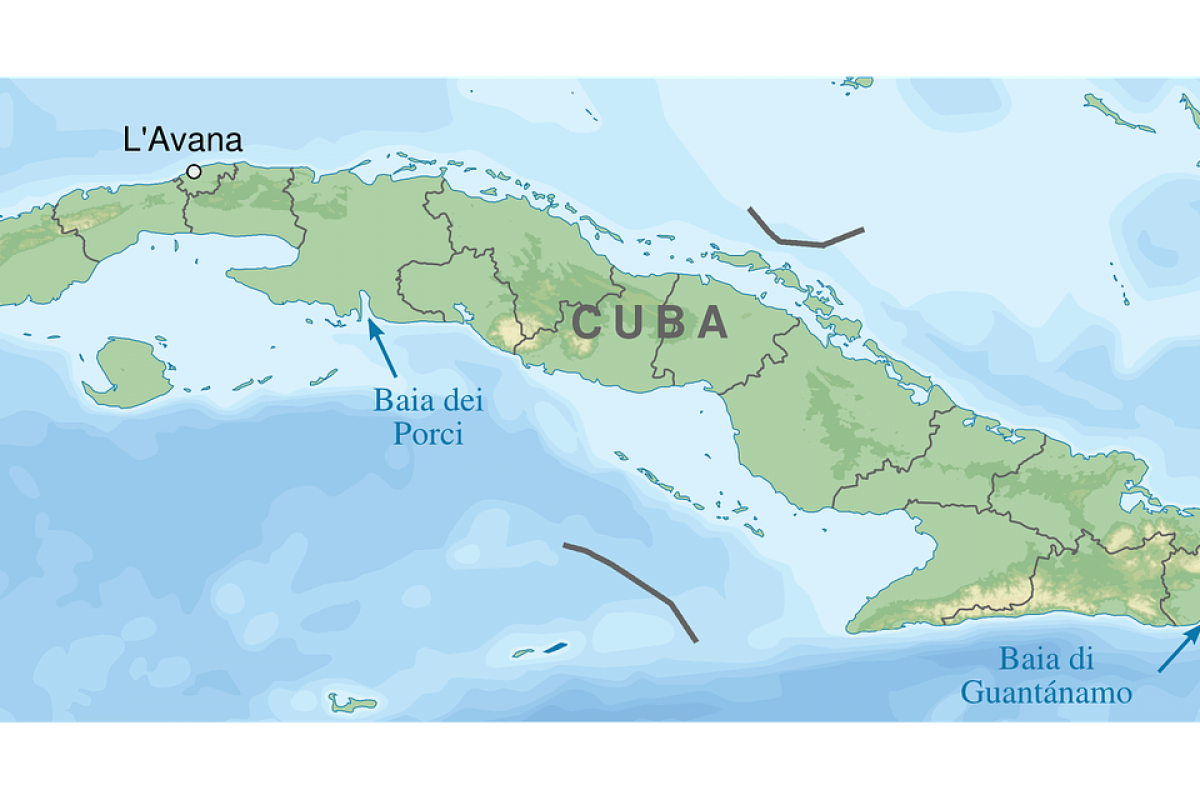
And the Florida Department of Health recently confirmed 173 travel-associated dengue cases, mainly by visitors from Brazil and Cuba, and 7 cases of locally acquired dengue were reported from two counties (Miami-Dade, Pasco).

In 2023, Florida reported 609 travel-associated dengue cases, and 186 people locally contracted dengue from the bites of infected mosquitoes.

Throughout the Americas, 7,327,521 suspected cases of dengue (an increase of 243% from 2023) and over 1,700 deaths have been registered in 2024.

While dengue is a vaccine-preventable disease, vaccinations are not generally offered in the U.S.

May 23, 2024 • 9:31 am CDT
from Pixabay

Assembly Biosciences, Inc. today announced that the company will present data from its herpes simplex virus (HSV) program at the International Herpesvirus Workshop in Portland, Ore., July 13-17, 2024.

At the Workshop, Assembly Bio will present data describing the preclinical profile of ABI-5366, a long-acting helicase-primase inhibitor candidate in development for treating recurrent genital herpes.

Additionally, the company will present data highlighting the preclinical characterization of ABI-1179, a structurally distinct long-acting helicase-primase inhibitor candidate.

William Delaney, PhD, chief scientific officer of Assembly Bio, commented in a press release on May 22, 2024, "Improved therapeutic options are urgently needed for people living with recurrent genital herpes, as the current standard of care is only partially effective in controlling recurrences."

"Our HSV program employs a highly innovative approach, with candidates designed from the start for long-acting administration and targeting the viral helicase-primase complex, a different viral target than the standard of care."

"We look forward to an important year for the program, as we remain on track to begin dosing in a Phase 1a/1b study for ABI-5366 by mid-year (2024) and anticipate bringing ABI-1179 into the clinic by the end of the year."

Details of the presentations are as follows:

Poster Presentation: The Helicase-Primase Inhibitor ABI-5366 is a Novel, Potent, Long-Acting Inhibitor for the Treatment of Recurrent Genital Herpes
Presenter: Ran Yan, PhD, Assembly Bio
Poster Session Date and Time: Not Yet Available

As of May 23, 2024, there are no U.S. FDA-approved herpes vaccines available.

May 22, 2024 • 8:01 pm CDT
US CDC Pertussis case trends 2024

The Lexington-Fayette County Health Department recently announced a pertussis outbreak after 9 cases were confirmed since late April 2024. These cases include students attending local high schools.

“Any school-age children with symptoms of pertussis should stay home from school and visit their health care provider for evaluation, even if they have previously been vaccinated,” the health department said in a statement on May 20, 2024. 

Pertussis (Whooping cough) is a contagious respiratory illness that spreads quickly from person to person. The health department recommends preventive antibiotics for high-risk students exposed to pertussis. 

Kentucky requires school-age children to be vaccinated against pertussis. For protection, one dose of the Tdap vaccine is recommended for children ages 11 and above.

Throughout the United States, pertussis cases have been increasing in recent years.

The U.S. CDC reported 5,611 cases in 2023, significantly more than the 2,388 pertussis cases reported in 2022.

Internationally, pertussis outbreaks have continued in 2024.

According to the European Centre for Disease Prevention and Control (ECDC), more than 32,000 pertussis cases were reported between January and March 2024. The ECDC data announced on May 8, 2024, indicates a nearly 10-fold increase in pertussis cases this year.

May 22, 2024 • 10:45 am CDT
CREDIT: ATS

Following the initial shortage of the newly approved long-acting, monoclonal antibody Beyfortus™ (nirsevimab) for preventing infant respiratory syncytial virus (RSV) lower respiratory tract infection (LRTI), a new digital app may help identify newborns at the highest risk for developing serious RSV LRTI, according to research published at the ATS 2024 International Conference.

 These researchers wrote, 'To predict whether these infants developed severe RSV LRTI requiring ICU admission during the first year of life, we developed a multivariable logistic regression model. The model includes demographic and clinical variables collected at or shortly after birth–19 variables, such as prenatal smoking, delivery method, maternal age, and assisted breathing (ventilation) during birth hospitalization.'

"Timely identification of infants at highest risk of RSV-related morbidity is key to prevention," said lead author Brittney M. Snyder, PhD, assistant professor, Division of Allergy, Pulmonary and Critical Care Medicine, Vanderbilt University Medical Center, in a press release on May 21, 2024.

"Our personalized risk prediction tool may have applications in allocating expensive and/or limited immunoprophylaxis (immunization with nirsevimab or palivizumab) to achieve the greatest benefit and promote RSV prevention among families with high-risk infants."

During the 2023-2024 RSV peak season in the U.S., Beyfortus reduced RSV hospitalizations by about 82% in infants compared to infants who received no passive immunization against RSV.

As of March 2024, among females with an infant <8 months, 41.3% reported that their infant received Beyfortus.

As of May 2024, access to Beyfortus is not constrained in the U.S.