Travel Vaccine Breaking News

Travel vaccine breaking news brought to you by Vax Before Travel.

Jan 17, 2023 • 10:04 am CST
by Anil Sharma

During today's World Economic Forum Annual Meeting in Switzerland, Dr. Tedros Adhanom Ghebreyesus and others discuss what mechanisms can accelerate the development and deploy safe and effective tuberculosis (TB) vaccines.

The 'Ending Tuberculosis: How Do We Get There' live discussion is at this link

While no new TB vaccine has been licensed in 100 years, the prospects for novel effective TB vaccines have improved recently, with at least 16 vaccine candidates under development.

According to the World Health Organization (WHO) 2022 Global TB report, more than 10 million people fell ill from TB, and 1.6 million died.

The WHO confirmed effective vaccines would undoubtedly be the best solution to prevent and potentially eradicate TB.

A recent WHO-commissioned study, An investment case for new TB vaccines, estimates that, over 25 years, a vaccine that is 50% effective in preventing disease among adolescents and adults could avert up to 76 million new TB cases and US$ 6.5 billion in costs.

The current century-old bacille Calmette-Guérin (BCG) vaccine continues offering disease protection.

According to a recent study funded by the U.S. NIH, BCG vaccination at birth effectively prevents TB in young children.

And on August 15, 2022, research published by Cell Reports Medicine suggested BCG protection against infectious diseases and vaccine efficacy takes 1-2 years to manifest, but the protection may last decades.

In the U.S., the BCG vaccine is a limited distributed product. BCG is only considered for people who meet specific criteria and are in consultation with a TB expert., says the U.S. CDC.

Jan 17, 2023 • 8:15 am CST
Vaxxas High Density Microarray Patch

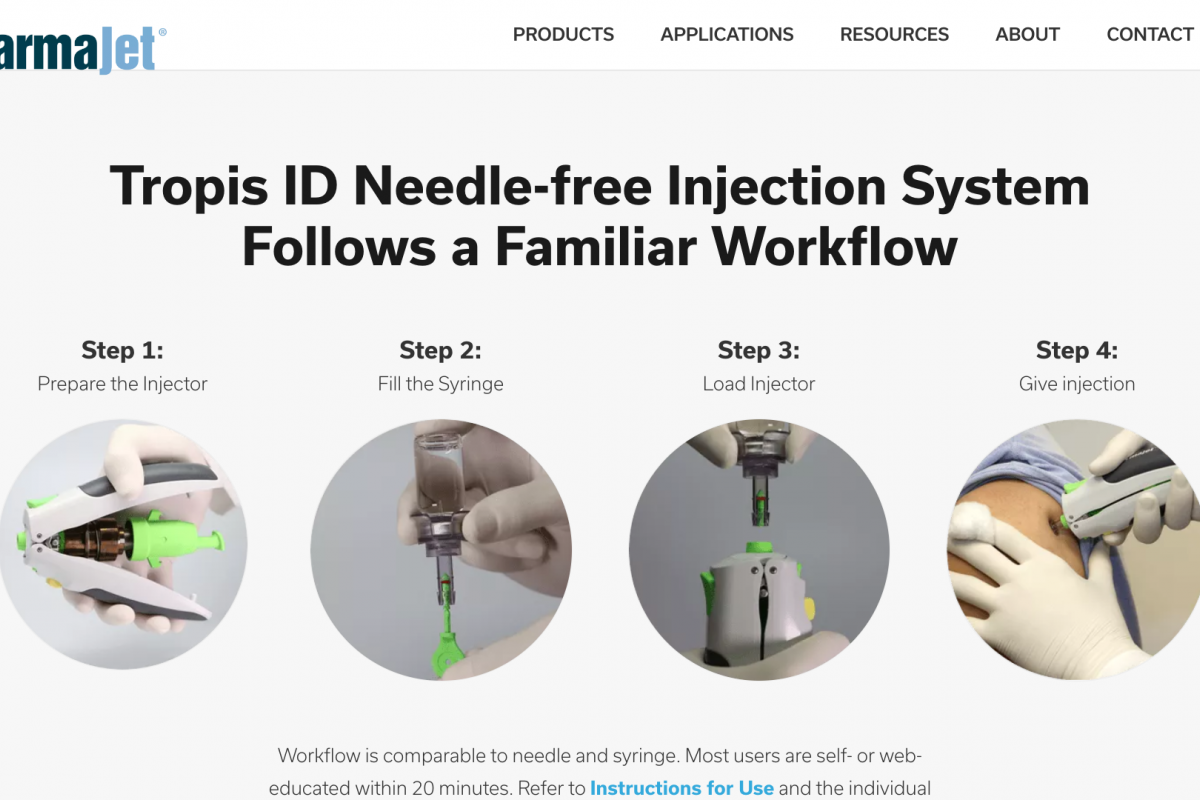
The Coalition for Epidemic Preparedness Innovations (CEPI) and Vaxxas today announced an agreement to advance the development of needle-free vaccine-patch delivery technology in a project that could end the need for frozen storage of mRNA vaccines.

CEPI confirmed on January 17, 2023, it would provide up to $4.3 million (AUD6.4 million) for preclinical testing of Vaxxas' platform, a needle-free, high-density microarray patch (HD-MAP) to assess its stability, safety, and immunogenicity.

And to evaluate its potential as a rapid-response technology for heat-stable, dried-formulation mRNA vaccines.

In addition to a Phase I clinical study of a COVID-19 vaccine candidate patch, Vaxxas is performing demonstration work in preparation for clinical evaluation under contract with the U.S. government on pandemic vaccination solutions.

HD-MAPs comprise thousands of microscopic points attached to a small patch.

Each of these micro-projections contains a tiny dose of vaccine in a dried formulation. When applied to the skin, the patch delivers the vaccine to the abundant immune cells immediately below the skin surface.

HD-MAP vaccine delivery offers many advantages over more traditional vaccine administration methods.

For example, the dried form of the vaccine is more stable at higher temperatures than vaccines in liquid formulations.

Vaxxas' HD-MAPs have proven safe and tolerable in hundreds of trial participants and have been shown to induce equal or greater immune responses to injected vaccines at lower doses.

Compared with needle and syringe systems, they are also much easier to administer and are likely to have greater acceptability.

Ultimately, HD-MAP patches could enable a future in which vaccine patches could be mailed directly to peoples' homes, workplaces, and schools, avoiding the delay and inconvenience of traditional needle-and-syringe vaccine scheduling and administration.

David Hoey, Vaxxas's CEO, commented in a related press release, "Earning this significant funding from one of the world leaders in vaccine development is a great honor and validates the benefits offered by Vaxxas' HD-MAP vaccine platform in the fight against global epidemic and pandemic threats."

"In addition to providing an opportunity to get life-saving vaccines for infectious diseases that have a disproportionate impact on the most vulnerable populations around the world, the advanced development of HD-MAP delivery of mRNA vaccines could also prove very beneficial for the development of Vaxxas' internal pipeline across several diseases, including Covid-19."

Vaxxas' core technology was initially developed at The University of Queensland in Australia. The private company was established as a start-up in 2011.

On December 5, 2022, Vaxxas announced it completed a financing round that raised US$23 million in new funds. 

CEPI is an innovative partnership between public, private, philanthropic, and civil organizations, launched in 2017, to develop vaccines against future epidemics. Its mission is to accelerate the development of vaccines and other biologic countermeasures against epidemic and pandemic threats so they can be accessible to all needy people.


Jan 17, 2023 • 7:52 am CST
Pfizer Accord for a Healthier World 2023

Pfizer Inc. today announced that it has significantly expanded its commitment to An Accord for a Healthier World to offer the full portfolio of medicines and vaccines for which it has global rights on a not-for-profit basis to enable greater health for 1.2 billion people living in 45 lower-income countries.

To better align with disease burden and unmet patient needs in these countries, Pfizer is expanding its offering under the Accord to include off-patent products, bringing the total offering to around 500 products.

Launched in May 2022, the Accord is a transformative initiative focused on reducing health inequities.

The Accord initially included a commitment from Pfizer for access to all its patented medicines and vaccines available in the U.S. or European Union on a not-for-profit basis to 45 lower-income countries.

The Accord portfolio offering now includes chemotherapies and oral cancer treatments that can potentially treat nearly one million new cancer cases in Accord countries each year.

It also includes a wide range of antibiotics that can help to address the rising morbidity, mortality, and costs associated with antimicrobial resistance. 

As Pfizer launches new medicines and vaccines, those products will also be included in the Accord portfolio on a not-for-profit basis.

“We launched the Accord to help reduce the glaring health equity gap that exists in our world. Our hope is to empower country governments and co-create solutions with them and other multi-sector partners to break down many of the system-level barriers to better health. In the months since the Accord’s launch, we have heard resoundingly from these leaders that access to a broader and more immediate scope of consistent, high-quality products is needed for meaningful and sustainable transformation. We believe this expansion of our product offering, combined with continued efforts to help address the barriers that limit or prevent access, will help us to achieve and even expedite our vision of a world where all people have access to the medicines and vaccines they need to live longer and healthier lives,” said Pfizer Chairman and CEO Albert Bourla, in a press release on January 17, 2023.

Alongside governments and multi-sector partners, Pfizer is working to co-create scalable solutions that help address systemic barriers to better health focused on finding faster, more efficient pathways for the supply of medicines and vaccines as well as strengthening the resources, capabilities, and platforms that can enable quick and more sustainable access to those medicines.

This includes technical expertise, training, diagnostic capacity, innovative financing, and more.

“The Accord is an important step toward sustainable health security for Rwanda and the broader continent. The expanded portfolio offering and public health system strengthening efforts will further enhance our progress and offer valuable support to key national health initiatives that lead to positive health outcomes,” commented His Excellency Paul Kagame, President of Rwanda.

Further details about An Accord for a Healthier World are available at Pfizer.com/Accord.

Jan 16, 2023 • 5:21 pm CST
U.S. CDC Peru 2023

The U.S. Embassy in Peru recently confirmed the Government extended a 30-day State of Emergency in selected areas of Peru starting January 15, 2023.  The affected areas include the departments of Cusco, Puno, Lima, and the province of Callao.  

The province of Andahuaylas in the department of Apurimac, the provinces of Tambopata and Tahuamanu in the department of Madre de Dios, the district of Torata, and the province of Mariscal Nieto in the department of Moquegua are included.  

Some national highways are affected, including the Pan-American Highway as well as the Apurimac-Cusco-Arequipa roadway.

For additional details, please see the complete Supreme Decree.

The Embassy suggests U.S. citizens in Peru avoid crowds and demonstrations, comply with instructions from local authorities, and enroll in STEP to receive alerts and messaging from the U.S.  Embassy in Lima.

And for in-country assistance, visit the U.S. Embassy in Lima, Peru, at Avenida La Encalada cdra, 17 s/n, Santiago de Surco 15023, Lima , or contact +51-1-618-2000 and [email protected].

From a health perspective, the U.S. CDC says to check the vaccines and medicines list and visit your healthcare provider at least a month before your trip to Peru to get vaccines or medicines you may need.

Jan 16, 2023 • 3:44 pm CST
by Rudy Skitterians

The U. S. Centers for Disease Control and Prevention (CDC) recently announced it joined the Republic of Uganda in marking the end of the fifth Sudan Ebolavirus outbreak in Uganda.

The last Sudan Ebola outbreak in Uganda was in 2012.

In addition, entry screening and public health monitoring of travelers to the U.S. who have been in Uganda in the last 21 days ended on January 11, 2023.

“I commend the Government of Uganda, local health workers, and global public health partners who worked to end the country’s Ebola outbreak,” said CDC Director Rochelle P. Walensky, M.D., M.P.H., in a media statement.

The CDC confirmed it would continue supporting the Ugandan Ministry of Health in continuing surveillance, infection prevention and control, and response activities to help ensure rapid detection and response to future cases and outbreaks.

Since this outbreak declaration in September 2022, there were 164 cases with a case-fatality ratio was 47%.

Furthermore, three vaccine candidates launched human clinical trials for this type of Ebola in December 2022.

Jan 16, 2023 • 9:43 am CST
by Mabel Amber

Global interest in developing vaccines against Neisseria gonorrhoeae (NG) has been sparked by the increasing threat of gonococcal antimicrobial resistance and the number of new infections.

And according to the U.S. Centers for Disease Control and Prevention (CDC), over 600,000 cases of gonorrhea were reported in 2020, making it the second most common sexually transmitted infection in the United States. 

And the disease is known to be contracted repeatedly without apparently developing protective immunity.

To address this extensive health need, Intravacc today announced favorable preclinical data for Avacc 11®, the prophylactic intranasal gonorrhea candidate vaccine developed in partnership with Therapyx inc. 

The results of the candidate, a proprietary outer membrane vesicle (OMV) platform-based gonorrhea vaccine combined with encapsulated IL-12, showed protection against subsequent infection with NG.

In this study, mice were vaccinated via the intranasal route, and the results of this intranasal study were similar to the intravaginal vaccination route. Intranasal immunization resulted in high serum IgG, salivary IgA, and vaginal IgG and IgA anti-gonococcal antibodies when OMVs were administered with IL-12 ms.

The serum IgG and salivary IgA antibodies induced in male mice were similar to the response induced in female mice.

Gamma interferon (IFN-g) production by CD4 T cells from iliac lymph nodes was elevated after vaccination intranasally or intravaginally.

Female mice immunized with OMVs plus IL-12 ms by either route resisted challenge with NG to an equal extent, and resistance generated by intranasal immunization extended to heterologous strains of NG.

These results were published in the peer-reviewed journal MSphere of the American Society of Microbiology.

Dr. Jan Groen, Intravacc's CEO, commented in a press release on January 16, 2023, "Together with our partner Therapyx, we are very pleased with the preclinical data of the intranasal candidate vaccine Avacc 11®."

"This intranasal gonococcal vaccine is more suitable to fight gonorrhea infections, which are becoming increasingly resistant to antibiotic treatments."

In October 2022, Intravacc was awarded a $14.6 Million U.S. NIH/NIAID contract to develop this intranasal candidate gonorrhea vaccine further.

For the development of vaccines, Intravacc has designed and developed a platform based on outer membrane vesicles, spherical particles with intrinsic immune-stimulating properties.

The OMVs can be designed with immunogenic peptides and/or proteins that stimulate effective adaptive immunity.

The OMV carrier has been optimized to induce a more effective immune response against these newly introduced antigens.

Intravacc has also developed genetic tools to increase the yield of the OMVs, reduce toxicity and achieve the desired antigenic composition.

Intravacc's OMV platform is scalable and allows rapid and efficient modification of the antigen composition, either through genetic modification of the bacterial host or by associating antigens with stored OMVs.

As of January 2023,  there is no effective gonorrhea vaccine available in the U.S.

Jan 15, 2023 • 11:57 am CST
WHO Influenza Reporting Jan. 2023

Since influenza is an airborne virus, efforts to avoid catching the flu depend on your proximity to an infectious (sneezing) person. While this logic is simple to say, what reports can a person trust to make virus avoidance decisions in 2023? 

According to the World Health Organization (WHO) Influenza Update N° 436, most countries of North America indicate influenza activity decreased while others were stable or continued to increase.

The WHO finding was supported by the recent U.S. Centers for Disease Control and Prevention (CDC) report issued on January 13, 2023, that stated seasonal influenza activity continues but is declining in most areas, with specimens testing positive for influenza in clinical laboratories decreasing in all regions. 

Elsewhere around the globe, the WHO reported:

In Europe, overall influenza activity continued to increase, with influenza positivity from sentinel sites remaining above the epidemic threshold at the regional level.

In central Asia, influenza activity increased with influenza A(H1N1)pdm09 viruses predominant, followed by influenza B viruses.

In Northern Africa, influenza detections increased among reporting countries with all seasonal subtypes detected. And influenza activity remained low in tropical Africa, with detections of all seasonal influenza subtypes reported. However, activity increased in some countries in Eastern Africa.

In Western Asia, influenza activity decreased overall with all seasonal influenza subtypes detected, though increased activity was reported in some countries.

In East Asia, influenza activity of predominantly influenza A(H3N2) viruses remained low overall among reporting countries but with increases reported in Mongolia and the Republic of Korea. 

In the Caribbean and Central American countries, influenza activity of predominantly influenza A(H3N2) viruses decreased overall but remained elevated in Mexico.

In the tropical countries of South America, influenza detections were generally low. However, influenza positivity was at a moderate level in Ecuador.

In the temperate zones of the southern hemisphere, influenza activity decreased in Argentina and Chile to low levels and remained low elsewhere.

In Southern Asia, influenza activity remained low, mainly due to decreased activity reported in the Islamic Republic of Iran.

In South-East Asia, detections of predominantly influenza B remained elevated due to continued detections reported in Malaysia.

Before visiting these areas, the CDC suggests speaking with a doctor, nurse, or pharmacist to ensure you are appropriately protected from influenza. 

In the U.S., access to flu shots remains abundant, as over 157 million vaccines have already been distributed and are generally available at most clinics and pharmacies.

Jan 15, 2023 • 11:15 am CST
by Albrecht Fietz

As the new year began a few weeks ago, various scientists are focused on developing Human Immunodeficiency Virus (HIV) vaccines. And vaccine development has accelerated in 2023 with candidates utilizing innovative technologies such as mRNA.

Vaccines work by inducing the immune system to make antibodies that can neutralize a particular pathogen.

But doing so for HIV has been challenging because there are countless variants worldwide, wrote the U.S. National Institutes of Health (NIH) on December 13, 2022.

This challenge is why mRNA vaccines may become the solution.

Encouraging news was announced in 2022 when Moderna Inc., a global leader in mRNA vaccines, confirmed it was participating in the NIH's HVTN 302 study that examines the safety and immune responses of BG505 MD39.3 mRNA, BG505 MD39.3 gp151 mRNA, and BG505 MD39.3 gp151 CD4KO vaccines.

Each of Moderna's vaccine candidates are designed to present the spike protein found on the surface of HIV that facilitates entry into human cells and encodes for different but highly related stabilized proteins.

While this early-stage, Phase 1 clinical trial was updated on October 3, 2022, it could be years from achieving U.S. Food and Drug Administration (FDA) approval.

As of January 15, 2023, the FDA had not approved any HIV prevention vaccine for use by people.

Unfortunately, the AIDS epidemic continues to impact people everywhere, specifically in Africa.

About 38 million people worldwide are living with HIV, and about 70% of them live in Africa.

However, over 28 million people were accessing antiretroviral therapy in 2022, a significant increase from 7.8 million in 2010.

And in 2023, these people have expanded treatment options.

Gilead Sciences, Inc. announced on December 22, 2022, that the FDA approved Sunlenca® for treating HIV-1 infections in heavily treatment-experienced adults with multi-drug resistant HIV-1 infection. 

And previously, the U.S. FDA-approved Apretude for use by at-risk adults and adolescents weighing at least 35 kilograms for pre-exposure prophylaxis to reduce the risk of sexually acquired HIV on December 20, 2021.

Anthony S. Fauci, M.D., former director at the U.S. National Institute of Allergy and Infectious Diseases, recently commented about HIV vaccine development efforts in an Emerging and Reemerging Infectious Diseases Perspective: It Ain't Over Till It's Over…but It's Never Over. 

Jan 14, 2023 • 4:13 pm CST
by Mark Golden

Each year, the American Cancer Society (ACS) estimates the number of new cancer cases and related fatalities in the United States (U.S.). Cancer is the second leading cause of death in the United States, exceeded only by heart disease. 

On January 12, 2022, the ACS published a study with good news regarding cervical cancer.

This new ACS study highlights a 65% decrease in cervical cancer incidence from 2012 through 2019 among women in their early 20s.

This is the first cohort to receive the human papillomavirus vaccine (HPV) early in life, which foreshadows steep reductions in the burden of cancer.

This is essential news since there were 12,795 new cases of cervical cancer reported among women, and 4,152 women died of this cancer n 2019.

Surprisingly, cervical cancer herd immunity has also been identified in the U.S. based on data from the National Health Examination Survey from 2003 through 2018.

This data shows reductions in HPV-16 and HPV-18 infection among sexually active females aged 14–24 years, of 90% among those vaccinated and 74% among those unvaccinated.

Sweden was the first to report a population-level reduction in invasive cervical cancer incidence of 78% among women vaccinated before the age of 17 in 2020.

Shortly after that, an 87% reduction in cervical cancer and a 97% reduction in grade 3 cervical intraepithelial neoplasia was demonstrated among women aged 20–29 years who were vaccinated at ages 12 to 13 years in England.

Although up-to-date (three-dose) HPV vaccination coverage in the U.S. has lagged behind other countries, accumulating evidence suggests that a single dose offers substantial protection and may even be preferable in low-income, high-burden populations.

In April 2022, the World Health Organization's Strategic Advisory Group of Experts on Immunization endorsed single-dose vaccination among girls aged 9–14 to address the global shortfall and optimize cancer prevention.

In 2021, 79% of adolescent girls in the United States had received at least one dose, and 64% were fully up to date.

HPV vaccines are generally available at clinics and pharmacies in the U.S.

Jan 14, 2023 • 3:36 pm CST
by Sang Hyun Cho

The State of Kentucky recently announced a panel of the Sixth Circuit U.S. Court of Appeals affirmed a lower court's ruling that said vaccine mandates were unconstitutional. The mandate requires workers contracting with the federal government to wear face masks and be vaccinated for COVID-19.

A federal judge in Louisville, Kentucky, blocked the U.S. government's rule in November 2021 for Kentucky, Tennessee, and Ohio.

"The Sixth Circuit's decision is a resounding victory against federal overreach into the personal medical decisions of Kentuckians," Kentucky Attorney General Daniel Cameron said in a statement on January 12, 2023.

The Fifth Circuit U.S. Court of Appeals issued a similar ruling for Indiana, Louisiana, and Mississippi in December 2022.

The U.S. Centers for Disease Control and Prevention (CDC) says certain workers are at risk for exposure to severe and sometimes fatal diseases.

If you work directly with patients or handle material that could spread infection, you should get appropriate vaccines to reduce the chance that you will get or spread vaccine-preventable diseases.

And protect yourself, your patients, and your family members by ensuring you are up-to-date with recommended vaccines, including COVID-19, says the CDC.

Jan 14, 2023 • 1:32 pm CST
by Michael Gaida from Pixabay

Earlier today, WHO Director-General Dr. Tedros Adhanom Ghebreyesus spoke to the director of China’s National Health Commission, Minister Ma Xiaowei.

The WHO confirmed in a media statement on January 14, 2023; it appreciates this telephonic meeting and the public release of information about the pandemic in the country.

Chinese officials provided information to WHO and in a press conference on various topics, including outpatient clinics, hospitalizations, patients requiring emergency treatment and critical care, and hospital deaths related to COVID-19 infection.   

WHO is analyzing this information, which covers early December 2022 to January 12, 2023, and allows for a better understanding of the epidemiological situation and the impact of this wave in China.

The overall epidemiology—reflecting a rapid and intense wave of disease caused by known sub-variants of Omicron with higher clinical impact on older people and those with underlying conditions—is similar to waves of infection experienced by other countries, as is the increased pressure on health services.

Nevertheless, the reported data indicate a decline in case numbers, hospitalizations, and those requiring critical care.

The WHO has requested a more detailed breakdown of data by province over time.   

While the Chinese Center for Disease Control and Prevention has earlier reported that Omicron sublineages BA.5.2 and BF.7 are currently circulating, WHO continues to ask that other sequences be shared with open access databases such as GISAID for deeper phylogenetic analyses and continued collaboration with technical groups working on virus evolution, clinical care, and beyond.

The WHO stated it would continue to work with China, providing technical advice and support and analyzing the situation. 

Note: The unedited, complete media statement is available at this WHO link.

Jan 14, 2023 • 5:42 am CST
by Arek Socha

The World Health Organization (WHO) today called on countries to take urgent measures against measles outbreaks which are on the rise, with nearly nine million children having missed vaccination against the killer disease in the last two years.

Measles outbreaks are declared when the number of cases reported in an area is higher than expected.

"The strong political commitment, determination, focused and concerted efforts, and community support that marked our efforts for polio elimination are now urgently needed to stop and prevent measles outbreaks and accelerate efforts to eliminate the disease," said Dr. Poonam Khetrapal Singh, Regional Director, WHO South-East Asia, in a media release on January 13, 2023.

Measles and rubella elimination is a flagship priority program of the WHO South-East Asia Region. Both are vaccine-preventable.

Between 2014 and 2021, the Region recorded a 73% reduction in measles deaths and a 64% reduction in measles cases.

Five of the 11 countries in the South-East Asia Region – Bhutan, DPR Korea, Maldives, Sri Lanka, and Timor-Leste - have eliminated measles, and two countries - Maldives and Sri Lanka - have eliminated rubella as well.

In addition, governments have been administering two doses of measles vaccines as part of their childhood immunization program, and some are rolling out mass vaccination campaigns.

However, as the pandemic arrived, measles vaccination coverage, which had reached an all-time high of 94% coverage for the first dose and 83% coverage for the second dose by 2019, declined to 86% and 78%, respectively, in 2021.

This inaction left about nine million children unvaccinated for measles.

And around 5.3 million children are partially vaccinated against this highly infectious disease.

"The decline in vaccine coverage, and interruptions and delays in immunization and surveillance activities due to the pandemic, leaves the Region susceptible to large outbreaks and off track for the 2023 target of measles and rubella elimination," the Regional Director added.

"All countries have been taking several initiatives to revive and resume childhood immunization coverage and surveillance activities that were affected by the COVID-19 pandemic," Dr. Khetrapal Singh concluded.

The U.S. CDC says measles is highly contagious, with about 90% of people who are not protected will become following infected exposure to the measles virus. 

The CDC's Top 10 Measles Outbreak Country list was updated on January 13, 2023.

International travelers can check CDC's Travel Health Notices to search for measles or other issues that may affect travelers' health. During 2022, the CDC issued various measles-related travel alerts.

Jan 13, 2023 • 2:58 pm CST
CDC FluView Interaction Jan. 13, 2023

The U.S. Centers for Disease Control and Prevention (CDC) reported today the percentage of specimens testing positive for influenza in clinical laboratories across the nation declined compared to the previous week.

As of January 13, 2023, the CDC's Week #1 Influenza Surveillance Report confirmed the number of flu hospital admissions reported in the HHS Protect system decreased compared to week #52 (Dec. 2022).

And the cumulative hospitalization rate in the FluSurv-NET system was lower than end-of-season hospitalization rates for most pre-pandemic seasons going back to 2010-2011.

The good news reported by the CDC this week was the majority of influenza viruses tested are in the same genetic subclade as and antigenically similar to the influenza viruses included in this season's influenza vaccines.

Additional good news highlighted that over 170 million flu shots had been distributed in the U.S. this flu season, eliminating access concerns.

Most clinics and pharmacies have an ample supply of various flu shots approved for the 2022-2023 season.

The CDC says ab annual flu vaccine is the best way to protect against the health risks posed by an influenza infection.

And vaccination helps prevent infection and serious outcomes in people who get vaccinated but still get sick with the flu.

This CDC advice is very relevant for children, as 79 influenza-associated pediatric fatalities have been reported during the 2022-2023 season.

Furthermore, the CDC continues to recommend that everyone ages six months and older get an annual flu vaccine as long as flu activity continues.

Jan 13, 2023 • 1:40 pm CST
by Wolfgang Eckert

A recent study published by the peer-review journal Nature found that promoting the existence of vaccination incentives had no negative consequences, such as reduced follow-on vaccinations.

Announced on January 11, 2023, these researchers offered study participants in a randomized, controlled trial about $24 to receive a first COVID-19 vaccine dose within 30 days. 

They found the small payment increased vaccination uptake by 4% points 30 days after the study ended.

And they found that paying people an initial incentive didn't lower the likelihood of seeking the second or third vaccine dose.

To complement their study's evidence from Sweden with evidence on the effects of large-scale incentive programs implemented by US state governments during the early stages of the pandemic.

In a pre-registered study in the USA (n = 3,062), participants randomly assigned to the incentives condition received detailed information about their state's COVID-19 vaccine incentive program.

In line with the evidence from Sweden, they found no negative impacts of being informed about incentive programs on the willingness of participants to take further doses, morals, trust in the state government, safety and efficacy perceptions of vaccines, or intentions to donate blood or to receive a flu shot.

The authors identified no adverse effects of financial incentives.

A real-world example took place in New York City in May 2021.

Mayor Bill de Blasio announced incentives to encourage New Yorkers to get their COVID-19 vaccine, a free Shake Shack. The mayor 'chowed down' on a burger and fries as he introduced the promotion.

These researchers wrote, 'Despite its limitations, our study has a clear finding: offering modest financial incentives for vaccination has limited, if any, unintended negative consequences.'

'Contrary to prominent warnings in the academic literature and public debate, our work suggests that modest financial incentives for vaccination can be used without worries about grave unintended consequences.'

Disclosures: The Human Subjects Committee of the Faculty of Economics, Business Administration and Information Technology at the University of Zurich approved the study protocols (2022-045). Lund University provided open-access funding, and no industry conflicts were disclosed.

Jan 13, 2023 • 1:11 am CST
by LJ Nova Scotia

An innovative dual-action cell therapy engineered to eliminate tumors, train the immune system to eradicate primary tumors, and prevent cancer recurrence is progressing.

Cancer vaccines are an active area of research for many labs, but this new approach is distinct.

Scientists in Boston are now harnessing a new way to turn cancer cells into potent, anti-cancer agents.

In the latest work led by Khalid Shah, MS, Ph.D. at Brigham and Women's Hospital, investigators have developed a new cell therapy approach to eliminate established tumors and induce long-term immunity, training the immune system to prevent cancer from recurring.

The team recently announced their dual-action, cancer-killing vaccine candidate in an advanced mouse model of the deadly brain cancer glioblastoma, with promising results.

"Our team has pursued a simple idea: to take cancer cells and transform them into cancer killers and vaccines," said the study's corresponding author Khalid Shah, MS, Ph.D., director of the Center for Stem Cell and Translational Immunotherapy (CSTI) and the vice chair of research in the Department of Neurosurgery at the Brigham and faculty at Harvard Medical School and Harvard Stem Cell Institute (HSCI), in a press release on January 4, 2023.

"Using gene engineering, we are repurposing cancer cells to develop a therapeutic that kills tumor cells and stimulates the immune system to destroy primary tumors and prevent cancer."

Instead of using inactivated tumor cells, the team repurposes living tumor cells, which possess an unusual feature.

Like homing pigeons returning to roost, living tumor cells will travel long distances across the brain to return to the site of their fellow tumor cells. Taking advantage of this unique property, Shah's team engineered living tumor cells using the gene-editing tool CRISPR-Cas9 and repurposed them to release tumor cell-killing agents.

In addition, the engineered tumor cells were designed to express factors that would make them easy for the immune system to spot, tag, and remember, priming the immune system for a long-term anti-tumor response.

The team tested their repurposed CRISPR-enhanced and reverse-engineered therapeutic tumor cells (ThTC) in different mice strains.

Shah's team also built a two-layered safety switch into the cancer cell, which, when activated, eradicates ThTCs if needed.

This dual-action cell therapy was found safe, applicable, and efficacious in these models, suggesting a roadmap toward therapy.

While further testing and development are needed, Shah's team specifically chose this model and used human cells to smooth the path of translating their findings for patient settings.

"Throughout all of the work that we do in the Center, even when it is highly technical, we never lose sight of the patient," added Shah.

"Our goal is to take an innovative but translatable approach to develop a therapeutic, cancer-killing vaccine that ultimately will have a lasting impact in medicine."

Shah and colleagues note that this therapeutic strategy applies to a broader range of solid tumors and that further investigations of its applications are warranted.

The study's findings are published in Science Translational Medicine on Jan. 4, 2023. Disclosures: Shah owns equity in and is a member of the Board of Directors of AMASA Therapeutics, a company developing stem cell-based therapies for cancer. This work was supported by the U.S. NIH (grant R01-NS121096).