Valneva SE today announced filing a regulatory application with Health Canada for marketing approval of the single-shot chikungunya vaccine candidate, VLA1553.
If accepted by Health Canada, VLA1553 would become available for persons aged 18 years and above.
VLA1553 is currently the only chikungunya vaccine candidate worldwide for which regulatory review processes are underway. It could become the first licensed chikungunya vaccine to address this unmet medical need if approved.
A Biologic License Application is currently under priority review by the U.S. Food and Drug Administration with a Prescription Drug User Fee Act review goal date at the end of August 2023.
VLA1553 received FDA Fast Track and Breakthrough Therapy designations in 2018 and 2021, respectively. The program was also granted PRIority MEdicine designation by the European Medicines Agency in 2020.
Furthermore, Valneva plans to make regulatory submissions for VLA1553 in Europe in the second half of 2023.
Juan Carlos Jaramillo, MD, Chief Medical Officer of Valneva, commented in a press release on May 30, 2023, "Chikungunya represents a major threat for people traveling to or living in areas where chikungunya virus and the mosquitos that transmit it are present, including popular destinations for U.S. and Canadian travelers."
"No vaccine or specific treatments are currently available for this debilitating disease, and we will continue to work diligently to bring VLA1553 to different territories as soon as possible."
Chikungunya is a mosquito-borne viral disease caused by the chikungunya virus, transmitted by Aedes mosquitoes.
An infection leads to symptomatic disease in 72-92% of humans after four to seven days following the mosquito bite. While mortality is low, morbidity is high.
Beginning in 2014, chikungunya virus disease cases were reported among U.S. travelers returning from affected areas in the Americas, and local transmission was identified in Florida, Texas, Puerto Rico, and the U.S. Virgin Islands, says the U.S. CDC.
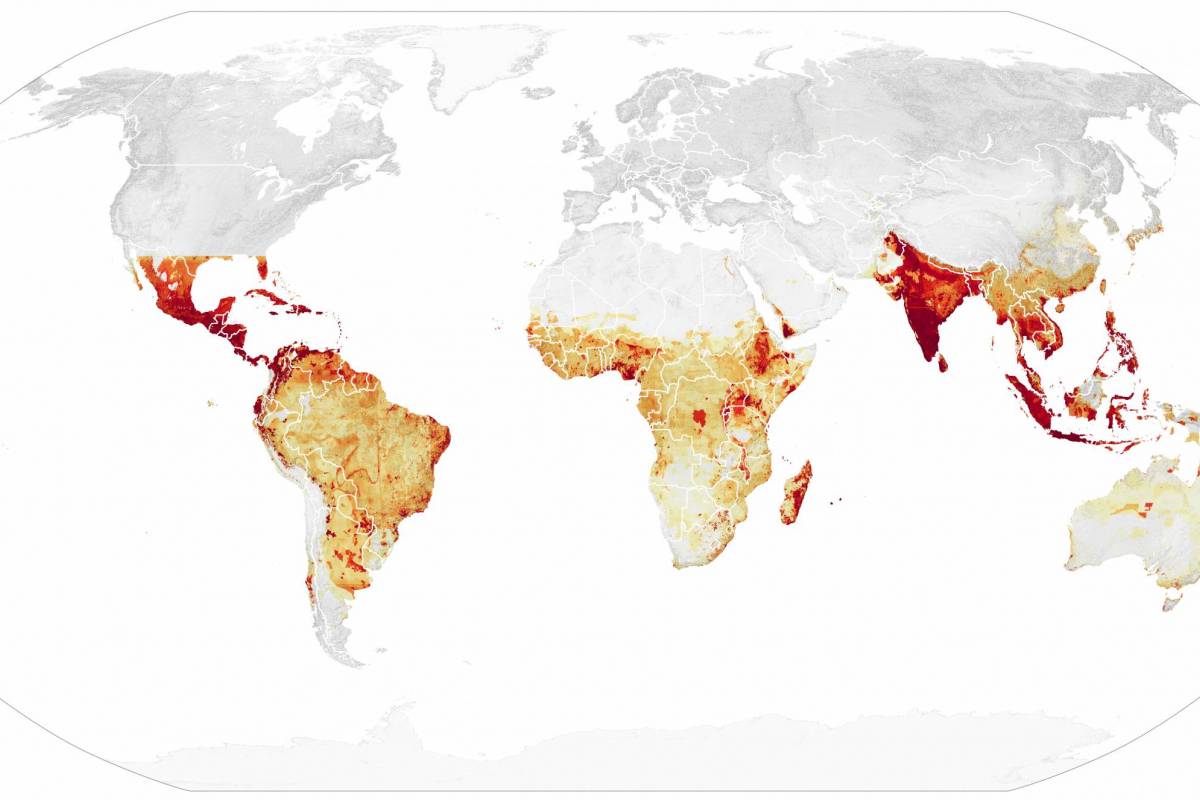
The high-risk areas of infection for travelers included the Americas, parts of Africa, and Southeast Asia, and the virus has spread to more than 110 countries.