Search API
Over the past two decades, about 18 million Brazilians have been infected with one of Dengue's four viruses.
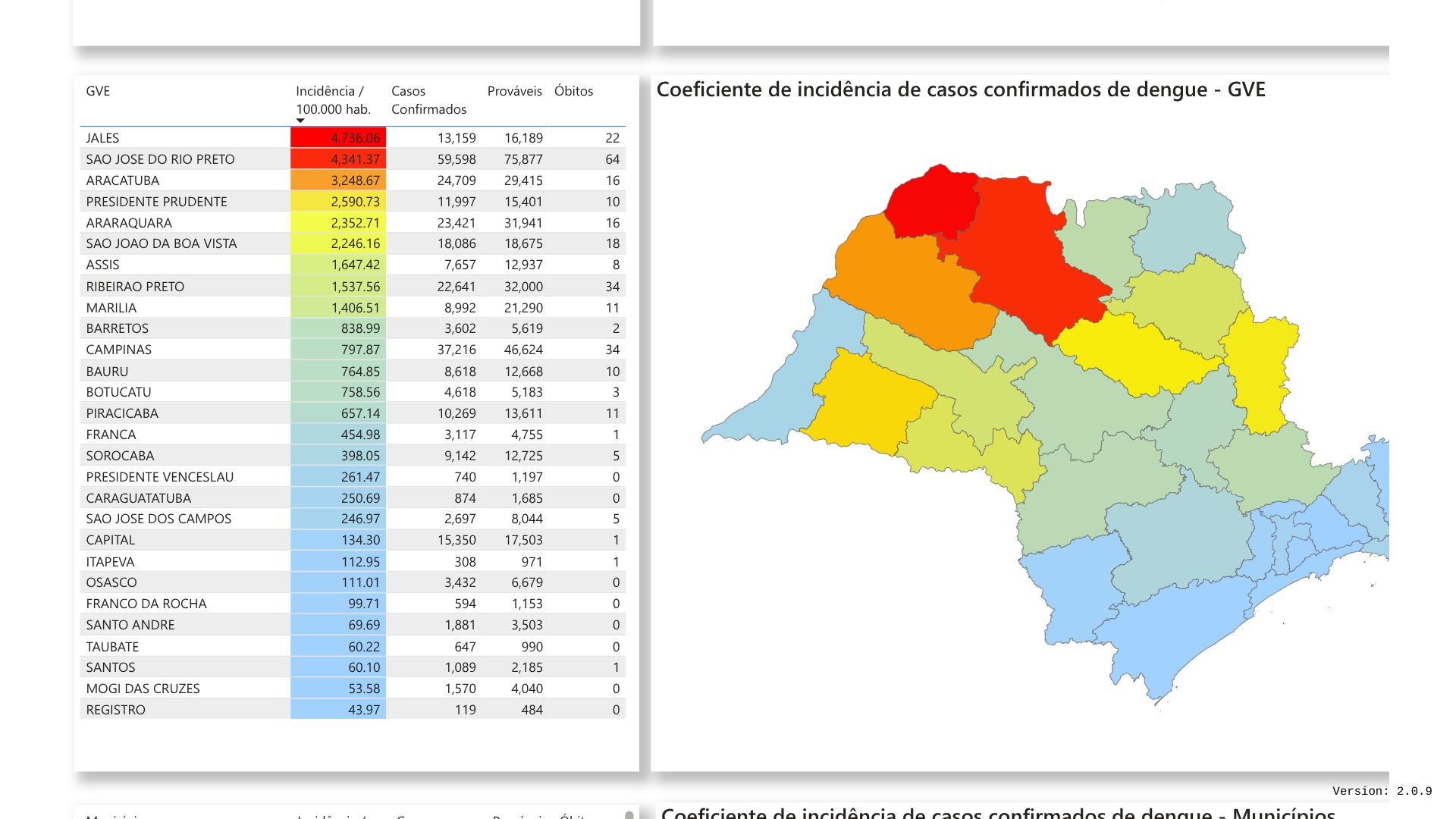
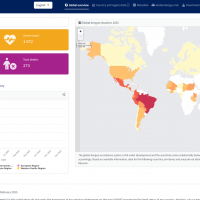
As of March 23, 2025, the Sao Paulo Ministry of Health's Dengue data dashboard indicates over 403,000 probable cases and 273 related fatalities have been reported this year.
The São José do Rio Preto region is the unfortunate leader during this Dengue outbreak, with 86 fatalities.
Throughout Brazil, one million Dengue cases and 304 fatalities have already been reported in 2025.
To notify international travelers of this infectious disease risk in Brazil, the U.S. Centers for Disease Control and Prevention (CDC) recently published three notices.
On March 19, 2025, the CDC reported 1,158 travel-related Dengue cases and one local case in 28 jurisdictions this year. Of these, 3% were Severe Denge cases. DENV-3 was the most (84%) common serotype identified in 2025.
The CDC recently reissued a Global Travel Health Notice regarding Dengue outbreaks in the Region of the Americas. Transmission of Dengue remains high in the U.S. territories of Puerto Rico and the U.S. Virgin Islands.
And on March 18, 2025, the CDC's Health Update (CDCHAN-00523) highlighted the ongoing risk of Dengue virus infections and updated testing recommendations in the United States.
As of March 23, 2025, the CDC has not issued travel advisories for U.S. cities reporting Dengue cases, such as southeast Florida. Nor does the CDC endorse Dengue vaccinations in 2025.
After being named by Travel + Leasure as 'Destination of the Year' in 2024, when Costa Rica welcomed about 2.6 million tourists, a few headwinds have confronted this Central American country.
A spokesman for the business group Turismo por Costa Rica recently estimated that tourist arrivals could drop by 15% to 20% by the end of 2025.
"The decline is multifactorial," Bary Roberts noted in a news article by the Tico Times on March 21, 2025.
Price competitiveness is one hurdle.
The appreciation of the Republic of Costa Rican colón has further eroded purchasing power. Each U.S. dollar now converts to fewer colones, making Costa Rica a pricier destination compared to regional peers.
Another tourism challenge is an increase in health alerts.
On March 18, 2025, the U.S. Embassy in San José issued an alert on the spike in histoplasmosis associated with caving activities in Costa Rica.
Histoplasmosis is a lung infection caused by a fungus in soil contaminated with bat or bird droppings. If left untreated, it can lead to serious and potentially life-threatening complications.
Additionally, over the past few years, local cases of mosquito-transmitted Chikungunya, Dengue, Malaria, and Zika have been confirmed at Costa Rica's beaches and mountain destinations.
Furthermore, from a safety perspective, the U.S. Embassy remains committed to ensuring the well-being of U.S. citizens when visiting Costa Rica. The State Department's Level 2 Travel Advisory issued in December 2024 says visitors should exercise increased caution due to crime.
In February 2025, The U.S. Embassy announced it had received reports regarding travel incidents near the Juan Santamaría International Airport.
Please take appropriate precautions and stay informed when visiting Costa Rica. To receive alerts, you can enroll in the Smart Traveler Enrollment Program, making locating you in an emergency easier.

The Chikungunya outbreak on La Réunion Island recently reached Level 4 of the ORSEC plan of this French overseas department and region.
The Director General of the Regional Health Agency (ARS) stated in a media release on March 19, 2025, stated Réunion is experiencing a "medium-intensity epidemic," with 2,888 cases reported in early March.
On March 21, 2025, local media reported two Chikungunya-related fatalities.
ARS wrote, 'Although there is no current tension in the hospital environment, 77 patients were admitted to the emergency room between March 3 and 9, 2025.'
'Faced with the increase and spread of cases across the country, the ARS vector control service is adapting its system to optimize the effectiveness of interventions.'
The southern municipalities are the most affected by this mosquito-transmitted virus, particularly Le Tampon, located in the south-central part of the island and home to about 80,000 residents.
To alert international travelers, the U.S. CDC issued a Travel Health Advisory in February 2025, confirming that people can protect themselves by preventing mosquito bites and that vaccination against Chikungunya is recommended for most people traveling to a destination with a current Chikungunya outbreak.
In the United States, various Chikynunga vaccines are available at most travel clinics and pharmacies as of March 22, 2025.


While the Texas Department of Health and Human Services (DSHS) has reported 317 measles cases this year, the state's overall vaccination rate is very positive.
As of March 22, 2025, Texas says, 'Texas schools have reported high coverage rates for each vaccine included in the survey.'
For example, the Texas Kindergarten Annual Report of Immunization Status for the School Year 2023-2024 shows 94.34% of children were vaccinated with the MMR vaccine.
In seventh grade, immunization coverage was above 95% for all vaccines except Tdap and meningococcal MCWY vaccines.
Furthermore, vaccinations appear to be increasing in Texas.
According to DSHS, about 173,000 MMR doses were administered in 2025, compared to at least 158,000 over the same timeframe last year. Media reporting indicates that MMR access has increased at national and community pharmacies as of March 2025.
An unanswered question is why the DSHS's unvaccinated/unknown category lists 307 people with no documented doses of measles vaccine more than 14 days before symptom onset when the state has an immunization registry.
Public health leaders would better understand this measles outbreak if this innovative technology were adequately utilized.
To inform everyone, the U.S. Centers for Disease Control and Prevention (CDC) issued a Health Advisory notifying clinicians, public health officials, and potential travelers to Texas about this year's measles outbreak.
The CDC recommends anyone visiting measles outbreak areas to protect against this highly transmissible virus.

The U.S. Department of Health and Human Services today filed a [Docket No. CDC-2025-0017] notice regarding a meeting of the Advisory Committee on Immunization Practices (ACIP), the vaccine advisory committee of the Centers for Disease Control and Prevention (CDC).
The ACIP advises the Director of the CDC on the use of immunizing agents.
As of March 21, 2025, this newly scheduled ACIP meeting will be held on April 15 and April 16, 2025, and will be digitally open to the public.
The agenda will include discussions on chikungunya, COVID-19, cytomegalovirus, Human papillomavirus, influenza, Lyme disease, meningococcal, mpox, pneumococcal, Respiratory Syncytial Virus vaccines for adults, and maternal and pediatric populations.
An update on the current measles outbreak in the U.S. will also be provided.
ACIP recommendation votes are scheduled for meningococcal, chikungunya, and RSV vaccines for adults.
Of note, VIMKUNYA® became the first chikungunya vaccine approved in the U.S. for people aged 12 and older as of March 18, 2025, without an ACIP recommendation.
A Vaccines for Children vote is also scheduled for meningococcal vaccines.
The agenda for this ACIP meeting is similar to the rescheduled February 2025 session.
To increase trust in the vaccine authorization process, the CDC launched a website in early March 2025 identifying ACIP member conflicts of interest, if any. Revealed on March 7, 2025, people can use this free CDC digital tool to quickly find previous conflicts of interest by ACIP members from 2000 to 2024.

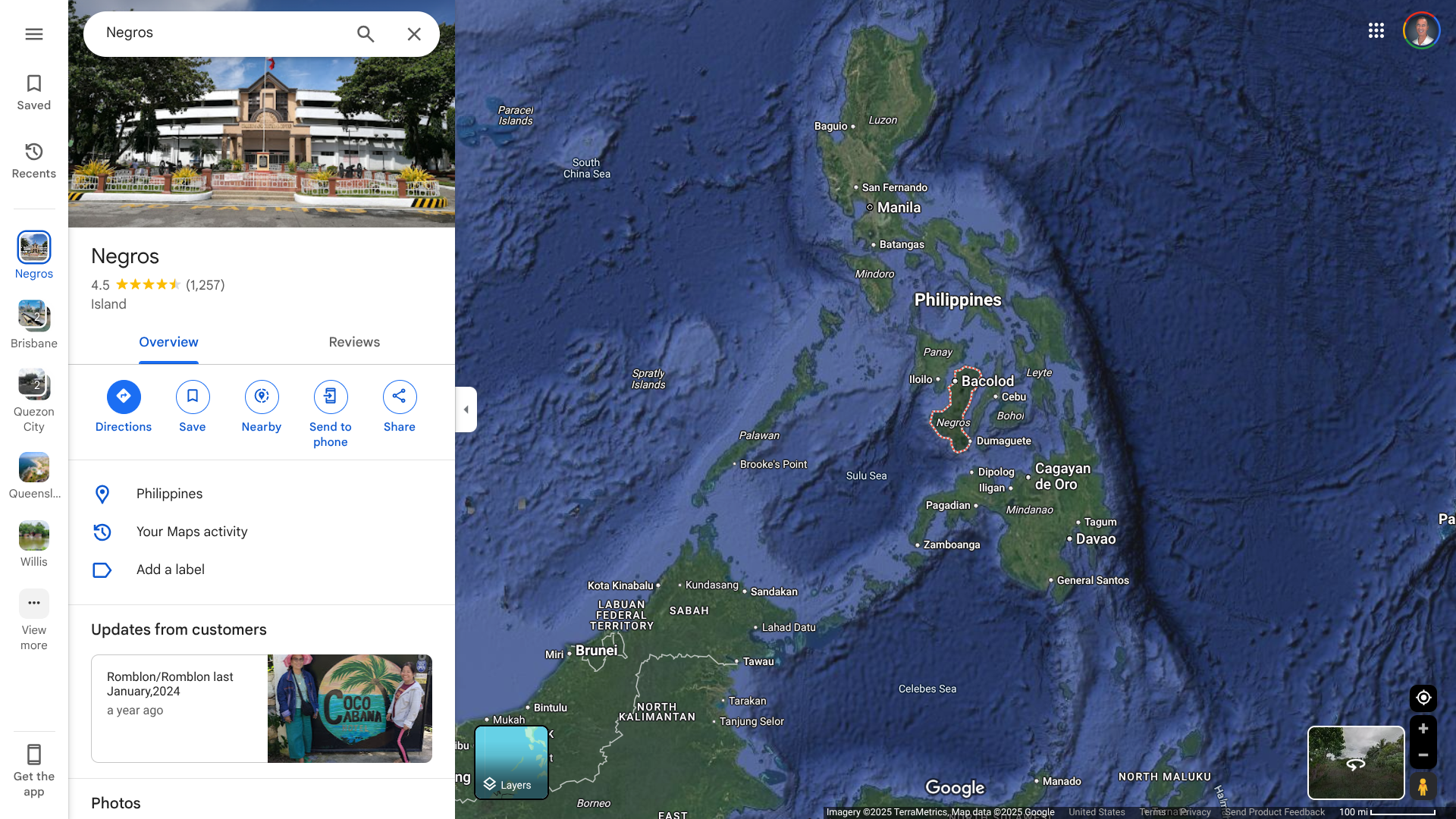
The Philippines Department of Health has reported acute watery diarrhea cases in various provinces in 2025, where typhoid fever has become endemic.
As of March 19, 2025, local media reported that the Province of Negros Occidental, located in the Negros Island Region, 344 typhoid fever cases and three related deaths have been confirmed this year.
An estimated 11–21 million cases of typhoid fever occur worldwide each year.
To alert international travelers visiting the Philippines, the U.S. CDC recommends typhoid vaccination for most people, especially those staying with friends or relatives or visiting smaller cities or rural areas.
About 5.5 million people visited the Philippines last year.
In the United States, travel clinics and pharmacies offer typhoid vaccines in 2025. The CDC says that typhoid vaccines protect 50%–80% of recipients and reinforce safe food and water precautions.
Furthermore, the CDC has included the Philippines in recent Dengue and Measles Travel Health Advisories.