Search API

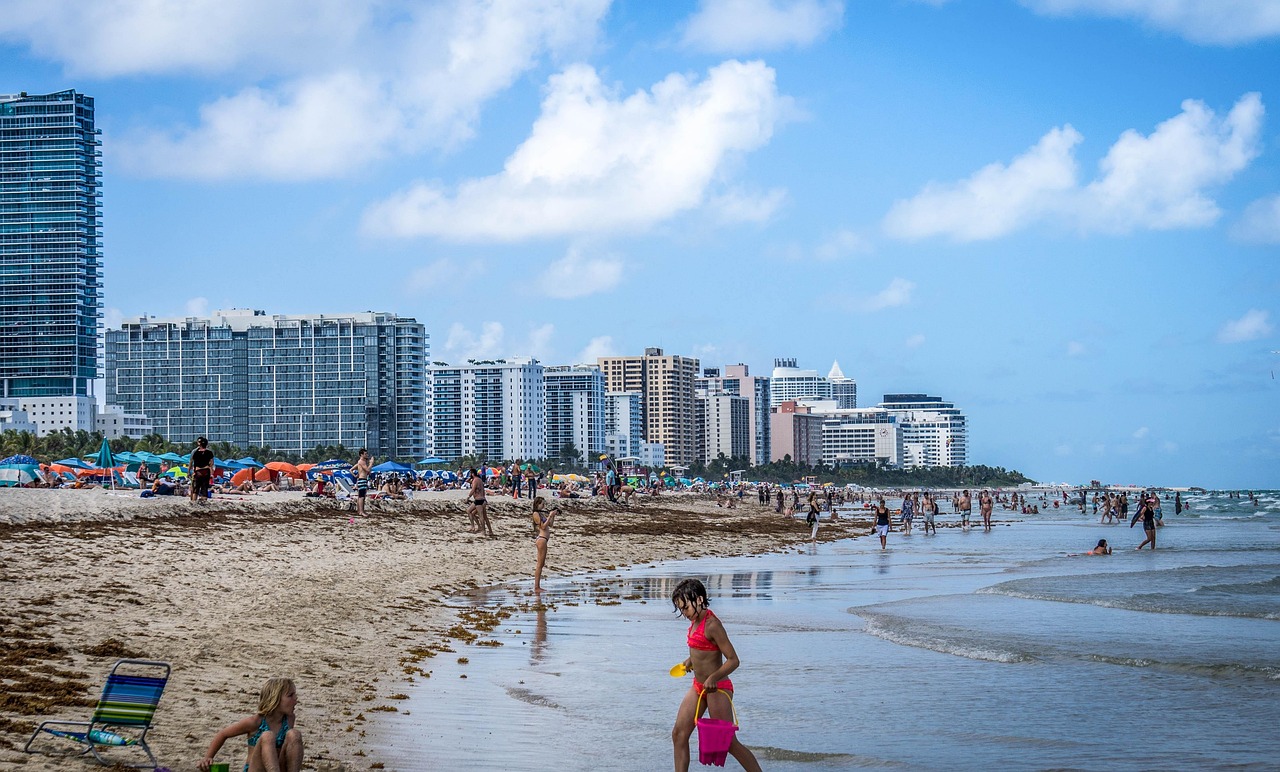
The Florida Department of Health recently published its Arbovirus Surveillance update #15, disclosing that mosquito-borne diseases have been detected in residents and visitors this year.
While most cases of chikungunya, dengue, and malaria have been confirmed in Miami-Dade County, which is currently under a mosquito-borne illness alert, counties on both Florida's coasts have reported infections.
As of April 12, 2025, there was one confirmed travel-related case of chikungunya in 2025. Eleven instances of chikungunya onset in 2024 were reported in individuals with a travel history to Brazil (five), India (five), and Pakistan.
Throughout 2025, fifty-nine cases of dengue fever were reported among individuals who had traveled internationally, and one locally acquired case of dengue (DEN-3) was reported in Miami-Dade County.
As of December 2024, 1,016 travel-associated dengue cases had been reported, primarily among visitors from Brazil, Cuba (567), and Puerto Rico. In 2024, 91 locally acquired dengue cases were reported from ten counties (Miami-Dade (50),
This year, ten travel-related malaria cases have been confirmed in the state of Florida. In 2024, 72 cases of travel-related malaria were reported in individuals with a history of visiting malaria-endemic areas, such as Africa (Nigeria) and Central and South America.
From a disease-prevention perspective, while chikungunya vaccines are amply available in Florida, dengue and malaria vaccines are only available in other countries.
As of April 19, 2025, the U.S. Centers for Disease Control and Prevention, Canada Health, and the United Kingdom have not issued vaccination requirements for visiting Florida; however, these agencies recommend staying up to date with recommended vaccines as the best travel advice.
When the U.S. CDC reissued a Global Dengue Outbreak Travel Advisory, it identified eighteen countries.
However, the CDC did not include the Independent State of Samoa on the Level 1 - Practice Usual Precautions Travel Health Notice posted on April 15, 2025.
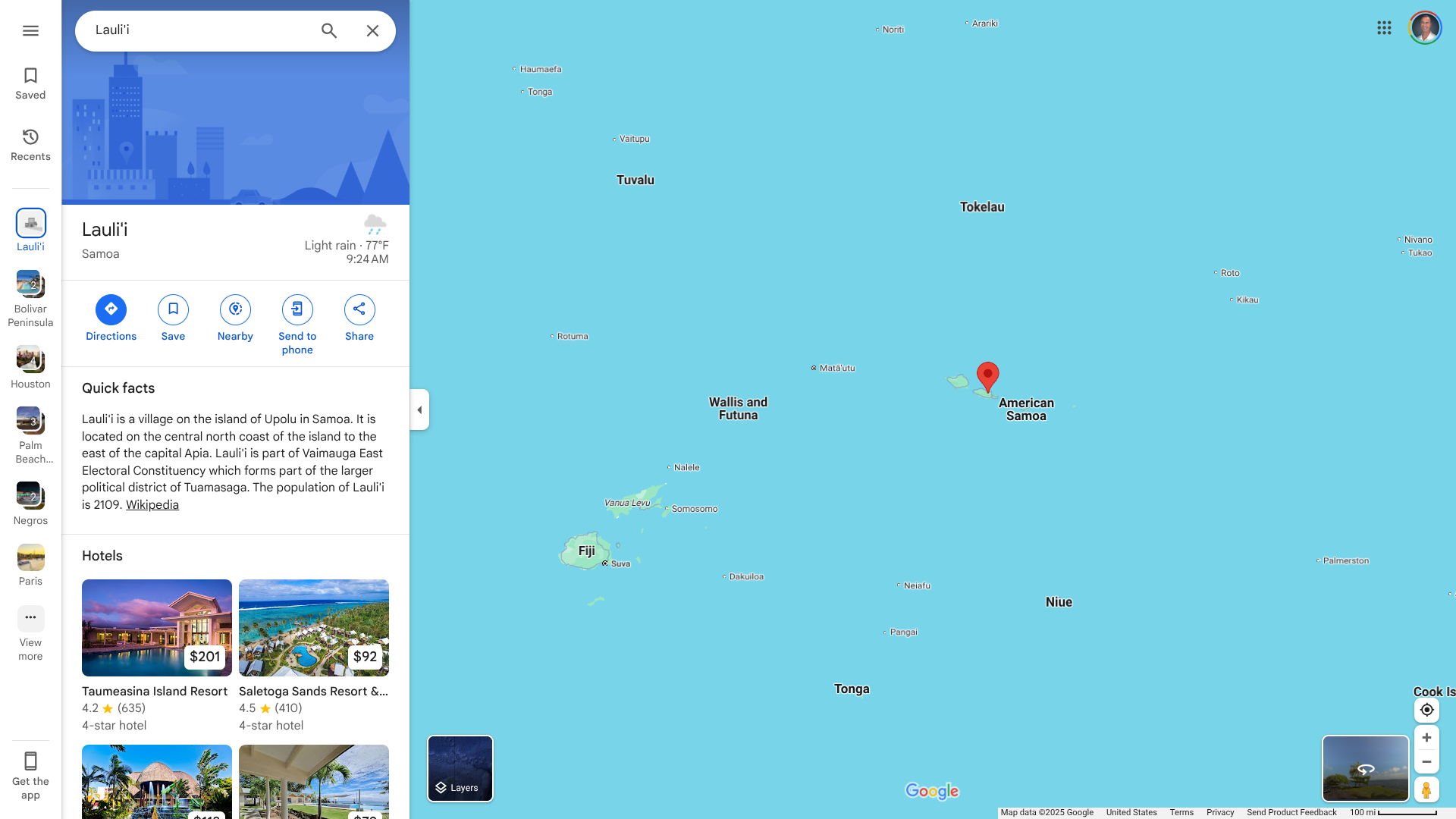
As of April 17, 2025, Samoa's Ministry of Health reported fifteen new Dengue cases. Most of the confirmed cases were reported from the North West villages between Lauli'i and Mulifanua, located west of American Samoa.
The concerning aspect of Samoa's announcement is that nine of these Dengue cases were reported within the past two weeks.
In 2024, the Samoan government also issued a Dengue travel alert to advise its 200,000 residents of this mosquito-transmitted disease. For more information, contact the Ministry of Health at email [email protected], or visit www.health.gov.ws.
To the southwest of Samoa, the Fiji Ministry of Health is reporting an expansive Dengue outbreak in 2025.
As of mid-April 2025, Dengue at-risk areas in the United States include southeast Florida and Puerto Rico.
And in South America, Brazil continues reporting significant Dengue outbreaks this year.
Without an approved Dengue vaccine available in 2025, the CDC recommends that travelers to risk areas should prevent mosquito bites to eliminate the risk of contracting this serious disease.

The Pan American Health Organization (PAHO) recently updated its Dengue fever outbreak data dashboard, highlighting the continued surge of cases in 2025.
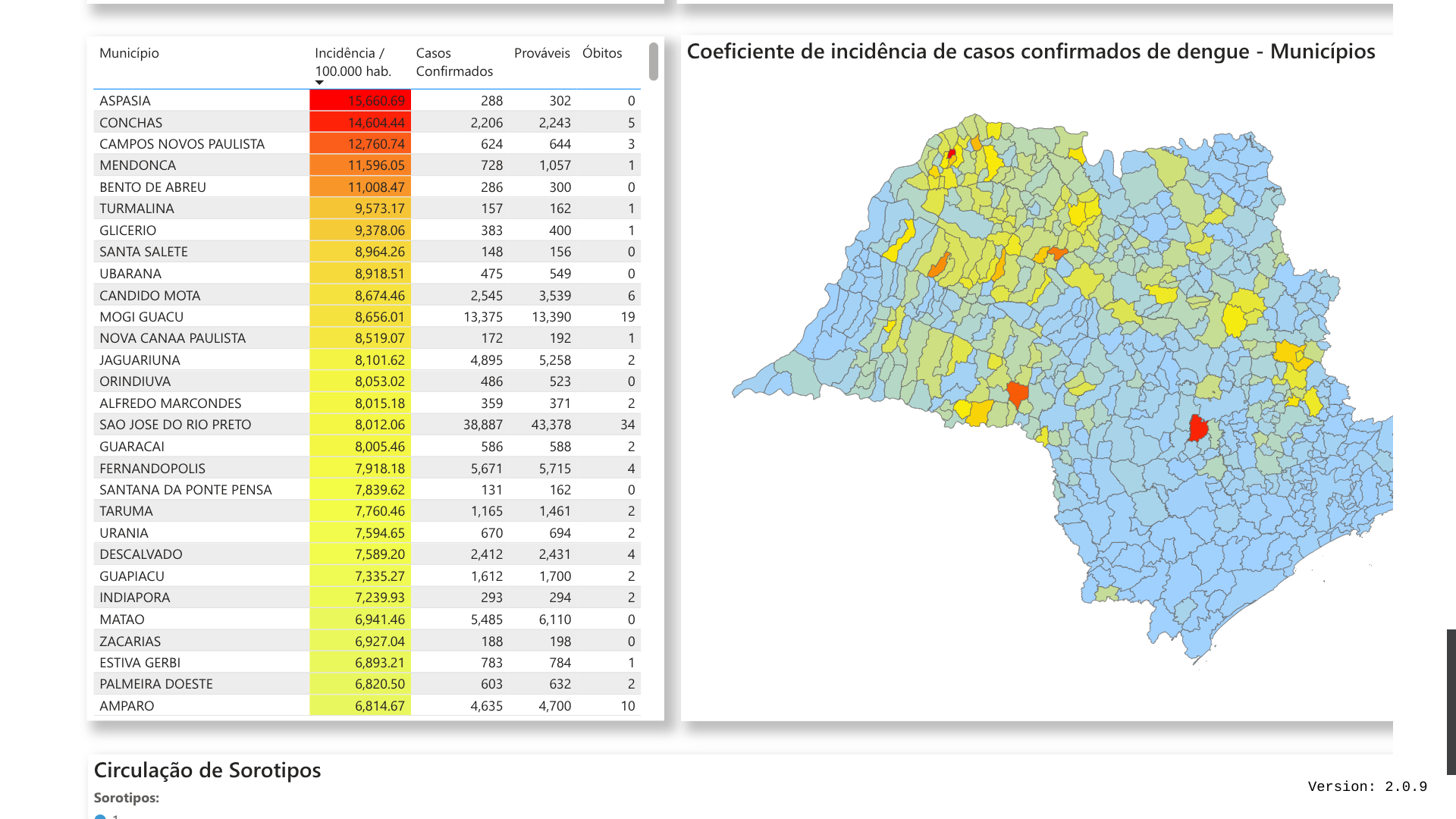
Within the Americas, the Federative Republic of Brazil's state of São Paulo is on track to exceed last year's record numbers.
As of April 8, 2025, São Paulo has reported approximately 522,000 dengue cases and 390 related fatalities, with an additional 475 deaths currently under investigation by the health ministry.
For all of 2024, over 9.6 million dengue cases and 5,441 related fatalities were reported throughout Brazil.
While Dengue has become endemic in the U.S. territories of Puerto Rico and the U.S. Virgin Islands, most cases in the United States are travel-related.
The U.S. Centers for Disease Control and Prevention (CDC) reported on April 2, 2025, that 1,346 travel-related Dengue cases and one local case have been reported in 30 jurisdictions this year.
Most of these cases were identified in southern Florida.
With over 6 million people visiting Brazil in 2024, and many international travelers returning to the U.S., identifying Dengue infections has become a challenge.
To offer updated guidance on Dengue testing, the CDC recently issued a Health Alert Network (HAN) Health Update to provide additional information to healthcare providers about the ongoing risk of dengue virus infections and updates to testing recommendations in the United States.
The CDC urges healthcare providers to continue taking steps to prevent, detect, diagnose, and respond to Dengue, as described in the June 2024 HAN Health Advisory (CDCHAN-00511).
Currently, the CDC does not recommend any Dengue vaccine in the U.S. However, second-generation Dengue vaccines are available in about 40 countries.
The Republic of Trinidad and Tobago Ministry of Health recently announced it is investigating a cluster of Malaria cases in South Trinidad, indicating a potential upsurge in 2025.
As of April 2, 2025, five malaria cases have been confirmed this year.
These five cases are in a well-defined geographic area, and the following field work has been conducted by the Insect Vector Control Division, after the identification of the first case on March 27, 2025:
The Ministry says Trinidad and Tobago, located east of Venezuela, is not endemic for malaria, and as such, most confirmed cases are imported and/or introduced.
Last year, over 200,000 people visited Trinidad and Tobago from a country in North America.
Over the period 2015 to 2024, there were 153 confirmed cases, which is an average of 15 cases per year.
Countries in the Region of the Americas, such as Trinidad and Tobago, reported over 500,000 malaria cases in 2023, a 5% increase from 2022.
In the United States, the Centers for Disease Control and Prevention (CDC) says millions of residents travel to countries where virus-carrying mosquitoes transmit malaria.
As of week #11 ending March 15, 2025, the CDC confirmed 209 malaria cases in the U.S. this year, with Florida reporting eight travel-related malaria cases.
During 2024, the CDC confirmed 436 measles cases in the U.S.
While two malaria vaccines are available in 2025, neither is offered in the U.S.

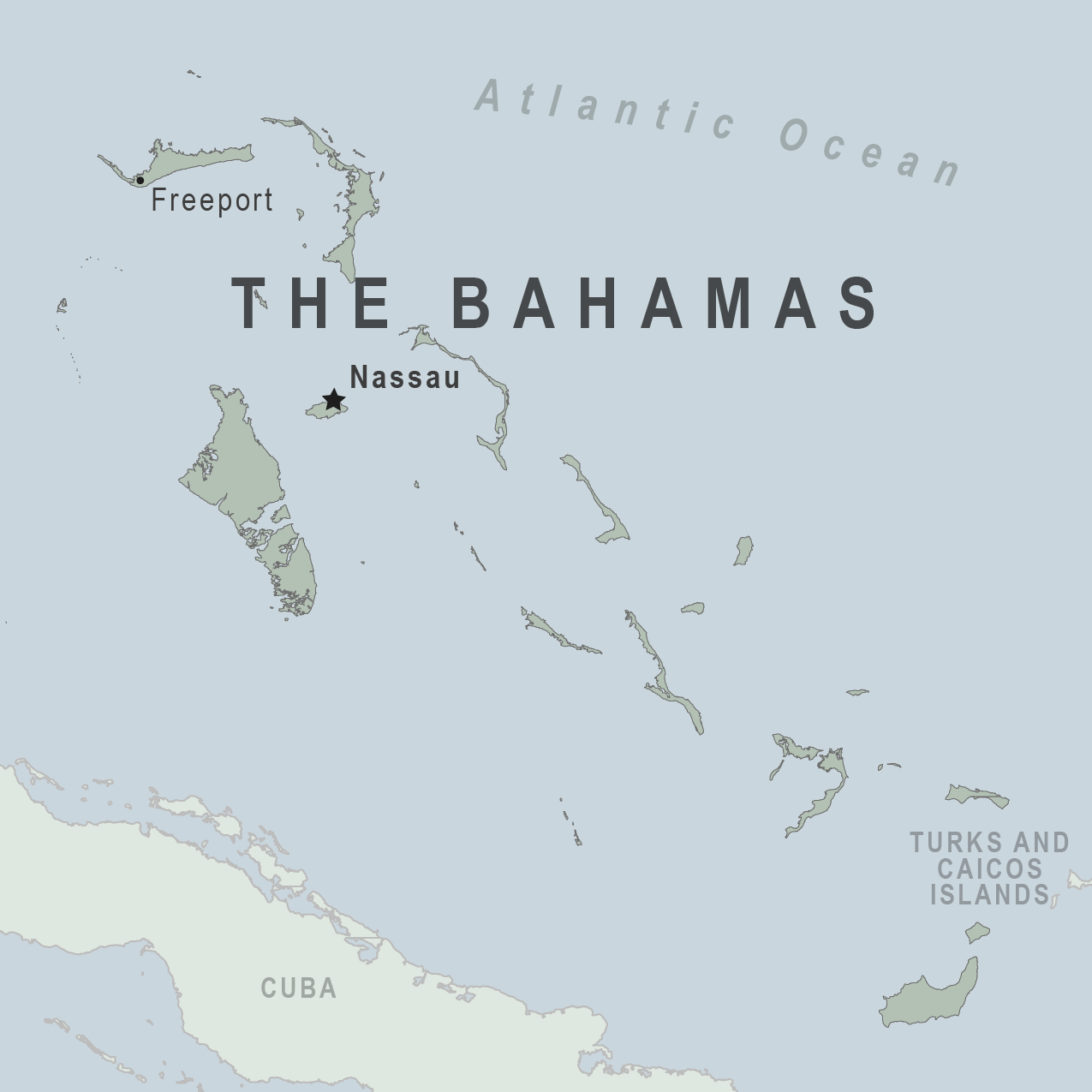
With warm Caribbean waters and beautiful beaches, The Bahamas is a tourist favorite in 2025. Last year, over 11 million people visited the various islands in The Bahamas.
To ensure visitors departing from the United States are appropriately forewarned about risks 60 miles east of Florida, the State Department recently updated its Level 2: Exercise Increased Caution.
As of March 31, 2025, this Advisory stated that crime can occur anywhere in The Bahamas, with frequent reports in Nassau and Freeport on New Providence and Grand Bahama islands. Additionally, visitors should stay alert in the "Over the Hill" area in Nassau, south of Shirley Street.
And stay alert in vacation rental properties, especially where private security is not present.
Furthermore, boating is not well-regulated, as sexual assaults, injuries, and deaths have occurred. Moreover, never swim alone and beware of jet skis or other watercraft operating close to shore.
Due to these risks, U.S. government employees are prohibited from using jet skis and personal watercraft rented from independent operators on New Providence and the Paradise Islands.
And be aware of your surroundings and stay alert in public restrooms, as sexual assaults have occurred on and near downtown Nassau beaches.
For local assistance, the U.S. Embassy Nassau is located at 42 Queen Street, Nassau, The Bahamas. You can enroll in the Smart Traveler Enrollment Program to receive digital messages from the Embassy and make locating you in an emergency easier.
From a health risk perspective, the U.S. CDC recommends various routine and travel vaccinations before visiting the Bahamas in 2025. Unlike its Caribbean neighbors, no mosquito-transmitted, vaccine-preventable Chikungunya or Dengue cases were reported in 2025 or 2024.
Travel vaccines are offered at various clinics and pharmacies in the U.S.