Search API
A shipment of 11,200 vaccine doses, donated by the United States of America, has been shipped to Abuja, Nigeria, to curtail the ongoing clade 1 mpox outbreak.
This shipment, announced on December 20, 2024, follows agreements signed in November by Gavi, the Vaccine Alliance, to facilitate the donation of 305,000 mpox vaccine doses to support the global and continental response.
In September 2024, the U.S. announced its intention to donate up to 1 million JYNNEOS® (MVA-BN®) doses to support the mpox emergency.
Assistant Secretary for Preparedness and Response (ASPR) Dawn O'Connell commented in a press release, "Viruses don't respect borders, and both international and domestic mpox coordination remains a top priority for ASPR."
Two types of the virus cause mpox, clade I and clade II. Both types spread the same way and can be prevented using innovative vaccines.
The first case of clade I mpox in the U.S. was detected in November 2024 following the patient's travel to an affected area. No additional cases were reported.
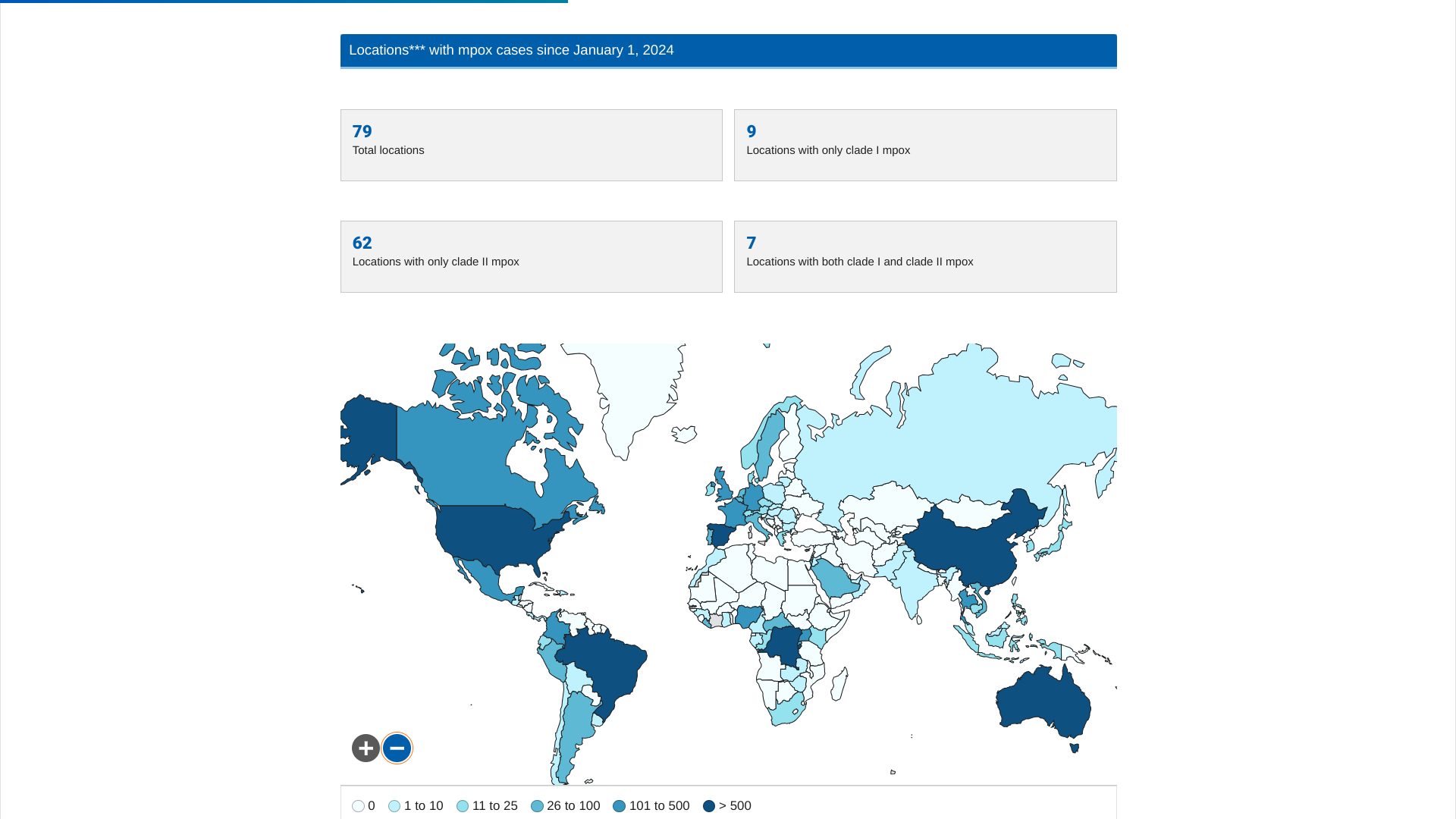
The initial case of clade IIb mpox in the U.S. (Boston) was in May 2022. According to the U.S. CDC, the ongoing global outbreak of clade II mpox has caused more than 100,000 cases in 122 countries and continues in the U.S.
Bavarian Nordic's JYNNEOS® two-dose vaccine is based on a live, attenuated vaccinia virus, Modified Vaccinia Ankara, and is commercially available in the U.S.

LimmaTech Biologics AG announced today that the U.S. Food and Drug Administration had granted Fast Track designation to the company's multivalent toxoid vaccine candidate, LBT-SA7.
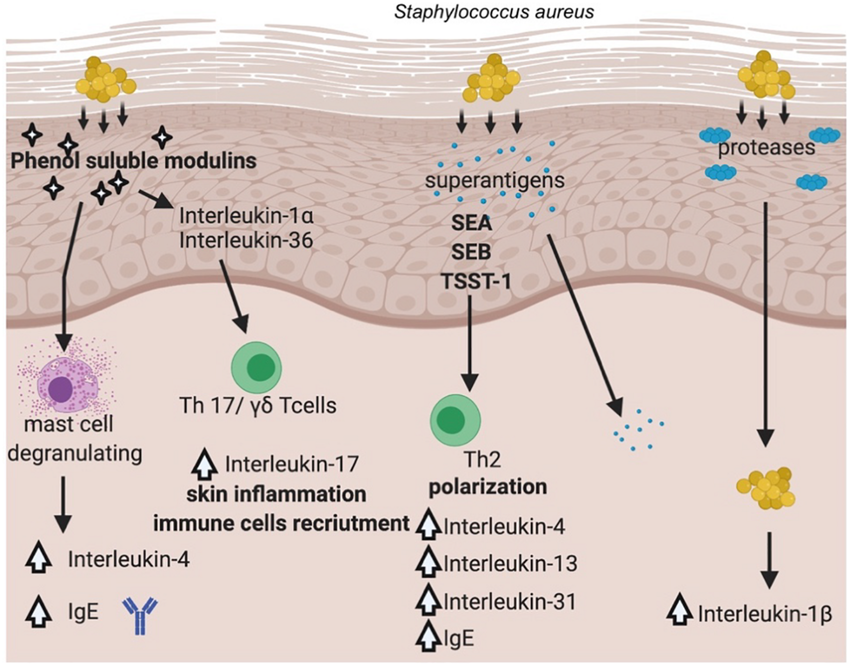
This innovative vaccine is designed to prevent skin and soft tissue infections (SSTIs) caused by the bacterial pathogen Staphylococcus aureus (S. aureus).
It is estimated that more than 1 million deaths are attributed to S. aureus each year. Notably, 90% of all community-acquired S. aureus infections are SSTIs.
S. aureus has been designated as a "high priority" pathogen by the World Health Organization, highlighting the urgency for innovative vaccine approaches and effective treatment strategies.
Dr. Franz-Werner Haas, CEO of LimmaTech, commented in a press release on December 19, 2024, "Staphylococcus aureus infections are a major cause of global mortality and morbidity, with traditional antibiotic treatments becoming increasingly ineffective due to rising antibiotic resistance."
LBT-SA7 will be tested in a Phase 1 study at a clinical trial center in the U.S., including 130 adult participants, with initial results anticipated in the second half of 2025.
The U.K. Travel Health Pro confirmed today that all travelers to areas where the Zika virus is known to occur are at risk of infection, although determining the actual level of risk is complex.
For example, travelers who spend even short-term vacations in endemic areas may be exposed to the mosquito-transmitted virus.
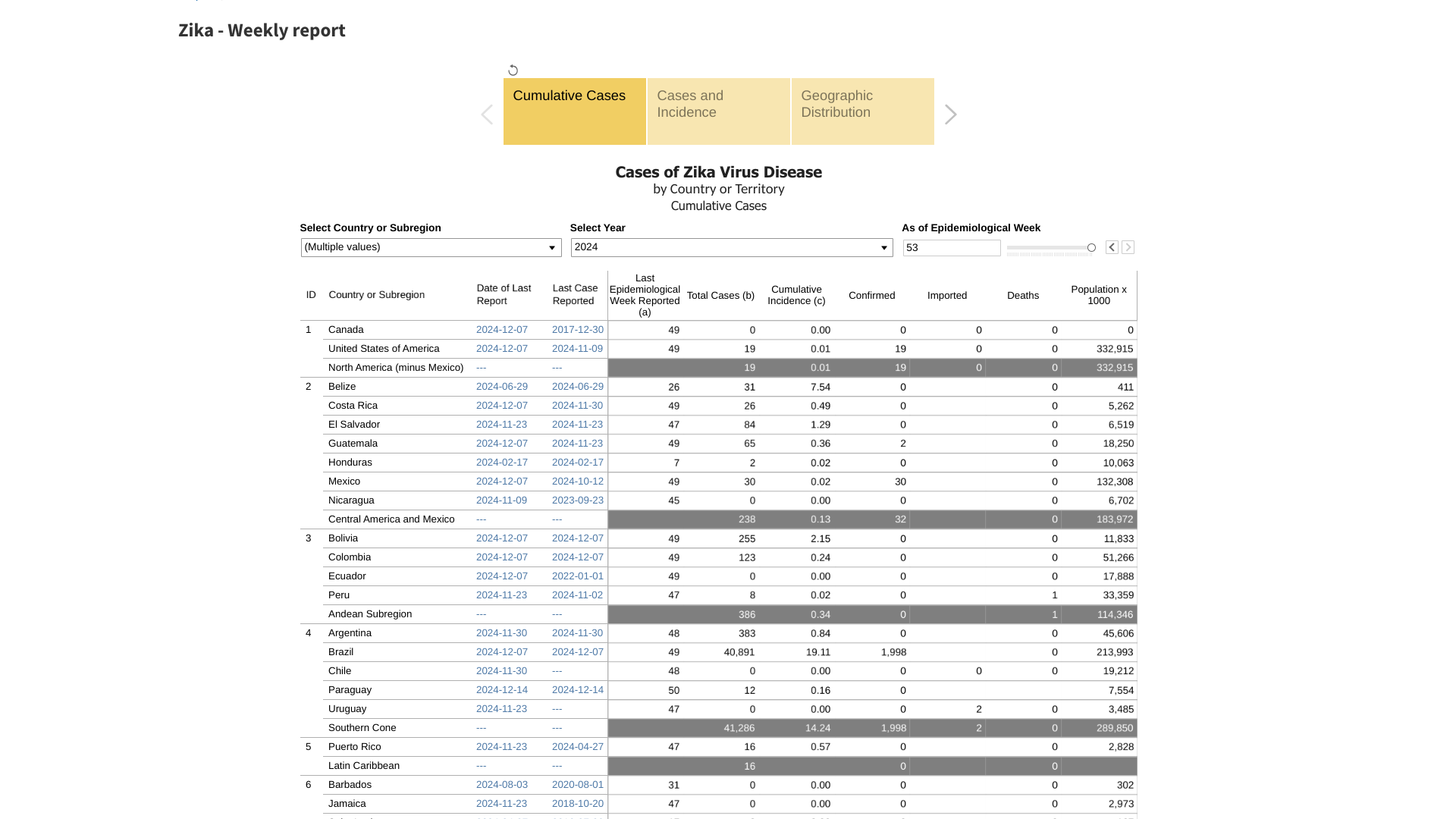
On December 18, 2024, the U.K. highlighted Zika cases in the Region of the Americas, specifically in the Federative Republic of Brazil.
So far this year, over 40,891 cases have been reported. Last year, the PAHO had 35,962 Zika cases.
This PAHO data indicates a 14% increase in Zika cases over 2023.
Seperately, the U.S. CDC reported 19 non-congenital Zika cases in U.S. residents (1 imported case in Texas) in 2024. In 2023, the CDC reported five non-congenital cases in U.S. residents and 27 in U.S. territories.
In the U.S. Territory of Puerto Rico, the Department of Health says that Zika-spreading mosquitoes are found throughout the island.
The CDC says that if you are pregnant, you should avoid traveling to Zika outbreak destinations. If travel is unavoidable, you should strictly follow Zika prevention recommendations.
From a disease prevention perspective, Zika vaccine candidates continue conducting clinical trials, but none have been approved for use in the U.S.
Several cases of East African sleeping sickness have been reported among travelers returning from areas in Zambia and Zimbabwe, which often conduct safaris for visitors.
According to the WHO, sleeping sickness, also called African trypanosomiasis, is caused by a parasite transmitted by an infected tsetse fly, which is found only in sub-Saharan Africa.
There are two types of sleeping sickness, East African and West African. East African sleeping sickness progresses more quickly, within one to several weeks of exposure.
The U.S. Centers for Disease Control and Prevention (CDC) announced on December 18, 2024, that it had issued a Level 1 - Practice Usual Precautions, Travel Health Advisory regarding this unusual, potentially fatal situation.
Expidiated diagnosis and treatment can be lifesaving.
According to the WHO, anti-trypanosomals are donated and distributed free to endemic countries.
The CDC wrote that people should seek medical care immediately if they develop headache, fever, fatigue, skin rash, muscle aches, or a red sore, called a chancre, during or after travel to safari regions of Zambia or Zimbabwe, and they think a tsetse fly may have bitten you.
As of December 2024, no vaccines are authorized to prevent either type of sleeping sickness.

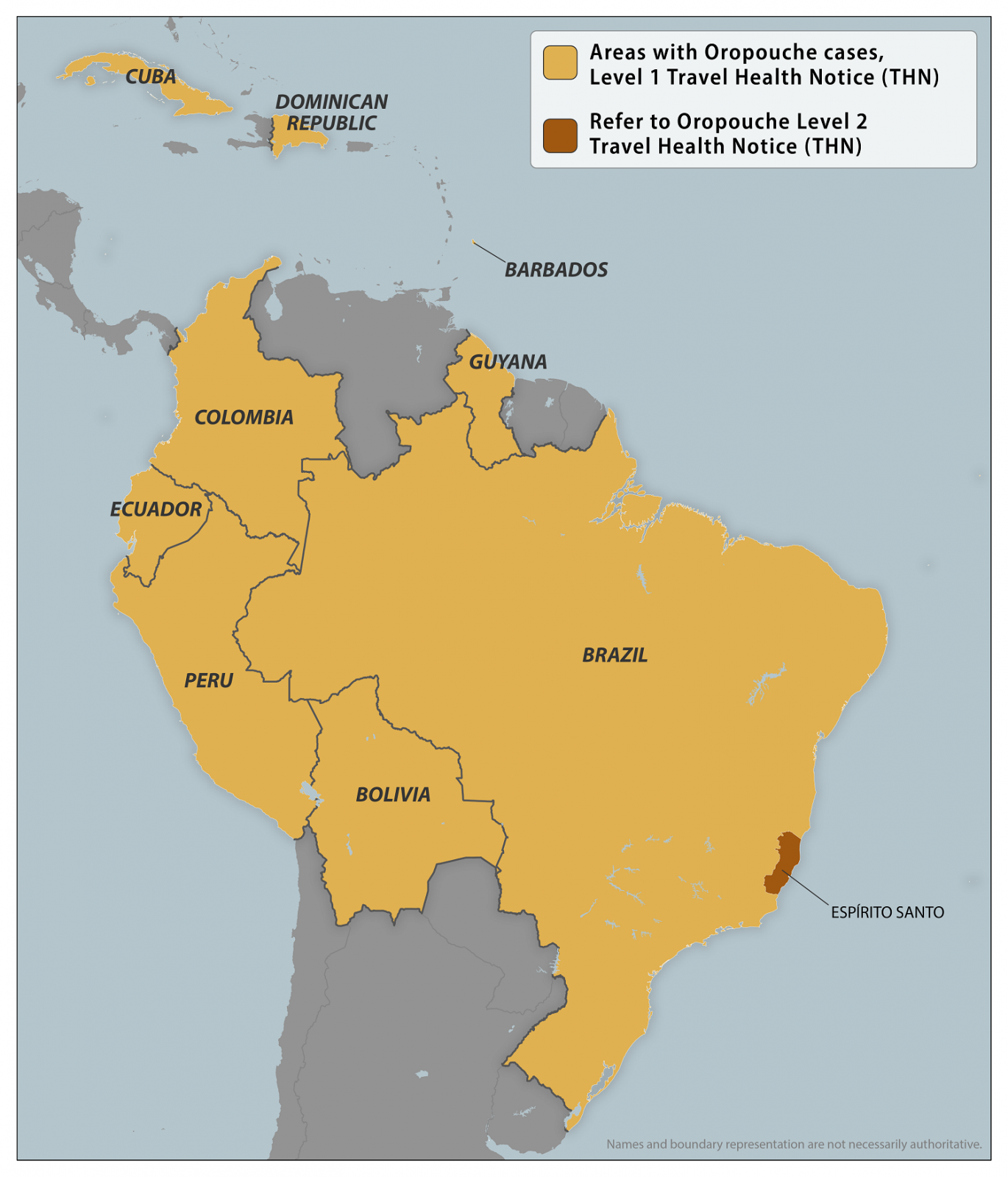
The U.S. Centers for Disease Control and Prevention (CDC) today announced it updated its Level 1 - Practice Usual Precautions, Travel Health Advirus for Oropouche virus outbreaks in numerous countries in the Region of the Americas.
On December 18, 2024, nine countries have reported Oropouche cases, including related fatalities.
A Level 2 Notice was previously issued for Oropouche in Espírito Santo, Brazil.
Oropouche virus is spread primarily through the bites of infected midges and mosquitoes. Illness can occur in people of any age and is often mistaken for dengue.
The CDC wrote that travelers to affected areas should avoid bug bites during travel to protect themselves from infection. They should also prevent bug bites for three weeks after travel to avoid possibly spreading the virus to others in the U.S.
Most people recover without long-term effects.
Furthermore, if travelers are pregnant, they should discuss travel plans, reasons for travel, steps to prevent bug bites, and potential risks with their healthcare provider. While it is unknown if Oropouche can be spread by sex, initial reports indicate infants have also been infected with this virus.
The CDC is working with PAHO and other international partners to learn more about the potential risks of Oropouche during pregnancy.
As of late December, no vaccines or targeted therapies are available for Oropouche disease.
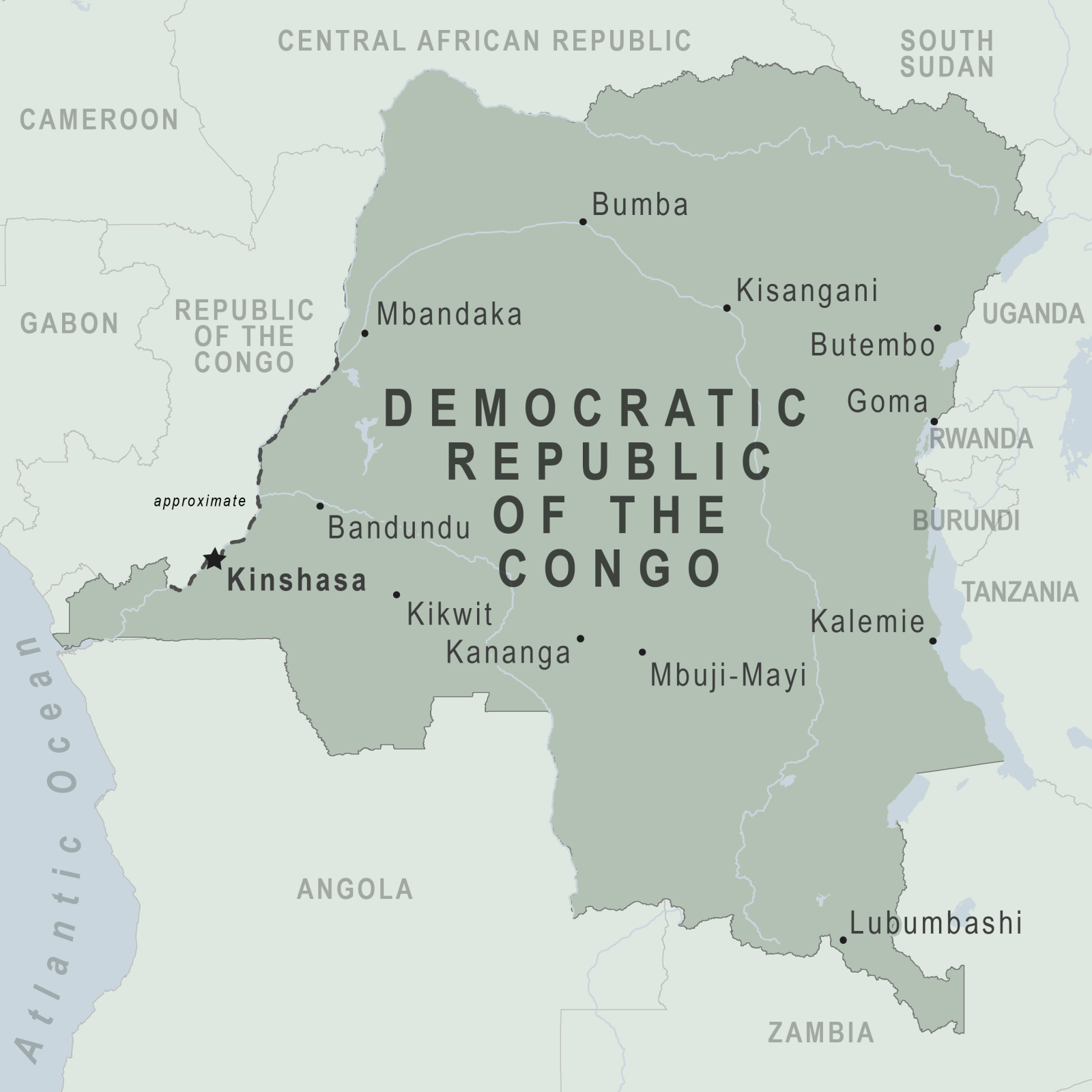
The Democratic Republic of Congo (DRC) Health Ministry informed the media that a previously unidentified disease detected in the Kwango province has been determined to be a form of severe malaria.
The WHO previously reported cases were from nine out of 30 health areas in the Panzi health zone.
"The mystery has finally been solved. It's a case of severe malaria in the form of a respiratory illness," the Health Ministry announced on December 17, 2024. The statement also said that 592 cases had been reported since October 2024, with a fatality rate of 6.2%.
Children aged 0-14 years represent 64.3% of all reported cases.
On December 11, 2024, The Lancet published a Comment that stated, 'the rapid spread of artemisinin partial resistance across east Africa, the Horn of Africa, and southern Africa threatens to undermine malaria control and elimination efforts, potentially increasing deaths.'
The WHO wrote on December 8, 2024, that the overall risk level to the affected communities is assessed as high.
At the regional and global levels, the risk remains low. However, the proximity of the affected area to the border with Angola raises concerns about potential cross-border transmission, and continued monitoring and cross-border coordination will be essential to mitigate this risk.
Two malaria vaccines are currently available in Africa but have yet to be deployed in this area of the DRC.
The U.S. CDC says to visit your healthcare provider at least a month before your trip to the DRC to get vaccines or medicines, as there are current reports of measles, mpox, and polio disease.
The World Health Organization recently reported that measles outbreaks have been reported in 103 countries over the last five years. There were an estimated 10.3 million measles cases in 2023, a 20% increase from 2022.
According to new data from the U.S. Centers for Disease Control and Prevention (CDC), 59 countries outside the Region of the Americas, which includes Canada and the U.S., have reported measles outbreaks this year.
In 2024, the CDC reported 283 measles cases (49 imported) in 32 U.S. jurisdictions, led by Minnesota, with 70 patients.
Additionally, recent bursts of measles cases in Ontario and New Brunswick have increased Canada's total to 160, the highest number in nearly a decade.
On December 16, 2024, the CDC republished its Level 1 - Practice Usual Precautions, Global Measles Outbreak Advisory. The CDC wrote that all international travelers should be fully vaccinated against measles with the measles-mumps-rubella (MMR) vaccine, including an early dose for infants.
Insurance policies generally fund MMR vaccines, available at travel clinics and pharmacies in the U.S.
Furthermore, travelers to at-risk areas should seek medical care if they develop measles symptoms. However, they should alert their healthcare provider before visiting a clinic.

The U.S. Centers for Disease Control and Prevention (CDC) today reissued its Level 1—Practice Usual Precautions, Travel Health Advisory, which highlights Dengue virus outbreaks.
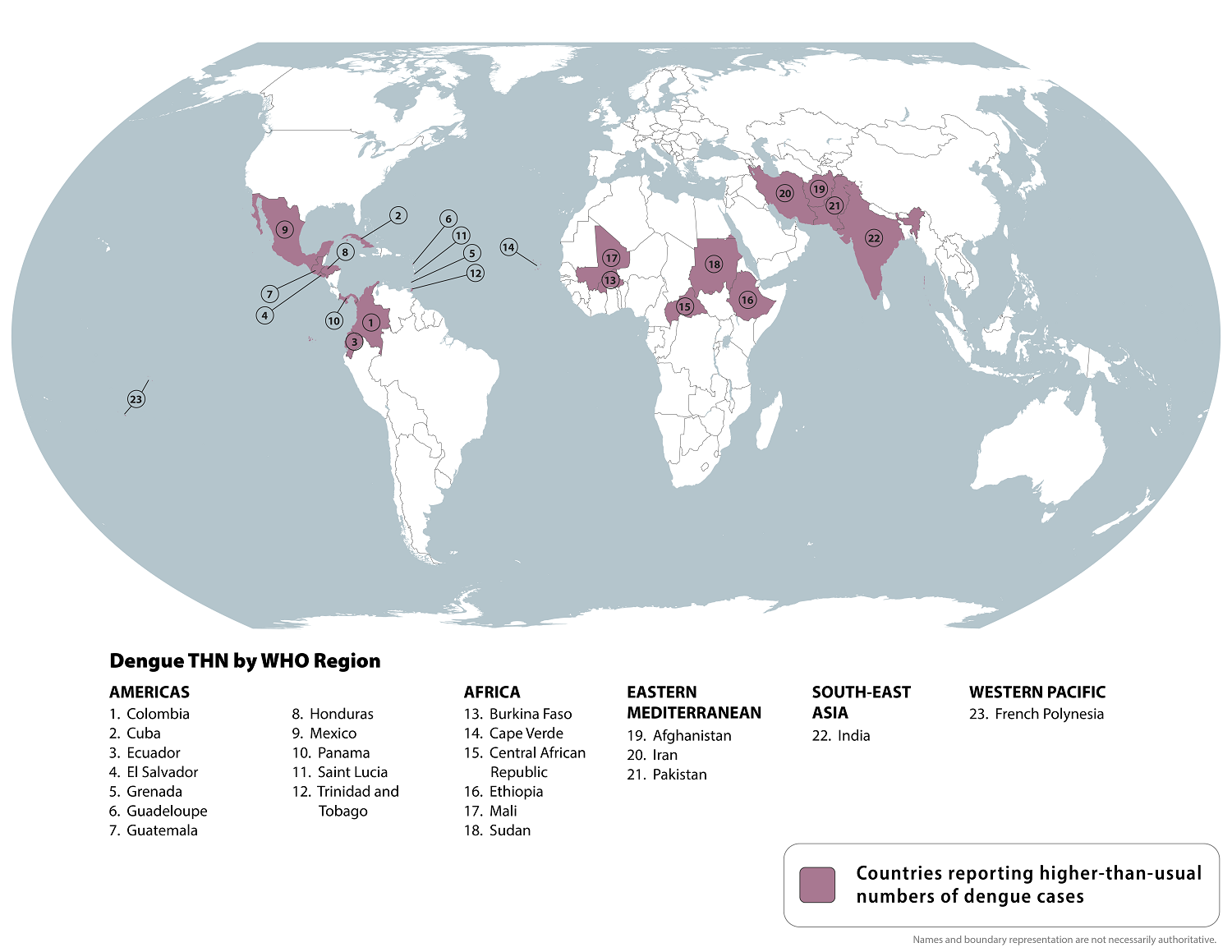
On December 16, 2024, the CDC confirmed that Dengue is mosquito-transmitted and identified 23 countries reporting increased disease cases this year. However, not all countries with Dengue transmission are on this updated CDC list.
Therefore, since Dengue is a year-round risk, international travelers should practice prevention measures for all outbreak areas.
For example, the United States' southern neighbor, Mexico, has reported over 543,000 Dengue cases in 2024.
Within the U.S., the CDC recently confirmed 8,270 travel-related and locally-acquired Dengue cases from 52 jurisdictions, led by Florida (Miami), California (Los Angeles), New York, and Texas.
Although Dengue is a vaccine-preventable disease, no U.S. FDA-approved vaccine was available in late December 2024. However, several vaccine candidates, such as Butantan Institute Butantan-DV, are approaching approval in various countries.