Search API
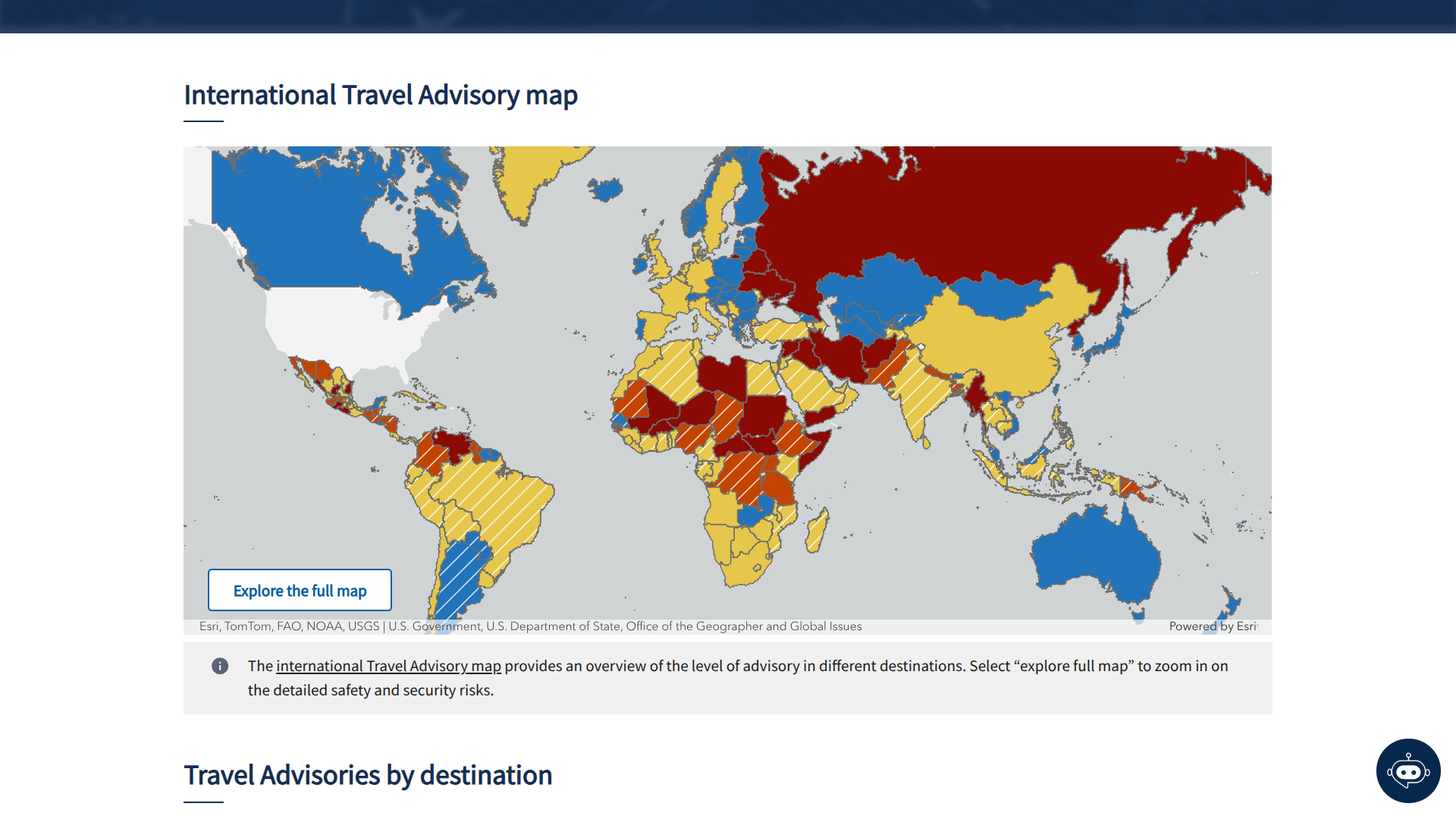
The U.S. government has confirmed today, March 1, 2026, that all international travel remains severely disrupted, and broader Middle Eastern airspace closures and restrictions have halted or rerouted thousands of flights across the region, causing significant global aviation chaos.
For example, the U.S. Embassy in Jerusalem announced it will remain closed on Monday, March 2, 2026, due to the deteriorating security situation. The announcement comes as U.S. government employees and their family members have been directed to continue sheltering in place at or near their residences until further notice.
"The U.S. Embassy is not in a position at this time to evacuate or directly assist Americans in departing Israel," the U.S. Embassy statement read.
U.S. citizens traveling abroad are encouraged to enroll in the Smart Traveler Enrollment Program to receive digital alerts, as the situation continues to develop rapidly and there is potential for further escalations in the region.
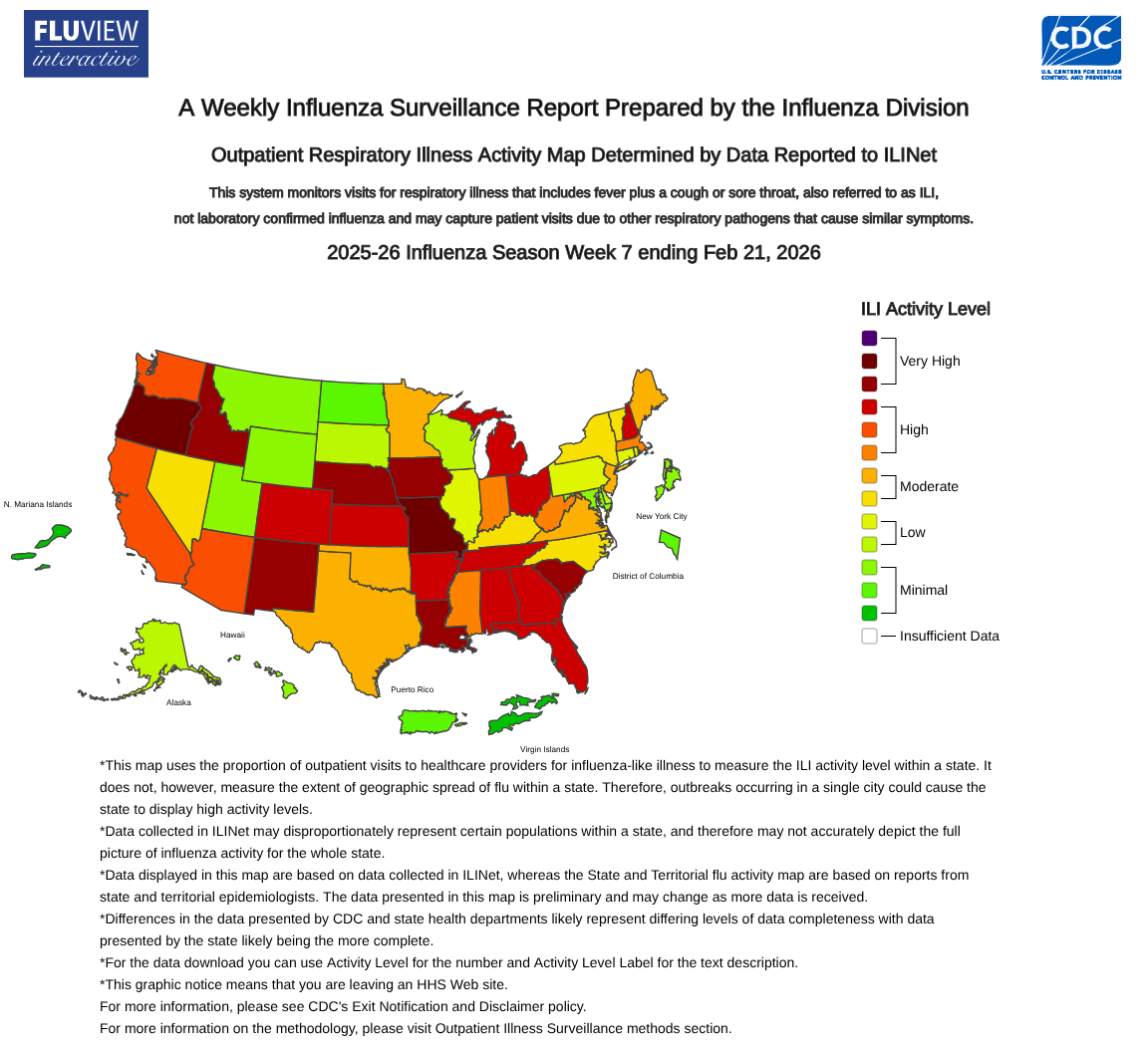
As the current flu season wanes, fatalities related to unvaccinated children continue to be reported. This persistent pattern across seasons underscores the risks of influenza to young children.
The U.S. Centers for Disease Control and Prevention (CDC) has reported eleven new influenza-associated pediatric deaths in its latest weekly surveillance update.
According to the FluView report for Week 7, eight of these deaths occurred during the current 2025-2026 influenza season, bringing the preliminary total for the season to 79 pediatric deaths.
Of the reported deaths, seven were linked to influenza A viruses, with subtyping available for five—identified as A(H3N2). One death was associated with an influenza B/Victoria virus.
Among children eligible for vaccination with known vaccination status, approximately 90% of the reported pediatric deaths this season occurred in those who were not fully vaccinated against influenza.
As of February 27, 2026, the CDC continues to recommend an annual flu vaccine for everyone aged 6 months and older.
Various flu shots remain available at most pharmacies and clinics in the United States. However, the nasal flu shot FluMist has been sold out for the 2025-2026 season.
As travelers plan their visits to the Mid-Atlantic region in March 2026, health officials in Maryland report a notable increase in mumps infections this year.
According to the most recent data from the Maryland Department of Health (MDH), as of February 19, 2026, there have been 26 reported cases statewide, including 19 confirmed cases and 7 probable infections.
This marks a significant rise compared to just four confirmed cases throughout all of 2025.
The cases have primarily affected adults in the Baltimore metropolitan area, which includes Baltimore City and surrounding counties such as Anne Arundel, Baltimore, Carroll, Harford, Howard, and Queen Anne's.
Although mumps can occur in any age group across the state, no common link between the cases has been identified to date, despite ongoing investigations by MDH in coordination with local health departments.
MDH officials emphasize that the overall risk to the public remains low. While vaccination status is not specified for most or all cases in the available reports, Maryland's overall high vaccination rates contribute to the low general risk to the public.
This is positive news for the Baltimore Orioles, who are about to open their 2026 season.
Mumps is spread through direct contact with saliva or respiratory droplets from an infected person. It is less contagious than measles, but it can still pose risks, especially in close-contact settings like travel hubs, public transportation, or crowded tourist areas.
Most individuals recover fully from a mumps infection with supportive care, including rest, fluids, and over-the-counter pain relief. However, complications can arise, particularly in adults, says the MDH.
"The most effective prevention against a mumps infection is to get the Measles, Mumps, and Rubella vaccine," stated Dr. Meg Sullivan, Deputy Secretary for Public Health Services at MDH, in a press release.
"Talk with your health care provider about whether you and your family are up to date with the MMR vaccine. It is the most effective way to protect against all three viruses."
For international travelers heading to the greater Baltimore area, or any country reporting mumps outbreaks, Vax-Before-Travel recommends verifying vaccination status with a travel vaccine expert at least 2 weeks before departure.

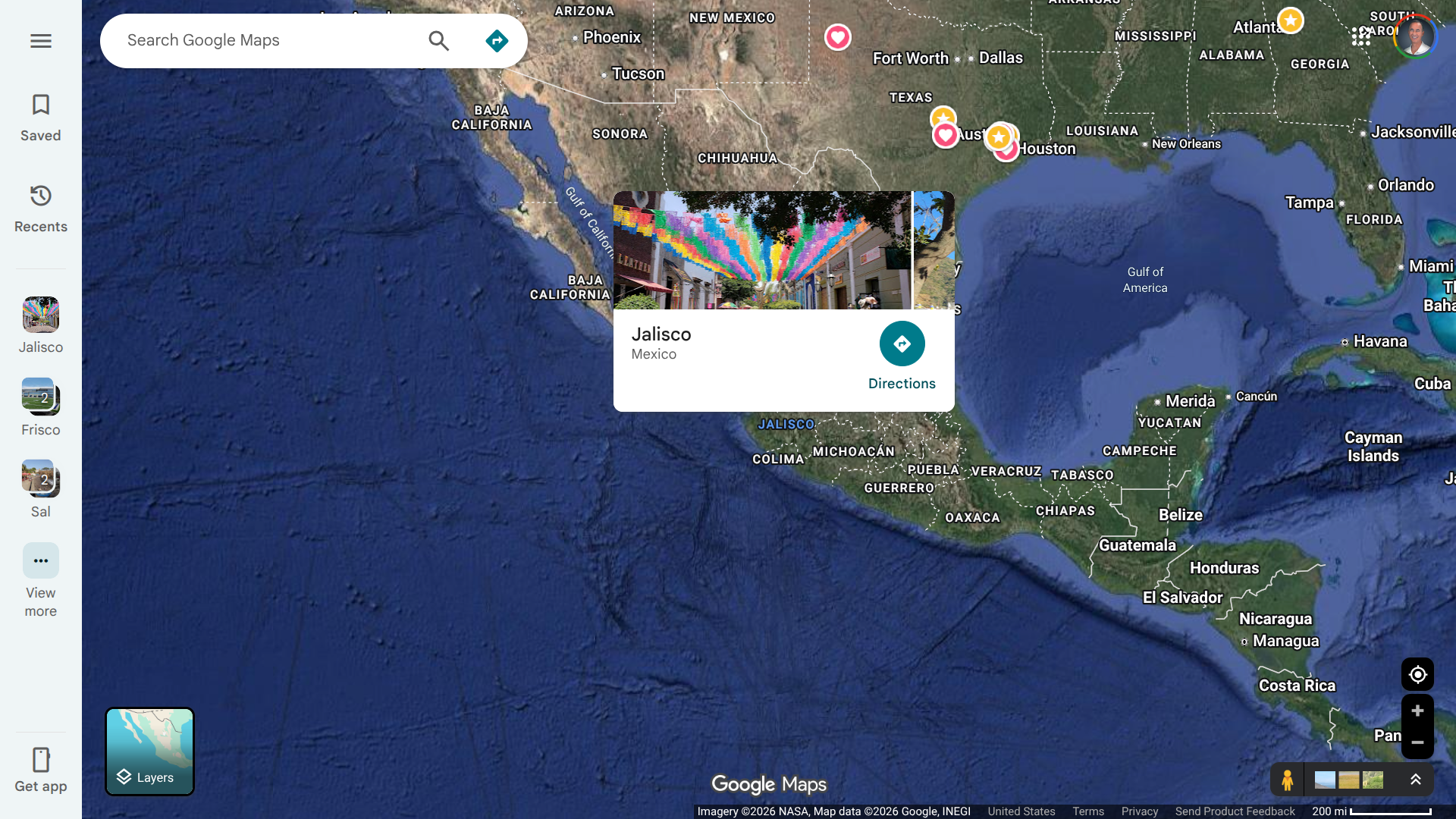
Just days after a wave of civil unrest erupted in Jalisco, the western Mexican state is facing a significant outbreak of measles.
In the past week, Jalisco has reported 667 new confirmed measles cases, raising the cumulative total for February from 1,995 to 2,662, according to the latest data from the Mexican Ministry of Health (MOH).
This sharp increase in late February 2026 highlights Jalisco's critical role in the national epidemic.
In response to this health crisis, MOH measures in Jalisco have intensified following the brief but intense period of civil unrest.
Mobile vaccination teams have been deployed to affected urban and rural areas, and authorities are urging residents to check their immunization records. Free measles, mumps, and rubella vaccines are available at public health centers.
Since the beginning of 2026, Mexico has recorded 4,497 confirmed measles cases nationwide, with Jalisco accounting for 59% of the total. Health officials attribute the spread of the disease to gaps in vaccination coverage in densely populated areas, exacerbated by recent disruptions to the healthcare system in cities like Guadalajara and Puerto Vallarta.
According to the U.S. Embassy in Mexico, all restrictions for U.S. government staff related to the events of February 22, 2026, have been lifted.
"We have no reports of road closures directed by local authorities," the Embassy stated in a travel alert posted on February 25, 2026. "U.S. citizens in Mexico should resume standard precautions."
"While flight schedules have returned to normal, if your direct flight to the United States is canceled, consider booking a connecting flight through another Mexican or U.S. city," added the Embassy.
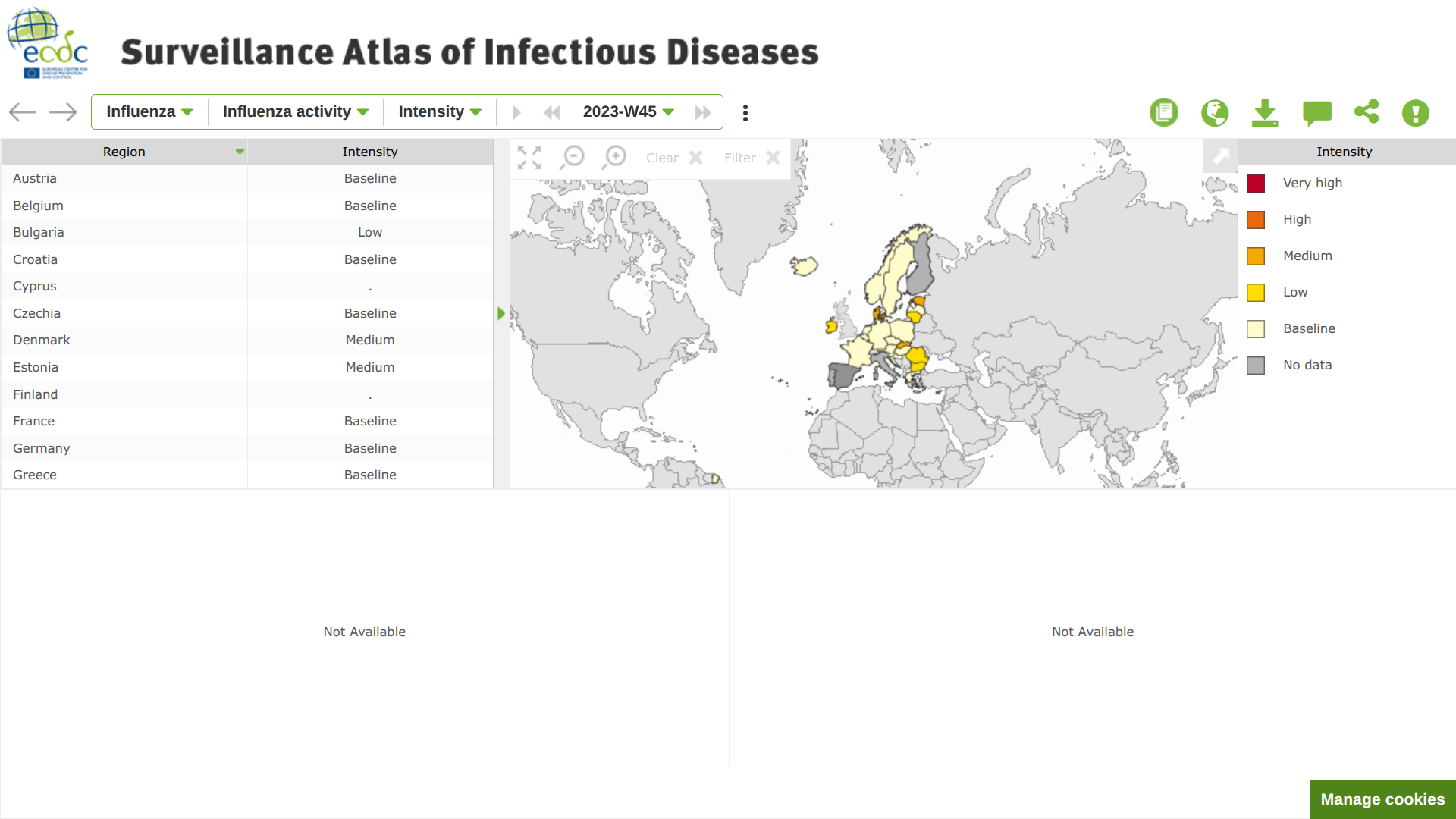
The World Health Organization (WHO) today announced the recommended viral composition for influenza vaccines for the northern hemisphere influenza season of 2026-2027. This update aims to match the circulating strains better, enhancing protection against seasonal flu outbreaks.
For egg-based vaccines, the WHO recommends the following:
- An A/Missouri/11/2025 (H1N1)pdm09-like virus
- An A/Darwin/1454/2025 (H3N2)-like virus
- A B/Tokyo/EIS13-175/2025 (B/Victoria lineage)-like virus
For vaccines based on cell culture, recombinant protein, or nucleic acid, the WHO recommends:
- An A/Missouri/11/2025 (H1N1)pdm09-like virus
- An A/Darwin/1415/2025 (H3N2)-like virus
- A B/Pennsylvania/14/2025 (B/Victoria lineage)-like virus
The WHO reported that influenza A viruses were predominant, with other A(H3N2) and A(H1N1) variants also observed. Low levels of influenza B viruses (B/Victoria lineage) were detected, and no cases of B/Yamagata lineage viruses have been recorded since March 2020.
"Season after season, constantly evolving influenza viruses circulate globally, reminding us how interconnected our world is. Shared risks require shared action," stated Dr. Tedros Adhanom Ghebreyesus, WHO Director-General, in a press release on February 27, 2026.
These WHO recommendations guide national vaccine regulatory agencies and pharmaceutical companies worldwide in the development, production, and licensing of influenza vaccines for the upcoming season. This process ensures that vaccines are closely matched to the viruses expected to circulate, providing the best possible protection against severe illness and death.
To highlight the ongoing importance of flu vaccination, data from the U.S. Centers for Disease Control and Prevention (CDC) on vaccine effectiveness over the last three completed seasons in the USA show varying but significant levels of protection.
For the 2022-2023 season, the overall adjusted vaccine effectiveness was estimated at 30% (95% CI: -9%, 54%).
This improved to 44% (95% CI: 36%, 51%) in 2023-2024, and reached 56% (95% CI: 54%, 58%) in 2024-2025.
No official data has been posted for the 2025-2026 flu season.
These CDC figures underscore the vaccine's role in reducing flu-related hospitalizations and outpatient visits, even as effectiveness can fluctuate based on virus match and population factors.
As global travel increases, health experts emphasize the importance of timely vaccination, particularly for international travelers who may encounter diverse strains when visiting a different hemisphere.
The WHO's latest guidance helps travel clinics recommend flu shots amid an ever-changing influenza landscape.

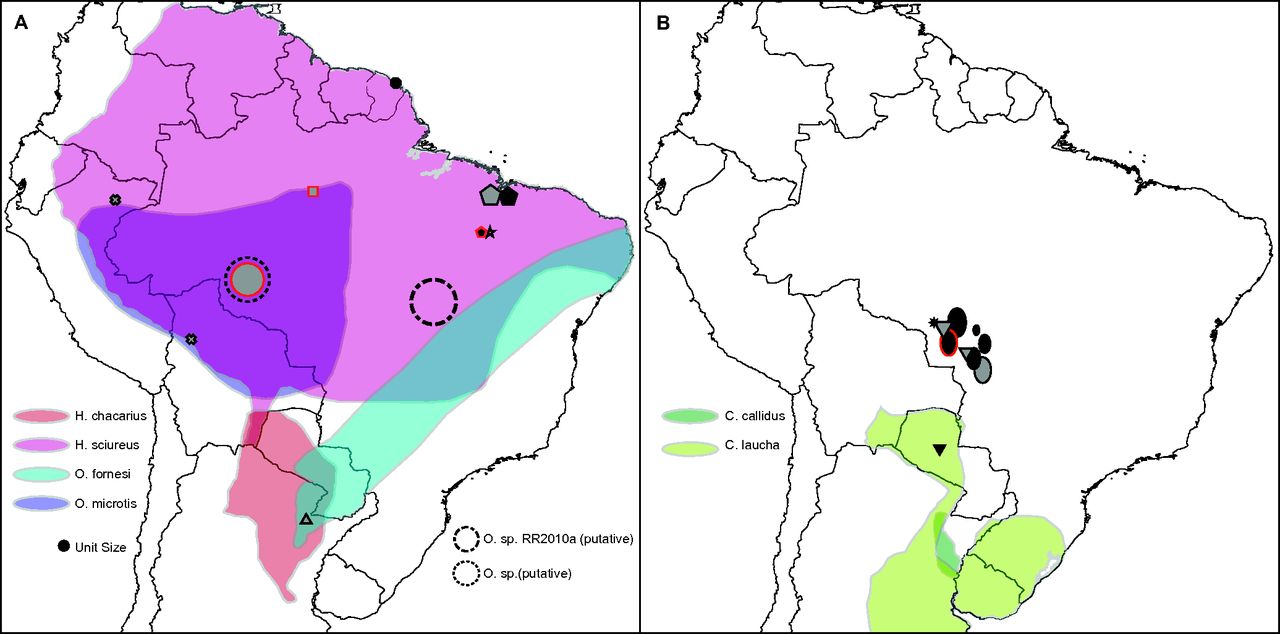
Although hantaviruses have been recognized in the Americas since the late 20th century, they have now been identified in almost all Central and South American countries.
Recently, health authorities in the Argentine Republic have reported a concerning increase in hantavirus infections, with 19 confirmed cases since the beginning of 2026.
This data brings the total to 79 cases since the start of the current epidemiological season in July 2025, placing the country above the outbreak alert threshold.
In 2025, 86 cases were recorded, resulting in 28 deaths (33.6% fatality rate).
Located in the southern tip of South America, Argentina's Central and Southern regions have been hit hardest, accounting for the majority of infections. This area includes provinces such as Buenos Aires, Salta, Entre Ríos, Río Negro, and Jujuy.
Nationally, the National Epidemiological Surveillance System noted five new cases in the week ending February 14, 2026, primarily in Buenos Aires Province. At least five deaths have been confirmed in 2026.
According to the Pan American Health Organization (PAHO), travelers planning visits to rural or outdoor areas in these regions should exercise increased caution, as hantavirus pulmonary syndrome (HPS) remains a significant risk in 2026.
Although the rodent-borne virus does not typically spread from person to person, rare clusters of human transmission have been documented in southern Argentina.
Historically, fatality rates for HPS in Argentina have ranged from 18.6% to 40%, depending on the region and outbreak, highlighting the need for preventive measures.
Seperately, Argentina's neighbor Chile confirmed its first hantavirus death of 2026 in early February in the Biobío Region.
As of February 26, 2026, there is no FDA-approved or widely available vaccine for hantavirus, particularly for the New World strains prevalent in the Americas, like the Andes virus, the primary cause in Argentina.
Inactivated vaccines exist in Asia (Hantavax in South Korea) for Old World hantaviruses causing hemorrhagic fever with renal syndrome, but they are not effective or licensed for HPS.
Research into DNA-based and recombinant vaccines is ongoing, including phase 2 trials for Hantaan and Puumala viruses, but none are approved for use in Europe or the U.S.
While hantavirus is rare, awareness can prevent severe outcomes. Stay informed and travel safely, says the PAHO.
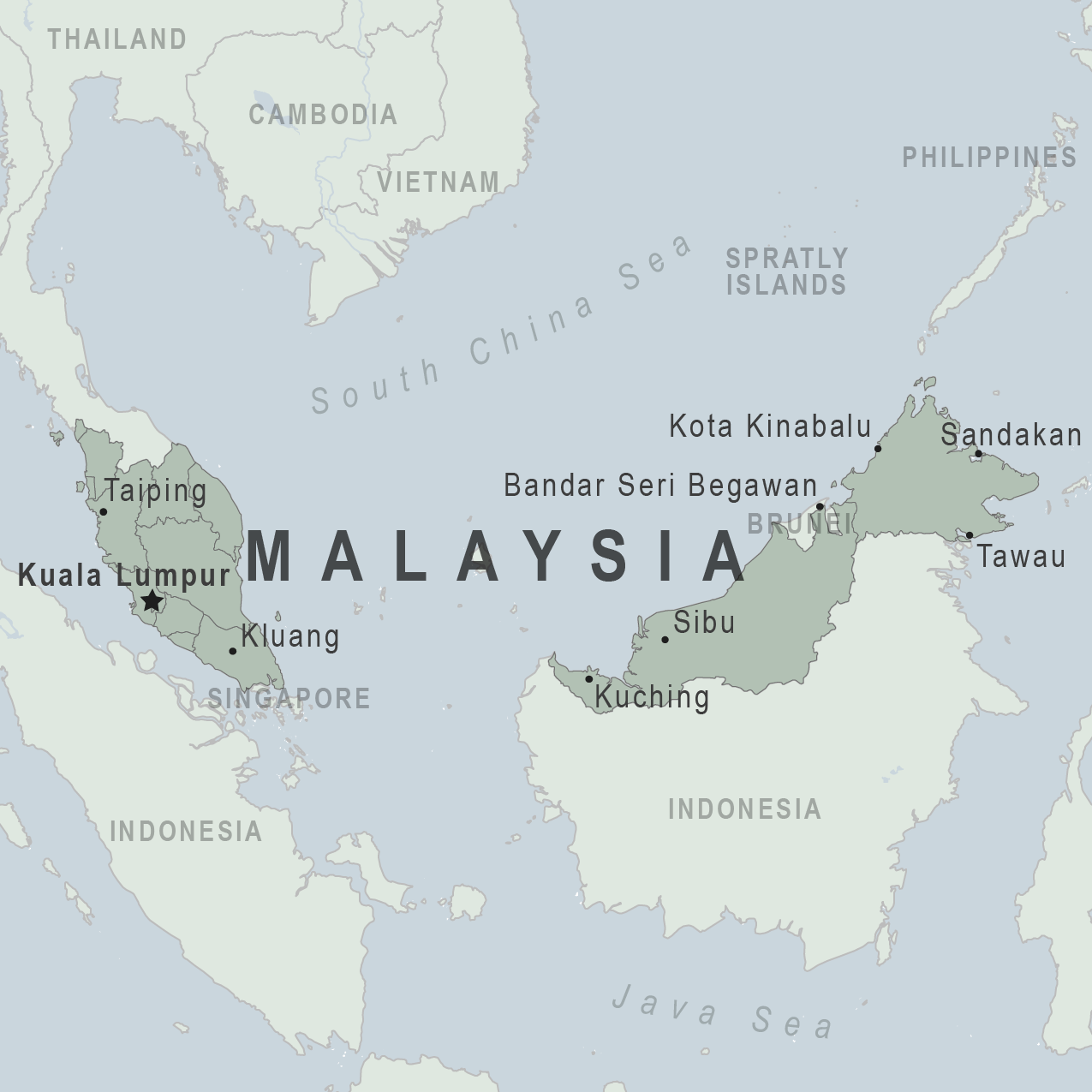
As millions of international travelers visit Malaysia in 2026, local health authorities are sounding the alarm over a significant rise in tuberculosis (TB) cases nationwide.
The Malaysian Ministry of Health (MOH) has reported a marked increase in TB infections in the early weeks of 2026, prompting updated advisories for visitors.
By mid-February 2026, the MOH recorded a total of 3,161 cases, representing a 10% rise compared to the same period in previous years.
In Kuala Lumpur and Putrajaya, 244 TB cases have been reported, approximately 7.7% of the national total.
For TB prevention, the Bacille Calmette-Guérin vaccine is not routinely given in countries with low incidence rates but may be recommended for high-risk travelers.
While TB is the primary public health concern this year, travelers should also be vigilant against endemic diseases such as dengue fever, malaria, and rabies.
Pre-travel vaccinations and preventive measures are crucial for mitigating health risks, according to guidance from the U.S. Centers for Disease Control and Prevention (CDC) and the World Health Organization.
Dengue fever remains a persistent threat, with outbreaks typically peaking during the rainy season, from October to February.
Malaria is prevalent in rural areas of Sabah and Sarawak on Borneo, although urban Peninsular Malaysia is generally considered low risk. Travelers to Borneo should consider taking antimalarial medications for added protection.
Over the last few months, an increased number of cases of rabies have been reported in humans in Sarawak, Malaysia. To prevent rabies, travelers should avoid wild animals and unfamiliar dogs and cats. Before traveling abroad, consult your healthcare provider about pre-exposure rabies vaccination.
With over 40 million international visitors arriving in Malaysia last year, the Ministry of Health advises everyone to take steps to stay healthy when visiting this Southeast Asian country. For the latest health updates, it is important to monitor information from the Malaysian Ministry of Health and CDC Travel Notices.
From a security perspective, the U.S. State Department's Level 2 - Exercise Increased Caution notice says Malaysia is generally a safe destination for travelers. However, visitors should exercise increased caution on islands and maritime areas off the coast of Eastern Sabah from Kudat in the north to Tawau in the south due to civil unrest.
The WHO emphasizes that safe travel requires proactive health planning and that ensuring vaccinations are administered well before departure is essential.
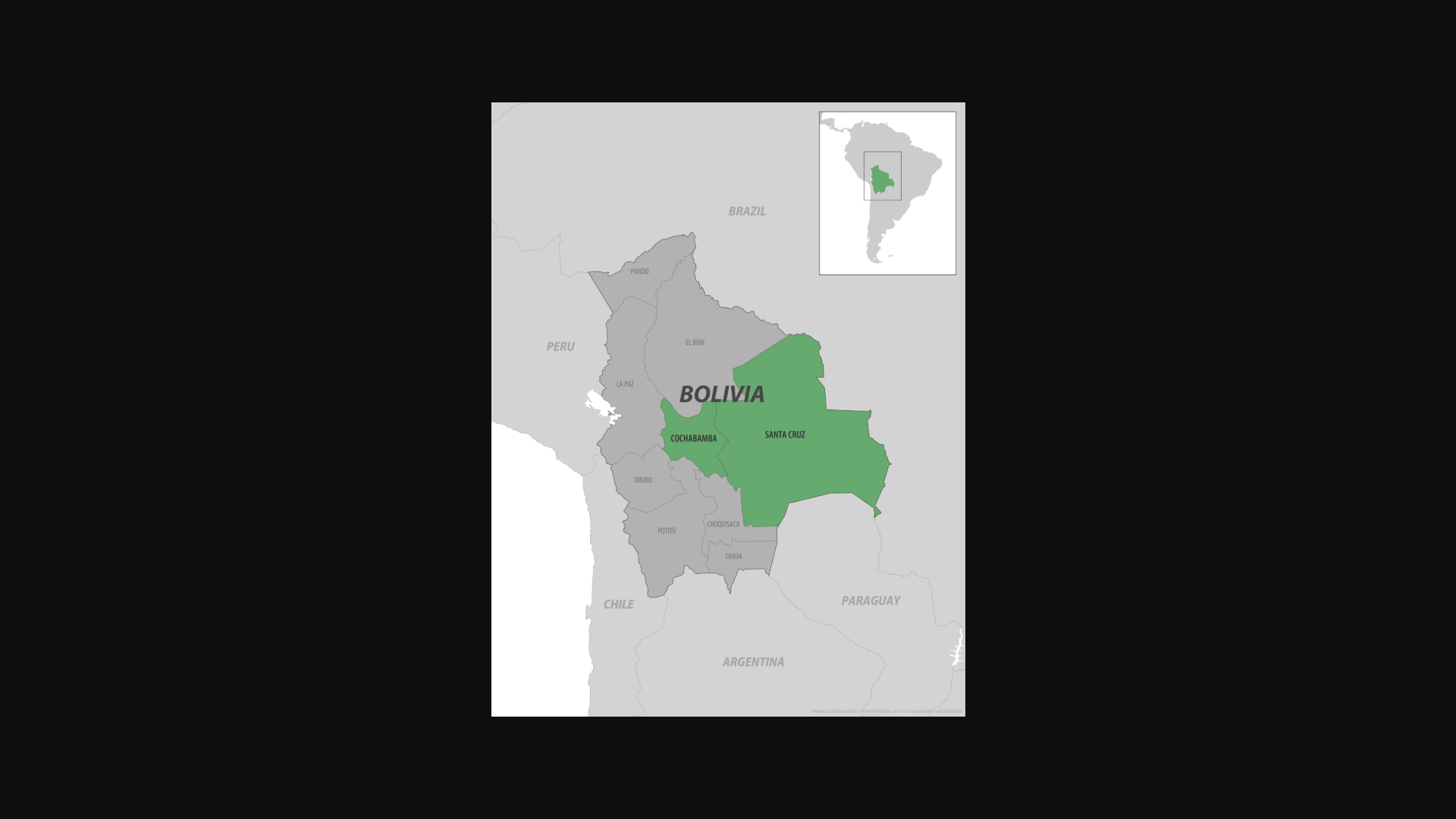
Bolivia is currently experiencing a significant rise in chikungunya cases, mainly driven by intense transmission in the Santa Cruz department.
This increase is part of a broader resurgence of the mosquito-borne virus across various regions of the Americas, as noted in an epidemiological alert issued by the Pan American Health Organization (PAHO) on February 26, 2026.
The outbreak in Bolivia has been linked to the identification of the East/Central/South African genotype of the virus.
According to the latest data from PAHO, Bolivia has recorded 5,518 chikungunya cases, including 3,976 confirmed cases. This represents a rapid increase over the past few days.
The department of Santa Cruz, in eastern Bolivia, has become the epicenter of this outbreak, with nearly 1,000 new cases, cumulative figures exceeding 3,000, and at least three cases documented there.
Other affected departments include Cochabamba (central Bolivia) and smaller numbers in Tarija, Beni, Chuquisaca, Pando, and others, indicating that outbreaks have recently spread across seven of Bolivia's nine departments.
In comparison, Bolivia reported 4,696 confirmed chikungunya cases and four deaths throughout the entirety of 2025. While fatalities are rare, the disease can lead to prolonged joint issues, particularly in vulnerable groups.
This rapid rise in cases has raised health concerns for the 1 million-plus visitors expected to arrive in Blovia this year.
The PAHO currently advises no travel restrictions for Bolivia.
The U.S. Centers for Disease Control and Prevention (CDC) issued a Level 2 – Practice Enhanced Precautions Travel Health Notice for chikungunya in Bolivia on February 11, 2026, specifically highlighting outbreaks in the Santa Cruz and Cochabamba departments.
The CDC suggests consulting a travel health provider about vaccination options before visiting and seeking medical care promptly if symptoms appear during or after travel, as the virus can cause long-term effects.