Search API

Dengue Outbreaks

Dengue Outbreaks September 2025

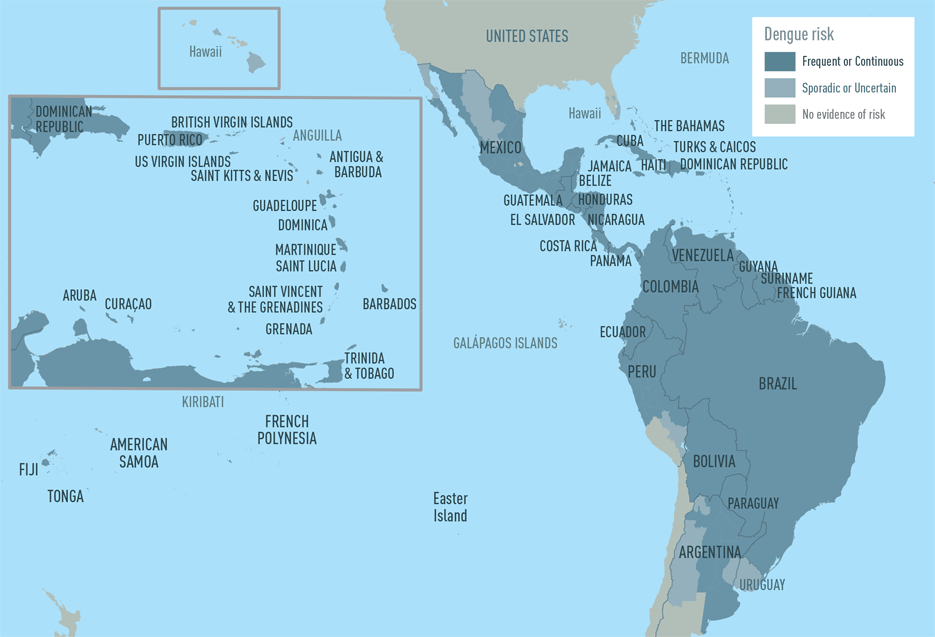
According to the World Health Organization (WHO) and numerous health agencies, Dengue is a viral infection spread to humans by infected mosquitoes of the Aedes genus and a leading cause of febrile illness among international travelers in 2025. The WHO has classified Dengue as a grade 3 emergency, with an estimated 4 billion people at risk globally. The WHO states that Dengue is a vaccine-preventable disease, endemic in approximately 110 countries, including areas within the United States, such as Florida and Puerto Rico.

As of August 21, 2025, the WHO Dengue Situation Update 728 indicates that over 6 million Dengue cases and 7,552 related fatalities have occurred in 2025. More than 13 million dengue cases were reported in 2024, marking the highest number of cases on record.

On January 20, 2025, the WHO published a Global Strategic Preparedness, Readiness, and Response Plan for Dengue. Dengue's four subviruses are usually spread to people through the bites of infected Aedes mosquitoes. On October 3, 2024, the WHO launched the Global Strategic Preparedness, Readiness, and Response Plan to tackle Dengue and other Aedes-borne arboviruses. The WHO plan aligns with the Global Vector Control Response 2017-2030, a global strategy to strengthen vector control worldwide, and the Global Arbovirus Initiative.

An analysis published in July 2024 reported that the most frequent regions of dengue infection acquisition were Southeast Asia (50.4%), South Central Asia (14.9%), the Caribbean (10.9%), and South America (9.2%). The median age was 33 years, and tourism was the most frequent reason for travel (67.3%). An analysis published in December 2024 revealed a clear link between climate change and the expansion of vectors, such as mosquitoes, into new territories, increasing disease incidence. Mosquitoes that spread Dengue viruses usually live below 6,500 feet; therefore, a person's chances of getting Dengue in high altitudes are very low.

Dengue Outbreak Travel Advisories

The U.S. Centers for Disease Control and Prevention (CDC) reissued a Global Travel Health Notice on August 21, 2025, regarding Dengue outbreaks in the Americas, Africa/Middle East, and Asia/Pacific regions, such as India, Singapore, Thailand, the Philippines, Malaysia, and Myanmar. The CDC has not issued travel advisories for U.S. states that have reported local dengue outbreaks, such as Florida and Puerto Rico. As of August 2025, HealthMap has published dengue case maps.

Dengue Outbreak in the United States

As of July 2025, the U.S. CDC advises clinicians to consider Dengue in patients with fever who live in or have recently traveled to areas with a risk of Dengue. The CDC reported in September 2025 that 3,045 Dengue cases occurred in 47 jurisdictions this year. The CDC says transmission of Dengue virus serotypes (DENV-1, 2, 3, 4) remains high in the U.S. territories of Puerto Rico and the U.S. Virgin Islands. DENV-3 is the most common (84%) serotype identified in 2025.

In 2024, 53 jurisdictions, led by ArizonaCaliforniaFlorida, New JerseyNew York, and Puerto Rico, reported 9,391 dengue cases. In June 2024, the CDC issued an updated Health Alert Network Health Advisory, notifying healthcare providers, public health authorities, and the general public of an increased risk of dengue virus infections in the United States. In 2023, 52 U.S. jurisdictions reported 6,164 dengue cases to the CDC.

As of December 2024, the Florida Department of Health (FDH) reported over 999 travel-associated and 91 locally acquired dengue cases throughout the state, with the majority occurring in Miami-Dade County. 

The Texas Department of State Health Services (DSHS) reports that mosquitoes that transmit dengue fever are present in the state of Texas. As of September 2025, DSHS reported 31 travel-related dengue cases this year. As of December 2024, there were 43 imported dengue cases in 23 Texas counties, led by Travis County (18), and one local case in Cameron County, with one related fatality. Texas reported 79 travel-related dengue cases in 2023 and one locally acquired case in Val Verde County.

In California, the San Bernardino County Public Health Department reported (1) a locally acquired case of Dengue in San Bernardino on November 7, 2024. The Los Angeles County Department of Public Health has reported 12 locally acquired dengue cases in the San Gabriel Valley, specifically in the cities of Baldwin Park (8), El Monte (2), Hollywood Hills (1), and Panorama City (1), in 2024. Dengue cases were reported in San Diego, Escondido, and Vista in 2024. Over 360 dengue cases were confirmed in California in 2023. California reported two locally acquired cases (in Long Beach and Pasadena) and 250 travel-related cases.

Between 2010 and 2023, 250 locally acquired cases were reported in Hawaiʻi.

Dengue Outbreak U.S. Territories

The CDC says the Dengue virus is endemic in the U.S. territories of Puerto Rico, American Samoa, the U.S. Virgin Islands, the Federated States of Micronesia, the Republic of the Marshall Islands, and the Republic of Palau. On July 7, 2025, American Samoa declared a public health emergency due to a surge in dengue cases. In the U.S. Virgin Islands, a dengue outbreak was declared in August 2024 and remains in effect in 2025. A total of 208 locally acquired cases were identified in 2024 and 30 in 2025, all on the island of St. Croix. The Virgin Islands Department of Health urged residents to take immediate precautions to prevent further dengue transmission as cases surged in the St. Thomas-St. John's area. John's area. John's area. John's area. John's area. John's area. John's area. John's area. John's area. John's area. John and St. Croix Districts.

In March 2024, the Health Ministry declared a public health emergency in Puerto Rico, which remains in effect as of 2025. As of March 7, 2025, 936 cases have been reported, representing a 113% increase compared to the same period in 2024. In 2024, 6,291 cases were reported, and 13 deaths were reported. Puerto Rico's Department of Health confirmed that Dengue was endemic in the greater San Juan area, with 4,467 cases. 

Among American Samoa school-aged children, the estimated seroprevalence was 59% for those aged 7–16.

Dengue Outbreaks in Africa

Dengue circulation has been detected in more than 30 African countries. According to the Africa CDC Epidemic Intelligence Report, as of January 2025, over 1,300 dengue cases have been reported in Africa. As of 2024, over 74,000 dengue cases have been reported this year from Burkina Faso, Cameroon, Cabo Verde, Central African Republic, Chad, Côte d'Ivoire, Ethiopia, Ghana, Kenya, Mali, Mauritius, São Tomé and Príncipe, Senegal, Sudan, and Togo. The ACDC reported in 2024 that travelers visiting these African countries may be at an increased risk of Dengue. In 2023, 171,991 dengue cases and 753 deaths were reported in African countries.  The U.S. CDC issued a Travel Health Notice in 2023, confirming Dengue is an ongoing risk in Africa. A December 2025 study found that countries in eastern Africa had a high estimated risk of dengue importation from Asia and other countries in east Africa. In contrast, for West African countries, the risk of importation was higher from within the region than from countries outside of Africa.

Dengue Outbreaks in the Americas

The first suspected dengue-like epidemics were reported in 1635 in Martinique and Guadeloupe. The Pan American Health Organization (PAHO) issued an Epidemiological Alert in February 2025, based on the growing circulation of DENV-3, which had not been circulating previously, thereby increasing the probability of severe cases. In epidemiological week 34 of 2025, a total of 3,740,133 suspected dengue cases were reported. This data represents a 68% decrease compared to the same period in 2024. As of December 31, 2024, 49 countries and territories in the Americas reported over 13,017,982 Dengue cases and 8,151 related deaths in 2024. In 2023, 4,617,108 Dengue cases were reported in the Americas.

Argentina's Epidemiological Bulletin reported over 580,000 dengue cases in 2024, with 56,435 in Buenos Aires. Argentina's Ministry of Health published a Comprehensive Preparedness and Response Plan for Dengue Epidemics 2024-2025.

Over the past 25 years, nearly 18 million Brazilians have contracted one of the four viruses that cause Dengue. Brazil's Ministry of Health reports indicate that, as of 2024, there were over 9.6 million dengue cases and 5,441 related deaths. The São Paulo state dengue data dashboard was updated in May 2025. A study published in The Lancet in March 2025 forecasts that Brazil's Dengue outbreaks will refocus on the southern mountain area. The Brazilian Ministry of Health reported dengue cases among pregnant women reached 5,151 in the first six weeks of 2024, compared to 1,157 in the same period in 2023. In 2023, Brazil reported approximately 2.9 million patients, a 20% increase from the previous year, and Rio de Janeiro reported 22,959 dengue cases.

Dengue is hyperendemic in Colombia. It imposes a substantial economic burden on patients, caregivers, society, and the national health system. In 2025, Colombia's Huila Department declared a public health emergency.

According to the Health Surveillance Directorate of the Republic of Costa Rica, 1,076 dengue cases were reported in 2024. Costa Rica confirmed over 24,000 dengue cases in 2023, with the Huetar Caribe and Central Sur regions reporting the highest number of cases. As of August 4, 2023, all four dengue serotypes were registered.

In French Guyana, over 8,000 confirmed dengue cases have been reported since the beginning of 2024.

The U.S. CDC includes Mexico in its global Level 1 Dengue Travel Health Advisory. As of February 2025, Mexico has reported over 10,000 dengue cases. In 2024, Mexico confirmed about 549,000 dengue cases. A May 2024 model predicted that the percentage of municipalities affected by Dengue would rise from 55 to 91% in Mexico. Dengue was reported in 28 of 32 Mexican states in 2023, and transmission has been documented in Yucatan since 1979. All four DENV serotypes have been found in Mexico for decades. Between 1995 and 2008, constant circulation of DENV-3 was recorded in Mexico. Furthermore, notable increases in circulation were observed in 2022 (25%), 2023 (59%), and 2024 (86%).

In Nicaragua, 92,022 dengue cases were reported in 2024. A study published on January 10, 2025, demonstrates differences in dengue severity by serotype and immune status, emphasizing the critical need for a dengue vaccine with balanced effectiveness against all four serotypes, as existing vaccines show variable efficacy by serotype and serostatus.

DENV was reintroduced in Panama in 1993 after a 35-year absence of autochthonous transmission. All four serotypes were detected in Panama. As of April 2025, Panama reported over 4,800 Dengue cases. An analysis published in 2024 suggests that Panamanian strains were related to viruses from different regions of the Americas, suggesting a continuous exchange of viruses.

Paraguay's Ministry of Health confirmed that the DENV-3 subtype returned in 2025 after a nine-year absence. A study published in May 2025 suggests a high seroprevalence of DENV in Paraguayan blood donors. The high DENV seroprevalence reflects the impact of past Dengue outbreaks.

Peru issued an Alert in November 2024, notifying public and private health facilities of the increased risk of dengue infections. On November 23, 2024, a dengue vaccination program was launched in 16 districts of Loreto, Piura, Tumbes, and Ucayali regions.

On August 16, 2024, the Republic of Trinidad and Tobago confirmed 825 cases of Dengue Fever and eight (8) laboratory-confirmed deaths. The Caribbean reported over 62,000 dengue cases in 2023, a significant increase from 20,349 cases in 2022. Jamaica's Ministry of Health declared a dengue outbreak on September 23, 2023. 

Dengue Outbreaks Australia 2025

In Australia, cases of locally acquired Dengue have historically been reported from most mainland Australian states. Dengue notifications have been reported monthly from 2019 to 2025. In January 2025, there were 261 Dengue case notifications. Queensland Health declared a Dengue outbreak centered in the Townsville City Local Government Area (TLGA) on February 19, 2025. As of March 25, 2025, 11 cases (9 confirmed and two probable) had been reported.

Dengue Outbreaks in Asia and the Pacific Islands

In 2025, the WHO confirmed that the Western Pacific Region continues to face a high burden of mosquito-borne arboviral diseases, particularly Dengue. In 2025, the U.S. CDC reported that countries in the WHO Western Pacific Region reported higher-than-usual dengue cases. Travelers visiting the following countries may be at increased risk: Bangladesh, Cambodia, Hong Kong, Indonesia, Fiji, Malaysia, MyanmarNepal, the Philippines, SamoaSingapore, Sri Lanka, Tonga, and Thailand. The WHO publishes Dengue Situation Updates for the Western Pacific Region in 2025.

In 2025, the Cook Islands Ministry of Health declared a dengue fever outbreak in Rarotonga, following confirmation of seven dengue cases.

Fiji Ministry of Health & Medical Services confirmed one Dengue-related fatality on April 7, 2025. Between January and April 15, 2025, approximately 5,100 dengue cases were reported nationwide, with the Western Division leading with 2,077 cases. In 2014, the Fijian Government launched a cleanup campaign to combat the outbreak of dengue fever. Between November 2023 and April 2025, 1,721 dengue cases were reported in French Polynesia.

The Centre for Health Protection (CHP) in Hong Kong reported seven imported cases of dengue fever as of March 20, 2025. In 2024, 161 cases were imported (75 from Mainland China), and five local cases were reported. In 2023, 62 cases of DF were imported from abroad.

In September 2024, the WHO reported that dengue outbreaks in Indonesia (E000099) are at level 4. Dengue virus (DENV) infection is a significant cause of acute febrile illness in Indonesia, a DENV-endemic region that has experienced a 700-fold increase in incidence over the past 45 years. As of July 2024, 149,866 confirmed cases of Dengue and 884 deaths had been reported from 465 districts across 38 provinces in Indonesia.

Data published by the Dengue for Community Portal indicates that Taman Mawar-Sendang was a dengue hotspot in Malaysia in June 2025.

The French Department of Mayotte has confirmed 21 cases of Dengue since the beginning of 2025.

On April 9, 2025, the WHO intervened to prevent dengue outbreaks in Myanmar, distributing 4,500 rapid diagnostic test kits to frontline responders and health workers in displacement sites and remote villages.

The Republic of Nauru Ministry of Health has confirmed 379 dengue cases, and two fatalities were recorded on July 30, 2025.

As of June 20, 2025, the Republic of the Philippines reported about 100,000 dengue cases and a case fatality rate of 0.36%. In 2025, the Quezon City Government in the Philippines, through the City Health Department (QCHD), declared a dengue outbreak. From January to July 2025, the City Epidemiology and Surveillance Division of QCHD reported 5,702 dengue cases. In 2025, a total of 390 dengue cases, along with three deaths, were recorded in Antique. In 2024, the Republic of the Philippines Negros Occidental had 6,799 dengue cases and 22 dengue-related deaths in 2024.

The Independent State of Samoa announced on April 17, 2025, that the Ministry of Health is officially declaring a dengue fever outbreak. As of June 2, 2025, the Ministry of Health reported a total of 211 confirmed cases and one reported death. The majority of cases (76%) are from Upolu Island.

According to Sri Lanka's National Dengue Control Unit, 19,901 dengue cases were reported in the country in 2025.

During the first half of the 20th century, there were three island–wide dengue fever outbreaks in Taiwan. After almost forty years of dormancy, a DEN–2 outbreak occurred in 1981. Since 2006, Taiwan has faced dengue fever outbreaks of different scales every year. As of August 2025, a dengue cluster was reported in Kaohsiung's Gushan District.

Dengue Outbreaks in the Eastern Mediterranean Region

Dengue and severe dengue epidemics were first reported in the WHO's Eastern Mediterranean Region in 1998. Since then, outbreaks have occurred in all nine endemic countries: Afghanistan, Djibouti, Egypt, Oman, Pakistan, Saudi Arabia, Somalia, Sudan, and Yemen. On July 17, 2024, the WHO reported 12 autochthonous (local) cases of Dengue documented in Iran. In August 2024, dengue screening was launched at the Iranian border.

Dengue Outbreaks in Europe

In Europe, dengue viruses, transmitted by Aedes albopictus mosquitoes, are primarily associated with infections acquired in endemic countries. Local transmission remains rare, with only sporadic or small-scale outbreaks documented. As of December 2024, the European Centre for Disease Prevention and Control (ECDC) reported over 8,500 dengue-related deaths. In 2024, the ECDC reported locally acquired dengue cases in France, Germany, Italy, and Spain. Over 1,600 DENV infections in Germany occurred exclusively in travellers returning from dengue-endemic countries in 2024. In 2023, 130 locally acquired dengue cases were reported in the European Union and the European Economic Area (EU/EEA). The number of imported dengue cases in Europe increased from 1,572 in 2022 to approximately 4,900 in 2023.

On July 24, 2025, three confirmed cases of dengue fever were recorded in Budrio, Italy. As of July 15, 2025, Italian health authorities reported the first locally acquired case of Dengue of the year in Italy. The Italian National Public Health Authority reported 213 locally acquired dengue cases in 2024 and 82 cases in 2023. In Fano, a small coastal city in the Marche Region, Eurosurveillance reported 138 confirmed and 61 probable cases of DENV-2 as of October 28, 2024. Travel-related dengue cases have reached 472 in 2024. Non-travel-associated dengue cases have been reported in Italy since 2010, with a total of 10 cases.

On July 15, 2025, a second locally acquired case of Dengue was reported this year in Saint-Chamond, Auvergne-Rhône-Alpes, France. In 2024, France reported 82 locally transmitted cases of dengue fever and over 4,600 imported cases. Outbreaks were identified in the Provence-Alpes-Côte d'Azur, Occitanie, and Auvergne-Rhône-Alpes regions. In 2023, France reported nine dengue outbreaks, which resulted in 45 autochthonous infections. In 2022, France reported 65 locally acquired cases of Dengue.

In February 2025, the Autonomous Region of Madeira (Portugal) reported the results of entomological investigations confirming the presence of Dengue mosquitoes captured on Madeira. Two people were infected. The 2012 dengue outbreak affected approximately 1,000 residents.

Spain reported eight locally acquired dengue cases in the Camp de Tarragona area of the Catalonia region in 2024, and the Catalonia region reported three local cases in 2023.

Dengue Outbreaks in India

India has confirmed Dengue outbreaks for decades. In 2024, over 233,000 Dengue cases and 236 deaths were reported. As of 2024, dengue cases in India are on the rise, particularly in the states of Karnataka, Kerala, and Tamil Nadu. They generally peak in October. According to data from the National Centre for Vector-Borne Diseases Control Program, India reported 289,235 dengue cases and 485 related deaths in 2023. In the Democratic Socialist Republic of Sri Lanka, the co-circulation of multiple dengue virus genotypes was reported in October 2024 to be associated with an increase in cases.

Dengue United Kingdom 2025

The UK Health Security Agency (UKHSA) states that local dengue fever does not occur in the United Kingdom; however, it can be acquired by traveling to dengue-endemic areas. In 2024, 904 dengue cases were reported in returning travellers across England, Wales, and Northern Ireland, up from 631 in 2023. The most significant proportion of English cases (349) was reported in London. This data represents a 201% increase compared to the same period in 2023, which saw 157 cases. In 2024, India remained the most reported travel destination, with 179 cases, a 23% increase compared to 2023.

Dengue Virus-Carrying Mosquito

Mosquito bites cause more human suffering than any other organism. The spread of Dengue throughout the world can be directly attributed to the proliferation and adaptation of these mosquitoes. In the U.S., there are 176 species. A recent study published by the Royal Society indicates that dengue-carrying mosquitoes are expanding their range by an average of 6.5 meters of elevation and have moved polewards by 4.7 km annually.

Dengue Virus Infection Testing

The U.S. Centers for Disease Control and Prevention (CDC) published a Health Update (CDCHAN-00523) on March 18, 2025, highlighting the ongoing risk of Dengue virus infections and updates to testing recommendations in the United States. People with suspected Dengue virus infection should be tested with a real-time PCR, NS1 antigen test, or an IgM enzyme-linked immunosorbent assay antibody test at commercial labs or public health clinics.

Dengue Disease

Dengue is a disease caused by a virus transmitted through the bites of infected mosquitoes. It can take up to two weeks to develop, but the illness generally lasts less than a week. Without treatment, severe Dengue can become fatal. New research has identified pre-existing anti-DENV IgG antibodies as the cause of the increased duration of Dengue upon second exposure.

Severe Dengue

 Approximately 5% of Dengue cases can progress rapidly to Severe Dengue, which may involve hypovolemic shock, gastrointestinal or vaginal bleeding requiring transfusion, and end-organ impairment. Furthermore, women infected with Dengue during pregnancy can pass the virus to their fetuses. Promptly initiating intensive supportive therapy can reduce the risk of death among patients with severe Dengue. The extent and duration of viremia are often correlated with the severity of clinical disease. A study published in October 2024 concluded that secondary dengue infections with different dengue virus serotypes have been linked to an increased risk of Severe Dengue after two years. 

Dengue Infections Cause Cardiovascular Complications

Published on April 18, 2025, this review discusses the cardiovascular manifestations of Dengue and their management, explores the proposed pathogenesis, and concludes with a discussion of potential future research directions.

Dengue Viruses

There are four Dengue Viruses. A study published in October 2024 concluded that the co-circulation of multiple genotypes is associated with an increase in severe cases, highlighting the importance of continuous surveillance.

Dengue Virus Blood Transfusion-Transmission 

Emerging evidence published in November 2024 suggests a potentially concerning route of blood transfusion-transmitted dengue virus (TT-DENV), which poses a critical threat, especially in endemic countries like Brazil. In May 2024, a RESEARCH ARTICLE found that dengue virus transmission was a risk in blood donation in Thailand. In March 2016, Transfusion-Transmitted Dengue and Associated Clinical Symptoms During the 2012 Epidemic in Brazil was published.

Dengue Infection Immune-Mediated Enhancement

In this study, published on October 31, 2024, researchers demonstrate that the expression of a DENV-specific B cell receptor (BCR) renders cells highly susceptible to DENV infection, with the infection-enhancing activity of the membrane-restricted BCR correlating with the antibody-dependent enhancement (ADE) potential of the IgG version of the antibody. In addition, they observed that the frequency of DENV-infectible B cells increases in previously flavivirus-naïve volunteers after a primary DENV infection. These findings suggest that BCR-dependent infection of B cells is a novel mechanism for immune-mediated enhancement of DENV infection. This observation indicates that BCR-dependent infection of DENV-specific B cells may be a complementary mechanism for immune-mediated enhancement of DENV infection, expanding upon existing models of antibody-dependent enhancement.

Dengue Outbreak Discrepancy Research

In October 2024, a study published by The Lancet Infectious Diseases provided novel insights into serotype-specific epidemiological patterns and disease outcomes of primadengue virus (rDENV)ENV infections by revealing the hidden contribution of inapparent infections. This indicates that case surveillance skews the perceived epidemiological footprint of Dengue's four viruses. On October 25, 2024, these researchers wrote, 'While inapparent infections are often overlooked and do not require immediate medical attention, we have assumed that they account for up to 88% of all dengue virus (DENV) transmission events. A study published in May 2024 revealed substantial discrepancies between estimates and reported numbers of dengue cases. A study published in the journal Nature on January 20 revealed variations in antibody composition that contribute to the miscounting of primary and secondary infections.

Dengue Virus in Pregnant Women

The CDC confirms that a pregnant woman already infected with Dengue can pass the virus to her child during pregnancy, and there has been one documented report of Dengue spread through breast milk. A study published in the American Economic Journal: Applied Economics in April 2024 confirmed robust evidence for the adverse effect of dengue infections on birth weight and documented increases in children's hospitalizations and medical expenditures for up to three years after birth.

Dengue and Zika Virus

A study published in the journal Science Translational Medicine on May 29, 2024, found that primary ZIKV infection increased the risk of disease caused by DENV3 and DENV4 but not DENV1. This finding was also observed for tertiary infections in individuals previously infected with DENV and ZIKV, but not in those previously infected with ZI alone.

Dengue Vaccines

Information on dengue vaccines (Qdenga), vaccine candidates, and clinical trials in 2025 can be found at Vax-Before-Travel.

21 min read
Last Reviewed: 
Wednesday, September 17, 2025 - 04:55
Description: 
Dengue outbreaks in Africa, Asia, Brazil, California, Caribbean, China, Costa Rica, Florida, France, India, Italy, Jamaica, Mexico, Spain, Thailand.

CodaVax RSV Vaccine

CodaVax™ RSV Vaccine May 2023

CodaVax™-RSV intranasal, live-attenuated vaccine candidate has the potential to induce innate immunity and durable local and systemic immunity. 

Codagenix Inc. is utilizing codon-deoptimized live vaccine candidates to deliver all the benefits of live vaccines on short timelines while offering unparalleled genetic stability. Codagenix's "death by a thousand cuts" approach takes the genetic sequence of the wild-type target and uses an AI-aided algorithm to compute the hundreds or thousands of sites where codons can be modified to produce the same amino acid sequence with lower translational efficiency. This process yields a small, testable number of candidate viral genomes that produce all the same proteins as the wild type but with far less virulence, exponentially accelerating timelines for candidate development. In addition, unlike previous live-attenuated RSV vaccine candidates, CodaVax-RSV is highly stable due to genetic edits that prevent wild-type reversion. 

On May 10, 2023, Codagenix announced that it initiated dosing in a pediatric Phase 1 study evaluating the CodaVax™-RSV vaccine as an age de-escalation, dose-escalation design specifically evaluating safety and immunogenicity in the 6-month to 5-year-old population. The trial is being conducted under U.S. FDA IND and Fast Track designations.

New York-based Codagenix is a clinical-stage biotechnology company leading a new era of live vaccines and viral therapeutics.

CodaVax Indication

CodaVax is indicated to prevent (RSV) infections in infants and adults. RSV is a leading cause of hospitalization due to acute lower respiratory infection, particularly in infants, young children, and elderly adults.

CodaVax News 2023

May 10, 2023 - "Codagenix is focused on providing an effective prophylactic vaccine for infants and toddlers six months to 5 years old who, based on the recent data, may be at higher risk for hospitalization following infection despite recent innovations in other RSV vaccines for the elderly that are under review," said J. Robert Coleman, Ph.D., Co-founder and Chief Executive Officer of Codagenix.

November 2, 2022 - The US FDA has granted Codagenix Fast Track Designation for CodaVax-RSV, an intranasal RSV vaccine candidate. 

June 1, 2022 - Codagenix Inc. announced that the U.S. Food and Drug Administration (FDA) has approved the Investigational New Drug (IND) application for CodaVaxTM-RSV.

CodaVax Clinical Trials

CodaVax has completed a phase 1 clinical trial and will begin recruiting for another phase 1 trial. The first phase 1 clinical trial has been completed: Safety and Immunogenicity of a Live-attenuated Vaccine Against Respiratory Syncytial Virus in Elderly Volunteers. This trial began on July 10, 2020, enrolling 36 healthy adult volunteers. The participants received two doses, 28 days apart. The vaccine was administered as nose drops.

The second phase 1 study - CodaVax-RSV in Seropositive and Seronegative Children, was Last Updated on April 20, 2023.

0 min read
Availability: 
N/A
Generic: 
RSV Nasal Vaccine
Drug Class: 
Intranasal
Last Reviewed: 
Wednesday, May 10, 2023 - 08:10
Brand: 
CodaVax
Status: 
Manufacturer Country ID: 

Ebola Outbreaks

Ebola Outbreaks September 2025

The initial Zaire Ebolavirus disease case was confirmed in 1976 in a village near the Ebola River in Africa, according to the World Health Organization (WHO). A study published on August 18, 2023, says the origins of Ebola remain enigmatic. Recent data suggest that some Ebola virus (EBOV) outbreaks may originate from the human-to-human transmission of prior Ebola virus disease (EBVD) outbreak strains, rather than spillover. Orthoebolaviruses are a group of four viruses that cause Ebola disease. As of 2025, more than 30 EBVD outbreaks have been reported. The WHO posted a Chronology of EBOV outbreaks.

Zaire Ebolavirus Outbreaks

Africa experienced Ebola virus outbreaks in the Democratic Republic of the Congo (DRC), formerly known as Zaire, in 2014, 2016, 2018, and 2022. Over 29,000 people were infected, and more than 11,000 died. On September 4, 2025, the DRC declared an outbreak of Ebola virus disease in Kasai Province, where 28 suspected cases and 15 deaths occurred, including four health workers. There have been 15 outbreaks in the DRC since the disease was first identified in 1976.    

Sudan Ebolavirus Outbreak

The Uganda Ministry of Health declared its eighth Sudan Ebolavirus Disease (SVD) outbreak in January 2025. As of April 26, 2025, Uganda's second SVD outbreak in three years was declared over by the WHO Africa. During this SVD outbreak, 14 cases and four deaths occurred.

The U.S. CDC reissued a Travel Health Advisory Level 2, Practice Enhanced Precautions notice on March 12, 2025, regarding Uganda's current SVD outbreak. The CDC previously issued Health Alert Network Health Advisory CDCHAN-00477 on October 6, 2022, and CDCHAN-00480 on November 7, 2022. Since October 2022, all U.S.-bound passengers from Uganda have been routed to designated airports for enhanced Ebola screening. Traveler screening at Ugandan entry points remains active in 2025, with 25,364 travelers screened for SVD as of March 2, 2025.

The UKHSA issued a public health message in November 2022 regarding the SVD outbreak in Uganda. All workers returning to the UK from areas affected by SUDV should undergo a risk assessment. On November 1, 2022, the WHO advised against imposing any travel and/or trade restrictions on Uganda based on the available information regarding the current SUDV outbreak.

On May 8, 2023, North Kivu, DRC, confirmed a positive case of SUDV.

Ebola in the United States

The U.S. CDC updated its Ebola Outbreak History on August 31, 2023. The CDC says that 11 people were treated for EVD in the U.S. during Africa's 2014-2016 epidemic. On September 30, 2014, the CDC confirmed the first travel-associated case of Zaire EVD was diagnosed in the U.S. in a traveler from West Africa to Dallas, Texas. The patient (the index case) died on October 8, 2014. Two healthcare workers who cared for him tested positive for EVD, and both recovered. On October 23, 2014, a medical aid worker who had volunteered in Guinea was hospitalized in New York City, NY, and was diagnosed with EVD. The aid worker recovered, and seven others were cared for in West Africa. Six of these EVD patients recovered; one died, reported the CDC.

Ebola Vaccines

As of 2025, Ebola vaccines are not commercially available in the United States. Ebola vaccine information is posted at the Vax-Before-Travel link.

Ebola Therapy

The U.S. Food and Drug Administration authorized Ebanga for intravenous injections on December 21, 2020.

Ebola Prevention and Control Guidelines

In August 2024, the WHO published updated research priorities for infection prevention and control in healthcare settings. Key recommendations are summarized in The BMJ. On December 18, 2023, Texas Biomed announced findings published in the Journal of Infectious Diseases (Sept. 2023) indicating that the Ebola virus creates and uses intercellular tunnels to move from cell to cell and evade treatments. "Our findings suggest that the virus can create its hiding place, hide, and then move to new cells and replicate," says Olena Shtanko, Ph.D., an Assistant Professor at Texas Biomed and senior author.

Ebolavirus Diagnostic Tests

A novel patch-based ebolavirus diagnostic test was announced in August 2023.

Ebolavirus Disease

The Ebolavirus family Filoviridae includes three genera: Cuevavirus, Marburgvirus, and Ebolavirus. Within the genus Ebolavirus, six species have been identified: Sudan, Zaire, Bundibugyo, Reston, Taï Forest, and Bombali. Ebola viruses (EBOV) assemble into filamentous virions whose shape and stability are determined by the matrix viral protein 40 (VP40). The pH-driven structural remodeling of the VP40 matrix acts as a molecular switch coupling viral matrix uncoating to membrane fusion during EBOV entry. According to the WHO, EVD is transmitted to people from wild animals and spread through human-to-human transmission, with case fatality rates varying from 25% to 90%. The time from infection with the Ebola virus to symptom onset, including fever, fatigue, muscle pain, headache, and sore throat, can range from 2 to 21 days.

5 min read
Last Reviewed: 
Thursday, September 4, 2025 - 11:50
Description: 
Zaire and Sudan ebolavirus outbreaks began in 1976 and continue in Africa.
Condition: 

Polio Vaccines

Polio Vaccines December 2025

As of 2025, two types of poliomyelitis vaccines are in use, according to the U.S. Centers for Disease Control and Prevention (CDC), the European Medicines Agency (EMA), the United Kingdom's NHS, and the World Health Organization (WHO). The inactivated (killed) polio vaccine (IPV) was developed by Dr. Jonas Salk in 1955 and has been offered in the U.S. since 2000. IPVs produce antibodies in the blood that target all three types of poliovirus, thereby preventing the virus from spreading. The live attenuated (weakened) oral polio vaccine (OPV) was developed by Dr. Albert Sabin in 1961. 

The WHO's Strategic Advisory Group of Experts on immunization (SAGE) recommended that fractional doses of Sabin-based IPV be used in the same way as fractional doses of Salk-based IPV. As of December 2025, the SAGE also supported the broader rollout of the novel oral polio vaccine type 2 (nOPV2) to help stop persistent outbreaks of circulating vaccine-derived poliovirus type 2 (cVDPV2).

In September 2024, the SAGE expressed support for planning the eventual global cessation of use of bivalent oral poliovirus vaccines (bOPV). The Global OPV Stockpile Strategy for 2022-2026 was published in 2023.

As of 2025, the Global Polio Eradication Initiative (GPEI) states that the OPV contains a weakened strain of the poliovirus that has evolved over time and now behaves similarly to wild-type polio infections. In addition, OPV can mutate sufficiently to regain virulence and lead to vaccine-derived poliovirus, which can paralyze an unvaccinated person. OPVs not only eradicated serotype two but also reduced mortality among young children. The OPV confers cross-protection against non-polio enteroviruses, respiratory viruses, and herpes viruses due to the early activation of CD4+ and CD8+ T cells via pattern-recognition receptors, the reconfiguration of innate immune cells through epigenetic manipulation, and cross-reaction between B cells and T cells, among other mechanisms.

Polio Vaccinations U.S. CDC

The IPV vaccine has been available in the U.S. since 2000. As of August 2025, the CDC says the IPV can reduce the amount of poliovirus people shed, but can't stop all virus transmission. The CDC published a poliovirus vaccine update, recommending that children receive four doses of any combination of IPV and trivalent oral polio vaccine (tOPV) or a primary series of at least three doses of IPV or tOPV. The OPV is not offered in the U.S. Since 1961, the FDA has required testing to ensure that polio vaccines used in the United States are free of SV40 contamination.

Polio Vaccine Effectiveness

Estimates of vaccine effectiveness against paralytic polio range from 36% to 89% for a single dose, and IPV vaccination appears to reduce the mean amount of shed poliovirus by 63% to 91%. Research indicates no significant differences in the odds of poliovirus shedding between individuals with IPV and those who are unvaccinated. A U.S. CDC-funded study published by The Lancet on May 10, 2023, concluded that co-administration of nOPV2 and bOPV interfered with immunogenicity for poliovirus type 2 but not for types 1 and 3. The blunted nOPV2 immunogenicity we observed would be a significant drawback of co-administration as a vaccination strategy.

Polio Vaccine Booster Dose

On December 4, 2023, the U.S. CDC MMWR published updated recommendations for the use of IPV for adults known to be unvaccinated or incompletely vaccinated. States that fully vaccinated adults are at increased risk for poliovirus exposure may receive a single lifetime booster dose of IPV. The CDC's  Advisory Committee on Immunization Practices (ACIP), led by Oliver Brooks, MD, FAAP, reviewed poliovirus, polio vaccination, and polio epidemiology on June 21, 2023. The ACIP's Proposed Language: Adults who have received a primary series of tOPV or IPV in any combination and are at increased risk of poliovirus exposure may receive another (booster) dose of IPV. Available data do not indicate the need for more than one lifetime booster dose for adults with IPV. Sarah Kidd, MD, MPH, led the ACIP presentation on Adult Polio Vaccination: Recommendations for Unvaccinated and Incompletely Vaccinated Adults, as well as Recommendations for Booster Doses of IPV.

Polio Vaccines 2025

IMARC Group's new report indicates that the poliomyelitis vaccine market is expected to exhibit a CAGR of 5.04% from 2024 to 2034.

PT Bio Farma and Biological E. Limited produce the WHO-prequalified nOPV2 vaccine. As of July 2024, approximately one billion doses have been administered in more than 35 countries worldwide.

The Imovax Polio® (IPOL® IPV) vaccine is indicated for active immunization of infants (as young as six weeks), children, and adults to prevent poliomyelitis caused by poliovirus types 1, 2, and 3. The IPV protects against both wild-type polio and this weakened poliovirus strain. On February 28, 2024, the CDC vaccine committee reviewed the Clinical Considerations for Children Who Received a Fractional Dose of Inactivated Poliovaccine. Refer to the ACIP IPV catch-up vaccine table for details and age groups.

Kinrix is indicated as the fifth dose in the IPV series for active immunization against diphtheria, tetanus, pertussis, and poliomyelitis in children ages 4 through 6.

Pediarix is a vaccine for active immunization against diphtheria, tetanus, pertussis, hepatitis B, and infection caused by all known subtypes of the hepatitis B virus, as well as poliomyelitis. 

Pentacel is a multi-vaccine that contains diphtheria, tetanus toxoids, and acellular pertussis adsorbed, as well as inactivated poliovirus (DTaP-IPV), which is common, and an ActHIBHIB vaccine component.

Quadracel vaccine is indicated for active immunization against diphtheria, tetanus, pertussis, and poliomyelitis.

SanShantha Biotechnics manufactures Sanofi's IMOVAX-Polio IPV vaccine in Hyderabad and has been used in over 100 countries for more than 40 years. ShanIPV IPV is an inactivated polio vaccine developed by Shantha Biotechnics. It received WHO prequalification status and was produced by Sanofi in Hyderabad, India, until December 2023Sanofi Pasteur became the first contributor to IPV in India in March 2014.

Sabin IPV, an inactivated vaccine produced by SINOVAC Biotech Ltd., is indicated for preventing the wild poliovirus and was WHO-prequalified in June 2022.

LGChem (Eupolio) is the first attenuated Sabin-IPV to obtain WHO prequalification. The main advantage is a lower biosafety risk.

SINOVAC's sIPV polio vaccine was WHO-prequalified in June 2022 to prevent poliomyelitis caused by infection with types I, II, and III polioviruses. sIPV is available for purchase by United Nations agencies.

Bio Farma bOPV Bivalent Type 1 & 3 Oral Poliomyelitis Vaccine.

Bilthoven Biologicals produces an inactivated polio vaccine and plans to collaborate with Bharat Bio to develop an OPVtech.

Codagenix Inc. received funding to apply its proprietary synthetic biology technology to fortify nOPV strains against recombination with other enteroviruses, thereby further reducing the risk of emergence of potentially neurovirulent vaccine-derived polioviruses.

Novel Oral Polio Vaccine

Since the nOPV2 vaccine launched in Africa, approximately 2 billion doses have been administered in more than 29 countries. The U.S. CDC confirmed the nOPV2 vaccine is more genetically stable and less likely to be associated with the emergence of cVDPV2.

Bio Farma manufactures novel OPVs against polio types 1 and 3, and they are undergoing several clinical studies sponsored by PATH. A study published in The Lancet Infectious Diseases on August 13, 2025, showed results of a phase 1 randomized controlled trial that the novel live attenuated type 1 and 3 oral polio vaccines (nOPV1 and nOPV3) have a favorable safety profile and produce a comparable immune response and viral-shedding profile as the homotypic monovalent (single-strain) Sabin-strain oral vaccines (mOPVs).

Polio Vaccination United Kingdom

The UK Health Security Agency (UKHSA) confirmed that an IPV Booster campaign was launched in London on September 29, 2022,  targeting children aged 1 in 2022. The polio vaccine is part of the NHS childhood vaccination schedule.

Polio Vaccine Fractional Dose

In 2016, the World Health Organization (WHO) announced a global shortage of IPV, specifically in India. In response, WHO's Strategic Advisory Group of Experts on Immunization (SAGE) recommended a strategic shift to fractional-dose inactivated poliovirus vaccine (fIPV), a smaller dose of the same vaccine equivalent to 1/5 of a standard dose, according to the GPEI. Studies show that two doses of fractional-dose IPV administered intradermally produce a more robust immune response than a single full-dose Dose.

Polio Vaccine Price

The U.S. CDC confirms that the Vaccines For Children program is federally funded and provides IPV vaccines and medicines at no cost to children who might not otherwise be vaccinated due to inability to pay. The U.S. CDC Vaccine Price List was updated in 2023. This UNICEF table provides an overview. For people in the U.S. without health insurance, a polio booster typically costs around $100. For example, pharmacies may charge about $100 for an IPV polio booster shot. 

Polio Vaccine Misinformation Management

Yale Institute for Global Health and The Public Good Projects partnered in 2020 to create the Vaccine Misinformation Management Field Guide. This guide aims to help organizations address the global infodemic by developing strategic, well-coordinated national action plans to counter vaccine misinformation and build demand for vaccinations rapidly, informed by social listening. The Digital Community Engagement (DCE) initiative recruits digital volunteers through an interactive online platform, uInfluence, to promote accurate information on polio and vaccines. In 2022, over 5 million online social listening results were analyzed from 41 countries in more than 100 languages. 

Polio Vaccine Transition

In 2016, the CDC announced that to address the risks posed by type 2 circulating vaccine-derived polioviruses, the type 2 component of the OPV was withdrawn through a switch from the tOPV to the bOPV, which contains only attenuated viruses of types 1 and 3. However, the bOPV vaccine does not offer immunity against serotype 2. This change reduced the risk of tOPV seeding new cVDPV2 outbreaks in the U.S. 

The GPEI reports that, before April 2016, the trivalent oral poliovirus vaccine (tOPV), which contains types 1, 2, and 3, was the predominant vaccine used for routine immunization against poliovirus. Before the development of tOPV, monovalent OPVs (mOPV2) were developed in the early 1950s but were discontinued upon the adoption of tOPV. Following April 2016, the tOPV was replaced with the bivalent oral poliovirus vaccine (bOPV). As of February 2023, the tOPV remains used with children in countries such as Somalia. On August 9, 2023, the Strategy Committee of the GPEI announced that it had commissioned a formal evaluation of the 2016 global withdrawal of Sabin poliovirus type 2 (OPV2), the switch from tOPV to bOPV. The review aims to generate critical lessons learned from the OPV2 withdrawal to guide the direction of the GPEI, including future OPV withdrawal efforts. The finalization and publication of the evaluation are planned for mid-2024. On May 12, 2023, the CDC reported that from January to 021 March 31, 2023, GPEI supported 48 countries, during which approximately 988 million bOPV, 616,000 IPV, 960,000 fractional IPV, 90 million mOPV2, 595 million nOPV2, and 100 million tOPV doses were administered. The 6th Transition Independent Monitoring Board report was published on August 2, 2023, evaluating the progress and challenges of the polio transition process and recommending strengthening work at the global, regional, and country levels. 

Poliovirus Outbreaks

The latest news on polio outbreaks is posted by Vax-Before-Travel in 2025.

10 min read
Last Reviewed: 
Saturday, December 13, 2025 - 10:55
Description: 
Polio vaccines are available globally in 2025
Condition: 

VIR-2482 Influenza Monoclonal Antibody

VIR-2482 Monoclonal Antibody 2023

Vir Biotechnology VIR-2482 is an investigational intramuscularly administered influenza A-neutralizing monoclonal antibody (mAb) designed to protect people against seasonal and pandemic influenza. Due to its broad strain coverage of diseases, it has the potential to overcome the limitations of current influenza vaccines and lead to meaningfully higher levels of protection due to its broad strain coverage and because it does not rely on individuals to create their protective antibody response. In vitro, VIR-2482 has been shown to protect all significant strains of influenza A. VIR-2482 incorporates Xencor's Xtend™ Technology and has also been half-life engineered so that a single dose can last the entire flu season.

Under the collaboration agreement signed with GlaxoSmithKline (GSK) in 2021. GSK has an exclusive option to lead the post-Phase 2 development and commercialization of VIR-2482. VIR-2482 is partly funded with federal funds from the Administration for Strategic Preparedness and Response, Biomedical Advanced Research and Development Authority (BARDA), under Other Transaction Number: 75A50122C00081. BARDA's initial investment of approximately $55 million will support the Phase 2 PENINSULA trial. In addition, the multi-year contract also allows for a potential total investment of up to $1 billion for the clinical development of additional future pandemic influenza monoclonal antibodies, as well as the possible development of up to 10 emerging infectious disease or Chemical, Biological, Radiological, and Nuclear medical countermeasure candidates.

VIR-2482 has completed a Phase 1 clinical trial. On July 20, 2023, Vir Biotechnology, Inc. announced that the phase 2 PENINSULA trial evaluating VIR-2482 for preventing symptomatic influenza A illness did not meet primary or secondary efficacy endpoints.

Vir Biotechnology is a commercial-stage immunology company in San Francisco, CA, focused on combining immunologic insights with cutting-edge technologies to treat and prevent serious infectious diseases. 

VIR-2482 Indication

VIR-2481 is currently being developed to prevent influenza A viruses and pandemic influenza. Seasonal influenza is a highly contagious respiratory disease that can cause severe illness and life-threatening complications. Pandemic influenza is an infectious airborne respiratory disease that is unpredictable in timing and severity and for which humans have little or no immunity.

VIR-2482 News

July 20, 2023 - "Although, these topline data are disappointing, further analysis is necessary to better understand these outcomes, which we plan to present at a major medical congress," said Phil Pang, M.D., Ph.D., Vir's Executive Vice President, Chief Medical Officer and Interim Head of Research.

December 21, 2022 - Vir Biotechnology has enrolled approximately 3,000 participants in their Phase 2 PENINSULA (PrevEntioN of IllNesS DUe to InfLuenza A) trial.

October 18, 2022 - Vir Biotechnology, Inc. announced that the first participant had been dosed in the Phase 2 PENINSULA trial evaluating VIR-2482 for preventing illness due to influenza A.

October 4, 2022 - The U.S. Government's Biomedical Advanced Research and Development Authority announced an initial investment of $55 million for the ongoing and rapid development of VIR-2482. The multi-year contract has the potential for up to $1 billion to aGovernment'sevelopment of a full portfolio of innovative solutions to address influenza and potentially other infectious disease threats.

February 17, 2021 - GlaxoSmithKline plc and Vir Biotechnology, Inc. announced they have signed a binding agreement to expand their existing collaboration to include the research and development of new therapies for influenza and other respiratory viruses.

December 31, 2022 - the U.S. NIH published: VIR-2482: A potent and broadly neutralizing antibody for preventing influenza A illness.

March 25, 2020 - Xencor, Inc. announced it has entered into a technology license agreement with Vir Biotechnology, Inc., in which Vir will have non-exclusive access to Xencor's Xtend™ Fc technology to extend the half-life of novel antibodies that Vir is investigating as potential treatments for patients with COVID-19, the disease caused by the novel coronavirus SARS-CoV-2.

VIR-2482 Clinical Trials

VIR-2482 has been studied in a phase 1 clinical trial. The Phase 2 PENINSULA study was last Updated on December 20, 2022.

0 min read
Generic: 
VIR-2482
Drug Class: 
Monoclonal Antibody
Condition: 
Last Reviewed: 
Thursday, July 20, 2023 - 09:20
Status: 
Manufacturer Country ID: 
FDA First In Class: 
Yes

Tampa Travel Vaccines

Tampa, Florida Travel Vaccines

Pre-departure travel vaccine appointments for chikungunya, dengue, measles, polio, yellow fever, and other vaccine-preventable diseases in Tampa (33624), Brandon, Hillsborough County, Clearwater (33760), Pinellas County, Wesley Chapel (33544), Pasco County, Florida, can be requested at Passport Health—Tampa.

Travel vaccination services in Tampa include but are not limited to the following vaccines:

Chikungunya - The VLA1553 vaccine was approved in late 2023 and will be available in 2024.

Cholera - WHO pre-qualified two-dose oral cholera vaccines will be available in 2024.

Dengue—Dengvaxia is no longer offered in Florida, and the QDENGA® will be available only outside the U.S. in 2024.

Malaria - Two malaria vaccines are offered in Africa in 2024: Mosquirix and R21.

Measles—Measles outbreaks continue in various countries in 2024. The measles-mumps-rubella vaccination (Proquad, PriorixMMR) is available in Tampa.

Mpox  - ACAM2000 and JYNNEOS vaccines are U.S. FDA-approved.

Polio - The IPOL vaccine is available in the U.S. Adults should consider a one-time booster before visiting polio-endemic countries.

Rabies - Various rabies vaccines can prevent infections before exposure to the rabies virus.

Typhoid - Both Vivotif and Typbar TCV vaccines are offered in 2024

Tuberculosis - The U.S. FDA-approved BCG vaccine is not widely used in the U.S.

Rotavirus - The Rotarix vaccine is available in Florida.

Yellow Fev- The YF-Vax vaccine, yellow fever cards, and advice are offered in Tampa, Florida. Proof of yellow fever vaccination is required by various countries, including Africa and South America (Brazil), and encouraged by the U.S. CDC. The International Certificates of Vaccination or Prophylaxis (ICVPareis) are available at certified centers following immunization. ICVPs eliminate documentation issues as they are checked at entry points (airport, cruise).

2 min read
Last Reviewed: 
Monday, December 2, 2024 - 09:25
Description: 
Travel vaccine services offered in Tampa Florida
Condition: 

Cervavac HPV Vaccine

CervaVac HPV Vaccine 2024

Serum Institute of India (SII) CERVAVAC® is India's first quadrivalent human papillomavirus (qHPV) vaccine, protecting people against HPV types 6, 11, 16, and 18. Cervavac efficacy was studied in HPV vaccine clinical trials that started in September 2018. The Drugs Controller General of India (DCGI) granted market authorization to the Pune-based SII to manufacture the CervaVac vaccine in 2021. In the application to the DCGI, SII stated that Cervavac had demonstrated a robust antibody response higher than the baseline against targeted HPV types and in doses and age groups. Cervavac is an outcome of a partnership between SII, the Department of Biotechnology (DBT), the Biotechnology Industry Research Assistance Council (BIRAC), and the Bill and Melinda Gates Foundation.

The Lancet Oncology published an Editorial on October 1, 2022, HPV vaccination in South Asia: new progress, old challenges. A myriad of factors, including poor awareness of cervical cancer, low screening uptake, insufficient availability of and access to vaccines, and screening and vaccine reluctance, all contribute to the high burden of disease in the region, as we highlighted in a 2019 Editorial. Cervavac should be welcomed in India, where the incidence of cervical cancer accounts for a fifth of the global burden, with more than 124,000 cases and 75,000 deaths annually. On November 7, 2023, The Lancet Oncology published an article that reported Cervavac's efficacy has significant implications for future vaccine uptake and HPV-associated cancer prevention in young people in India. The journal Nature Medicine published a Research Highlight on November 13, 2023, indicating that Cervavac is an affordable, noninferior HPV vaccine.

Pune-based Serum Institute of India is now the world's largest vaccine manufacturer by the number of doses produced and sold globally (more than 1.5 billion doses).

Cervavac Vaccine Price

According to a source, the MRP of Cervavac's 2-dose vaccine would be 200–400 rupees (€5) per dose, making it an affordable HPV vaccine. On December 31, 2023, local media reported that Cervavac is priced at a moderate ₹1,400-1,600, available in hospitals. 

Cervavac Vaccine Availability

Over 100 countries marked the third Cervical Cancer Elimination Day of Action in 2023 with renewed commitments, mass screening, and awareness campaigns. The Cervavac vaccine became available in India on January 24, 2023, and is scheduled to be launched internationally in 2024.

Cervavac Indication

CERVAVAC® is indicated in females 9 through 26 years of age for the prevention of cervical, vulvar, vaginal, and anal cancers caused by human papillomavirus (HPV) types 16, 18; cervical, vulvar, vaginal, and anal precancerous or dysplastic lesions caused by HPV types 6, 11, 16, 18; and genital warts caused by HPV types 6 and 11. CERVAVAC® is indicated in males 9 through 26 years of age for the prevention of anal cancer caused by HPV types 16, 18; anal precancerous or dysplastic lesions caused by HPV types 6, 11, 16, 18; and genital warts caused by HPV types 6 and 11.

Cervical cancer is the most common HPV-related disease in women. In India, cervical cancer is the second-most common cancer, especially among women between 15 and 44 years of age. Every year, 122,844 Indian women are diagnosed with cervical cancer, and 67,477 die from the disease, according to figures from 2012, says NHP. In 2021, the International Taskforce on Cervical Cancer Elimination in the Commonwealth was launched by the Commonwealth Secretariat (May/2021) and the Union for International Cancer Control to step up efforts towards preventing and treating cervical cancer to align with WHO's Global Strategy (Nov/2020) to accelerate the elimination of cervical cancer as a public health problem. 

Cervavac Administration

CERVAVAC® should be administered with a 2-dose schedule (0.5 ml at 0, 6 months). For individuals 15 to 26 years of age, CERVAVAC® should be administered according to a 3-dose (0.5 ml at 0, 2, 6 months) schedule. The second dose should be administered at least one month after the first dose, and the third dose should be administered at least three months after the second dose. All three doses should be given within one year. CERVAVAC® should be administered intramuscularly in the upper arm's deltoid region or the thigh's higher anterolateral area and must not be injected intravascularly, subcutaneously, or intradermally. The safety and efficacy of CERVAVAC® in children below nine years of age have not been established.

Cervavac Vaccine News

November 7, 2023 - The Lancet Oncology published "An HPV vaccine from India: broadening possibilities for cervical cancer control."

January 24, 2023 - The SII launched the first indigenously developed HPV vaccine against cervical cancer in women. 

October 21, 2022 - Serum Institute of India will start supplying the government with small quantities of the CervaVac vaccine in early 2023.

October 1, 2022 - The peer-reviewed journal The Lancet published an Editorial - HPV vaccination in South Asia: new progress, old challenges.

September 1, 2022 - News article: Serum Institute's qHPV vaccine is a game changer.

September 1, 2022 - Announcing the scientific completion of the quadrivalent Human Papilloma Virus (qHPV) vaccine in the presence of Mr. Adar C. Poonawalla, CEO, Serum Institute of India, Pune, and other prominent scientists and dignitaries, Dr. Jitendra Singh said, this affordable and cost-effective vaccine marks an essential day for DBT and BIRAC as it takes India a step closer to PM Modi's vision of Atmanirbhar Bharat.

July 18, 2022 - The Serum Institute of India received regulatory approval to sell an indigenously developed HPV vaccine that can prevent cervical cancer. The Drugs Controller General of India granted market authorization for the Quadrivalent Human Papillomavirus vaccine (qHPV). 

June 15, 2022 - ANI reported the Drugs Controller General of India's Subject Expert Committee recommended granting market authorization to the Serum Institute of India to manufacture India's indigenously-developed CERVAVAC Quadrivalent Human Papillomavirus vaccine (qHPV).

Cervavac Vaccine Clinical Trials

Serum Institute of India applied for market authorization after completing the phase 2/3 clinical trial with the support of the Department of Biotechnology to ensure its early availability in the country," said the sources.

Findings: Between Sept 20, 2018, and Feb 9, 2021, 2341 individuals were screened, of whom 2307 eligible individuals were enrolled and vaccinated: 1107 (738 girls and 369 boys) in the cohort aged 9-14 years and 1200 (819 women and 381 men) in the cohort aged 15-26 years. No race or ethnicity data were collected. Three hundred fifty girls and 349 boys in the SIIPL quadrivalent HPV vaccine group and 338 women in the comparator vaccine group were included in the modified per-protocol population for the primary endpoint analysis. The median follow-up for the analyses was 221 days (IQR 215-231) for girls and 222 days (217-230) for boys in the SIIPL quadrivalent HPV vaccine group, 223 days (216-232) for girls in the comparator vaccine group, and 222 days (216-230) for women in the comparator vaccine group. GMT ratios were non-inferior in girls and boys receiving the SIIPL quadrivalent HPV vaccine compared with women receiving the comparator vaccine: GMT ratios for girls were 1·97 (98·75% CI 1·67-2·32) for HPV type 6, 1·63 (1·38-1·91) for HPV type 11, 1·90 (1·60-2·25) for HPV type 16, and 2·16 (1·79-2·61) for HPV type 18. For boys, the GMT ratios were 1·86 (1·57-2·21) for HPV type 6, 1·46 (1·23-1·73) for HPV type 11, 1·62 (1·36-1·94) for HPV type 16, and 1·80 (1·48-2·18) for HPV type 18. The safety population comprised all 1107 participants (369 girls and 369 boys in the SIIPL quadrivalent HPV vaccine group and 369 girls in the comparator group). Solicited adverse events occurred in 176 (48%) of 369 girls and, 124 (34%) of 369 boys in the SIIPL vaccine group, and 179 (49%) of 369 girls in the comparator vaccine group. No grade 3-4 solicited adverse events occurred within seven days of each dose. Unsolicited adverse events occurred in 143 (39%) girls and, 147 (40%) boys in the SIIPL vaccine group, and 143 (39%) girls in the comparator vaccine group. The most common grade 3 unsolicited adverse event was dengue fever in one (<1%) girl in the SIIPL vaccine group and three (1%) girls in the comparator group. There were no grade 4 or 5 adverse events. Serious adverse events occurred in three (1%) girls and three (1%) boys in the SIIPL vaccine group and five (1%) girls in the comparator vaccine group. No vaccine-related serious adverse events were reported. There were no treatment-related deaths.

0 min read
Availability: 
India hospitals
Generic: 
qHPV
Drug Class: 
Vaccine
Condition: 
Last Reviewed: 
Thursday, January 25, 2024 - 17:10
Brand: 
Cervavac
Status: 
Manufacturer Country ID: 

Lassa Fever Vaccine

Lassa Fever Vaccine Candidates 2025

The U.S. Food and Drug Administration (FDA) and the European Medicines Agency (EMA) have not approved vaccines for the Lassa fever virus (LASV). As of November 2025, four Lassa fever vaccine candidates (LASSARAB, INO-4500, MV-LASV, rVSV∆G-LASV-GPC, and EBS-LASV) have entered clinical trials.

Given its potential to cause a public health emergency of international concern, LASV is included in the World Health Organization (WHO) R&D Blueprint, a list of priority pathogens for which there is an urgent need for accelerated research, vaccine development, and countermeasures. The WHO has ranked Lassa (arenaviruses) as the most likely animal virus to spill over into humans ahead of Ebolavirus. A detailed estimate of the damage caused by LASV outbreaks, published in August 2024, has found that it infects 2.7 million people annually, ten times more than health agencies had previously assumed. Modelling research predicts that up to 600 million people could be at risk of Lassa fever infection by 2050, due to the combined effects of climate change and population growth.

The International AIDS Vaccine Initiative (IAVI) LASV vaccine candidate is conducting research (IAVI C105 and C102) to evaluate the Safety, Tolerability, and Immunogenicity of the rVSV∆G-LASV-GPC Vaccine in Adults and Children living in West Africa. As of 2025, Ghana, Liberia, and Nigeria are vaccinating volunteers. The Coalition for Epidemic Preparedness Innovations supported a Phase I (clinical trial IAVI C102). Batavia Biosciences manufactured the IAVI's LASV vaccine candidate in Leiden, the Netherlands.

rLASV/IGR-CD, developed by the Texas Biomedical Research Institute, The Scripps Research Institute, and the National Institute of Allergy and Infectious Diseases, incorporates both attenuation determinants and further enhances the vaccine's safety. Data published in November 2024 support the development of rLASV/IGR-CD as a live-attenuated LF vaccine with stringent safety features.

The Lassa fever vaccine candidate LASSARAB uses a deactivated rabies virus platform to deliver antigens to protect against the Lassa fever virus. Researchers from Thomas Jefferson University and the University of Maryland, Baltimore, have developed LASSARAB in collaboration with the United States Army Medical Research Institute of Infectious Diseases and the Geneva Foundation. The primary completion date of the Phase 1 study is 2026-03.

ChAdOx1-Lassa-GPC is a chimpanzee adenovirus-vectored vaccine candidate encoding the Josiah strain LASV glycoprotein precursor gene.

Themis Bioscience GmbH is a recombinant, live-attenuated, measles-vectored Lassa fever vaccine candidate (MV-LASV). In a first-in-human phase 1 trial, MV-LASV (V182-001showed an acceptable safety and tolerability profile, and immunogenicity was unaffected by pre-existing immunity against the vector.

Inovio discontinued the development of product candidates targeting Lassa Fever (INO-4500) on November 17, 2022.

Lassa Fever Overview

Lassa fever (LF) is an acute viral hemorrhagic fever (VHF) caused by the Lassa virus. The natural reservoir for the LASV is the Mastomys natalensis rodent (African rat). Lassa virus is endemic in the West African countries of Benin, Ghana, Guinea, Liberia, Mali, Nigeria, and Sierra Leone

In epidemiological week 23 (June 2025), 146 new confirmed cases of Lassa fever, including one death, were reported from four states across Nigeria. During 2025, a cumulative total of 765 cases with 143 deaths (CFR 18.9 %) have been reported from 18 Nigerian states, mainly in Ondo, Bauchi, Edo, Taraba, and Ebonyi.

As of March 2025, Liberia has reported confirmed Lassa fever cases, with none in the latest update. Grand Bassa County remains the only area with active transmission of the disease. Since January 2022, the cumulative total stands at 186 confirmed cases, including 56 deaths (CFR 30%), with Bong, Nimba, and Lofa counties being the most affected historically.

Lassa Fever Vaccine News

December 16, 2024 – A vaccine candidate against the Lassa virus completely protected guinea pigs exposed to an otherwise lethal dose of the virus, reported researchers from Texas Biomedical Research Institute, The Scripps Research Institute, and The National Institute of Allergy and Infectious Diseases.

January 4, 2024 - Research findings defined a prefusion-stabilized GPC trimer, revealed an apex-situated site of vulnerability, and demonstrated that a cleavage-intermediate LASV trimer elicits LASV-neutralizing responses.

August 24, 2023 - Imunon, Inc. entered into a Cooperative Research and Development Agreement with the National Institute of Allergy and Infectious Diseases to evaluate the immunogenicity and efficacy of two IMUNON DNA-based Lassa vaccine candidates.

March 16, 023—The Lancet published a study that concluded that MV-LASV showed an acceptable frequency and tolerability and that immunogenicity seemed unaffected by pre-existing immunity against the vector. 

August 31, 022 – IAVI announced that volunteers at the PREVAIL clinical trial site at Redemption Hospital in Monrovia, Liberia, have been vaccinated with its novel vaccine candidate against LASV in a Phase 1 clinical trial.

4 min read
Last Reviewed: 
Monday, November 10, 2025 - 13:20
Description: 
Lassa fever vaccine candidates are conducting clinical trials.
Condition: 

LC16 KMB Mpox Smallpox Vaccine

LC16 KMB Mpox Smallpox Vaccine Clinical Trials, Dosage, Efficacy, Side Effects

Japan-based KM Biologics LC16 KMB (LC16m8) is formulated as a freeze-dried cell culture smallpox and mpox vaccine. LC16 is a 3rd-generation, live-attenuated vaccine containing the vaccinia virus (LC16m8 strain) used to prevent smallpox (market-authorized for all ages in 1975 in Japan / licensed under the emergency investigational new drug program). LC16m8 is currently licensed in Japan, where it was safely used by over 50,000 children in the 1970s. The WHO Strategic Advisory Group of Experts on Immunization has recommended its use. On August 2, 2022, Japan's Ministry of Health, Labour, and Welfare (MHLW) announced the approval of this smallpox vaccine for voluntary vaccinations as pre-exposure prophylaxis against the monkeypox virus. This approval followed an advisory committee review.

On November 19, 2024, the World Health Organization (WHO) granted Emergency Use Listing for the LC16m8 vaccine. The EUL application was submitted on August 23, 2024, and accepted for evaluation on August 30, 2024. "LC16 (KMB)" (LC16m8 vaccine) is indicated for active immunization to prevent mpox disease, and the vaccine is given by multiple puncture vaccination using a bifurcated needle. It is given as a one-dose vaccine at one year of age.

The LC16m8 was an attenuated cell culture–adapted Lister vaccinia smallpox vaccine missing the B5R protein. In contrast to replication-deficient vaccines such as Modified Vaccinia Ankara, LC16m8 retains most of the vaccinia genome. Therefore, it can replicate at the inoculation site, producing a "take lesion" in vaccines. The strain LC16m8 is derived from strain Lister-Elstree by multiple passages in PRK cells at 30°C, followed by additional plaque cloning. The highly attenuated strain seems to have the same potential to induce a protective immune response as the old type of vaccines, as evaluated by the old criteria for immunity to the smallpox vaccine.

A study led by Associate Professor Kouji Kobiyama from the Division of Vaccine Science, Institute of Medical Science, The University of Tokyo, and Professor Ken J. Ishii, also from the University of Tokyo, was made available in Volume 115 of the journal eBioMedicine on May 1, 2025. The vaccine elicited neutralizing antibodies against multiple MPXV variants, with no serious adverse events during the follow-up period, suggesting LC16m8's broad coverage and reinforcing its safety.

KM Biologics (SVRG Kaketsuken) is a unit of Meiji Holdings, a Japanese food and pharmaceuticals company based in Kumamoto, 860-8568. Click here for the Meiji Group 2026 Vision.

LC16 KMB Mpox Vaccine Availability 2025

The LC16 KMB vaccine is available in Japan (September 2024) and will be delivered to Africa in late 2024.

LC16 KMB Mpox Vaccine Indication

LC16 KBM vaccine has been approved in Japan for smallpox and mpox pre-exposure prophylaxis (PrEP). A phase 3 clinical trial, NCT06223919, sponsored by Universidad Nacional de Colombia, was launched in December 2023. The study, Efficacy/​Effectiveness, Safety, and Immunogenicity of LC16m8 Mpox Vaccine in Colombia (MPOX-COL). The study's completion date is August 2024. On August 3, 2023, the journal Human Vaccines & Immunotherapeutics published an open-label, non-randomized study investigating the safety and efficacy of smallpox vaccine LC16 as post-exposure prophylaxis for mpox. The findings of this study suggest that vaccination with LC16 is effective post-exposure prevention in individuals who have had close contact with patients with mpox.

In 2017, a study concluded that 'Inoculation of LC16m8 into humans induced neutralizing antibodies against smallpox virus, and the effect was similar to that of the ACAM2000 smallpox vaccine. The results were presented at the 19th ACVVR Congress (WHO) in 2017.' Since 1976, the Japanese government has discontinued the national smallpox vaccination program. Japan's government authorized the LC16 KMB vaccine's indication for monkeypox on August 2, 2022.

LC16 KBM Mpox Vaccine Storage

The long-term storage stability of LC16m8 (formulation: 10 years, drug substance: 5 years) confirmed the high storage stability of LC16m8. 

LC16 KBM Mpox Vaccine Dosage

LC16m8 is administered as a single dose using the traditional scarification method. The LC16 vaccine requires intradermal administration.

Japan Smallpox Vaccine

The Japanese government decided in 1876 that all residents should be vaccinated against smallpox, and a smallpox vaccination law took effect in 1910. In the twenty years from 1889 to 1908, there were 171,500 cases of smallpox, and in 1908, there were 18,139 cases. The present immunization law was implemented in 1948 under the occupation by the USA.

The Chiba Serum Institute in Japan received an unconditional license in 1975 the manufacture vaccines of the LC16m8 strain for the indication of "prevention of smallpox." In 1975, Chiba Serum Institute produced the vaccine in a frozen formulation, and in 1980, a lyophilized formulation was developed. The routine vaccination against smallpox in Japan halted in 1976; Chiba Serum Institute ended the vaccine production accordingly, without distributing the product in the market. The license and all product-related rights for the LC16m8 vaccine were transferred to the Chemo-Sero Therapeutic Research Institute (hereafter, "Kaketsuken") in September 2002, and subsequently to KM Biologics in July 2018 due to the transfer of the pharmaceutical business from Kaketsuken. Manufactured vaccine lots have been maintained in the national stockpile. In 2002, a study was published on Japan's smallpox vaccination program.

LC16 KMB Mpox Vaccine News

May 8, 2025 - Researchers from Japan explore the viability and safety of LC16m8, an attenuated vaccinia virus vaccine, to prevent monkeypox.

November 19, 2024 - The WHO listed the LC16 KMB vaccine.

June 26, 2024 - Reuters reported that authorities in the Democratic Republic of Congo are proceeding with vaccinations.

September 15, 2022 - The Lancet published: A rapid review: prevention of monkeypox with vaccines.

August 31, 2022 - Bio Farma Honesti Basyir, Director, said Indonesia's government targets three monkeypox vaccines, including LC16M8 (SVRG Kaketsuken Japan).

August 5, 2022: Australian media reported that Japan's only non-replicating vaccine is the LC16m8. Scaling up production is difficult, so supplies are limited.

August 2, 2022 - Japan's MHLW presented a Plan for Monkeypox Vaccinations with KM Biologics' smallpox vaccine.

August 2, 2022 - WHO Monkeypox Research - What study designs can be used to address the remaining knowledge gaps for monkeypox vaccines?

June 14, 2022: The Ministry of Health, Labour, and Welfare published a press release titled "Vaccines and immunization for monkeypox: Interim guidance."

February 3, 2021 - PLOS Pathogens published a RESEARCH ARTICLE: A highly attenuated vaccinia virus strain LC16m8-based vaccine for severe fever with thrombocytopenia syndrome.

April 28, 2015 - ASM Journals published: Use of the LC16m8 Smallpox Vaccine in Immunocompromised Individuals Is Still Too Risky.

March 11, 2009: The JAMA Network published Clinical and Immunological Response to Attenuated Tissue-Cultured Smallpox Vaccine LC16m8. Conclusion: Administration of an attenuated tissue-cultured smallpox vaccine (LC16m8) to healthy adults was associated with high vaccine take and seroconversion levels in vaccinia-naive individuals and yielded an effective booster response in some previously vaccinated individuals.

LC16 KMB Clinical Trials

A single-arm clinical study was conducted to evaluate the immunogenicity and safety of the smallpox vaccine for monkeypox in healthy Japanese adults (MKP-3 study). The outline of this study and its results have been published in the Clinical Research Implementation Plan and Research Outline Disclosure System (jRCT). In addition, Japan's health ministry vaccinated 50 medical workers at the National Center for Global Health and Medicine for research purposes in July 2022.

2017 - Research on the efficacy, safety, and productivity improvement of cell-cultured smallpox vaccines developed and stockpiled in Japan and on the ideal countermeasures against bioterrorism in Japan and overseas. We analyzed the ability of LC16m8 to induce neutralizing antibodies against the smallpox virus through joint research by the US CDC and this research group. Stability results of LC16m8 during long-term cryopreservation were obtained. In addition, a study on the post-exposure inoculation effect of LC16m8 was carried out.

0 min read
Availability: 
Japan, WHO
Generic: 
LC16m8
Drug Class: 
Live Vaccine
Condition: 
Last Reviewed: 
Friday, December 12, 2025 - 09:55
Brand: 
LC16 KMB
Status: 
Manufacturer Country ID: 
FDA First In Class: 
Yes
Location tags: 

Poliovirus Detections

Poliovirus Detections

The World Health Organization (WHO) confirmed that in 2024, the spread of poliovirus remained a Public Health Emergency of International Concern (PHEIC). Poliomyelitis has been confirmed in wastewater and ground samples in Africa, the AmericasAsia, CanadaEurope, India, Israel, the United Kingdom, and New York in 2023. The total number of poliomyelitis samples collected in countries with poliovirus transmission was 12,259 from 40 countries in 2022, an increase from 8,945 in 36 countries in 2021.

Vaccine-Derived Polioviruses (VDPVs)

Vaccine-derived polioviruses (VDPVs) can emerge from Sabin strain poliovirus serotypes 1, 2, and 3 contained in the oral polio vaccine (OPV), which induces a transmission-blocking response. However, low population immunity allows OPV to circulate for long enough to lose its attenuating mutations, regaining transmissibility and pathogenicitiy similar to wild poliovirus, resulting in outbreaks of circulating vaccine-derived poliovirus (cVDPV). As most cVDPVs have been type 2 and wild-type 2 poliovirus had been eradicated, type 2 OPV (OPV2) was withdrawn from routine immunization in 2016. Outbreaks of cVDPV2 required responses using monovalent type OPV2 (mOPV2), leading to more than 70 new emergences of cVDPV2 and cycles of outbreaks and responses. Since 2016, more than 3,000 cVDPV2 cases have been reported, with 75% linked to outbreak responses with Sabin OPV.

Poliovirus Wastewater Detections

Nearly 80% of U.S. households are connected to municipal wastewater collection systems, writes the National Academies in 2023. These sewer systems contain biological waste, including discharged pathogens. Research demonstrates that poliovirus transmission predominantly follows the oral-fecal route. The WHO, the U.K. Health Services Agency, the European CDC., and the U.S. National Institutes of Health (NIH.) say three types of vaccines can prevent polio but may indirectly enable virus shedding. As of 2023, Japan, Australia, and New Zealand conducted poliovirus wastewater testing. On November 30, 2022, the U.S. Centers for Disease Control and Prevention (CDC) announced expanding wastewater testing. In 2022, Dr. José R. Romero, Director of CDC.'s National Center for Immunization and Respiratory Diseases, indicated that poliovirus wastewater testing would continue into 2024. For more information, the CDC Poliovirus Wastewater Surveillance System webpage was updated in July 2023. Separately, WastewaterSCAN, based at Stanford University, is in partnership with Emory University and is committed to transparency, scientific rigor, and open science. 

Poliovirus Detroit, Michigan

The Michigan Department of Health and Human Services announced in July 2023 that it is collaborating with local partners to begin wastewater testing for poliovirus in Oakland County, which has a population of about 1.2 million. On August 23, 2022, Michigan reported that 31% of young children were overdue for routine vaccinations, including polio.

Poliovirus Philadelphia, PA.

The U.S. CDC. announced it would begin collecting wastewater samples from Chester County, Pennsylvania, which has a population of about 500,000, for analysis at the CDC.'s polio laboratory.

Poliovirus New York

The State of New York (N.Y.) reported as of January 15, 2024, sequencing analysis from 3,266 samples confirmed one cVDPV2 positive sample of concern had been found in Rockland County, NY, in March 2023. In 2022, 100 wastewater samples (Sullivan, Rockland, Orange, Nassau, and New York City) were genetically linked to a polio patient (Acute flaccid myelitis) identified in N.Y. The U.S. C.D.C. reported (slide #13) on June 21, 2023, that about 1 to 2 thousand people in New York may have asymptomatic polio infections.

On September 28, 2022, a 'Declaration of an Imminent Threat to Public Health for poliovirus' was issued by Mary T. Bassett, M.D., M.P.H. Commissioner of Health, NY. The New York State Department of Health announced on January 23, 2023, that to enhance local detections, it received $21.6 million to expand its wastewater surveillance and infectious disease monitoring capabilities. As a result, N.Y.'s current wastewater network will expand to over 215 water sheds, reaching about 81% of N.Y.'s population served by public sewer systems.

As of March 2023, the New York Health Department confirmed that under specific situations (HEALTH ADVISORY Update #3), a one-lifetime booster dose of the IPV vaccine should be offered to adults who have previously completed their polio vaccination series and are at the highest risk of infection. In addition, as of March 10, 2023, the New York Department of Health informed New Yorkers planning to visit Israel in 2023 and other countries with circulating poliovirus to confirm their polio immunization status before traveling abroad. The Governor of NY, Kathy Hochul, announced she extended Executive Order 21.1, expanding the vaccination authorities for certain N.Y. health providers on October 9, 2022.

Poliovirus Africa

As of October 2023, there have been 117 confirmed cases of circulating variant polioviruses and 107 detections in sampled wastewater in the African Region in 2023.

Poliovirus Canada

On December 23, 2022, the Canada I.H.R. National Focal Point reported detecting VDPV2 in various wastewater samples collected in August 2022 from a wastewater treatment plant and a target site in Montreal, Quebec. Genetic sequencing confirmed it was linked to the cVDPV2 detected in New York in 2022. Additionally, in January 2023, two cVDPV2-positive environmental samples were collected in Canada. As of January 30, 2023, no confirmed or suspected cases of AFP were investigated in the affected Canadian jurisdiction in 2022 - 2023. Poliovirus type 2 (PV2) isolates were identified in sewage samples collected in Canada in 2022 and 2023.

Poliovirus England

The U.K. Health Security Agency (UKHSA) declared a "national incident" in June 2022 after poliovirus detection in sewage in London, England. Detection of 118 genetically linked poliovirus isolates related to the serotype 2 Sabin vaccine strain collected in 2022, reported The B.M.J. and The Lancet. In addition, environmental samples of vaccine-derived poliovirus type 2 isolates genetically linked to polio cases in New York and Israel were found in north and east London boroughs. 

Poliovirus India

The health department in Pakistan's Sindh province reported about 20 poliovirus samples in Punjab, Khyber Pakhtunkhwa, and Karachi in 2023. India reported the last case of polio in January 2011 but continues to immunize children under five years against polio as part of routine immunization.

Poliovirus Israel

As of March 10, 2023, Israel has been confirmed to have cVDPV2 and cVDPV3 in the wastewater sewage of many localities. In early March 2023, JPost reported the Health Ministry's announcement that an unvaccinated child from the Safed region in Galilee arrived at Ziv Medical Center and tested positive for AFP. On March 2, 2023, the Times of Israel reported the Health Ministry's confirmation that three other children tested positive for poliovirus.

Acute Flaccid Myelitis 

The U.S. National Institutes of Health says poliomyelitis (polio) is a viral disease that can range in severity from self-limiting disease to meningitis. In its most severe form, it may present as acute flaccid paralysis (AFP) and is defined by the acute onset of weakness or paralysis with reduced muscle tone in children. The U.S. NIH. says AFP surveillance is the standard for detecting cases of poliomyelitis in anyone under 15 years of age. The WHO issued the recommended surveillance standard for poliomyelitis, and the Pan American Health Organization (PAHO) published AFP Surveillance Data segmented by Country for 2022.

Polio Vaccines

According to the U.S. C.D.C., polio is a vaccine-preventable disease. For the latest polio vaccine information, visit this Precision Vax webpage.

7 min read
Last Reviewed: 
Wednesday, February 28, 2024 - 03:25
Description: 
Poliovirus wastewater detection in Montreal, New York, and England in 2023. Polio vaccine information fact-checked by medical professionals.
Condition: