Search API

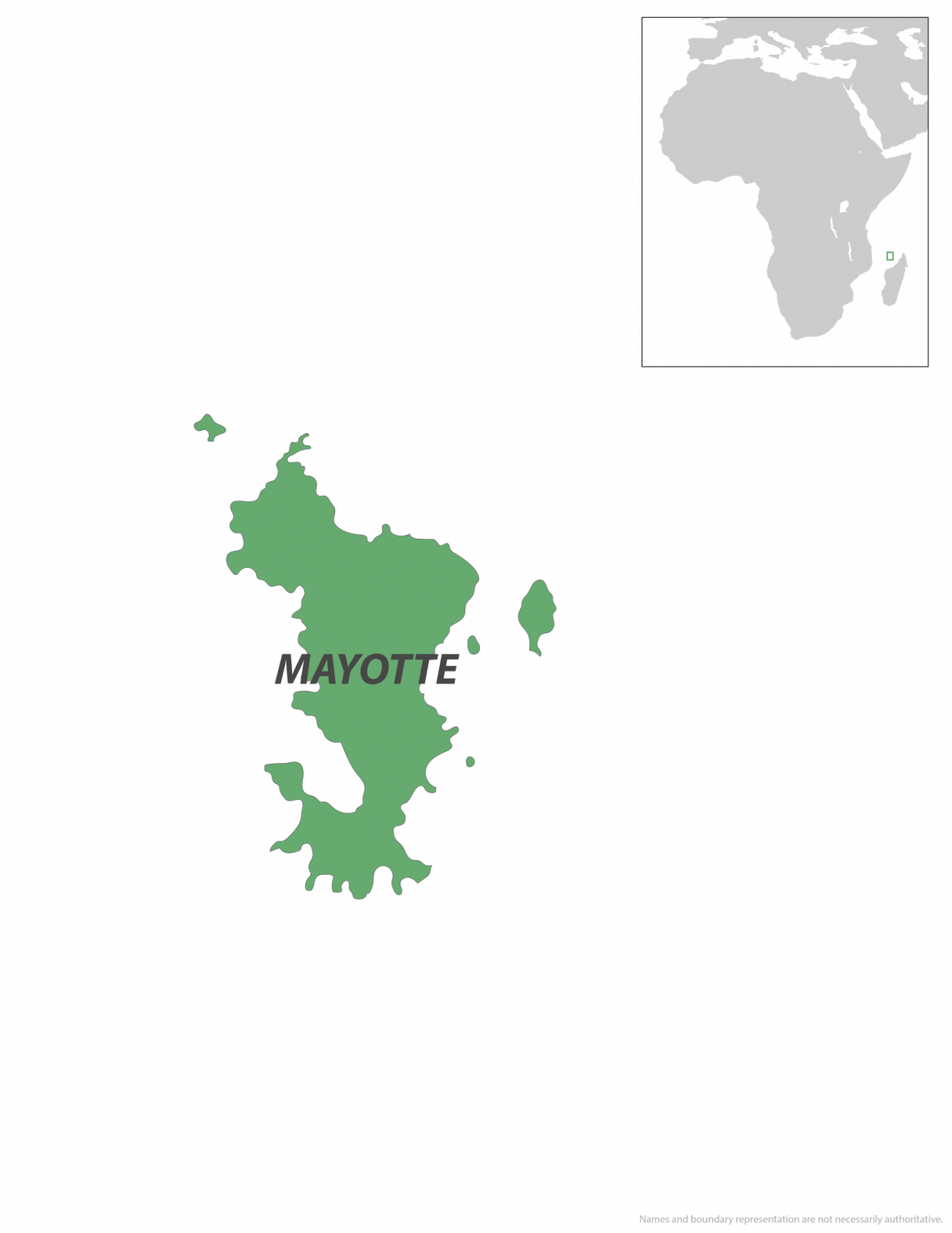
Anguilla, a British Overseas Territory located in the Eastern Caribbean, has recently reported its first locally acquired case of West Nile virus (WNV). According to a Facebook post from the Ministry of Health, Tourism, and Sports dated March 11, 2026, this confirmation marks the first documented human case of WNV in Anguilla.
WNV has been present in the Caribbean since at least 2002, when it was detected in birds in Guadeloupe. However, large-scale human epidemics similar to those in North America, including the United States, have not occurred as of March 13, 2026.
This news is concerning for the over 220,000 international travelers expected to visit Anguilla this year. WNV primarily circulates between mosquitoes and birds, which serve as its main hosts. The virus is transmitted to humans through the bite of infected mosquitoes; however, humans do not spread the virus to others.
Most WNV infections are mild or asymptomatic, with an overall mortality rate of about 1% among those infected.
To protect against the disease, the Ministry of Health advises residents to eliminate mosquito breeding sites and take measures to prevent mosquito bites, as these are the most effective ways to safeguard themselves.
Additionally, the U.S. Centers for Disease Control and Prevention notes that no licensed vaccines or specific medications are available to prevent or treat WNV in humans. Fortunately, vaccine candidates for WNV have been tested in clinical trials.
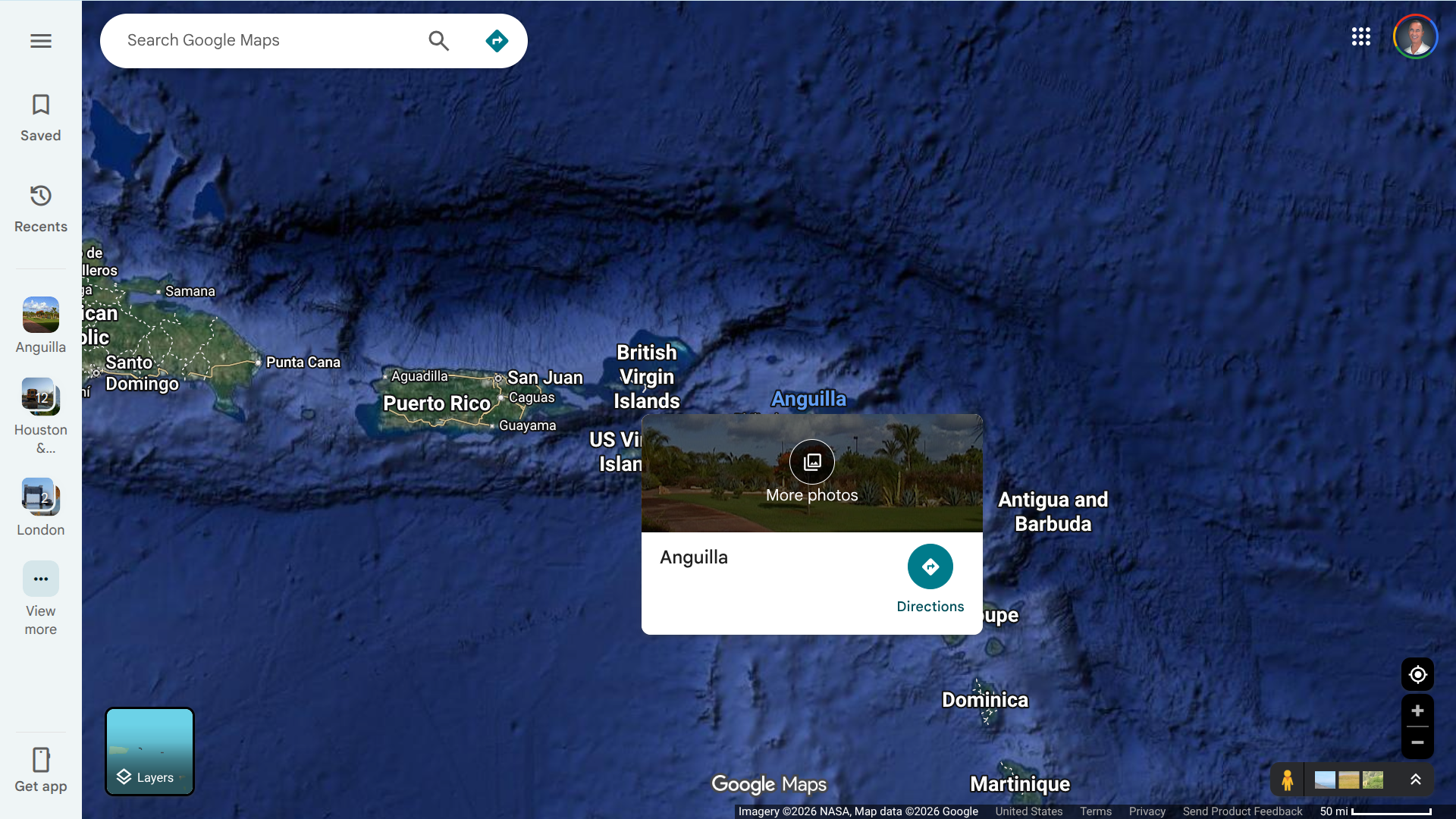
The Centre for Health Protection (CHP) of the Department of Health announced today that it is investigating a cluster of 24 hepatitis A infections linked by identical viral genetic sequences, detected in Hong Kong between September 2025 and February 2026.
These cases primarily affect men, a significant portion of whom identify as men who have sex with men (MSM). Epidemiological investigations found no common residences or restaurants among the patients, leading authorities to note that male-to-male sexual contact cannot be ruled out as a transmission factor.
Dr. Edwin Tsui, Controller of the CHP, emphasized in a media release on March 11, 2026, that hepatitis A outbreaks among MSM populations have occurred globally in the past, including a similar transmission chain in Hong Kong from 2015 to 2017, which was controlled through targeted vaccination.
To curb the spread of this infection, the CHP urges high-risk groups, particularly MSM, to receive vaccinations with two doses of the hepatitis A vaccine. In response to the current cluster, the CHP will begin offering two free doses of the vaccine to eligible MSM residents of Hong Kong starting March 12, 2026.
Epidemic hepatitis A is primarily spread through the ingestion of contaminated food or water, or via contaminated hands before eating. However, it can also be transmitted through high-risk sexual contact. Symptoms, such as fever, fatigue, abdominal pain, nausea, diarrhea, and jaundice, typically appear 14 to 50 days after infection due to the virus's long incubation period.
For international travelers departing from the United States for Hong Kong, the CDC recommends that unvaccinated travelers also receive the Hepatitis A vaccine. And travelers allergic to a vaccine component should receive a single dose of immune globulin, which provides effective protection for up to 2 months, depending on the dosage given.
Additionally, unvaccinated travelers who are over 40 years old, are immunocompromised, or have chronic medical conditions, and who are planning to depart for a risk area in less than 2 weeks, should receive the initial dose of vaccine and, at the same appointment, receive immune globulin.
Recently, Hong Kong has reported increased risks of chikungunya.
The CDC also recommends various routine and travel vaccinations before visiting Hong Kong in 2026.
Over the decades, Chikungunya cases have been reported in approximately 100 countries. In India, the number of cases of this mosquito-borne disease has varied over time.
As of mid-March 2026, comprehensive nationwide annual totals are not yet available. However, early reports indicate ongoing activity in India, with a rise in Chikungunya cases, particularly in states like Tamil Nadu and Maharashtra.
Provisional data for last year shows over 165,000 suspected cases and 95 related fatalities in 2025.
To reduce the number of infections and enhance the local economy, two pharmaceutical companies today announced an innovative agreement.
Bavarian Nordic A/S announced an expansion of the strategic partnership with Serum Institute of India Pvt. Ltd. (SII) to include a contract manufacturing agreement covering a full tech transfer of the manufacturing process for the Chikungunya vaccine (Vimkunya®, CHIKV VLP) to allow for scaling of capacity to enable future supply to endemic low- and middle-income countries.
"We are pleased to strengthen our strategic partnership with SII. By leveraging the strengths of both organizations, we can scale manufacturing of our chikungunya vaccine to expand global supply and improve access for populations around the globe," said Paul Chaplin, President & CEO of Bavarian Nordic, in a press release.
As of March 11, 2026, this agreement builds on the existing mpox vaccine license and manufacturing agreement with SII and replaces the agreement previously entered into with Biological E. Limited.
This Chikungunya vaccine does not contain viral genetic material and is therefore non-infectious and unable to cause disease, ensuring a broad range of people can benefit from vaccination.
Vimkunya® was approved by the U.S. Food and Drug Administration, the European Commission, and the U.K. Medicines & Healthcare products Regulatory Agency in 2025. Regulatory review of the vaccine is ongoing in Switzerland and Canada.
As of March 12, 2026, Vimkunya® is commercially available at various travel vaccine clinics in the U.S. and is recommended for those visiting Chikungunya risk areas, such as India.

In the United States, malaria is considered by the government to be a rare disease, with nearly all cases reported in travelers returning from areas where the disease is endemic, primarily in the Americas and Africa.
Florida, due to its high volume of travel to malaria-endemic regions, consistently reports a significant number of imported cases, historically averaging around 70 cases per year. So far in 2026, seven cases have been reported in individuals with travel history to a malaria-endemic area.
In 2025, Florida confirmed 49 cases of travel-associated malaria, according to reports from the Florida Department of Health.
Fortunately, there was no local transmission of malaria in 2025, but health officials remain vigilant due to the potential for future outbreaks.
A notable instance of local malaria transmission recently occurred on Florida's west coast in Sarasota County, where seven cases in 2023 were linked to local mosquitoes. A previous occurrence was reported on the southeast coast in Palm Beach.
These cases were swiftly contained through rapid response measures implemented by local health officials.
Looking ahead, travel-related malaria cases are expected to continue into 2026. According to the Pan American Health Organization, the Americas reported more than 537,000 confirmed malaria cases in 2024, representing a 6% increase from the 505,000 cases reported in 2023.
The majority of these cases in the Americas remain concentrated in Brazil, Colombia, and Venezuela, which account for about three-quarters of the total cases in the region.
While two malaria vaccines have been in use for years, neither is currently offered to international travelers departing from the U.S. The World Health Organization (WHO) has recommended two vaccines—Mosquirix and R21/Matrix-M—for preventing Plasmodium falciparum malaria in children living in moderate- to high-transmission areas.
Both WHO-recommended vaccines are safe and reduce the incidence of clinical malaria by over 50%.
As of March 12, 2026, these vaccines are available in the U.S. only through specific research trials or in particular contexts, and they are not routinely offered to residents or travelers.
For now, travelers should focus on preventing mosquito bites.

The Republic of Maldives is facing a troubling increase in Dengue fever cases in early 2026, which could impact its expanding number of international visitors.
Health authorities have reported 631 confirmed cases in January 2026 alone, according to the latest data from the Health Protection Agency (HPA).
The HPA figures indicate a significant upward trend, with reports suggesting cases are nearly six times higher than in January 2025. The highest numbers of cases have been reported in areas such as Vaavu Atoll, Kaafu Atoll, and Gaafu Alif Atoll.
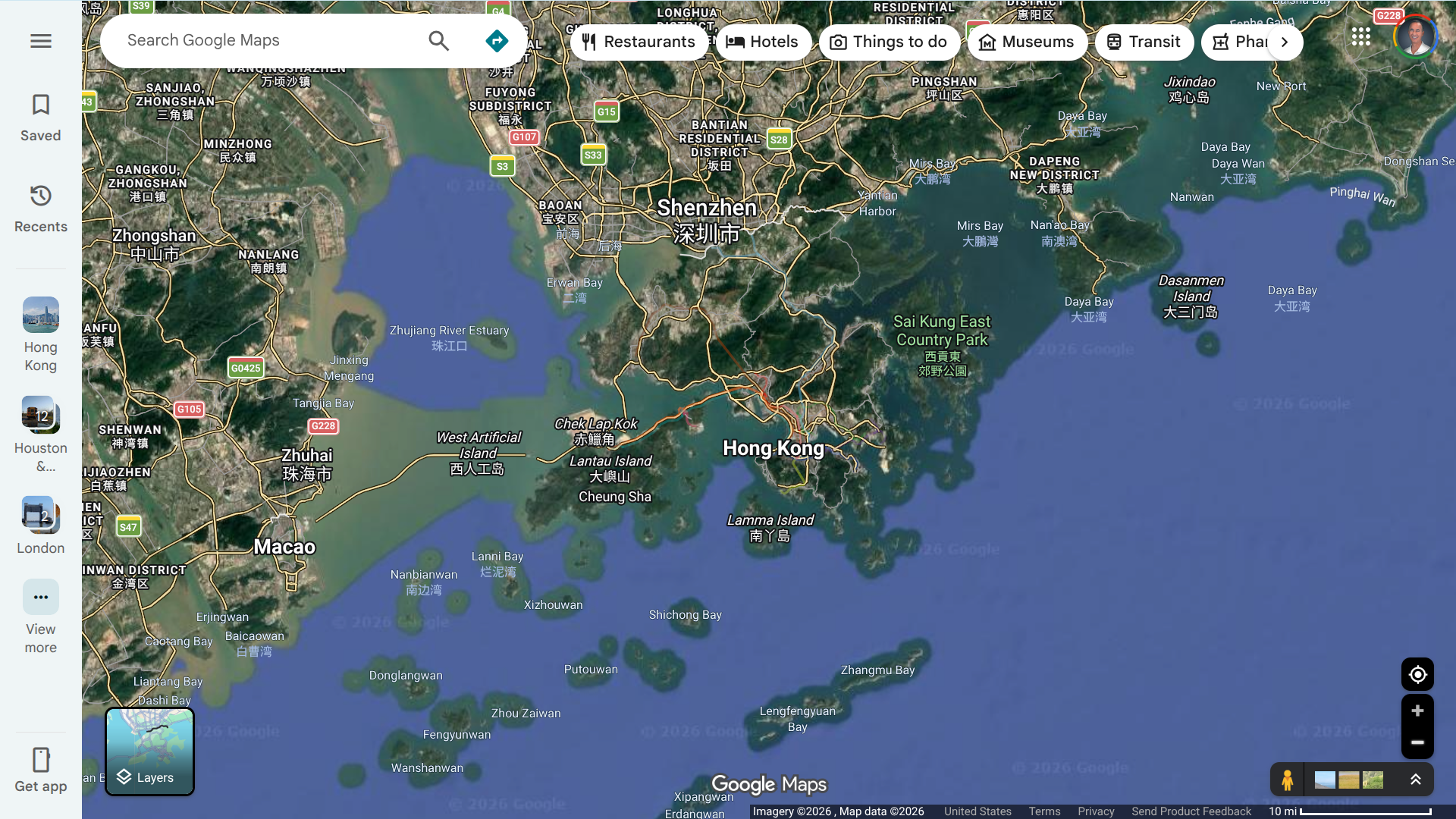
This surge in Dengue cases follows a pattern of rising activity observed in the Maldives, an archipelagic country in the northern Indian Ocean, toward the end of 2025. Dengue has been endemic in the Maldives and neighboring countries, including Sri Lanka, which has reported 5,471 cases, and India, which has reported 3,019 cases this year.
Despite this significant public health concern, the Maldives is on track for a record-breaking year in tourism, with the government officially targeting 2.5 million tourist arrivals for the full year.
Dengue is a vaccine-preventable disease. The primary Dengue vaccine available globally is Qdenga®.
However, there is currently no evidence that Qdenga has been included in the Maldives' national immunization program. Recent vaccination initiatives in the country have focused on other vaccines, such as those for rotavirus and pneumococcal disease.
To alert international travelers, the U.S. Centers for Disease Control and Prevention (CDC) recently issued a Level 1 notice that classifies the Maldives as having a frequent and continuous risk of Dengue, noting that local transmission has occurred in multiple years.
International travel health guidelines from the CDC emphasize mosquito-bite prevention as the main defense for visitors to the Maldives, recommending vaccination only for individuals with prior evidence of Dengue infection in specific high-risk situations.
Given that Dengue remains a year-round threat in the Maldives and elsewhere, health officials advise travelers to consult a vaccine expert before visiting this tropical paradise in 2026.
Spring break travel in 2026 is off to a chaotic start, with record-high passenger volumes causing significant disruptions at Transportation Security Administration (TSA) security checkpoints.
As of March 11, 2026, the TSA reports elevated wait times at several major airports, primarily due to staffing shortages. These delays have worsened since the weekend of March 7-8, coinciding with the early influx of spring break travelers.
This turmoil is expected to continue this weekend.
Industry forecasts from Airlines for America indicate that U.S. airlines are poised for a record-breaking spring travel period, with an estimated 171 million passengers expected to fly between March 1 and April 30, 2026.
This marks a 4% increase over the previous year.
Recent TSA checkpoint data underscores the intensity of the current spring break 2026 rush:
- March 8, 2026: 2,781,523 travelers screened (one of the busiest days in recent months).
- March 9, 2026: 2,563,627 passengers.
- March 10, 2026: 2,056,174 passengers.
Furthermore, don't be in a rush when arriving at the airport. Reports from March 8-10 indicated that wait times reached three hours or more at several key airports.
For instance, Houston's William P. Hobby Airport recently experienced line averages of 3 to 3.5 hours. Airport officials advised passengers to arrive hours early.
During normal times, TSA PreCheck lanes move faster. About 99% of passengers wait less than 10 minutes.
As millions of families, students, and vacationers head to beaches and resorts, the 2026 spring break season serves as a stark reminder of how frontline TSA workers help prevent chaos when confronting challenges.
And while waiting for your flight, it's best to ensure you are up to date on recommended travel vaccines when visiting disease outbreak zones in 2026.

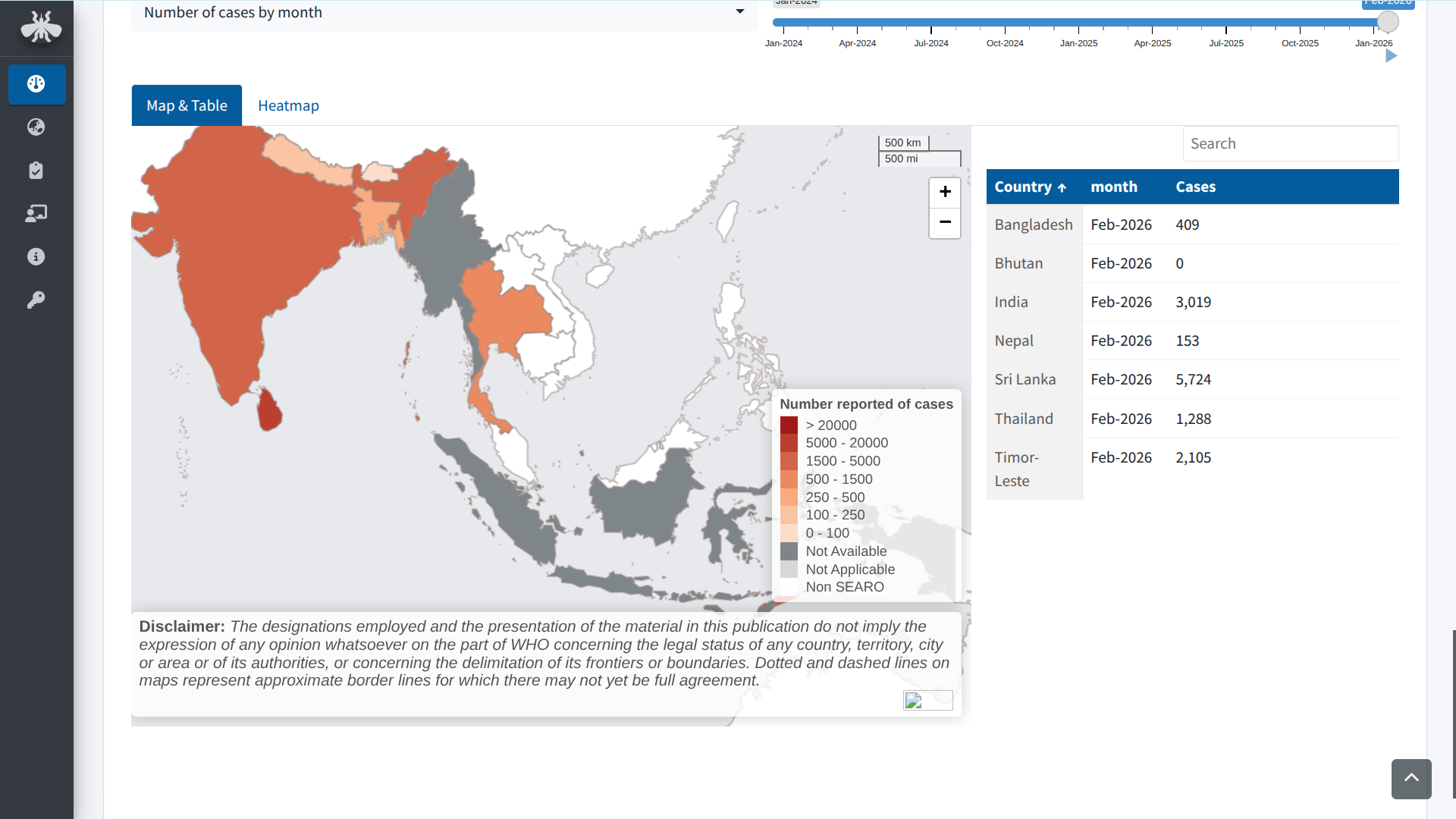
French health authorities are reporting a significant increase in cases of chikungunya virus disease in Mayotte, an overseas department in the Indian Ocean. Since the beginning of 2026, more than 270 confirmed cases have been recorded.
This surge indicates a concerning resurgence of the mosquito-borne illness on the island, following a major outbreak in 2025 that affected thousands across the Indian Ocean region, including neighboring departments such as La Réunion.
According to the French Regional Health Agency, Mayotte reported approximately 1,270 cases last year, primarily in Grande-Terre. Surveillance data from Santé Publique France and the European Centre for Disease Prevention and Control (ECDC) show that the weekly average of cases in the last two weeks of February 2026 was around 65.
Most chikungunya cases are believed to be locally transmitted, influenced by favorable conditions for the Aedes mosquito vectors during the current rainy season, which typically supports higher mosquito populations and the spread of the virus until about April.
As of March 11, 2026, the ECDC has assessed the risk of chikungunya infection for travelers to Mayotte as moderate. In its recent Communicable Disease Threats Report, the agency highlighted the ongoing circulation of the virus and recommended enhanced preventive measures.
"Travelers should be advised to take enhanced measures to prevent mosquito bites."
ECDC recommendations include using insect repellents containing DEET or other approved ingredients, wearing long-sleeved clothing and long pants, and sleeping under insecticide-treated bed nets, especially during daytime hours when Aedes mosquitoes are most active.
Santé Publique France indicated that the outbreak is expected to continue in the coming months unless conditions change significantly. Travelers planning visits to Mayotte are encouraged to consult travel health clinics. In 2025, Santé Publique France reported about 800 locally acquired chikungunya cases on the mainland.
The U.S. CDC, which issued a Level 2 – Practice Enhanced Precautions Notice on March 10, 2026, continues to monitor the situation closely and will update guidance as needed to protect both residents and the expected 75,000 visitors from this preventable but debilitating disease.
The CDC writes, "If you are pregnant, reconsider travel to the affected areas, particularly if you are close to delivering your baby. Mothers infected around the time of delivery can pass the virus to their baby before or during delivery. Newborns infected in this way or by a mosquito bite are at risk for severe illness."
Both the ECDC and CDC say vaccination against chikungunya may be recommended for travelers based on national guidelines and individual risk assessments. In some countries, such as the United States, vaccines are available for at-risk groups.