Search API
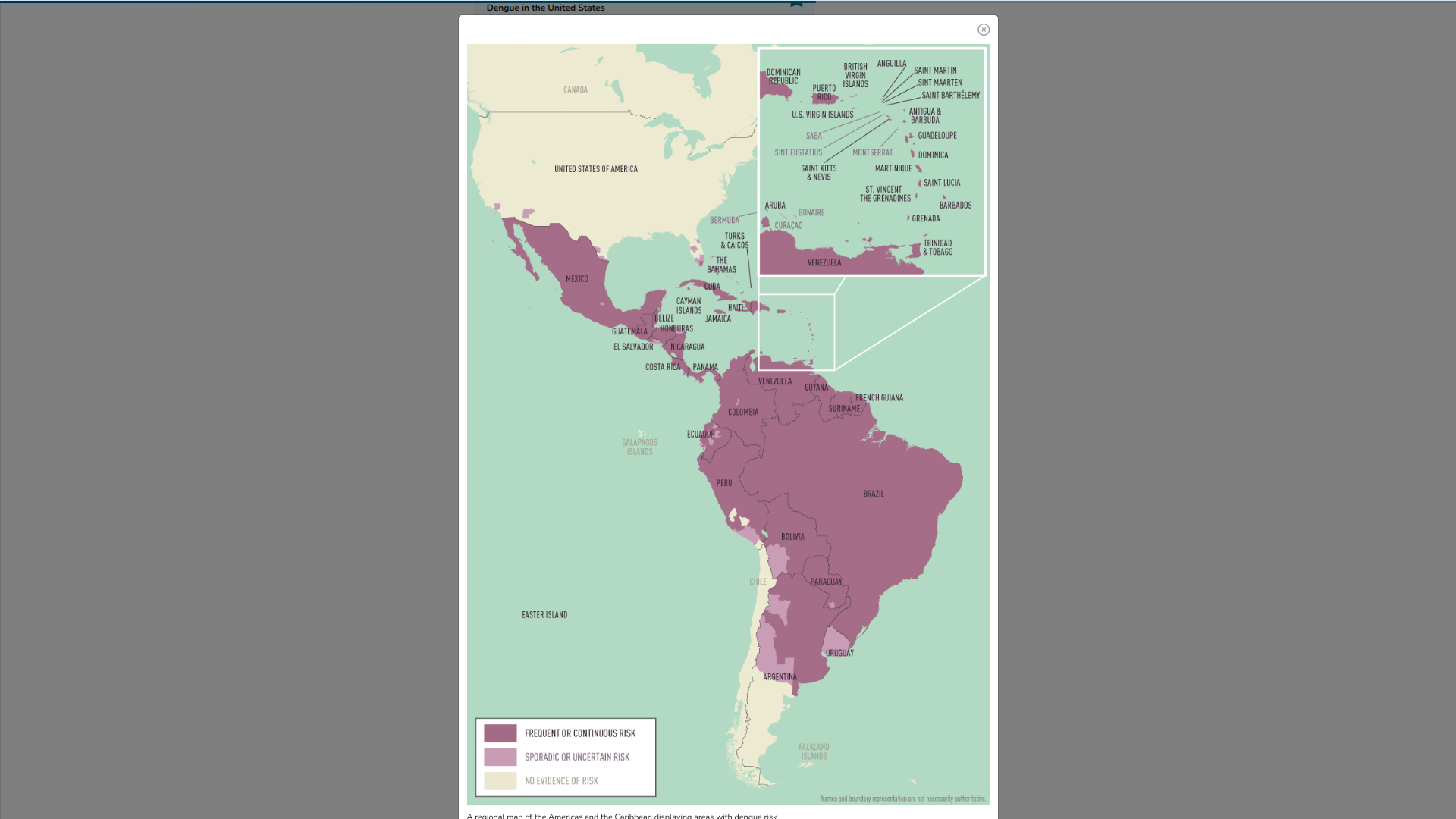
Since 1980, the Pan American Health Organization has been collecting epidemiological data on the incidence of dengue. Following significant dengue fever outbreaks in South America during 2024 and 2025, researchers are investigating the root cause.
For example, Peru has experienced severe national dengue outbreaks.
In 2010 and 2011, the Loreto region of Peru experienced an unprecedented dengue outbreak. In 2025, Peru reported over 270,000 cases and 261 deaths, which set records without a known clinical explanation.
A retrospective study (Volume 19, Issue 1) published by ScienceDirect in January 2026 offers new insights into the circulation patterns of dengue virus (DENV) serotypes in the Amazonas region of northeastern Peru from 2021 to 2025.
The research identifies DENV-2 as the dominant serotype driving major outbreaks in this Amazonian area while also revealing unexpected protective effects from prior infections against severe disease manifestations.
Furthermore, DENV-1 and DENV-3 circulated less frequently during the study period.
No direct association was found between specific serotypes and clinical classification, severity, or overall incidence rates.
Notably, prior dengue infection was significantly associated with a reduced likelihood of developing warning signs of severe dengue (p = 0.032), suggesting partial cross-protection during secondary infections.
"These results emphasize the critical role of DENV-2 in driving major dengue surges in Amazonas, while also highlighting how previous exposure to the virus may offer some protection against more severe symptoms," noted the lead researchers.
"This underscores the importance of sustained molecular surveillance to track DENV serotype shifts and inform targeted public health responses."
The findings from the Amazonas region align with broader trends in the Americas, where infection with one serotype does not confer complete immunity to others, and secondary infections can sometimes lead to severe forms of the disease.
This is essential information, as millions of international travelers visit Peru, many of whom visit Machu Picchu.
Regarding which dengue vaccine offers the broadest protection, only one provides equivalent tetravalent protection against all four dengue virus serotypes (DENV-1, DENV-2, DENV-3, and DENV-4). However, the single-dose Butantan-DV vaccine is only available in Brazil.
According to a 2025 survey, most people in Peru are interested in access to a next-generation dengue vaccine.
Since October 2025, several European countries have observed increases in influenza positivity rates among patients tested in community laboratories, beginning as early as week 41 of 2025.
According to a Rapid Communication published in Eurosurveillance (Volume 31, Issue 2), in France, the 2025/26 flu season is characterized by high circulation of influenza A(H3N2) viruses from subclade K, alongside co-circulation of A(H1N1)pdm09 subclade D.3.1.1.
As of January 15, 2026, an early assessment of influenza vaccine effectiveness (VE) against laboratory-confirmed influenza using data from community laboratory surveillance through the first week of January 2026.
The overall interim VE estimate for individuals vaccinated from 15 days to 3 months before testing was 36.4% (95% CI: 29.7–42.5). Among the population aged ≥ 65 years, the point estimate was lower, peaking at 27.7% and overlapping with the 95% CI (16.7–37.3).
These researchers concluded that despite a partial vaccine mismatch this season, interim analyses indicate a statistically significant vaccine VE across all age groups.
In the context of sustained influenza circulation in Europe, it is strongly recommended to reinforce vaccination uptake in the coming weeks.
This new data supports the U.S. CDC's recommendation that most visitors to France get an annual flu shot about two weeks before traveling abroad in 2026. Various flu shots are offered at travel clinics in the USA.

The Delhi Statistical Handbook 2025, published on January 8, 2026, by the Directorate of Economics & Statistics and the Office of the Chief Registrar of the Government of NCT of Delhi, reveals a concerning increase in respiratory-related fatalities in recent years.
The updated handbook highlights the growing health burden from conditions such as asthma, pneumonia, and chronic obstructive pulmonary disease, which are risks for residents and visitors in 2026.
In 2024, Delhi recorded 9,211 deaths from respiratory diseases, an increase from 8,801 in 2023 and 7,432 in 2022.
Additionally, overall mortality in the capital rose to 139,480 deaths in 2024, up from 132,391 in 2023.
Local health experts attribute the severe air pollution in Delhi to factors including vehicular emissions, industrial activity, construction dust, and seasonal stubble burning.
These advocates call for immediate measures, such as improved public transport, stricter regulations, and enhanced regional cooperation, to prevent further loss of life in or around Delhi.
According to data from India's Ministry of Tourism, Delhi remains a very popular destination. There were about 39 million domestic visitors and around 1.8 million international visitors in 2023.
As of January 16, 2026, the U.S. Centers for Disease Control and Prevention (CDC) has not issued a Travel Health Notice focused on Delhi's air pollution. But the CDC has identified several health risks and vaccination recommendations for travelers to India.
The CDC advises future visitors to India speak with a travel vaccine expert about immunization options.

A new large-scale study analyzing healthcare claims data from 2016 to 2022 has revealed that Lyme disease (LD) imposes a substantial economic burden, with direct medical costs significantly higher for patients with disseminated disease compared to those with localized infections.
This new research, published in JAMA Network Open on January 14, 2026, identified over 70,000 Lyme disease cases and employed multiple analytical approaches to estimate costs, all adjusted to 2022 dollars.
Key findings highlight the mean LD-specific direct medical cost per episode at $2,227.
Furthermore, costs varied dramatically by disease stage:
- Localized, early-stage disease: $695 per episode compared with $695,
- Disseminated disease: $6,833 per episode,
- In a self-control approach, patients incurred an average of $3,304 higher all-cause costs in the 6 months following diagnosis than in the prior 6 months,
- Case-control comparisons showed differences ranging from $4,098 to $5,571 in projected 6-month total all-cause costs after multivariable adjustment for baseline characteristics.
According to these researchers, these estimates were generally higher than those from prior studies, potentially due to longer episode durations allowed in this analysis, the use of standardized insurance-allowed amounts, and inclusion of diverse insurance types and all age groups.
These findings emphasize the need for enhanced prevention strategies, prompt diagnosis, and awareness to mitigate escalating healthcare expenditures. Early intervention could substantially reduce the disproportionate costs driven by disseminated disease, these researchers added.
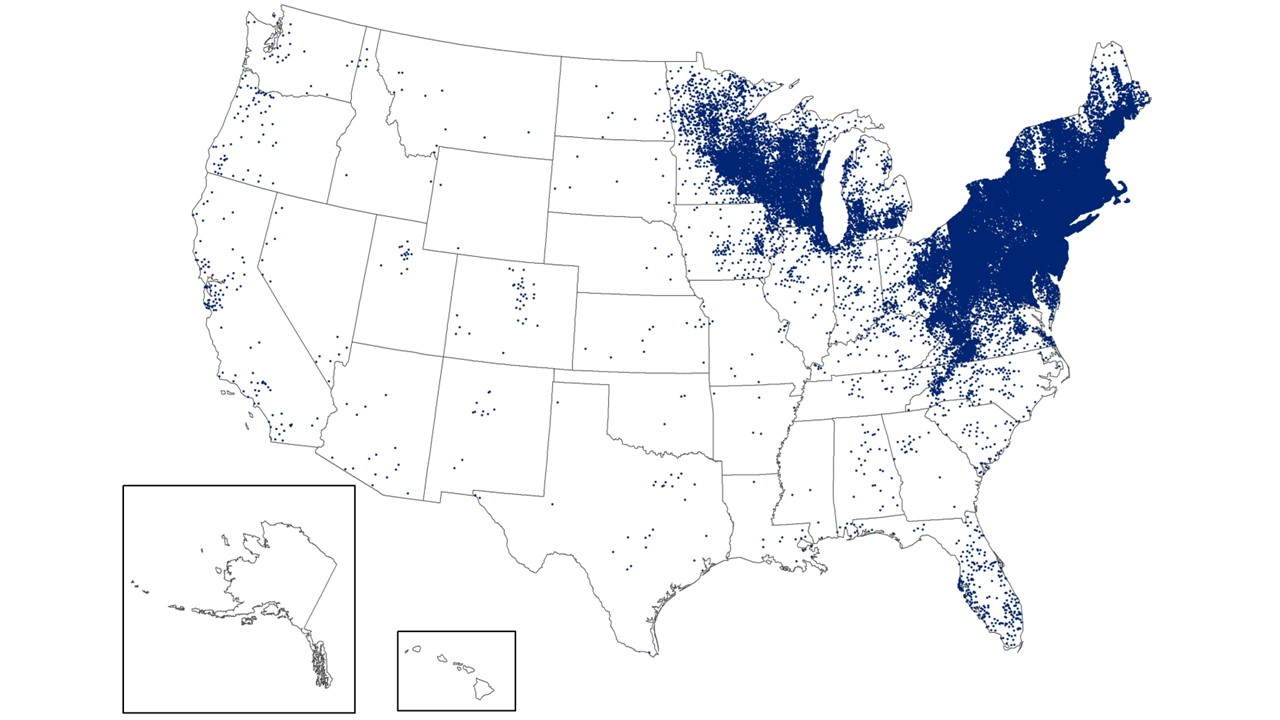
The U.S. CDC says Lyme disease remains the most common vector-borne illness in the United States, with an estimated 476,000 people diagnosed and treated annually. In 2025, most LD cases were reported in the northern states in the east and the Midwest.
From a disease prevention option, one Lyme disease vaccine candidate (VLA15) is progressing in phase 3 clinical trials. However, the approval date for this innovative vaccine has not yet been announced.
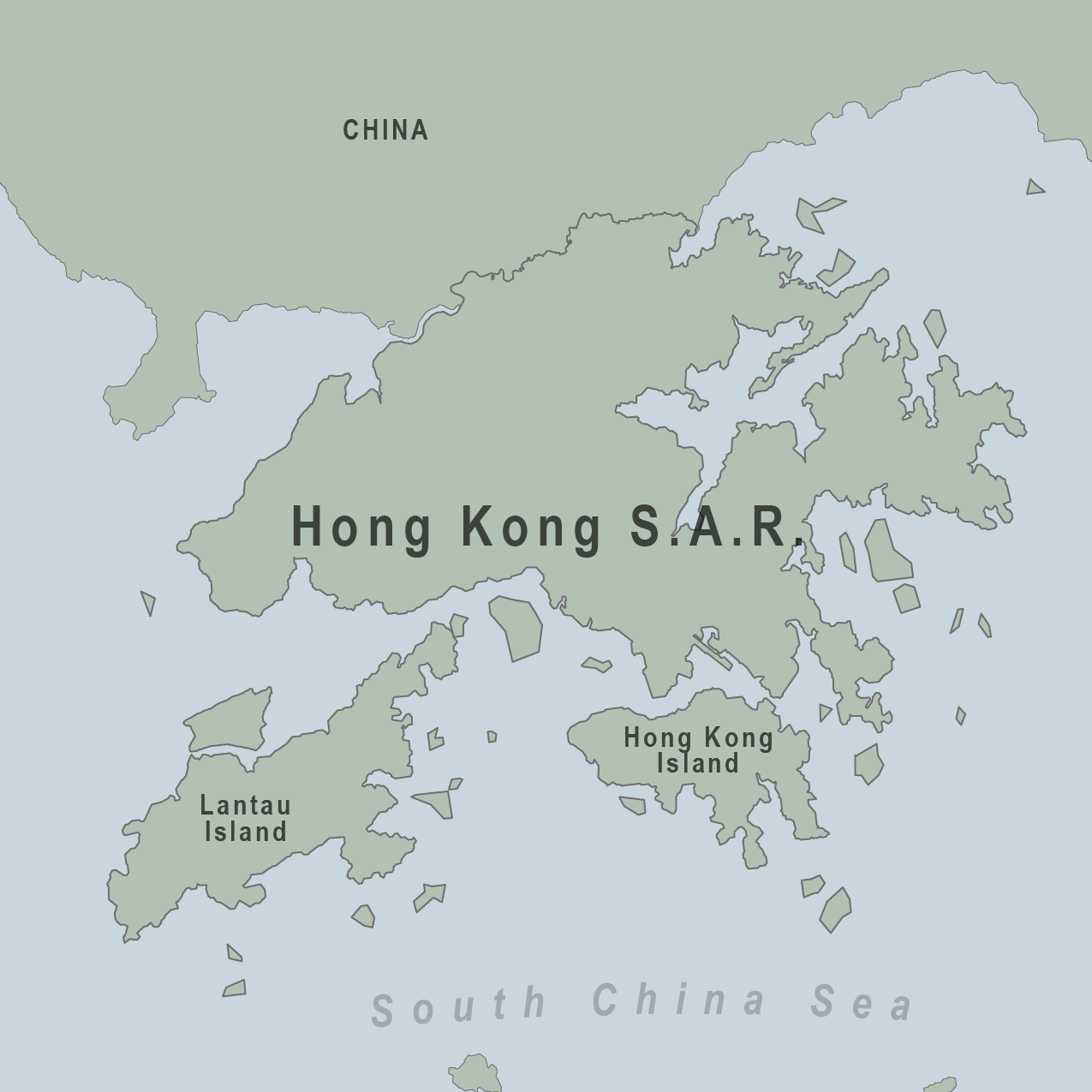
The Centre for Health Protection (CHP) of the Department of Health in Hong Kong announced today that no new cases of chikungunya fever (CF) have been reported.
The total number of confirmed CF cases in 2025 remains at 82.
As of January 14, 2026, the CHP's press release confirmed that 11 of these cases were local infections, while the others were imported from various areas.
Local cases of CF were reported following visits to the Tsing Yi Nature Trails and surrounding areas near Hong Kong in November last year, prompting the closure of the trails until further notice.
However, since the confirmation of the previous local case on December 10, 2025, no additional local cases have been reported.
Relevant government departments are conducting extensive efforts to control and prevent mosquito populations along the trails.
The CHP urges the public to refrain from entering the area to minimize the risk of contracting CF and to avoid exposure to the chemicals being used in the mosquito control operations.
While the U.S. Centers for Disease Control and Prevention (CDC) has not issued a Travel Health Advisory for Hong Kong, it did publish a Level 2 advisory in 2025, which has since been removed.
When departing from the United States for Hong Kong or any at-risk destination in 2026, chikungunya vaccination services are offered at travel health clinics located in most cities.
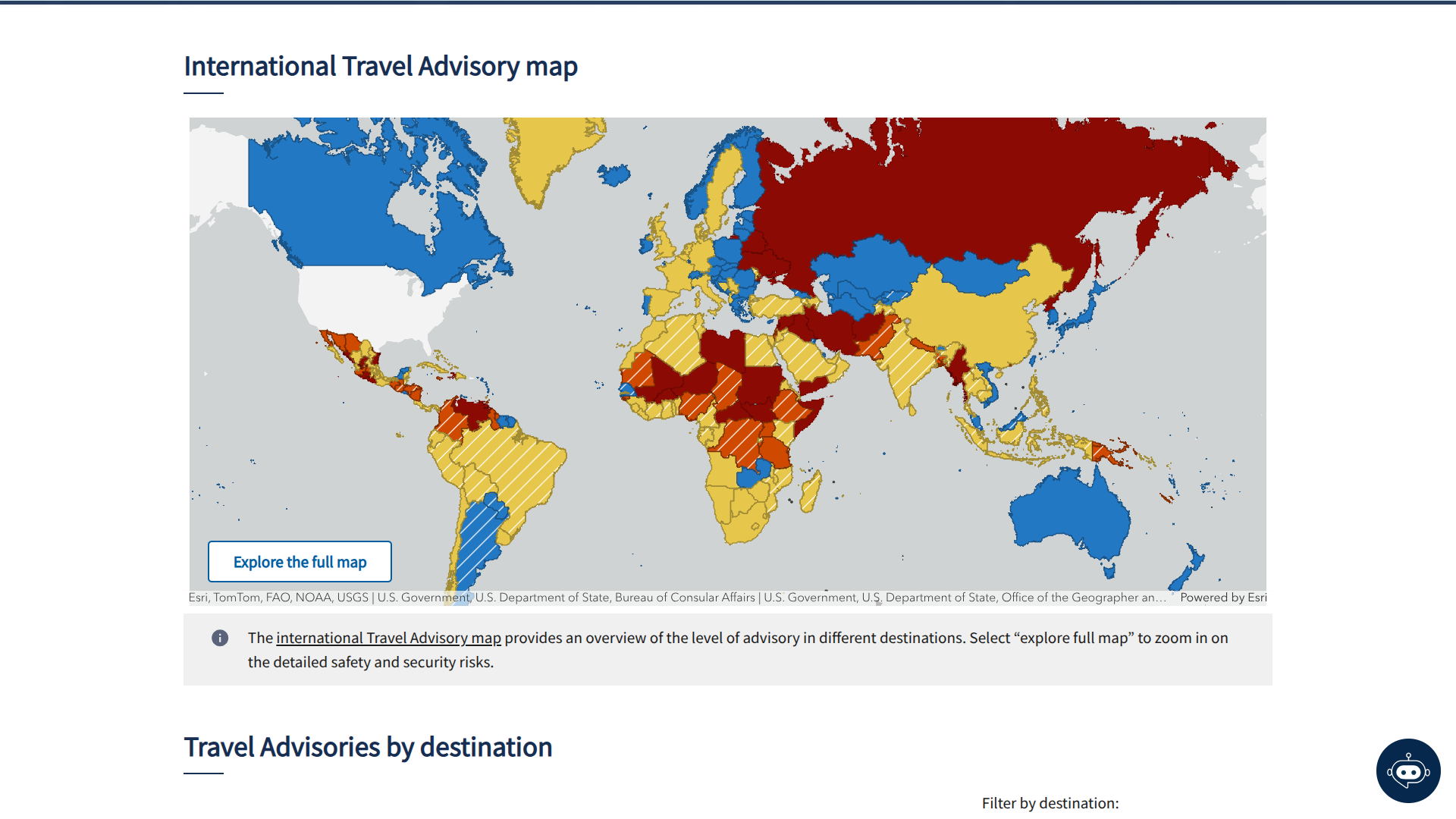
The U.S. Department of State has issued its highest-level warning, Level 4: Do Not Travel, for 22 destinations due to life-threatening risks. These locations are subject to ongoing security assessments, and the reasons for the warnings vary by destination.
As of mid-January 2026, the State Department lists the following countries and areas under this critical advisory: Afghanistan, Belarus, Burkina Faso, Burma, Central African Republic, Gaza, Haiti, Iran, Iraq, Lebanon, Libya, Mali, Niger, North Korea, Russia, Somalia, South Sudan, Sudan, Syria, Ukraine, Venezuela, and Yemen.
These advisories, including reissuances in early January 2026, emphasize that U.S. citizens should avoid travel to these areas entirely.
In many of these areas, the U.S. government has very limited or no ability to assist American citizens during emergencies.
For U.S. citizens already present in Level 4 destinations, the Department strongly urges departure as soon as safe travel options become available, as the government's capacity to provide emergency support, including evacuations, remains constrained in these high-risk environments.
The State Department recommendations for all international travelers include enrolling in the free Smart Traveler Enrollment Program to receive real-time updates, alerts, and emergency assistance from the nearest U.S. embassy or consulate.
Seperately, as of January 15, 2026, the UK's Foreign travel advice offers similar information, including entry requirements, safety and security, health risks, and legal differences.
While the advisories focus on security threats rather than health risks, international travelers should cross-reference the U.S. Centers for Disease Control and Prevention Travel Health Notices and the UK Travel Health Pro for any vaccine-preventable disease outbreaks, such as chikungunya, dengue, yellow fever, or zika, which may overlap in some tropical regions

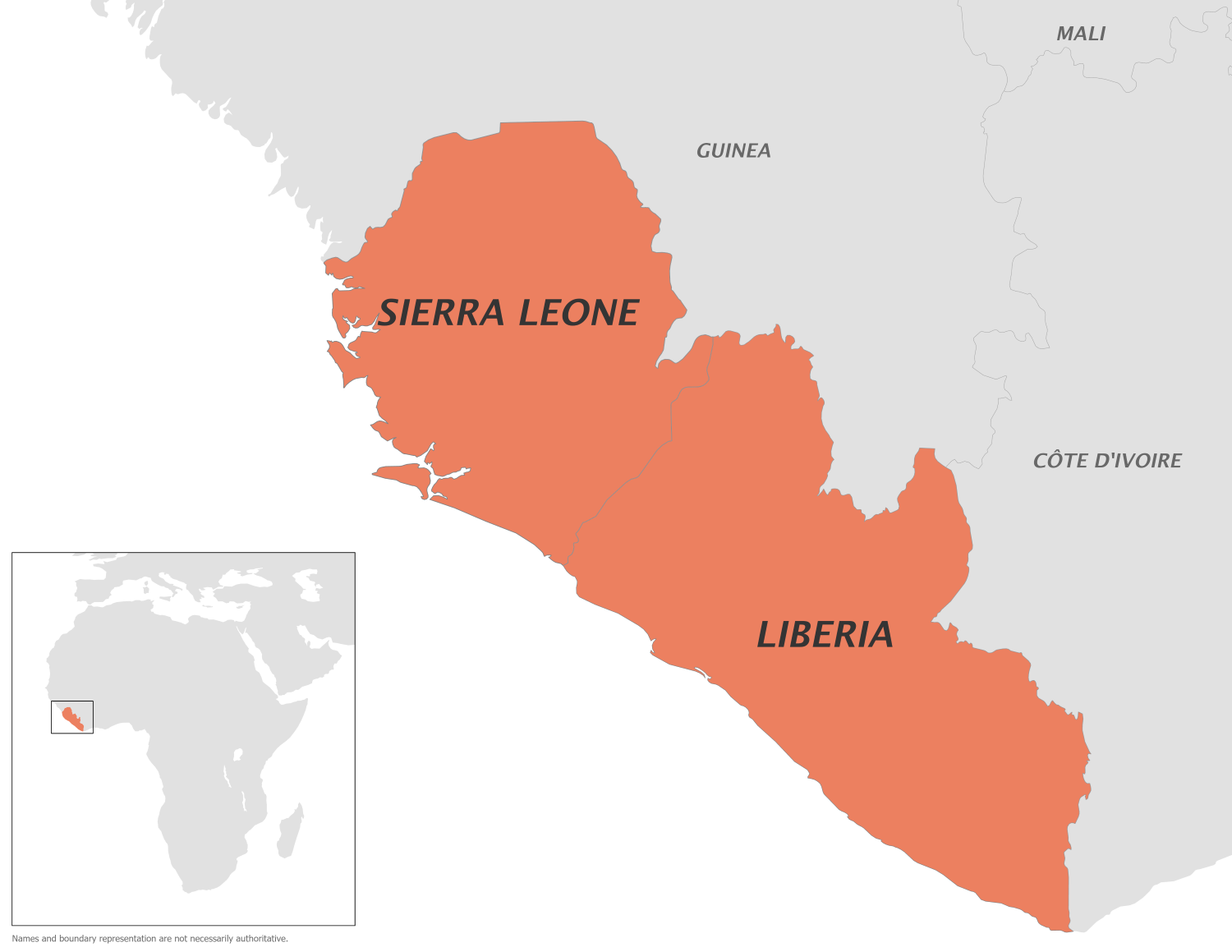
The U.S. Centers for Disease Control and Prevention (CDC) today issued a Level 2 Travel Health Notice, advising travelers to practice enhanced precautions due to the ongoing clade II Mpox outbreak in Liberia.
As of early November 2025, the West African country of Liberia has reported 2,447 suspected cases of Mpox since the outbreak began in September 2024. The virus is transmitted between clade IIa and clade IIb strains, with local human-to-human spread observed.
There are also cross-border links to neighboring countries such as Sierra Leone.
This CDC travel advisory, effective as of January 14, 2026, emphasizes the transmission of clade II Mpox from person to person, including through sexual and other intimate contact. The CDC has noted that both males and females are affected approximately equally.
To combat the outbreak, the Liberian Ministry of Health, in collaboration with partners such as the World Health Organization and the Africa CDC, has implemented enhanced response measures. These measures include a nationwide vaccination campaign to administer 42,720 vaccine doses to high-risk groups by the end of January 2026.
The CDC advises travelers to Liberia to review this notice and consider getting vaccinated against Mpox (JYNNEOS®) if they plan to engage in activities that may increase their risk.
Last year, approximately 80,000 international tourists visited Liberia.
This U.S. FDA-approved vaccine is offered at various travel clinics throughout the USA.